A 3-day Serengeti and Ngorongoro safari is an intensive, condensed wildlife experience focused on maximizing sightings in two of Tanzania’s premier national parks, typically starting from Arusha or a nearby airstrip, covering key areas for the Big Five and exceptional predator-prey action within a tight schedule, ideal for travelers with limited time who want to witness Africa’s most iconic landscapes and animals.
Understanding the 3-Day Serengeti and Ngorongoro Safari
A 3-day Serengeti and Ngorongoro safari is a highly concentrated adventure, designed for travelers who have limited time but are determined to experience the very best of Tanzania’s iconic wildlife destinations. This isn’t a leisurely exploration; it’s an efficient, action-packed itinerary that aims to deliver maximum impact in minimal days. The core challenge, and the defining characteristic of this safari type, is balancing the vastness of the Serengeti with the unique concentration of wildlife within the Ngorongoro Crater.
When we talk about a 3-day Serengeti and Ngorongoro safari, we’re generally referring to a package that begins and ends in Arusha, the primary gateway city for Northern Tanzania safaris. The itinerary will involve significant travel time, often utilizing light aircraft flights to save precious hours, or a combination of driving and flying. The goal is to squeeze in game drives in both locations, often dedicating one full day to the Serengeti and another to the Ngorongoro Crater, with travel days bookending these experiences. Some variations might involve a brief overnight in the Serengeti and a full day in the Crater, or vice versa, depending on the operator’s focus and flight schedules. For 2026-2027, understanding these logistical constraints is key to managing expectations and ensuring a fulfilling trip.
The Serengeti, a UNESCO World Heritage Site, is renowned for its endless plains and the Great Migration. A single day here, while better than nothing, means you’re only scratching the surface of its immense ecosystem. Similarly, the Ngorongoro Crater, a caldera teeming with wildlife, offers incredible densities but requires careful planning to maximize your time within its unique environment. Therefore, a 3-day Serengeti and Ngorongoro safari is a strategic compromise, prioritizing iconic sightings over in-depth exploration of either park.
This type of safari is particularly suited for those combining it with a Kilimanjaro climb, a Zanzibar beach holiday, or those on a tight business schedule. The intensity means early mornings and late evenings, with your days dictated by the movements of wildlife and the need to cover ground efficiently. It’s about quality over quantity of time spent in each park, focusing on the most likely places to see the Big Five (lion, leopard, elephant, rhino, buffalo) and a myriad of other fascinating creatures. For the 2026-2027 travel season, booking well in advance is advisable, especially if you aim for peak migration viewing periods.
Why Choose a 3-Day Serengeti and Ngorongoro Safari?
The decision to opt for a 3-day Serengeti and Ngorongoro safari is usually driven by practical considerations, primarily time constraints. Many travelers dream of experiencing Tanzania’s legendary wildlife, but their vacation schedules don’t allow for the typical 5-7 day Northern Circuit safaris. This 3-day package offers a compelling solution.
1. Time Efficiency: This is the most significant advantage. If you have only three full days available for a safari after accounting for travel to and from Tanzania, this itinerary allows you to visit two of the most famous parks. Without this option, many would have to choose between the Serengeti or the Ngorongoro, or worse, skip them altogether.
2. Iconic Wildlife Hotspots: You get to experience two distinct yet equally spectacular ecosystems. The Serengeti’s vast plains offer unparalleled opportunities to witness the Great Migration (seasonally) and vast herds of herbivores, along with resident predators. The Ngorongoro Crater provides a unique, self-contained environment with a high density of animals, including the rare black rhino, in a impressive caldera setting. It’s a ‘greatest hits’ tour of Tanzanian wildlife.
3. Feasibility for Combinations: A 3-day safari is perfectly sized for adding onto other Tanzanian adventures. It fits neatly between a Kilimanjaro climb and a Zanzibar beach extension, or as a standalone short break if you’re visiting East Africa for other reasons. For instance, a traveler might complete a climb in the first week of October 2026 and then start this short, impactful safari before heading to the coast.
4. Accessibility: While these parks are remote, tour operators specializing in short safaris have refined the logistics. They often use light aircraft transfers to minimize driving time, flying clients directly from Arusha to Serengeti airstrips and then potentially back to Arusha via the Manyara airstrip (near Ngorongoro) or directly from a Serengeti airstrip to Kilimanjaro International Airport (JRO). This makes it feasible within the short timeframe.
5. High Impact Experience: Despite the brevity, the focus is on maximizing wildlife encounters. Operators will plan game drives during peak activity hours and strategically position you in areas known for sightings. This means early mornings and late afternoons, when predators are most active and the light is best for photography. It’s an intense but rewarding immersion.
6. Value Proposition (Relative): While no safari in these premium parks is ‘cheap,’ a 3-day trip can sometimes offer a more accessible entry point for budget-conscious travelers or those who can only afford a shorter duration. However, it’s crucial to understand that flights and park fees still represent a significant portion of the cost, so ‘budget’ is relative here. For 2027, planning with a clear budget in mind is essential, as costs for park entries and internal flights can fluctuate.
When considering a 3-day Serengeti and Ngorongoro safari for 2026 or 2027, it’s vital to partner with an operator who understands how to make the most of limited time, prioritizing efficient transfers and prime game viewing locations. This is where local expertise becomes invaluable.
Essential 3-Day Serengeti and Ngorongoro Safari Itineraries
Crafting a 3-day itinerary that effectively covers both the Serengeti and the Ngorongoro Crater requires careful balancing. Given the vast distances and the desire for meaningful game drives, most operators will offer variations that slightly prioritize one park over the other, or attempt an ambitious blend. Here are typical structures you might encounter for a 3-day Serengeti and Ngorongoro safari:
Option 1: Serengeti Focus with Ngorongoro Glimpse
This itinerary leans heavily towards maximizing time in the Serengeti, often dedicating a full day and a half to its plains, with a shorter, impactful visit to the Ngorongoro Crater. It’s ideal for those who dream of the vast Serengeti landscape and the migration phenomenon.
Day 1: Arusha to Serengeti National Park
- Morning: Transfer to Arusha Airport (ARK) for a scheduled light aircraft flight to a Serengeti airstrip (e.g., Seronera).
- Mid-morning: Upon arrival, you’ll be met by your safari guide and vehicle. Begin your first game drive en route to your accommodation (lodge or tented camp) located centrally within the Serengeti.
- Afternoon: Enjoy a packed lunch and continue with an afternoon game drive in the Serengeti, searching for lions, cheetahs, leopards, elephants, and large herds of wildebeest and zebras.
- Evening: Return to your lodge/camp for dinner and overnight.
Day 2: Serengeti Exploration and Transfer to Ngorongoro Area
- Early Morning: Depart for an early morning game drive in the Serengeti. This is prime time for predator activity.
- Late Morning: Return to the lodge/camp for breakfast. Pack up and check out.
- Midday: start a final game drive as you exit the Serengeti and drive towards the Ngorongoro Conservation Area. The drive itself can yield wildlife sightings.
- Afternoon: Arrive at your lodge or tented camp situated on the rim of the Ngorongoro Crater or in the Karatu highlands.
- Evening: Dinner and overnight.
Day 3: Ngorongoro Crater Tour and Departure
- Early Morning: Descend into the Ngorongoro Crater for a 5-6 hour game drive. This is your best chance to spot the elusive black rhino, alongside lions, elephants, buffalo, hippos, and a host of other species in a relatively compact area.
- Late Morning/Midday: Ascend from the crater. Enjoy a final picnic lunch or head to a lodge for lunch.
- Afternoon: Drive back to Arusha, arriving in the late afternoon or early evening.
Pros: More time for Serengeti’s vastness and potential migration viewing; good chances for diverse wildlife.
Cons: Less time in Ngorongoro; the drive from Serengeti to Ngorongoro can be long.
Option 2: Ngorongoro Immersion with Serengeti Quick Visit
This option prioritizes the unique Ngorongoro Crater experience, offering a full day within its caldera, and then a brief, high-impact visit to the Serengeti. This is often preferred by those who want to ensure they see the black rhino and experience the crater’s density.
Day 1: Arusha to Ngorongoro Conservation Area
- Morning: Transfer to Arusha Airport (ARK) for a light aircraft flight to Lake Manyara Airstrip (LKY) or directly to a lodge near Ngorongoro. Alternatively, a private vehicle transfer from Arusha can be arranged, though it takes longer.
- Mid-morning: Arrive and transfer to your lodge/camp located on the Ngorongoro Crater rim or in the Karatu area.
- Afternoon: Enjoy a guided walk in the surrounding area (if available and time permits) or relax at your lodge, taking in the views. Some operators might include a visit to a Maasai village.
- Evening: Dinner and overnight.
Day 2: Full Ngorongoro Crater Tour and Transfer to Serengeti
- Early Morning: Descend into the Ngorongoro Crater for a dedicated 6-7 hour game drive. Focus on spotting the Big Five, including the black rhino, and the abundant birdlife.
- Midday: Enjoy a picnic lunch inside the crater.
- Afternoon: Ascend from the crater and drive towards the Serengeti National Park. This is a travel day, but you’ll continue with a game drive as you enter the Serengeti and head towards your accommodation.
- Evening: Arrive at your lodge or tented camp in the Serengeti (often in the Seronera area for accessibility) for dinner and overnight.
Day 3: Serengeti Game Drive and Departure
- Early Morning: Undertake a final Serengeti game drive, focusing on areas known for big cats and other wildlife.
- Late Morning: Return to your lodge/camp for breakfast.
- Midday: Transfer to a Serengeti airstrip for your scheduled light aircraft flight back to Arusha.
- Afternoon: Arrive in Arusha, concluding your 3-day safari.
Pros: Extended time in the Ngorongoro Crater, increasing chances of seeing the black rhino; good wildlife density guaranteed.
Cons: Limited time in the vast Serengeti; significant travel on Day 2.
Option 3: Balanced Experience (Ambitious but Possible)
This is the most logistically challenging but can offer a taste of both worlds if flights are perfectly timed and you’re prepared for a faster pace. It often involves flying into one park and out of another, or very early starts and late finishes.
Day 1: Arusha to Serengeti National Park
- Morning: Fly from Arusha to a Serengeti airstrip (e.g., Seronera).
- Mid-morning: Meet your guide, begin a game drive en route to a central Serengeti lodge/camp.
- Afternoon: Afternoon game drive in the Serengeti.
- Evening: Overnight in the Serengeti.
Day 2: Serengeti Morning & Transfer to Ngorongoro
- Early Morning: Final Serengeti game drive.
- Late Morning: Return to camp for breakfast, check out.
- Midday: Drive towards the Ngorongoro Conservation Area, with a game drive en route.
- Afternoon: Arrive at your Ngorongoro rim lodge/camp.
- Evening: Overnight.
Day 3: Ngorongoro Crater & Departure
- Early Morning: Descend into the Ngorongoro Crater for a game drive.
- Late Morning: Ascend from the crater.
- Midday: Lunch.
- Afternoon: Drive back to Arusha for departure.
Pros: Attempts to offer a more even split of time.
Cons: Very fast-paced, potentially rushed game drives; relies heavily on perfect flight schedules and road conditions.
When planning for 2026-2027, discuss these options thoroughly with your tour operator to select the one that best aligns with your priorities and tolerance for travel time.
Logistics and Planning Your 3-Day Trip
Executing a successful 3-day Serengeti and Ngorongoro safari hinges on meticulous planning. Given the tight schedule, every detail matters, from the time of year you travel to how you get between locations. This section covers the critical logistical elements to consider for your 2026-2027 adventure.
Best Time to Visit for a 3-Day Safari
While Tanzania offers year-round safari opportunities, the ‘best’ time for a 3-day trip depends on your priorities:
- June to October (Dry Season): This is generally considered the peak season. The Serengeti’s plains are dry, concentrating wildlife around remaining water sources, making sightings easier. The Great Migration is typically in the Western and Northern Serengeti during this period, a spectacular sight. Ngorongoro also has excellent game viewing. Expect higher prices and more crowds. This is a popular choice for 2026 and 2027 bookings.
- November to May (Green Season): This period sees rains, leading to lush landscapes and fewer crowds. Wildlife disperses as water is plentiful, which can make sightings more challenging, though resident game in Ngorongoro remains high. The calving season for wildebeest in the Southern Serengeti (December-March) is a highlight for photographers interested in predator-prey action. This period often offers better value, with lower rates for accommodation and fewer tourists, making it a consideration for budget-conscious travelers in 2027.
For a short 3-day trip, the dry season (June-October) often provides more reliable and concentrated sightings, which is crucial when time is limited. However, the green season can offer a more intimate experience and photographic opportunities if you’re targeting specific events like calving.
Getting There and Around: Flights vs. Drives
This is perhaps the most critical decision for a 3-day safari. Time is your most valuable commodity.
- Light Aircraft Flights: This is the recommended method for a 3-day Serengeti and Ngorongoro safari. Flying from Arusha (ARK) to a Serengeti airstrip (e.g., Seronera, Kogatende, Grumeti) saves a full day of driving (which can take 8-10 hours each way). Similarly, flying from the Serengeti back to Arusha or Kilimanjaro International Airport (JRO) is far more efficient. Flights typically operate daily and are booked by tour operators. For 2026-2027, booking flights through your operator ensures smooth connections. The cost of these internal flights is a significant component of the overall safari price, often adding several hundred dollars per person per sector.
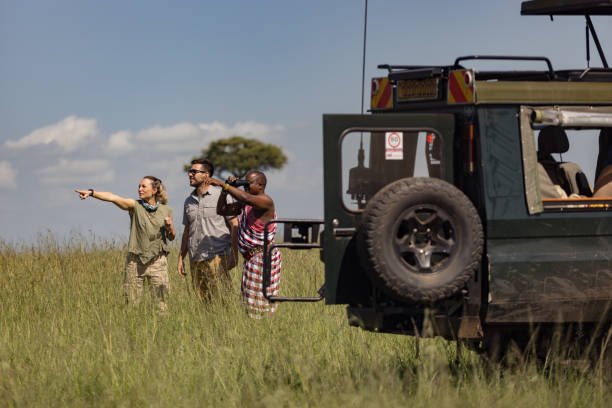
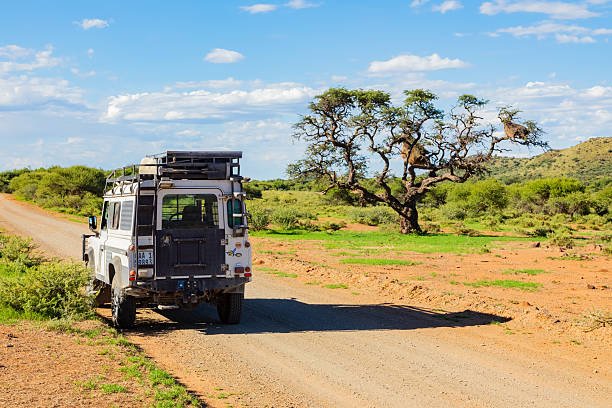
- 4×4 Safari Vehicles: You will use a comfortable, custom-built 4×4 safari vehicle with a pop-up roof for game viewing within the parks. These are driven by experienced safari guides. The transition from flight to vehicle is usually immediate upon landing at the airstrip.
- Driving: While driving between Arusha and the Serengeti is possible, it consumes an entire day each way. For a 3-day trip, this would leave only one full day for safaris, making it impractical. Driving to Ngorongoro from Arusha takes around 3-4 hours, and descending into the crater adds more time. If you opt for a vehicle-only safari, expect very long days and significantly less time in the parks. For 2026-2027, if time is the priority, flights are almost non-negotiable.
Trade-off: Flights are faster and more efficient but add significantly to the cost. Driving saves money but drastically cuts into valuable safari time.
Accommodation Choices: Camps vs. Lodges
Your accommodation choice impacts comfort, experience, and budget:
- Tented Camps (Luxury & Mid-Range): These offer a more in-depth safari experience. They range from luxurious canvas structures with en-suite bathrooms and private verandas to more rustic but comfortable setups. They are often located closer to wildlife action. For the Serengeti, staying in a permanent camp or a mobile camp (which moves with the migration) provides a unique atmosphere.
- Lodges: These are permanent structures, often built with stone and thatch, offering hotel-like amenities. They can range from comfortable mid-range options to ultra-luxury resorts. Lodges usually have more facilities, such as swimming pools and multiple dining areas.
For a 3-day trip, accommodation location is key. Camps and lodges situated within the Serengeti National Park boundaries offer the advantage of starting game drives immediately. Those on the crater rim in Ngorongoro provide stunning views and easy access for descent. Karatu, a town in the highlands near Ngorongoro, offers more budget-friendly options but requires a longer drive to the crater floor.
Decision Point: Consider whether you prefer the authentic immersion of a tented camp or the amenities and solidity of a lodge. For a short trip, proximity to prime game viewing areas is paramount.
What to Pack for Your 3-Day Safari
Packing light and smart is essential, especially if you’re flying between locations, as light aircraft have strict luggage weight limits (usually 15kg/33lbs in soft bags).
- Clothing: Neutral-colored, lightweight clothing (khaki, beige, olive green). Avoid bright colors and dark blue/black (which can attract tsetse flies). Pack layers as mornings and evenings can be cool.
- T-shirts and long-sleeved shirts
- Lightweight trousers or convertible pants
- Fleece or warm jacket for cool mornings/evenings
- Comfortable walking shoes (broken-in)
- Sandals or flip-flops for camp/lodge
- Sun hat with a wide brim
- Scarf or bandana for dust
- Gear:
- High-quality binoculars (essential for spotting wildlife)
- Camera with extra batteries and memory cards
- Power bank for charging devices
- Adapter for Tanzanian power sockets (Type D/G)
- Small backpack for day use (water, snacks, camera)
- Sunscreen (high SPF)
- Insect repellent (with DEET)
- Personal first-aid kit with any necessary medications
- Hand sanitizer
- Sunglasses
- Documents:
- Passport (with at least 6 months validity)
- Visa (if required for your nationality)
- Yellow Fever certificate (if arriving from an endemic country)
- Travel insurance details
- Flight and safari booking confirmations
Remember to use soft-sided duffel bags for flights. Hard suitcases are generally not permitted on light aircraft. For 2026-2027 travel, double-check specific airline luggage restrictions.
Serengeti vs. Ngorongoro: What’s the Difference for a Short Trip?
Understanding the distinct characteristics of the Serengeti and Ngorongoro Crater is crucial for appreciating what a 3-day safari aims to deliver and for setting realistic expectations. Each offers a unique wildlife viewing experience, and their differences become more pronounced when time is limited.
Serengeti National Park:
- Vastness and Landscape: The Serengeti is immense, covering over 14,750 square kilometers (5,700 sq mi). Its name means “endless plains” in the Maasai language, and this vastness is its defining feature. You’ll encounter rolling grasslands, acacia savannas, kopjes (rocky outcrops), and riverine forests.
- Wildlife Concentration: While the Serengeti has a huge overall animal population, sightings can be more dispersed due to its size. The exception is during the Great Migration, where millions of wildebeest, zebras, and gazelles congregate. The Serengeti is famous for its large prides of lions, cheetahs on the hunt, elusive leopards, and massive elephant herds.
- Great Migration: This is the Serengeti’s star attraction. The annual movement of over 1.5 million wildebeest and zebras in search of fresh grazing is a natural spectacle. The timing and location of the migration vary throughout the year, influencing where to focus your game drives. For a 3-day trip, catching the migration is highly dependent on the season and luck.
- Predator-Prey Action: The open plains are ideal for spotting predators like lions and cheetahs actively hunting. The interactions are often dramatic and thrilling.
- Travel Style: A 3-day Serengeti safari typically involves flying into an airstrip and conducting game drives from there, often with an overnight stay within the park.
Ngorongoro Crater:
- Unique Geography: The Ngorongoro Crater is a geological marvel – a perfectly preserved volcanic caldera covering approximately 265 square kilometers (102 sq mi) with a depth of about 610 meters (2,000 ft). Its walls are steep, creating a natural enclosure.
- Wildlife Density: Due to the concentrated resources (water, grass, shelter) within the crater, it boasts an exceptionally high density of wildlife. It’s often called “Africa’s Eden” or “The Eighth Wonder of the World.”
- The Big Five: The crater is one of the best places in Tanzania to see all of the Big Five in a single day, including the critically endangered black rhino, which is notoriously difficult to find elsewhere. Lions, leopards, elephants, and buffalo are also abundant.
- Game Drive Experience: Game drives on the crater floor are intensive and rewarding. Because the area is relatively small, you can cover a significant portion in a single day, increasing your chances of seeing a wide variety of animals.
- Travel Style: A 3-day safari typically includes a full day (or most of a day) dedicated to game driving on the crater floor, with accommodation usually located on the crater rim or in the nearby Karatu highlands.
Key Differences for a 3-Day Safari:
- Scale vs. Density: Serengeti offers vast landscapes and the drama of the migration but can feel more spread out. Ngorongoro is compact, offering incredible animal density and a higher chance of seeing specific rare species like the black rhino.
- Time Allocation: On a 3-day trip, you might get one full day in the Serengeti and a half-day in Ngorongoro, or vice versa. The Serengeti requires more time to truly appreciate its scale, while Ngorongoro can be effectively explored in a shorter period.
- Logistics: Flying into the Serengeti is common for short trips. Reaching Ngorongoro often involves driving from Arusha or a transfer from a Serengeti airstrip.
For your 2026-2027 travel plans, consider which experience resonates more with you. If seeing the migration or vast plains is paramount, lean towards more Serengeti time. If guaranteed Big Five sightings, especially the black rhino, are your priority, maximize your Ngorongoro Crater time.
Realistic Wildlife Expectations for 3 Days
When embarking on a 3-day Serengeti and Ngorongoro safari, managing expectations is key to ensuring a fulfilling experience. While these parks are renowned for their abundant wildlife, a short trip means you are concentrating your efforts and relying on efficient planning and a bit of luck.
The Big Five:
* Lion: Excellent chances in both parks. The Serengeti has large prides, and the Ngorongoro Crater has a healthy population. You’re very likely to see lions.
* Elephant: Abundant in the Serengeti, especially in certain areas. Ngorongoro also has a good number of elephants, often large bulls, though fewer than in the Serengeti.
* Leopard: The most elusive of the Big Five. You have a decent chance in the Serengeti, particularly in areas with trees and kopjes (like Seronera). Ngorongoro’s leopards are present but harder to spot due to the dense vegetation.
* Buffalo: Very common in both parks. Large herds can be seen, especially in the Serengeti and around water sources in Ngorongoro.
* Rhinoceros: This is where Ngorongoro shines. The crater floor is one of the best places in East Africa to see the endangered black rhino. While rhinos exist in the Serengeti, sightings are rare and often require dedicated searching.
Other Wildlife:
* Cheetah: High probability in the Serengeti, especially on the open plains during migration seasons. Less common but possible in Ngorongoro.
* Hyena: Spotted and striped hyenas are common in both parks.
* Wild dog: These are rarer but can be seen in both parks, though sightings are less predictable.
* Hippos: Found in rivers and waterholes, especially in the Serengeti and within the Crater.
* Giraffes: Common in the Serengeti.
* Various Antelopes: Including gazelles (Thomson’s and Grant’s), impalas, topi, hartebeest, eland, etc., are present in large numbers in both parks.
* Birds: Both parks are birdwatching paradises, with hundreds of species. The Crater, in particular, is rich in birdlife.
What to Consider for a 3-Day Trip:
- Timing is Crucial: If your 3-day safari falls during the Great Migration in the Serengeti (timing varies by year, but generally: Jan-Mar Southern Plains, Apr-May Wet Season Dispersal, Jun-Oct Western/Northern Corridor, Nov-Dec Short Rains Return South), your chances of seeing massive herds and associated predators are significantly higher. For 2026-2027, consult migration reports when planning.
- Concentration in Ngorongoro: The Ngorongoro Crater’s compact size means you are almost guaranteed to see a wide array of animals within your game drive time. The challenge is spotting the rarer ones like leopards and rhinos, which still require patience.
- Serengeti’s Scale: A single day in the Serengeti might mean focusing on a specific area (like Seronera for big cats) rather than covering vast distances. If you’re flying in and out, you’ll likely focus on the central region.
- Luck Plays a Role: Wildlife viewing is never guaranteed. While these parks offer high probabilities, a short trip means less buffer time if animals are elusive on a particular day.
For your 2026-2027 safari, discuss specific wildlife interests with your guide. They can often tailor game drives to maximize chances of seeing particular species, even within a short timeframe.
Cost Considerations for a 3-Day Serengeti and Ngorongoro Safari
When planning a 3-day Serengeti and Ngorongoro safari, understanding the cost drivers is essential. Due to the short duration and the premium nature of these parks, it’s not typically a budget-friendly option, but it offers incredible value for the experience. For 2026-2027, expect costs to remain significant, with potential increases due to inflation and park fee adjustments.
Here are the main components that contribute to the overall cost:
- Park Entrance Fees: These are substantial and are charged per person, per 24-hour period. For Serengeti National Park and the Ngorongoro Conservation Area, these fees are set by the Tanzania National Parks Authority (TANAPA) and the Ngorongoro Conservation Area Authority (NCAA) respectively. Fees can change annually, so confirm for 2026-2027. A typical fee might be around $60-$70 per person per day for Serengeti and $70-$80 per person per day for Ngorongoro Crater, plus a vehicle fee.
- Accommodation: This is a major cost factor. Options range from mid-range lodges and tented camps to luxury properties. Prices can vary significantly based on the level of comfort, amenities, and location (e.g., inside the park vs. outside). Expect anywhere from $200 to over $1000+ per person per night, often on a full-board basis.
- Internal Flights: As discussed, flying between Arusha and the Serengeti is highly recommended for a 3-day trip. These scheduled light aircraft flights are a significant expense, typically costing between $350 and $500+ per person per sector. This can add $700-$1000+ per person for round trips.
- Vehicle and Guide: The cost of a private 4×4 safari vehicle and an experienced guide is usually factored into the tour package. This covers the vehicle hire, guide’s salary, fuel, and driver’s accommodation/meals when needed. This is often priced per vehicle per day, ranging from $250 to $450+ per day, depending on the operator and vehicle type.
- Meals and Drinks: Most safari packages include full board (breakfast, lunch, dinner). Drinks, especially alcoholic beverages, are usually extra and can be quite expensive at lodges and camps.
- Activities: While game drives are standard, any optional activities like guided walks (if available outside the main parks) or cultural visits might incur additional fees.
- Operator’s Margin and Services: Tour operators add their markup for planning, booking, logistics management, and customer support. Local operators like Climb 4 Africa often offer competitive pricing compared to international agencies.
Typical Cost Range (Estimate for 2026-2027):
For a 3-day Serengeti and Ngorongoro safari, using light aircraft flights, mid-range to upper mid-range accommodation, and a private vehicle/guide, you can expect costs to range roughly from $1,800 to $3,500+ per person. Luxury options could easily exceed this.
Factors Influencing Price:
- Time of Year: Peak season (dry season, June-October) is more expensive than the green season (November-May).
- Accommodation Level: Luxury lodges and camps significantly increase the price.
- Number of People: Solo travelers or couples will pay more per person than larger groups sharing vehicle and accommodation costs.
- Inclusions: Some operators might include park fees or drinks, while others list them as extras. Always clarify what’s included.
When comparing quotes for 2026-2027, ensure you are comparing like-for-like in terms of inclusions, accommodation standards, and travel style (flights vs. driving).
Booking Your 3-Day Serengeti and Ngorongoro Safari
Securing your 3-day Serengeti and Ngorongoro safari for 2026 or 2027 is an exciting step. Given the specialized nature of short, high-impact safaris, partnering with an experienced local operator is crucial for a smooth and memorable adventure. At Climb 4 Africa, we specialize in crafting efficient and incredible safari experiences tailored to your time constraints.
Why Book with Climb 4 Africa?
- Local Expertise: As a Tanzania-based company, we have in-depth knowledge of the parks, optimal routes, best times to visit, and crucial logistical details like flight schedules and accommodation availability. We understand how to maximize wildlife viewing within a 3-day window.
- Tailored Itineraries: We don’t offer one-size-fits-all packages. We’ll discuss your priorities – whether it’s the Great Migration, specific animals, photography, or a balance – and customize your 3-day Serengeti and Ngorongoro safari accordingly.
- Efficient Logistics: We handle all the complex arrangements, including booking internal flights, securing permits, arranging reliable 4×4 vehicles, and selecting appropriate accommodations that minimize travel time and maximize game viewing opportunities.
- Value for Money: Our local presence allows us to offer competitive pricing without compromising on the quality of service, vehicles, guides, or accommodations. We ensure your investment delivers maximum impact.
- Dedicated Support: From your initial inquiry through to your return home, you’ll have a dedicated contact person to answer questions, provide advice, and ensure your trip runs smoothly.
What to Consider When Booking:
- Confirm Inclusions: Always clarify what is included in the safari package. This typically includes park fees, accommodation, meals on safari, a 4×4 safari vehicle with a driver-guide, and internal flights. Ensure drinks, tips, and personal expenses are clearly outlined as exclusions.
- Accommodation Standards: Discuss the type of accommodation you prefer – mid-range, luxury tented camps, or lodges – and ensure they are well-located for game viewing.
- Vehicle Type: A pop-up roof 4×4 safari vehicle is standard and essential for optimal viewing.
- Guide Experience: A knowledgeable and experienced safari guide can significantly enhance your trip by understanding animal behavior and locating wildlife.
- Payment Terms: Understand the deposit requirements and cancellation policies. For 2026-2027 bookings, early deposit is recommended, especially for peak season travel.
Ready to Plan Your 3-Day Serengeti and Ngorongoro Safari?
Don’t let limited time prevent you from experiencing the magic of Tanzania’s wildlife. A 3-day Serengeti and Ngorongoro safari is a perfectly crafted adventure for those seeking an intense, unforgettable encounter with Africa’s iconic landscapes and animals.
Contact Climb 4 Africa today to start planning your bespoke 3-day Serengeti and Ngorongoro safari for 2026 or 2027. We’ll help you create an itinerary that maximizes your experience and fits your schedule.
WhatsApp: +255 747 477 898
Email: climb4africa@gmail.com
Visit our website for more information on our safari offerings and other Tanzanian adventures.
Check Availability for 3-Day Serengeti And Ngorongoro Safari: Your Ultimate Tanzania Wildlife
Ready to compare dates, prices, and the best option for your group? Send the package name and travel month so the team can reply with a clear quote, availability, and what is included.
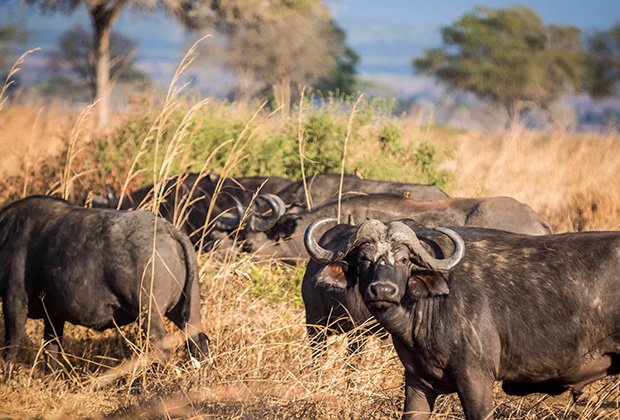
Dec 24, – 3 Day Christmas Serengeti And Ngorongoro Group Safari
Dec 24, 2026 – 3 Day Christmas Serengeti and Ngorongoro Group Safari.
View package details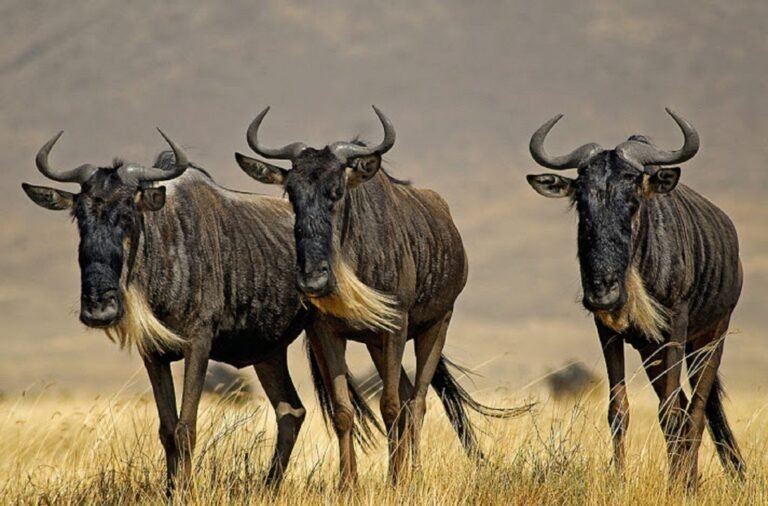
Nov 23, – 3 Day Serengeti And Ngorongoro Safari From Zanzibar
Nov 23, 2026 – 3 Day Serengeti and Ngorongoro Safari from Zanzibar.
View package details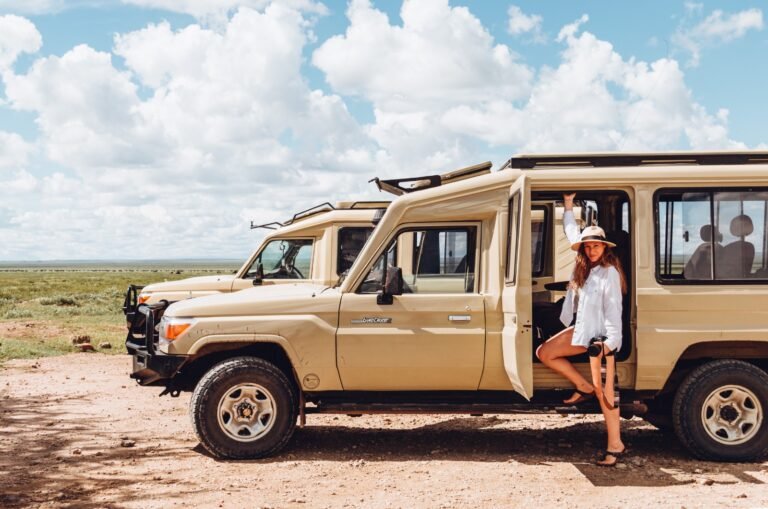
Nov 6, – 3 Day Serengeti And Ngorongoro Budget Group Safari 2026
A detailed look at our November 6, 2026 group departure for a 3-day Serengeti and Ngorongoro safari, including planning tips and route logistics.
View package detailsOct 27, – 3 Day Serengeti And Ngorongoro Group Safari 2026
Planning for a short, high-impact wildlife adventure? Our October 27, 2026, group safari offers a direct route through the Serengeti and Ngorongoro Crater, perfect for travelers with...
View package details
3-Day Serengeti & Ngorongoro Safari From Zanzibar By Flight 2027
3-Day Serengeti & Ngorongoro Safari From Zanzibar by Flight is explained with current 2027 planning, price, itinerary and booking information.
View package details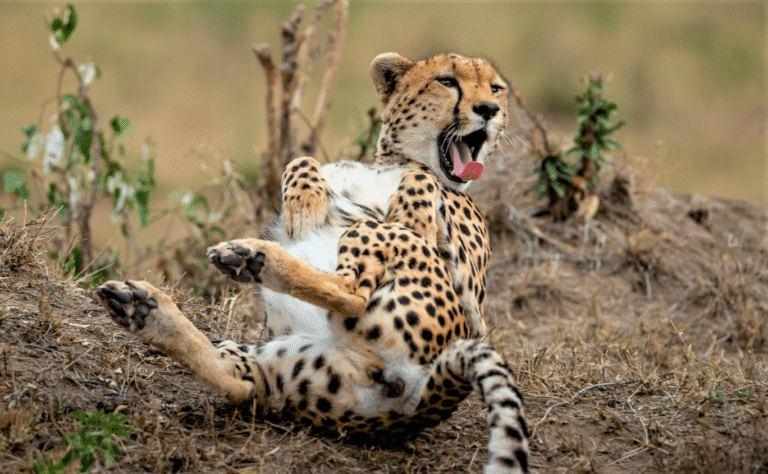
Dec 29, – 6 Day Ndutu, Serengeti And Ngorongoro Group Safari 2026
A detailed guide to our 6-day group safari departure on December 29, 2026, focusing on the Ndutu plains, the Serengeti, and the Ngorongoro Crater.
View package details8 Day Serengeti And Ngorongoro Group Safari – December 16, 2026
Planning your December 2026 Tanzanian adventure? Our 8-day group safari offers a deep, unhurried exploration of the Serengeti and Ngorongoro Crater.
View package details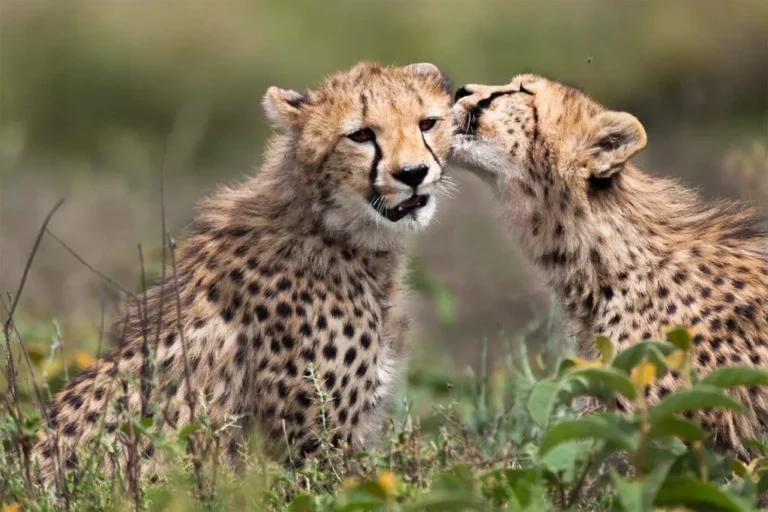
Dec 12, – 6 Day Serengeti, Ngorongoro, Tarangire And Manyara Group Safari 2026
Dec 12, 2026 – 6 Day Serengeti, Ngorongoro, Tarangire and Manyara Group Safari.
View package detailsDec 8, – 4 Day Tarangire, Serengeti And Ngorongoro Group Safari 2026
A detailed guide to our December 8, 2026 group joining safari, covering the itinerary, logistics, and what to expect during this 4-day wildlife adventure in Tanzania.
View package detailsNov 18, – 7 Day Serengeti And Ngorongoro Group Joining Safari 2026
A detailed guide to the 7-day group joining safari departing November 18, 2026, covering Serengeti, Ngorongoro, and the logistical advantages of shared travel.
View package detailsNov 10, – 4 Day Serengeti, Ngorongoro And Tarangire Group Safari 2026
Join our group safari on November 10, 2026, for an intensive 4-day tour of Tanzania's Northern Circuit. Perfect for those with limited time who want to experience the best of the Serengeti...
View package detailsOct 31, – 6 Day Serengeti, Ngorongoro, Tarangire And Manyara Group Safari 2026
A detailed look at the 6-day Northern Circuit group safari departing October 31, 2026, covering Tarangire, Manyara, Serengeti, and Ngorongoro Crater.
View package detailsNo related package matches those filters. Clear one or more filters to see the other topic-matched options.