The Great Migration’s timing across Tanzania and Kenya is dictated by the annual rainfall patterns, creating a year-round spectacle that shifts locations. For 2026 and 2027, expect the main herds to be in Kenya’s Masai Mara Reserve typically from July through October, with the dramatic river crossings often occurring in late July and August. In Tanzania’s Serengeti National Park, the herds are generally found from December through March, with calving season in the southern Serengeti usually around February. The exact timing can vary by a few weeks each year based on local weather conditions, so understanding these general movements is crucial for planning a successful safari to witness this natural wonder.
Planning Your Great Migration Safari: A Detailed Timeline for 2026-2027
Witnessing the Great Migration is a bucket-list experience for many, a true spectacle of nature involving millions of wildebeest, zebras, and gazelles. But its elusive nature, constantly on the move, means timing is everything. Understanding when and where to find these vast herds is the cornerstone of planning an unforgettable safari. This guide breaks down the migration’s cycle across Tanzania and Kenya, offering insights for your 2026 and 2027 travel plans.
The movement is not a single event but a continuous loop, a perpetual search for fresh grazing land and water. This nomadic journey takes the herds across the Serengeti-Tanzania ecosystem and into the Masai Mara ecosystem in Kenya. Each phase of the migration offers unique viewing opportunities, from the dramatic river crossings to the vulnerable calving season.
For 2026 and 2027, the fundamental patterns remain the same, driven by ancient instincts and environmental cues. However, the nuances of local weather can shift these movements slightly. Therefore, while we provide a general timeline, flexibility and expert advice are invaluable. As a local operator, Climb 4 Africa has on-the-ground knowledge that can help you pinpoint the best locations at the right time.
The Serengeti’s Southern Plains: Calving Season (December – March)
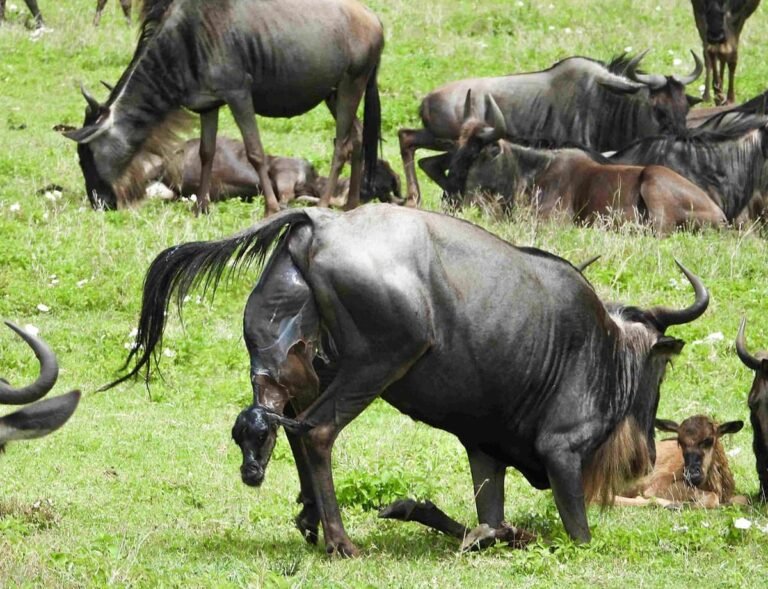
As the year draws to a close and the dry season recedes in Tanzania, the Serengeti National Park becomes the focal point for the Great Migration. Following the short rains, the southern plains, particularly areas around Ndutu (partially in Ngorongoro Conservation Area, adjacent to the Serengeti), burst with fresh, nutrient-rich grass. This is the critical calving season.
From roughly December onwards, the majority of the wildebeest herds, along with large numbers of zebras and gazelles, congregate in these southern grasslands. The period between late January and March is when the bulk of the calving occurs. Expect to see tens of thousands of newborn wildebeest, often wobbly on their legs, joining the massive moving columns. This abundance of young, vulnerable prey makes the southern Serengeti an absolute paradise for predators.
Why visit during calving season (December – March)?
- Incredible predator action: Lions, cheetahs, hyenas, and wild dogs are drawn to the dense concentration of newborns, leading to frequent and dramatic hunting opportunities.
- Vast herd numbers: You’ll find millions of animals in a relatively concentrated area, offering impressive sights of sheer numbers.
- Photographic opportunities: The soft light of the early morning and late afternoon, combined with the vast landscapes and abundant wildlife, makes for stunning photography.
- Fewer crowds (generally): While popular, this period often sees fewer international tourists compared to the peak river crossing season in the Mara.
Considerations for calving season:
- River crossings are absent: This is not the time to see the dramatic river crossings. The herds are focused on grazing and breeding.
- Weather can be variable: Expect warm days and cooler nights. Short rains can occur, bringing brief, intense downpours, but these usually pass quickly.
- Accessibility: Roads in the southern Serengeti can become muddy during the rains, potentially affecting travel times.
For 2026 and 2027, planning your trip to the southern Serengeti between February and March will likely place you right in the heart of the calving frenzy. If you are interested in seeing the migration during this period, it’s wise to book your safari well in advance, especially for popular lodges or mobile camps that follow the migration.
The Serengeti’s Western Corridor: Grumeti River Crossings (May – July)
As the grazing in the southern plains becomes depleted, the herds begin their northward movement. By May, the migration typically starts moving towards the western corridor of the Serengeti. This is a pivotal period, as the herds face the formidable challenge of crossing the Grumeti River.
The Grumeti River is known for its large crocodiles, which lie in wait for the wildebeest and zebras attempting to cross. These crossings can be just as dramatic as those in the Mara, though often with fewer dramatic leaps due to the river’s width and the crocodiles’ presence. The action is concentrated in the western part of the Serengeti, often around the Grumeti River itself and the Mbalageti area.
Why visit during the Western Corridor (May – July)?
- Grumeti River crossings: This is your best chance to witness wildebeest and zebras braving powerful currents and lurking predators.
- Fewer crowds: This period often falls outside the peak European or North American holiday seasons, meaning fewer tourists.
- Lush landscapes: The western Serengeti is often greener during this time, offering beautiful scenery.
- Predator sightings: The crossings and the concentration of animals still attract lions, cheetahs, and other predators.
Considerations for the Western Corridor:
- Unpredictable crossings: River crossings are dictated by rainfall and herd movement, so they can be sporadic and difficult to predict precisely. You might need to spend several days in the area to witness a crossing.
- Limited accommodation: Options can be more limited and spread out compared to other migration hotspots.
- Travel logistics: The western corridor can be a longer drive from Arusha, impacting travel time.
For 2026 and 2027, aiming for late May and June would be ideal if you are keen on the Grumeti River crossings. This timing allows you to catch the herds as they move north, potentially witnessing a crossing before they head towards the Kenyan border.
The Masai Mara: The Grand Finale – River Crossings (July – October)
This is arguably the most iconic phase of the Great Migration, drawing photographers and wildlife enthusiasts from around the globe. As the herds move north out of the Serengeti, they enter Kenya’s world-renowned Masai Mara National Reserve. The landscape here is characterized by rolling grasslands, acacia woodlands, and, crucially, the Mara River.
The Mara River is narrower and faster-flowing than the Grumeti, and its banks are often steep. The sheer volume of animals attempting to cross, driven by the instinct to find fresh pasture on the northern banks, creates spectacular, often terrifying, scenes. Crocodiles, lions, and hyenas are ever-present dangers, adding to the drama.
The peak migration period in the Masai Mara is typically from July through October. The most dramatic river crossings, where wildebeest plunge into the churning water in their thousands, are most frequently observed in late July and August. However, crossings can and do occur throughout this period, depending on rainfall and grazing conditions.
Why visit the Masai Mara during the migration (July – October)?
- Iconic river crossings: This is the prime time and location for witnessing the most dramatic, high-stakes crossings of the Mara River.
- Vast herd concentrations: Millions of wildebeest and zebras are spread across the Mara plains, offering unparalleled game viewing.
- Excellent predator sightings: The abundance of prey means lions, cheetahs, and leopards are highly active, often seen hunting or with kills.
- Classic safari experience: The Masai Mara is synonymous with the quintessential African safari, with vast open plains and abundant wildlife.
Considerations for the Masai Mara:
- Peak season and crowds: This is the most popular time to visit, leading to higher prices and more vehicles at sightings. Early booking for 2026 and 2027 is essential.
- High demand for accommodation: Lodges and camps, especially those closest to the river crossings, book up months, sometimes a year, in advance.
- Dry season weather: Expect dry, sunny conditions. This is good for game viewing as animals congregate around water sources, but can be dusty.
If the dramatic river crossings are your primary goal for your 2026 or 2027 safari, aim for a trip in August or September. While crossings can happen earlier or later, these months offer the highest probability. Consider booking a safari that includes areas like the central Mara, the Mara Triangle, and the northern conservancies for the best chances of positioning yourself correctly.
The Migration’s Return South: Tanzania’s Northern Serengeti (October – November)
As the dry season intensifies in Kenya and the grazing diminishes, the herds begin their southward journey back into Tanzania. By October and November, the bulk of the migration is typically moving back through the northern and western Serengeti regions, heading towards the central and southern plains.
This period can offer excellent game viewing as the animals are still in large numbers, and predators remain active. While major river crossings are less common during this phase, the sheer volume of animals moving through these areas provides fantastic photographic and wildlife observation opportunities. It’s a transition period, where the herds are on the move, often spread out as they travel.
Why visit the Northern Serengeti (October – November)?
- Transition period: Witness the herds moving south, often in large numbers, providing dynamic game viewing.
- Fewer crowds: This period generally sees fewer visitors than the peak Mara season, offering a more relaxed experience.
- Good predator sightings: The presence of large herds continues to attract predators.
- Beautiful scenery: The Serengeti landscapes are stunning, especially as the vegetation starts to respond to the early rains.
Considerations for the Northern Serengeti:
- Less predictable action: While herds are present, major dramatic events like river crossings are less likely.
- Weather can be mixed: You might experience the end of the dry season transitioning into the short rains, so be prepared for sunshine and potential showers.
For 2026 and 2027, if you prefer to avoid the peak crowds but still want to see significant numbers of migrating animals, late October or early November could be an excellent choice. This allows you to catch the herds as they make their way back into Tanzania.
Understanding the Variables: Why the Great Migration Timing Isn’t Exact
While we’ve outlined the general patterns, it’s crucial to understand that the Great Migration is a natural phenomenon, not a precisely scheduled event. Several factors influence its timing and location each year:
- Rainfall: This is the single biggest driver. The herds follow the rains to find fresh, nutritious grass. Unusually early or late rains, or prolonged droughts, can significantly alter the migration’s path and timing. For 2026 and 2027, closely monitoring weather forecasts and consulting with local experts is vital.
- Predator pressure: While the migration leads predators, predator movements can also influence where the herds feel safest to graze or cross rivers.
- Water availability: Drought conditions can deplete water sources, forcing herds to move to find relief, sometimes deviating from their usual routes.
- Herd dynamics: The sheer scale of the migration means that individual herd movements can create localized concentrations that appear to be the ‘main’ event.
This is where local expertise becomes invaluable. Operators like Climb 4 Africa have guides on the ground who are constantly in communication, tracking the herds’ movements and can advise on the best locations to visit on any given week. For your 2026 or 2027 safari, asking your tour operator about their current migration tracking information is a smart step.
Booking Your 2026-2027 Great Migration Safari: Key Considerations
Planning a safari to coincide with the Great Migration requires careful consideration and early booking, especially for the 2026 and 2027 seasons.
- When to Book: For peak migration periods (especially river crossings in the Mara), booking 9-12 months in advance is highly recommended, and even earlier for specific lodges or private concessions.
- Choosing Your Location: Decide whether you prioritize river crossings (Masai Mara, July-October), calving season (Serengeti, February-March), or Grumeti crossings (Serengeti Western Corridor, May-July).
- Accommodation: Options range from luxury lodges and tented camps to more rustic tented camps and mobile camps that move with the migration. Lodges inside the parks/reserves offer better access but are often more expensive and book up faster.
- Safari Style: Consider a private safari for maximum flexibility and personalized game drives, or a small group safari for a more budget-friendly option. Climb 4 Africa offers both tailored private safaris and scheduled group departures.
- Duration: To increase your chances of witnessing migration events, especially river crossings, a minimum of 3-4 days in the migration viewing areas is advisable. A longer safari of 7-10 days allows for exploring different regions and experiencing more diverse wildlife.
- Combining Destinations: Many travelers combine migration viewing with other Tanzanian experiences like climbing Kilimanjaro or relaxing on Zanzibar, or with other Kenyan highlights. Ensure your itinerary allows sufficient time for travel between locations.
Can You See the Great Migration Year-Round?
While the epic, concentrated movements are seasonal, it’s important to understand that there are always wildebeest and zebras in both the Serengeti and the Masai Mara. The term ‘Great Migration’ specifically refers to the massive, cyclical movement of over 1.5 million wildebeest and hundreds of thousands of zebras and other antelope in search of fresh pastures.
If you visit outside the peak migration periods, you will still see incredible wildlife. The Serengeti and Masai Mara are home to abundant resident wildlife, including the ‘Big Five’ (lion, leopard, elephant, rhino, buffalo), cheetahs, giraffes, and a plethora of other species. In fact, visiting during the ‘off-peak’ migration seasons can offer a more intimate wildlife experience with fewer crowds and potentially lower prices.
For instance, during the calving season in the southern Serengeti (December-March), while the great herds are there, the focus is on the newborns and predators. During the migration’s return south (October-November), the herds are moving but may be more dispersed. Both offer unique viewing opportunities.
So, while you can see wildebeest and zebras in these areas year-round, the ‘Great Migration’ as a phenomenon is best timed for specific months depending on which aspect you wish to witness.
What to Pack for Your Great Migration Safari
Packing correctly ensures comfort and preparedness for your safari adventure. The weather can vary significantly depending on the time of year and the specific region within the Serengeti or Masai Mara.
General essentials:
- Lightweight clothing: Neutral-colored clothing (khaki, beige, olive green) is best to blend in with the environment. Avoid bright colors or white, which can scare wildlife. Pack T-shirts, long-sleeved shirts, and trousers.
- Warm layers: Mornings and evenings can be cool, especially during the dry season or at higher altitudes. A fleece jacket or a warm sweater is essential.
- Rain gear: Even in the dry season, brief showers can occur. A lightweight, waterproof jacket is recommended.
- Comfortable footwear: Closed-toe walking shoes or sturdy sneakers are ideal for camp and light walking. You won’t be doing much hiking on a typical safari, but comfortable shoes are always a good idea.
- Sun protection: A wide-brimmed hat, sunglasses, and high SPF sunscreen are crucial. The sun is intense.
- Insect repellent: Especially important for evenings and in areas near water.
- Binoculars: Essential for spotting wildlife at a distance.
- Camera and extra batteries/memory cards: You’ll want to capture every moment! Consider a zoom lens for wildlife photography.
- Personal first-aid kit: Include any personal medications, pain relievers, antiseptic wipes, and bandages.
- Adapter and power bank: For charging your electronics. Many lodges have charging facilities, but a power bank is useful for long game drives.
- Headlamp or flashlight: Handy for navigating around camps at night.
For 2026 and 2027 safaris, remember that the dry season (June-October) typically means cooler mornings and evenings, while the wet season (November-May) is warmer with higher humidity. Adjust your layers accordingly.
Choosing the Right Safari Operator for Your Great Migration Trip
Selecting the right tour operator is paramount to a successful and enjoyable Great Migration safari. You need a company that understands the nuances of the migration, has strong local connections, and can tailor an itinerary to your specific interests and budget.
What to look for:
- Local Expertise: Companies based in Tanzania or Kenya, like Climb 4 Africa, have invaluable on-the-ground knowledge. They know the parks, the lodges, the guides, and critically, they have real-time information on wildlife movements.
- Customization: Can they create a bespoke itinerary for you? Do they offer private safaris as well as group tours? This flexibility is key for optimizing migration viewing.
- Experienced Guides: Knowledgeable guides are the difference between a good safari and a great one. They can track animals, explain behavior, and find the best viewing spots.
- Reputation and Reviews: Look for testimonials and reviews from past clients. While avoiding fake ones, a consistent pattern of positive feedback is a good sign.
- Inclusions and Exclusions: Understand exactly what your safari package covers – park fees, meals, accommodation, activities, and guide services.
- Sustainability Practices: Choose operators who are committed to responsible tourism, supporting local communities and conservation efforts.
For your 2026 or 2027 Great Migration adventure, consider how Climb 4 Africa can enhance your experience. With our base in Tanzania and deep understanding of the migration cycles, we can help you navigate the best times and locations. Whether you’re looking for the drama of the Mara River crossings or the intimacy of the Serengeti calving season, we can craft an itinerary that maximizes your chances of witnessing this incredible natural event.
Ready to plan your 2026-2027 Great Migration safari? Contact Climb 4 Africa today to discuss your ideal itinerary. You can reach us via WhatsApp at +255 747 477 898 or by email at climb4africa@gmail.com. Let us help you experience the magic of the migration at the perfect time.
Frequently Asked Questions About the Great Migration
Q1: When is the best time to see the Great Migration river crossings in Kenya?
The most dramatic river crossings of the Mara River typically occur in the Masai Mara National Reserve, Kenya, between late July and August. However, crossings can happen anytime from July through October, depending on rainfall and grazing conditions. For 2026 and 2027, planning for August offers a high probability.
Q2: When is the calving season of the Great Migration in Tanzania?
The calving season for the wildebeest migration in Tanzania’s Serengeti National Park, particularly in the southern regions around Ndutu, usually takes place between late January and March. February is often the peak month for births.
Q3: Is it possible to see the Great Migration in both Tanzania and Kenya in a single trip?
Yes, it is possible, but it requires careful planning and sufficient time. The migration is a continuous loop. For example, you could start in the Serengeti in February (calving season) and then travel to the Masai Mara in August (river crossings). However, the timing must align, and this often necessitates longer safari durations (e.g., 10-14 days) and potentially flights between locations to cover vast distances efficiently.
Q4: What are the least crowded times to see the Great Migration?
Generally, the periods outside the peak July-October Mara season and the February-March Serengeti calving season can be less crowded. This includes the migration’s movement through the western Serengeti (May-June) or its return south (October-November). These times can offer excellent game viewing with fewer vehicles.
Q5: Will the Great Migration happen in 2026 and 2027?
Yes, the Great Migration is a natural, ongoing phenomenon driven by environmental cycles. It will undoubtedly continue in 2026 and 2027. The exact timing and location can shift slightly each year due to rainfall patterns, but the fundamental cycle remains consistent.
Q6: How much does a Great Migration safari cost?
The cost of a Great Migration safari varies significantly based on the duration, accommodation style (luxury lodge vs. tented camp), type of safari (private vs. group), and time of year. Peak season (July-October in the Mara) will be the most expensive. Expect prices to range from approximately $300 – $1000+ per person per day, excluding international flights. For 2026-2027, booking in advance is recommended, and consulting with operators like Climb 4 Africa for a personalized quote is the best approach.
Planning Your Ultimate 2026-2027 Great Migration Safari with Local Expertise
The Great Migration is a dynamic, impressive spectacle that offers a profound connection to the natural world. Understanding the annual cycle, from the calving grounds of the southern Serengeti to the dramatic river crossings of the Masai Mara, is the first step in planning an extraordinary safari for 2026 or 2027.
Remember that while the general timelines provide a solid framework, the migration’s exact movements are influenced by nature’s unpredictability. This is precisely why partnering with experienced local operators is so beneficial. Climb 4 Africa has guides who are constantly monitoring the herds, ensuring that your safari is timed to maximize your chances of witnessing the migration at its most impressive. We can help you navigate the best locations, secure sought-after accommodation, and craft an itinerary that fits your interests, whether you dream of the thundering hooves across the plains or the tense anticipation of a river crossing.
To begin planning your tailor-made 2026-2027 Great Migration safari, or to inquire about our scheduled group departures, please reach out to us. We are here to provide practical advice and smooth arrangements for your African adventure. Contact us via WhatsApp at +255 747 477 898 or email us at climb4africa@gmail.com.
Check Availability for When Is The Great Migration In Tanzania And Kenya? Your Guide 2026-2027
Ready to compare dates, prices, and the best option for your group? Send the package name and travel month so the team can reply with a clear quote, availability, and what is included.
Serengeti Great Migration Safari During AFCON 2027
Mwongozo wa kina kwa safari ya Serengeti Great Migration wakati wa AFCON 2027, ukilenga kuelewa maeneo, kipindi cha mwendo wa mnyama, na mapendekezo ya mipango ya kiutendaji.
View package detailsAFCON 2027 Safari to See the Wildebeest Migration
Mpangilio wa safari wa AFCON 2027 unakuja na mwendo wa Wildebeest Migration; onyesha mipango ya kipekee, maeneo ya kuchagua, na mikakati ya kuteka uhalisia wa wanyamapori bila kulazimisha...
View package details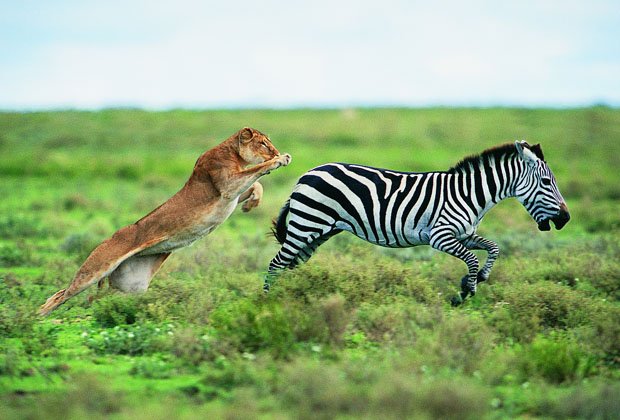
Dec 28, – 5 Day Ndutu Migration And Ngorongoro Group Safari 2026
Join a small group for a 5-day safari departing December 28, 2026, targeting the Ndutu region for the start of the calving season and the Ngorongoro Crater.
View package details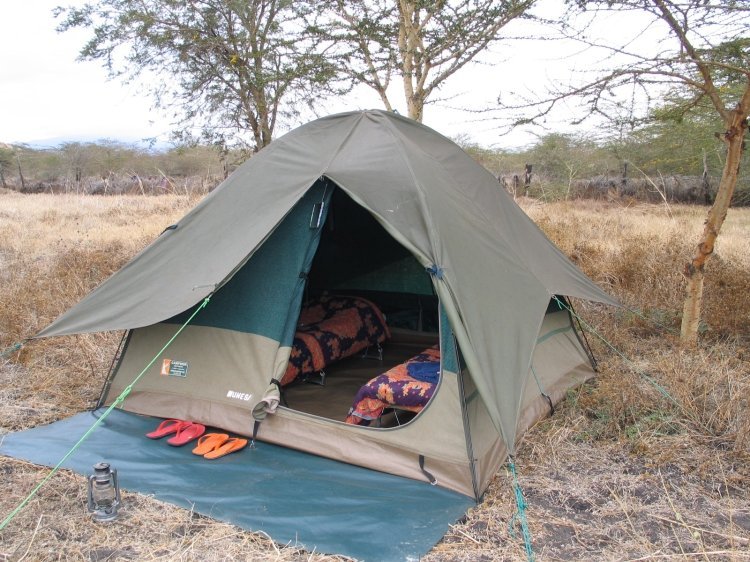
AFCON 2027 Safari Packages from Tanzania
Hitaji la safari ya kundoka ili kufurahia AFCON 2027? Chagua kutoka kwa mikakati ya safari nchini Tanzania inayoambatana na wildlife, mbuga maarufu, na uwekaji wa huduma ya kimataifa ya...
View package details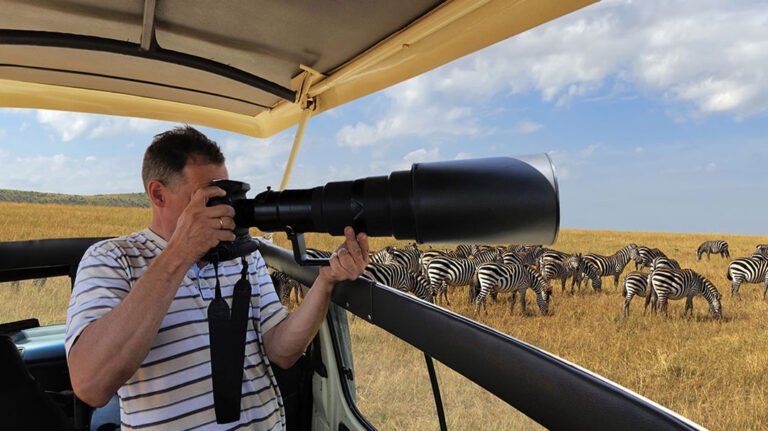
AFCON 2027 Mid Range Safari Packages Tanzania
Mwongozo wa safari ya kati ya AFCON 2027 Tanzania kutoka Climb 4 Africa: mipango ya njia, maeneo ya msitu wa serikali, na usalama wa wasafiri. Onyesha jinsi ya kuchagua kilima cha kati...
View package details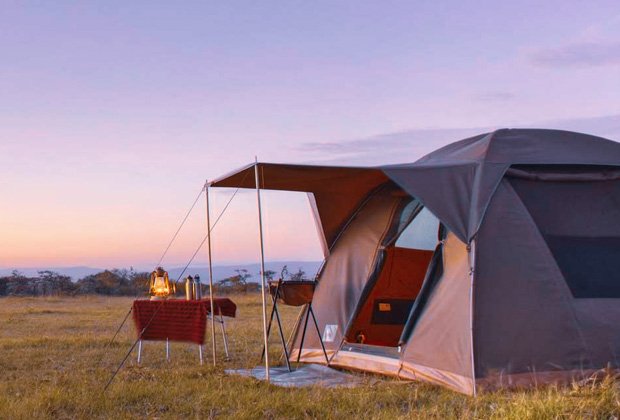
Best Tanzania Safari Before Afcon Final
Best Tanzania Safari Before AFCON 2027 Final.
View package detailsBest Tanzania Safari After Afcon Match
Best Tanzania Safari After AFCON 2027 Match.
View package detailsFive Day Tanzania Safari And Afcon Package
Five Day Tanzania Safari and AFCON Package.
View package details
Afcon Northern Tanzania Safari Packages
AFCON 2027 Northern Tanzania Safari Packages.
View package detailsAfcon Tanzania Football Kilimanjaro And Safari Tour
AFCON 2027 Tanzania Football Kilimanjaro and Safari Tour.
View package details
Tanzania Safari Packages from Dar es Salaam During AFCON 2027
Mwongozo wa kina wa safari za Tanzania kuanzia Dar es Salaam wakati AFCON 2027: rasilimali, mipango ya siku, na hatua za uhakika za ziara za wanyama na mbuga maarufu.
View package detailsNo related package matches those filters. Clear one or more filters to see the other topic-matched options.