The best safari experiences before you die involve deeply in-depth, authentic wildlife encounters in iconic African landscapes, prioritizing destinations like Tanzania’s Serengeti and Ngorongoro Crater for the Great Migration, Rwanda or Uganda for mountain gorilla trekking, and Botswana for unique water-based safaris. Planning for 2026-2027 requires understanding seasonal patterns, choosing ethical operators, and tailoring the trip to your interests, whether that’s photography, birdwatching, or simply observing nature’s grandeur in its purest form.
Understanding the ‘Best Safari Experiences Before You Die’ Concept
The phrase ‘best safari experiences before you die’ isn’t about ticking off a superficial checklist; it’s about seeking out moments that profoundly connect you with the natural world, moments that linger long after you’ve returned home. These aren’t just holidays; they are journeys of discovery, offering unparalleled access to some of the planet’s most magnificent wildlife and impressive landscapes. For many, the dream of an African safari is synonymous with witnessing the sheer scale of the Great Migration across the Serengeti plains, or the privilege of standing mere feet from a family of mountain gorillas. Others might seek the serene beauty of Botswana’s Okavango Delta or the unique geological drama of Tanzania’s Ngorongoro Crater. When we talk about the ‘best safari experiences,’ we are referring to those that offer a combination of exceptional wildlife viewing, authentic cultural interactions, comfortable yet appropriate accommodation, and expert guiding that enriches the entire journey.
For travelers planning for the coming years, specifically 2026 and 2027, this means not only identifying the prime locations but also understanding the nuances of timing, the ethical considerations of wildlife tourism, and how to craft an itinerary that feels truly personal and impactful. It’s about moving beyond the generic tourist trail to find those special corners of Africa where wildlife thrives and where your presence supports conservation efforts.
The Great Migration: A Must-See Phenomenon
The Great Migration is arguably the most famous wildlife spectacle on Earth. It’s the annual movement of over 1.5 million wildebeest, zebras, and gazelles across the Serengeti-Mara ecosystem, a relentless cycle driven by the search for fresh grazing. Witnessing this event is a profound experience, offering raw, unfiltered glimpses into the circle of life. This isn’t just about seeing animals; it’s about feeling the earth tremble under a stampede, hearing the chorus of thousands of hooves, and observing the intricate predator-prey dynamics unfold in real-time. For anyone aspiring to have a ‘best safari experience before you die,’ the Great Migration often sits at the very top of the list.
The migration’s path is dictated by rainfall, making its exact location fluid throughout the year. Understanding these movements is crucial for planning your trip for 2026 or 2027 to catch the most dramatic moments.
- January – March: Calving Season in the Southern Serengeti. This is a period of new life, with thousands of wildebeest calves born. It’s a prime time for predator sightings as lions, hyenas, and cheetahs capitalize on the vulnerable newborns. The landscape is often a vibrant green.
- April – May: The Transition North. As the southern plains dry out, the herds begin their journey north. This period can be characterized by heavy rains and fewer tourists, but the herds are dispersed, making intense sightings less predictable.
- June – July: River Crossings. This is perhaps the most iconic phase of the migration. As the herds approach the Grumeti and Mara Rivers, they face natural barriers. Witnessing thousands of wildebeest and zebras plunging into crocodile-infested waters is a dramatic and unforgettable sight. The Grumeti River crossings are typically seen in the Western Corridor, while the Mara River crossings happen further north.
- August – October: The Northern Serengeti & Masai Mara. The herds are in the northern Serengeti and across the border in Kenya’s Masai Mara National Reserve. This is another excellent time for river crossings, particularly the Mara River. The landscape is drier, and the concentration of animals in the Masai Mara is immense.
- November – December: Return South. The herds begin their trek back south, following the rains, often crossing the Mara River again or heading through the eastern Serengeti.
When planning for 2026-2027, consider that prime viewing months for river crossings are generally June-August for the Grumeti and July-October for the Mara. For calving season, January-March is ideal. The choice of location within the Serengeti (or the Masai Mara) will depend on the time of year you plan to travel.
Key Considerations for the Great Migration:
- Timing is Everything: Be precise with your travel dates based on the migration’s expected location.
- Location Matters: Staying in camps or lodges directly in the migration’s path offers the best viewing opportunities. For example, mobile tented camps that follow the migration are popular.
- Predator Action: While the migration itself is the main draw, the increased predator activity around the herds makes for incredible photography and wildlife viewing.
- Crowds: Peak seasons, especially during river crossings, can attract significant numbers of vehicles. Early booking for 2026 and 2027 is essential to secure desirable locations and lodges.
Mountain Gorilla Trekking: A Profound Encounter
For many, the ultimate ‘before you die’ safari experience involves the profound privilege of trekking into dense rainforests to encounter mountain gorillas in their natural habitat. This experience is primarily available in two countries: Uganda (Bwindi Impenetrable National Park and Mgahinga Gorilla National Park) and Rwanda (Volcanoes National Park). Unlike the wide-open plains of a typical savanna safari, gorilla trekking is an intimate, physically demanding, and deeply emotional journey.
The trek itself involves hiking through rugged, often steep terrain, sometimes in challenging weather. However, the reward is unparalleled: spending an hour in the presence of a habituated gorilla family. Observing these gentle giants, their complex social structures, and their human-like behaviors is an experience that transcends typical wildlife viewing. It’s a humbling reminder of our shared ancestry and the critical importance of conservation.
Key aspects of gorilla trekking:
- Permits: Gorilla trekking permits are strictly limited and must be booked well in advance, often months or even a year ahead, especially for peak seasons in 2026 and 2027. Rwanda’s permits are generally more expensive than Uganda’s but often offer a slightly more comfortable trekking experience.
- Habituated Groups: You will visit a specific group of gorillas that have been habituated to human presence. Each group has a unique dynamic and personality.
- Trekking Difficulty: The trek duration and difficulty vary significantly depending on the gorilla family’s location on the day of your visit. Guides will assess your fitness level and place you with a suitable group.
- Conservation Impact: The revenue from permit sales directly funds conservation efforts, anti-poaching patrols, and community development projects, making your visit a vital contribution to the gorillas’ survival.
- Photography: While photography is allowed, strict rules apply to protect the gorillas. Flashes are forbidden, and you must maintain a respectful distance.
Choosing between Uganda and Rwanda:
- Rwanda: Offers a more premium, often shorter, and less strenuous trek due to better-maintained trails and more accessible gorilla families. Permits are pricier. The infrastructure is generally more developed.
- Uganda: Permits are more affordable, and the experience can be more rugged and adventurous. Bwindi has a higher density of gorillas and a greater diversity of gorilla groups. Mgahinga offers the chance to see both gorillas and golden monkeys.
For planning your gorilla trek in 2026 or 2027, booking permits is the absolute priority. The experience is profoundly moving and is a cornerstone of many ‘best safari experiences before you die’ lists. It’s an adventure that requires preparation but delivers unparalleled rewards.
Botswana’s Okavango Delta: A Unique Water World
Botswana offers a safari experience distinct from the vast plains of East Africa. The Okavango Delta, a UNESCO World Heritage Site, is the world’s largest inland delta, where the Okavango River fans out into a labyrinth of channels, lagoons, and islands before disappearing into the Kalahari Desert. This unique wetland ecosystem supports an incredible diversity of wildlife, making it a prime destination for those seeking a different kind of safari.
The magic of the Okavango lies in its water-based activities. Instead of just game drives, you can explore the delta by mokoro (traditional dugout canoe), motorboat, or even on foot with experienced guides. These activities offer a more intimate perspective on the environment and its inhabitants.
Highlights of the Okavango Delta:
- Mokoro Safaris: Glide silently through the shallow waterways, offering incredible birdwatching opportunities and a chance to spot smaller creatures and aquatic life. It’s a serene and reflective way to experience the delta.
- Walking Safaris: Explore the islands and floodplains on foot, learning tracking skills and gaining a ground-level appreciation for the flora and fauna. This is particularly effective for spotting smaller mammals, insects, and understanding the ecosystem in detail.
- Game Drives: While water activities are a signature, the islands and surrounding concessions offer excellent game drives. The delta is home to large elephant herds, buffalo, lions, leopards, cheetahs, wild dogs, hippos, crocodiles, and a remarkable array of birdlife.
- Seasonal Variations: The delta floods between June and August, making it a prime time for water-based activities and attracting a high concentration of wildlife to the permanent water sources. The dry season (September-October) concentrates animals around remaining waterholes.
- Low-Impact Tourism: Botswana is committed to high-value, low-volume tourism, meaning fewer crowds and a more exclusive experience. Camps are often eco-friendly and blend harmoniously with the environment.
For travelers planning their ‘best safari experiences before you die’ for 2026 or 2027, the Okavango Delta provides an unparalleled blend of luxury, exclusivity, and unique wildlife encounters. It’s a destination that truly immerses you in the wild, offering perspectives rarely found elsewhere.
Ngorongoro Crater: An Ecosystem in a Caldera
The Ngorongoro Conservation Area in Tanzania is home to the Ngorongoro Crater, a UNESCO World Heritage Site and one of the most stunning natural wonders on Earth. It’s the world’s largest intact volcanic caldera, a vast natural amphitheater teeming with wildlife. The crater floor, approximately 260 square kilometers, boasts a remarkable concentration of animals, including the Big Five (lion, leopard, elephant, rhino, buffalo), plus hippos, flamingos, and over 500 species of birds.
What makes the Ngorongoro Crater a standout ‘best safari experience’ is its unique ecosystem. Because the crater walls are so steep, animals tend to remain within its boundaries, creating a self-contained wildlife haven. This density of game, combined with the dramatic landscape, makes for exceptionally rewarding game viewing, often with close-up encounters.
Why Ngorongoro Crater is exceptional:
- High Wildlife Density: It’s one of the best places in Africa to see a large variety of wildlife in a single day.
- Black Rhinos: The crater is one of the last strongholds for the endangered black rhino, offering a rare chance to see this magnificent creature.
- Maasai Culture: The Ngorongoro Conservation Area is also home to the Maasai people, and you can often visit a traditional Maasai village to learn about their ancient culture and way of life, offering a cultural dimension to your safari.
- Dramatic Scenery: Descending into the crater is like entering another world, with its lush green floor, soda lake, and surrounding escarpment providing a impressive backdrop.
- Accessibility: It’s easily accessible, often combined with a Northern Circuit safari in Tanzania, making it a convenient addition to a broader itinerary for 2026-2027.
A typical visit to the Ngorongoro Crater involves descending into the caldera for a full day of game driving. While it’s a truly magnificent experience, it’s important to note that due to its popularity and conservation regulations, there can be a number of safari vehicles in the crater at any given time. However, the sheer abundance and proximity of wildlife often make up for this.
Beyond the Big Five: Specialized Safaris
While the ‘Big Five’ (lion, leopard, elephant, rhino, buffalo) are iconic, the ‘best safari experiences before you die’ can also extend to more specialized interests. Africa offers incredible opportunities for those passionate about specific aspects of wildlife and nature.
- Chimpanzee Trekking: Beyond gorillas, tracking chimpanzees in places like Gombe Stream National Park (Tanzania), Mahale Mountains National Park (Tanzania), or Kibale National Park (Uganda) offers a different primate experience. These intelligent, active primates are fascinating to observe in their forest homes.
- Birdwatching Safaris: Many regions in Africa are birding hotspots. Tanzania, for example, boasts over 1,100 bird species. Areas like the Serengeti, Ngorongoro, and various wetlands are rich in avian diversity, from the majestic Secretary Bird to the vibrant Lilac-breasted Roller.
- Walking Safaris: For a more intimate connection with the bush, walking safaris in areas like the South Luangwa National Park (Zambia) or the Selous Game Reserve (Tanzania) allow you to appreciate the smaller details – tracks, insects, plants – and feel truly immersed in the wilderness.
- Marine Safaris: For those who love the ocean, destinations like Mafia Island or Zanzibar (Tanzania) offer incredible marine experiences, including diving and snorkeling with whale sharks (seasonal) and exploring vibrant coral reefs.
- Cultural Safaris: Engaging with local communities, such as the Maasai in Kenya and Tanzania, the Hadzabe in Tanzania, or the Himba in Namibia, provides a deeper understanding of the human element of Africa’s diverse landscapes.
When planning for 2026-2027, consider what truly ignites your passion. A safari tailored to your specific interests can elevate an already amazing trip into an unforgettable, deeply personal ‘best experience before you die.’
Planning Your Ultimate Safari for 2026-2027
Embarking on a safari that aims to be among your ‘best experiences before you die’ requires careful planning. The details make the difference between a good trip and an extraordinary one. Here’s a breakdown of key planning considerations for your 2026-2027 adventure:
When to Travel: Seasonality and Your Safari Goals
Africa’s weather and wildlife patterns are highly seasonal, directly impacting the safari experience. Your choice of travel dates will significantly influence what you see and where you go.
- Dry Season (typically June-October): This is the most popular time for safaris in East and Southern Africa. Vegetation thins out, making wildlife easier to spot. Animals congregate around water sources, leading to predictable sightings. River crossings of the Great Migration are a highlight during this period. However, it’s also peak season, meaning higher prices and more crowds.
- Wet Season (typically November-May): This is the ‘green season’ or ‘low season.’ Landscapes are lush and vibrant, offering excellent photographic opportunities. It’s ideal for birdwatching as migratory birds arrive. Prices are often lower, and there are fewer tourists. However, dense vegetation can make spotting wildlife harder, and some roads may become impassable, especially in certain regions. The calving season for the Great Migration occurs during the early wet season (Jan-Mar).
For 2026 and 2027, consider your priorities. If witnessing the Great Migration river crossings is paramount, aim for July-September. If prime predator action with calving herds is your goal, January-March is ideal. If you prefer fewer crowds and lower prices, the shoulder seasons (May, November) or even the green season can offer fantastic experiences with careful planning.
Choosing Your Destination: East Africa vs. Southern Africa
Both East and Southern Africa offer world-class safari experiences, but they differ in character and key attractions.
- East Africa (Tanzania, Kenya, Uganda, Rwanda): Known for iconic landscapes like the Serengeti, Masai Mara, Ngorongoro Crater, and the dramatic mountain ranges supporting gorilla and chimpanzee populations. It’s the quintessential safari destination for many, offering vast plains, incredible predator-prey action, and the Great Migration. Best for: Great Migration, gorilla/chimp trekking, diverse landscapes.
- Southern Africa (Botswana, Zambia, Zimbabwe, South Africa, Namibia): Offers diverse ecosystems, from the Okavango Delta’s waterways and the wild Zambezi River to the vast deserts of Namibia and the well-established parks of South Africa. It often excels in walking safaris, mokoro trips, and offers a mix of classic game drives and unique activities. Best for: Walking safaris, mokoro experiences, diverse environments, luxury lodges, excellent infrastructure (in some countries like South Africa).
For a ‘best safari experience before you die,’ a combination often works well. For instance, combining the Serengeti and Ngorongoro Crater with a gorilla trek in Rwanda or Uganda offers an incredible range of wildlife and landscapes.
Accommodation Styles: From Luxury Lodges to Mobile Camps
The type of accommodation you choose significantly shapes your safari experience.
- Luxury Lodges & Tented Camps: Offer high levels of comfort, excellent service, gourmet dining, and often stunning locations. Many feature private plunge pools, expansive decks, and fine amenities. These are ideal for those seeking a comfortable and indulgent experience.
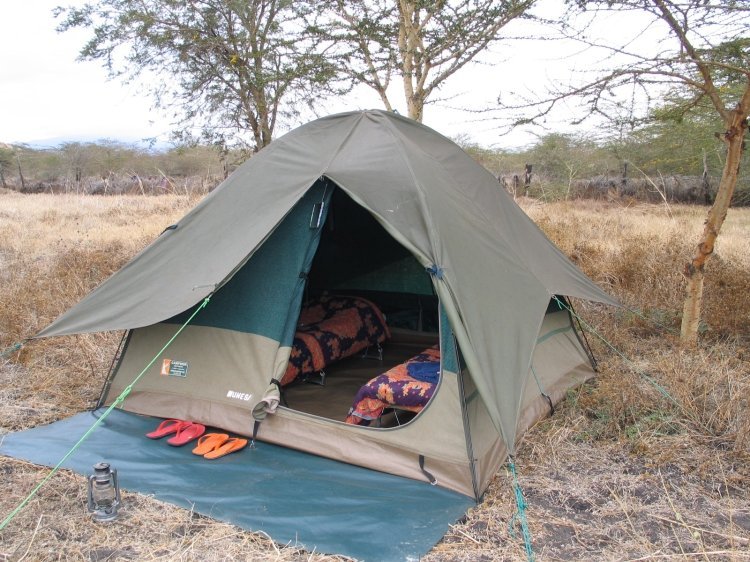
- Mobile Tented Camps: These camps move seasonally to follow the wildlife, particularly the Great Migration. They offer a more rustic yet comfortable experience, often with en-suite bathrooms and proper beds, providing a closer connection to the wilderness without sacrificing essential comforts.
- Boutique Camps: Smaller, more intimate camps that focus on personalized service and unique experiences.
- Budget-Friendly Options: While ‘before you die’ safaris often lean towards premium experiences, more affordable options exist, such as well-managed public campsites or more basic lodges, especially in countries like Uganda or when opting for group tours.
When booking for 2026-2027, especially for popular mobile camps or lodges in prime migration viewing areas, early reservation is critical. The best spots fill up fast.
Itinerary Design: Balancing Pace and Depth
A common mistake is trying to cram too many destinations into one trip. A truly ‘best safari experience’ is often about quality over quantity.
- Focus on Fewer Locations: Spend more time in each park or region to allow for deeper exploration and a better chance of seeing a wider range of wildlife. For example, instead of trying to visit five parks in ten days, focus on two or three key areas.
- Allow for Downtime: Safaris can be intense. Build in time to relax at your lodge, enjoy the views, or reflect on the day’s sightings.
- Consider Travel Time: Africa is vast. Factor in travel days between locations, which can sometimes involve small aircraft flights or long drives.
- Mix Activities: Combine game drives with walking safaris, boat trips, or cultural visits to create a varied and engaging experience.
For a trip in 2026 or 2027, consider a classic Northern Circuit safari in Tanzania (Serengeti, Ngorongoro, Tarangire, Lake Manyara) for about 7-10 days, or combine a few days of gorilla trekking in Uganda with a short safari in Queen Elizabeth or Murchison Falls National Park.
Health and Safety Considerations
Your well-being is paramount. Consult your doctor well in advance of your travel dates for 2026-2027 regarding:
- Vaccinations: Yellow Fever is often mandatory for entry into Tanzania and Uganda. Other recommended vaccinations may include Hepatitis A, Typhoid, and Tetanus.
- Malaria Prevention: Malaria is present in most safari destinations. Your doctor can prescribe appropriate antimalarial medication.
- Travel Insurance: Comprehensive travel and medical evacuation insurance is non-negotiable for any safari trip.
- Sun Protection: The African sun is intense. Pack high-SPF sunscreen, wide-brimmed hats, and sunglasses.
- Hydration: Drink plenty of bottled water to stay hydrated, especially in the heat.
Choosing the Right Safari Operator
Selecting a reputable and experienced safari operator is one of the most critical decisions you will make when planning your ‘best safari experiences before you die’ for 2026-2027. A good operator doesn’t just book logistics; they craft an unforgettable journey, ensure your safety, and contribute positively to conservation and local communities.
Why Local Expertise Matters
Local operators, like Climb 4 Africa, possess invaluable on-the-ground knowledge that international agents often lack. They understand the nuances of local conditions, have established relationships with lodges and guides, and can react quickly to any unforeseen circumstances.
- In-depth Destination Knowledge: Local operators know the best times to visit specific parks, the current wildlife movements, and the most scenic routes.
- Strong Local Network: They work with trusted local guides, drivers, and staff who are passionate about their country and its wildlife.
- Ethical Practices: Reputable local operators are often deeply involved in conservation efforts and ensure their operations are sustainable and benefit local communities.
- Flexibility and Customization: They can tailor itineraries precisely to your interests, budget, and pace, offering a truly personalized experience.
- Cost-Effectiveness: By cutting out intermediaries, local operators can often offer better value for money without compromising on quality.
What to Look For in an Operator:
- Experience and Reputation: Look for operators with a long track record and positive reviews. Check independent review sites like TripAdvisor.
- Customization Capabilities: Ensure they can create bespoke itineraries rather than just offering pre-packaged tours.
- Commitment to Sustainability: Do they have eco-friendly policies? Do they support local communities?
- Transparency: Clear pricing, detailed itineraries, and open communication are essential.
- Safety Standards: Inquire about their safety protocols, especially for activities like walking safaris or primate trekking.
- Responsiveness: How quickly and thoroughly do they answer your queries? This is often a good indicator of their service level.
For your 2026 or 2027 safari, choosing an operator that aligns with your values and offers deep local insight will be key to unlocking truly exceptional experiences.
Guides: The Key to an Enriching Safari
Your safari guide is your window into the wild. A great guide can transform an ordinary game drive into an educational and thrilling adventure.
- Expertise: They should have extensive knowledge of animal behavior, tracking, local flora and fauna, and the history and culture of the region.
- Passion: A guide who is passionate about the bush will be more engaging and enthusiastic, making your experience more enjoyable.
- Communication Skills: They should be able to explain complex concepts clearly and answer your questions patiently.
- Safety Consciousness: A good guide always prioritizes your safety and follows park rules strictly.
- Driving Skills: Navigating rough terrain requires skill and care, ensuring a comfortable ride.
When you book with a reputable operator, you can trust that they will provide highly skilled and knowledgeable guides.
Booking Your Dream Safari with Climb 4 Africa
At Climb 4 Africa, we specialize in crafting unforgettable safari experiences in Tanzania and across East Africa. We understand that planning a trip that qualifies as one of your ‘best safari experiences before you die’ is a significant undertaking, and we are dedicated to making that journey smooth, enriching, and deeply rewarding. Whether you’re dreaming of the Great Migration, the Ngorongoro Crater, or a combination of Tanzania’s diverse wonders for 2026 or 2027, we bring local expertise and a passion for conservation to every itinerary.
Our team is composed of individuals who live and breathe the African wilderness. We don’t just sell tours; we build relationships and create personalized adventures. We know the best times to visit, the most ethical operators to partner with, and how to navigate the complexities of planning a truly exceptional safari.
Why Choose Climb 4 Africa for Your 2026-2027 Safari?
- Deep Local Knowledge: As a Tanzania-based company, we have unparalleled insight into the local wildlife, landscapes, and cultural nuances.
- Tailor-Made Itineraries: We create bespoke safaris that align with your interests, budget, and desired pace. Whether you seek luxury, adventure, or a blend, we design it for you.
- Ethical & Sustainable Tourism: We are committed to responsible travel practices that support conservation and benefit local communities.
- Expert Guides: We work with some of the most experienced and knowledgeable safari guides in Tanzania, ensuring an enriching and safe experience.
- Comprehensive Support: From initial inquiry to your return home, we provide dedicated support, ensuring every detail is handled meticulously.
Planning a safari for 2026-2027 is an exciting prospect. To start crafting your ‘best safari experience before you die,’ we recommend reaching out to us with your initial thoughts:
- Your preferred travel dates or general timeframe.
- The destinations you are most interested in (e.g., Serengeti, Ngorongoro, Gorilla Trekking).
- The approximate number of travelers.
- Your desired level of accommodation and style of safari.
- Your approximate budget range, if you have one.
We can then begin to build a personalized itinerary that captures the essence of your dream safari. Whether you are looking at group departures for 2026 for shared tours or a private bespoke journey, we are here to help. Let’s discuss how we can make your ultimate African adventure a reality.
Contact us today:
- WhatsApp: +255 747 477 898
- Email: climb4africa@gmail.com
- Website: Climb 4 Africa
Check Availability for The Best Safari Experiences Before You Die: A Definitive Guide For 2026-2027
Ready to compare dates, prices, and the best option for your group? Send the package name and travel month so the team can reply with a clear quote, availability, and what is included.
Best Tanzania Safari Before Afcon Final
Best Tanzania Safari Before AFCON 2027 Final.
View package details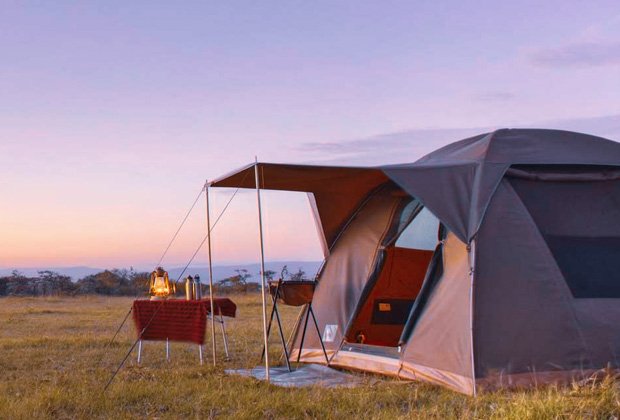
Safari Before or After AFCON Match in Dar es Salaam
Epuka usumbufu wa ratiba, panga safari ya wanyama kabla au baada ya mechi za AFCON katika Dar es Salaam na mwongozo wa kuwasiliana na wataalamu wa Climb 4 Africa.
View package details
Which Dec Group Safari Ends Before New Year’s Eve?
Which Dec Group Safari Ends Before New Year’s Eve?
View package detailsWhat Is The Cheapest Tanzania Group Safari In Nov ?
Finding the most affordable way to experience the Northern Circuit in November 2026 requires understanding seasonal pricing, group dynamics, and route efficiency. Here is how to plan your...
View package detailsAfcon Football Safari And Zanzibar Holiday: Expert Planning Guide
A guide to combining the AFCON 2027 football tournament with a Tanzanian safari and Zanzibar beach holiday, focusing on logistics, timing, and travel planning.
View package detailsDec 27, – 4 Day Serengeti Migration Group Safari: Plan Your Trip
A deep look at planning your 4-day Serengeti migration group safari departing December 27, 2026, including itinerary logistics, group benefits, and seasonal expectations.
View package detailsWhich Group Safari Is Available From Arusha In Nov ?
A detailed guide on navigating group safari availability in Arusha for November 2026, covering seasonality, itinerary choices, and the logistical realities of joining a shared tour.
View package detailsAfcon Honeymoon Safari And Zanzibar Package: Expert Planning Guide
A detailed guide for couples planning a Tanzania trip during the 2027 AFCON tournament, focusing on logistics, safari privacy, and Zanzibar beach selection.
View package detailsTen Day Afcon Tanzania Safari And Zanzibar Holiday: Planning Guide
Planning a ten-day trip for AFCON 2027? This guide covers the ideal itinerary, logistics for combining a Northern Circuit safari with a Zanzibar beach holiday, and how to manage your travel...
View package detailsSeven Day Afcon Safari And Zanzibar Package
Seven Day AFCON Safari and Zanzibar Package.
View package detailsAfcon Kilimanjaro Safari And Zanzibar Package: Expert Planning Guide
A comprehensive guide to coordinating your AFCON 2027 travel, including Kilimanjaro trekking, Northern Circuit safaris, and Zanzibar relaxation, with expert logistical advice.
View package detailsDec 23, – 4 Day Mikumi And Nyerere Christmas Group Safari: Your Essential
A deep look at the logistics, expectations, and planning for the 4 Day Mikumi and Nyerere Christmas group safari departing Dec 23, 2026.
View package detailsNo related package matches those filters. Clear one or more filters to see the other topic-matched options.