A 14-day Uganda and Tanzania safari combining Bwindi gorillas with Serengeti wildlife offers an extraordinary adventure, typically starting in Uganda for gorilla trekking before flying to Tanzania for game drives in the Serengeti and potentially other parks like Ngorongoro Crater, covering diverse ecosystems and iconic species for an unforgettable 2026-2027 trip.

Planning Your 14-Day Uganda & Tanzania Gorilla and Serengeti Safari
Embarking on a 14-day Uganda and Tanzania safari with Bwindi gorillas and Serengeti wildlife is a dream for many, promising an unparalleled blend of primate encounters and classic African savanna experiences. This itinerary is designed for travelers seeking both the intimate, life-changing moment of seeing mountain gorillas in their natural habitat and the thrilling, vast-scale wildlife viewing that the Serengeti is famous for. It requires careful planning, especially when coordinating travel between two distinct countries with different logistical considerations.
When considering a trip for 2026 or 2027, early booking is highly recommended. Gorilla permits, in particular, are limited and sell out months, sometimes over a year, in advance. Similarly, popular safari lodges and flights between destinations are best secured well ahead of your travel dates to ensure availability and potentially better rates.
This comprehensive guide will walk you through what to expect, how to plan, the best times to travel, and what makes this dual-country safari so special. We’ll break down the components, highlight key decision points, and offer practical advice to make your 14-day Uganda Tanzania safari a resounding success.
Understanding the Scope: Uganda vs. Tanzania
It’s crucial to understand the distinct offerings of each country in this combined safari:
- Uganda: Renowned for its lush, mountainous terrain and its status as one of the few remaining homes for the endangered mountain gorillas. Bwindi Impenetrable National Park is the primary destination for gorilla trekking. Chimpanzee trekking in Kibale Forest and savanna safaris in Queen Elizabeth National Park are often included to complement the primate focus.
- Tanzania: Famous for its vast plains, the Great Migration (depending on the time of year), and iconic wildlife concentrations. The Serengeti National Park is the star, offering unparalleled game viewing. The Ngorongoro Conservation Area, with its unique caldera ecosystem, is another must-visit.
Combining these destinations within 14 days means a fast-paced, yet incredibly rewarding, adventure. The logistics involve internal flights, border crossings (or flying around them), and varied accommodation styles.
Key Considerations for Your 14-Day Itinerary
Before diving into specific itineraries, consider these crucial aspects:
- Travel Style: Are you looking for luxury lodges, comfortable mid-range camps, or more budget-friendly options? This will significantly impact your experience and cost.
- Pace: 14 days is enough for a taste of both, but it’s a busy schedule. If you prefer a more relaxed pace, you might consider extending your trip or focusing on one country.
- Time of Year: Different seasons offer different wildlife viewing opportunities, especially concerning the Great Migration in the Serengeti.
- Budget: Gorilla permits are a significant cost. Combined with internal flights and park fees in both countries, this safari is generally a mid-to-high-end experience.
- Physical Fitness: Gorilla trekking involves hiking, sometimes challenging, through dense rainforest.
The Ultimate 14-Day Uganda & Tanzania Safari Itinerary Structure
A typical 14-day Uganda Tanzania safari with Bwindi gorillas and Serengeti wildlife is structured to maximize your experience while minimizing travel time. Given the geography, most itineraries involve flying into Uganda, spending several days there, then flying to Tanzania for the savanna portion.
Sample Itinerary Flow (Adaptable for 2026-2027 Bookings)
This is a conceptual flow. Actual days can be shifted based on flight schedules and specific interests.
- Days 1-2: Arrival in Uganda (Entebbe/Kampala) & Transfer to Bwindi Area. Arrive at Entebbe International Airport (EBB), meet your guide, and begin your journey towards Bwindi Impenetrable National Park. This often involves a scenic drive (approx. 8-10 hours) or a domestic flight to a nearby airstrip followed by a shorter drive. Overnight near Bwindi.
- Day 3: Gorilla Trekking in Bwindi Impenetrable National Park. The highlight! After a briefing, you’ll trek into the forest to spend a precious hour with a habituated gorilla family. Overnight near Bwindi.
- Day 4: Transfer to Queen Elizabeth National Park or Kibale Forest. Depending on your interests, you might head to Queen Elizabeth for savanna wildlife and boat safaris, or to Kibale for chimpanzee trekking.
- Day 5: Activities in Queen Elizabeth/Kibale. Game drives in Queen Elizabeth, boat safari on the Kazinga Channel, or chimpanzee trekking in Kibale.
- Day 6: Transfer back to Entebbe & Fly to Kilimanjaro/Arusha, Tanzania. Drive back to Entebbe for your flight to Kilimanjaro International Airport (JRO) or Arusha Airport (ARK) in Tanzania. This is a significant travel day.
- Days 7-10: Serengeti National Park. Fly from Arusha to a Serengeti airstrip. Spend these days on extensive game drives, experiencing the vast plains and incredible wildlife. Depending on the season, you could focus on different regions of the Serengeti to witness the Great Migration.
- Day 11: Ngorongoro Conservation Area. Drive from the Serengeti to the Ngorongoro Conservation Area. Descend into the Ngorongoro Crater for a unique game drive, teeming with wildlife in a compact, stunning setting. Overnight on the crater rim or nearby.
- Day 12: Lake Manyara National Park or Tarangire National Park. Option for a day trip to Lake Manyara, known for its tree-climbing lions and birdlife, or Tarangire, famous for its large elephant herds and baobab trees.
- Day 13: Arusha & Departure Preparations. Drive back to Arusha. You might have time for some souvenir shopping or relaxation. Prepare for your departure.
- Day 14: Departure from Kilimanjaro (JRO). Transfer to Kilimanjaro International Airport for your flight home.
Customization for 2026-2027
This is a template. For your 2026 or 2027 safari, we can tailor it:
- More Primate Focus: Add more days in Uganda for chimpanzee trekking or golden monkey tracking.
- Migration Focus: Adjust Serengeti days to specific regions based on the predicted Great Migration movements in 2026 or 2027.
- Cultural Experiences: Include visits to local communities in both countries.
- Lodge Preferences: Select specific lodges that match your comfort and luxury level.
Deep Dive: Gorilla Trekking in Bwindi Impenetrable National Park
Gorilla trekking is the centerpiece of the Uganda portion of your 14-day Uganda Tanzania safari. Bwindi Impenetrable National Park, a UNESCO World Heritage Site, is home to approximately half of the world’s remaining mountain gorillas. The experience is profoundly moving and requires careful preparation.
The Gorilla Permit: Your Golden Ticket
A gorilla permit is mandatory for every visitor aged 15 and above wishing to trek. These permits are issued by the Uganda Wildlife Authority (UWA) and are strictly limited to protect the gorillas. For 2026 and 2027 travel, securing these permits as early as possible is paramount.
- Cost: The current cost of a gorilla permit is $700 USD per person for foreign non-residents. Prices can be subject to change by UWA, so always confirm the latest rates when booking for 2026 or 2027.
- Booking: Permits are best booked through a reputable tour operator like Climb 4 Africa, who can manage the application and secure your permit upon payment.
- Availability: High season months (June-August, December-February) sell out the fastest. If you plan to travel during these peak times in 2026 or 2027, book at least 9-12 months in advance. Even shoulder seasons can book up quickly.
The Trekking Experience
Gorilla trekking is not a walk in the park. It involves hiking through dense, often steep, and muddy terrain. The duration of the trek can vary from 30 minutes to over 8 hours, depending on the gorilla family’s location and the terrain.
- Group Size: Trekking groups are limited to a maximum of 8 people per gorilla family.
- Time with Gorillas: Once you find a habituated gorilla family, you will have one hour in their presence. This hour is strictly managed to minimize disturbance to the gorillas.
- What to Expect: You’ll be accompanied by an experienced park ranger and porters (optional, but highly recommended to ease the physical load and support the local community). The rangers are skilled at tracking the gorillas and will share insights about their behavior and the forest ecosystem.
- Physical Demands: A reasonable level of fitness is required. If you have mobility issues, inform your tour operator well in advance; some sectors offer easier treks, and special arrangements might be possible.
Where to Stay Near Bwindi
Accommodation options range from luxury lodges with stunning forest views to more rustic, budget-friendly guesthouses. Your choice will depend on your overall safari budget and preference for your 14-day Uganda Tanzania safari.
Important Note for 2026-2027 Bookings: Gorilla permits are sector-specific. This means your permit is for a particular gorilla family within a specific sector of Bwindi (e.g., Buhoma, Ruhija, Rushaga, Nkuringo). Your accommodation should ideally be located within or close to your assigned sector to minimize travel time on trekking day.
Exploring the Serengeti: The Heart of Tanzania’s Wildlife
After the intimate experience of gorilla trekking, your 14-day Uganda Tanzania safari transitions to the vast, iconic landscapes of the Serengeti National Park in Tanzania. This is where you’ll encounter the quintessential African savanna safari, with immense herds, predators, and a sense of boundless wilderness.
The Great Migration: A Seasonal Spectacle
The Serengeti is most famous for the Great Migration, a year-round movement of over 1.5 million wildebeest, zebras, and antelopes following the rains in search of fresh grazing. The timing of your 2026 or 2027 safari can dramatically influence whether you witness specific events like river crossings or calving seasons.
- January-March: Southern Serengeti and Ndutu area. Calving season for wildebeest, with many newborns. Ideal for predator sightings as lions, cheetahs, and hyenas are busy hunting.
- April-May: Moving north. This is the ‘long rains’ period, and the migration is scattered. Fewer tourists, but wildlife is still abundant.
- June-July: Western Corridor and Grumeti River. Wildebeest begin to cross rivers, a dramatic spectacle.
- August-October: Northern Serengeti and Mara River. The most famous river crossings occur here as the herds attempt to cross the Mara River to reach Kenya’s Maasai Mara. This is a prime time for witnessing predator-prey action.
- November: Moving south towards the plains. A mix of herds can be found across different parts of the park.
When booking your 2026 or 2027 safari, discuss migration patterns with your tour operator to align your visit with your desired sightings.
Serengeti Game Drives
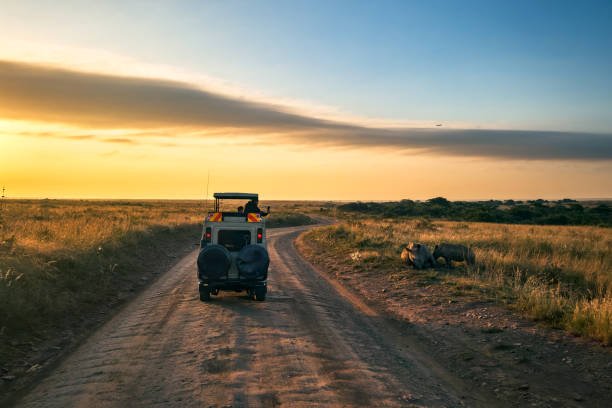
Game drives in the Serengeti are typically conducted in custom-designed 4×4 safari vehicles, usually with pop-up roofs for optimal viewing and photography. Your experienced driver-guide is key to locating wildlife, from the Big Five (lion, leopard, elephant, rhino, buffalo) to smaller creatures and diverse birdlife.
- Vehicle Type: Most operators use Land Cruisers or Land Rovers, equipped for off-road conditions. Ensure your vehicle has good suspension and large windows or an open roof.
- Guide Expertise: A knowledgeable guide can spot camouflaged animals, interpret animal behavior, and navigate the vast park effectively.
- Duration: Full-day game drives are common, often starting at sunrise and continuing until sunset, with a break for lunch.
Accommodation in the Serengeti
The Serengeti offers a range of accommodation:
- Luxury Lodges: Permanent structures offering high-end amenities and services.
- Tented Camps: Canvas structures that provide a more in-depth wilderness feel while still offering comfort. These can be permanent or mobile, strategically placed to follow the migration.
- Budget Camps: More basic facilities, often public campsites or simple tented camps.
For a 14-day Uganda Tanzania safari, choosing accommodation that balances comfort, location, and your budget is essential. Staying in different areas of the Serengeti can enhance your experience by showcasing the park’s diverse habitats and wildlife concentrations.
Beyond the Serengeti: Ngorongoro Crater and Other Tanzanian Highlights
While the Serengeti is the main draw for many, no 14-day Uganda Tanzania safari would be complete without experiencing the Ngorongoro Conservation Area. This region offers unique ecosystems and incredible wildlife density.
The Ngorongoro Crater: A Natural Wonder
The Ngorongoro Crater is a large, intact volcanic caldera, approximately 160 sq km in size. Its high walls create a self-contained ecosystem that supports an astonishing array of wildlife. It’s often called Africa’s “Garden of Eden” or the “Eighth Wonder of the World.”
- Wildlife Abundance: The crater floor is home to an estimated 30,000 animals, including a high concentration of predators like lions, hyenas, and jackals. It’s also one of the best places in Tanzania to spot the endangered black rhinoceros.
- Crater Floor Game Drives: Game drives are restricted to the crater floor. You descend early in the morning and typically spend a half or full day exploring.
- Conservation Area: The Ngorongoro Conservation Area is unique as it allows human habitation, primarily by the Maasai people, alongside wildlife. This balance is a key aspect of its management.
- Logistics: Most visitors stay on the crater rim or in nearby Karatu town, descending into the crater for a day trip. This is a standard inclusion in most 14-day Uganda Tanzania safari packages for 2026 or 2027.
Lake Manyara National Park
Often visited en route to the Serengeti or Ngorongoro, Lake Manyara offers a different safari experience:
- Tree-Climbing Lions: While not guaranteed, Lake Manyara is famous for its lions that have adapted to climbing trees, a behavior not commonly seen elsewhere.
- Birdlife: The lake itself attracts vast numbers of flamingos, pelicans, and other water birds, making it a birdwatcher’s paradise.
- Forest Ecosystem: The park features groundwater forests, acacia woodlands, and open grasslands, supporting a diverse range of animals including elephants, giraffes, hippos, and baboons.
Tarangire National Park
Known for its massive baobab trees and large elephant herds, Tarangire is another excellent addition to a Tanzanian safari, especially during the dry season (June-October) when animals congregate around the Tarangire River.
- Elephant Herds: Tarangire is home to some of the largest elephant herds in Tanzania.
- Baobab Trees: The park is dotted with iconic baobab trees, creating a unique and picturesque landscape.
- Predators: Lions, leopards, and cheetahs are present, though often more elusive than in the Serengeti or Ngorongoro.
Including these parks in your 14-day Uganda Tanzania safari provides a more comprehensive view of Tanzania’s incredible biodiversity.
Logistics and Practicalities for Your 2026-2027 Safari
Successfully executing a 14-day Uganda Tanzania safari with Bwindi gorillas and Serengeti wildlife hinges on efficient logistics. This involves internal flights, ground transportation, accommodation bookings, and visa requirements.
Internal Flights: Connecting the Dots
Flying between Uganda and Tanzania is the most time-efficient way to connect these destinations within a 14-day timeframe. Direct flights are rare, so expect connections, often through Nairobi (Kenya) or Addis Ababa (Ethiopia).
- Uganda to Tanzania: Flights typically depart from Entebbe (EBB) to Kilimanjaro (JRO) or Arusha (ARK). This journey can take several hours, including layovers.
- Within Tanzania: For safaris in the Serengeti, you’ll often take a small bush plane from Arusha to one of the Serengeti’s airstrips (e.g., Seronera, Kogatende, Ndutu). This saves considerable driving time.
Booking these flights well in advance is crucial for your 2026-2027 safari, as seats on regional carriers can be limited.
Ground Transportation
- Uganda: Typically a 4×4 safari vehicle with a pop-up roof and an experienced driver-guide. For gorilla trekking, specialized 4x4s are used to navigate the rugged terrain.
- Tanzania: A 4×4 safari vehicle (often a Land Cruiser or Land Rover) with a pop-up roof and a knowledgeable driver-guide is standard for Serengeti and Ngorongoro game drives.
Visas and Entry Requirements
Ensure you have the necessary visas for both Uganda and Tanzania. Depending on your nationality, you may be able to obtain these upon arrival, online in advance, or through your country’s embassy. Always check the latest requirements for 2026 and 2027 travel well before your departure.
Health and Vaccinations
Consult your doctor or a travel clinic well in advance of your trip regarding recommended vaccinations and malaria prophylaxis. Yellow Fever vaccination is often mandatory for entry into Uganda and Tanzania, and you may need to show proof of vaccination. Pack insect repellent.
Travel Insurance
Comprehensive travel insurance is non-negotiable for a trip of this nature. It should cover medical emergencies, trip cancellation, and importantly, emergency evacuation, especially given the remote locations of some activities like gorilla trekking.
Packing Essentials
- Lightweight, neutral-colored clothing (avoid bright colors and dark blue/black).
- Warm layers for cool mornings and evenings.
- Rain jacket.
- Comfortable hiking boots for gorilla trekking.
- Hat, sunglasses, high SPF sunscreen.
- Binoculars.
- Camera with extra batteries and memory cards.
- Reusable water bottle.
- Personal first-aid kit.
Best Time to Travel for Your 14-Day Uganda Tanzania Safari (2026-2027)
The “best” time for your 14-day Uganda Tanzania safari with Bwindi gorillas and Serengeti wildlife depends on your priorities. Both countries have distinct seasons.
Uganda’s Seasons
- Dry Seasons (June-August, December-February): These are the most popular times for gorilla trekking as the trails are less muddy and rainfall is minimal. Wildlife is also easier to spot as animals congregate around water sources. However, this is also peak season, meaning higher prices and earlier booking for permits and lodges are essential for 2026 or 2027.
- Wet Seasons (March-May, September-November): Lush green landscapes, fewer crowds, and potentially lower prices. Gorilla trekking is still possible, though trails can be muddy and slippery. Birdwatching is excellent during these times.
Tanzania’s Seasons
- Dry Season (June-October): This is generally considered the best time for game viewing in the Serengeti and Ngorongoro. The landscape is drier, and animals are concentrated around permanent water sources. This period also coincides with the dramatic river crossings of the Great Migration in the north (July-October). This is peak season.
- Wet Season (November-May): The landscape becomes greener and more picturesque. The southern Serengeti (Ndutu area) is ideal for the calving season (January-March). Birdlife is abundant. November and April/May often have short and long rains, respectively, which can impact road conditions.
Combining the Two for 2026-2027
To optimize your 14-day Uganda Tanzania safari, consider these combinations:
- For Migration & Dry Conditions: Aim for July-October. You’ll likely catch the migration in northern Serengeti and have favorable trekking conditions in Uganda, though it will be busy and more expensive.
- For Fewer Crowds & Greener Scenery: Consider the shoulder months like September/October or February/March. You might miss the peak migration spectacle but can still see abundant wildlife and enjoy good trekking.
- For Calving Season & Good Trekking: January-March offers a great chance to see the wildebeest calving in Tanzania and good, though potentially muddy, trekking conditions in Uganda.
Discuss your preferred timing and priorities for your 2026 or 2027 trip with Climb 4 Africa to craft the perfect itinerary.
Cost Considerations for Your 14-Day Uganda & Tanzania Safari
A 14-day Uganda Tanzania safari with Bwindi gorillas and Serengeti wildlife is a significant investment. The cost is influenced by several factors, including accommodation level, private versus group travel, time of year, and specific inclusions.
Key Cost Drivers
- Gorilla Permits: Currently $700 USD per person in Uganda. This is a fixed cost set by the government.
- Park Entrance Fees: Both countries have substantial daily park fees. For example, Serengeti fees are around $70-80 USD per person per day, and Ngorongoro Crater fees are around $300 USD per vehicle plus $70 USD per person.
- Internal Flights: Flights between Entebbe and Kilimanjaro/Arusha, and domestic flights within Tanzania (e.g., Arusha to Serengeti), add considerably to the cost.
- Accommodation: This is the most variable cost. Luxury lodges and high-end tented camps in prime locations will significantly increase the overall price compared to mid-range or budget options.
- Vehicle & Guide: Private safari vehicles and guides are more expensive than shared options.
- Time of Year: Peak seasons (dry months) are generally more expensive due to higher demand.
Estimated Budget Ranges (per person, excluding international flights) for 2026-2027
These are approximate ranges and can vary widely:
- Mid-Range Safari: Expect prices from $5,500 – $8,500 USD per person. This typically includes comfortable mid-range lodges and tented camps, private 4×4 vehicles, internal flights, and all park fees and permits.
- Luxury Safari: Prices can range from $9,000 – $15,000+ USD per person. This level features exclusive lodges, premium tented camps, dedicated private guides, and potentially more flexible flight arrangements.
Important Notes for 2026-2027:
- Prices are subject to change by park authorities and accommodation providers. Always get a detailed quote for your specific travel dates.
- The exact itinerary, number of days in each park, and choice of accommodation will heavily influence the final cost.
- International flights to Entebbe (EBB) and from Kilimanjaro (JRO) are not included in these estimates.
For a precise quote tailored to your 2026 or 2027 travel plans, including your preferred accommodation style and specific interests, it’s best to contact a specialist like Climb 4 Africa.
Why Choose Climb 4 Africa for Your 14-Day Uganda Tanzania Safari
Planning a complex, multi-country safari like a 14-day Uganda Tanzania safari with Bwindi gorillas and Serengeti wildlife requires expertise. Climb 4 Africa specializes in creating smooth, memorable African adventures, combining deep local knowledge with a commitment to exceptional service.
Our Expertise
- Local Knowledge: As a Tanzania-based company with strong connections across East Africa, we understand the nuances of travel in both Uganda and Tanzania. This includes optimal timing for wildlife viewing, the best routes, and reliable local partners.
- Tailor-Made Itineraries: We don’t offer one-size-fits-all tours. We craft bespoke itineraries for your 2026 or 2027 safari, ensuring your interests, budget, and pace are perfectly matched. Whether you prioritize photography, birdwatching, or specific wildlife sightings, we can design the ideal trip.
- Gorilla Permit Specialists: We handle the complexities of securing limited gorilla permits for Bwindi Impenetrable National Park, ensuring you get the best possible dates and sectors.
- smooth Logistics: From internal flights and ground transfers to accommodation bookings and park entries, we manage all the intricate details so you can relax and enjoy your adventure.
- Experienced Guides: We work with highly trained, knowledgeable, and friendly driver-guides who are passionate about sharing their expertise of the wildlife, cultures, and landscapes of Uganda and Tanzania.
Planning Your 2026-2027 Safari with Us
To start planning your dream 14-day Uganda Tanzania safari for 2026 or 2027, we recommend the following steps:
- Contact Us: Reach out via WhatsApp at +255 747 477 898 or email us at climb4africa@gmail.com.
- Share Your Vision: Let us know your preferred travel dates (or flexibility), budget range, interests (e.g., gorillas, migration, specific animals), and desired level of accommodation.
- Itinerary & Quote: We will then propose a detailed itinerary and a transparent quote for your consideration.
- Refinement: We’ll work with you to refine the itinerary until it’s perfect for you.
- Booking: Once finalized, we’ll guide you through the booking process, including securing permits and lodges.
Choosing Climb 4 Africa means partnering with a dedicated team committed to making your 14-day Uganda Tanzania safari an extraordinary and hassle-free experience. We look forward to helping you plan your adventure for 2026 or 2027.
“,
“faq_schema”: [
{
“question”: “What is the best time of year for a 14-day Uganda and Tanzania safari with gorillas and Serengeti?”,
“answer”: “For a 14-day Uganda and Tanzania safari combining Bwindi gorillas and Serengeti wildlife, the dry seasons generally offer the best conditions. In Uganda, June-August and December-February are popular for gorilla trekking due to less muddy trails. In Tanzania, June-October is ideal for game viewing in the Serengeti and Ngorongoro, with the Great Migration often in the north during July-October. Combining these means aiming for July-October for the best of both, though this is peak season and requires early booking for 2026-2027. Alternatively, shoulder months like September/October or February/March offer fewer crowds and greener scenery, with good chances for both activities.”
},
{
“question”: “How much does a 14-day Uganda and Tanzania safari with gorillas and Serengeti typically cost?”,
“answer”: “A 14-day Uganda and Tanzania safari combining Bwindi gorillas and Serengeti wildlife is a premium experience. Costs typically range from $5,500 to $8,500 USD per person for mid-range options and $9,000 to $15,000+ USD per person for luxury travel, excluding international flights. Key cost drivers include the mandatory $700 USD gorilla permit in Uganda, park entrance fees, internal flights between countries and within Tanzania, and the level of accommodation chosen. Booking for 2026-2027 well in advance is recommended.”
},
{
“question”: “What is included in a typical 14-day Uganda and Tanzania safari package?”,
“answer”: “A typical 14-day Uganda and Tanzania safari package will usually include accommodation for 13 nights, all park entrance fees, game drives in 4×4 safari vehicles with experienced guides, gorilla trekking permits in Uganda, chimpanzee permits (if added), internal flights (e.g., Arusha to Serengeti), meals as specified (often full board on safari), airport transfers, and sometimes bottled water during game drives. Exclusions commonly include international flights, visas, travel insurance, tips for guides and lodge staff, personal expenses, and drinks not specified in the itinerary.”
},
{
“question”: “How much hiking is involved in gorilla trekking in Bwindi?”,
“answer”: “Gorilla trekking in Bwindi Impenetrable National Park involves hiking through dense rainforest, which can be steep, uneven, and muddy. The duration of the trek can range from 30 minutes to over 8 hours, depending on the gorilla family’s location. A reasonable level of physical fitness is recommended. Porters can be hired to assist with carrying backpacks and providing support on the trail, making the experience more manageable for most travelers. Inform your tour operator about any physical limitations when booking your 2026-2027 safari.”
},
{
“question”: “Do I need separate visas for Uganda and Tanzania for this safari?”,
“answer”: “Yes, you will typically need separate visas for both Uganda and Tanzania for a 14-day Uganda Tanzania safari. Depending on your nationality, you can often obtain these upon arrival at the airport, apply online in advance, or through your country’s respective embassy. It is crucial to check the latest visa requirements for both countries for your planned travel dates in 2026 or 2027, as regulations can change.”
},
{
“question”: “What is the Great Migration, and when is the best time to see it in the Serengeti?”,
“answer”: “The Great Migration is the annual movement of over 1.5 million wildebeest, zebras, and antelopes across the Serengeti ecosystem in search of fresh grazing. The best time to see specific events like river crossings in the northern Serengeti is generally from July to October. January to March is ideal for the calving season in the southern Serengeti. The migration is a year-round phenomenon, with herds spread across different regions at various times. Discussing your 2026-2027 travel dates with your safari operator will help align your trip with the migration’s likely location.”
}
]
}
“`
Check Availability for 14 Days Uganda Tanzania Safari With Serengeti And Bwindi Gorillas 2026-2027
Ready to compare dates, prices, and the best option for your group? Send the package name and travel month so the team can reply with a clear quote, availability, and what is included.
Afcon Private Serengeti Safari With Lodges
AFCON 2027 Private Serengeti Safari with Lodges.
View package detailsAfcon Luxury Serengeti Safari Packages
AFCON 2027 Luxury Serengeti Safari Packages.
View package details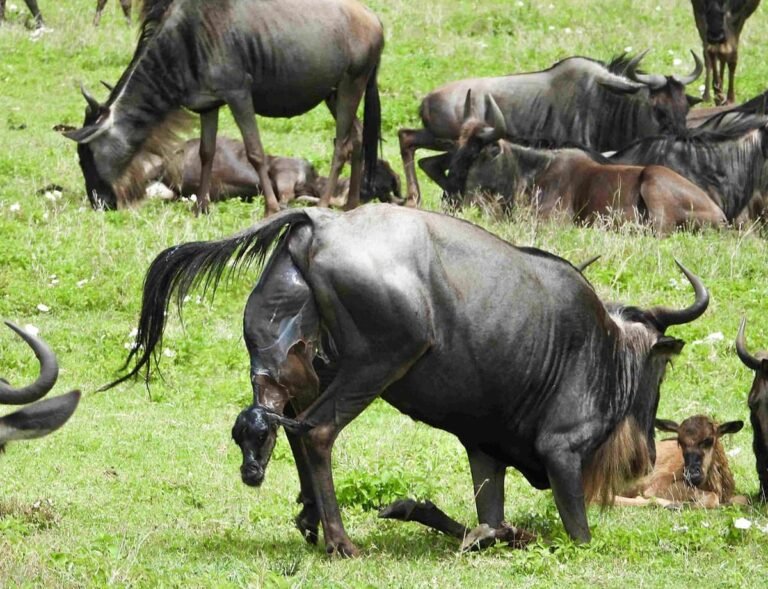
Serengeti Great Migration Safari During AFCON 2027
Mwongozo wa kina kwa safari ya Serengeti Great Migration wakati wa AFCON 2027, ukilenga kuelewa maeneo, kipindi cha mwendo wa mnyama, na mapendekezo ya mipango ya kiutendaji.
View package details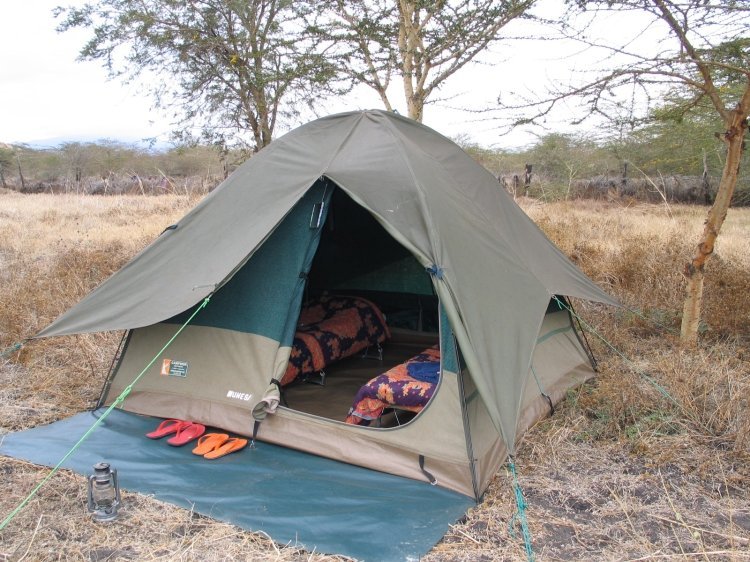
Four Day Serengeti na Ngorongoro Safari During AFCON 2027
Mwongozo wa safari ya siku 4 kwenye Serengeti na Ngorongoro wakati AFCON 2027; jinsi ya kupanga, nini cha kujali, na jinsi ya kuandaa,”
View package detailsThree Day Serengeti Safari During AFCON 2027
Mwongozo wa kiutendaji kwa safari ya siku tatu ya Serengeti wakati AFCON 2027, ukijumuisha mwelekeo wa maeneo, ratiba ya siku, na ushauri wa ubashiri wa kupanga pamoja na jinsi ya...
View package details
Dec 24, – 3 Day Christmas Serengeti And Ngorongoro Group Safari
Dec 24, 2026 – 3 Day Christmas Serengeti and Ngorongoro Group Safari.
View package details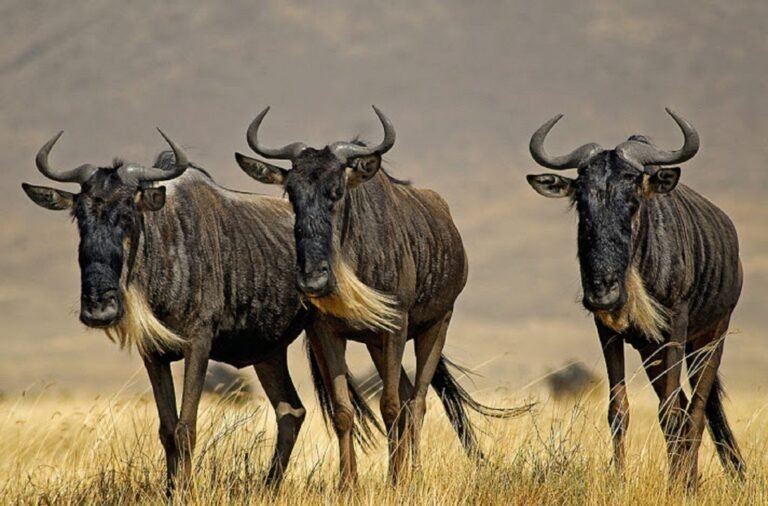
Nov 23, – 3 Day Serengeti And Ngorongoro Safari From Zanzibar
Nov 23, 2026 – 3 Day Serengeti and Ngorongoro Safari from Zanzibar.
View package details
Dec 31, : New Year’s Eve Serengeti Group Safari Planning Guide
This guide provides essential planning details for a group safari trip to the Serengeti for New Year's Eve 2026, covering logistics, seasonal highlights, and what to expect.
View package details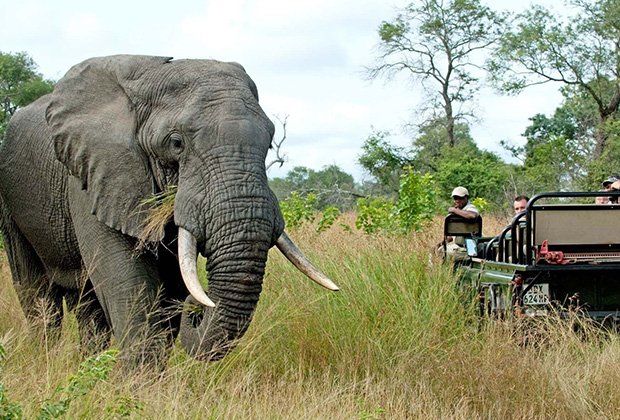
I Am On A Budget—What Is The Cheapest Serengeti Group Safari?
I Am on a Budget—What Is the Cheapest Serengeti Group Safari?
View package details
Dec 29, – 6 Day Ndutu, Serengeti And Ngorongoro Group Safari 2026
A detailed guide to our 6-day group safari departure on December 29, 2026, focusing on the Ndutu plains, the Serengeti, and the Ngorongoro Crater.
View package details8 Day Serengeti And Ngorongoro Group Safari – December 16, 2026
Planning your December 2026 Tanzanian adventure? Our 8-day group safari offers a deep, unhurried exploration of the Serengeti and Ngorongoro Crater.
View package detailsDec 14, – 7 Day Complete Tanzania Northern Circuit Group Safari 2026
Planning for December 2026? Join our 7-day complete Tanzania Northern Circuit group safari. A deep look at the Serengeti, Ngorongoro, and Tarangire with expert, locally-led logistics.
View package detailsNo related package matches those filters. Clear one or more filters to see the other topic-matched options.