Yes, splitting your stay between Central and Northern Serengeti is often absolutely worth it for travelers seeking a comprehensive wildlife experience, especially if you have at least 5-7 days. Central Serengeti offers reliable, year-round game viewing with iconic predators and resident wildlife, while the Northern Serengeti (specifically the Kogatende area) provides unparalleled opportunities to witness the Great Migration river crossings during specific months, offering distinct ecosystems and wildlife concentrations. This division allows for a richer, more varied safari, showcasing the Serengeti’s diverse habitats and the full spectrum of its incredible animal populations across different seasons and regions.
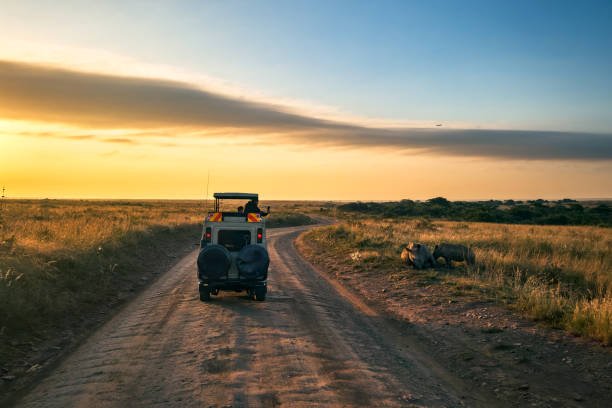

Understanding the Serengeti’s Distinct Zones
The Serengeti National Park is vast, covering over 14,750 square kilometers (5,700 sq mi). To truly appreciate its scale and the dynamic movements of its wildlife, particularly the Great Migration, understanding its different sectors is key. While the park is a single ecosystem, it’s often conceptually divided into regions based on geography, wildlife concentrations, and seasonal movements. The most common and significant divisions for safari planning are Central Serengeti (Seronera Valley) and Northern Serengeti (Kogatende/Lamai Wedge).
Choosing between these areas, or deciding to combine them, hinges on several factors: your safari goals, the time of year you plan to visit in 2026 or 2027, your budget, and the duration of your stay. For many, a single visit to one area might suffice, but for those wanting to maximize their chances of seeing diverse wildlife behaviors and landscapes, splitting the stay is a strategic decision.
Central Serengeti: The Heartbeat of Wildlife
Central Serengeti, centered around the Seronera Valley, is often considered the park’s core. It’s known for its acacia-dotted plains, kopjes (rocky outcrops), and the Seronera River, which provides a permanent water source. This abundance of water and varied habitat makes it a magnet for wildlife year-round.
- Year-Round Accessibility: Unlike the Northern or Western Corridors, Central Serengeti remains accessible and offers fantastic game viewing throughout the year. The permanent water sources mean resident wildlife populations are consistently high.
- Predator Hotspot: The Seronera Valley is particularly famous for its high density of predators. Lions, leopards, cheetahs, hyenas, and wild dogs are frequently sighted here, often with impressive regularity. The kopjes provide excellent vantage points for lions and leopards.
- Diverse Habitats: You’ll encounter a mosaic of landscapes, from open grasslands to riverine forests and rocky hills, supporting a wide array of herbivores like wildebeest, zebras, gazelles, giraffes, and buffalo.
- Iconic Scenery: The classic Serengeti landscape, with vast plains stretching to the horizon, is perhaps most vividly represented in the central region.
A stay in Central Serengeti is excellent for first-time visitors or those who want a guaranteed, rich safari experience regardless of the time of year. It’s the anchor for many Serengeti itineraries.
Northern Serengeti: The Migration’s Dramatic Stage
The Northern Serengeti, primarily the Kogatende and Lamai Wedge areas, borders Kenya’s Maasai Mara. This region is most famous for one specific, dramatic event: the Great Migration river crossings of the Mara River.
- The Mara River Crossings: From roughly July to October, the vast herds of wildebeest and zebras move north into this region. The highlight is witnessing them brave the crocodile-infested Mara River as they move between Tanzania and Kenya. This is a prime reason many travelers choose to visit the North during these months.
- Seasonal Concentration: While the river crossings are seasonal, the Northern Serengeti also hosts a significant resident population of animals, including lions, leopards, elephants, and diverse birdlife. However, the sheer numbers of herbivores are most impressive during the migration’s presence.
- Different Landscape: The terrain in the North is often more hilly and rugged than the central plains, with dramatic cliffs and riverine areas, offering a different visual aesthetic.
- Less Crowded (Outside Peak Migration): While the river crossings can attract crowds, the Northern Serengeti can feel more remote and less developed than the Central region, offering a sense of wildness.
Visiting the Northern Serengeti is often a highlight for those specifically aiming to witness the Great Migration’s most dramatic moments. It requires careful timing to coincide with the herds’ movements.
Why Splitting Your Stay is Often Recommended
The decision to split your stay between Central and Northern Serengeti isn’t just about seeing more; it’s about experiencing the Serengeti’s full ecological narrative. Each region offers a distinct flavor of safari, and combining them provides a more holistic and often more rewarding adventure.
Maximizing Wildlife Viewing Opportunities
The primary driver for splitting your stay is to maximize your chances of encountering a wider variety of wildlife and behaviors. Central Serengeti offers a consistent, high-quality game viewing experience year-round, with a strong focus on predators and resident herbivores. Northern Serengeti, particularly during the migration season, offers the spectacle of millions of animals and the thrilling river crossings.
- Year-Round Residents vs. Migratory Spectacle: By staying in the Central region, you guarantee encounters with lions lounging on kopjes, leopards in trees, and cheetahs on the hunt, alongside abundant resident herds. Then, by moving North during the migration season (July-October), you witness the epic journey of wildebeest and zebras, including their perilous river crossings.
- Diverse Ecosystems: The two regions, while part of the same park, present different landscapes and micro-habitats. Central’s vast plains and rocky outcrops contrast with the North’s more rugged, hilly terrain and the imposing Mara River. This variety means different species might be more prevalent or visible in each area.
- Avoiding Missed Opportunities: If you only visit one region, you might miss out on significant wildlife events. For instance, staying only in the Central Serengeti between July and October means missing the potential for river crossings. Conversely, visiting only the North outside the migration season might offer fewer predator sightings compared to Seronera.
Experiencing the Great Migration’s Full Cycle
The Great Migration is the largest land mammal migration on Earth, and understanding its movement is key to appreciating the Serengeti. Splitting your stay, especially if timed correctly, allows you to follow this natural wonder.
- Southern Serengeti (Calving Season): While not as commonly combined with Central/North for shorter trips, from December to March, the migration is typically in the southern plains of the Serengeti, a period of calving and intense predator activity.
- Western Corridor (River Crossing): Around May and June, the herds often move through the Western Corridor, with potential for river crossings on the Grumeti River, a different, often less dramatic, but still significant event compared to the Mara River crossings.
- Northern Serengeti (Mara River Crossings): July to October is the peak time for the iconic Mara River crossings in the North.
- The Return Journey: As the year progresses, the herds begin their journey back south, often passing through different areas.
By combining Central and Northern Serengeti, you can position yourself to witness different phases of the migration, especially if your trip spans the transition months. For instance, a late June trip might catch the tail end of the Western Corridor movement and the beginning of the Northern herds gathering for the Mara River. A September trip might see the herds in the North, with opportunities to also experience the resident wildlife in the Central area on your way in or out.
Reducing Travel Time and Maximizing Safari Days
While it might seem counterintuitive, strategically splitting your stay can sometimes optimize your safari days. The Serengeti is enormous, and significant travel time can be consumed moving between distant points. However, by flying between camps or lodges in different sectors, you can save considerable driving time and dedicate more hours to actual game viewing.
- Internal Flights: Light aircraft flights between airstrips in Central and Northern Serengeti are common. These flights are scenic and dramatically reduce travel time compared to driving, which can take an entire day or more. For example, a flight from Seronera Airstrip (Central) to Kogatende Airstrip (North) is typically around 45-60 minutes.
- Efficient Itinerary Planning: Tour operators like Climb 4 Africa can design itineraries that seamlessly transition you between regions, often incorporating these internal flights. This means you can spend 2-3 days in each region, maximizing your time in prime wildlife areas without losing a full day to transit.
A More Varied and Memorable Experience
Beyond the sheer volume of wildlife, splitting your stay offers a richer, more varied experience that stays with you long after your safari ends.
- Different Landscapes: The visual contrast between the rolling plains of Central Serengeti and the rugged hills and riverine environments of the North provides a broader appreciation for the Serengeti’s diverse beauty.
- Distinct Animal Behaviors: Witnessing the predator-prey dynamics in the predator-rich Seronera Valley is different from observing the sheer scale of the migration herds or the dramatic river crossings in the North.
- Sense of Scale and Wilderness: While both areas offer a sense of wilderness, the more remote feel of the Northern Serengeti, especially outside the immediate river crossing points, can be profoundly impactful.
When is Splitting Your Stay Most Beneficial?
The optimal time to split your Serengeti stay depends heavily on the season and your primary wildlife interests. For 2026 and 2027, the general patterns of the Great Migration and resident wildlife movements remain the most reliable indicators.
Timing for the Great Migration
If witnessing the Great Migration is a top priority, your timing will dictate whether splitting your stay is essential or merely beneficial.
- July to October: The Prime Time for North
If your safari falls within these months, a split between Central and Northern Serengeti is highly recommended. This is when the bulk of the wildebeest and zebra herds are in the North, making the Mara River crossings a daily possibility. You can start in Central for reliable predator action and resident wildlife, then fly north to witness the migration’s dramatic riverine phase. This combination offers the best of both worlds. - May to June: Transition and Western Corridor
During these months, the herds are often moving through the Western Corridor, potentially crossing the Grumeti River. While the Mara River crossings haven’t started, the North is still a viable option for experiencing herds in a different landscape. Central Serengeti remains excellent for resident wildlife. A split can offer a mix of predator action and the beginnings of the migration’s movement. - November to December: Moving South
The herds begin their journey south. While the Northern Serengeti may still have some stragglers, the migration starts to spread across the plains, heading towards the Southern Serengeti for the calving season. A split could involve Central and potentially the eastern or southern plains, depending on the exact herd location. - January to March: Calving Season in the South
The Southern Serengeti is the focus for calving. If this is your interest, a split might involve Central and Southern areas. The North is generally less active with the main migration herds during this period.
For Non-Migration Focused Safaris
Even if the Great Migration isn’t your sole focus, splitting your stay can still be incredibly rewarding.
- Maximizing Predator Sightings: Central Serengeti is a predator haven. Pairing it with the Northern Serengeti allows you to experience a different environment, potentially seeing predators adapted to the North’s landscape or enjoying the sheer volume of herbivores that attract them.
- Diverse Landscapes and Birdlife: If you appreciate varied scenery and birdwatching, the distinct ecosystems of Central and Northern Serengeti offer different species and photographic opportunities.
- Longer Safaris (5+ Days): For safaris of 5 days or more, splitting the stay becomes more feasible and beneficial. It allows for at least 2-3 days in each region, providing adequate time to explore and appreciate the unique characteristics of each. A 3-day trip might be best focused on one region.
The Trade-offs: When Might You NOT Split Your Stay?
While splitting your stay offers many advantages, it’s not always the best decision for every traveler. Several factors might lead you to focus on just one region.
Duration of Your Safari
The most significant constraint is time. The Serengeti is vast, and travel between regions, even with internal flights, consumes time.
- Short Trips (2-4 Days): If you have only 2, 3, or even 4 days for your Serengeti experience, attempting to split your stay between Central and North will likely feel rushed. You’ll spend too much time in transit and not enough time on game drives. For shorter trips, it’s far better to focus on one region and explore it thoroughly. Central Serengeti is often the best choice for short, impactful safaris due to its reliable wildlife viewing.
Budget Considerations
Splitting your stay generally increases the overall cost of your safari.
- Internal Flights: Light aircraft flights between Seronera and Kogatende typically cost between $300-$500 per person, round trip. This is a significant addition to the safari budget.
- Lodge/Camp Costs: Staying in two different locations means incurring accommodation and associated costs for two separate camps or lodges, potentially at different price points.
- Transfer Costs: While flights reduce transit time, you still incur costs for transfers to and from airstrips at both ends.
If you are on a tighter budget, focusing on one region allows for more days in that area within the same budget, or simply a lower overall cost for the same number of safari days.
Specific Wildlife Interests
While the Serengeti is renowned for the Great Migration, some travelers have very specific interests that might be better served by concentrating on one area.
- Predator Enthusiasts: If your absolute priority is seeing as many big cats and other predators as possible, dedicating more time to Central Serengeti (Seronera Valley) might be more beneficial than splitting your time. The concentration of predators here is exceptionally high.
- Specific Migration Phase: If you are only interested in the calving season (Southern Serengeti) or a particular phase of the migration that is concentrated in one area during your travel dates, then focusing your entire stay on that region might be more efficient.
Logistical Simplicity
For travelers who prefer a more straightforward, less logistically complex trip, staying in one location simplifies planning and execution.
- Fewer Moves: Changing camps or lodges involves packing and unpacking, checking in and out, and coordinating transfers, which can add a layer of complexity, especially for first-time safari-goers.
- Concentrated Experience: Some travelers prefer to deeply familiarize themselves with one area rather than experiencing multiple locations superficially.
Planning Your Split Stay: Key Considerations for 2026-2027
If you decide that splitting your stay between Central and Northern Serengeti is the right choice for your 2026 or 2027 adventure, careful planning is essential to ensure a smooth and rewarding experience. This involves understanding the logistics, choosing the right camps, and aligning your trip with the wildlife movements.
Choosing the Right Time of Year
As detailed earlier, the success of a split stay, particularly for migration viewing, hinges on timing. For 2026-2027, consult up-to-date migration forecasts closer to your travel dates, but the general patterns are reliable:
- July-October: Essential for Northern Serengeti and Mara River crossings. Combine with Central for diverse wildlife.
- May-June: Good for Western Corridor/Grumeti crossings. Central is always strong. North offers different scenery and herds.
- November-December: Herds moving south. Central is excellent for residents. East/South may be options depending on precise location.
- January-March: Calving season in the South. Central is great for predators.
A split between Central and North is most commonly recommended for trips between June and October, when the migration is either moving into the North or is already there, and Central provides a stable, high-quality wildlife experience.
Itinerary Design and Internal Flights
A well-designed itinerary is crucial. Tour operators specializing in Tanzania safaris can craft smooth transitions.
- Typical Flow: A common flow is to start in Central Serengeti (Seronera) for 2-3 nights, then take a morning flight to Northern Serengeti (Kogatende) for another 2-3 nights. Alternatively, you could start in the North if your timing is specific to the migration crossings and then move to Central.
- Flight Bookings: Internal flights must be booked in advance. Most safari operators handle these bookings as part of your overall package. Ensure you understand the luggage restrictions for light aircraft (typically 15-20 kg in soft bags).
- Driving vs. Flying: While driving between Central and North is possible, it takes 6-8 hours and is less scenic than the flight. For maximizing game viewing time, flying is the preferred option for splitting stays.
Selecting Camps and Lodges
The choice of accommodation in each region significantly impacts your experience.
- Central Serengeti: Options range from permanent lodges and tented camps to mobile camps that follow the migration. Seronera hosts a variety of options catering to different budgets.
- Northern Serengeti (Kogatende/Lamai): This region also has permanent lodges and luxurious tented camps. During the migration season, mobile tented camps are popular as they can be positioned closer to the river crossings. Booking accommodation in the North for July-October needs to be done well in advance, often 9-12 months ahead for 2026-2027.
- Camp Styles: Consider whether you prefer a permanent lodge with more amenities or a tented camp for a more ‘in the bush’ feel. Mobile camps offer the advantage of flexibility but can be more basic.
What to Pack and Prepare For
Packing for a split stay is similar to a single-region safari, but consider the potential for slightly different weather patterns or activities.
- Clothing: Neutral-colored clothing (khaki, beige, green), layers for cool mornings and evenings, comfortable walking shoes, a hat, sunglasses, and insect repellent.
- Photography Gear: Binoculars are essential. A good camera with a telephoto lens is highly recommended for wildlife photography.
- Health: Consult your doctor about malaria precautions and other recommended vaccinations.
- Documents: Passport, visa, yellow fever certificate, and travel insurance details.
Is It Worth Splitting Your Stay? A Decision Framework
To help you make a definitive choice for your 2026-2027 safari, consider these questions:
1. How long is your Serengeti safari?
- 2-4 Days: Focus on one region (Central is often best for reliability).
- 5+ Days: Splitting between Central and North becomes highly advantageous.
2. What is your primary wildlife interest?
- Great Migration River Crossings: Essential to split and visit North (July-Oct).
- Predator Sightings: Central Serengeti is superb; pairing it with North offers variety.
- General Wildlife & Landscapes: Splitting offers the broadest experience.
3. What is your budget?
- Budget-Conscious: Focus on one region for more days or lower overall cost.
- Mid-Range to Luxury: Splitting is feasible and highly recommended. Factor in flight costs ($300-$500 pp).
4. When are you planning to travel in 2026-2027?
- July-October: Strongly consider splitting to see migration river crossings in the North.
- Other Months: Central Serengeti is always excellent; splitting can still offer landscape diversity and varied wildlife viewing.
5. How important is logistical simplicity?
- Prefer Simplicity: Stay in one region to minimize moves.
- Embrace Adventure: Splitting offers a dynamic experience with internal flights.
Expert Tip for 2026-2027 Planning:
For the best of both worlds – reliable predator action and the iconic Great Migration spectacle – a split stay between Central and Northern Serengeti is usually the superior choice for safaris of 5 nights or more, especially between July and October. Don’t underestimate the value of internal flights to maximize your time on the ground. For 2026-2027 bookings, especially for prime migration season in the North, planning 9-12 months in advance is advisable.
Making Your Booking Decision with Climb 4 Africa
Deciding whether to split your Serengeti safari between Central and Northern regions is a critical step in crafting your dream African adventure. It’s about balancing wildlife goals, budget, time, and the desire for a comprehensive experience. For 2026 and 2027, the Serengeti continues to offer unparalleled wildlife viewing, and strategic planning can make your trip truly unforgettable.
At Climb 4 Africa, we specialize in creating tailor-made Tanzanian safari itineraries that align with your specific interests and travel style. Whether you’re focused on predator sightings in Seronera, the dramatic river crossings in the North, or a combination of both, our local expertise ensures you get the most out of your safari. We can advise on the best times to visit each region, recommend suitable camps and lodges, and handle all the complex logistics, including internal flights, to ensure a smooth journey.
To discuss your ideal 2026-2027 Serengeti safari and determine if splitting your stay is the right option for you, please reach out to our expert team. We can help you design an itinerary that maximizes your wildlife viewing opportunities and creates lasting memories.
Contact us today:
- WhatsApp: +255 747 477 898
- Email: climb4africa@gmail.com
- Website: Climb 4 Africa
Let us help you plan an extraordinary safari experience in the heart of Tanzania.
Check Availability for Is It Worth Splitting Your Stay Between Central And Northern Serengeti?
Ready to compare dates, prices, and the best option for your group? Send the package name and travel month so the team can reply with a clear quote, availability, and what is included.
Afcon Private Serengeti Safari With Lodges
AFCON 2027 Private Serengeti Safari with Lodges.
View package detailsAfcon Luxury Serengeti Safari Packages
AFCON 2027 Luxury Serengeti Safari Packages.
View package details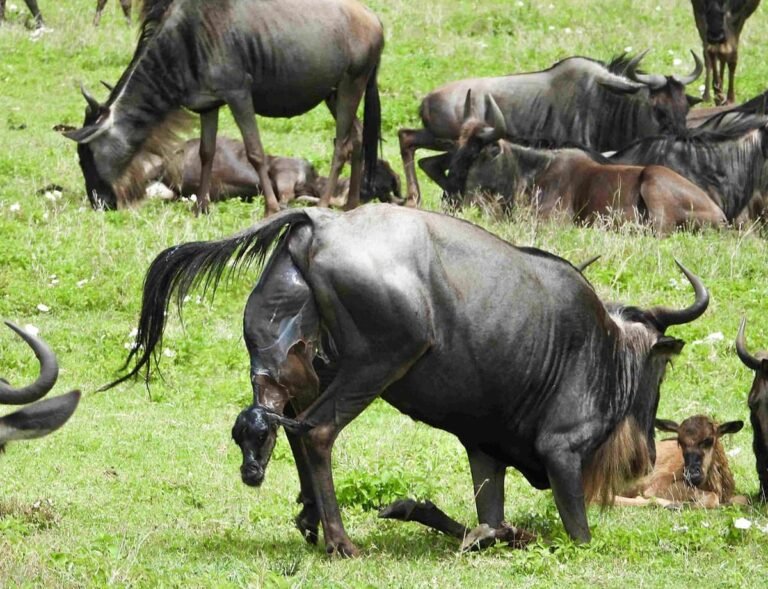
Serengeti Great Migration Safari During AFCON 2027
Mwongozo wa kina kwa safari ya Serengeti Great Migration wakati wa AFCON 2027, ukilenga kuelewa maeneo, kipindi cha mwendo wa mnyama, na mapendekezo ya mipango ya kiutendaji.
View package details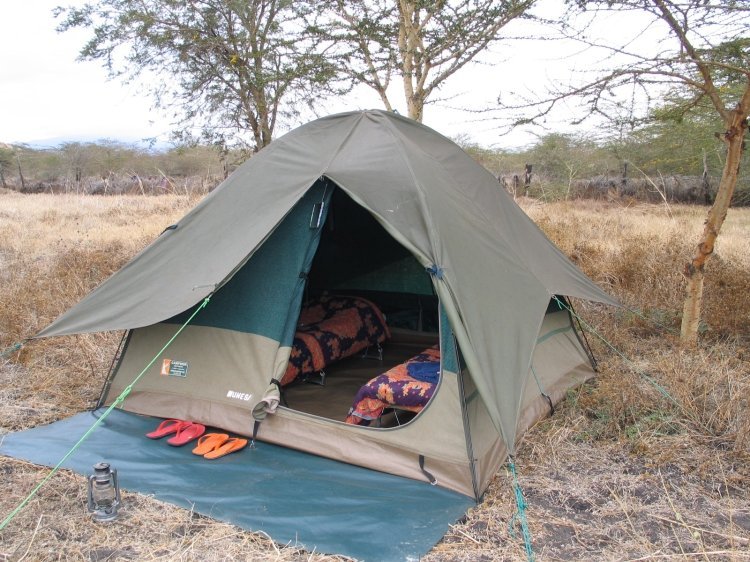
Four Day Serengeti na Ngorongoro Safari During AFCON 2027
Mwongozo wa safari ya siku 4 kwenye Serengeti na Ngorongoro wakati AFCON 2027; jinsi ya kupanga, nini cha kujali, na jinsi ya kuandaa,”
View package detailsThree Day Serengeti Safari During AFCON 2027
Mwongozo wa kiutendaji kwa safari ya siku tatu ya Serengeti wakati AFCON 2027, ukijumuisha mwelekeo wa maeneo, ratiba ya siku, na ushauri wa ubashiri wa kupanga pamoja na jinsi ya...
View package details
Afcon Mount Kilimanjaro And Serengeti Package
AFCON 2027 Mount Kilimanjaro and Serengeti Package.
View package details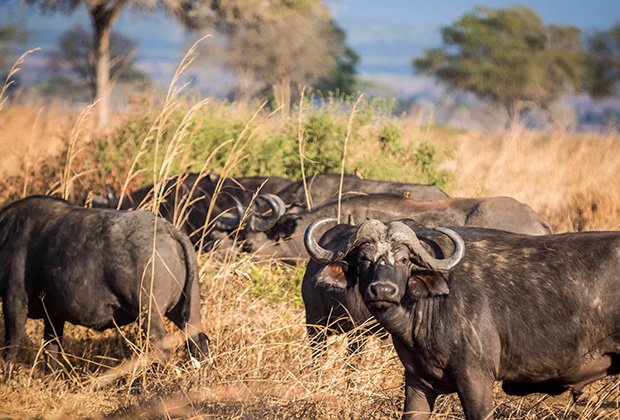
Dec 24, – 3 Day Christmas Serengeti And Ngorongoro Group Safari
Dec 24, 2026 – 3 Day Christmas Serengeti and Ngorongoro Group Safari.
View package details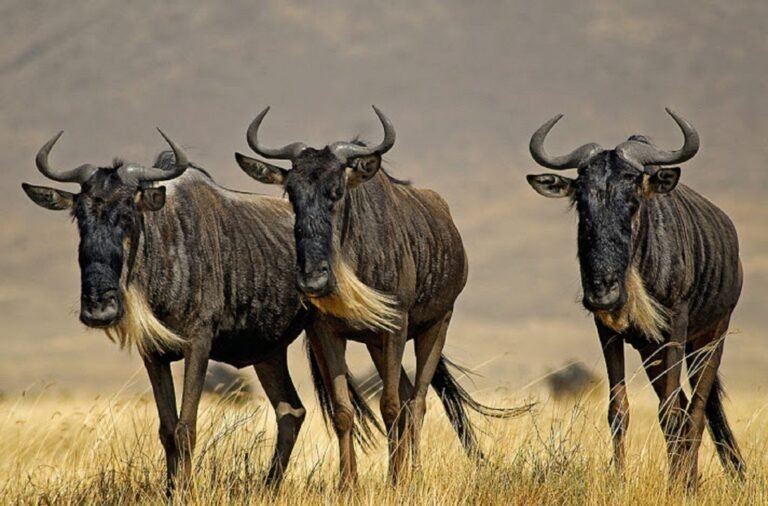
Nov 23, – 3 Day Serengeti And Ngorongoro Safari From Zanzibar
Nov 23, 2026 – 3 Day Serengeti and Ngorongoro Safari from Zanzibar.
View package details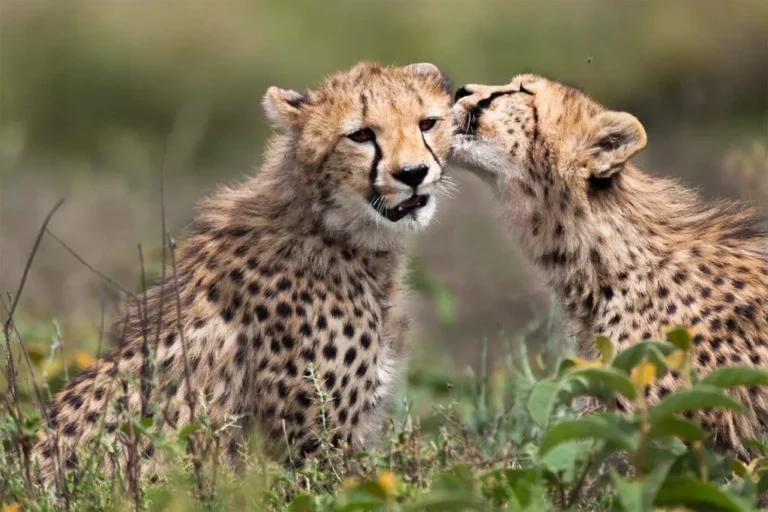
Dec 31, : New Year’s Eve Serengeti Group Safari Planning Guide
This guide provides essential planning details for a group safari trip to the Serengeti for New Year's Eve 2026, covering logistics, seasonal highlights, and what to expect.
View package details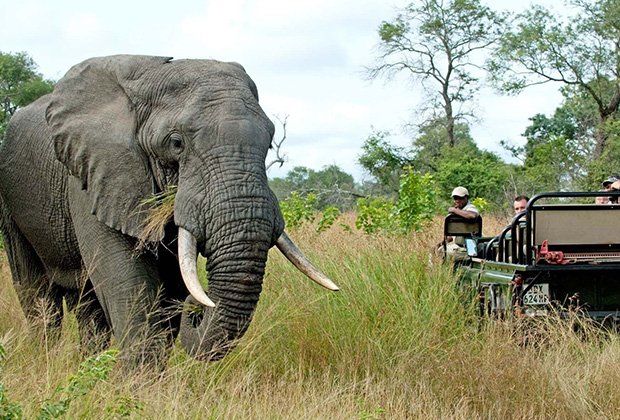
I Am On A Budget—What Is The Cheapest Serengeti Group Safari?
I Am on a Budget—What Is the Cheapest Serengeti Group Safari?
View package details
Dec 29, – 6 Day Ndutu, Serengeti And Ngorongoro Group Safari 2026
A detailed guide to our 6-day group safari departure on December 29, 2026, focusing on the Ndutu plains, the Serengeti, and the Ngorongoro Crater.
View package details8 Day Serengeti And Ngorongoro Group Safari – December 16, 2026
Planning your December 2026 Tanzanian adventure? Our 8-day group safari offers a deep, unhurried exploration of the Serengeti and Ngorongoro Crater.
View package detailsNo related package matches those filters. Clear one or more filters to see the other topic-matched options.