
The best multi-country Africa safari packages including Tanzania for 2026-2027 typically combine Tanzania’s iconic Northern Circuit (Serengeti National Park, Ngorongoro Crater, Tarangire National Park) with neighboring countries like Kenya for the Great Migration, or even extending to Uganda or Rwanda for gorilla trekking. These packages offer a richer, more diverse wildlife and cultural experience than a single-country trip, with durations ranging from 10 to 21 days, and varying accommodation styles from mid-range lodges to luxury tented camps, all requiring careful planning to align with migration patterns and available dates in 2026 and 2027.
Planning Your Multi-Country African Safari Featuring Tanzania in 2026-2027
Choosing a multi-country safari that prominently features Tanzania is a decision driven by a desire for depth and diversity in your African wildlife adventure. Tanzania, with its world-renowned Serengeti National Park and the Ngorongoro Conservation Area, forms the cornerstone of many exceptional safari itineraries. However, the true magic of a multi-country package lies in its ability to expand your horizons, allowing you to witness distinct ecosystems, unique wildlife spectacles, and varied cultural encounters that single-country trips might miss. As you look towards planning for 2026 or 2027, understanding what constitutes a truly ‘best’ package is crucial. It’s not just about ticking off famous parks; it’s about creating a cohesive, logistically sound, and deeply rewarding journey. This guide will help you navigate the complexities of selecting, planning, and booking the ideal multi-country safari that puts Tanzania at its heart.
When we talk about multi-country safaris involving Tanzania, the most common and logistically sensible pairings are with Kenya. This is largely due to the shared ecosystem of the Serengeti-Mara and the incredible phenomenon of the Great Migration, which ebbs and flows between these two nations. Beyond Kenya, opportunities exist to link Tanzania with other East African gems, offering specialized experiences like primate trekking in Uganda or Rwanda, or even venturing further afield. The key is to find packages that thoughtfully integrate these destinations, minimizing travel time while maximizing wildlife viewing and experiential value. For 2026 and 2027 travel, booking well in advance is highly recommended, especially for peak seasons and popular routes, as availability for prime lodges and guiding services can become scarce.
Understanding the Appeal of Multi-Country Safaris with Tanzania
Why opt for a multi-country safari that includes Tanzania? The answer lies in unparalleled diversity. Tanzania itself offers an astonishing array of landscapes and wildlife: the endless plains of the Serengeti teeming with predators and vast herds, the unique geological wonder of the Ngorongoro Crater supporting a dense population of animals, the elephant-rich Tarangire National Park, and the off-the-beaten-path beauty of parks like Ruaha or Selous (though these are less commonly integrated into northern circuit multi-country trips due to distance). By adding another country, you amplify these experiences.
Tanzania & Kenya: The Classic Combination
The synergy between Tanzania and Kenya is undeniable, particularly for witnessing the Great Migration. Imagine tracking the wildebeest and zebra herds as they traverse the Mara River, a spectacle that occurs annually. A package combining the Serengeti in Tanzania with the Maasai Mara in Kenya allows you to follow this movement across the border. This is often the most sought-after multi-country safari for good reason. The logistics are well-established, with options to fly between parks or undertake overland journeys, depending on time and budget. For 2026-2027, booking a package that strategically times your visit to coincide with the migration’s presence in specific areas of both countries is paramount.
Tanzania & Uganda/Rwanda: Primate Paradise Plus
For travelers with a deep interest in primates, combining Tanzania’s classic savannah safari with gorilla and chimpanzee trekking in Uganda or Rwanda offers a profound contrast. Picture this: after days of observing lions, elephants, and giraffes in the Serengeti, you fly to the misty mountains of Bwindi Impenetrable National Park in Uganda or Volcanoes National Park in Rwanda for an encounter with mountain gorillas. This type of multi-country safari provides a holistic view of Africa’s biodiversity, from its iconic plains game to its most endangered primates. These trips often involve more internal flights and can be longer, typically 14-21 days, to allow for travel and the trekking experience. Planning for 2026-2027 primate permits is essential, as they are limited and highly sought after.
Beyond the Usual: Less Common but Rewarding Combinations
While less common due to logistical complexities and longer travel times, some operators might craft itineraries that link Tanzania with countries like Zambia or Botswana for a more ‘off-the-beaten-path’ luxury safari experience, or even connect it to Zanzibar for a beach and culture extension. These are typically high-end, bespoke itineraries designed for those seeking unique combinations and who have ample time and a significant budget. For the majority of travelers seeking the ‘best multi-country Africa safari packages including Tanzania,’ the focus remains on Tanzania and Kenya, or Tanzania with primate destinations.
Key Components of a Tanzania-Centric Multi-Country Safari
A well-designed multi-country safari package is more than just a list of parks; it’s a carefully curated journey. Here are the essential elements you should look for:
1. Itinerary Flow and Logistics:
- smooth Transitions: How do you move between countries and parks? Are there internal flights included, or is it overland travel? Efficient transfers are vital to maximize game-viewing time and minimize travel fatigue. For 2026-2027, consider the impact of potential flight schedules and border crossing times.
- Park Sequencing: Does the itinerary make sense geographically and seasonally? For instance, a Tanzania-Kenya package should align with the Great Migration’s expected location.
- Duration: Multi-country safaris generally require more time. A minimum of 10-14 days is recommended for a Tanzania-Kenya combination, while adding primate destinations often pushes this to 14-21 days or more.
2. Wildlife Focus and Migration Timing:
- Great Migration: If your package includes both Serengeti and Maasai Mara, confirm the expected location of the migration during your travel dates in 2026 or 2027. The river crossings (July-September) are prime, but herds are present year-round in different areas.
- Predator Action: Areas like the Ngorongoro Crater, Tarangire, and the central Serengeti are known for high predator densities year-round.
- Primate Trekking: For Uganda/Rwanda additions, the best time for trekking often aligns with drier months, but gorillas can be tracked year-round.
3. Accommodation Standards:
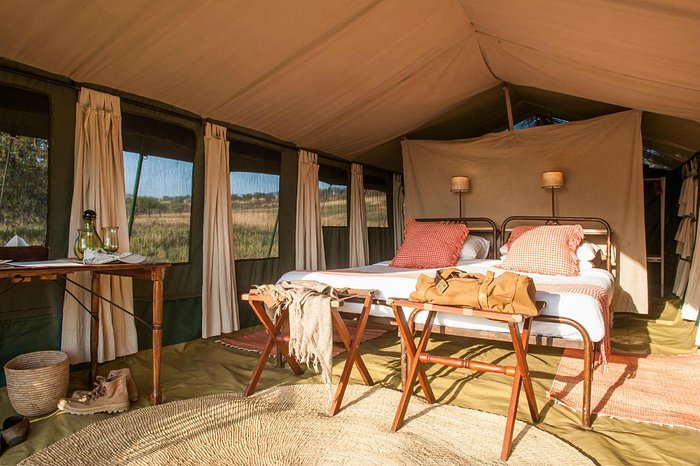
- Lodge vs. Tented Camp: Packages will offer varying levels of comfort. Lodges are permanent structures, while tented camps can range from basic canvas to luxurious canvas suites with en-suite bathrooms and private verandas.
- Mid-Range vs. Luxury: This significantly impacts the price. Mid-range offers comfortable, well-located accommodations, while luxury options provide premium service, exclusive locations, and often more personalized experiences.
- Location: Is the accommodation inside or near the park boundaries? Staying inside national parks often allows for earlier morning and later evening game drives, increasing wildlife viewing opportunities.
4. Guiding and Vehicle Quality:
- Expert Guides: Experienced guides are crucial for spotting wildlife, understanding animal behavior, and enriching your safari experience with local knowledge. Ensure guides are proficient in English (or your preferred language) and knowledgeable about the specific regions.
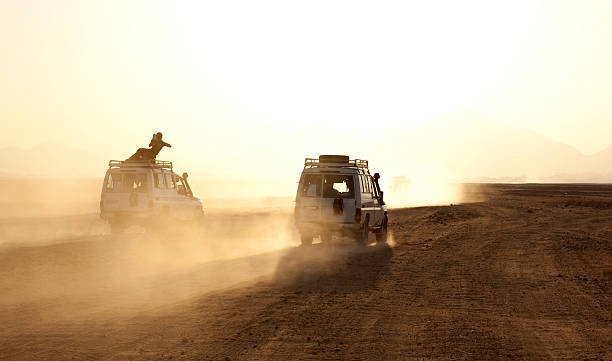
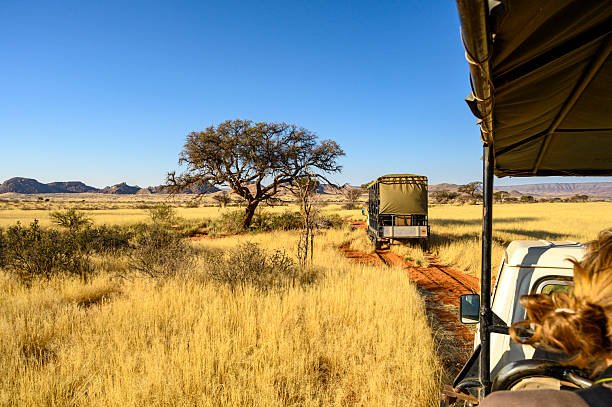
- Vehicle Type: Most safaris use custom-built 4×4 safari vehicles (Land Cruisers or Land Rovers) with pop-up roofs for optimal game viewing and photography. Ensure the vehicle is well-maintained and comfortable for the duration of your trip.
Top Multi-Country Safari Itinerary Concepts Including Tanzania
Let’s explore some popular and highly effective multi-country safari concepts that place Tanzania at their core. These are not rigid templates but illustrate the possibilities for 2026-2027 travel.
Concept 1: The Great Migration Explorer (Tanzania & Kenya)
Duration: 10-14 days
Focus: Following the Great Migration, predator action, iconic savannah landscapes.
Typical Route:
- Days 1-3: Arrive in Nairobi, Kenya. Transfer to hotel, briefing.
- Days 4-6: Maasai Mara National Reserve, Kenya. Game drives, potentially witnessing migration river crossings (July-Sept) or resident wildlife.
- Day 7: Transfer/Flight to Serengeti National Park, Tanzania. Cross border via a designated point or fly.
- Days 8-10: Serengeti National Park, Tanzania. Explore different regions of the Serengeti, tracking predators and herds.
- Days 11-12: Ngorongoro Crater, Tanzania. Descend into the crater for a unique wildlife viewing experience.
- Day 13: Tarangire National Park, Tanzania. Known for its large elephant herds and baobab trees.
- Day 14: Depart from Kilimanjaro International Airport (JRO), Tanzania.
Why it works: This is the quintessential multi-country safari. It maximizes opportunities to see the Great Migration by covering key areas in both the Maasai Mara and Serengeti. The inclusion of Ngorongoro and Tarangire provides excellent diversity within Tanzania.
Best for: First-time safari-goers, wildlife enthusiasts focused on the migration, photographers.
Considerations for 2026-2027: Ensure your itinerary dates align with the expected migration path. Peak season (July-October) will be busiest and most expensive; shoulder seasons might offer better value.
Concept 2: East African Primate & Savannah Adventure (Tanzania, Uganda/Rwanda)
Duration: 14-21 days
Focus: Diverse wildlife, primate trekking (gorillas/chimps), varied landscapes.
Typical Route (Example with Uganda):
- Days 1-3: Arrive in Arusha/Kilimanjaro, Tanzania. Transfer, relax.
- Days 4-6: Serengeti National Park, Tanzania. Classic game drives.
- Days 7-8: Ngorongoro Crater, Tanzania. Crater exploration.
- Day 9: Fly from Tanzania to Entebbe, Uganda. Overnight near airport.
- Days 10-12: Bwindi Impenetrable National Park, Uganda. Gorilla trekking experience.
- Days 13-14: Queen Elizabeth National Park, Uganda. Game drives, boat safari on Kazinga Channel.
- Day 15: Transfer back to Entebbe.
- Day 16: Depart from Entebbe (EBB), Uganda.
Typical Route (Example with Rwanda):
- Days 1-3: Arrive in Arusha/Kilimanjaro, Tanzania.
- Days 4-6: Serengeti National Park, Tanzania.
- Days 7-8: Ngorongoro Crater, Tanzania.
- Day 9: Fly from Tanzania to Kigali, Rwanda. Transfer to Volcanoes National Park area.
- Days 10-12: Volcanoes National Park, Rwanda. Gorilla trekking. Option for Golden Monkey trek or Dian Fossey visit.
- Day 13: Transfer back to Kigali.
- Day 14: Depart from Kigali (KGL), Rwanda.
Why it works: This combination offers an incredible breadth of African wildlife experiences. It contrasts the open plains of Tanzania with the dense forests and unique primate encounters of Uganda or Rwanda. It’s a journey that appeals to those seeking a deeper understanding of the continent’s biodiversity.
Best for: Travelers wanting to see both iconic savannah wildlife and endangered primates, those seeking a more adventurous and varied trip.
Considerations for 2026-2027: Gorilla permits are a significant cost and must be booked many months, sometimes over a year, in advance. Ensure your chosen operator handles permit acquisition seamlessly. Factor in the higher cost associated with primate trekking permits.
Concept 3: The Southern & Eastern Explorer (Tanzania & Zanzibar)
Duration: 7-14 days (often combined with a shorter Tanzania safari)
Focus: Classic Tanzania safari followed by relaxation and culture.
Typical Route:
- Days 1-3: Arrive Kilimanjaro, Tanzania. Transfer to Arusha.
- Days 4-7: Northern Circuit Safari (Serengeti, Ngorongoro).
- Day 8: Transfer to Arusha Airport. Fly to Zanzibar.
- Days 9-12: Zanzibar. Relax on beaches, explore Stone Town, spice tours.
- Day 13: Depart from Zanzibar (ZNZ).
Why it works: This is less a ‘multi-country’ in the traditional sense of two distinct safari destinations, and more a combination of a classic safari with a world-class beach and cultural extension. It offers a fantastic blend of adventure and relaxation.
Best for: Those who want to experience the highlights of a Tanzania safari and then unwind on tropical beaches, couples on honeymoon, families.
Considerations for 2026-2027: Zanzibar is a popular destination year-round, but consider weather patterns (rainy seasons). The combination is highly flexible; you can adjust safari duration and Zanzibar stay length.
Choosing the Right Package for You in 2026-2027
With numerous operators offering multi-country packages, how do you select the one that’s truly ‘best’? It comes down to aligning the package with your priorities, budget, and travel style.
1. Define Your Priorities:
- Wildlife Spectacle: Is seeing the Great Migration your absolute top priority? Then a Tanzania-Kenya combination is essential.
- Unique Encounters: Are you drawn to primates? Then Uganda or Rwanda must be part of your itinerary.
- Conservation Focus: Some packages might highlight conservation efforts or community-based tourism.
- Relaxation: Do you need downtime after intense safari days? Zanzibar or a lodge with excellent amenities is key.
2. Budget Considerations:
Multi-country safaris are inherently more expensive than single-country trips due to increased travel, park fees, and logistics. Expect prices to range significantly:
- Mid-Range: Approximately $400 – $700 per person per day. This typically includes comfortable lodges, private vehicles, experienced guides, and most meals.
- Luxury: Approximately $800 – $1,500+ per person per day. This level offers high-end lodges/camps, often exclusive use of vehicles, premium guiding, gourmet dining, and sometimes more exclusive locations.
- Primate Permits: Add $600-$1,500 per person for gorilla permits (Uganda/Rwanda) and chimpanzee permits, depending on the country and species.
- International Flights: These are separate and can vary widely.
- Visa Fees: Factor in costs for visas for each country.
When comparing packages for 2026-2027, always ask for a detailed breakdown of what is included. Understand the difference between shared and private departures, as this impacts cost and flexibility.
3. Travel Style:
- Pace: Do you prefer a fast-paced trip covering many areas, or a slower immersion in fewer locations?
- Accommodation: Are you comfortable with basic camps, or do you need en-suite facilities and hot showers?
- Group Size: Are you happy with a small group tour, or do you want a private safari tailored just for you?
Planning Logistics and Practicalities for 2026-2027
Successful multi-country safaris depend heavily on meticulous planning. Here are key logistical points to consider for your 2026 or 2027 trip:
1. Visas and Vaccinations:
- Visas: Research visa requirements for each country you plan to visit. Many East African countries offer e-visas or visas on arrival, but it’s wise to check current regulations and apply in advance if possible.
- Vaccinations: Consult your doctor or a travel clinic well in advance regarding recommended vaccinations (e.g., Yellow Fever, Hepatitis A/B, Typhoid) and malaria prophylaxis. Yellow Fever vaccination is often mandatory for entry into certain countries if you’ve recently been in a high-risk area.
2. Travel Insurance:
Comprehensive travel insurance is non-negotiable. Ensure it covers:
- Medical emergencies and evacuation (including from remote areas).
- Trip cancellation or interruption.
- Loss or theft of personal belongings.
- Activities like game drives and trekking.
3. Packing Essentials:
Pack light, neutral-colored clothing. Key items include:
- Lightweight, long-sleeved shirts and trousers (for sun and insect protection).
- Fleece or warm jacket for cool mornings/evenings.
- Comfortable walking shoes.
- Sun hat, sunglasses, high SPF sunscreen.
- Insect repellent (with DEET).
- Binoculars (essential for wildlife viewing).
- Camera with extra batteries and memory cards.
- Small backpack for day trips.
- Personal first-aid kit.
4. Currency and Payments:
Major currencies (USD, EUR) are often accepted for park fees and in tourist areas, but it’s good to have local currency for smaller purchases. Credit cards are accepted in lodges and larger towns but may incur fees. Inform your bank of your travel dates to avoid card blocks.
5. Best Time to Travel:
While safaris can be enjoyed year-round, specific periods offer distinct advantages:
- June-October: Dry season, peak migration season in Kenya/northern Tanzania, excellent for wildlife viewing but also peak prices and crowds. Ideal for river crossings in the Mara River.
- January-February: Calving season in the southern Serengeti, good for predator action, generally drier.
- November-December: Short rains, greener landscapes, fewer crowds, often good value.
For 2026-2027, booking for the dry season (June-October) is highly advisable up to a year in advance.
Why Partner with a Local Expert for Your 2026-2027 Safari?
When planning complex multi-country safaris, especially for a future year like 2026 or 2027, working with a reputable local operator offers significant advantages. They possess invaluable on-the-ground knowledge that generic online packages often lack.
Expertise in Logistics: Local operators understand the nuances of border crossings, internal flight schedules, road conditions, and optimal routing between parks and countries. They can build itineraries that are not only exciting but also logistically sound, saving you time and potential headaches.
Migration Insights: Understanding the precise movements of the Great Migration or the best times for gorilla trekking requires current, localized knowledge. A local expert can advise on the best regions and timing for your safari based on real-time conditions and forecasts for 2026-2027.
Customization: While standard packages exist, local operators excel at tailoring trips to your specific interests, budget, and pace. Whether you want to focus more on photography, birdwatching, or cultural immersion, they can adjust the itinerary accordingly.
Value and Support: Local companies often have established relationships with lodges and service providers, which can translate into better value. Crucially, they provide immediate on-the-ground support during your trip, which is invaluable if any unexpected issues arise.
Booking for 2026-2027: Booking a multi-country safari for future years requires careful consideration of operator reliability, payment schedules, and cancellation policies. A trusted local partner provides peace of mind.
Climb 4 Africa specializes in crafting exceptional multi-country African safari experiences that seamlessly integrate Tanzania’s wonders with neighboring destinations. Our deep understanding of the region, combined with practical local support, ensures your 2026-2027 safari is meticulously planned and unforgettable. Whether you’re dreaming of the Great Migration, the majesty of the Ngorongoro Crater, or the thrill of gorilla trekking, we can design a bespoke itinerary that exceeds your expectations.
To start planning your best multi-country Africa safari package including Tanzania for 2026 or 2027, reach out to our expert team. We’ll discuss your interests, budget, and ideal travel dates to create a truly personalized journey. Contact us via WhatsApp at +255 747 477 898 or email us at climb4africa@gmail.com to begin crafting your adventure.
Check Availability for Best Multi-Country Africa Safari Packages Including Tanzania For 2026-2027
Ready to compare dates, prices, and the best option for your group? Send the package name and travel month so the team can reply with a clear quote, availability, and what is included.
Affordable African Safari Packages: Your Guide To Budget-Friendly Tanzania
Discover how to plan and book affordable African safari packages for 2026-2027. This guide provides practical advice on choosing budget-friendly Tanzania tours, understanding costs, and...
View package details
Are African Safari Prices Per Person Or Vehicle? Understanding Tanzania Costs
African safari costs can be confusing. This guide clarifies whether prices are quoted per person or per vehicle, detailing factors that influence your 2026-2027 safari budget in Tanzania.
View package details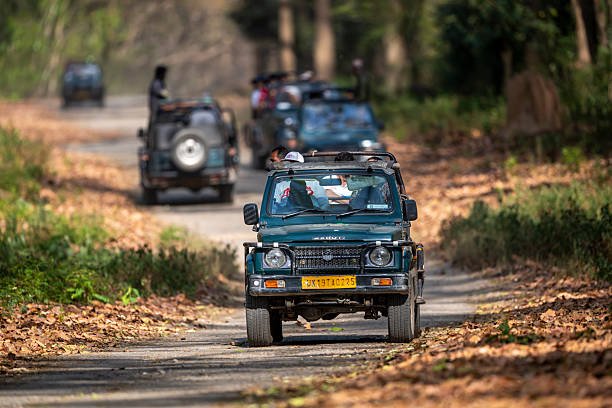
What Is The Cheapest African Country For Safari? 2026-2027
What Is the Cheapest African Country for Safari? is explained with current 2026-2027 planning, price, itinerary and booking information.
View package details
Which African Country Is Best For Safari? 2026-2027
Which African Country Is Best for Safari? is explained with current 2026-2027 planning, price, itinerary and booking information.
View package detailsLuxury African Safari Packages: The Ultimate Tanzania Experience In 2026-2027
Explore the pinnacle of African adventure with luxury safari packages in Tanzania. This guide details exclusive lodges, tailor-made itineraries, and the best wildlife experiences for your...
View package detailsBest African Safari Tours & Vacation Packages /: Your Ultimate Tanzania
start an unforgettable African safari adventure in 2026/2027 with expertly curated tours and vacation packages in Tanzania's most iconic wildlife destinations. From the Serengeti to the...
View package details
How Far In Advance Should You Book An African Safari? 2026-2027
How Far in Advance Should You Book an African Safari? is explained with current 2026-2027 planning, price, itinerary and booking information.
View package detailsSolo African Safari Tours: Your Ultimate Guide For 2026-2027
start an incredible solo African safari adventure. This comprehensive guide covers everything you need to know for planning a safe, rewarding, and memorable trip in 2026-2027, from choosing...
View package details
What Is Included In An African Safari Package? A Complete Guide For 2026-2027
Demystifying African safari packages. This guide details what you can expect to be included, from essential logistics like accommodation and transport to crucial elements like park fees and...
View package details
Best Wildlife Safaris In Africa: Your Ultimate Guide For 2026-2027
start the ultimate African wildlife safari. This comprehensive guide covers the best destinations, essential planning tips, and what to expect for your 2026-2027 adventure.
View package detailsAfrican Safari Packages From Europe 2026-2027
African Safari Packages From Europe is explained with current 2026-2027 planning, price, itinerary and booking information.
View package details
African Safari Packages With Flights 2026-2027
African Safari Packages With Flights is explained with current 2026-2027 planning, price, itinerary and booking information.
View package detailsNo related package matches those filters. Clear one or more filters to see the other topic-matched options.



