
After climbing Kilimanjaro, the most popular and logistically sensible safari choices are in northern Tanzania, focusing on the Serengeti National Park and the Ngorongoro Crater. These areas offer world-class wildlife viewing and are conveniently located for a smooth transition from your mountain descent, making them ideal for post-climb relaxation and exploration in 2026-2027.

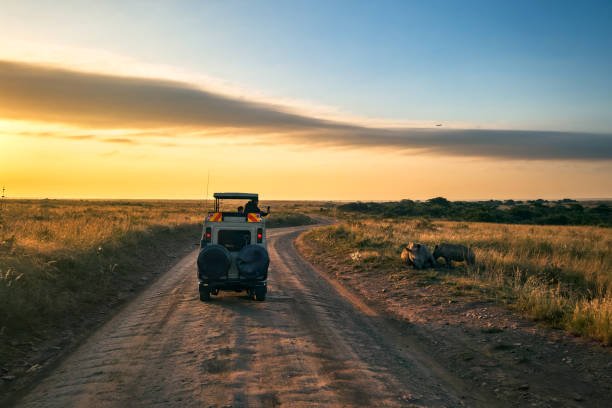
Planning Your Post-Kilimanjaro Safari: Key Considerations
Reaching Uhuru Peak is an incredible achievement, and the perfect way to unwind and experience more of Tanzania’s magic is with a safari. The question of ‘I am climbing Kilimanjaro, what safari should I do afterwards?’ is one we hear frequently. It’s not just about seeing animals; it’s about choosing an experience that complements your physical exertion, offers distinct natural beauty, and fits logically into your travel plans. For 2026-2027 adventures, timing and availability are crucial, especially for prime safari seasons.
When planning your post-Kilimanjaro safari, several factors come into play:
- Duration: How much time do you have available after your climb? Safaris can range from a quick 3-day excursion to an extensive 7-day or longer journey.
- Wildlife Interests: Are you hoping to witness the Great Migration, see the Big Five, or explore specific habitats like the Ngorongoro Crater?
- Budget: Safari costs vary significantly based on accommodation style, vehicle type, and duration.
- Logistics: How will you get from Moshi (the town at Kilimanjaro’s base) to the safari starting point, and what’s included in your package?
- Pace: After the physical demands of climbing Kilimanjaro, you might prefer a more relaxed safari pace.
The Classic Northern Circuit: Serengeti & Ngorongoro
For most climbers, the Northern Circuit of Tanzania is the go-to safari destination. This region boasts iconic parks and is easily accessible from Moshi. It offers a concentrated dose of Tanzania’s incredible biodiversity.
Serengeti National Park: The Endless Plains
Serengeti translates to ‘endless plains’ in the Maasai language, and it truly lives up to its name. This vast ecosystem is home to over 3 million animals, including the famed Big Five (lion, leopard, elephant, rhino, and buffalo), cheetahs, giraffes, and countless other species. It’s also the stage for the Great Wildebeest Migration, a natural spectacle that draws millions of wildebeest, zebras, and gazelles across the plains in search of fresh grazing. The timing of the migration changes annually, but the Serengeti generally offers phenomenal game viewing year-round.
Why the Serengeti is Ideal Post-Kilimanjaro
- World-Class Wildlife: It’s arguably the most famous wildlife destination on Earth, offering unparalleled opportunities to see animals in their natural habitat.
- Variety of Habitats: From open grasslands to acacia woodlands and riverine forests, the Serengeti supports a diverse range of wildlife.
- Logistical Simplicity: Most post-Kilimanjaro itineraries include flights from Arusha (a short drive from Moshi) to the Serengeti or overland travel through other parks, minimizing travel time and complexity.
- Luxury and Budget Options: Whether you seek a high-end lodge experience or comfortable tented camps, the Serengeti caters to various preferences and budgets for 2026-2027 trips.
Choosing Your Serengeti Safari Experience
A typical safari in the Serengeti lasts between 3 to 5 days. This allows sufficient time to explore different regions of the park and maximize wildlife sightings. Many itineraries combine the Serengeti with other parks on the Northern Circuit, creating a comprehensive Tanzanian safari.
Considerations for Serengeti Safaris:
- The Great Migration: If witnessing the migration is a priority, research the expected location of the herds for your specific travel dates in 2026 or 2027. The river crossings, typically in July-October, are particularly dramatic.
- Game Drives: Safaris are conducted in specially adapted 4×4 safari vehicles with experienced guides. Early morning and late afternoon drives usually offer the best sightings.
- Accommodation: Options range from permanent luxury lodges with swimming pools and fine dining to more intimate tented camps that offer a closer-to-nature feel.
Ngorongoro Crater: The ‘Eighth Wonder’
The Ngorongoro Conservation Area is a UNESCO World Heritage Site and home to the Ngorongoro Crater, a massive volcanic caldera teeming with wildlife. It’s often called the ‘Eighth Wonder of the World’ for its stunning natural beauty and incredible density of animals. Over 25,000 large animals, including the Big Five (rhino sightings are particularly good here), call the crater floor home. The conservation area also encompasses Olduvai Gorge, a significant archaeological site.
Why the Ngorongoro Crater is a Must-Visit
- High Concentration of Wildlife: The crater floor is a relatively small, enclosed ecosystem, meaning you can see a vast array of animals in a single day.
- Rhino Sanctuary: It’s one of the best places in Tanzania to spot the endangered black rhino.
- Scenic Beauty: The views from the crater rim are simply spectacular.
- Unique Conservation Model: It’s one of the few places where wildlife and Maasai communities coexist.
Planning Your Ngorongoro Crater Safari Day
A typical visit involves descending into the crater for a game drive, often lasting around 5-6 hours before ascending back to the rim. Many safaris include an overnight stay at a lodge or camp on the crater rim, offering impressive sunrise and sunset views. For 2026-2027 travel, booking accommodations on the rim is highly recommended due to high demand.
Key points for Ngorongoro:
- Crater Access: Vehicle access into the crater is strictly controlled, with limited permits issued daily to manage tourism impact.
- Picnic Lunches: Most crater tours include a picnic lunch enjoyed at designated spots within the crater, often overlooking hippo pools.
- Overnight Stays: Staying on the rim provides an unforgettable experience, but accommodations are often pricier. Alternative lodges are available outside the conservation area.
Recommended Safari Itineraries Post-Kilimanjaro
Combining Kilimanjaro with a safari is a classic Tanzanian adventure. Here are some popular itinerary structures that logically flow from your climb, suitable for 2026-2027 bookings.
The 3-Day “Taste of the North” Safari
This is a great option if you have limited time after your Kilimanjaro climb and want a concentrated wildlife experience. It typically includes visits to:
- Day 1: Tarangire National Park: Known for its large elephant herds and iconic baobab trees. It’s a great introduction to Tanzanian wildlife, often less crowded than the Serengeti.
- Day 2: Ngorongoro Crater: Descend into the crater for a full day of game viewing.
- Day 3: Lake Manyara National Park: Famous for its tree-climbing lions, abundant birdlife, and scenic soda lake.
This itinerary is efficient, covers diverse ecosystems, and is relatively easy to arrange from Arusha. It’s a solid choice for those looking for a shorter, impactful safari experience after Kilimanjaro.
The 5-Day “Classic Northern Circuit” Safari
This is arguably the most popular and well-rounded safari option. It offers a deeper look at the famous parks of northern Tanzania:
- Day 1: Tarangire National Park: Explore the park’s diverse landscapes and large elephant populations.
- Day 2: Ngorongoro Crater: Spend a full day exploring the unique ecosystem of the crater floor.
- Day 3: Serengeti National Park: Drive into the Serengeti, perhaps focusing on the Seronera area, known for its big cats.
- Day 4: Serengeti National Park: Continue exploring the Serengeti, potentially moving towards different regions depending on the season and wildlife movements.
- Day 5: Lake Manyara National Park: Enjoy a final game drive before returning to Arusha.
This itinerary provides a fantastic balance between iconic sights and ample time to enjoy the wildlife. It’s a highly recommended choice for 2026-2027 travel, offering a comprehensive introduction to Tanzania’s safari highlights.
The 7-Day “Grand Northern Explorer” Safari
For those who have more time and wish to experience the vastness of the Serengeti more thoroughly, or perhaps include other less-visited parks, a longer itinerary is ideal. This could look something like:
- Day 1: Tarangire National Park.
- Day 2: Lake Manyara National Park & transfer to Karatu (near Ngorongoro).
- Day 3: Ngorongoro Crater full-day game drive.
- Day 4: Drive to Serengeti National Park, afternoon game drive.
- Day 5: Serengeti National Park – explore central or western corridor.
- Day 6: Serengeti National Park – focus on migration or specific wildlife interests.
- Day 7: Final morning game drive in Serengeti, then fly back to Arusha.
This extended itinerary allows for deeper exploration of the Serengeti, potentially including areas like the Western Corridor (famous for Grumeti River crossings during the migration) or the Northern Serengeti. It’s perfect for serious wildlife enthusiasts and photographers planning their 2026-2027 trip.
Beyond the Big Names: Other Safari Options
While the Serengeti and Ngorongoro are the stars, Tanzania offers other incredible safari experiences that can be combined with Kilimanjaro. These might appeal if you’re looking for something slightly different, or if you have more time to dedicate to your safari.
Selous Game Reserve (Nyerere National Park)
Located in southern Tanzania, Selous is one of Africa’s largest game reserves. It offers a wilder, more remote safari experience compared to the Northern Circuit. It’s particularly known for its large elephant and buffalo populations, wild dogs, and its unique boat safaris on the Rufiji River.
Pros of Selous
- Remote and Less Crowded: Offers a more exclusive feel.
- Diverse Activities: Offers walking safaris and boat safaris, which are not common on the Northern Circuit.
- Abundant Wildlife: Excellent for spotting predators and large mammals.
Cons of Selous
- Logistics: It’s geographically further from Kilimanjaro, requiring either a longer drive or a domestic flight from Arusha, adding to cost and travel time.
- Less Focused on Migration: While wildlife is abundant, it doesn’t feature the Great Migration in the same way as the Serengeti.
A combination of Kilimanjaro and Selous is possible, but it requires careful planning to manage the travel time between regions. It’s a better fit for longer trips or if you’ve already experienced the Northern Circuit.
Ruaha National Park
Also in southern Tanzania, Ruaha is the country’s largest national park and offers a truly wild and rugged safari experience. It’s renowned for its large lion prides, cheetahs, and a significant population of endangered African wild dogs.
Pros of Ruaha
- Untamed Wilderness: Offers an authentic, off-the-beaten-path adventure.
- Predator Hotspot: Excellent for viewing lions, leopards, cheetahs, and wild dogs.
- Stunning Landscapes: Dramatic baobab trees and rugged terrain.
Cons of Ruaha
- Accessibility: Similar to Selous, Ruaha is remote from Kilimanjaro, requiring flights.
- Infrastructure: While improving, infrastructure can be more basic than in the Northern Circuit.
Ruaha is for the adventurous traveler seeking a less-trodden path. It’s less common as a direct add-on to Kilimanjaro due to distance but can be a fantastic standalone safari or part of a multi-destination Tanzanian trip.
Practicalities: Transitioning from Kilimanjaro to Safari
The transition from your Kilimanjaro climb to your safari needs to be smooth and comfortable. Here’s what to expect and how to plan for it.
From Moshi to Arusha
Most Kilimanjaro climbs conclude in Moshi. Your safari typically begins from Arusha, the safari capital of northern Tanzania. The drive between Moshi and Arusha is about 1-1.5 hours. Your tour operator will usually arrange this transfer, ensuring you reach your safari starting point or accommodation comfortably. After descending Kilimanjaro, you’ll likely want a day or two to rest and shower in Moshi or Arusha before embarking on your safari. Many climbers opt for a comfortable hotel in Arusha to recuperate.
Safari Vehicle and Guide
Your safari vehicle will be a sturdy, custom-built 4×4 Land Cruiser or Land Rover, equipped with pop-up roofs for optimal game viewing and photography. Your driver-guide is crucial to your safari experience; they are knowledgeable about animal behavior, tracking, and the parks themselves. For 2026-2027 safaris, ensure your operator provides experienced, English-speaking guides.
Accommodation Styles
Safari accommodation ranges from basic but comfortable tented camps to luxurious lodges. Your choice will significantly impact the overall cost and experience:
- Tented Camps: Offer a more rustic, ‘out of Africa’ feel. They can range from canvas tents with en-suite bathrooms and comfortable beds to more basic communal facilities.
- Mid-Range Lodges/Camps: These offer a good balance of comfort and price, typically with en-suite facilities, dining areas, and sometimes pools.
- Luxury Lodges/Camps: Feature high-end amenities, gourmet dining, private plunge pools, and exceptional service.
After the physical challenge of Kilimanjaro, many travelers opt for mid-range to luxury accommodation for their safari to enjoy comfort and relaxation. Booking well in advance for 2026-2027 is advisable, especially for popular lodges and during peak seasons.
When to Go: Safari Seasons vs. Climb Seasons
Your Kilimanjaro climb dates will influence your safari timing. Tanzania has distinct seasons, and understanding these is key to maximizing your experience:
- Dry Season (June to October): This is also a prime time for climbing Kilimanjaro. On safari, this is generally considered the best time for game viewing as animals congregate around water sources. It’s also peak season, meaning higher prices and more crowds. The Great Migration river crossings in the Serengeti are typically in July-October.
- Short Rains (November to December): The landscape becomes greener. Wildlife viewing is still good, and crowds are smaller. This is a good time for climbing and safari if you don’t mind occasional showers.
- Long Rains (March to May): This is the low season for both climbing and safaris. The landscape is lush, but heavy rains can make some roads impassable and affect wildlife viewing. Kilimanjaro climbs are generally not recommended during this period.
- Green Season (January to February): The landscape is green and beautiful. This is an excellent time for calving season in the southern Serengeti, offering incredible predator action. It’s also a good period for climbing Kilimanjaro.
Planning for 2026-2027: If you climb during the dry season (June-Oct), your safari will also be in the dry season. If you climb in the green season (Jan-Feb), your safari will also be in this period, potentially coinciding with the Serengeti’s calving season. Each offers unique advantages.
Choosing the Right Safari Operator
Selecting a reputable safari operator is as crucial as choosing your Kilimanjaro guide. Climb 4 Africa specializes in creating smooth post-Kilimanjaro experiences, ensuring that your transition from mountain to wildlife is well-managed and unforgettable. We understand the logistics and the desires of climbers.
Why Choose Climb 4 Africa for Your Post-Kilimanjaro Safari?
- Integrated Planning: We can arrange both your Kilimanjaro climb and your safari, creating a cohesive itinerary with smooth transitions.
- Local Expertise: As a local Tanzanian company, we have in-depth knowledge of the parks, wildlife, and the best routes.
- Customization: We tailor safaris to your interests, budget, and available time. Whether you want a relaxed pace after your climb or an action-packed adventure, we can design it.
- Quality Guides and Vehicles: We partner with experienced guides and maintain our safari vehicles to the highest standards for your safety and comfort.
- Support: From the moment you book through to your departure, you have dedicated support.
What to Discuss with Your Operator
When you’re ready to book your post-Kilimanjaro safari for 2026-2027, here are key points to discuss with your chosen operator:
- Inclusions: Clearly understand what is covered – park fees, accommodation, meals, drinks, guide fees, vehicle hire, internal flights, park entry, etc.
- Exclusions: Be aware of what is not included, such as tips, personal insurance, visa fees, and optional activities.
- Accommodation Details: Confirm the specific lodges or camps you’ll be staying in.
- Itinerary Flexibility: Discuss if the itinerary can be adjusted based on wildlife sightings or your preferences.
- Vehicle Type: Ensure you’ll be in a comfortable, pop-top 4×4 safari vehicle.
- Guide Experience: Inquire about the experience level of your safari guide.
- Payment Terms: Understand the deposit requirements and final payment schedule.
Budgeting for Your Post-Kilimanjaro Safari
Safari costs can vary significantly. For 2026-2027, expect pricing to be influenced by accommodation standards, safari duration, and park fees. Here’s a general breakdown:
Factors Affecting Safari Costs
- Accommodation Level: Luxury lodges are considerably more expensive than mid-range camps or budget-friendly tented accommodations.
- Duration: Longer safaris naturally cost more due to extended park fees, accommodation, and vehicle hire.
- Park Fees: These are substantial and vary per park and per person per day. The Serengeti and Ngorongoro Crater often have the highest fees.
- Vehicle and Guide: Private safaris using a dedicated vehicle and guide are more expensive than joining a group tour.
- Season: Peak season (dry season) generally sees higher prices than the low season (rainy season).
Typical Cost Ranges (Estimate for 2026-2027)
These are approximate daily rates per person, excluding your Kilimanjaro climb:
- Budget/Mid-Range Tented Safaris: $250 – $450 per person per day. This usually involves comfortable tented camps and shared vehicles for smaller groups.
- Mid-Range Lodge Safaris: $400 – $700 per person per day. This includes comfortable lodges with en-suite facilities and often private vehicles.
- Luxury Safaris: $700 – $1500+ per person per day. This covers high-end lodges and camps with premium services, exclusive locations, and often private charters.
Important Note: These figures are estimates. A detailed quote from an operator like Climb 4 Africa will provide precise costs based on your chosen itinerary, accommodation, and travel dates for 2026 or 2027.
Booking Your 2026-2027 Kilimanjaro & Safari Package
Combining your Kilimanjaro climb with a safari is a popular choice, and booking it as a package can often offer better value and simpler logistics. Climb 4 Africa excels at creating these integrated experiences. We recommend contacting us early, especially for 2026-2027 bookings, to secure your preferred dates and accommodation.
When you reach out, please provide:
- Your planned Kilimanjaro climb dates.
- Your desired safari duration and preferred parks (e.g., Serengeti, Ngorongoro).
- Your approximate budget or preferred accommodation style (budget, mid-range, luxury).
- The number of people traveling.
We can then craft a personalized itinerary and quote. Let us help you plan the ultimate Tanzanian adventure, from summiting Kilimanjaro to exploring the vast savannas. Reach out via WhatsApp at +255 747 477 898 or email us at climb4africa@gmail.com to start planning your unforgettable 2026-2027 trip.
Frequently Asked Questions About Post-Kilimanjaro Safaris
What is the best park to visit after Kilimanjaro?
The Serengeti National Park and the Ngorongoro Crater are considered the best and most logistically convenient parks to visit after climbing Kilimanjaro. They offer unparalleled wildlife viewing and are part of the easily accessible Northern Circuit.
How long should a safari be after Kilimanjaro?
A safari of 3 to 5 days is ideal for most travelers after Kilimanjaro. This allows enough time to experience key parks like Tarangire, Ngorongoro, and the Serengeti without feeling rushed, offering a good balance of relaxation and wildlife viewing.
Can I see the Great Migration after climbing Kilimanjaro?
Yes, it is possible to see the Great Migration depending on the time of year. The migration’s location varies, but generally, you can witness parts of it in the Serengeti from December to March (calving season) and July to October (river crossings).
What is the difference between a lodge and a tented camp safari?
Lodge safaris typically involve staying in permanent structures with full amenities, often with swimming pools and restaurants. Tented camp safaris offer a more in-depth experience, staying in canvas tents that can range from basic to luxurious, often with en-suite bathrooms. Both can offer excellent wildlife viewing opportunities.
Do I need to book my safari in advance?
Yes, advance booking is highly recommended, especially for popular destinations like the Serengeti and Ngorongoro Crater, and for peak seasons. This is crucial for securing preferred accommodation and ensuring availability for your 2026-2027 travel dates.
What should I pack for a post-Kilimanjaro safari?
Pack light, neutral-colored clothing, a good camera, binoculars, sunscreen, insect repellent, a hat, and comfortable walking shoes. You’ll also want a light jacket for cooler mornings and evenings. Pack any personal medications. Your safari operator will provide a more detailed packing list.
Is it possible to do a walking safari after Kilimanjaro?
While the Northern Circuit primarily focuses on vehicle-based game drives, walking safaris are available in certain areas outside the main crater and Serengeti plains, such as Tarangire or private conservancies. These offer a different perspective on the bush but are often add-ons requiring specific arrangements.
What is the cost of a 3-day safari after Kilimanjaro?
A 3-day safari to parks like Tarangire, Ngorongoro, and Lake Manyara typically ranges from $750 to $2,100 per person, depending on accommodation level and whether it’s a private or shared tour. This often excludes park fees, which are added separately.
Can I combine Kilimanjaro with Zanzibar?
Absolutely. Many climbers choose to combine their Kilimanjaro climb and safari with a relaxing beach holiday on the spice island of Zanzibar. This offers a perfect blend of adventure, wildlife, and tropical relaxation. It’s a very popular option for 2026-2027 travel itineraries.
What are the visa requirements for Tanzania?
Most nationalities require a visa for Tanzania. You can often obtain this upon arrival at the airport or in advance online through the Tanzanian immigration website. Check the latest requirements for your nationality well before your 2026-2027 trip.
Conclusion: Your Ultimate Tanzanian Adventure Awaits
Climbing Kilimanjaro is a journey of a lifetime, and pairing it with a Tanzanian safari is the ultimate way to complete your African adventure. The Northern Circuit, with its iconic Serengeti and Ngorongoro Crater, offers the most smooth and rewarding experience after your trek. It provides a impressive contrast to the mountain’s heights, immersing you in the raw beauty and incredible wildlife that Tanzania is famous for.
For travelers planning their 2026-2027 expeditions, early planning is key. By understanding your interests, budget, and available time, you can select an itinerary that perfectly complements your Kilimanjaro achievement. Whether you opt for a short, impactful safari or a more extensive exploration, the wildlife encounters will undoubtedly be a highlight.
Climb 4 Africa is dedicated to making your entire Tanzanian experience exceptional, from the moment you start planning your Kilimanjaro climb to the final thrilling moments of your safari. We pride ourselves on offering expert advice, smooth logistics, and unforgettable adventures. Let us help you craft the perfect combination for your 2026-2027 travels. Get in touch today to discuss your dream itinerary!
Check Availability for Climbing Kilimanjaro: What Safari Should You Do Afterwards? 2026-2027
Ready to compare dates, prices, and the best option for your group? Send the package name and travel month so the team can reply with a clear quote, availability, and what is included.
Wildlife And Nature Titles: Your Ultimate Guide To Tanzanias Best Experiences
This comprehensive guide explores the most sought-after wildlife and nature titles in Tanzania, from iconic safari destinations and Kilimanjaro treks to the tropical allure of Zanzibar...
View package details
Kruger National Park Safari Packages: Your Ultimate Guide To Adventures
Discover tailored Kruger National Park safari packages for 2026-2027. This comprehensive guide covers everything from choosing the right lodge and activities to understanding costs and...
View package details
South Africa Safari Tours & Vacation Packages | Climb 4 2026-2027
Discover the ultimate South Africa safari experience with tailored tour and vacation packages for 2026-2027. From iconic Kruger National Park to exclusive private reserves, find detailed...
View package details
Tanzania Safari Tours & Packages /: Your Ultimate Wildlife Adventure 2026-2027
Discover the magic of Tanzania with expertly crafted safari tours and packages for 2026 and 2027. From the vast plains of the Serengeti to the depths of the Ngorongoro Crater, find your...
View package detailsKilimanjaro Routes: 15 Strongest Worldwide Search Potential For Climbs
Planning a Kilimanjaro climb? This guide details the 15 routes with the highest search interest worldwide for 2026-2027, helping you choose the best path for your adventure. We cover...
View package detailsBest Wildlife Photography Destinations For Safaris | Climb 4 Africa 2026-2027
Planning a safari for incredible wildlife photography in 2026 or 2027? Tanzania offers unparalleled opportunities. This guide details the top destinations, essential gear, timing, and how...
View package detailsHow To Create The Perfect Travel Itinerary For Tanzania Adventures 2026-2027
Crafting the perfect travel itinerary for Tanzania involves understanding your priorities, choosing the right activities, and planning logistics effectively. This guide walks you through...
View package detailsCheap Hotels Near Me Tonight: Finding Affordable Stays In Tanzania 2026-2027
Discover how to find cheap hotels near you tonight in Tanzania, focusing on budget-friendly options for travelers planning safaris, Kilimanjaro treks, or Zanzibar holidays in 2026-2027...
View package detailsPlaces Where Your Money Goes Further: Smart Tanzania Travel For 2026-2027
Planning a trip to Tanzania in 2026 or 2027 and want to maximize your budget? This guide reveals how to make your money go further on Kilimanjaro climbs, wildlife safaris, and Zanzibar...
View package detailsDestinations Worth Visiting At Least Once Guide
Discover a curated selection of destinations that offer unparalleled experiences, from the majestic peaks of Kilimanjaro to the spice-scented shores of Zanzibar. This guide helps you...
View package details
How Far In Advance Should You Book An African Safari? 2026-2027
How Far in Advance Should You Book an African Safari? is explained with current 2026-2027 planning, price, itinerary and booking information.
View package detailsWhat Is Included In An African Safari Package? A Complete Guide For 2026-2027
Demystifying African safari packages. This guide details what you can expect to be included, from essential logistics like accommodation and transport to crucial elements like park fees and...
View package detailsNo related package matches those filters. Clear one or more filters to see the other topic-matched options.



