For an itinerary combining the Serengeti, Ngorongoro Crater, and Zanzibar, the most practical arrival airport is typically Kilimanjaro International Airport (JRO) if your safari portion comes first, or Abeid Amani Karume International Airport (ZNZ) if you plan to visit Zanzibar first. Most travelers aiming for the northern circuit safaris (Serengeti and Ngorongoro) will find JRO offers the most direct access to safari starting points, with onward travel to Zanzibar arranged via domestic flights. Conversely, arriving directly into ZNZ is ideal if the island is your priority, followed by a domestic flight to a mainland airstrip for your safari, or flying into JRO and immediately connecting to Zanzibar.

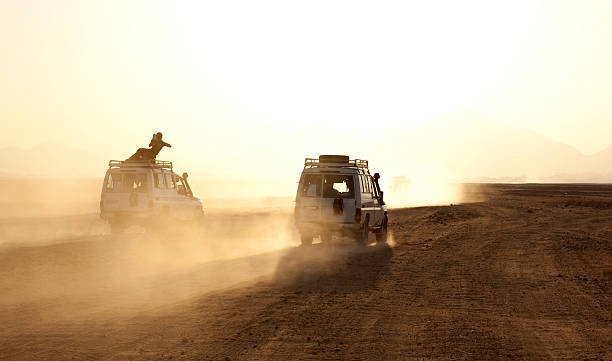
Understanding Your Tanzania Itinerary Flow
Crafting the perfect Tanzania adventure that seamlessly blends the vast plains of the Serengeti, the unique ecosystem of the Ngorongoro Crater, and the idyllic beaches of Zanzibar is a dream for many. The order in which you experience these incredible destinations significantly impacts the most logical and efficient arrival airport. Think of it like planning a road trip: knowing your first major stop dictates the best highway to take. Similarly, for a Tanzania itinerary, understanding whether your journey begins with wildlife encounters or island relaxation is the primary driver for selecting your entry point into the country. This decision isn’t just about logistics; it affects travel time, potential costs, and the overall flow of your holiday. For 2026 and 2027 travel, early planning is key to securing preferred flights and accommodations, especially during peak seasons. Let’s break down the options.
Kilimanjaro International Airport (JRO): The Safari Gateway
Kilimanjaro International Airport (JRO), also known as the Kilimanjaro International Airport, serves as the primary gateway for travelers heading to Tanzania’s famed northern circuit of national parks, including the Serengeti and Ngorongoro. Located between Arusha and Moshi, it’s strategically positioned to minimize initial travel time to the start of most safari expeditions. For many international visitors, JRO is the first piece of Tanzanian soil they set foot on, making it a pivotal point in their journey.
Pros of Arriving at JRO
The main advantage of flying into JRO is its proximity to the starting points of most northern circuit safaris. From JRO, you can typically begin your safari drive towards Arusha National Park, Tarangire National Park, Lake Manyara National Park, the Ngorongoro Conservation Area, and eventually the Serengeti, within a few hours. This saves considerable travel time compared to flying into Dar es Salaam and then undertaking a long drive or domestic flight to the safari regions. For itineraries that prioritize the wildlife experience first, arriving at JRO means you can often start your adventure on the same day or the morning after your international flight, maximizing your time on safari. Furthermore, many international airlines offer direct or one-stop flights into JRO, making it an accessible option from major global hubs. This efficiency is particularly valuable for shorter trips or when trying to fit in as much as possible during your 2026 or 2027 adventure.
Cons of Arriving at JRO
While JRO is excellent for safaris, it’s not the most direct entry point if your primary goal is to experience Zanzibar’s beaches and culture first. If you land at JRO and your immediate plan is to head to Zanzibar, you will need to take a domestic flight from either JRO or a nearby airport like Arusha (ARK) to Zanzibar (ZNZ). This adds an extra layer of travel and potential cost. Additionally, international flight options into JRO can sometimes be more limited or expensive than those into Dar es Salaam, depending on your departure city and the time of year you plan to travel in 2026-2027. It’s always wise to compare flight prices and routes to both JRO and DAR when initially booking your international flights.
Direct Flights and Connections to JRO
Direct flights to JRO are available from a growing number of international destinations, including Amsterdam (KLM), Doha (Qatar Airways), Istanbul (Turkish Airlines), and Nairobi (Kenya Airways), among others. These routes often connect travelers from Europe, the Middle East, and other parts of Africa efficiently. For those coming from North America, Asia, or other regions, flights typically involve a stopover in a major European or Middle Eastern hub. The availability and frequency of these flights can fluctuate, so checking flight schedules well in advance for your 2026 or 2027 travel dates is crucial. Many tour operators can assist with flight bookings, ensuring you find the most convenient connections.
Getting from JRO to Your Safari Starting Point
Upon arrival at JRO, you’ll clear immigration and customs. Your safari operator, like Climb 4 Africa, will typically arrange for your transfer. The most common destinations from JRO are the towns of Arusha or Moshi, which serve as the operational bases for most northern circuit safaris. The drive from JRO to Arusha is approximately 45-60 minutes, and to Moshi, it’s about 30-45 minutes. Most safari itineraries begin with an overnight stay in Arusha or Moshi to rest after your international flight, followed by the commencement of your safari the next day. Some operators may arrange for an immediate departure on safari, depending on your arrival time and preferences, although this can be tiring after a long-haul flight.
Abeid Amani Karume International Airport (ZNZ): The Island Hub
Abeid Amani Karume International Airport (ZNZ), located on Unguja, the main island of Zanzibar, is the primary gateway to this exotic archipelago. It handles both international and domestic flights, serving as the entry point for visitors drawn to Zanzibar’s historical Stone Town, spice plantations, and pristine white-sand beaches. If your Tanzania itinerary prioritizes relaxation and island life before or after a safari, ZNZ is likely your most convenient international arrival point.
Pros of Arriving at ZNZ
The significant advantage of arriving at ZNZ is direct access to Zanzibar. If your plan is to unwind on the beaches of Nungwi, explore the markets of Stone Town, or visit a spice farm, landing at ZNZ means you’re immediately at your destination. This avoids the need for an initial domestic flight from the mainland, saving time and simplifying the initial stages of your trip. For travelers who prefer to start their holiday with a dose of tropical sunshine and island culture, ZNZ is the obvious choice. Furthermore, many international airlines operate flights to ZNZ, often connecting through hubs like Doha, Dubai, Nairobi, or Addis Ababa, making it accessible from various parts of the world for your 2026 or 2027 travels.
Cons of Arriving at ZNZ
The primary drawback of arriving at ZNZ for a Serengeti and Ngorongoro itinerary is the subsequent travel required to reach the safari destinations. From Zanzibar, you will need to take a domestic flight back to the mainland. The most common connection is to an airstrip within the Serengeti (like Seronera) or to Arusha Airport (ARK) or Kilimanjaro International Airport (JRO). This internal flight adds time and cost to your overall journey. If your main focus is the safari experience and you have limited time, starting with Zanzibar and then flying to the mainland for your safari might involve more transit days than starting with a safari from JRO.
Direct Flights and Connections to ZNZ
Zanzibar (ZNZ) receives international flights from a range of carriers. Popular routes include connections through the Middle East (e.g., Qatar Airways via Doha, Emirates via Dubai), East Africa (e.g., Kenya Airways via Nairobi, Ethiopian Airlines via Addis Ababa), and some direct charter or scheduled flights from Europe during peak seasons. The flight schedules and routes can change, so it’s essential to check for the most up-to-date options for your specific travel dates in 2026 or 2027. Booking these international flights well in advance is highly recommended, especially for popular travel periods.
Getting from ZNZ to Your Zanzibar Accommodation
Upon clearing immigration and customs at ZNZ, you will find numerous taxi services available to take you to your hotel or resort anywhere on the island. The airport is located relatively close to Stone Town (about a 10-15 minute drive) and further from popular beach destinations like Nungwi or Kendwa (which can be 1.5 to 2 hours away). Your tour operator can pre-arrange transfers, which is often the most convenient and secure option, especially if you are arriving late or have a lot of luggage. Confirming your transfer arrangements in advance is always a good idea.
Choosing the Right Airport Based on Itinerary Order
The decision of which airport to use as your primary international entry point into Tanzania hinges entirely on the sequence of your planned itinerary. The order in which you experience the Serengeti, Ngorongoro, and Zanzibar can dramatically affect your travel efficiency and the overall enjoyment of your trip. For 2026-2027 planning, visualizing your ideal trip flow is the first step to making the correct airport choice.
Safari First, Then Zanzibar
If your priority is to experience the incredible wildlife of the Serengeti and the unique environment of the Ngorongoro Crater first, then Kilimanjaro International Airport (JRO) is unequivocally your best choice for international arrival. Upon landing at JRO, you’ll typically spend a night in Arusha or Moshi before your safari begins. Your safari will then proceed through the northern circuit parks, often concluding with a transfer to an airstrip (such as Manyara, Arusha, or Kilimanjaro itself) for a domestic flight to Zanzibar. This route minimizes initial overland travel to the safari areas and allows you to transition smoothly from the bush to the beach. After enjoying Zanzibar, you can then fly out from ZNZ or take a domestic flight back to JRO for your international departure, depending on flight availability and pricing for your specific dates in 2026 or 2027.
Zanzibar First, Then Safari
Conversely, if your dream begins with the turquoise waters and spice-scented air of Zanzibar, then Abeid Amani Karume International Airport (ZNZ) is your optimal international arrival point. After enjoying your time on the island, you will then take a domestic flight from Zanzibar to a mainland airport. The most common options are flights to Arusha Airport (ARK) or Kilimanjaro International Airport (JRO), which serve as hubs for starting northern circuit safaris. Alternatively, some itineraries might fly you directly into a Serengeti airstrip (like Seronera) from ZNZ, bypassing Arusha/JRO altogether and commencing your safari immediately upon landing. This approach is excellent for maximizing beach time at the start but requires careful planning of the onward domestic flight to the safari regions. Your departure from Tanzania would then likely be from JRO after completing your safari.
Connecting Flights: JRO to ZNZ and Vice Versa
Regardless of which airport you choose for your international arrival, you will almost certainly utilize domestic flights to connect between the mainland safari regions and Zanzibar. These flights are a vital part of Tanzanian travel, bridging vast distances efficiently and offering a unique aerial perspective of the landscape. Understanding the operators, booking procedures, and limitations is crucial for a smooth 2026-2027 trip.
Domestic Flight Operators in Tanzania
Several reputable airlines operate domestic flights within Tanzania. The most prominent include:
- Precision Air: A well-established airline offering routes to major towns and airports, including Zanzibar and various safari airstrips.
- Auric Air: Known for its bush plane operations, Auric Air is excellent for direct flights to remote safari airstrips within the Serengeti and other parks.
- Coastal Aviation: Another leading operator for safari flights, providing access to numerous airstrips across Tanzania.
- Tropical Air: Offers reliable domestic services, often connecting Arusha, Zanzibar, and other key locations.
- Fastjet: Primarily operates on major domestic routes like Dar es Salaam to Zanzibar and Kilimanjaro.
Your tour operator will usually book these flights for you, often selecting the most appropriate airline based on your itinerary, specific airstrip access, and schedule. It’s important to confirm which airline will be used, as this affects luggage allowances and check-in procedures.
Booking Domestic Flights: Key Considerations for 2026-2027
When booking domestic flights for your 2026 or 2027 Tanzanian adventure, several factors are critical:
- Timing: Book domestic flights well in advance, especially if traveling during peak seasons (June-October, December-February). Availability can be limited, and prices may increase closer to the travel date.
- Airstrip vs. Airport: Flights within the Serengeti often land at small airstrips (e.g., Seronera, Kogatende), while flights to/from Zanzibar or Arusha use international/domestic airports. Ensure your itinerary accounts for transfers to and from these points.
- Flight Schedules: Domestic flights, particularly those to safari airstrips, can have flexible schedules and may be subject to change based on passenger numbers and weather conditions.
- Cost: Domestic flights typically range from $250 to $450 per person for a one-way journey between Zanzibar and Arusha/Kilimanjaro, or between Arusha/Kilimanjaro and a Serengeti airstrip. Prices can vary based on the operator, route, and booking time.
- Operator Choice: Rely on your tour operator’s expertise to select the best flights. They have established relationships and understand the nuances of Tanzanian domestic air travel.
Luggage Allowances on Internal Flights
This is a crucial point often overlooked by travelers. Domestic flights in Tanzania, especially those on smaller bush planes to safari airstrips, have strict luggage weight and size limitations. Typically, the allowance is 15-20 kg (33-44 lbs) per person in soft-sided duffel bags only. Hard suitcases are generally not permitted on these flights due to space constraints in the aircraft’s cargo hold. Ensure your luggage adheres to these limits to avoid disappointment or the need to repack. Your tour operator will provide detailed guidance on this. For international flights to JRO or ZNZ, standard airline luggage allowances apply.
Alternative Airports and When to Consider Them
While JRO and ZNZ are the primary international gateways for Serengeti, Ngorongoro, and Zanzibar itineraries, two other airports might warrant consideration depending on specific travel plans or flight availability for 2026-2027.
Arusha Airport (ARK)
Arusha Airport (ARK) is a smaller domestic airport located closer to the town of Arusha, the operational hub for most northern circuit safaris. It primarily handles domestic flights and charter flights.
- When to Consider ARK: If you are flying into JRO and then immediately need to catch a domestic flight to a safari airstrip or Zanzibar, transferring to ARK might be more efficient than returning to JRO for your onward flight, especially if your safari operator is based in Arusha. Some international charter flights might also land directly at ARK.
- Pros: Closer proximity to Arusha town and safari starting points.
- Cons: Very limited international flight options. You will likely need to fly into JRO first and then transfer to ARK.
Dar es Salaam International Airport (DAR)
Julius Nyerere International Airport (DAR) in Dar es Salaam is Tanzania’s largest international airport and handles the majority of international long-haul flights.
- When to Consider DAR: If you find significantly cheaper or more convenient international flights into DAR than JRO, it can be a viable starting point. From DAR, you can take a domestic flight to Zanzibar (ZNZ) or a flight to Arusha (ARK) or Kilimanjaro (JRO) to commence your safari. It’s also the main hub if your itinerary includes southern circuit safaris (e.g., Selous, Ruaha) or destinations like Zanzibar and then overland travel north.
- Pros: More international flight options and potentially better pricing compared to JRO. It’s a major hub for connecting flights within Tanzania and East Africa.
- Cons: Significantly further from the northern circuit safari destinations (Serengeti, Ngorongoro) than JRO. This means longer travel times or an additional domestic flight to reach the safari areas, adding to the overall cost and complexity of your 2026-2027 itinerary.
For a trip specifically focused on the Serengeti, Ngorongoro, and Zanzibar, starting with JRO or ZNZ is almost always the most logical and time-efficient choice. DAR is generally considered when Dar es Salaam is the required entry point or when combining northern and southern circuit safaris.
Visa and Immigration Considerations for Arrival
Regardless of whether you arrive at JRO or ZNZ, you will need to go through immigration and customs. It’s essential to be prepared:
- Visa Requirements: Most nationalities require a visa to enter Tanzania. You can often obtain a visa on arrival, but it’s highly recommended to apply for an e-visa in advance through the official Tanzanian immigration website. This speeds up the process significantly. Check the latest requirements for your nationality well before your 2026 or 2027 trip.
- Passport Validity: Ensure your passport is valid for at least six months beyond your intended stay and has at least two blank pages for entry and exit stamps.
- Immigration Forms: You will be given arrival cards to fill out. Have your accommodation details and flight information ready.
- Customs Declaration: Declare any goods that are subject to customs duty or restrictions.
Being organized with your documentation can make the arrival process at either JRO or ZNZ smooth and stress-free, allowing you to begin your Tanzanian adventure promptly.
Planning Your 2026-2027 Tanzania Adventure: Essential Tips
Choosing the right arrival airport is just one piece of the puzzle when planning your dream Tanzania itinerary. For 2026 and 2027, considering these essential planning tips will help ensure a memorable and smooth experience.
Best Time to Travel
Tanzania offers incredible experiences year-round, but the best time for your Serengeti, Ngorongoro, and Zanzibar trip often depends on your priorities:
- Dry Season (June to October): This is the most popular time for safaris. The weather is pleasant, with less rain, making wildlife viewing easier as animals congregate around water sources. The Great Migration is typically in the western and northern Serengeti during this period. It’s also a great time for Zanzibar, though it can be slightly cooler. Expect higher prices and more crowds.
- Short Rains (November): A transitional period, often with brief showers. The landscape becomes greener, and fewer tourists are around.
- Long Rains (March to May): This is the low season. Expect significant rainfall, which can make some roads impassable and affect wildlife viewing. However, it’s an excellent time for birdwatching, seeing newborn animals, and enjoying lower prices and fewer crowds. Zanzibar is often hot and humid during these months.
- Green Season (January to February): This period often sees the calving season of the Great Migration in the southern Serengeti, offering spectacular predator-action viewing. The weather is generally warm with occasional showers.
Your choice of arrival airport remains consistent regardless of the season, but booking flights and lodges well in advance is crucial, especially for peak months in 2026-2027.
Typical Itinerary Durations
A well-rounded itinerary combining the Serengeti, Ngorongoro, and Zanzibar usually requires a minimum of 10 to 14 days to comfortably experience each location without feeling rushed.
- Serengeti & Ngorongoro: Allocate at least 3-4 full days for the Serengeti and 1 full day for the Ngorongoro Crater. This allows for travel time between locations and sufficient game drives.
- Zanzibar: A minimum of 3-5 days is recommended to enjoy the beaches, explore Stone Town, and perhaps visit a spice farm or prison island.
- Travel Days: Remember to factor in arrival and departure days, plus domestic flight times between destinations.
For a more in-depth experience, consider extending your trip to 16-21 days, allowing for more time in each park, exploring different regions of the Serengeti, or adding other Tanzanian highlights like Tarangire National Park or Lake Manyara.
Packing Essentials for Safari and Beach
Packing smart is key to enjoying both the dusty plains of safari and the tropical climes of Zanzibar. Remember the luggage restrictions for domestic flights:
- Clothing: Neutral-colored, lightweight clothing (khaki, beige, olive green) for safari is best to avoid startling wildlife. Pack layers for cooler mornings and evenings. For Zanzibar, light cotton clothing, swimwear, and sun hats are essential.
- Footwear: Comfortable walking shoes or hiking boots for safari walks (if planned) and sandals or flip-flops for Zanzibar.
- Sun Protection: High SPF sunscreen, sunglasses, and a wide-brimmed hat are vital for both environments.
- Insect Repellent: Especially important for evenings and in Zanzibar.
- Health: Personal first-aid kit, any necessary prescription medications, and malaria prophylaxis (consult your doctor).
- Photography: Camera with extra batteries and memory cards, binoculars for wildlife viewing.
- Adaptors: Tanzania uses Type D and Type G electrical sockets (230V).
- Soft Duffle Bag: Crucial for domestic flights (max 15-20kg).
Why Your Arrival Airport Choice Matters for Your Experience
The choice of your international arrival airport – JRO or ZNZ – is more than just a logistical detail; it sets the tone and efficiency for your entire Tanzanian holiday. Arriving at the ‘right’ airport means minimizing unnecessary travel time, reducing the risk of missed connections, and maximizing your precious vacation days, whether you’re embarking on a thrilling 2026 safari or a relaxing 2027 beach escape.
If your primary goal is to witness the vast savannas and abundant wildlife, starting at JRO allows you to transition into your safari adventure with fewer initial hurdles. You bypass the need for an immediate domestic flight to the mainland, letting you focus on the game drives and stunning landscapes of the Serengeti and Ngorongoro from day one. This streamlined approach is invaluable, especially for shorter safari durations.
Conversely, if the allure of Zanzibar’s spice-scented air, historic alleys, and pristine beaches is what calls to you first, arriving at ZNZ means you can immediately experience island life. This allows for a relaxed start to your trip, with the safari adventure following later. This order can be appealing for those who prefer to unwind before embarking on the more active safari portion.
Ultimately, the ‘best’ arrival airport for your Serengeti, Ngorongoro, and Zanzibar itinerary is the one that aligns perfectly with your desired itinerary flow, ensuring a smoother, more enjoyable, and more time-efficient journey through Tanzania’s diverse wonders.
Booking Your Tanzania Trip with Climb 4 Africa
Navigating the complexities of international flights, domestic connections, park fees, accommodations, and safari logistics for a Tanzania trip can be daunting. This is where partnering with an experienced local tour operator like Climb 4 Africa becomes invaluable, especially when planning for 2026 or 2027. We specialize in crafting tailor-made itineraries that perfectly balance your interests, budget, and time, ensuring you make the most of your arrival airport choice.
Whether you’re aiming to land at Kilimanjaro International Airport (JRO) to kick off your safari adventure or arriving at Abeid Amani Karume International Airport (ZNZ) to begin with island relaxation, we can help structure your trip for maximum efficiency and enjoyment. We handle all the intricate details:
- Flight Bookings: Assisting with international flight searches and booking all necessary domestic flights, considering luggage restrictions and optimal timings.
- Itinerary Design: Creating custom itineraries that flow logically from your arrival airport, whether it’s JRO for safari first or ZNZ for Zanzibar first.
- Accommodation: Securing bookings in reputable lodges and tented camps across the Serengeti and Ngorongoro, and comfortable hotels or beach resorts in Zanzibar.
- Safari Logistics: Arranging experienced guides, 4×4 safari vehicles, park entrance fees, and all internal transfers.
- Local Expertise: Providing insights into the best times to travel, visa requirements, packing advice, and cultural etiquette for your 2026-2027 journey.
To start planning your personalized Serengeti, Ngorongoro, and Zanzibar itinerary, and to get expert advice on the best arrival airport for your specific needs, please reach out to us. We can discuss your preferences, answer any questions you may have, and begin crafting your unforgettable Tanzanian experience. You can contact us via WhatsApp at +255 747 477 898 or email us at climb4africa@gmail.com. Let us help you make your Tanzanian dream a reality.
Check Availability for Best Arrival Airport For Serengeti, Ngorongoro & Zanzibar Itineraries
Ready to compare dates, prices, and the best option for your group? Send the package name and travel month so the team can reply with a clear quote, availability, and what is included.
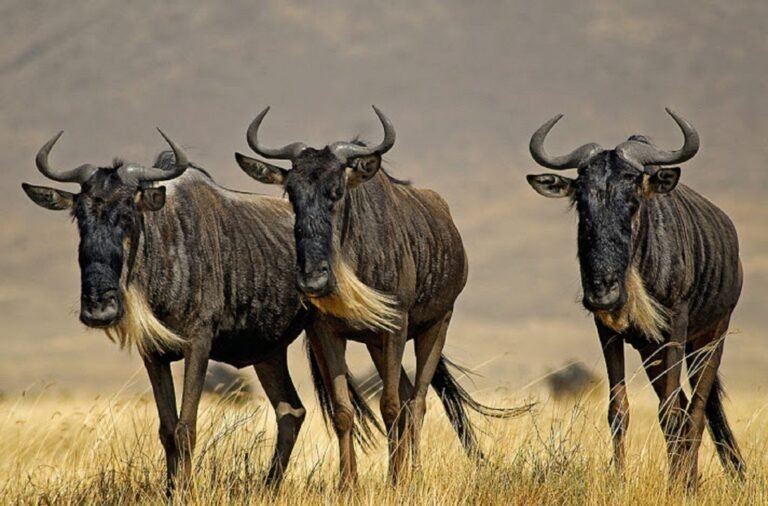
Nov 23, – 3 Day Serengeti And Ngorongoro Safari From Zanzibar
Nov 23, 2026 – 3 Day Serengeti and Ngorongoro Safari from Zanzibar.
View package details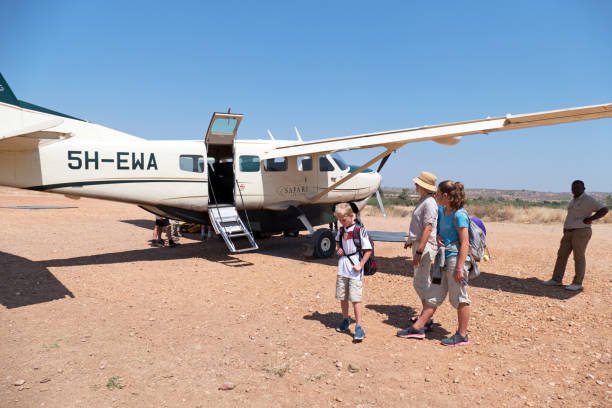
1-Day Serengeti Safari From Zanzibar By Flight: Cost & Itinerary 2026-2027
Is a 1-day Serengeti safari from Zanzibar feasible? Get the expert breakdown on the flight logistics, cost factors, and how to manage your expectations for this intense, one-day wildlife...
View package details
Afcon Kilimanjaro Ngorongoro And Zanzibar Holiday
AFCON 2027 Kilimanjaro Ngorongoro and Zanzibar Holiday.
View package details
Nov 28, – 3 Day Fly-In Serengeti Group Safari From Zanzibar 2026
A detailed look at the 3-day fly-in Serengeti group safari departing November 28, 2026, including logistics, itinerary highlights, and travel tips for your Tanzania adventure.
View package details2-Day Serengeti Safari From Zanzibar By Flight: Price & Booking Guide
A practical guide to booking a 2-day Serengeti safari from Zanzibar by flight, covering itinerary logistics, cost considerations, and how to maximize your short time in the bush.
View package details2-Day Tarangire & Ngorongoro Safari From Zanzibar: Flight Package Cost 2026
A detailed guide on the logistics, cost factors, and itinerary realities for a 2-day fly-in safari from Zanzibar to Tarangire National Park and the Ngorongoro Crater.
View package details4-Day Serengeti Safari From Zanzibar With Return Flights: A Planning Guide
A deep look at planning a 4-day fly-in safari from Zanzibar to the Serengeti, covering flight logistics, itinerary structures, and the critical decisions needed for a successful 2026 or...
View package detailsZanzibar To Serengeti Safari By Flight: Prices & Packages 2026-2027
A practical guide to booking a Zanzibar to Serengeti safari by flight in 2027, covering route options, baggage logistics, and how to choose the right itinerary length.
View package details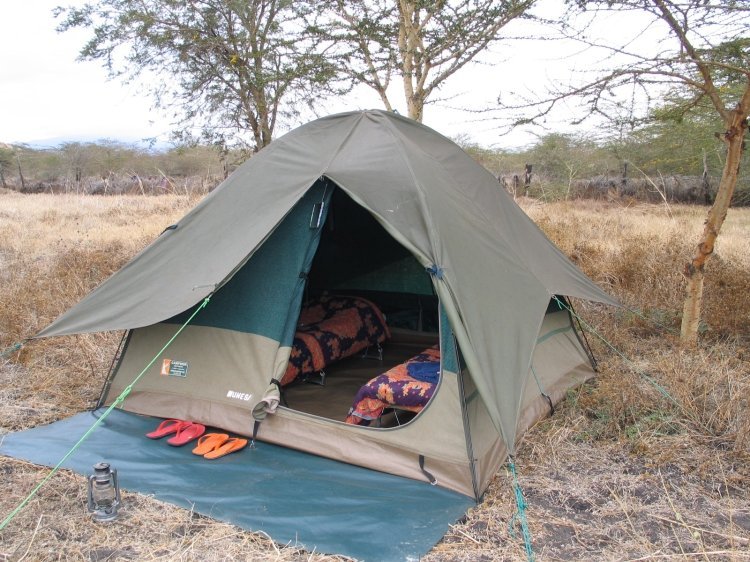
Four Day Serengeti na Ngorongoro Safari During AFCON 2027
Mwongozo wa safari ya siku 4 kwenye Serengeti na Ngorongoro wakati AFCON 2027; jinsi ya kupanga, nini cha kujali, na jinsi ya kuandaa,”
View package details
Dec 24, – 3 Day Christmas Serengeti And Ngorongoro Group Safari
Dec 24, 2026 – 3 Day Christmas Serengeti and Ngorongoro Group Safari.
View package details
Dec 29, – 6 Day Ndutu, Serengeti And Ngorongoro Group Safari 2026
A detailed guide to our 6-day group safari departure on December 29, 2026, focusing on the Ndutu plains, the Serengeti, and the Ngorongoro Crater.
View package details8 Day Serengeti And Ngorongoro Group Safari – December 16, 2026
Planning your December 2026 Tanzanian adventure? Our 8-day group safari offers a deep, unhurried exploration of the Serengeti and Ngorongoro Crater.
View package detailsNo related package matches those filters. Clear one or more filters to see the other topic-matched options.