Traveling from Nairobi, Kenya, to Serengeti National Park in Tanzania typically involves either a direct flight from Nairobi to a Serengeti airstrip, or an overland journey combining road travel through Kenya and into Tanzania, often including a stop in the Masai Mara before crossing the border. For 2026-2027, both options offer distinct advantages: flying is faster and more convenient, ideal for maximizing safari time, while overland travel provides a more in-depth experience and can be more budget-friendly, especially for longer trips or those combining multiple destinations.

Planning a journey that bridges two of East Africa’s most celebrated wildlife destinations, Nairobi and the Serengeti, is a common ambition for many travelers. These iconic locations, while geographically close, require careful consideration of travel logistics to ensure a smooth and memorable experience. Whether you’re dreaming of witnessing the Great Migration or simply exploring the vast plains teeming with wildlife, understanding your options for how to travel from Nairobi to Serengeti is the first crucial step. This guide will break down the primary methods, compare their benefits, and offer practical advice to help you plan your 2026-2027 adventure.
Understanding Your Travel Options: Nairobi to Serengeti
When considering how to travel from Nairobi to Serengeti, you’re essentially looking at two main categories of transport: air travel and overland travel. Each comes with its own set of considerations regarding cost, time, comfort, and the overall travel experience. It’s not just about getting from point A to point B; it’s about how you want your journey to unfold and what you prioritize for your African safari.
Option 1: Flying – The Swift Route to the Wild
For many, the allure of the Serengeti is immediate, and the quickest way to get there from Nairobi is by air. This method bypasses lengthy road journeys and deposits you directly into the heart of the action. Flights typically depart from Wilson Airport in Nairobi, a hub for smaller bush planes, or sometimes Jomo Kenyatta International Airport (NBO) for larger commercial flights that might connect through Kilimanjaro International Airport (JRO) before a final hop. The primary advantage of flying is the significant time saving, allowing you to maximize your precious safari days. This is particularly appealing if you have a limited timeframe for your trip in 2026 or 2027.
Flight Routes and Destinations within Serengeti
Flights from Nairobi to Serengeti are not a single, direct route to one airstrip. The Serengeti is vast, and different airstrips serve different regions of the park, which are crucial for optimizing wildlife viewing, especially during the Great Migration. Common arrival airstrips include:
- Seronera Airstrip (SEU): Located centrally, Seronera is the most common gateway to the central Serengeti, a year-round wildlife hotspot. It’s ideal for accessing areas known for leopard sightings and resident game.
- Kogatende Airstrip (KOG): Situated in the northern Serengeti, Kogatende is the premier choice for witnessing the Great Migration river crossings (typically July to October) and accessing the Mara River region.
- Ndutu Airstrip (NDT): In the southern Serengeti/Ngorongoro Conservation Area borderlands, Ndutu is crucial for the calving season (typically December to March) when vast herds congregate on the short-grass plains.
- Grumeti Airstrip (GTZ): Serves the western corridor of the Serengeti, which can be a good option outside the peak migration months.
The choice of airstrip will depend on the time of year you plan to travel in 2026-2027 and the specific wildlife experiences you are seeking. Your tour operator will advise on the most suitable airstrip based on the season and your itinerary.
What to Expect on a Nairobi to Serengeti Flight
Flights are usually operated by light aircraft, often 5- to 12-seaters, offering a more intimate flying experience. The journey itself can be scenic, providing aerial views of the Kenyan and Tanzanian landscapes. Baggage restrictions are strict on these flights, typically limited to 15-20 kg (33-44 lbs) of soft-sided luggage per person. Hard suitcases are generally not permitted due to space and weight constraints in the aircraft’s cargo holds. Ensure your bags are duffel bags or similar soft carriers to avoid issues.
Upon arrival at the chosen Serengeti airstrip, you will be met by your safari guide and vehicle. This is where your Serengeti safari experience truly begins, with game drives often commencing directly from the airstrip.
Pros and Cons of Flying
Pros:
- Speed: Significantly reduces travel time, often getting you to your lodge or camp within half a day or less from Nairobi.
- Convenience: Minimizes border crossing complexities and road travel fatigue.
- Scenery: Offers stunning aerial perspectives of the landscapes.
- Direct Access: Lands you close to your accommodation within the park.
Cons:
- Cost: Generally the most expensive option, with flight costs varying based on airline, route, and season. Expect costs to be in the range of $300-$500+ per person per leg for 2026-2027.
- Baggage Restrictions: Strict limits on luggage weight and type.
- Less Immersion: You miss the gradual transition and cultural exposure of overland travel.
Option 2: Overland Travel – The Adventurous Journey
The overland route from Nairobi to Serengeti offers a different kind of adventure. It’s a journey that allows you to experience the changing landscapes of Kenya and Tanzania more intimately, often incorporating a visit to the famous Masai Mara National Reserve before crossing into the Serengeti. This option is favored by travelers with more time, a desire for a more in-depth cultural experience, or those looking to manage their budget more carefully for their 2026-2027 trip.
Typical Overland Itinerary: Nairobi – Masai Mara – Serengeti
A standard overland itinerary often looks like this:
- Day 1: Nairobi to Masai Mara. Depart Nairobi after breakfast in a 4×4 safari vehicle. The drive takes approximately 5-6 hours, with a stop in Narok town for lunch or supplies. You’ll arrive at your Masai Mara camp or lodge by midday and start your first game drive.
- Day 2: Masai Mara Exploration. Full day of game drives in the Masai Mara, renowned for its abundant wildlife and predator sightings.
- Day 3: Masai Mara to Serengeti. After a morning game drive in the Mara, you’ll drive towards the Isebania/Sirari border crossing into Tanzania. This process can take several hours. Once across, you’ll meet your Tanzanian guide and vehicle (or your Nairobi guide may continue, depending on arrangements). You’ll then drive into the Serengeti, possibly visiting the Serengeti’s western or central regions depending on your chosen entry point and accommodation. This day involves significant travel time.
- Days 4+: Serengeti Exploration. Spend several days exploring the Serengeti with your guide.
Some itineraries might involve spending a night near the border before entering Tanzania, breaking up the long travel days. Others might combine the Masai Mara and Serengeti into a single, longer safari package.
Border Crossing: Isebania/Sirari
The primary border crossing for overland travel from the Masai Mara into the Serengeti is Isebania (Kenya) / Sirari (Tanzania). The process involves clearing immigration and customs in both countries. It’s advisable to have your visa requirements sorted in advance, especially for 2026-2027 travel, to expedite the process. Your tour operator will usually guide you through this, but it can still be a lengthy affair, often taking 1-3 hours. You may need to change vehicles and guides at the border, depending on your booking.
Vehicle and Guide Considerations
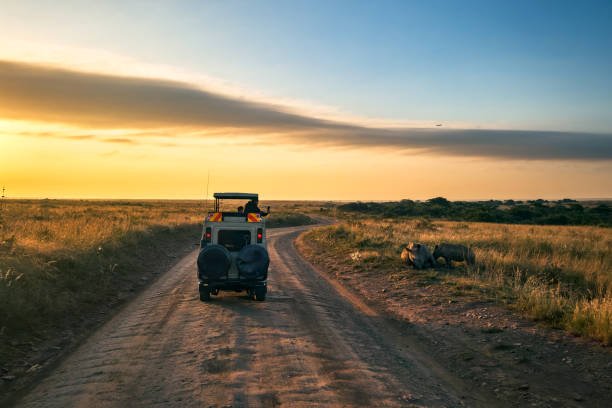
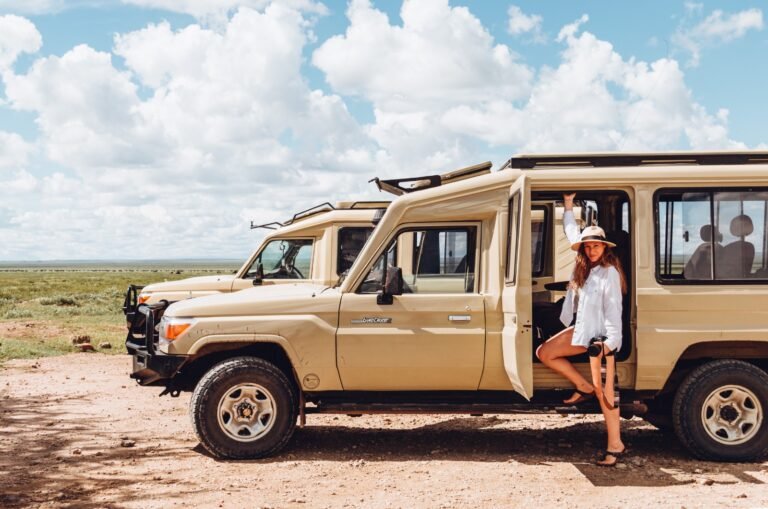
For overland travel, you’ll typically use a 4×4 safari vehicle with a pop-up roof for excellent game viewing. If you’re booking a combined Kenya-Tanzania safari, you might arrange for one vehicle and guide to accompany you throughout, or you might switch to a Tanzanian-registered vehicle and guide at the border. The latter is often necessary due to national park regulations and insurance. Ensure this is clarified in your booking for 2026-2027.
Important Note: Driving directly from Nairobi to Serengeti in one go is not feasible or recommended. The journey is extremely long and involves border crossings, making it at least a 2-3 day drive with overnight stops. Most overland trips will incorporate the Masai Mara as a logical stopover.
Pros and Cons of Overland Travel
Pros:
- in-depth Experience: Allows you to see the landscapes change and experience the journey itself.
- Cost-Effective: Often more economical than flying, especially for longer safaris or if you are traveling in a group and can share costs.
- Flexibility: Can incorporate more stops and varied experiences along the way.
- No Baggage Restrictions: Standard safari vehicle luggage capacity applies.
Cons:
- Time-Consuming: Requires more travel days, significantly reducing time spent on game drives compared to flying.
- Fatigue: Long hours on the road can be tiring.
- Border Crossings: Can be slow and sometimes complex.
- Vehicle Changes: May require switching vehicles and guides at the border, which can add complexity.
Comparing Your Options: Which is Right for You?
The choice between flying and overland travel from Nairobi to Serengeti hinges on your priorities, budget, and available time for your 2026-2027 safari. Here’s a breakdown to help you decide:
| Factor | Flying | Overland Travel |
|---|---|---|
| Time Commitment | Fast: Arrive in Serengeti within a day. Maximizes safari time. | Slow: Requires 2-3 days of travel, often incorporating Masai Mara. |
| Cost | Higher: Flights are a significant expense ($300-$500+ pp per leg). | Lower: Generally more budget-friendly, especially for groups. |
| Experience | Direct & Efficient: Focuses on destination, not journey. | in-depth & Adventurous: Experience changing landscapes, culture, and road travel. |
| Luggage | Restricted: Soft-sided bags, 15-20 kg limit. | Flexible: Standard vehicle capacity. |
| Complexity | Simpler: Fewer logistics once in Nairobi. | More Complex: Involves border crossings, potential vehicle/guide changes. |
| Ideal For | Limited time, luxury travelers, those prioritizing comfort and speed. | Budget-conscious travelers, those with more time, adventure seekers, combining Kenya & Tanzania. |
Traveler Profiles and Recommendations for 2026-2027
- The Time-Strapped Explorer: If you have only 7-10 days for your entire East African safari and want to maximize your time in the Serengeti, flying is the clear choice. It gets you into the wildlife areas faster, allowing for more game drives and less time in transit.
- The Budget-Conscious Adventurer: For those looking to stretch their safari budget further, or those who enjoy the journey as much as the destination, overland travel is often more economical. This route also allows for a more gradual immersion into the African landscape.
- The Combination Safari Seeker: If you wish to experience both the Masai Mara in Kenya and the Serengeti in Tanzania, an overland route is often the most logical and integrated way to achieve this, especially if you prefer a single safari vehicle and guide for the entire duration.
- The Comfort-Oriented Traveler: If long hours in a vehicle are not appealing, and you prefer to minimize travel disruptions, flying offers a more comfortable and less strenuous way to reach the Serengeti.
Planning Your Nairobi to Serengeti Safari for 2026-2027
Regardless of whether you choose to fly or drive, meticulous planning is key to a successful Nairobi to Serengeti safari. Here’s what you need to consider for your 2026-2027 trip:
Visa and Passport Requirements
Both Kenya and Tanzania require visitors to have valid passports with at least six months’ validity beyond your intended stay and sufficient blank pages. Depending on your nationality, you may need visas for both countries. Many nationalities can obtain visas on arrival, but it’s highly recommended to check the latest requirements for your specific nationality well in advance of your 2026-2027 travel dates. E-visas are available for both Kenya and Tanzania, which can streamline the process and save time at the border or airport.
Tip: If you are entering Tanzania overland, ensure your Tanzanian visa is processed efficiently. If flying into Kilimanjaro International Airport (JRO) for a Serengeti safari, you might only need a Tanzanian visa, but this depends on your entry point into Africa.
Best Time to Travel (2026-2027 Seasons)
The Serengeti is a year-round destination, but the best time to visit depends on what you want to see:
- The Great Migration:
- Calving Season (December-March): Herds are in the southern Serengeti and Ngorongoro Conservation Area, ideal for predator sightings.
- River Crossings (July-October): The dramatic Mara River crossings occur in the northern Serengeti.
- General Migration Movement: Herds are constantly moving; consult with your tour operator for their current location.
- Dry Season (June-October): Excellent for wildlife viewing as animals congregate around water sources. This is peak safari season and can be more expensive and crowded.
- Green Season (November-May): Lush landscapes, fewer crowds, lower prices, and excellent birdwatching. This period includes the calving season.
When planning for 2026-2027, consider your target wildlife spectacle and balance it with weather preferences and crowd tolerance.
Choosing Your Accommodation
Serengeti offers a wide range of accommodation, from luxury lodges and tented camps to more budget-friendly options. For those flying into the Serengeti, your choice of airstrip will influence which lodges and camps are most accessible. For overland travelers, the route taken will also dictate accommodation options. Consider:
- Location: Central Serengeti (Seronera), North (Kogatende), South (Ndutu), West (Grumeti).
- Type: Permanent lodges, mobile tented camps (following the migration), permanent tented camps.
- Budget: Accommodation significantly impacts the overall safari cost.
Booking Your Safari Package
Booking a comprehensive safari package that includes transport from Nairobi, accommodation, park fees, meals, and game drives is often the most straightforward approach. This ensures that all logistics are handled by experienced operators. When booking for 2026-2027, look for operators who:
- Have a strong presence and local knowledge in both Kenya and Tanzania.
- Offer clear itineraries detailing inclusions and exclusions.
- Provide flexible booking options.
- Have good reviews and a reputation for excellent service.
Climb 4 Africa specializes in crafting smooth East African safari experiences, offering tailored itineraries that can connect Nairobi with the Serengeti. We understand the nuances of both flying and overland travel and can help you choose the best option for your 2026-2027 safari based on your preferences and budget.
Detailed Itinerary Planning: Flying vs. Overland
To further illustrate the differences, let’s look at how a typical 7-day safari might look when traveling from Nairobi to Serengeti, using both methods.
Example 1: 7-Day Flying Safari (Nairobi – Serengeti)
This itinerary prioritizes maximizing safari time in the Serengeti.
Day 1: Nairobi to Serengeti (Central/Seronera)
Morning transfer to Wilson Airport for your flight to Seronera Airstrip in the Serengeti. Upon arrival, you’ll be met by your guide and vehicle. Enjoy a game drive en route to your lodge/camp. Afternoon game drive. Overnight in Central Serengeti.
Day 2: Central Serengeti Exploration
Full day of game drives in the central Serengeti, famous for its resident wildlife and predator sightings. Packed lunch enjoyed in the bush. Overnight in Central Serengeti.
Day 3: Serengeti (Central to North/Kogatende for Migration – Seasonal)
Morning game drive as you transfer towards the northern Serengeti (if migration is present) or explore another area of Central Serengeti. Overnight in the North or Central Serengeti.
Day 4: Northern Serengeti / Migration Focus
Full day game drives focusing on the Mara River region and the Great Migration river crossings (seasonal). Overnight in Northern Serengeti.
Day 5: Serengeti (North to South/Ndutu for Calving – Seasonal)
Morning game drive, then transfer towards the southern Serengeti/Ndutu area, following the migration (seasonal). Overnight in Southern Serengeti/Ndutu.
Day 6: Southern Serengeti / Calving Season Focus
Full day game drives in the southern plains, witnessing the calving season and abundant predators (seasonal). Overnight in Southern Serengeti/Ndutu.
Day 7: Serengeti to Nairobi
Final morning game drive, followed by a transfer to Ndutu or Seronera Airstrip for your flight back to Wilson Airport, Nairobi.
Note: This is a sample. The exact locations and order for 2026-2027 will depend on the season and migration patterns. This itinerary assumes you are flying *into* Serengeti and then flying *out*. If you are combining with Masai Mara, the first few days would be in Kenya before flying to Serengeti.
Example 2: 7-Day Overland Safari (Nairobi – Masai Mara – Serengeti)
This itinerary balances wildlife viewing in two parks with overland travel.
Day 1: Nairobi to Masai Mara
Depart Nairobi by 4×4 safari vehicle. Drive to Masai Mara (approx. 5-6 hours). Arrive for lunch, followed by an afternoon game drive. Overnight in Masai Mara.
Day 2: Masai Mara Full Day
Full day exploring the Masai Mara, known for its big cat populations and vast plains. Optional hot air balloon safari. Overnight in Masai Mara.
Day 3: Masai Mara to Serengeti (via Border)
Morning game drive in Masai Mara. Depart for the Isebania/Sirari border crossing. Complete immigration formalities and meet your Tanzanian guide/vehicle. Drive into the Serengeti (approx. 3-4 hours from border to Central Serengeti). Arrive at your lodge/camp. Overnight in Central Serengeti.
Day 4: Central Serengeti Exploration
Full day game drives in the central Serengeti, focusing on wildlife around the Seronera River. Overnight in Central Serengeti.
Day 5: Serengeti (Central to North/Kogatende – Seasonal)
Morning game drive, then drive north towards Kogatende (if migration is in the north). This is a significant travel day within the park. Overnight in Northern Serengeti.
Day 6: Northern Serengeti / Migration Focus
Full day game drives in the northern Serengeti, seeking out the Great Migration river crossings (seasonal). Overnight in Northern Serengeti.
Day 7: Serengeti to Nairobi
Early morning game drive. Transfer to Kogatende Airstrip for your flight back to Wilson Airport, Nairobi. (Note: This day often requires flying out of Serengeti to make it back to Nairobi same-day, otherwise, an extra night in Serengeti or a long drive back to Arusha would be needed).
Note: This overland itinerary highlights the time spent in transit. A more realistic overland safari from Nairobi to Serengeti that includes significant game drives in both parks would typically be 10-14 days. The 7-day example above often necessitates flying out of Serengeti on Day 7 to return to Nairobi efficiently, blending the overland journey with a flight. If you wish to drive all the way back, you would need considerably more time.
Costs and Budget Considerations for 2026-2027
The cost of traveling from Nairobi to Serengeti can vary dramatically. Understanding these cost factors is crucial for budgeting your 2026-2027 safari.
Factors Influencing Cost
- Mode of Transport: Flying is significantly more expensive than overland travel.
- Accommodation: Luxury lodges and tented camps are pricier than mid-range or budget options.
- Duration of Safari: Longer stays naturally increase costs.
- Time of Year: Peak season (dry season, migration season) is more expensive than the green season.
- Park Fees: Serengeti National Park fees are substantial and are charged per person per day. These are subject to change annually, so check for 2026-2027 rates.
- Vehicle Type: Private 4×4 safari vehicles are more expensive than shared ones.
- Group Size: Traveling solo or as a couple is generally more expensive per person than traveling in a larger group where costs can be shared.
Estimated Cost Ranges (per person, per day) for 2026-2027
These are rough estimates and can fluctuate. They typically exclude international flights to Nairobi and visa fees.
- Budget Overland Safari: $200 – $350 per person per day. This would involve more basic accommodation, potentially shared vehicles, and efficient routing. Includes park fees, accommodation, meals, and ground transport.
- Mid-Range Safari (Overland or Flight Combination): $350 – $600 per person per day. Comfortable lodges/camps, private or small-group vehicles, and a good balance of inclusions. If flying, add flight costs ($300-$500+ pp per leg).
- Luxury Safari (Primarily Flying): $600 – $1000+ per person per day. High-end lodges and camps, exclusive services, private guides, and smooth flight connections. If flying, add flight costs ($300-$500+ pp per leg).
Important Note on Pricing for 2026-2027: Prices are subject to change. Always get a detailed quote from your tour operator that clearly outlines what is included and excluded. Park fees, in particular, can see annual adjustments.
What’s Typically Included?
A well-quoted safari package from Nairobi to Serengeti should include:
- Ground transportation in a 4×4 safari vehicle (Kenya and/or Tanzania).
- Professional English-speaking driver-guide(s).
- Accommodation as per itinerary.
- Meals (full board: breakfast, lunch, dinner).
- Park entrance fees (Masai Mara, Serengeti, etc.).
- Bottled water during game drives.
- For flying options: Internal flight costs from Nairobi to Serengeti and back.
What’s Typically Excluded?
- International flights to/from Nairobi.
- Visa fees.
- Travel insurance (highly recommended).
- Gratuities for guides and lodge staff.
- Drinks at lodges/camps (unless specified).
- Optional activities like hot air balloon safaris.
- Personal expenses.
Practical Tips for Your Journey
To ensure your Nairobi to Serengeti travel experience is as smooth as possible, keep these practical tips in mind for 2026-2027:
Packing Essentials
Pack light and smart, especially if flying. Focus on neutral-colored clothing (khaki, beige, olive green) suitable for game drives. Key items include:
- Lightweight, breathable clothing.
- A warm layer for cool mornings and evenings.
- Comfortable walking shoes.
- Sun hat, sunglasses, and high SPF sunscreen.
- Insect repellent.
- Camera with extra batteries and memory cards.
- Binoculars.
- A small backpack for day trips.
- Personal medications.
Remember the luggage restrictions for flights: soft-sided bags only, typically 15-20 kg.
Health and Vaccinations
Consult your doctor or a travel clinic 6-8 weeks before your trip regarding recommended vaccinations and malaria prophylaxis. Yellow fever vaccination may be required for entry into Tanzania, depending on your travel history. The Serengeti is a malarial area, so precautions are advised.
Connectivity and Communication
Wi-Fi is available at most lodges and camps, though it can be intermittent and may come at an extra cost. Mobile phone reception is generally poor to non-existent in the national parks. Consider purchasing local SIM cards in Nairobi or Arusha if you need reliable communication, but be prepared for limited service within the parks themselves.
Currency and Payments
The local currencies are the Kenyan Shilling (KES) and the Tanzanian Shilling (TZS). However, USD is widely accepted and often preferred for safari-related payments, especially for park fees and accommodation. Ensure you have smaller USD bills for tips and personal purchases. ATMs are available in Nairobi and Arusha, but less common in remote safari areas.
Safety and Security
Both Kenya and Tanzania are generally safe for tourists, especially when traveling with reputable tour operators. Always follow your guide’s instructions, especially during game drives and when out of your vehicle. Be aware of your surroundings in cities and towns.
Choosing the Right Tour Operator for 2026-2027
Selecting the right tour operator is paramount for a smooth and enjoyable journey from Nairobi to Serengeti. For over a decade, Climb 4 Africa has been a trusted name in East African travel, with deep expertise in Kilimanjaro climbs, Tanzania safaris, and multi-country East African adventures. We understand the intricacies of planning trips that involve travel between Kenya and Tanzania, offering practical local support and tailored experiences.
Why Choose Climb 4 Africa for Your Nairobi to Serengeti Trip?
- Local Expertise: As a Tanzania-based company, we have unparalleled on-the-ground knowledge of the parks, routes, and logistics for travel in 2026-2027.
- Tailored Itineraries: We don’t offer one-size-fits-all packages. We work with you to create a personalized itinerary that matches your interests, budget, and travel style, whether you prefer flying or overland.
- smooth Transitions: We manage all aspects of your journey, from airport transfers in Nairobi to coordinating flights or overland transfers, border crossings, and ensuring you have the best guides and vehicles in both Kenya and Tanzania.
- Quality Guarantees: We partner with reputable lodges and camps and employ experienced, professional guides committed to providing exceptional safari experiences.
- Comprehensive Support: From initial planning through to your departure, we provide dedicated support, answering all your questions about traveling from Nairobi to Serengeti for your 2026-2027 adventure.
Whether you’re planning a quick hop to the Serengeti or a more extensive overland expedition combining the Masai Mara, our team is ready to help. We can advise on the best time to go, the most suitable airstrips or border crossings, and craft an itinerary that ensures you make the most of your time in these incredible wildlife destinations.
How to Get Started with Climb 4 Africa
To begin planning your unforgettable journey from Nairobi to Serengeti for 2026 or 2027, the best first step is to reach out to us. We can discuss your travel aspirations, preferred dates, and budget. Based on this, we will craft a preliminary itinerary and quote for your consideration.
You can contact us via:
- WhatsApp: +255 747 477 898
- Email: climb4africa@gmail.com
- Website: Visit climb-4-africa.com to explore our services.
We look forward to helping you plan your dream safari from Nairobi to Serengeti!
Frequently Asked Questions (FAQs)
Can I combine the Masai Mara and Serengeti on one safari?
Absolutely. Combining the Masai Mara in Kenya with the Serengeti in Tanzania is a very popular safari itinerary. It’s typically done via an overland route, crossing the border at Isebania/Sirari, or by flying from Nairobi to Serengeti and then potentially flying from Serengeti back to Nairobi or Arusha to continue your journey. This combination offers a fantastic overview of East Africa’s most iconic wildlife areas. Planning for 2026-2027 should consider the seasonal movements of the Great Migration when deciding the order of parks.
What is the easiest way to travel from Nairobi to Serengeti?
The easiest and fastest way is by flying. Several companies operate flights from Nairobi’s Wilson Airport to various airstrips within the Serengeti. This method bypasses road travel and border complexities, getting you directly into the park. However, it is also the most expensive option.
Is it possible to drive from Nairobi to Serengeti without flying?
Yes, it is possible to drive from Nairobi to Serengeti, but it is a long journey that typically takes at least 2-3 days with overnight stops, often including the Masai Mara. You will need to cross the border at Isebania/Sirari. This overland journey is more time-consuming but can be more cost-effective and in-depth than flying.
How much does it cost to travel from Nairobi to Serengeti?
Costs vary significantly. Flights from Nairobi to Serengeti typically range from $300 to $500+ per person per leg. Overland safaris, when factored into a full package, can range from $200-$600+ per person per day, depending on accommodation and inclusions. A complete safari package covering transport, accommodation, park fees, and meals for a 7-10 day trip could range from $2,000 to $7,000+ per person for 2026-2027 travel.
What are the baggage restrictions for flights to Serengeti?
Flights to Serengeti use light aircraft, which have strict baggage limitations. You are typically allowed 15-20 kg (33-44 lbs) of soft-sided luggage per person. Hard suitcases are usually not permitted. It’s essential to use duffel bags. Always confirm the exact allowance with your tour operator when booking for 2026-2027.
Do I need a visa for Tanzania if traveling from Nairobi?
Yes, most foreign nationals will need a visa for Tanzania. You can often obtain a visa on arrival at major entry points, or apply for an e-visa in advance. Requirements vary by nationality, so it’s crucial to check the latest regulations for your passport well before your 2026-2027 trip.
What is the best time of year to see the Great Migration from Nairobi to Serengeti?
The Great Migration is a continuous cycle. For the dramatic river crossings (Mara River), the best time is typically July to October, best viewed from the northern Serengeti. For the calving season, which attracts predators, December to March is ideal in the southern Serengeti/Ndutu area. For 2026-2027 planning, consult with your tour operator on the migration’s expected location during your chosen travel dates.
Can I use my Kenyan Shillings in Tanzania?
No, Kenyan Shillings (KES) are not accepted in Tanzania. You will need Tanzanian Shillings (TZS) for local purchases, although US Dollars are widely accepted for safari-related expenses and at lodges. It’s advisable to carry a mix of USD (especially smaller denominations) and have local currency obtained in Tanzania for smaller expenses.
What kind of vehicle will I travel in from Nairobi to Serengeti?
If traveling overland, you’ll typically be in a 4×4 safari vehicle (e.g., Land Cruiser or Land Rover) with a pop-up roof for game viewing. If flying, you’ll be met at the Serengeti airstrip by your safari vehicle. If your trip combines Kenya and Tanzania overland, you may switch vehicles and guides at the border, with both vehicles being 4×4 safari vehicles.
How far in advance should I book my Nairobi to Serengeti safari for 2026-2027?
For peak seasons (July-October, December-March), it is highly recommended to book at least 6-12 months in advance for 2026-2027 travel to secure preferred accommodation and flights. For the green season or shoulder months, 3-6 months in advance might suffice, but early booking is always advisable for the best availability and pricing.
Check Availability for How Do I Travel From Nairobi To Serengeti Tanzania Guide
Ready to compare dates, prices, and the best option for your group? Send the package name and travel month so the team can reply with a clear quote, availability, and what is included.
Afcon Private Serengeti Safari With Lodges
AFCON 2027 Private Serengeti Safari with Lodges.
View package detailsAfcon Luxury Serengeti Safari Packages
AFCON 2027 Luxury Serengeti Safari Packages.
View package details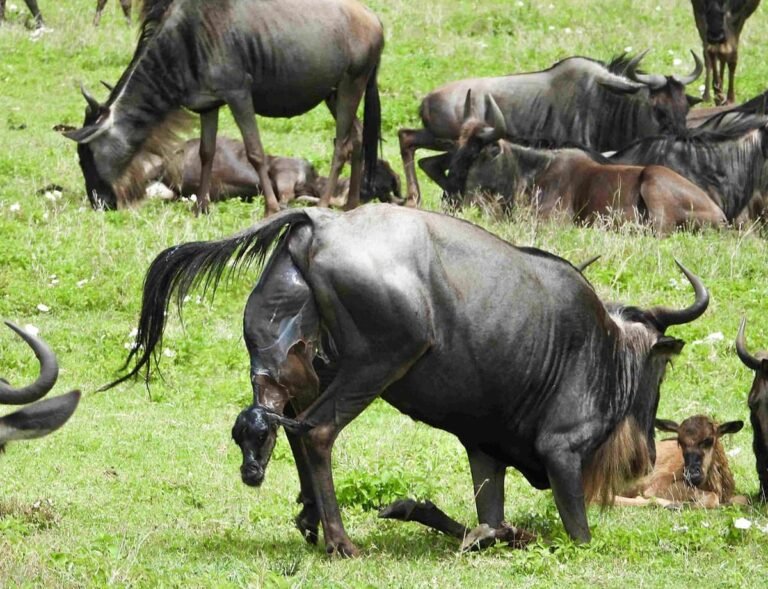
Serengeti Great Migration Safari During AFCON 2027
Mwongozo wa kina kwa safari ya Serengeti Great Migration wakati wa AFCON 2027, ukilenga kuelewa maeneo, kipindi cha mwendo wa mnyama, na mapendekezo ya mipango ya kiutendaji.
View package details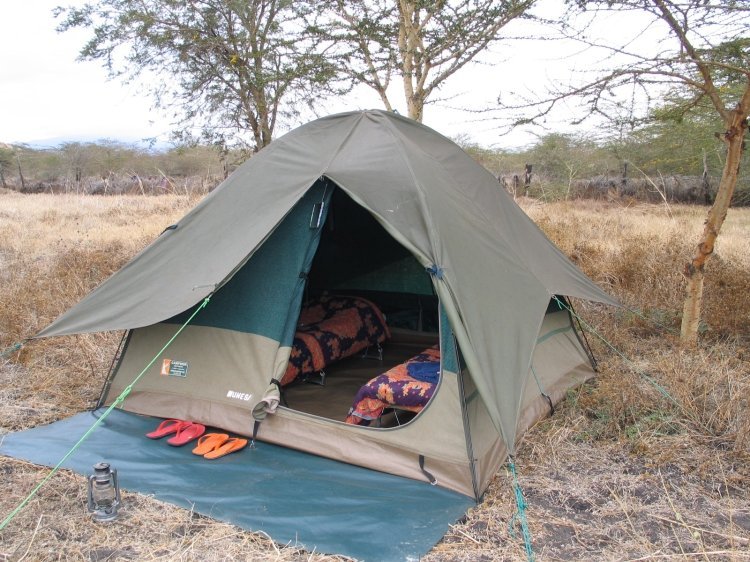
Four Day Serengeti na Ngorongoro Safari During AFCON 2027
Mwongozo wa safari ya siku 4 kwenye Serengeti na Ngorongoro wakati AFCON 2027; jinsi ya kupanga, nini cha kujali, na jinsi ya kuandaa,”
View package detailsThree Day Serengeti Safari During AFCON 2027
Mwongozo wa kiutendaji kwa safari ya siku tatu ya Serengeti wakati AFCON 2027, ukijumuisha mwelekeo wa maeneo, ratiba ya siku, na ushauri wa ubashiri wa kupanga pamoja na jinsi ya...
View package details
Afcon Mount Kilimanjaro And Serengeti Package
AFCON 2027 Mount Kilimanjaro and Serengeti Package.
View package details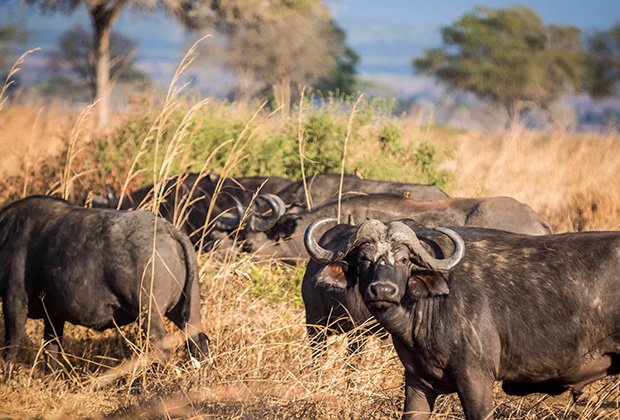
Dec 24, – 3 Day Christmas Serengeti And Ngorongoro Group Safari
Dec 24, 2026 – 3 Day Christmas Serengeti and Ngorongoro Group Safari.
View package details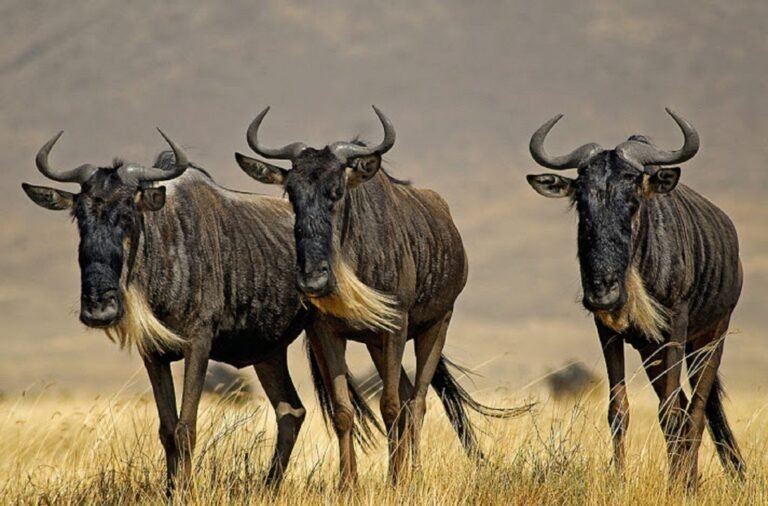
Nov 23, – 3 Day Serengeti And Ngorongoro Safari From Zanzibar
Nov 23, 2026 – 3 Day Serengeti and Ngorongoro Safari from Zanzibar.
View package details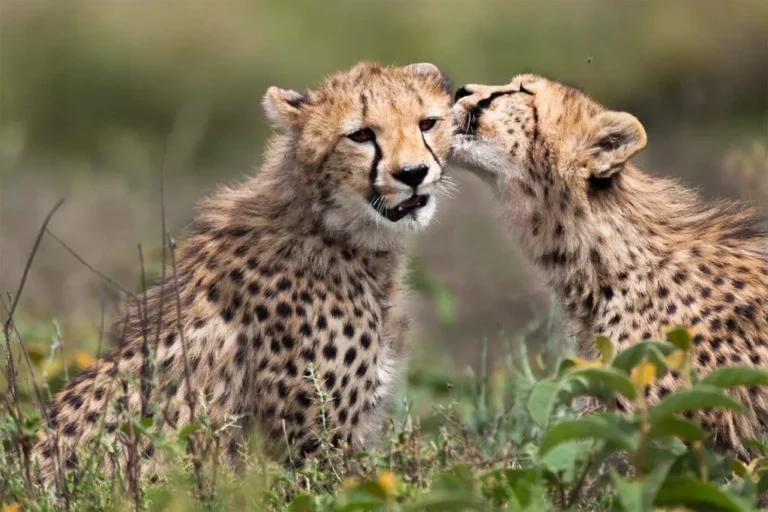
Dec 31, : New Year’s Eve Serengeti Group Safari Planning Guide
This guide provides essential planning details for a group safari trip to the Serengeti for New Year's Eve 2026, covering logistics, seasonal highlights, and what to expect.
View package details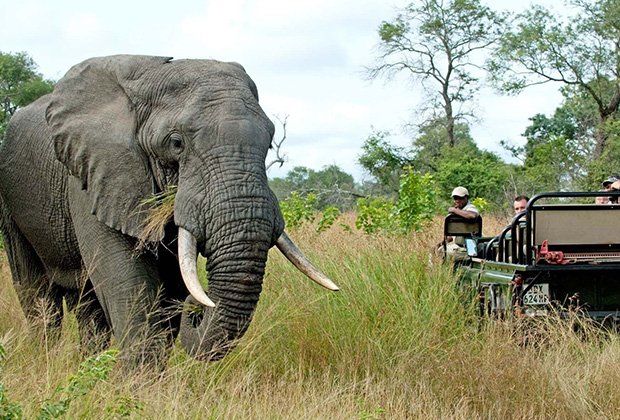
I Am On A Budget—What Is The Cheapest Serengeti Group Safari?
I Am on a Budget—What Is the Cheapest Serengeti Group Safari?
View package details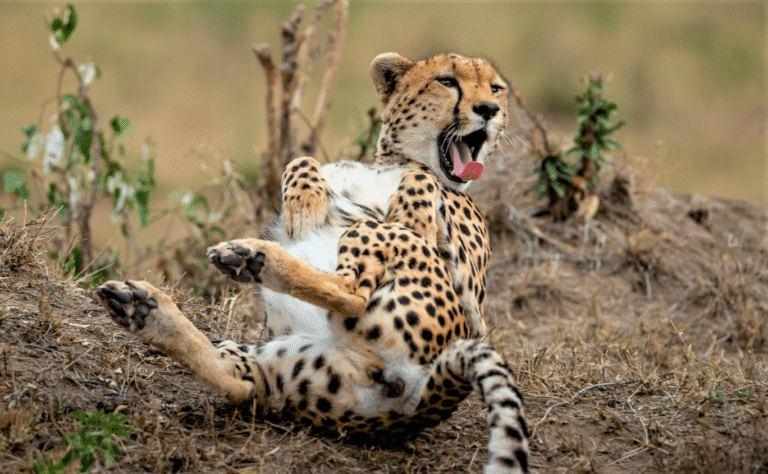
Dec 29, – 6 Day Ndutu, Serengeti And Ngorongoro Group Safari 2026
A detailed guide to our 6-day group safari departure on December 29, 2026, focusing on the Ndutu plains, the Serengeti, and the Ngorongoro Crater.
View package details8 Day Serengeti And Ngorongoro Group Safari – December 16, 2026
Planning your December 2026 Tanzanian adventure? Our 8-day group safari offers a deep, unhurried exploration of the Serengeti and Ngorongoro Crater.
View package detailsNo related package matches those filters. Clear one or more filters to see the other topic-matched options.