A Kilimanjaro climb followed by a Serengeti and Ngorongoro safari is the quintessential Tanzanian adventure, offering a dynamic blend of physical challenge and unparalleled wildlife viewing. Typically, this combined trip spans 12 to 18 days, starting with the 5-9 day trek up Kilimanjaro and concluding with a 4-7 day safari exploring the Serengeti’s vast plains and the Ngorongoro Crater’s unique ecosystem. Planning for 2026 or 2027 involves selecting a Kilimanjaro route, booking your safari, and considering the best seasons for both activities to maximize your experience.

Planning Your Combined Kilimanjaro Climb and Serengeti/Ngorongoro Safari
Embarking on a journey that combines the challenge of Mount Kilimanjaro with the awe-inspiring wildlife of the Serengeti and Ngorongoro Crater is a dream for many. This ultimate Tanzanian experience requires careful planning to ensure you get the most out of both vastly different, yet equally spectacular, components. The sequence is almost always Kilimanjaro first, followed by the safari. This order is practical for acclimatization after the climb and allows for a relaxing, awe-inspiring conclusion to your adventure.
When considering your Kilimanjaro climb followed by Serengeti and Ngorongoro safari, the first crucial step is understanding the synergy between these two distinct experiences. The physical exertion of reaching Uhuru Peak is a profound personal achievement, and the subsequent safari offers a chance to relax, reflect, and witness nature’s grandeur. This guide is designed to help you navigate the complexities of planning such a trip, providing insights into routes, durations, best times to travel, what to expect, and how to make informed decisions for your 2026 or 2027 adventure.
Why Combine Kilimanjaro and a Serengeti/Ngorongoro Safari?
The appeal of this combination lies in its sheer diversity and the iconic status of each element. Kilimanjaro, the ‘Roof of Africa’, offers a formidable trekking challenge and impressive views, culminating in a sense of accomplishment that is hard to match. Following this with a safari in the Serengeti and Ngorongoro Crater provides a stark contrast in pace and environment, moving from high-altitude alpine desert to the teeming savannas and caldera floor, home to the highest density of wildlife in Africa.
This itinerary is perfect for travelers who:
- Seek a balance of physical challenge and wildlife immersion.
- Want to experience two of Tanzania’s most famous attractions in one trip.
- Are looking for a comprehensive adventure that covers diverse landscapes and ecosystems.
- Appreciate the logistical efficiency of combining these experiences with a single, reputable operator.
Choosing to undertake a Kilimanjaro climb followed by Serengeti and Ngorongoro safari ensures you capture the essence of Tanzania’s natural wonders and cultural richness, creating memories that last a lifetime.
Choosing the Right Kilimanjaro Route for Your Combined Trip
The Kilimanjaro climb is a significant undertaking, and the route you choose directly impacts your success rate, acclimatization, and overall enjoyment. For those combining it with a safari, selecting a route that prioritizes acclimatization is paramount. Longer routes generally offer better acclimatization profiles, increasing your chances of reaching the summit comfortably.
Here are the most popular routes, with considerations for a post-safari trip:
Machame Route
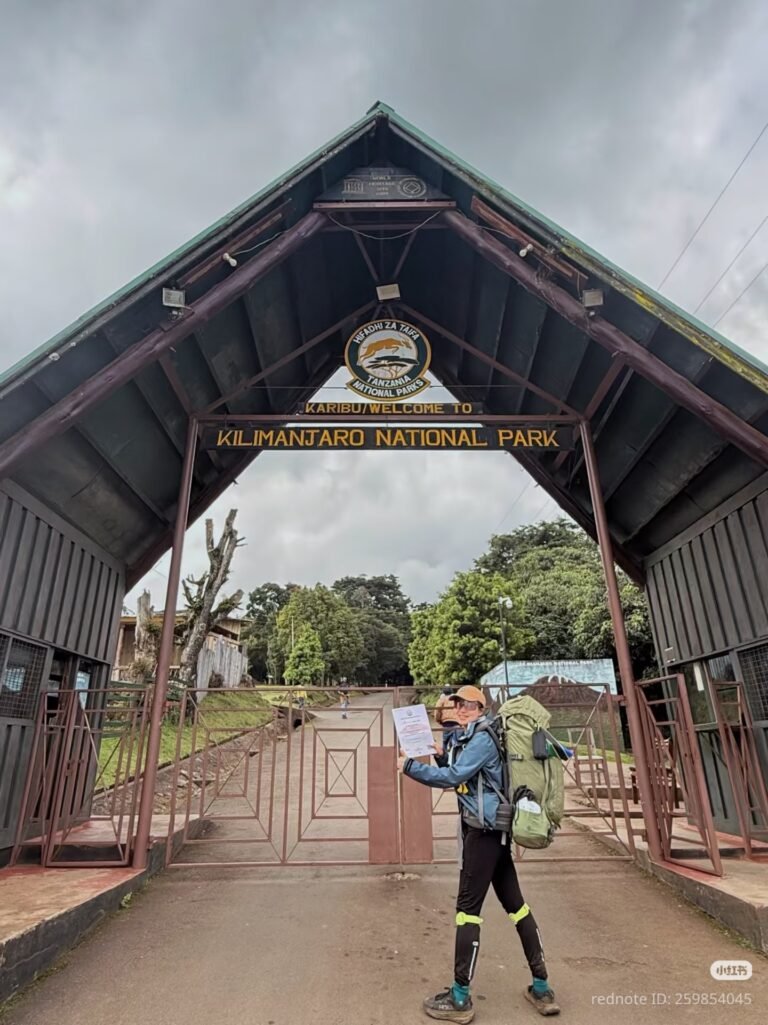
Often called the ‘Whiskey Route’ due to its steeper ascent, the Machame Route is popular for its scenic beauty and excellent acclimatization profile when trekked over 6 or 7 days. The 7-day option is highly recommended for a combined Kilimanjaro climb followed by Serengeti and Ngorongoro safari as it allows for better acclimatization, leading to higher summit success rates. It offers diverse scenery, passing through rainforest, moorland, and arctic zones.
- Duration: Typically 6 or 7 days. The 7-day option is strongly advised for optimal acclimatization.
- Scenery: Excellent, with opportunities to see diverse vegetation zones.
- Acclimatization: Good, especially on the 7-day itinerary, with a ‘climb high, sleep low’ strategy.
- Crowds: Moderately busy.
- Suitability: Good for most trekkers seeking a balance of challenge and success.
Lemosho Route
The Lemosho Route is another excellent choice for its scenic beauty and superior acclimatization. It’s longer, typically 7 or 8 days, making it one of the best routes for summit success. It starts on the western side of the mountain, offering remote wilderness trekking before joining the Machame route. This route is ideal for those who want a more in-depth experience and prioritize acclimatization before their subsequent safari.
- Duration: Typically 7 or 8 days.
- Scenery: Exceptional, considered one of the most beautiful routes.
- Acclimatization: Excellent, due to its longer duration and gradual ascent.
- Crowds: Less crowded in the initial days.
- Suitability: Highly recommended for those prioritizing success and a pristine experience.
Marangu Route
Known as the ‘Coca-Cola Route’, the Marangu Route is the oldest and most traditional. It’s the only route offering dormitory-style accommodation in huts, which some travelers prefer. However, its ascent profile is steeper, and it lacks the ‘climb high, sleep low’ acclimatization strategy of other routes, leading to lower success rates. It is typically completed in 5 or 6 days.
- Duration: 5 or 6 days.
- Scenery: Less varied than other routes, as it ascends and descends the same path.
- Acclimatization: Poorer, leading to lower summit success rates.
- Crowds: Can be very busy.
- Suitability: For those prioritizing comfort (huts) over acclimatization and success rates.
Northern Circuit
The Northern Circuit is the longest route on Kilimanjaro, typically taking 9 days. This extended duration provides the best acclimatization and thus the highest success rates. It circles the mountain, offering unique views and a more remote experience. For a traveler planning a Kilimanjaro climb followed by Serengeti and Ngorongoro safari, this route offers the most comfortable and successful climb, allowing maximum enjoyment of the subsequent safari.
- Duration: 9 days.
- Scenery: Superb, offering panoramic views and a unique perspective.
- Acclimatization: Excellent, highest success rates.
- Crowds: Least crowded route.
- Suitability: Ideal for trekkers prioritizing success, acclimatization, and a more exclusive experience.
Decision Point: For your combined Kilimanjaro climb followed by Serengeti and Ngorongoro safari, we strongly recommend routes that are at least 7 days long, such as the 7-day Machame or 7/8-day Lemosho, or the 9-day Northern Circuit. These offer the best acclimatization, significantly increasing your chances of summiting and enjoying the entire journey without excessive fatigue, which is crucial before the excitement of a safari.
Structuring Your Safari: Serengeti and Ngorongoro Crater
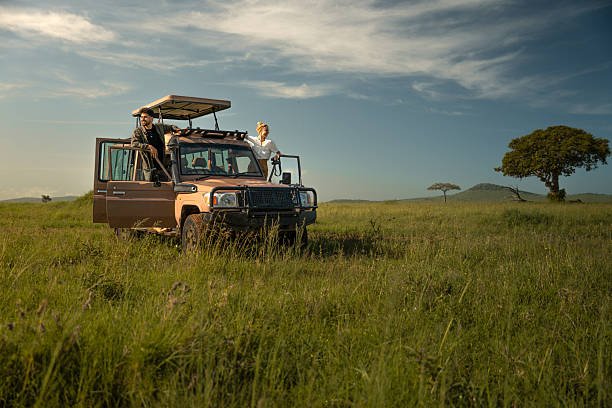
After conquering Kilimanjaro, your safari adventure awaits. The Serengeti National Park and the Ngorongoro Conservation Area are world-renowned for their abundant wildlife, offering distinct yet complementary safari experiences. The Serengeti is famous for its vast plains and the Great Migration, while the Ngorongoro Crater provides a unique, self-contained ecosystem with a high concentration of predators and herbivores.
Serengeti National Park
The Serengeti is synonymous with African wildlife. Its name, derived from the Maasai word ‘Siringet,’ meaning ‘endless plains,’ perfectly describes its vast, open savannas that stretch as far as the eye can see. It’s home to over 3 million animals, including the Big Five (lion, leopard, elephant, rhino, and buffalo), cheetahs, giraffes, zebras, and countless other species.
Key Highlights of a Serengeti Safari:
- The Great Migration: Witnessing millions of wildebeest, zebras, and gazelles migrate across the plains in search of fresh grazing is a truly spectacular event. The timing of the migration varies, but large herds are present in different areas throughout the year.
- Predator Action: The Serengeti offers some of the best opportunities to see lions, leopards, cheetahs, hyenas, and wild dogs in action.
- Diverse Habitats: From open grasslands to acacia woodlands and riverine forests, the Serengeti supports a rich variety of wildlife.
- Hot Air Balloon Safaris: For an unforgettable perspective, consider a sunrise hot air balloon ride over the plains.
Duration: A minimum of 2-3 days is recommended to explore different regions of the Serengeti. For a comprehensive Kilimanjaro climb followed by Serengeti and Ngorongoro safari, allocating 3-4 days allows for deeper exploration.
Ngorongoro Conservation Area and Crater
The Ngorongoro Crater is a UNESCO World Heritage Site and one of the most remarkable natural wonders on Earth. It’s a vast, intact volcanic caldera, approximately 19 kilometers (12 miles) in diameter, with walls rising over 600 meters (2,000 feet) high. The crater floor boasts lush grasslands, swamps, a soda lake, and forests, creating a unique microclimate that supports an astonishingly high density of wildlife.
Key Highlights of the Ngorongoro Crater:
- High Wildlife Concentration: The crater is often called ‘Africa’s Eden’ or ‘the eighth wonder of the world’ due to the sheer number of animals present. It’s one of the best places to see the endangered black rhinoceros.
- The Big Five: All members of the Big Five are resident in the crater, and sightings are very common.
- Maasai Culture: The Ngorongoro Conservation Area is also home to Maasai communities, and you can often see them herding their cattle alongside wildlife, a testament to a unique coexistence.
- Unique Ecosystem: The steep crater walls effectively create a natural enclosure, meaning animals don’t typically migrate out.
Duration: Typically, a full day is spent exploring the crater floor. Many itineraries include an overnight stay on the crater rim or nearby, offering stunning views and early access.
Safari Itinerary Structure: A common sequence for a combined trip would be to fly from Kilimanjaro International Airport (JRO) to the Serengeti, spend 3-4 days there, then drive to the Ngorongoro Conservation Area, spend a day exploring the crater, and finally drive back to Arusha or Kilimanjaro airport for departure.
Best Time to Travel for Your Combined Trip in 2026-2027
The best time for a Kilimanjaro climb followed by Serengeti and Ngorongoro safari depends on your priorities. Tanzania has two main seasons: the dry season and the wet season. Each offers different advantages for both climbing and wildlife viewing.
Kilimanjaro Climbing Seasons
Kilimanjaro can be climbed year-round, but certain periods offer clearer skies and more pleasant trekking conditions.
- Best Months (Dry Seasons): January to March and June to October. These months generally have the clearest skies, driest trails, and lowest temperatures at higher altitudes.
- Shoulder Months: April, May, November, and December can be unpredictable, with higher chances of rain. However, these months often see fewer crowds and potentially lower prices.
Serengeti and Ngorongoro Safari Seasons
The safari experience is influenced by the rain and the movement of wildlife, particularly the Great Migration.
- Dry Season (June to October): This is an excellent time for safaris, especially for viewing the Great Migration in the Serengeti as animals congregate around permanent water sources. It’s also a peak time for tourism, so expect more vehicles. The Ngorongoro Crater is excellent year-round due to its permanent water supply.
- Wet Season (November to May): The landscape becomes lush and green, offering beautiful photographic opportunities. Wildlife viewing can still be excellent, especially for predator action as predators take advantage of the new grass and vulnerable young. The short rains (November-December) are generally less disruptive than the long rains (March-May). Birdwatching is particularly good during these months.
Combining Seasons for 2026-2027
To optimize your Kilimanjaro climb followed by Serengeti and Ngorongoro safari:
- For the best chance of clear skies on Kilimanjaro and good wildlife viewing (including potential migration sightings): Aim for January-February 2026/2027 or June-October 2026/2027. These periods align well for both activities. For instance, climbing in June and then heading for a safari in late June or July offers excellent conditions for both.
- To avoid peak crowds and potentially find better deals: Consider the shoulder months like November 2026 or March 2027. You might experience some rain on the mountain or during the safari, but the experience can be just as rewarding, with fewer people.
Consideration: If your primary goal is to witness the wildebeest migration river crossings in the Grumeti or Mara rivers in the Serengeti, you’ll need to plan for July-September. This generally aligns well with the dry season on Kilimanjaro.
Itinerary Example: A 14-Day Kilimanjaro Climb & Safari Adventure (2026-2027)
This sample itinerary provides a framework for a Kilimanjaro climb followed by Serengeti and Ngorongoro safari. It assumes a 7-day Machame route climb and a 5-day safari.
Day 1: Arrival in Tanzania
Arrive at Kilimanjaro International Airport (JRO). Transfer to your hotel in Moshi or Arusha for a pre-climb briefing and overnight stay.
Day 2: Kilimanjaro Climb – Machame Gate to Machame Camp
After breakfast, drive to Machame Gate. Begin your trek through the rainforest to Machame Camp (approx. 5-7 hours).
Day 3: Machame Camp to Shira Camp
Trek through moorland to Shira Camp (approx. 4-6 hours). Enjoy stunning views of Kibo and Shira Plateau.
Day 4: Shira Camp to Barranco Camp
A scenic day, crossing the Shira Plateau and descending to Barranco Camp (approx. 3-5 hours). This helps with acclimatization.
Day 5: Barranco Camp to Karanga Camp
Ascend the famous Barranco Wall (a scramble, not technical) and continue to Karanga Camp (approx. 3-5 hours).
Day 6: Karanga Camp to Barafu Camp
Trek across alpine desert to Barafu Camp, the base for your summit attempt (approx. 3-5 hours).
Day 7: Summit Day! Barafu Camp to Uhuru Peak and descent to Mweka Camp
Start your summit push around midnight. Reach Uhuru Peak at sunrise, then descend past Barafu Camp to Mweka Camp (approx. 7-9 hours climbing, 4-5 hours descent).
Day 8: Mweka Camp to Mweka Gate & Transfer to Arusha
Descend through the rainforest to Mweka Gate. Meet your driver and transfer back to Arusha for a well-deserved rest and celebration. You’ve completed the Kilimanjaro climb part of your Kilimanjaro climb followed by Serengeti and Ngorongoro safari!
Day 9: Arusha to Serengeti National Park
After breakfast, transfer to Arusha Airport for your flight to the Serengeti. Upon arrival, meet your safari guide and begin your game drive en route to your lodge/camp. Spend the afternoon exploring the plains.
Day 10: Serengeti National Park
Full day of game drives in the Serengeti, searching for the Big Five and other wildlife. Consider an optional hot air balloon safari at sunrise.
Day 11: Serengeti National Park to Ngorongoro Conservation Area
Morning game drive in the Serengeti. After lunch, drive towards the Ngorongoro Conservation Area, potentially stopping at Olduvai Gorge. Overnight at a lodge on the crater rim or nearby.
Day 12: Ngorongoro Crater Tour & Transfer to Arusha
Descend into the Ngorongoro Crater for a full-day game drive. Enjoy the incredible wildlife density before ascending and driving back to Arusha.
Day 13: Optional Day Trip or Relaxation in Arusha
Optional activities include visiting local markets, cultural tours, or simply relaxing. This is a buffer day.
Day 14: Departure
Transfer to Kilimanjaro International Airport (JRO) for your onward flight.
Note: This itinerary can be customized. For instance, a 9-day climb would extend the trip to 15-16 days. Safaris can also be longer or shorter based on preference.
What’s Included in a Typical Combined Trip?
When booking a comprehensive package for a Kilimanjaro climb followed by Serengeti and Ngorongoro safari, expect a range of inclusions. It’s vital to clarify what is and isn’t covered to avoid unexpected costs.
Kilimanjaro Climb Inclusions:
- Park Fees: Mount Kilimanjaro National Park entrance fees, camping/hut fees, and rescue fees.
- Guides and Crew: Professional, licensed guides, assistant guides, cooks, and porters.
- Accommodation: Camping equipment (tents, sleeping mats) or hut accommodation (Marangu Route).
- Meals: All meals during the climb (breakfast, lunch, dinner).
- Water: Boiled or purified drinking water.
- Transfers: Round-trip transfers from Moshi/Arusha to the mountain gate and back.
- Safety Equipment: First-aid kit, emergency oxygen (usually carried by guides).
Safari Inclusions:
- Park Fees: Serengeti National Park and Ngorongoro Conservation Area entrance fees.
- Accommodation: Lodges or tented camps during the safari.
- Meals: All meals during the safari (breakfast, lunch, dinner).
- Vehicle and Driver-Guide: A 4×4 safari vehicle with a professional, knowledgeable driver-guide.
- Game Drives: All game drives as per the itinerary.
- Crater Tour: Descent into the Ngorongoro Crater.
- Transfers: Transfers between locations, including airport transfers.
- Internal Flights: If specified, flights from Arusha to the Serengeti and potentially back.
What’s Typically NOT Included:
- International Flights: Flights to and from Kilimanjaro International Airport (JRO).
- Visas: Tanzanian visa fees.
- Travel Insurance: Comprehensive travel and medical evacuation insurance (mandatory for Kilimanjaro).
- Gear: Climbing gear (boots, clothing, sleeping bag, etc.) and safari items (binoculars, camera).
- Tips: Gratuities for guides, porters, cooks, and safari driver-guides. This is a significant part of their income.
- Personal Expenses: Drinks, laundry, souvenirs, and optional activities like hot air balloon safaris.
- Pre- and Post-Trip Accommodation: Unless specified, nights before the climb or after the safari in Arusha/Moshi.
Crucial Advice: Always request a detailed itinerary and list of inclusions/exclusions from your tour operator. For Kilimanjaro climb followed by Serengeti and Ngorongoro safari packages, ensure the operator is reputable and experienced in handling both components seamlessly.
Cost Considerations for 2026-2027
The cost of a combined Kilimanjaro climb followed by Serengeti and Ngorongoro safari can vary significantly based on the chosen Kilimanjaro route, duration, accommodation standard (camping vs. huts, budget vs. luxury lodges), group size (private vs. group departures), and the level of service provided. As you plan for 2026 or 2027, here’s a general breakdown of cost factors:
Kilimanjaro Climb Costs:
- Route Length: Longer routes (Lemosho, Northern Circuit) are generally more expensive due to more days of park fees and crew costs.
- Operator Type: Local operators often offer more competitive pricing than international ones, but quality and safety standards must be verified. Climb 4 Africa is a local operator committed to high standards.
- Group Size: Private climbs are more expensive per person than joining a group departure.
- Service Level: The quality of food, equipment, and guide-to-client ratio impacts price.
Estimate: A 7-day Kilimanjaro climb typically ranges from $1,800 to $3,500+ per person, depending on the factors above.
Safari Costs:
- Accommodation: Mid-range lodges and tented camps are more affordable than luxury lodges.
- Duration: Each additional day of safari adds to the cost (park fees, vehicle, guide, accommodation, meals).
- Transportation: A 4×4 safari vehicle is standard. Flights into the Serengeti add a significant cost compared to driving.
- Park Fees: Serengeti and Ngorongoro Crater fees are substantial and are charged per person per day.
Estimate: A 4-day safari (Serengeti & Ngorongoro) can range from $1,200 to $3,000+ per person, depending on accommodation and inclusions.
Combined Package Costs:
A typical 12-14 day combined Kilimanjaro climb followed by Serengeti and Ngorongoro safari package, including a 7-day climb and a 5-day safari, could range from approximately $3,000 to $6,500+ per person for 2026-2027 departures. This is a broad estimate; detailed quotes are essential.
Budgeting Tip: Factor in an additional $500-$1000 per person for tips, personal expenses, and optional activities.
Sample Cost Breakdown Factors (Estimates for 2026-2027):
- Kilimanjaro (7-day): $1,800 – $3,500+
- Safari (4-day): $1,200 – $3,000+
- Internal Flights (Arusha-Serengeti): $300 – $500
- Pre/Post Climb Accommodation: $100 – $300
- Total Package Estimate: $3,400 – $7,300+ (excluding international flights, visas, insurance, tips)
Booking Decision: When obtaining quotes for your Kilimanjaro climb followed by Serengeti and Ngorongoro safari for 2026-2027, compare them carefully, paying attention to what is included. A slightly higher price might reflect better quality guides, safer equipment, and more reliable logistics, which are crucial for both a challenging climb and a memorable safari.
Health, Fitness, and Safety Considerations
Undertaking a Kilimanjaro climb followed by Serengeti and Ngorongoro safari involves different health and safety considerations for each activity.
Kilimanjaro Health & Fitness:
- Altitude Sickness (AMS): This is the primary concern on Kilimanjaro. Symptoms include headache, nausea, dizziness, and fatigue. The best prevention is a slow ascent with good acclimatization (hence the recommendation for longer routes).
- Fitness: While not technically difficult, Kilimanjaro requires excellent cardiovascular fitness. Training should focus on hiking with a backpack, stair climbing, and endurance.
- Pre-existing Conditions: Consult your doctor about any pre-existing medical conditions before booking.
- Vaccinations and Medications: Consult your doctor or a travel clinic about recommended vaccinations (e.g., Yellow Fever, Hepatitis A) and malaria prophylaxis (for the safari portion).
Safari Health & Safety:
- Malaria: The Serengeti and Ngorongoro are considered malaria-endemic areas. Take preventative medication as prescribed by your doctor and use insect repellent, especially during dawn and dusk.
- Sun Protection: The African sun is intense. Use high-SPF sunscreen, wear a wide-brimmed hat, and stay hydrated.
- Food and Water: Drink only bottled or purified water. Be cautious with uncooked foods and street food. Lodges and reputable safari operators adhere to high hygiene standards.
- Wildlife Encounters: Always follow your guide’s instructions. Maintain a safe distance from wildlife, especially predators and large herbivores. Never leave the vehicle or camp unattended.
Safety on Kilimanjaro: Reputable operators like Climb 4 Africa prioritize safety with experienced guides trained in wilderness first aid, emergency oxygen, and communication systems. Mandatory travel insurance covering high-altitude trekking and medical evacuation is essential.
Packing Essentials for Your Combined Adventure
Packing for a Kilimanjaro climb followed by Serengeti and Ngorongoro safari requires careful consideration due to the vastly different environments and activities.
For the Kilimanjaro Climb:
- Layering System: Base layers (thermal), mid-layers (fleece), and outer layers (waterproof/windproof jacket and trousers).
- Footwear: Broken-in hiking boots, camp shoes, and warm socks.
- Headwear: Warm hat, sun hat, balaclava/neck gaiter.
- Handwear: Liner gloves and warm, waterproof outer gloves.
- Sleeping Gear: A warm sleeping bag (rated to -10°C or -20°C) and a sleeping bag liner.
- Trekking Poles: Highly recommended for stability and reducing knee strain.
- Sun Protection: High SPF sunscreen, sunglasses, lip balm.
- Headlamp: With extra batteries for summit night.
- Hydration: Water bottles or hydration reservoir (at least 3 liters capacity).
- First Aid Kit: Personal medications, blister treatment, pain relievers.
For the Serengeti and Ngorongoro Safari:
- Lightweight Clothing: Neutral-colored, breathable clothing (khaki, green, brown). Avoid bright colors.
- Comfortable Shoes: For walking around lodges/camps.
- Warm Layer: A fleece or light jacket for cool mornings and evenings.
- Sun Protection: Sun hat, sunglasses, high SPF sunscreen.
- Insect Repellent: With DEET.
- Camera Gear: With extra batteries and memory cards. Binoculars are highly recommended.
- Adapter: For charging electronics.
- Personal Toiletries: Including hand sanitizer.
Packing Tip: For the climb, use a large duffel bag for your main gear (porters carry this) and a smaller daypack for essentials you need during the trek. For the safari, a soft-sided duffel bag or backpack is usually preferred for vehicles.
Why Choose Climb 4 Africa for Your 2026-2027 Trip?
Planning a complex trip like a Kilimanjaro climb followed by Serengeti and Ngorongoro safari requires a trusted partner. Climb 4 Africa, as an experienced Tanzanian tour operator, offers several advantages:
- Local Expertise: Deep understanding of Kilimanjaro’s routes, mountain conditions, and the best safari circuits. We know the terrain, the weather patterns, and the wildlife behavior intimately.
- Safety First: We prioritize the safety of our clients with highly trained guides, well-maintained equipment, and robust emergency protocols. Our guides are certified in wilderness first aid.
- Quality Crew: We employ experienced, professional guides and porters who are well-compensated and treated ethically. This ensures a motivated and efficient team on the mountain.
- Customization: We excel at tailoring itineraries to individual needs, preferences, and budgets for both climbs and safaris. Whether you’re planning for 2026 or 2027, we can craft the perfect trip.
- smooth Logistics: We manage all the complex logistics, from park permits and vehicle arrangements to accommodation bookings, ensuring a smooth transition between your Kilimanjaro climb and safari.
- Value for Money: As a local operator, we offer competitive pricing without compromising on quality or safety. We provide transparent quotes with clear inclusions.
- Support: We offer practical local support throughout your journey, from your arrival in Tanzania to your departure.
Booking Guidance: When you are ready to book your Kilimanjaro climb followed by Serengeti and Ngorongoro safari for 2026-2027, reach out to us. We can discuss your specific requirements, answer all your questions, and provide a personalized quote. Contact us via WhatsApp +255 747 477 898 or email climb4africa@gmail.com to start planning your ultimate Tanzanian adventure.
Frequently Asked Questions about Kilimanjaro Climb & Safari
Can I do the Kilimanjaro climb and safari in a single trip?
Absolutely. This is a very popular combination, often referred to as the ‘ultimate Tanzanian adventure’. The typical duration for a Kilimanjaro climb followed by Serengeti and Ngorongoro safari is between 12 and 18 days, depending on the Kilimanjaro route chosen.
What is the best order: climb first or safari first?
It is almost always recommended to do the Kilimanjaro climb first, followed by the Serengeti and Ngorongoro safari. This allows you to acclimatize to altitude during the climb and then relax and enjoy the wildlife at a more leisurely pace. It also makes logistical sense for transfers and flights.
Which Kilimanjaro route is best for a combined trip?
For a successful and enjoyable climb before your safari, longer routes like the 7-day Machame, 7 or 8-day Lemosho, or the 9-day Northern Circuit are highly recommended. These offer better acclimatization, increasing your chances of reaching the summit comfortably.
Is it possible to see the Great Migration on this combined trip?
Yes, it is possible, but it depends on the time of year. The Great Migration is a year-round phenomenon with different herds in different locations. Generally, June to October is a good time to see large herds in the Serengeti, and river crossings can be observed from July to September.
What is the difference between Serengeti and Ngorongoro Crater safaris?
The Serengeti is known for its vast plains, the Great Migration, and expansive predator sightings. The Ngorongoro Crater offers a unique, self-contained ecosystem with an incredibly high density of wildlife, including a good chance of seeing the rare black rhino, all within a relatively small area.
What is the estimated cost for a 2026-2027 combined trip?
A typical 12-14 day Kilimanjaro climb followed by Serengeti and Ngorongoro safari package for 2026-2027 can range from $3,000 to $7,000+ per person, excluding international flights, visas, and tips. This price depends heavily on the Kilimanjaro route, accommodation standard, and safari inclusions.
A Kilimanjaro climb followed by Serengeti and Ngorongoro safari is an unparalleled adventure that offers a profound connection with nature and a true test of personal endurance. By carefully selecting your Kilimanjaro route, timing your visit, and partnering with an experienced operator like Climb 4 Africa, you can ensure a smooth and unforgettable experience. We are dedicated to providing exceptional service, safety, and value for your 2026 or 2027 journey. To begin planning your dream trip, please reach out to us via WhatsApp +255 747 477 898 or email climb4africa@gmail.com. Let us help you conquer Africa’s highest peak and witness its most magnificent wildlife.
Check Availability for Kilimanjaro Climb Followed By Serengeti And Ngorongoro Safari: The Ultimate
Ready to compare dates, prices, and the best option for your group? Send the package name and travel month so the team can reply with a clear quote, availability, and what is included.
Kilimanjaro And Serengeti Safari Holiday : Your Ultimate Tanzania Adventure
Discover how to combine the challenge of climbing Kilimanjaro with the majesty of the Serengeti safari in 2027. Practical advice for planning your perfect Tanzanian journey.
View package details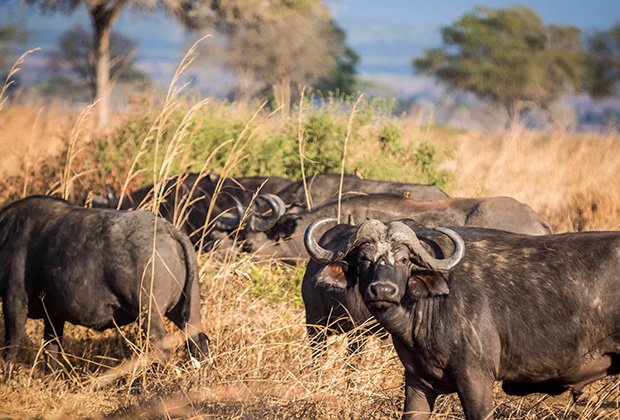
Dec 24, – 3 Day Christmas Serengeti And Ngorongoro Group Safari
Dec 24, 2026 – 3 Day Christmas Serengeti and Ngorongoro Group Safari.
View package details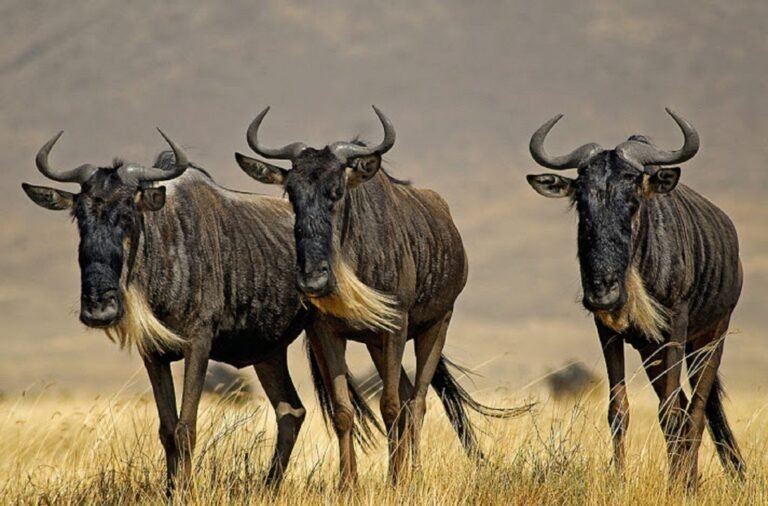
Nov 23, – 3 Day Serengeti And Ngorongoro Safari From Zanzibar
Nov 23, 2026 – 3 Day Serengeti and Ngorongoro Safari from Zanzibar.
View package details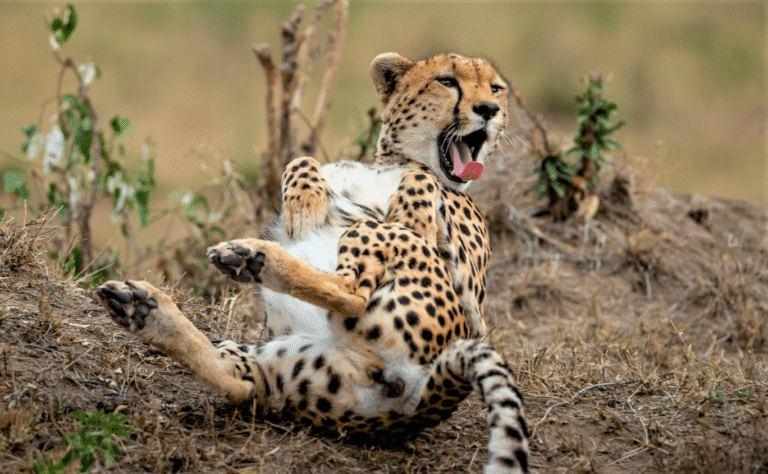
Dec 29, – 6 Day Ndutu, Serengeti And Ngorongoro Group Safari 2026
A detailed guide to our 6-day group safari departure on December 29, 2026, focusing on the Ndutu plains, the Serengeti, and the Ngorongoro Crater.
View package details8 Day Serengeti And Ngorongoro Group Safari – December 16, 2026
Planning your December 2026 Tanzanian adventure? Our 8-day group safari offers a deep, unhurried exploration of the Serengeti and Ngorongoro Crater.
View package details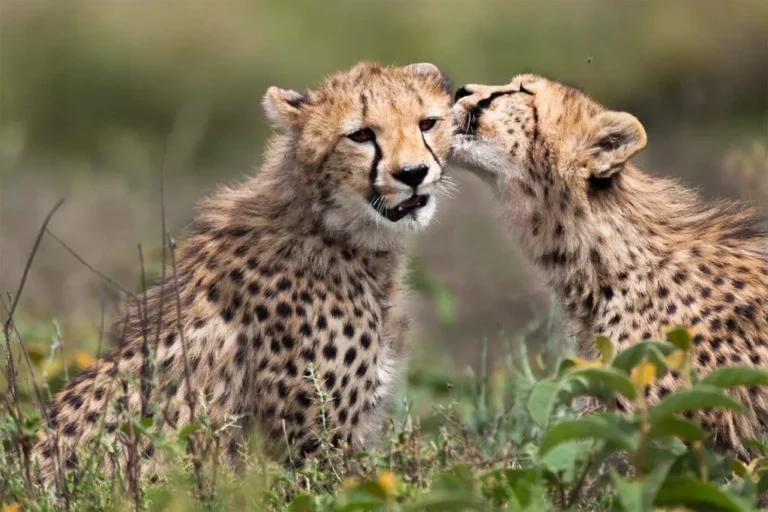
Dec 12, – 6 Day Serengeti, Ngorongoro, Tarangire And Manyara Group Safari 2026
Dec 12, 2026 – 6 Day Serengeti, Ngorongoro, Tarangire and Manyara Group Safari.
View package detailsDec 8, – 4 Day Tarangire, Serengeti And Ngorongoro Group Safari 2026
A detailed guide to our December 8, 2026 group joining safari, covering the itinerary, logistics, and what to expect during this 4-day wildlife adventure in Tanzania.
View package details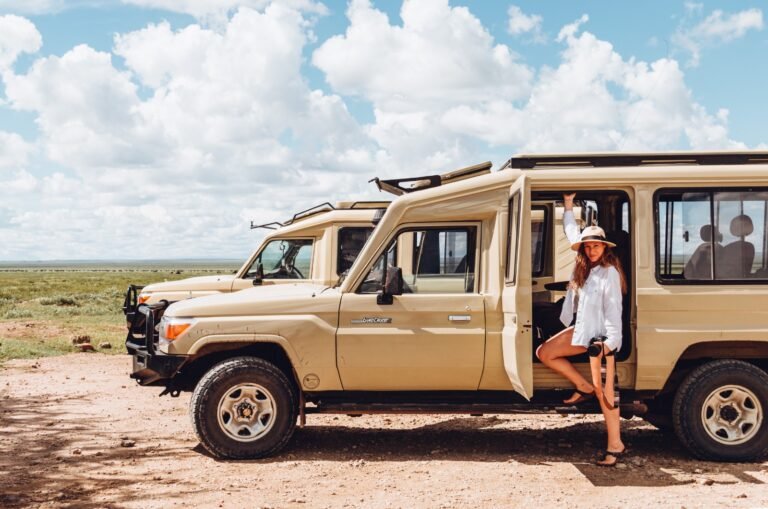
Nov 6, – 3 Day Serengeti And Ngorongoro Budget Group Safari 2026
A detailed look at our November 6, 2026 group departure for a 3-day Serengeti and Ngorongoro safari, including planning tips and route logistics.
View package detailsOct 27, – 3 Day Serengeti And Ngorongoro Group Safari 2026
Planning for a short, high-impact wildlife adventure? Our October 27, 2026, group safari offers a direct route through the Serengeti and Ngorongoro Crater, perfect for travelers with...
View package detailsNov 18, – 7 Day Serengeti And Ngorongoro Group Joining Safari 2026
A detailed guide to the 7-day group joining safari departing November 18, 2026, covering Serengeti, Ngorongoro, and the logistical advantages of shared travel.
View package detailsNov 10, – 4 Day Serengeti, Ngorongoro And Tarangire Group Safari 2026
Join our group safari on November 10, 2026, for an intensive 4-day tour of Tanzania's Northern Circuit. Perfect for those with limited time who want to experience the best of the Serengeti...
View package detailsOct 31, – 6 Day Serengeti, Ngorongoro, Tarangire And Manyara Group Safari 2026
A detailed look at the 6-day Northern Circuit group safari departing October 31, 2026, covering Tarangire, Manyara, Serengeti, and Ngorongoro Crater.
View package detailsNo related package matches those filters. Clear one or more filters to see the other topic-matched options.