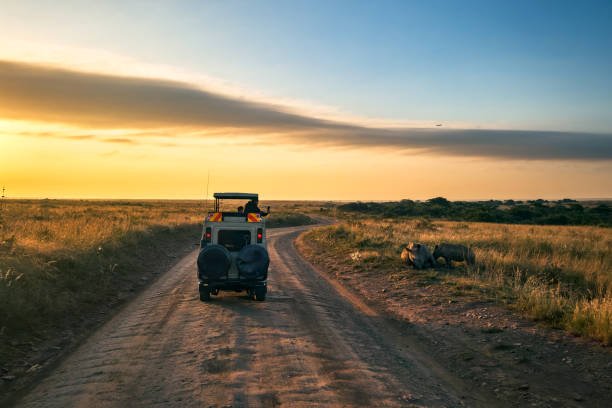
Combining South Luangwa National Park in Zambia with Tanzania’s Serengeti National Park offers a truly exceptional safari experience, blending Zambia’s legendary walking safaris and intimate wildlife encounters with the Serengeti’s vast, dramatic landscapes and iconic Great Migration. A typical South Luangwa and Serengeti combined safari itinerary spans 10-14 days, often starting in South Luangwa for 3-4 nights, followed by travel to the Serengeti for 4-6 nights, with the remaining days dedicated to transit and perhaps a brief stopover. This combination is best suited for travelers seeking diverse wildlife viewing, from leopard sightings in South Luangwa to the sheer scale of predators and herbivores in the Serengeti, and who are comfortable with internal flights to connect these two world-class destinations. Planning for 2026-2027 should focus on booking well in advance, especially for peak migration seasons.

Why Combine South Luangwa and Serengeti?
South Luangwa and Serengeti represent two distinct, yet complementary, facets of the African safari experience. South Luangwa, often hailed as the birthplace of the walking safari, offers an unparalleled intimacy with the wilderness. Here, expert guides lead you on foot, allowing for a profound connection with the environment, tracking animals by their spoor, understanding their behaviour, and appreciating the smaller details often missed from a vehicle. The park is renowned for its exceptional leopard sightings, abundant general game, and a sense of untouched wilderness that is increasingly rare. It’s a place where silence speaks volumes and every rustle in the bush tells a story.
In contrast, the Serengeti is synonymous with vast, sweeping plains, dramatic predator-prey interactions, and the unparalleled spectacle of the Great Migration. Its sheer scale is awe-inspiring, offering endless horizons dotted with acacia trees and teeming with wildlife. The Serengeti is a landscape of superlatives: immense herds, prolific big cats, and a constant sense of the wild unfolding on a grand scale. Combining these two parks means you experience both the micro-level detail and the macro-level drama of African wildlife, offering a safari that is both deeply personal and breathtakingly epic.
For travelers planning a significant African adventure in 2026 or 2027, this dual-destination itinerary provides an incredible diversity of landscapes, wildlife, and safari activities. It caters to those who want more than just a checklist of animals; it’s for those who seek to understand the ecosystem, appreciate different guiding styles, and witness the planet’s greatest wildlife events. The logistical challenge of combining Zambia and Tanzania is well worth the reward, offering a safari experience that is truly comprehensive and unforgettable.
Crafting Your South Luangwa and Serengeti Safari Itinerary
Designing a South Luangwa and Serengeti combined safari itinerary requires balancing time in each park with the necessary travel days. The duration is crucial; a minimum of 10 days is recommended to avoid feeling rushed, while 12-14 days allows for a more relaxed pace and deeper exploration. The choice of lodges and specific areas within each park will also influence the itinerary. Here are a few sample structures, adaptable to your interests and the time of year you plan to travel in 2026-2027.
The Classic Explorer: 12-Day Itinerary
This itinerary offers a balanced introduction to both parks, providing ample time for key activities and wildlife viewing without feeling overly packed. It’s a popular choice for first-time visitors to either park or for those wanting a well-rounded experience.
Day 1-4: South Luangwa National Park, Zambia
Arrival: Fly into Mfuwe Airport (MFU), Zambia. Transfer to your chosen lodge. Often, lodges will arrange this from the airport. It’s advisable to confirm this inclusion when booking your South Luangwa and Serengeti combined safari itinerary.
Activities:
- Game Drives: Morning and afternoon/evening drives focusing on leopard, lion, elephant, buffalo, and general plains game. South Luangwa is famous for its high density of leopards.
- Walking Safaris: At least one full day or two half-days dedicated to walking with an armed scout and guide. This is South Luangwa’s signature experience, offering a unique perspective on the bush.
- Night Drives: Essential for spotting nocturnal species like genets, civets, servals, bush babies, and often, leopards.
Accommodation: Typically 3 nights in a lodge or camp, chosen based on your preferred style and budget (e.g., Chichele Presidential Lodge for luxury, Lion Camp for a more intimate, wild feel, or Flatdogs Camp for excellent value and proximity to the park entrance).
Day 5: Travel Day – South Luangwa to Serengeti
Morning: Final morning activity in South Luangwa, followed by breakfast.
Transfer: Transfer back to Mfuwe Airport (MFU) for your flight connection. This typically involves flying from Mfuwe to Lusaka (LUN), Zambia, and then connecting to a flight towards Tanzania. Options often route through Nairobi (NBO), Kenya, or directly to Kilimanjaro International Airport (JRO) or Arusha (ARK) in Tanzania, depending on airline schedules. This transit day is a significant part of any South Luangwa and Serengeti combined safari itinerary and requires careful planning.
Day 6-9: Serengeti National Park, Tanzania
Arrival: Arrive at Kilimanjaro International Airport (JRO) or Arusha Airport (ARK). You will then take a domestic flight to a Serengeti airstrip (e.g., Seronera, Kogatende, Ndutu, depending on the season and your chosen area). Your Serengeti lodge will arrange transfers from the airstrip.
Activities:
- Game Drives: Full-day or half-day game drives exploring different regions of the Serengeti. The central Seronera area is excellent year-round for big cats. If timed with the migration (late 2026 or mid-2027, for example), the northern or southern plains offer unparalleled spectacles.
- Optional Hot Air Balloon Safari: A quintessential Serengeti experience, offering a bird’s-eye view of the plains at sunrise.
- Cultural Visit: Depending on the lodge location, a visit to a Maasai village can be arranged.
Accommodation: Typically 4 nights in a lodge or tented camp within the Serengeti. Options range from permanent lodges like Four Seasons Safari Lodge to mobile tented camps that follow the migration (e.g., Nomad Tanzania camps, Asilia Africa camps).
Day 10: Departure from Serengeti / Arusha
Morning: Final game drive or breakfast at the lodge.
Transfer: Fly from your Serengeti airstrip back to Arusha Airport (ARK) or Kilimanjaro International Airport (JRO) for your onward international flight or transfer to Zanzibar/other destinations.
Day 11-12: Buffer and Departure
These days are incorporated for potential flight delays, buffer time, or to allow for a relaxed departure, especially if you have connecting international flights booked from JRO. Some itineraries might include an overnight in Arusha.
The Wildlife Enthusiast: 14-Day Deep Dive
This extended itinerary allows for more in-depth exploration of both parks, potentially including different regions within the Serengeti or a more comprehensive walking safari experience in South Luangwa. It’s ideal for dedicated wildlife photographers or those who want to truly experience themselves.
Day 1-5: South Luangwa National Park, Zambia
Focus: 4 nights allows for more extensive walking safaris, exploring different areas of the park (e.g., the Luangwa River frontage and the more remote northern areas), and maximizing chances for diverse sightings. This might include staying at two different camps to experience varied environments.
Day 6: Travel Day – South Luangwa to Serengeti
Similar transit day as described in the 12-day itinerary, involving flights from Mfuwe (MFU) via Lusaka (LUN) to Tanzania (JRO/ARK).
Day 7-12: Serengeti National Park, Tanzania
Focus: 6 nights provides the flexibility to explore multiple regions of the Serengeti. For example:
- Central Serengeti (Seronera): Excellent for big cats year-round.
- Northern Serengeti (Kogatende/Lamai): Ideal for witnessing river crossings of the Great Migration (July-October).
- Southern Serengeti (Ndutu/Kusini): Best for calving season (January-March).
This extended stay allows for dedicated days in each region if timing the migration, or deeper exploration of the central plains. It also provides more opportunities for activities like balloon safaris and cultural visits.
Day 13: Arusha/Kilimanjaro Area
Fly from the Serengeti to Arusha (ARK) or JRO. Overnight in Arusha or a lodge near Kilimanjaro for relaxation before international departure or onward travel.
Day 14: Departure
Transfer to JRO for your international flight.
The Adventurous Combination: 10-Day Focused Trip
This shorter itinerary is for travelers with limited time but who still want to experience the best of both worlds. It’s fast-paced and requires efficient travel planning, focusing on the absolute highlights.
Day 1-3: South Luangwa National Park, Zambia
Focus: 3 nights. This allows for essential activities: one walking safari, one night drive, and one morning game drive. You’ll stay at one lodge close to Mfuwe for efficiency.
Day 4: Travel Day – South Luangwa to Serengeti
This is a critical transit day. Efficient flight connections are paramount for a South Luangwa and Serengeti combined safari itinerary of this length.
Day 5-8: Serengeti National Park, Tanzania
Focus: 4 nights. This allows for exploration of one main region of the Serengeti, most likely the central Seronera area for reliable big cat sightings, or basing yourself to catch a specific part of the migration if timing is perfect. You’ll focus on morning and afternoon game drives.
Day 9: Departure from Serengeti / Arusha
Fly from Serengeti to Arusha (ARK) or JRO. Overnight in Arusha if needed, or connect to an evening international flight.
Day 10: Departure
Depart from JRO.
Navigating the Logistics: Flights, Borders, and Transfers
Combining South Luangwa and the Serengeti involves significant travel, and understanding the logistics is key to a smooth and enjoyable safari. The primary challenge lies in the distance and the need for multiple flights and potentially border crossings.
Getting to South Luangwa
The most common entry point for South Luangwa is Mfuwe Airport (MFU). International travelers typically fly into Kenneth Kaunda International Airport (LUN) in Lusaka, Zambia. From Lusaka, there are scheduled light aircraft flights operated by companies like Proflight Zambia directly to Mfuwe. These flights are usually in the morning and take about 1.5 hours. Some lodges may offer charter flights directly from Lusaka or even other regional airports, which can be more convenient but also more expensive. For a South Luangwa and Serengeti combined safari itinerary, ensuring your arrival in Mfuwe is well-timed for your onward journey to Tanzania is critical.
From Zambia to Tanzania: The Journey
This is the most complex leg of the journey. There are no direct flights between Zambia and Tanzania. The typical route involves:
- Mfuwe (MFU) to Lusaka (LUN): A domestic flight within Zambia.
- Lusaka (LUN) to Nairobi (NBO), Kenya: Several airlines operate this route.
- Nairobi (NBO) to Kilimanjaro International Airport (JRO) or Arusha Airport (ARK): Scheduled flights connect Nairobi to northern Tanzania.
Alternatively, some itineraries might route via Addis Ababa (ADD) or Doha (DOH) for international connections, which can sometimes offer more direct flight options but add significant travel time. The total travel time for this leg can easily consume a full day, sometimes even extending into two depending on flight schedules and layovers. This is why dedicated travel days are essential in any South Luangwa and Serengeti combined safari itinerary planned for 2026 or 2027.
Important Note: Visa requirements for Zambia, Tanzania, and any transit countries (like Kenya) must be researched and arranged in advance. Many nationalities can obtain visas on arrival, but it’s always safer to check current regulations for 2026-2027 travel. For a smooth transition, especially if your itinerary involves transiting through Nairobi, consider if you need a Kenyan visa.
Within the Parks: Transfers and Game Drives
Once you arrive in South Luangwa or the Serengeti, most lodges and camps include transfers from the nearest airstrip. These transfers are typically in 4×4 safari vehicles and often double as your first game drive. Within the parks, game drives are the primary mode of transport for wildlife viewing. In South Luangwa, walking safaris are a significant part of the experience, offering a different perspective. In the Serengeti, game drives are extensive, covering vast distances to find wildlife, especially during the migration.
Key Considerations:
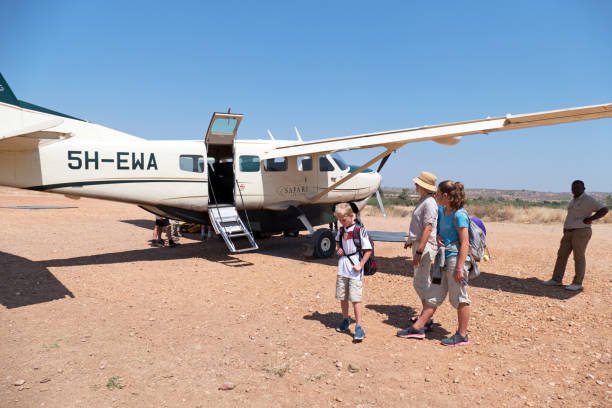
- Flight Schedules: Light aircraft flights within Africa are highly dependent on daylight hours and weather. Be prepared for early morning departures and potential schedule changes.
- Luggage Allowance: Light aircraft flights often have strict luggage weight limits (usually 15-20 kg) in soft-sided bags. This is a crucial detail for packing for your South Luangwa and Serengeti combined safari itinerary.
- Park Fees: Ensure that park entry fees are included in your safari package or understand how they are paid. These can be a significant cost.
What to Expect: Wildlife and Experiences
The allure of a South Luangwa and Serengeti combined safari itinerary lies in the distinct yet equally spectacular wildlife experiences each park offers. Understanding these differences helps in tailoring your expectations and maximizing your enjoyment.
South Luangwa’s Unique Appeal
South Luangwa is a sanctuary for predators, particularly leopards, which are famously elusive. The park’s density of leopards is among the highest in Africa, and the excellent guiding and focus on night drives make sightings very common. Beyond leopards, you’ll find significant populations of lions, wild dogs (especially during certain seasons), cheetahs, and a healthy array of herbivores including Thornicroft’s giraffe (endemic to the Luangwa Valley), Crawshay’s zebra, elephants, hippos, and various antelope species.
Key Experiences in South Luangwa:
- Walking Safaris: This is the defining activity. Guides are highly trained, often with armed scouts, to track animals on foot, identify tracks, and teach you about the flora and fauna. It’s an intimate and educational experience.
- Night Drives: Essential for spotting nocturnal animals and the park’s famous leopards. The experience of searching for wildlife with a spotlight under the African stars is unforgettable.
- Birdwatching: South Luangwa is a paradise for birders, with over 400 species recorded.
Serengeti’s Iconic Sights
The Serengeti is world-renowned for its sheer abundance of wildlife and its vast, open landscapes. It’s a place where you can witness the drama of the African savanna unfold on an immense scale.
Key Wildlife in the Serengeti:
- The Big Cats: Lions, leopards, and cheetahs are present in high numbers. The central plains (Seronera) are particularly famous for lions and leopards.
- The Great Migration: A moving spectacle of over 1.5 million wildebeest, zebras, and gazelles following ancient migratory paths in search of fresh grazing.
- Predator-Prey Dynamics: Witnessing hunts, kills, and the intricate relationships between different species is common, especially during calving seasons or when the migration is present.
- Other Mammals: Large herds of elephants, buffalo, hippos, crocodiles, giraffes, and a wide variety of antelopes.
The Great Migration: Timing is Everything
For many, the primary draw to the Serengeti is the Great Migration. The timing of your South Luangwa and Serengeti combined safari itinerary in 2026-2027 can dramatically influence whether you witness this phenomenon. The migration is a year-round cycle:
- January – March: Southern Serengeti (Ndutu/Kusini). Calving season, with thousands of newborn wildebeest and zebras. Excellent for predator sightings as they prey on the young.
- April – May: The “Green Season” or “Long Rains.” The herds begin moving north. This is often considered the low season with fewer tourists, but wildlife is still abundant.
- June – July: Western Corridor and Grumeti River. The migration moves north, often encountering crocodiles in the Grumeti River.
- July – October: Northern Serengeti and Mara River. This is the most dramatic phase, with wildebeest and zebras crossing the Mara River to reach fresh pastures in Kenya’s Masai Mara. River crossings are a highlight for many visitors.
- November – December: Eastern and Southern Serengeti. The herds move south, often triggered by the start of the short rains, returning to the southern plains for the calving season.
When planning for 2026 or 2027, discuss your desired viewing experience with your safari operator to align your itinerary with the migration’s expected path.
Accommodation Styles: From Bush Camps to Luxury Lodges
Both South Luangwa and the Serengeti offer a wide range of accommodation options, catering to different preferences and budgets. The choice of accommodation significantly impacts the safari experience.
In South Luangwa:
- Luxury Camps: Offer exquisite service, fine dining, spacious and beautifully appointed chalets or tents, often with private plunge pools and stunning river views. Examples include Chichele Presidential Lodge, The Sanctuary Retreat, and Lion Camp.
- Mid-Range Lodges: Provide comfortable accommodation, excellent guiding, and a good safari experience without the premium price tag. Examples include Flatdogs Camp, Mfuwe Lodge, and Croc Valley Camp.
- Remote Camps: These are often more rustic and focused on the wilderness experience, typically found deeper within the park or along the Luangwa River, offering a true sense of isolation.
In the Serengeti:
- Permanent Lodges: Offer solid structures, amenities like swimming pools, and a sense of permanence. Examples include Four Seasons Safari Lodge, Serena Mountain Village, and Melia Serengeti Lodge.
- Tented Camps: Range from luxurious canvas suites with en-suite bathrooms and butler service to more traditional, intimate camps. Many high-end camps are mobile, following the Great Migration. Examples include Nomad Tanzania camps (e.g., Lamai Serengeti, Kigelia), Asilia Africa camps (e.g., Dunia Camp, Sayari Camp), and andBeyond properties.
- Budget/Mid-Range Options: Available, particularly in areas outside the main park or as simpler lodges within.
Choosing your accommodation for a South Luangwa and Serengeti combined safari itinerary should consider:
- Location: Proximity to wildlife hotspots, migration routes, or specific areas of interest.
- Style: Whether you prefer classic safari luxury, an intimate bush experience, or a more family-friendly environment.
- Activities Offered: Ensure the lodge supports your desired activities (e.g., walking safaris in South Luangwa, balloon safaris in Serengeti).
- Exclusivity: Some lodges offer private concessions, ensuring a more exclusive wildlife viewing experience.
Best Time to Visit: Aligning with Wildlife and Weather for 2026-2027
The optimal time to start a South Luangwa and Serengeti combined safari itinerary depends heavily on what you wish to see and experience, particularly concerning the Great Migration.
South Luangwa:
- Dry Season (May to October): This is generally considered the best time to visit South Luangwa. The vegetation thins out, making wildlife easier to spot. Water sources become concentrated, drawing animals. The weather is cooler and pleasant. Walking safaris are excellent during this period.
- Green Season (November to April): This is the low season. The landscape is lush and beautiful, and it’s a fantastic time for birdwatching. However, vegetation can be dense, making wildlife spotting harder. Some camps may close during the peak of the rains (January-March). Walking safaris can be more challenging due to heat and vegetation.
Serengeti:
- Dry Season (June to October): Excellent for game viewing, especially for big cats. This is also prime time for witnessing the dramatic river crossings of the Great Migration in the northern Serengeti.
- Calving Season (January to March): Ideal for viewing the migration in the southern Serengeti, with abundant newborns and high predator activity.
- Green Season (November to May): While beautiful, this period can see scattered rains, though they often don’t impede game drives significantly. The migration is on the move, offering opportunities to see them in different areas.
Combining the two for 2026-2027:
- For River Crossings (July-October): Combine South Luangwa in its dry season (May-Oct) with the Northern Serengeti during this period.
- For Calving Season (Jan-Mar): Combine South Luangwa in its early dry season (May-Oct is better) or even during its green season (Nov-Mar) with the Southern Serengeti. Note that South Luangwa is less ideal during heavy rains.
- For General Wildlife & Migration Movement (June or Nov/Dec): These months offer a good balance. South Luangwa is dry and excellent, while the Serengeti will have herds on the move, potentially in the western or southern/eastern corridors.
Recommendation for 2026-2027: For a balance of excellent wildlife viewing in both parks and a good chance of seeing the migration in a dramatic phase, aim for June, July, September, or October. If calving season is your priority, January to March is excellent for the Serengeti, but South Luangwa might be less ideal due to rains.
Planning Your 2026-2027 Trip: Key Considerations
A successful South Luangwa and Serengeti combined safari itinerary requires meticulous planning. Here are essential aspects to consider for your 2026-2027 adventure.
Budget Factors
Combining two countries and two premier parks means this is a premium safari experience. Costs can vary significantly based on:
- Accommodation Level: Luxury lodges and exclusive tented camps are significantly more expensive than mid-range options.
- Duration: Longer stays naturally increase the overall cost.
- Time of Year: Peak seasons (July-October for Serengeti, May-October for South Luangwa) will be more expensive.
- Private vs. Shared: Opting for private game drives or charter flights will increase costs substantially.
- Inclusions: Ensure you understand what is included (park fees, meals, drinks, activities, internal flights).
General Cost Indication (per person, per day, excluding international flights):
- Mid-Range: $500 – $800 USD
- Luxury: $800 – $1500+ USD
Remember that the inter-country flights (Mfuwe-Lusaka-Nairobi-Serengeti) are a substantial additional cost, often ranging from $800 to $1500+ USD per person, depending on the route and booking time. It’s wise to budget for approximately $7,000 – $12,000+ USD per person for a 10-14 day trip, excluding international airfare, for a good quality experience in 2026-2027.
Visa and Health Requirements
Visas:
- Tanzania: Most nationalities can obtain a visa on arrival at JRO or ARK, or apply online in advance. Check the latest requirements for 2026-2027.
- Zambia: Visa requirements vary by nationality. Many can get a visa on arrival, but it’s best to confirm.
- Transit Countries: If your flights transit through countries like Kenya or Ethiopia, check their specific visa or transit requirements.
Health:
- Malaria: Both South Luangwa and the Serengeti are malaria-endemic areas. Consult your doctor about antimalarial medication and take precautions like using insect repellent and mosquito nets.
- Yellow Fever: A Yellow Fever vaccination certificate may be required, especially if you are arriving from or transiting through a country with a risk of Yellow Fever transmission. Check the latest regulations.
- Other Vaccinations: Discuss routine vaccinations and any others recommended for East/Southern Africa with your doctor.
- Travel Insurance: Comprehensive travel insurance covering medical emergencies, evacuation, trip cancellation, and lost luggage is essential.
Packing Essentials
Packing for this combined safari requires versatility:
- Clothing: Neutral-colored, lightweight clothing (khaki, olive green, beige). Long sleeves and trousers for evenings (mosquito protection) and cooler mornings. A warm fleece or jacket for early morning game drives, especially in drier months.
- Footwear: Comfortable walking shoes for any walking safaris, plus sandals or flip-flops for the lodge.
- Sun Protection: High SPF sunscreen, wide-brimmed hat, sunglasses.
- Optics: Binoculars are a must for wildlife viewing. A good camera with a zoom lens is highly recommended.
- Medical Kit: Personal first-aid supplies, insect repellent (DEET-based), hand sanitizer.
- Documents: Passport, visas, flight details, insurance information, vaccination certificates.
- Accessories: Headlamp or flashlight, power bank, adapter for charging electronics.
Remember the luggage restrictions for light aircraft flights: soft-sided bags are mandatory and typically limited to 15-20 kg.
Booking Advice
Given the complexity and popularity of these destinations, booking your South Luangwa and Serengeti combined safari itinerary well in advance is crucial, especially for 2026 and 2027 travel during peak seasons.
- Book Early: Aim to book 9-12 months in advance for popular lodges and peak migration times.
- Work with Experts: A reputable tour operator specializing in East and Southern Africa can navigate the complex logistics, secure the best lodges, and ensure smooth transfers.
- Confirm Inclusions: Double-check what is included in your package (park fees, meals, drinks, activities, internal flights, transfers).
- Payment Schedule: Understand the deposit and final payment terms.
Why Choose Climb 4 Africa for Your Combined Safari?
At Climb 4 Africa, we understand the intricacies of planning multi-destination African adventures like a South Luangwa and Serengeti combined safari itinerary. Our expertise extends beyond Kilimanjaro climbs to crafting comprehensive wildlife safaris across East and Southern Africa. We leverage our local knowledge and strong relationships with lodges and operators in both Zambia and Tanzania to create smooth, unforgettable experiences for 2026-2027.
We pride ourselves on offering personalized service, tailoring itineraries to your specific interests, budget, and pace. Whether you’re dreaming of the thrill of a leopard sighting in South Luangwa or the awe of the Great Migration in the Serengeti, our team is dedicated to making it a reality. We handle the complex logistics, from flight bookings and transfers to securing prime accommodation, allowing you to focus on the magic of the safari.
Ready to plan your ultimate South Luangwa and Serengeti adventure?
To start crafting your bespoke South Luangwa and Serengeti combined safari itinerary for 2026 or 2027, or to discuss your travel aspirations, please reach out to our expert team. We are here to provide practical advice, answer all your questions, and build an itinerary that perfectly matches your desires. Connect with us today:
WhatsApp: +255 747 477 898
Email: climb4africa@gmail.com
Let us help you create a safari that blends the unique charms of South Luangwa with the iconic grandeur of the Serengeti for an expedition you’ll cherish forever.
Check Availability for South Luangwa And Serengeti Combined Safari Itinerary: Your Ultimate Guide
Ready to compare dates, prices, and the best option for your group? Send the package name and travel month so the team can reply with a clear quote, availability, and what is included.
1-Day Serengeti Safari From Zanzibar By Flight: Cost & Itinerary 2026-2027
Is a 1-day Serengeti safari from Zanzibar feasible? Get the expert breakdown on the flight logistics, cost factors, and how to manage your expectations for this intense, one-day wildlife...
View package details
Afcon Private Serengeti Safari With Lodges
AFCON 2027 Private Serengeti Safari with Lodges.
View package detailsAfcon Luxury Serengeti Safari Packages
AFCON 2027 Luxury Serengeti Safari Packages.
View package details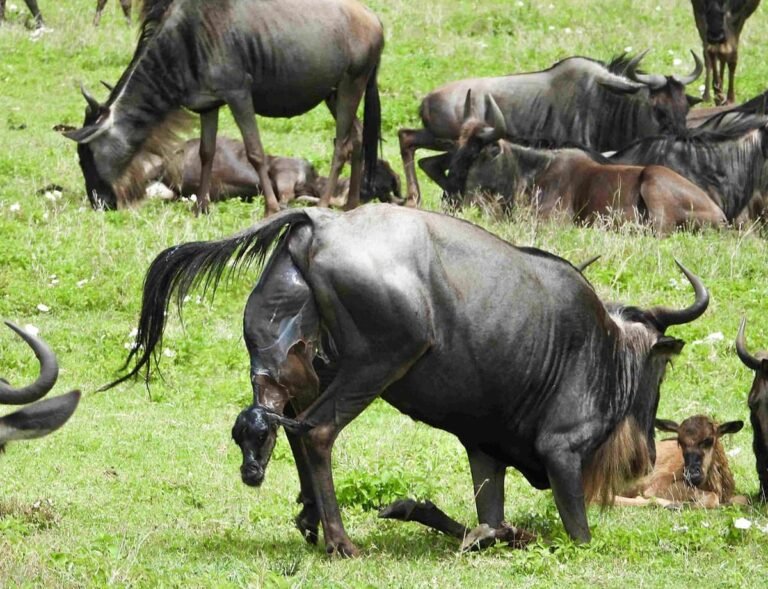
Serengeti Great Migration Safari During AFCON 2027
Mwongozo wa kina kwa safari ya Serengeti Great Migration wakati wa AFCON 2027, ukilenga kuelewa maeneo, kipindi cha mwendo wa mnyama, na mapendekezo ya mipango ya kiutendaji.
View package details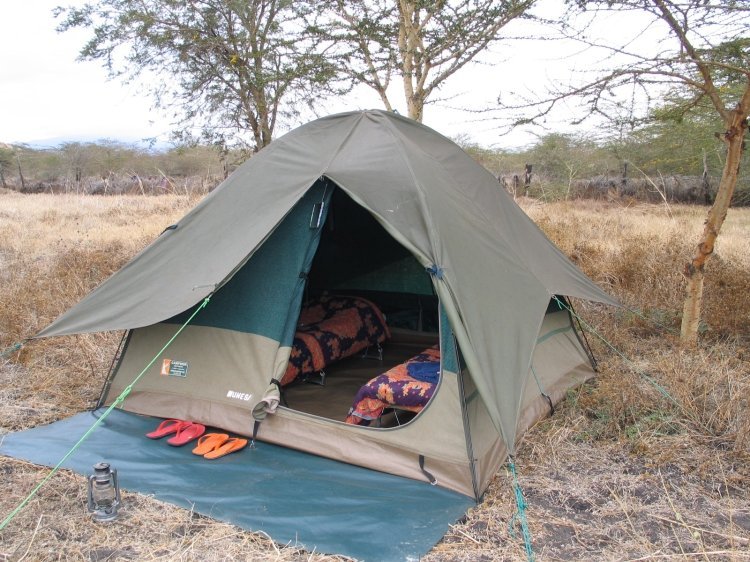
Four Day Serengeti na Ngorongoro Safari During AFCON 2027
Mwongozo wa safari ya siku 4 kwenye Serengeti na Ngorongoro wakati AFCON 2027; jinsi ya kupanga, nini cha kujali, na jinsi ya kuandaa,”
View package detailsThree Day Serengeti Safari During AFCON 2027
Mwongozo wa kiutendaji kwa safari ya siku tatu ya Serengeti wakati AFCON 2027, ukijumuisha mwelekeo wa maeneo, ratiba ya siku, na ushauri wa ubashiri wa kupanga pamoja na jinsi ya...
View package details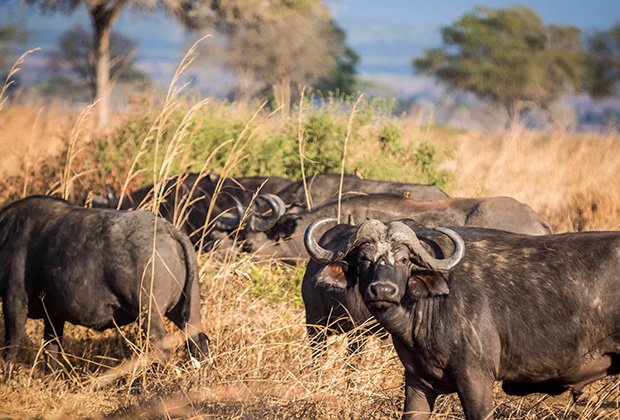
Dec 24, – 3 Day Christmas Serengeti And Ngorongoro Group Safari
Dec 24, 2026 – 3 Day Christmas Serengeti and Ngorongoro Group Safari.
View package details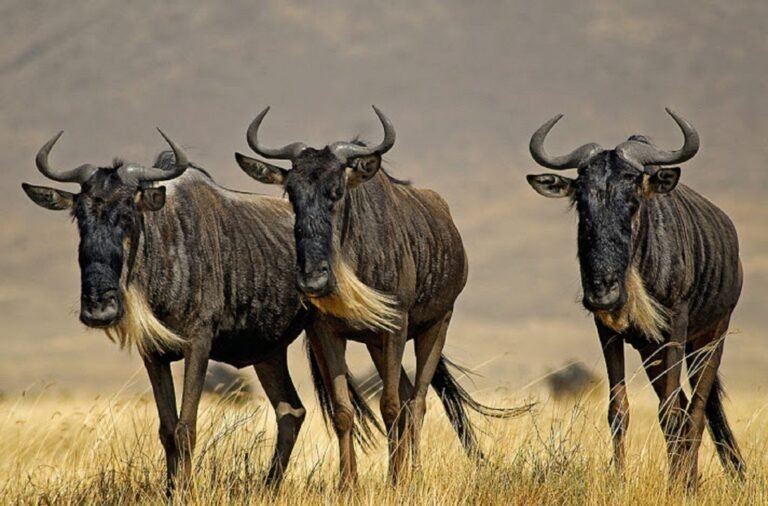
Nov 23, – 3 Day Serengeti And Ngorongoro Safari From Zanzibar
Nov 23, 2026 – 3 Day Serengeti and Ngorongoro Safari from Zanzibar.
View package details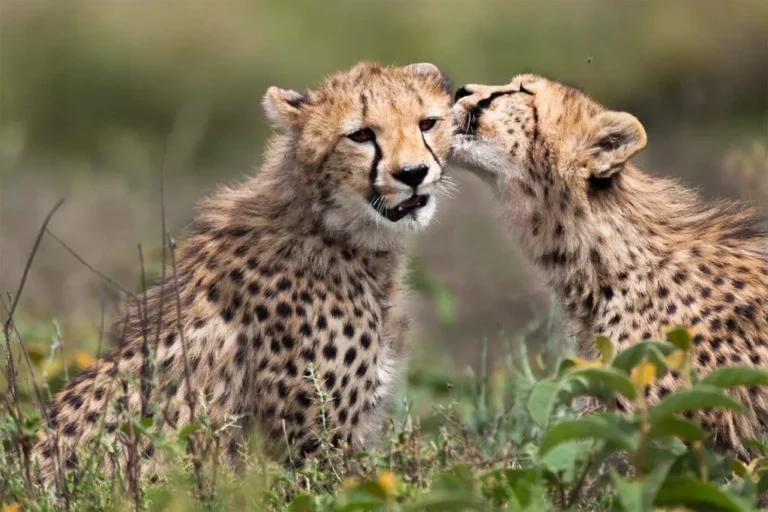
Dec 31, : New Year’s Eve Serengeti Group Safari Planning Guide
This guide provides essential planning details for a group safari trip to the Serengeti for New Year's Eve 2026, covering logistics, seasonal highlights, and what to expect.
View package details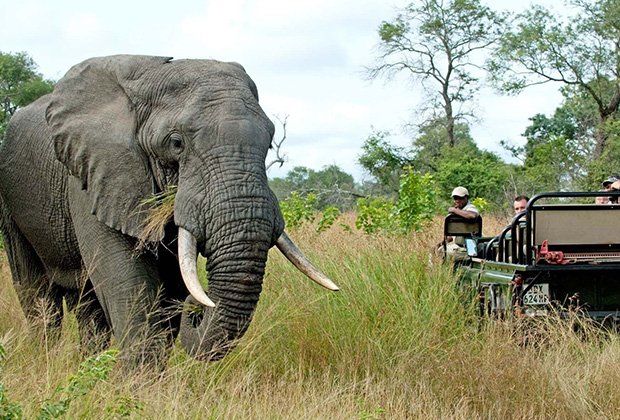
I Am On A Budget—What Is The Cheapest Serengeti Group Safari?
I Am on a Budget—What Is the Cheapest Serengeti Group Safari?
View package details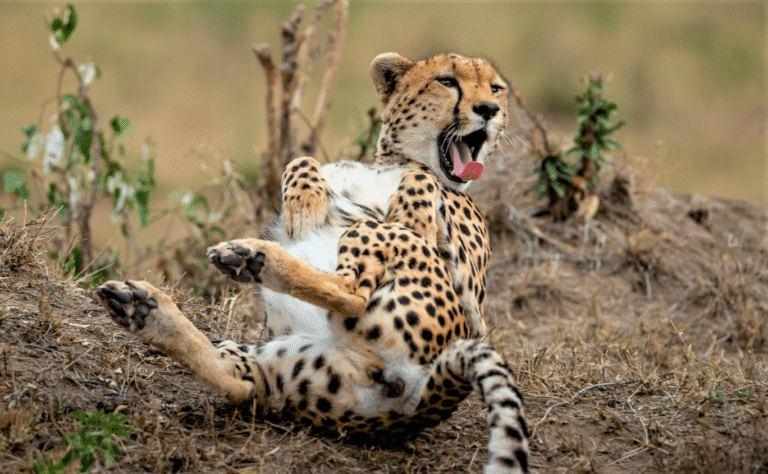
Dec 29, – 6 Day Ndutu, Serengeti And Ngorongoro Group Safari 2026
A detailed guide to our 6-day group safari departure on December 29, 2026, focusing on the Ndutu plains, the Serengeti, and the Ngorongoro Crater.
View package details8 Day Serengeti And Ngorongoro Group Safari – December 16, 2026
Planning your December 2026 Tanzanian adventure? Our 8-day group safari offers a deep, unhurried exploration of the Serengeti and Ngorongoro Crater.
View package detailsNo related package matches those filters. Clear one or more filters to see the other topic-matched options.