
A Cape Town, Kilimanjaro, Serengeti, and Zanzibar holiday is a multi-faceted African journey combining iconic natural wonders, thrilling wildlife encounters, and stunning coastal relaxation, typically spanning 14-21 days for 2026-2027 travel. It involves trekking Mount Kilimanjaro, experiencing a classic Serengeti safari, exploring Cape Town’s culture and scenery, and unwinding on Zanzibar’s beaches, requiring careful planning across distinct destinations and activities.
Understanding Your Cape Town, Kilimanjaro, Serengeti, and Zanzibar Holiday
This specific combination—Cape Town, Kilimanjaro, Serengeti, and Zanzibar—represents a truly epic African adventure. It’s not just one trip; it’s a curated collection of distinct experiences, each offering something unique. Imagine standing on the roof of Africa atop Kilimanjaro, witnessing the Great Migration in the Serengeti, exploring the cosmopolitan charm of Cape Town, and finally, sinking your toes into the powdery white sands of Zanzibar. For travelers planning for 2026 and 2027, this itinerary offers an unparalleled way to experience the diversity and grandeur of East and Southern Africa.
The primary challenge and reward of this trip lie in its breadth. You’re not just ticking boxes; you’re engaging with vastly different environments and cultures. Kilimanjaro demands physical preparation and mental fortitude. The Serengeti offers unparalleled wildlife viewing, a true immersion into the natural world. Cape Town provides a sophisticated urban experience with stunning natural backdrops, rich history, and world-class cuisine. Zanzibar transports you to a tropical paradise, steeped in spice trade history and Swahili culture.
Planning such a comprehensive holiday requires a strategic approach. It’s about balancing demanding activities with relaxation, managing travel logistics between countries and regions, and understanding the best times to visit each location to maximize your experience. This guide aims to provide you with the expert insights needed to craft your perfect Cape Town, Kilimanjaro, Serengeti, and Zanzibar holiday for 2026-2027.
Conquering Kilimanjaro: Routes, Preparation, and Success
Mount Kilimanjaro, Africa’s highest peak, is a bucket-list item for many. For those combining it with a Cape Town, Serengeti, and Zanzibar holiday, it often serves as the adventurous centerpiece. Successfully summiting Kilimanjaro requires more than just booking a tour; it demands careful route selection, thorough physical and mental preparation, and choosing the right operator.
Choosing Your Kilimanjaro Route
There are several established routes up Kilimanjaro, each offering a different experience in terms of scenery, difficulty, acclimatization profile, and cost. For a trip of this magnitude, focusing on routes that offer better acclimatization is paramount for success. The primary goal for any trekker is to reach Uhuru Peak at 5,895 meters (19,341 feet) safely and enjoyably.
- Marangu Route (Coca-Cola Route): This is the oldest and arguably the most popular route. It’s known for its unique hut accommodation rather than camping. However, its ascent profile is steep, and acclimatization is less optimal, leading to lower success rates compared to other routes. It’s generally considered the easiest in terms of physical difficulty but not necessarily the most successful.
- Machame Route (Whiskey Route): Often considered the most scenic route, Machame is a popular choice due to its excellent acclimatization profile, often referred to as “climbing high, sleeping low.” It involves camping throughout. While more physically demanding than Marangu, its success rate is significantly higher, making it a top recommendation for serious trekkers. For a 2026-2027 climb, booking this popular route well in advance is crucial. Check Machame route group departure dates for potential scheduling with other parts of your trip.
- Lemosho Route: This route is known for its stunning scenery and excellent acclimatization, often considered one of the best for summit success. It’s longer (7-8 days) and starts from the west, offering a more remote and wild experience before merging with other routes. It’s a premium option that significantly boosts your chances of reaching the summit.
- Shira Route: Similar to Lemosho, Shira offers great acclimatization and scenic beauty, starting at a higher altitude. It’s often combined with Lemosho for added acclimatization.
- Rongai Route: This is the only route that approaches Kilimanjaro from the north. It’s a good option during the rainy season as it’s drier. It’s generally less crowded and offers a different perspective.
- Northern Circuit/Umbwe Route: These are the longer, more challenging, and often most scenic routes, offering the highest success rates due to extended acclimatization periods (9-10 days). The Northern Circuit is the longest but provides the best acclimatization.
For a Cape Town, Kilimanjaro, Serengeti, and Zanzibar holiday in 2026-2027, the Machame or Lemosho routes (7-8 days) are highly recommended. They balance scenic beauty, excellent acclimatization, and reasonable duration, maximizing your chances of summit success while fitting into a comprehensive itinerary. Shorter routes (5-6 days) often compromise acclimatization and increase the risk of altitude sickness, which would be a significant setback for the rest of your ambitious trip.
Physical and Mental Preparation
Climbing Kilimanjaro is a serious undertaking. It’s not a technical climb, but the altitude and duration are challenging. Preparation should begin months in advance.
- Cardiovascular Fitness: Engage in regular aerobic activities like hiking, running, cycling, or swimming. Focus on endurance.
- Strength Training: Strengthen your legs (squats, lunges) and core. You’ll be carrying a daypack for hours each day.
- Hiking Practice: The most crucial preparation is hiking. Practice with a weighted backpack on varied terrain, including ascents and descents, simulating trek conditions. Aim for day-long hikes to build stamina.
- Mental Preparedness: Understand that there will be challenging moments, especially on summit night. Focus on one step at a time, stay positive, and trust your guide.
- Acclimatization: This is key. The longer routes (7-8 days) are designed for better acclimatization. Avoid rushing the ascent.
What to Pack for Kilimanjaro
Proper gear is essential for comfort and safety. Layers are critical due to the extreme temperature variations from the tropics at the base to arctic conditions at the summit.
- Base Layers: Moisture-wicking thermal underwear (merino wool or synthetic).
- Mid Layers: Fleece jackets or down vests for insulation.
- Outer Layer: Waterproof and windproof jacket and trousers (Gore-Tex or similar).
- Insulation Layer: A heavy down jacket for summit night and cold evenings.
- Footwear: Broken-in, waterproof hiking boots. Gaiters are also recommended.
- Headwear: Warm hat, sun hat, balaclava or neck warmer.
- Handwear: Warm, waterproof gloves and liner gloves.
- Sleeping Bag: A 4-season sleeping bag rated to at least -20°C (-4°F).
- Trekking Poles: Essential for reducing strain on knees and improving balance.
- Headlamp: With extra batteries for summit night.
- Sun Protection: High SPF sunscreen, sunglasses, lip balm.
- Hydration: Water bottles or hydration reservoir (insulated to prevent freezing).
- First-Aid Kit: Personal medications, blister treatment, pain relievers. Diamox (acetazolamide) can help with altitude sickness; consult your doctor.
Choosing a reputable operator like Climb 4 Africa is vital. They provide experienced guides, porters, and cooks, ensure proper equipment, and prioritize your safety and acclimatization. For your 2026-2027 Kilimanjaro adventure, confirm what is included: meals, park fees, rescue fees, accommodation before and after the climb, and airport transfers.
Serengeti Safari: Wildlife Spectacles and Planning Your Game Drives
The Serengeti National Park is synonymous with African wildlife. Its vast plains are home to an astonishing array of animals, and it’s the stage for the Great Migration, one of nature’s most awe-inspiring events. A safari here is a cornerstone of any comprehensive East African trip.
The Great Migration
The Serengeti ecosystem is dynamic, with millions of wildebeest, zebras, and gazelles constantly moving in search of fresh grazing land. The timing of your visit significantly impacts your chances of witnessing specific aspects of the migration.
- January-March: The calving season in the southern Serengeti. Witness newborn wildebeest and the predators that follow them.
- April-May: The ‘long rains’ season. The herds begin moving northwards. This is a quieter period, offering a more exclusive experience with lower prices, but game viewing can be hampered by rain.
- June-August: The herds reach the Grumeti River in the western corridor and then head north towards the Mara River. This is prime time for witnessing dramatic river crossings, a highlight for many photographers. Expect higher visitor numbers and prices for 2026-2027 safaris during these months.
- September-October: Herds are often in the northern Serengeti, with continued opportunities for river crossings.
- November-December: The herds move southwards again, following the rains.
For a Cape Town, Kilimanjaro, Serengeti, and Zanzibar holiday, consider how the migration timing fits. If witnessing river crossings is a priority, aim for June to October. If you prefer fewer crowds and lower costs, the shoulder seasons (March, May, November) can still offer incredible wildlife sightings, though river crossings are less likely.
Choosing Your Safari Style
The Serengeti offers various safari experiences, from budget camping to luxury lodges.
- Camping Safaris: These offer a more rustic and adventurous experience. Public campsites are basic but allow you to be close to nature. Private campsites offer more comfort. This is often the most budget-friendly option.
- Tented Camps: These range from comfortable canvas tents with en-suite bathrooms to luxurious permanent structures that feel like lodges. They offer a good balance of comfort and immersion.
- Lodges: Permanent structures offering the highest level of comfort and amenities, often with swimming pools, fine dining, and exceptional service.
For a comprehensive trip, a mid-range tented camp experience often strikes a good balance, providing comfort without the extreme cost of luxury lodges. This allows more budget for other components like Kilimanjaro or your Zanzibar stay. Many operators, including Climb 4 Africa, offer tailor-made safaris that can be adapted to your preferences and budget for your 2026-2027 travel dates.
Game Drive Essentials
Game drives are the heart of the safari experience. Early morning and late afternoon drives typically offer the best wildlife viewing as animals are most active during the cooler parts of the day.
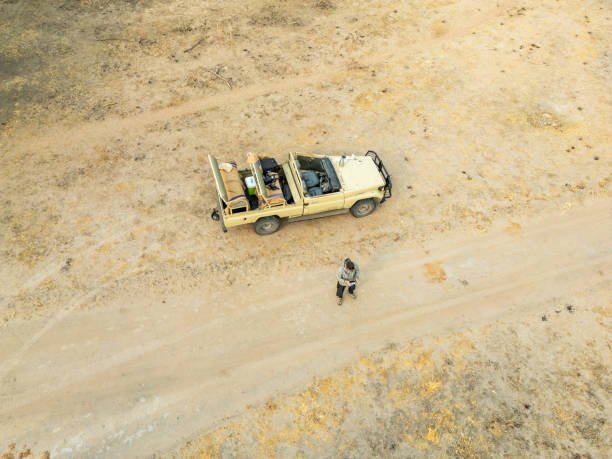
- Vehicle Choice: Opt for a 4×4 safari vehicle with pop-up roofs for optimal viewing and photography. Ensure your vehicle has a charging port for your camera and phone.
- Experienced Guides: A knowledgeable guide is invaluable. They can track animals, explain their behavior, and find the best viewing spots.
- Binoculars: Essential for spotting distant wildlife.
- Camera: With a good zoom lens for wildlife photography.
- Comfort: Wear neutral-colored clothing, a hat, sunscreen, and bring insect repellent. Carry water and snacks.
Consider combining the Serengeti with nearby parks like the Ngorongoro Conservation Area (home to the Ngorongoro Crater, a UNESCO World Heritage Site with incredible animal density) and Tarangire National Park (known for its large elephant herds and baobab trees) for a richer Tanzanian safari experience. These can often be incorporated into a single safari package.
Zanzibar Bliss: Beaches, Culture, and Spice Tours
After the exertion of Kilimanjaro and the excitement of the Serengeti, Zanzibar offers a perfect tropical escape. This island archipelago off the coast of Tanzania is renowned for its stunning beaches, rich history, and aromatic spice plantations.
Island Hopping and Beach Destinations
Zanzibar is comprised of several islands, with Unguja (commonly referred to as Zanzibar) being the largest and most visited. Pemba Island offers a more secluded and authentic experience.
- Nungwi and Kendwa: Located on the northern tip of Unguja, these beaches are famous for their powdery white sand, turquoise waters, and spectacular sunsets. They are popular for swimming, snorkeling, and diving.
- Paje and Jambiani: On the southeast coast, these villages are known for their kite-surfing scenes and traditional dhows sailing past. The tidal nature of the beaches here means swimming is best at high tide.
- Matemwe: A quieter option on the northeast coast, known for its beautiful beaches and proximity to the Mnemba Atoll, a premier diving and snorkeling spot.
- Pongwe: A crescent-shaped bay on the east coast, offering calm waters and a more relaxed atmosphere.
For a relaxing end to your Kilimanjaro, Serengeti, and Cape Town adventure, choose a beach location that suits your vibe. If you seek vibrant nightlife and water sports, Nungwi or Kendwa are ideal. For tranquility and authentic village life, consider Matemwe or Jambiani. Booking accommodation in advance is recommended, especially for popular spots in 2026-2027.
Stone Town Exploration
Stone Town, a UNESCO World Heritage site, is the historic heart of Zanzibar City. Its narrow, winding streets, bustling bazaars, and intricately carved wooden doors tell tales of sultans, traders, and explorers.
- Historical Sites: Visit the House of Wonders, the Old Fort, the Palace Museum, and the former slave market.
- Spice Tours: Zanzibar is historically known as the “Spice Island.” A guided tour will take you through plantations where you can see, smell, and taste exotic spices like cloves, cinnamon, vanilla, nutmeg, and cardamom. It’s an educational and sensory experience.
- Cultural Immersion: Wander through the labyrinthine alleys, discover hidden courtyards, and experience the vibrant local life. Enjoy fresh seafood at Forodhani Gardens night market.
A visit to Stone Town provides essential cultural context to your beach relaxation. It’s advisable to spend at least one full day exploring its unique charm before heading to the beaches.
Water Activities and Relaxation
Zanzibar’s warm, clear waters are perfect for a range of activities:
- Snorkeling and Diving: The Mnemba Atoll is a marine conservation area offering some of the best underwater experiences in East Africa.
- Dhow Cruises: Enjoy a traditional sunset dhow cruise for a magical experience along the coast.
- Water Sports: Kite-surfing, windsurfing, kayaking, and paddleboarding are popular in certain areas.
- Relaxation: Simply unwind on the beach, enjoy fresh tropical fruits, and soak in the island atmosphere.
When planning your Zanzibar portion of the Cape Town, Kilimanjaro, Serengeti, and Zanzibar holiday for 2026-2027, consider booking direct transfers between the airport, Stone Town, and your chosen beach resort to ensure smooth transitions.
Cape Town Explorer: City, Culture, and Natural Wonders
Cape Town, at the southern tip of Africa, offers a sophisticated urban experience set against a backdrop of dramatic natural beauty. It’s a city rich in history, culture, and culinary delights, providing a perfect cultural counterpoint to the wild landscapes of Tanzania.
Iconic Landmarks and Activities
Cape Town boasts a wealth of attractions, catering to diverse interests.
- Table Mountain: Ascend via cable car or hike for panoramic views of the city, ocean, and surrounding landscape. Booking tickets in advance is highly recommended, especially for 2026-2027 travel, to avoid queues.
- Robben Island: A poignant historical site, this is where Nelson Mandela and many other anti-apartheid activists were imprisoned. The ferry trip and guided tour are a powerful experience.
- V&A Waterfront: A bustling harbor with shops, restaurants, museums, and entertainment. It’s a great place to soak up the city’s atmosphere.
- Kirstenbosch National Botanical Garden: A magnificent garden showcasing the unique flora of South Africa.
- Bo-Kaap: Famous for its brightly colored houses and Cape Malay culture.
Day Trips from Cape Town
The region surrounding Cape Town is equally spectacular:
- Cape Peninsula Tour: Drive along the scenic coastal roads to Cape Point and the Cape of Good Hope. Visit the penguin colony at Boulders Beach.
- Stellenbosch and Franschhoek: Explore the heart of South Africa’s wine country, with world-class vineyards offering wine tastings and gourmet dining.
- Hermanus: If visiting between June and November, this is one of the best land-based whale-watching destinations in the world.
Culinary Scene and Culture
Cape Town is a food lover’s paradise, offering everything from fine dining restaurants to vibrant street food markets. The city’s multicultural heritage is reflected in its diverse cuisine, influenced by Dutch, French, Malay, and Indian traditions.
For those planning a Cape Town, Kilimanjaro, Serengeti, and Zanzibar holiday, allocate at least 3-4 full days to properly explore Cape Town and its surroundings. This allows time for major sights, a day trip, and experiencing the city’s atmosphere.
smooth Travel: Itinerary Flow, Visas, and Health for 2026-2027
Coordinating a multi-destination trip like this requires meticulous planning, especially when international travel is involved. Understanding the flow, visa requirements, and health considerations is crucial for a smooth experience in 2026-2027.
Optimal Itinerary Flow
The sequence of destinations can significantly impact travel time, cost, and your overall experience. A common and logical flow is:
- Start in Cape Town: Arrive in Cape Town, explore the city and its surroundings for 3-4 days.
- Fly to Tanzania (Kilimanjaro/Arusha): Take a flight from Cape Town to Kilimanjaro International Airport (JRO). This might involve a layover, typically in Nairobi or Addis Ababa.
- Kilimanjaro Climb: Spend 6-8 days climbing Kilimanjaro, followed by a day or two of rest and recovery in Arusha or Moshi.
- Serengeti Safari: Begin your safari from Arusha, typically lasting 3-5 days, often including the Ngorongoro Crater and possibly Tarangire.
- Fly to Zanzibar: From Arusha or Kilimanjaro, take a short flight to Zanzibar (ZNZ).
- Zanzibar Relaxation: Spend 3-5 days enjoying Zanzibar’s beaches and culture.
- Departure: Fly out from Zanzibar, or fly back to mainland Tanzania (e.g., Dar es Salaam) for international departure, depending on flight availability and cost.
This sequence allows you to acclimatize gradually from the city to the mountain, then experience wildlife, and finally relax on the beach. Reversing the order (e.g., starting with Kilimanjaro) is also possible but may require more complex flight arrangements.
Visa Requirements
- South Africa (Cape Town): Depending on your nationality, you may need a visa for South Africa. Many nationalities receive visa-free entry for short tourist stays. Check the latest requirements for your passport well in advance of your 2026-2027 trip.
- Tanzania (Kilimanjaro, Serengeti, Zanzibar): Most nationalities can obtain a visa on arrival at JRO airport or at border crossings. However, it is increasingly recommended and sometimes mandatory to apply for an e-visa online before your travel. This can save time and potential hassle. Confirm the current e-visa process for Tanzania.
Always check the official government immigration websites for the most up-to-date visa information for your specific nationality, as regulations can change.
Health and Vaccinations
Consult your doctor or a travel clinic at least 6-8 weeks before your trip.
- Yellow Fever: A yellow fever vaccination certificate is often required for entry into Tanzania, especially if arriving from a country with a risk of yellow fever transmission or transiting through an airport in a yellow fever zone for more than 12 hours. Check current entry requirements.
- Malaria: Malaria is present in Tanzania (Kilimanjaro foothills, Serengeti, Zanzibar). Antimalarial medication is highly recommended. Take precautions against mosquito bites (repellent, long sleeves/trousers at dawn and dusk).
- Other Vaccinations: Routine vaccinations should be up to date. Consider Hepatitis A, Typhoid, and Tetanus.
- Travel Insurance: Comprehensive travel insurance is essential. Ensure it covers high-altitude trekking (up to 6,000m for Kilimanjaro), medical evacuation, trip cancellation, and lost baggage. This is non-negotiable for a trip of this nature.
Travel Between Destinations
Flights: International flights will likely be to Cape Town (CPT) and from Zanzibar (ZNZ) or Dar es Salaam (DAR). Internal flights within Tanzania (e.g., Arusha to Zanzibar) are common and efficient. Booking these flights in advance is advised, especially for peak seasons in 2026-2027.
Ground Transfers: Reputable tour operators will arrange airport transfers and transport between different locations within each country. For example, in Tanzania, a safari vehicle will typically pick you up from your hotel in Arusha and transport you to Kilimanjaro’s base, then to the Serengeti, and finally to the airstrip for your flight to Zanzibar.
Booking Your Dream Trip: Expert Tips for 2026-2027
Planning a multi-destination African adventure like a Cape Town, Kilimanjaro, Serengeti, and Zanzibar holiday requires careful consideration of operators, timing, and inclusions. Making informed booking decisions can mean the difference between a good trip and an exceptional one.
Choosing Your Tour Operator
For a trip involving Kilimanjaro climbs, safaris, and island stays, selecting a specialized and experienced operator is paramount. Look for companies that:
- Have local expertise: Operators based in Tanzania or with strong local partnerships understand the logistics, culture, and operational nuances better. Climb 4 Africa is a Tanzanian-based company with deep roots and practical local support.
- Specialize in Kilimanjaro: Kilimanjaro climbing requires specific expertise regarding safety, acclimatization, and guide training. Climb 4 Africa are known Kilimanjaro experts.
- Offer customizable itineraries: You need an operator who can tailor the trip to your specific interests, pace, and budget.
- Provide clear inclusions and exclusions: Understand exactly what your package covers (park fees, meals, accommodation, guides, porters, rescue fees, internal flights, etc.) and what you need to budget for separately (international flights, visas, tips, personal expenses, some meals).
- Prioritize safety: This includes having well-trained guides, emergency oxygen systems on Kilimanjaro, and robust communication protocols.
Timing Your 2026-2027 Travel
While this trip can be done year-round, certain periods offer advantages:
- Dry Seasons: Generally offer the best weather for Kilimanjaro trekking and Serengeti safaris. For Kilimanjaro, June to October and December to February are considered the best months. For Serengeti, the dry season from June to October is ideal, especially for witnessing the Great Migration river crossings.
- Shoulder Seasons: March-May (long rains) and November-December (short rains) can offer fewer crowds and potentially lower prices, but with a higher chance of rain affecting visibility and trekking conditions.
- Cape Town: Best visited during its summer (November to March) for warm, sunny weather.
- Zanzibar: Pleasant year-round, but the driest months are June to October and December to February.
Balancing these preferences is key. For instance, aiming for June-October in 2026 or 2027 could align good trekking weather with peak migration season and dry conditions in Zanzibar, but it’s also the busiest and most expensive period.
Budget Considerations for 2026-2027
This is a premium multi-destination trip, and costs can vary significantly based on the duration, accommodation choices, and specific activities. Expect costs to be in the mid to high range for a comprehensive 14-21 day trip.
- Kilimanjaro: A 7-8 day climb can range from $2,000 to $4,000+ per person, depending on the route, operator, and inclusions.
- Serengeti Safari: A 3-5 day private safari can range from $1,500 to $4,000+ per person, depending on accommodation level. Group or lodge-based safaris might be more economical.
- Zanzibar: Beach accommodation can range from $100 per night for a mid-range bungalow to $500+ per night for luxury resorts.
- Cape Town: Accommodation and activities can vary greatly, but budget $150-$400+ per day for comfortable travel.
- Flights: Internal flights (e.g., Cape Town to Kilimanjaro, Arusha to Zanzibar) can add $500-$1,000+ per person.
Key inclusions to confirm: Kilimanjaro park fees, crew wages, rescue fees, Serengeti park fees, Ngorongoro Crater fees, internal flights, all meals on Kilimanjaro and safari, and specific activities (like spice tours or Robben Island ferry).
Making Your Booking
When you are ready to plan your unforgettable Cape Town, Kilimanjaro, Serengeti, and Zanzibar holiday for 2026-2027, contacting an expert operator is the best next step. Provide details such as your preferred travel dates, the number of travelers, your budget range, and any specific interests or priorities (e.g., focusing more on wildlife, a specific Kilimanjaro route, or luxury beach stays).
Climb 4 Africa can help you craft a smooth itinerary, manage all the complex logistics, and ensure you have experienced guides and reliable support throughout your journey. Reach out to them to discuss your dream trip:
- WhatsApp: +255 747 477 898
- Email: climb4africa@gmail.com
By working with a dedicated team, you can ensure that every aspect of your adventure, from the challenge of Kilimanjaro to the relaxation on Zanzibar’s beaches, is meticulously planned and executed for an experience of a lifetime in 2026-2027.
Check Availability for Cape Town Kilimanjaro Serengeti And Zanzibar Holiday: The Ultimate African
Ready to compare dates, prices, and the best option for your group? Send the package name and travel month so the team can reply with a clear quote, availability, and what is included.
Wildlife And Nature Titles: Your Ultimate Guide To Tanzanias Best Experiences
This comprehensive guide explores the most sought-after wildlife and nature titles in Tanzania, from iconic safari destinations and Kilimanjaro treks to the tropical allure of Zanzibar...
View package details
Serengeti Safari And Zanzibar Beach Holiday: The Ultimate Tanzania
Combine the thrill of a Serengeti safari with the relaxation of a Zanzibar beach holiday. This guide covers everything you need to know for an unforgettable Tanzania adventure in 2026-2027...
View package details
Zanzibar To Serengeti Safari Packages 2026-2027
Zanzibar to Serengeti Safari Packages is explained with current 2026-2027 planning, price, itinerary and booking information.
View package detailsHow To Create The Perfect Travel Itinerary For Tanzania Adventures 2026-2027
Crafting the perfect travel itinerary for Tanzania involves understanding your priorities, choosing the right activities, and planning logistics effectively. This guide walks you through...
View package detailsCheap Hotels Near Me Tonight: Finding Affordable Stays In Tanzania 2026-2027
Discover how to find cheap hotels near you tonight in Tanzania, focusing on budget-friendly options for travelers planning safaris, Kilimanjaro treks, or Zanzibar holidays in 2026-2027...
View package detailsPlaces Where Your Money Goes Further: Smart Tanzania Travel For 2026-2027
Planning a trip to Tanzania in 2026 or 2027 and want to maximize your budget? This guide reveals how to make your money go further on Kilimanjaro climbs, wildlife safaris, and Zanzibar...
View package detailsDestinations Worth Visiting At Least Once Guide
Discover a curated selection of destinations that offer unparalleled experiences, from the majestic peaks of Kilimanjaro to the spice-scented shores of Zanzibar. This guide helps you...
View package details
2-Day Safari From Zanzibar: Your Quick Wildlife Escape In 2026-2027
Looking for a short, impactful wildlife adventure without a long trip? A 2-day safari from Zanzibar is your perfect solution. This guide covers the best options, what to expect, and how to...
View package details
10-Day Tanzania Safari And Zanzibar Beach Holiday: Your Ultimate Itinerary
Combine the thrill of a Tanzania safari with the relaxation of Zanzibar for an unforgettable 10-day adventure. This itinerary balances iconic wildlife viewing with stunning tropical...
View package details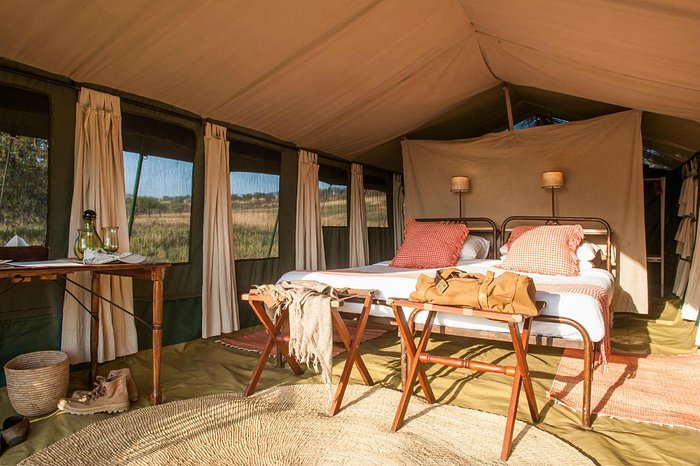
Safari From Zanzibar: Best Packages, Prices & Parks For 2026-2027
Combining a Zanzibar beach holiday with a Tanzania safari is a dream for many travelers. This guide details the best safari packages from Zanzibar, covering essential planning, park...
View package details
Tanzania Safari And Zanzibar All-Inclusive Packages Guide
Combine the thrill of a Tanzanian wildlife safari with the serene beauty of Zanzibar on an all-inclusive package. This comprehensive guide covers everything you need to know for planning...
View package details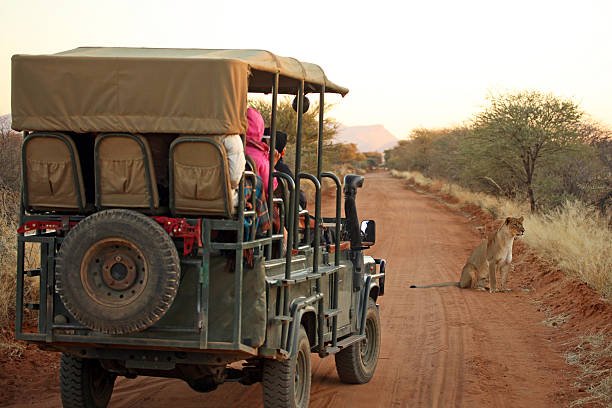
Zanzibar To Mikumi Safari: Flights, Prices And Itinerary Guide
Transition from the spice-scented beaches of Zanzibar to the wildlife-rich plains of Mikumi National Park. This guide details flight logistics, cost considerations, and sample itineraries...
View package detailsNo related package matches those filters. Clear one or more filters to see the other topic-matched options.



