Combining Kruger National Park in South Africa with Tanzania’s Serengeti National Park offers one of the most comprehensive and rewarding African wildlife safari experiences available. This combination allows travelers to witness the Big Five in diverse ecosystems, from the dense bushveld of Kruger to the vast plains of the Serengeti, often including the Great Migration. Planning for such a trip requires careful consideration of logistics, timing for optimal wildlife viewing (especially the Great Migration), and accommodation styles, with typical durations ranging from 10 to 20 days. Booking in advance, particularly for 2026 and 2027, is highly recommended to secure preferred lodges and flights between these iconic destinations.

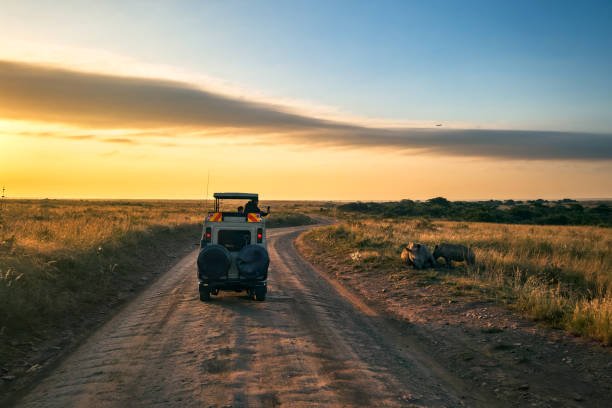
Your Ultimate Guide to a Kruger National Park and Serengeti Combined Safari
The dream of an African safari often conjures images of vast savannas teeming with wildlife. For many, this means experiencing both the renowned Big Five encounters in South Africa’s Kruger National Park and the sheer spectacle of the Great Migration in Tanzania’s Serengeti. Combining these two legendary parks is not just possible; it’s an exceptional way to maximize your wildlife viewing and cultural immersion on a single African adventure. This guide is designed to help you understand the intricacies, possibilities, and practicalities of planning a Kruger National Park and Serengeti combined safari for your 2026 or 2027 travel plans.
As specialists in African travel, we understand the unique appeal of each park and the logistical dance required to link them. This isn’t a simple add-on; it’s a carefully curated journey that leverages the strengths of each location. Whether you’re envisioning luxurious tented camps or more rustic, budget-friendly lodges, the possibilities are vast. We’ll break down what makes each park a must-visit, how to connect them efficiently, the best times to go for specific wildlife events, and how to tailor the experience to your interests and budget.
Why Combine Kruger National Park and Serengeti?
The allure of a Kruger National Park and Serengeti combined safari lies in its ability to offer two distinct yet equally magnificent African wilderness experiences. These parks, while both iconic, present different landscapes, wildlife viewing opportunities, and safari styles. Combining them means you’re not just seeing more animals; you’re gaining a deeper appreciation for the continent’s incredible biodiversity and the complex ecosystems that support it.
Complementary Ecosystems: Kruger National Park is known for its dense bushveld, diverse habitats (including woodlands, savanna, and riverine forests), and incredibly high concentration of wildlife, especially predators and the Big Five. It offers excellent year-round viewing. The Serengeti, on the other hand, is famed for its vast, open grasslands, dramatic acacia-dotted plains, and, most famously, the Great Migration – a colossal movement of over 1.5 million wildebeest and zebras. Experiencing both provides a holistic view of African wildlife dynamics.
Diverse Wildlife Viewing: While both parks boast incredible wildlife, the *way* you see it differs. In Kruger, you might track lions and leopards through thickets or find elephants congregating at waterholes. In the Serengeti, you’ll witness the raw drama of predator-prey interactions on the open plains or the impressive spectacle of thousands of wildebeest crossing rivers.
Iconic African Landscapes: The visual contrast between Kruger’s varied terrain and the Serengeti’s sweeping vistas is striking. Kruger offers a more intimate, bush-like feel, while the Serengeti provides that classic, expansive African panorama that many dream of.
Maximizing Your African Adventure: For travelers with a bit more time and a keen interest in wildlife, combining these two parks ensures you experience two of Africa’s premier safari destinations. It’s a way to tick off major wildlife bucket list items and create a truly comprehensive African safari narrative.
Enhanced Chances of Specific Sightings: By visiting both, you increase your chances of seeing specific species or events. For example, while Kruger is excellent for leopards, the Serengeti offers unparalleled opportunities to witness the sheer scale of the wildebeest migration, a phenomenon unique to East Africa.
Understanding Each Park: Kruger vs. Serengeti
To truly appreciate the value of a combined safari, it’s essential to understand what makes Kruger National Park and Serengeti National Park unique. They are often compared, but their strengths lie in different areas, making their combination so potent.
Kruger National Park, South Africa
Kruger is one of Africa’s largest and oldest national parks, spanning over 2 million hectares. It’s a well-established destination with excellent infrastructure, making it highly accessible and popular.
- Accessibility: Easily reachable via flights into Johannesburg (JNB) and then a short domestic flight to Kruger Mpumalanga International Airport (MQP) or directly to various private reserves bordering Kruger.
- Wildlife Density: Known for its exceptionally high density of wildlife, including all of the Big Five (lion, leopard, elephant, rhino, buffalo). Rhino sightings, particularly white rhinos, are very reliable.
- Predator Viewing: Excellent chances of seeing lions, leopards, cheetahs, and wild dogs, especially in the central and northern regions.
- Habitat Diversity: Features a variety of landscapes, from the southern Mopane woodlands to the more open savanna and riverine forests in the north. This diversity supports a wide array of species.
- Self-Drive Options: Offers extensive public roads suitable for self-drive safaris, though guided drives in open vehicles provide a superior wildlife viewing experience.
- Accommodation: A wide range of options, from public rest camps managed by SANParks to exclusive private lodges in adjacent concessions, offering varied price points and luxury levels.
- Infrastructure: Well-maintained roads, numerous rest camps with amenities, and good signage.
Serengeti National Park, Tanzania
The Serengeti is perhaps the most famous wildlife sanctuary in the world, synonymous with the Great Migration and its vast, iconic landscapes.
- The Great Migration: The park’s undisputed star is the annual migration of over 1.5 million wildebeest, zebras, and gazelles. The location and nature of the migration change throughout the year, making timing crucial.
- Vast Open Plains: Known for its endless savannas dotted with acacia trees, offering impressive vistas and excellent visibility for spotting wildlife from a distance.
- Predator-Prey Dynamics: The Serengeti is a prime location for observing predator-prey interactions, with large prides of lions, elusive leopards, cheetahs, and hyenas thriving on the abundant prey.
- Birdlife: An ornithologist’s paradise with hundreds of bird species.
- Accessibility: Typically accessed via flights into Kilimanjaro International Airport (JRO) or Arusha Airport (ARK), followed by a small bush plane flight directly into one of the Serengeti’s airstrips.
- Accommodation: Primarily comprises luxury tented camps and lodges, often in prime locations to follow the migration or in areas with resident wildlife. Mobile camps are also used to follow the migration.
- Safari Style: Almost exclusively experienced via guided game drives in 4×4 vehicles, often with a focus on tracking specific animal movements. Hot air balloon safaris are a popular, albeit expensive, addition.
Key Differences Summarized:
Kruger offers: High wildlife density, reliable Big Five sightings, diverse habitats, good infrastructure, and accessibility. It’s excellent for general wildlife viewing year-round.
Serengeti offers: The Great Migration spectacle, vast open landscapes, dramatic predator-prey action, and a more remote, wilderness feel. It’s unparalleled for experiencing the migration’s drama.
Planning Your Combined Safari: Key Considerations
A Kruger National Park and Serengeti combined safari is a significant undertaking, and meticulous planning is key to a smooth and unforgettable experience. Several factors will shape your itinerary, budget, and overall enjoyment.
How Long Should Your Safari Be?
To truly appreciate both parks without feeling rushed, a minimum of 10-14 days is recommended. This allows for travel time between parks and sufficient exploration within each.
- 10-12 Days: A good introduction. Typically 3-4 days in Kruger (or a private reserve), 1 day travel, and 4-5 days in the Serengeti. This might involve focusing on one or two key areas within each park.
- 14-18 Days: Ideal for a more in-depth experience. This allows for 4-5 days in Kruger (perhaps exploring different regions or a private reserve), 1-2 days travel, and 6-7 days in the Serengeti (allowing you to follow the migration or explore different sectors like the Western Corridor or Northern Serengeti).
- 18+ Days: For the ultimate safari enthusiast, offering ample time to explore diverse areas within both parks, perhaps adding a cultural element like a Maasai village visit, or even combining with other destinations like Victoria Falls or Zanzibar.
Budget Considerations
Combining two major safari destinations significantly impacts the budget. The primary cost drivers are flights (international and internal), accommodation, park fees, and guiding services.
- Flights: International flights to Southern Africa (e.g., Johannesburg) and East Africa (e.g., Kilimanjaro) are a major component. Internal flights between South Africa and Tanzania, and then within Tanzania (e.g., to the Serengeti), add considerably.
- Accommodation: Luxury lodges and tented camps in prime locations (especially within the Serengeti) are expensive. Mid-range options exist but are fewer, particularly in the Serengeti. Kruger offers a wider spectrum, from public rest camps to high-end private lodges.
- Park Fees: Daily park entrance fees are substantial, especially in Tanzania. These are typically included in tour packages.
- Safari Style: Private safaris with a dedicated vehicle and guide are more expensive than group tours.
- Time of Year: Peak seasons (dry season, migration crossings) command higher prices.
A Kruger National Park and Serengeti combined safari for 10-14 days can range from approximately $5,000 to $15,000+ per person, depending heavily on accommodation choice, private vs. shared tours, and the specific reserves chosen in Kruger (e.g., Sabi Sands is pricier than the public Kruger). For 2026 and 2027 bookings, early planning can sometimes secure better rates, though demand for peak times remains high.
Choosing Your Travel Style
Your preferred travel style will heavily influence your choices:
- Luxury: High-end lodges, private concessions, fine dining, exclusive game drives, and personalized service. Expect premium pricing.
- Mid-Range: Comfortable lodges and camps, good guiding services, and excellent wildlife viewing. A balance of comfort and value.
- Budget: While true budget travel is challenging for a combined Kruger/Serengeti trip due to flight and park fees, opting for public rest camps in Kruger and carefully selected, more basic camps in Tanzania (if available) can reduce costs. Shared group tours are also a more economical option.
Tailoring to Your Interests
Are you primarily focused on predator sightings? The Great Migration spectacle? Birdwatching? Photography? Knowing your priorities helps tailor the itinerary.
- Predator Enthusiasts: Focus on Kruger’s Sabi Sands Game Reserve or northern Kruger, and the Serengeti’s central Seronera region.
- Migration Chasers: Plan your Serengeti visit around the known movements of the herds (see “When to Go” section).
- Photographers: Consider lodges that offer photographic vehicles and guides, and ensure you have sufficient time in diverse locations.
- Families: Kruger offers more family-friendly infrastructure. For the Serengeti, some camps are more accommodating to children, but it’s generally better suited for older children due to the remoteness and intensity of the experience.
Logistics and Travel: Connecting Kruger and Serengeti
The biggest logistical challenge in a Kruger National Park and Serengeti combined safari is the travel between South Africa and Tanzania. This typically involves flights and transfers, and it’s crucial to factor in travel time.
International Flights
Most travelers will fly into Johannesburg (JNB), South Africa, for Kruger and then fly to Kilimanjaro International Airport (JRO) or Arusha Airport (ARK), Tanzania, for the Serengeti.
- Sequence: It’s generally more efficient to visit Kruger first, then fly to Tanzania, or vice versa. The order depends on flight availability and cost.
- Booking: Book international flights well in advance, especially for 2026 and 2027, to get the best fares.
Inter-Park Flights
Direct flights between Kruger and the Serengeti are not common. The most practical route involves:
- Kruger to Johannesburg: A short domestic flight (approx. 1 hour) from a Kruger-area airport (like MQP) to JNB.
- Johannesburg to Kilimanjaro (JRO): This is a longer international flight (approx. 3-4 hours).
- Kilimanjaro to Serengeti: From JRO or Arusha (ARK), you’ll take a small bush plane (propeller aircraft) to a designated airstrip within the Serengeti National Park. These flights are essential for reaching remote areas of the Serengeti efficiently and offer stunning aerial views.
Alternatively, some operators might arrange flights from Kruger-direct to Zanzibar, then to the Serengeti, or from Kilimanjaro to Kruger. The exact routing will depend on your tour operator and the most efficient path available.
Internal Tanzania Flights
Within Tanzania, travel to the Serengeti is almost exclusively by air. Small aircraft connect Arusha/JRO to various airstrips within the Serengeti (e.g., Seronera, Kogatende, Grumeti, Ndutu). The airstrip chosen will depend on your lodge location and the time of year (especially if tracking the migration).
Visa Requirements
Ensure you check the latest visa requirements for both South Africa and Tanzania for your nationality. South Africa often offers visas on arrival for many nationalities, while Tanzania typically requires an advance application or e-visa.
Health and Vaccinations
Consult your doctor or a travel clinic about recommended vaccinations and malaria prophylaxis. Both Kruger and the Serengeti are malaria-endemic areas, though the risk varies by season and location. Yellow fever vaccination may be required if transiting through certain countries.
Travel Insurance
Comprehensive travel insurance is non-negotiable. It should cover medical emergencies, evacuation (crucial in remote safari areas), trip cancellation, and lost luggage.
Packing Essentials
Pack light, neutral-colored clothing. Key items include:
- Lightweight long-sleeved shirts and trousers (for sun and insect protection)
- T-shirts and shorts
- Fleece or warm jacket (evenings can be cool, especially in higher altitudes or during winter months)
- Comfortable walking shoes
- Hat and sunglasses
- Binoculars (essential for wildlife viewing)
- Camera with extra batteries and memory cards
- Sunscreen and insect repellent
- Personal toiletries and any necessary medications
When to Go: Timing for Wildlife and the Great Migration
The ‘best’ time for a Kruger National Park and Serengeti combined safari depends heavily on what you want to see, particularly regarding the Great Migration in the Serengeti.
Best Times for Kruger National Park
- Dry Season (May to October): This is generally considered the peak season. Water sources become scarce, concentrating wildlife around rivers and waterholes, making sightings more predictable. Vegetation thins out, improving visibility. It’s cooler and less humid.
- Wet Season (November to April): This is the ‘green season’. Landscapes are lush, and birdlife is abundant (migratory birds are present). This is also calving season for many antelope species, leading to increased predator activity. However, rain can make roads impassable, and some animals disperse, making sightings potentially harder. It’s also hotter and more humid.
Best Times for Serengeti National Park (Great Migration Focus)
The Great Migration is a continuous cycle, and its location varies monthly. Here’s a general guide for 2026-2027 planning:
- December to March: Southern Serengeti & Ndutu Area: This is the calving season. Millions of wildebeest and zebras are concentrated on the short-grass plains, offering spectacular predator-prey action as newborns are vulnerable. Ideal for witnessing large herds and newborn animals.
- April to May: Western Corridor: The herds begin their northward movement. The landscape is green and beautiful, but it’s the ‘long rains’ season, meaning potential for heavy downpours and fewer tourists.
- June to July: Western Corridor & Grumeti River: Wildebeest and zebras gather before attempting to cross the Grumeti River, known for its large crocodiles. This can be a dramatic river crossing event.
- August to October: Northern Serengeti & Mara River: This is prime time for witnessing the iconic Mara River crossings. Large numbers of wildebeest and zebras brave the treacherous river, facing crocodiles and predators on the banks. This is often considered the most dramatic phase of the migration.
- November: Central/Eastern Serengeti: The herds move south-eastwards, often following the rains. Plains are generally dry, and herds can be found grazing and moving.
Combining the Timing for Your Safari
To maximize your chances of seeing both excellent general wildlife (Kruger) and the migration (Serengeti), consider these combinations:
- June-July: Good for Kruger’s dry season viewing and potentially seeing the migration moving into the Western Corridor or preparing for river crossings.
- August-September: Excellent for Kruger’s dry season and the dramatic Mara River crossings in the Northern Serengeti. This is a popular and often more expensive period.
- December-January: Offers the green season and calving in the Southern Serengeti/Ndutu, alongside good wildlife viewing in Kruger (though it’s the wet season there, wildlife is still abundant).
Important Note for 2026-2027: Migration patterns can vary slightly year to year based on rainfall. It’s crucial to work with experienced guides who can track the herds in real-time.
Sample Itineraries: Crafting Your Perfect Trip
These are illustrative itineraries. Your actual trip will be customized based on your duration, budget, and interests. All assume internal flights are utilized for efficiency.
14-Day Balanced Safari: Kruger & Serengeti Highlights
Day 1-4: Kruger National Park / Sabi Sands Game Reserve
- Arrive at Kruger Mpumalanga International Airport (MQP) or Hoedspruit Eastgate Airport (HDS).
- Transfer to your lodge in Kruger or the adjacent Sabi Sands.
- Focus: Big Five sightings, leopard tracking (especially in Sabi Sands), diverse flora and fauna.
- Activities: Morning and afternoon/evening game drives in open vehicles.
Day 5: Travel Day
- Morning game drive.
- Transfer back to MQP/HDS for a flight to Johannesburg (JNB).
- Connect to your international flight from JNB to Kilimanjaro International Airport (JRO), Tanzania.
- Overnight near Arusha or at JRO.
Day 6-10: Serengeti National Park
- Morning flight from Arusha/JRO to a Serengeti airstrip (e.g., Seronera for central, Kogatende for north).
- Transfer to your lodge/camp.
- Focus: Depending on the season, this could be central Serengeti for resident wildlife and predators, or northern Serengeti to witness Mara River crossings.
- Activities: Daily game drives, potential for hot air balloon safari.
Day 11-13: Serengeti National Park (Continued or different region)
- Continue exploring the Serengeti, perhaps moving to a different region to track the migration or maximize diverse sightings.
- Experience the vastness and unique wildlife of the Serengeti.
Day 14: Departure
- Final morning game drive.
- Transfer to the airstrip for your flight back to Arusha/JRO.
- Connect to your international departure flight from JRO.
18-Day In-Depth Safari: Extended Exploration
Day 1-5: Kruger National Park (Public and Private)
- Arrive MQP/HDS.
- Spend 2 days in the public Kruger National Park (e.g., southern or central areas) exploring diverse habitats and excellent Big Five viewing.
- Transfer to a private reserve (e.g., Sabi Sands, Timbavati) for 3 days of exclusive guiding and leopard tracking.
Day 6: Travel Day
- Morning game drive.
- Transfer to MQP/HDS, fly to JNB.
- International flight JNB to JRO.
- Overnight near Arusha.
Day 7-12: Serengeti National Park (Multiple Regions)
- Fly from Arusha/JRO to Seronera (Central Serengeti). 3 days exploring predator action and resident wildlife.
- Fly from Seronera to Kogatende/Lamai (Northern Serengeti). 3 days focusing on Mara River crossings (seasonal) or following the herds.
- Activities: Daily game drives, optional balloon safari.
Day 13-16: Serengeti National Park (Southern/Ndutu or Western Corridor)
- Fly to Ndutu or a Western Corridor airstrip depending on the season.
- Experience the calving season (Dec-Mar) in Ndutu or the Grumeti River crossings (Jun-Jul) in the West.
- This allows for deeper immersion in a specific migration phase.
Day 17: Departure Prep
- Final morning activity in the Serengeti.
- Fly to Arusha/JRO.
- Overnight in Arusha for relaxation and souvenir shopping.
Day 18: Departure
- Transfer to JRO for your international flight home.
Accommodation Styles: From Luxury to Comfort
The choice of accommodation significantly impacts the feel and cost of your Kruger National Park and Serengeti combined safari. Both parks offer a range of options, but the Serengeti leans heavily towards exclusive camps and lodges.
Kruger National Park Accommodation
- Public Rest Camps (SANParks): Basic but functional accommodation (bungalows, chalets, campsites) within the national park. Offers self-catering facilities, restaurants, and shops. More affordable and accessible.
- Private Lodges (Inside Kruger): Some private concessions exist within Kruger itself, offering a more exclusive experience than public camps but still within the park boundaries.
- Private Reserves (Adjacent to Kruger): Areas like Sabi Sands, T Shabula, Timbavati, and Klaserie are unfenced from Kruger, allowing wildlife to move freely. These reserves are home to luxury lodges offering guided game drives (including off-road and night drives), excellent service, and high chances of Big Five sightings, especially leopards in Sabi Sands. These are typically the most expensive options in the Kruger region.
Serengeti National Park Accommodation
- Luxury Tented Camps: The quintessential Serengeti experience. These camps offer spacious canvas tents with en-suite bathrooms, comfortable beds, and often gourmet dining. They are strategically located to follow the migration or offer prime wildlife viewing.
- Permanent Lodges: Solid structures offering similar amenities to tented camps, often with more robust facilities.
- Mobile Tented Camps: These camps are moved seasonally to be in the best locations for the Great Migration. They offer an authentic safari feel and are excellent for experiencing the migration up close.
- Mid-Range Lodges/Camps: While the Serengeti is dominated by luxury, some more moderately priced lodges and camps exist, often located slightly further from prime wildlife areas or offering simpler amenities.
When planning for 2026-2027, booking accommodation in the Serengeti, especially for popular migration viewing areas like the Northern Serengeti during the river crossing season, needs to be done 12-18 months in advance due to limited capacity.
Wildlife Focus: What to Expect in Each Park
While both parks are renowned for their wildlife, the emphasis and specific experiences differ.
Kruger National Park Wildlife Highlights
- The Big Five: Kruger is one of the best places in Africa to see all five. Lions are abundant, leopards are famously elusive but very present (especially in Sabi Sands), elephants are widespread, buffalo are common, and rhinos (both white and black) are reliably sighted.
- Predators: Excellent chances for cheetahs, wild dogs (African painted wolves), hyenas, and various smaller predators like civets and genets.
- Other Mammals: Giraffes, zebras, hippos, crocodiles, wildebeest, impalas, and a huge variety of antelope species.
- Birdlife: Over 500 bird species, making it a haven for birdwatchers.
Serengeti National Park Wildlife Highlights
- The Great Migration: The star attraction. Witnessing millions of wildebeest and zebras on the move, crossing rivers, and facing predators is an unparalleled spectacle.
- Predators: Exceptionally high concentrations of predators, particularly lions (large prides), cheetahs (on the open plains), and leopards. Hyenas are also very common.
- Big Five: All Big Five are present, though leopards can be harder to spot here than in Sabi Sands due to the open terrain.
- Other Mammals: Vast herds of gazelles, buffalo, elephants (more common in certain regions), hippos, crocodiles, and many other plains game.
- Birdlife: Hundreds of species, with many resident birds and some migratory species present.
A Kruger National Park and Serengeti combined safari ensures you get the best of both worlds: the reliable, diverse viewing of Kruger and the epic, grand-scale drama of the Serengeti.
Booking Your Kruger National Park and Serengeti Combined Safari
Booking a complex multi-country safari requires expertise. Working with a reputable tour operator is highly recommended. At Climb 4 Africa, we specialize in crafting smooth African adventures.
Why Book Your Combined Safari with Climb 4 Africa?
We understand the nuances of combining destinations like Kruger and Serengeti. Our local expertise means we can:
- Optimize Itineraries: Create efficient routes that maximize wildlife viewing and minimize travel time and costs.
- Secure Best Accommodation: Leverage our relationships to book sought-after lodges and camps, especially for peak seasons and popular migration viewing areas in 2026 and 2027.
- Manage Logistics: Handle all flight bookings, transfers, park fees, and guiding arrangements.
- Provide Local Support: Offer on-the-ground assistance and expert advice throughout your journey.
- Tailor to Your Needs: Customize every aspect of your safari, from accommodation style and budget to specific wildlife interests and pace.
Next Steps for Booking Your 2026-2027 Safari
To start planning your dream Kruger National Park and Serengeti combined safari:
- Contact Us: Reach out via WhatsApp at +255 747 477 898 or email us at climb4africa@gmail.com.
- Share Your Vision: Tell us your preferred travel dates (e.g., for 2026 or 2027), duration, number of travelers, budget range, and any specific interests (e.g., Great Migration, Big Five, photography).
- Receive a Custom Quote: We will design a personalized itinerary and provide a detailed quote.
- Refine and Book: Discuss any adjustments needed, confirm inclusions/exclusions, and proceed with booking.
Don’t miss the opportunity to experience two of Africa’s most extraordinary wildlife destinations. A Kruger National Park and Serengeti combined safari promises an adventure of a lifetime, and we are here to make it a smooth reality for your 2026 or 2027 travels.
Check Availability for Kruger National Park And Serengeti Combined Safari: Ultimate African…
Ready to compare dates, prices, and the best option for your group? Send the package name and travel month so the team can reply with a clear quote, availability, and what is included.
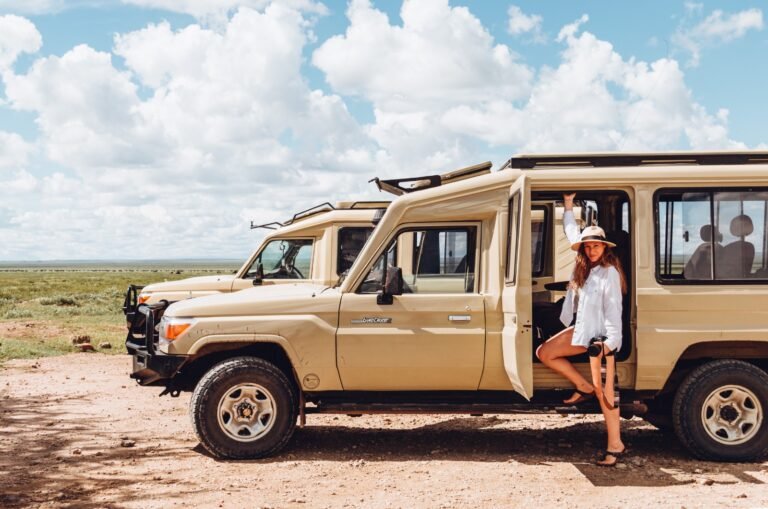
Afcon Private Serengeti Safari With Lodges
AFCON 2027 Private Serengeti Safari with Lodges.
View package detailsAfcon Luxury Serengeti Safari Packages
AFCON 2027 Luxury Serengeti Safari Packages.
View package details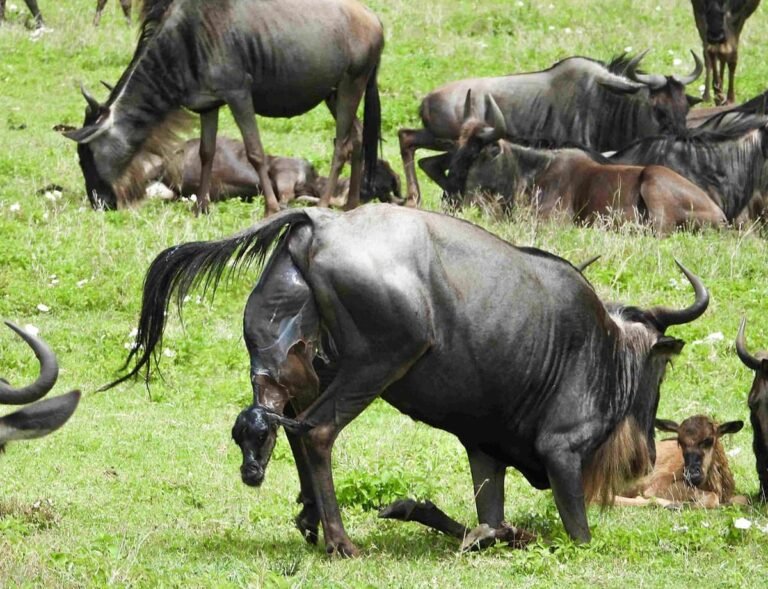
Serengeti Great Migration Safari During AFCON 2027
Mwongozo wa kina kwa safari ya Serengeti Great Migration wakati wa AFCON 2027, ukilenga kuelewa maeneo, kipindi cha mwendo wa mnyama, na mapendekezo ya mipango ya kiutendaji.
View package details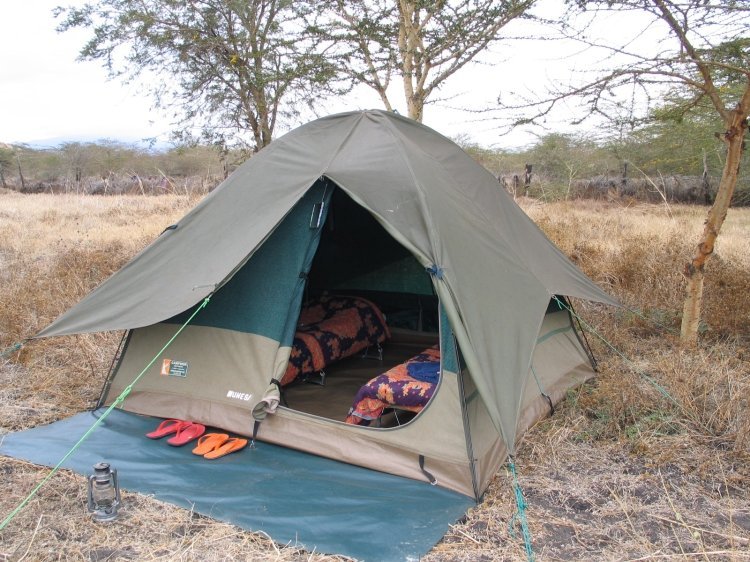
Four Day Serengeti na Ngorongoro Safari During AFCON 2027
Mwongozo wa safari ya siku 4 kwenye Serengeti na Ngorongoro wakati AFCON 2027; jinsi ya kupanga, nini cha kujali, na jinsi ya kuandaa,”
View package detailsThree Day Serengeti Safari During AFCON 2027
Mwongozo wa kiutendaji kwa safari ya siku tatu ya Serengeti wakati AFCON 2027, ukijumuisha mwelekeo wa maeneo, ratiba ya siku, na ushauri wa ubashiri wa kupanga pamoja na jinsi ya...
View package details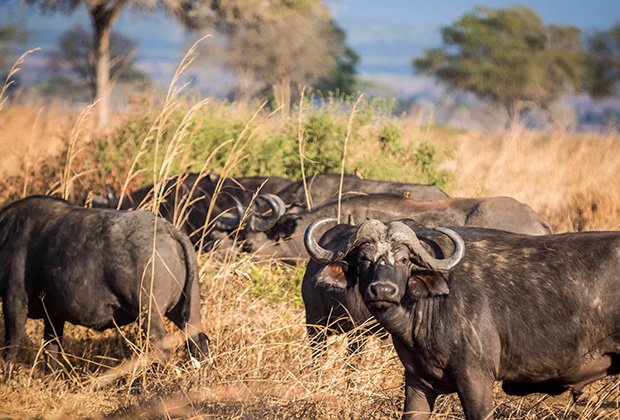
Dec 24, – 3 Day Christmas Serengeti And Ngorongoro Group Safari
Dec 24, 2026 – 3 Day Christmas Serengeti and Ngorongoro Group Safari.
View package details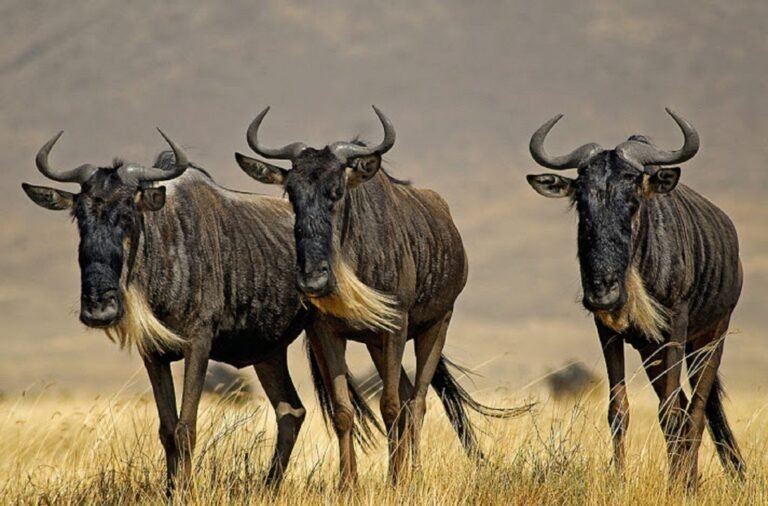
Nov 23, – 3 Day Serengeti And Ngorongoro Safari From Zanzibar
Nov 23, 2026 – 3 Day Serengeti and Ngorongoro Safari from Zanzibar.
View package details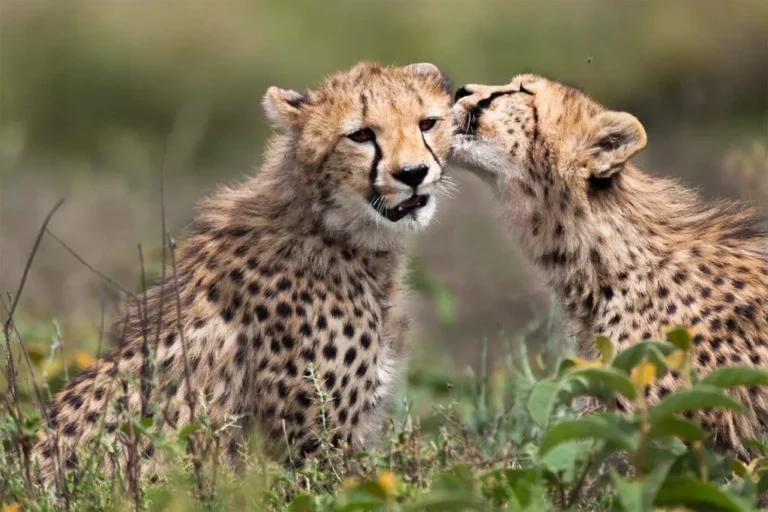
Dec 31, : New Year’s Eve Serengeti Group Safari Planning Guide
This guide provides essential planning details for a group safari trip to the Serengeti for New Year's Eve 2026, covering logistics, seasonal highlights, and what to expect.
View package details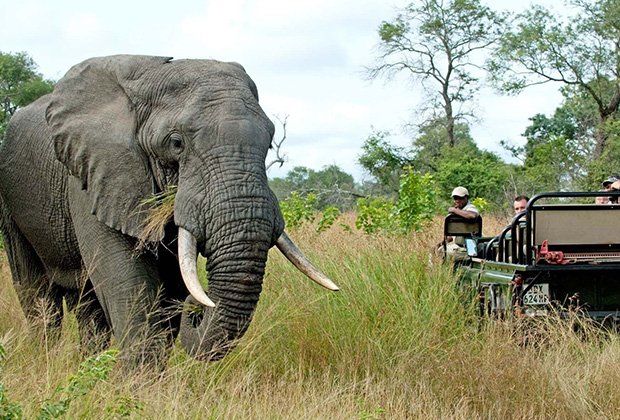
I Am On A Budget—What Is The Cheapest Serengeti Group Safari?
I Am on a Budget—What Is the Cheapest Serengeti Group Safari?
View package details
Dec 29, – 6 Day Ndutu, Serengeti And Ngorongoro Group Safari 2026
A detailed guide to our 6-day group safari departure on December 29, 2026, focusing on the Ndutu plains, the Serengeti, and the Ngorongoro Crater.
View package details8 Day Serengeti And Ngorongoro Group Safari – December 16, 2026
Planning your December 2026 Tanzanian adventure? Our 8-day group safari offers a deep, unhurried exploration of the Serengeti and Ngorongoro Crater.
View package detailsDec 12, – 6 Day Serengeti, Ngorongoro, Tarangire And Manyara Group Safari 2026
Dec 12, 2026 – 6 Day Serengeti, Ngorongoro, Tarangire and Manyara Group Safari.
View package detailsNo related package matches those filters. Clear one or more filters to see the other topic-matched options.