Getting from Los Angeles to Kilimanjaro for a Tanzania safari involves flying from LAX to a major East African hub like Nairobi (NBO) or Addis Ababa (ADD), then taking a connecting flight to Kilimanjaro International Airport (JRO). From JRO, you’ll typically be met by your safari operator for transfers to Moshi or Arusha, the main gateways for Kilimanjaro climbs and safaris. Planning should include booking international flights well in advance for 2026-2027, arranging necessary visas, health precautions, and coordinating with your local Tanzania tour operator for smooth ground arrangements and safari logistics.

Understanding the Journey: LA to Kilimanjaro
The prospect of a Tanzania safari, perhaps combined with a Kilimanjaro climb, starting from Los Angeles is exciting. It represents a significant international journey, bridging continents and cultures. For many travelers, the primary question is how to make this transition as smooth and efficient as possible. The core of this journey involves long-haul international flights, followed by shorter regional connections, and finally, ground transportation organized by your local tour operator. Understanding each stage is crucial for effective planning, especially when looking ahead to travel dates in 2026 and 2027.
This isn’t a trip you book on a whim. It requires careful consideration of flight schedules, visa requirements, health precautions, and, critically, selecting the right partner on the ground in Tanzania. Your experience in East Africa, from the moment you land at Kilimanjaro International Airport (JRO) to your final safari drive or summit attempt, is heavily influenced by the ground support you have. For travelers from Los Angeles, this means bridging a considerable distance and time difference, making the preparatory phase paramount.
We’ll break down the entire process, from booking your initial flight out of LAX to the moment you’re welcomed by your local team, ready to explore the wonders of Tanzania. This guide is designed to provide a clear, step-by-step approach, highlighting key decisions and considerations for your 2026-2027 adventure.
Step 1: Navigating International Flights from Los Angeles
The first major hurdle in your journey from Los Angeles to Kilimanjaro is securing the right international flights. Given the distance, direct flights are non-existent. Your journey will invariably involve at least one, and often two, layovers.
Major Hubs and Connecting Flights
The most common and practical routes from Los Angeles (LAX) to Kilimanjaro International Airport (JRO) typically connect through major international aviation hubs. The primary gateways for East Africa that are well-served from the US West Coast include:
- Amsterdam (AMS): Often served by KLM, Amsterdam is a very popular gateway to East Africa, with direct flights to Kilimanjaro. This route can be convenient, though it might involve a longer total travel time.
- Doha (DOH): Qatar Airways offers excellent connectivity through Doha. This is a strong option for many travelers, offering competitive pricing and a modern airport experience.
- Dubai (DXB): Emirates provides a similar service through Dubai, another major hub with extensive global reach.
- Istanbul (IST): Turkish Airlines uses Istanbul as its primary hub and has good connections to East Africa.
- Addis Ababa (ADD): Ethiopian Airlines is a major player in African aviation and offers direct flights from several US cities (sometimes requiring a change in a US hub first) to Addis Ababa, with onward connections to JRO. This can sometimes be a more direct route geographically.
- Nairobi (NBO): While not always the most direct for onward flights to JRO, some travelers might find good deals connecting through Nairobi, Kenya. From Nairobi, you would then need a separate, short regional flight or overland transfer to Tanzania. This adds complexity and potential for delays.
When searching for flights, look for combinations that minimize layover times while allowing sufficient buffer for potential delays, especially if you need to change airlines or terminals. For example, a common strategy is LAX to AMS on a carrier like Delta or KLM, then AMS to JRO on KLM. Alternatively, LAX to DOH on Qatar Airways, then DOH to JRO on Qatar Airways. Some travelers might find LAX to ADD on Ethiopian Airlines, then ADD to JRO.
Choosing Your Airline: Key Considerations
Several factors should guide your airline choice:
- Price: This is often the deciding factor. Compare fares across different airlines and alliances. Booking in advance for 2026-2027 can yield better prices.
- Layover Duration and Location: A layover of 2-4 hours is generally ideal. Too short, and you risk missing your connection. Too long, and it becomes tedious. Consider the airport experience at your layover city.
- Aircraft Type and Comfort: Long-haul flights can be taxing. Airlines using modern wide-body aircraft (like Boeing 777, 787, Airbus A350, A380) tend to offer more comfortable seating, better in-flight entertainment, and quieter cabins.
- Baggage Allowance: Check the checked and carry-on baggage allowances carefully. This is especially important for safaris where you might have specific luggage restrictions (e.g., soft duffel bags for small bush planes). International flights usually have more generous allowances than regional ones.
- Reputation and Service: While price matters, consider airlines known for good customer service and reliability.
For the journey from Los Angeles to Kilimanjaro, airlines like KLM, Qatar Airways, Ethiopian Airlines, and Emirates are frequent and reliable choices. United and other Star Alliance partners might also offer routes via European or Middle Eastern hubs.
Booking Flights for 2026-2027: Timing is Everything
For travel in 2026 and 2027, particularly if you’re aiming for peak safari or climbing seasons (typically June-October and December-February), booking your international flights should be a priority. Ideally, aim to book 6-9 months in advance. This timeframe allows you to:
- Secure the best prices before fares rise.
- Have a wider selection of flight times and routes.
- Better coordinate with your ground operator’s availability for your chosen safari or Kilimanjaro climb dates.
Flight prices can fluctuate significantly. Use flight comparison websites (like Google Flights, Skyscanner, Kayak) to monitor trends, but consider booking directly with the airline once you’ve found a suitable option. Be flexible with your travel dates by a day or two if possible, as this can sometimes find substantial savings.
Understanding Flight Durations and Layover Strategies
A typical journey from LAX to JRO will involve significant travel time. Expect total travel durations ranging from 18 hours to over 30 hours, depending on the number of layovers and their length. This includes:
- Flight time from LAX to the first major hub (e.g., AMS, DOH, ADD): Approximately 10-14 hours.
- Layover time: From 2 hours to 10+ hours.
- Flight time from the hub to JRO: Approximately 5-8 hours.
Layover Strategy:
- Short Layovers (2-3 hours): Suitable if you’re on a single ticket with the same airline or alliance, as they often hold flights for connecting passengers. It minimizes waiting time but increases stress if there are delays.
- Medium Layovers (3-6 hours): A good balance. Allows time to navigate the airport, grab a meal, and relax without excessive waiting.
- Long Layovers (6+ hours): Can be tiring but might offer opportunities to explore a city briefly (if visa and time permit) or book an airport hotel for rest. Be mindful of jet lag management.
When planning your arrival at JRO, consider the time of day. Most international flights arrive in the afternoon or evening. Your local operator will be prepared for this, but a daytime arrival might offer immediate views of Kilimanjaro, weather permitting, which can be a lovely introduction.
Step 2: Essential Pre-Travel Preparations
Beyond booking flights, a series of essential preparations are vital for a successful trip from Los Angeles to Kilimanjaro. These steps ensure you meet all legal, health, and financial requirements for entering and enjoying Tanzania.
Visa Requirements for Tanzania
Most nationalities, including US citizens, require a visa to enter Tanzania for tourism or climbing purposes. You have several options for obtaining a Tanzanian visa:
- Online E-Visa: This is often the most convenient method. You can apply for a Tanzanian e-visa through the official Tanzanian immigration website. The process is straightforward, requiring you to fill out an application form, upload a passport photo, and pay the fee online. It’s advisable to apply at least 2-4 weeks before your travel date.
- Visa on Arrival: You can also obtain a visa upon arrival at Kilimanjaro International Airport (JRO). This typically involves filling out a form and paying the fee in cash (USD is widely accepted and preferred) or sometimes by card. However, relying on visa on arrival can sometimes lead to longer queues and potential delays, especially during peak travel times. It’s generally recommended to secure your visa in advance if possible.
- Embassy Application: For some nationalities, applying through a Tanzanian embassy or consulate in your home country might be an option, though this is less common for most tourists now that e-visas are widely available.
Key Visa Information:
- Validity: Tourist visas are typically valid for 90 days.
- Cost: The visa fee varies by nationality but is generally around $50-$100 USD. Always check the latest fees on the official immigration website.
- Passport Validity: Ensure your passport is valid for at least six months beyond your intended stay and has at least two blank pages for entry/exit stamps.
Recommendation: For travelers from Los Angeles heading to Kilimanjaro in 2026 or 2027, applying for an e-visa online is the most streamlined approach. This avoids potential airport delays and allows you to confirm your entry approval before you even leave home.
Health and Vaccinations for East Africa
Consulting a travel clinic or your doctor 4-6 weeks before your trip is crucial for up-to-date health advice and recommended vaccinations. Common recommendations for Tanzania include:
- Yellow Fever: Proof of Yellow Fever vaccination is often required for entry, especially if you are arriving from or have transited through a country with a risk of Yellow Fever transmission. Check the latest requirements for your specific itinerary.
- Hepatitis A and Typhoid: These are generally recommended for most travelers visiting East Africa.
- Tetanus, Diphtheria, Measles, Mumps, Rubella (MMR): Ensure your routine vaccinations are up to date.
- Malaria Prevention: Tanzania, including the Kilimanjaro region and safari areas, is a malaria risk zone. Your doctor will prescribe appropriate antimalarial medication. It’s also important to use insect repellent (containing DEET), wear long sleeves and trousers, especially during dawn and dusk, and sleep under a mosquito net if provided.
- COVID-19: While requirements have eased, it’s wise to check the latest entry protocols regarding vaccination or testing just before your travel dates in 2026 or 2027.
Altitude Sickness (for Kilimanjaro climbers): If your trip includes climbing Kilimanjaro, altitude sickness is a significant concern. There is no vaccination for it. Prevention relies on slow ascent, proper acclimatization, hydration, and potentially medication like Diamox (acetazolamide), prescribed by your doctor. Your climb operator will have protocols in place to manage this.
Travel Insurance: A Non-Negotiable
Comprehensive travel insurance is absolutely essential for a trip from Los Angeles to Kilimanjaro. It should cover:
- Medical Emergencies and Evacuation: This is paramount. If you fall ill or are injured, especially on Kilimanjaro or in remote safari areas, you may need emergency medical evacuation by air ambulance, which is extremely costly. Ensure your policy covers this adequately, including for high-altitude trekking if applicable.
- Trip Cancellation and Interruption: Covers losses if you have to cancel or cut short your trip due to unforeseen circumstances (e.g., illness, family emergency).
- Lost or Delayed Baggage: Important for protecting your gear.
- Personal Liability.
Important Note: Many standard travel insurance policies exclude high-altitude trekking or mountaineering. You will need to ensure your policy specifically covers climbing Kilimanjaro if that is part of your plan. Many specialized adventure travel insurance providers exist.
Action: Research and purchase your travel insurance well in advance of your trip. Keep a copy of your policy details with you and share emergency contact information with your family.
Currency and Budgeting for Your Tanzania Safari
Understanding the currency and budgeting for your trip is key to managing expenses.
- Tanzanian Shilling (TZS): This is the local currency. While you can exchange currency in major towns like Arusha and Moshi, it’s often more convenient to rely on ATMs or use US Dollars for larger purchases or tipping.
- US Dollars (USD): USD are widely accepted for visa fees, park entrance fees (often payable by your operator), and tips. Ensure you have crisp, relatively new USD bills (USD 50 and USD 100 notes are best for exchange) and carry smaller denominations for incidental purchases. Avoid older bills or those with significant damage.
- Credit Cards: Accepted in some larger hotels, lodges, and tourist shops, but not widely used for everyday transactions or in remote areas. Be aware of potential foreign transaction fees from your bank.
- ATMs: Available in Arusha and Moshi. Inform your bank about your travel dates to avoid your cards being blocked.
Budgeting Considerations:
- Tour Operator Package: This will be your largest expense, covering accommodation, most meals, park fees, guide fees, and transportation for your safari and/or Kilimanjaro climb. Ensure you understand exactly what is included.
- International Flights: As discussed, a significant cost.
- Visa Fees.
- Tipping: A customary practice for guides, porters, and drivers. Your operator will provide guidelines.
- Personal Expenses: Souvenirs, drinks, laundry, optional activities.
- Travel Insurance.
- Vaccinations and Medications.
Recommendation for 2026-2027: Start budgeting early. Many travelers underestimate the cost of tips and personal expenses. Contacting operators like Climb 4 Africa for detailed quotes for your desired 2026-2027 dates will give you a clear picture of the main package costs.
Step 3: Arriving at Kilimanjaro International Airport (JRO)
Your journey from Los Angeles culminates in your arrival at Kilimanjaro International Airport (JRO). This is your first point of contact with Tanzania, and a smooth process here sets the tone for your adventure.
Immigration and Customs Procedures
Upon disembarking your flight, you’ll proceed through immigration. Be prepared for potential queues, especially if multiple international flights arrive around the same time. You will need:
- Your passport with at least six months of validity and blank pages.
- Your completed visa application (if applying on arrival) or your pre-approved e-visa printout.
- Proof of onward travel (your return flight details).
- Yellow Fever vaccination certificate (if required).
After immigration, you’ll collect your luggage and proceed through customs. Officials may inspect your bags, though this is usually a formality for tourists. Declare any items that require declaration as per Tanzanian customs regulations.
Tip: Have your documents organized and easily accessible in your carry-on luggage. Be patient and polite with immigration and customs officers.
Meeting Your Local Tanzania Safari Operator
This is a critical step. Your chosen tour operator, such as Climb 4 Africa, will arrange for your transfer from JRO. Typically, a representative holding a sign with your name (or the company name) will be waiting in the arrivals hall just after the customs area.
What to expect:
- Clear Identification: The representative should be easily identifiable.
- Warm Welcome: They will greet you and often offer a brief introduction to your driver and vehicle.
- Assistance with Luggage: They will help you load your bags into the transfer vehicle.
- Initial Briefing: Sometimes, a brief overview of the upcoming itinerary or immediate arrangements will be provided.
Important: Ensure you have confirmed the name of your contact person and the company they represent before you leave Los Angeles. If you cannot find your contact person, do not leave the airport. Wait in a designated area and try to contact your operator via phone (your local SIM or a roaming plan is useful here) or ask airport staff for assistance. For Climb 4 Africa, you can often reach them via WhatsApp.
Transfers to Moshi or Arusha
Kilimanjaro International Airport (JRO) is located roughly equidistant between the towns of Moshi and Arusha, which serve as the primary hubs for Kilimanjaro climbs and northern circuit safaris, respectively.
- Moshi: Closer to Mount Kilimanjaro itself and the preferred base for most climbers. It’s a smaller, more laid-back town. Transfer time from JRO is about 45-60 minutes.
- Arusha: A larger city and a major hub for safari operations. If your trip focuses primarily on safaris with a Kilimanjaro climb as a secondary activity, or if you’re starting a multi-country safari, Arusha might be your initial destination. Transfer time from JRO is about 1-1.5 hours.
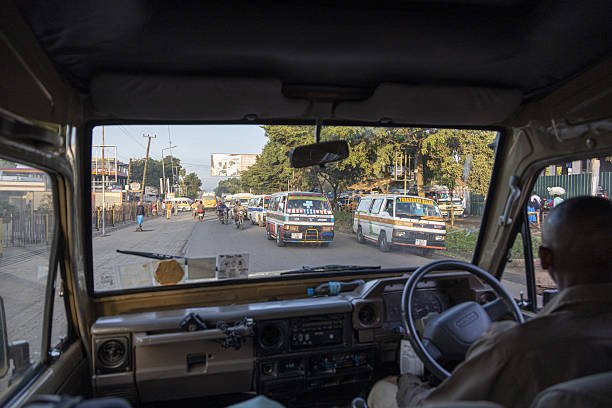
Your transfer vehicle will typically be a comfortable safari vehicle or a sturdy minibus, depending on the number of people arriving. Your driver will be experienced with local roads and will take you directly to your pre-booked accommodation in either town. This transfer is usually included as part of your tour package with operators like Climb 4 Africa.
First Impressions: As you drive, take in the sights and sounds of Tanzania. You’ll likely see Mount Kilimanjaro looming in the distance (weather permitting), bustling local markets, and the vibrant East African landscape. This is the beginning of your authentic African experience.
Step 4: Integrating Kilimanjaro Climb and Tanzania Safari
For many travelers making the journey from Los Angeles to Kilimanjaro, the trip isn’t just about reaching the summit or seeing wildlife; it’s about experiencing both. Integrating a Kilimanjaro climb with a Tanzania safari requires careful logistical planning to maximize your time and enjoyment.
Choosing Your Kilimanjaro Route
Kilimanjaro has several popular routes, each offering a different experience in terms of scenery, difficulty, and acclimatization profile. The choice of route significantly impacts the duration of your climb and your success rate.
- Marangu Route (Coca-Cola Route): The oldest and most established. Unique for its dormitory-style accommodation. Generally considered the easiest but has a lower success rate due to a rapid ascent. (5-6 days).
- Machame Route (Whiskey Route): Very popular, known for its scenic beauty and excellent acclimatization profile, leading to higher success rates. Uses camping accommodation. (6-7 days). A great choice for those prioritizing success and scenery.
- Lemosho Route: Considered one of the most scenic routes, offering excellent acclimatization and high success rates. It’s longer and often more expensive. (7-8 days). Ideal for those seeking a more remote and rewarding experience.
- Shira Route: Similar to Lemosho but starts at a higher altitude. (7-8 days).
- Rongai Route: Approaches Kilimanjaro from the north, offering a different perspective and a good option during the wetter season. (6-7 days).
- Northern Circuit: The longest and highest route, offering the best acclimatization and highest success rates. It circles the mountain, providing panoramic views. (9-10 days).
Recommendation: For most travelers, the Machame or Lemosho routes are highly recommended for their balance of scenery, acclimatization, and success rates. For trips planned for 2026 or 2027, consider booking a route that allows for a 7-day or longer ascent for optimal acclimatization.
Typical Tanzania Safari Itineraries from Kilimanjaro
After your Kilimanjaro climb (or before, depending on your preference), a Tanzania safari offers incredible wildlife viewing opportunities. The northern circuit is the most popular, featuring:
- Serengeti National Park: Famous for the Great Migration and vast predator populations.
- Ngorongoro Conservation Area: A UNESCO World Heritage Site with a high density of wildlife within the crater.
- Tarangire National Park: Known for its large elephant herds and baobab trees.
- Lake Manyara National Park: Famous for tree-climbing lions and a large flamingo population.
- Arusha National Park: Closer to town, offering views of Mount Meru and opportunities for canoeing and walking safaris.
Safari durations can range from a short 3-day trip covering a couple of parks to a 7-10 day in-depth experience exploring the entire northern circuit. Many travelers opt for a 5-day safari after their climb.
Logistical Flow: From Summit to Savannah
The order of your Kilimanjaro climb and safari depends on your preferences and the season:
- Climb First, Safari Second: This is a very common approach. You arrive, have a briefing for your climb, undertake the trek, and then recover and celebrate with a safari. This allows you to focus on the physical challenge of the climb first. After descending, you might spend a day or two in town before commencing your safari.
- Safari First, Climb Second: Some prefer to relax and enjoy the wildlife before tackling the physical demands of Kilimanjaro. This can be a good way to ease into Tanzania.
Key Logistical Considerations:
- Transfers: Your operator will arrange transfers between JRO, your accommodation, Kilimanjaro National Park gates, safari starting points, and back to JRO for your departure.
- Accommodation: Ensure your accommodation is booked before and after your climb/safari.
- Gear Storage: If you climb Kilimanjaro first, you’ll need a place to store excess luggage not needed for the climb. Most reputable operators offer this service free of charge.
- Time Allocation: A Kilimanjaro climb typically takes 5-10 days, and a safari 3-7 days. Factor in travel days to and from Los Angeles, plus at least one day for briefing/preparation and one for rest/debriefing. A combined trip usually requires a minimum of 12-18 days on the ground in Tanzania.
Example Flow: Fly LAX to JRO, transfer to Moshi for climb briefing. Climb Kilimanjaro (7 days). Descend, rest, collect luggage. Transfer to Arusha for safari briefing. Safari (5 days) through Serengeti and Ngorongoro. Transfer back to JRO for departure flight.
Step 5: Packing Smart for Your African Adventure
Packing correctly is crucial for both comfort and safety, whether you’re ascending Kilimanjaro or exploring the plains on a Tanzania safari. The key is layering and choosing appropriate materials.
Clothing Essentials for Kilimanjaro and Safari
You’ll need distinct sets of clothing. Many Kilimanjaro climbers rent some gear in Tanzania, which can save on international baggage. However, personal items and specific performance wear are best brought from home.
For Kilimanjaro (Layering is Key):
- Base Layers: Moisture-wicking thermal tops and bottoms (synthetic or merino wool).
- Mid Layers: Fleece jacket or a down vest for insulation.
- Outer Layer: Waterproof and windproof jacket (hardshell) and trousers.
- Trekking Trousers: Lightweight, quick-drying hiking pants (avoid jeans). 2-3 pairs.
- Trekking Shirts: Moisture-wicking short and long-sleeved shirts. 3-4 tops.
- Headwear: Warm beanie or wool hat, sun hat with a brim, balaclava or warm scarf for face protection.
- Gloves: Warm, waterproof gloves or mittens, plus liner gloves.
- Socks: Several pairs of thick, moisture-wicking hiking socks (wool or synthetic). Liner socks can prevent blisters.
- Underwear: Moisture-wicking underwear.
For Tanzania Safari:
- Lightweight Trousers/Convertible Pants: Comfortable for game drives. Neutral colors (khaki, beige, olive green) are best; avoid bright colors or dark colors that attract insects.
- T-shirts and Long-Sleeved Shirts: Breathable fabrics for sun protection and insect deterrence.
- Fleece Jacket or Sweater: Evenings and early mornings can be cool, especially at higher elevations or during certain seasons.
- Lightweight Waterproof Jacket: For unexpected rain showers.
- Shorts: For warmer days, though long pants are generally more practical for sun and insect protection.
- Swimsuit: For lodges with pools.
- Comfortable Sleepwear.
General Clothing Tips:
- Neutral Colors: For safaris, stick to earth tones (khaki, beige, olive, grey) to blend in with the environment and avoid startling wildlife. Bright colors can also attract insects.
- Avoid Denim: Jeans are heavy, slow to dry, and not ideal for trekking or safari.
- Quick-Drying Fabrics: Essential for both environments.
Gear and Equipment Checklist
For Kilimanjaro:
- Backpack: A comfortable daypack (25-35 liters) for essentials carried during the climb (water, snacks, camera, rain gear).
- Duffel Bag: A large, waterproof duffel bag (80-100 liters) for your main gear, carried by porters. This should be soft-sided.
- Sleeping Bag: A 4-season sleeping bag rated to at least 0°F (-18°C). Many operators offer rentals.
- Trekking Poles: Highly recommended for knee support and stability, especially on descents.
- Headlamp: With extra batteries for summit night and general use.
- Water Bottles/Hydration Reservoir: At least 2-3 liters capacity. Insulated covers are useful in cold weather.
- Sunglasses: High UV protection.
- Gaiters: To keep scree and mud out of your boots.
- Waterproof Bags/Dry Sacks: To protect electronics and valuables inside your main bag.
For Safari:
- Binoculars: Essential for wildlife viewing.
- Camera: With a good zoom lens. Extra batteries and memory cards.
- Small Backpack/Daypack: For carrying essentials during game drives.
- Adapter: For charging electronics (Tanzania uses Type G plugs, 230V).
Health and Personal Items
- Sunscreen: High SPF, broad-spectrum.
- Insect Repellent: Containing DEET.
- Personal First-Aid Kit: Include blister treatment, pain relievers, antiseptic wipes, bandages, any personal medications.
- Hand Sanitizer.
- Toiletries: Biodegradable options are preferred.
- Lip Balm with SPF.
- Prescription Medications: Enough for your entire trip plus a little extra. Carry them in original packaging with a copy of your prescription.
- Travel Towel: Quick-drying.
- Passport, Visa, Flight Tickets, Insurance Details.
- Cash: US Dollars for tips, small purchases, and visa fees if not pre-arranged.
Packing Tip for 2026-2027: Pack light but smart. Consider what can be rented or purchased locally. Always check with your tour operator for specific packing lists relevant to your chosen itinerary and route.
Making Your Booking for 2026-2027: Working with Climb 4 Africa
Now that you understand the complexities of traveling from Los Angeles to Kilimanjaro, the next crucial step is selecting a reputable tour operator to manage your Tanzanian adventure. For travelers planning their trip for 2026 or 2027, working with an experienced local operator like Climb 4 Africa offers significant advantages.
Why Choose a Local Expert for Your LA to Kilimanjaro Trip?
While you handle the international flights from Los Angeles, a local Tanzanian company is best equipped to manage all aspects of your ground experience. Here’s why partnering with a specialist like Climb 4 Africa is beneficial:
- Local Knowledge and Expertise: Climb 4 Africa has intimate knowledge of Kilimanjaro’s routes, Tanzania’s national parks, and the best times to visit. They understand the local conditions, logistics, and cultural nuances.
- Safety and Support: For Kilimanjaro climbs, safety is paramount. Climb 4 Africa employs experienced guides, cooks, and porters who are trained in high-altitude trekking and emergency procedures. They ensure you have the best chance of reaching the summit safely.
- Logistical Mastery: From airport transfers and accommodation to park permits, vehicle hire, and guide arrangements, they handle all the complex logistics, allowing you to focus on enjoying your trip.
- Value for Money: As a local operator, they can often offer competitive pricing compared to international operators who add layers of overhead. They have direct relationships with suppliers, ensuring better value.
- Authentic Experiences: Local operators can craft more authentic safari experiences, recommending less-crowded areas or unique lodges, and providing insights that larger, international companies might miss.
- Responsiveness: Being based in Tanzania means they are on the ground to respond quickly to any issues that may arise during your trip.
Tailoring Your Tanzania Safari and Kilimanjaro Climb
The journey from Los Angeles to Kilimanjaro is unique for every traveler. Climb 4 Africa excels at creating bespoke itineraries that match your interests, budget, and timeframe. Whether you dream of:
- A challenging Kilimanjaro summit attempt via the Lemosho route.
- An in-depth wildlife safari covering the Serengeti and Ngorongoro Crater.
- A combination of both, perhaps with a relaxing stay on Zanzibar.
- Specific interests like birdwatching, photography, or cultural immersion.
They can help you select the best Kilimanjaro route for your fitness level, design a safari itinerary that maximizes wildlife sightings based on the season, and arrange comfortable accommodation that suits your budget for 2026-2027 travel.
The Booking Process with Climb 4 Africa
Booking your Tanzanian adventure with Climb 4 Africa is a straightforward process designed to ensure you have all the information you need.
Steps to Book:
- Initial Inquiry: Reach out to Climb 4 Africa with your desired travel dates (e.g., for 2026 or 2027), the number of travelers, and your interests (Kilimanjaro climb, specific safari parks, duration). You can use their website contact form, email them at climb4africa@gmail.com, or message them via WhatsApp at +255 747 477 898.
- Personalized Itinerary and Quote: Based on your inquiry, Climb 4 Africa will create a detailed itinerary and provide a comprehensive quote. This quote will clearly outline what is included (e.g., park fees, accommodation, guides, meals, transfers) and what is excluded (e.g., international flights, visa fees, tips, personal insurance).
- Review and Discussion: Carefully review the proposed itinerary and quote. Climb 4 Africa encourages questions and will work with you to make any necessary adjustments to tailor it to your preferences and budget.
- Confirmation and Deposit: Once you are happy with the plan, a deposit is typically required to secure your booking and reserve dates, especially for Kilimanjaro climbs which have fixed park entry requirements. The deposit amount and payment methods will be clearly communicated.
- Pre-Trip Information: After your booking is confirmed, you will receive detailed pre-trip information, including packing lists, health recommendations, visa guidance, and final payment details.
- Final Payment: The balance of your trip cost is usually due a certain number of weeks before your travel date.
- Arrival in Tanzania: You will be met at JRO by your Climb 4 Africa representative, marking the smooth start of your adventure.
Why Contact Climb 4 Africa Now for 2026-2027? Popular dates, especially during the dry seasons (June-October, December-February), get booked up quickly. Reaching out early for your 2026-2027 travel plans ensures you get your preferred dates and routes for both Kilimanjaro climbs and safaris. They are dedicated to making your journey from Los Angeles to Kilimanjaro an unforgettable experience.
For any inquiries or to start planning your dream trip, don’t hesitate to contact Climb 4 Africa. They are your expert partners for an authentic Tanzanian adventure.
Check Availability for How To Get From Los Angeles To Kilimanjaro For Tanzania Safari | Climb 4
Ready to compare dates, prices, and the best option for your group? Send the package name and travel month so the team can reply with a clear quote, availability, and what is included.
Afcon Tanzania Football Kilimanjaro And Safari Tour
AFCON 2027 Tanzania Football Kilimanjaro and Safari Tour.
View package details
Kilimanjaro Safari And Afcon Final Package
Kilimanjaro Safari and AFCON Final Package.
View package detailsAFCON 2027 Safari from Kilimanjaro Airport
Mwongozo wa kina wa AFCON 2027 Safari starting from Kilimanjaro Airport, ukiruhusu kupanga ratiba, usafiri, mapumziko ya kambi, na maeneo ya kuzunguka ili kuonyesha wanyama na mandhari ya...
View package details
Kilimanjaro to Nairobi AFCON Travel Package
Mpango wa safari wa Kilimanjaro hadi Nairobi kwa AFCON unaowezesha kushuhudia milima na miji miwili mikubwa ya Afrika pamoja na mechi za AFCON kwa njia salama na ya kipekee.
View package details
AFCON 2027 Safari from Moshi: Safari ya Afrika Mashariki kwa Mashabiki wa Soka
Safari ya kipekee ya AFCON 2027 inayochukua mji wa Moshi kuwa kituo cha kuanzia kwa mbuga ya wanyamapori na milima ya Kilimanjaro, ikijumuisha uhifadhi wa ndani na mwongozo wa kiusimamizi...
View package details
Afcon Kilimanjaro Ngorongoro And Zanzibar Holiday
AFCON 2027 Kilimanjaro Ngorongoro and Zanzibar Holiday.
View package details
Afcon Mount Kilimanjaro And Serengeti Package
AFCON 2027 Mount Kilimanjaro and Serengeti Package.
View package detailsAFCON 2027 Safari Packages from Tanzania
Hitaji la safari ya kundoka ili kufurahia AFCON 2027? Chagua kutoka kwa mikakati ya safari nchini Tanzania inayoambatana na wildlife, mbuga maarufu, na uwekaji wa huduma ya kimataifa ya...
View package detailsAFCON 2027 Mid Range Safari Packages Tanzania
Mwongozo wa safari ya kati ya AFCON 2027 Tanzania kutoka Climb 4 Africa: mipango ya njia, maeneo ya msitu wa serikali, na usalama wa wasafiri. Onyesha jinsi ya kuchagua kilima cha kati...
View package detailsTanzania Safari Tours for AFCON 2027 Fans
Muhtasari wa safari za Tanzania kwa mashabiki wa AFCON 2027: maeneo ya hifadhi, mizunguko ya wildlife, usalama wa safari, na jinsi ya kupanga na kuhudumiwa na Climb 4 Africa.
View package details
Three Day Serengeti Safari During AFCON 2027
Mwongozo wa kiutendaji kwa safari ya siku tatu ya Serengeti wakati AFCON 2027, ukijumuisha mwelekeo wa maeneo, ratiba ya siku, na ushauri wa ubashiri wa kupanga pamoja na jinsi ya...
View package detailsNo related package matches those filters. Clear one or more filters to see the other topic-matched options.