The best Tanzania safari packages for Canadian travellers, including airport transfers, typically involve flexible itineraries focusing on iconic parks like the Serengeti and Ngorongoro Crater, often starting with arrivals at Kilimanjaro International Airport (JRO). For 2026-2027 planning, consider 7-10 day packages that balance game drives with comfortable accommodation, ensuring smooth transfers from JRO to your lodge or camp, and back. Local operators like Climb 4 Africa specialize in customizing these experiences, providing clear inclusions for vehicle hire, park fees, guiding, meals, and crucial airport pick-up/drop-off services.


Understanding Your Tanzania Safari Needs as a Canadian Traveller
Choosing the right Tanzania safari package as a Canadian traveller involves more than just picking a destination; it’s about aligning your expectations with the unique logistics, wildlife viewing opportunities, and travel styles available. For 2026-2027, the landscape of safari planning is more accessible than ever, but understanding the nuances can make all the difference. This guide is crafted to provide clarity on what constitutes a ‘best’ package, focusing specifically on the needs and considerations for travellers from Canada, with a critical eye on essential services like airport transfers.
The term ‘best’ is subjective, of course. For some, it means an all-encompassing luxury experience. For others, it’s about maximizing wildlife sightings on a more budget-conscious or group tour. We’ll break down these possibilities, but always with the practicalities in mind: how do you get there, what’s included, and what are the trade-offs? For Canadians, this often means considering flight durations, time zone adjustments, and ensuring the package caters to international visitors, particularly regarding communication and support upon arrival.
When we talk about Tanzania safaris, we’re generally referring to trips that explore the Northern Circuit, which is home to the Serengeti National Park, Ngorongoro Conservation Area, Tarangire National Park, and Lake Manyara National Park. These parks offer unparalleled wildlife viewing, from the Great Migration (timing is key here) to the dense populations of predators in the Ngorongoro Crater. Packages are typically structured around visiting a selection of these, with durations varying from short 3-4 day excursions to comprehensive 10-14 day explorations.
Crucially, for any international traveller, especially those coming from North America, the journey begins with arrival. In Tanzania, the primary gateway for safaris is Kilimanjaro International Airport (JRO). A well-organized safari package will explicitly detail how your arrival is managed. This isn’t just about being met; it’s about a smooth transition from a long flight to the start of your adventure, often involving a drive to a nearby town like Arusha for an overnight stay before the safari begins proper. This initial transfer is where many packages begin to differentiate themselves.
Key Components of Tanzania Safari Packages for Canadians
When evaluating Tanzania safari packages for Canadian travellers, especially for trips planned for 2026 or 2027, focus on a few core elements that will shape your experience:
- Itinerary Design: Does it cover the parks that interest you most? Is the pace suitable (e.g., not too rushed)?
- Accommodation Style: Options range from budget-friendly tented camps to mid-range lodges and ultra-luxury tented suites.
- Vehicle and Guide: A 4×4 safari vehicle is standard. The quality and experience of your guide are paramount.
- Inclusions: What’s covered? Park fees, meals, accommodation, game drives, transfers?
- Exclusions: What’s extra? Tips, drinks, international flights, visas, travel insurance?
- Airport Transfers: How are arrivals at JRO handled? What about departures?
For Canadians, the distance to Tanzania means maximizing your time on the ground is essential. Therefore, a package that efficiently handles your arrival and departure logistics, including those vital airport transfers, is highly valued. This isn’t just about convenience; it’s about saving precious vacation days and reducing travel stress.
Choosing Your Safari Itinerary: Northern Circuit Focus
Most comprehensive Tanzania safari packages for international visitors, including Canadians, centre on the Northern Circuit. This is due to the high concentration of iconic wildlife destinations and the logistical ease of accessing them from JRO. Here’s a look at the typical parks and what they offer:
- Serengeti National Park: Famous for the Great Migration, vast plains, and incredible predator-action. It’s the quintessential African savanna experience. Packages often allocate 2-4 days here, depending on length.
- Ngorongoro Conservation Area (and Crater): A UNESCO World Heritage Site, the crater floor is a caldera teeming with wildlife, including the Big Five. It’s a unique, compact ecosystem. Often a 1-2 day visit.
- Tarangire National Park: Known for its large elephant herds, especially during the dry season (June-October), and iconic baobab trees. A great addition for 1-2 days.
- Lake Manyara National Park: Famous for its tree-climbing lions and diverse birdlife. Often visited as a shorter stop or on the way to other parks.
When looking at packages for 2026-2027, pay close attention to how these parks are sequenced. A common flow is Arusha -> Tarangire -> Serengeti -> Ngorongoro -> Arusha. However, variations exist, such as starting with Manyara or spending more time in the Serengeti.
Duration is Key:
- Short Safaris (3-4 days): Typically cover 1-2 parks, often Ngorongoro and Manyara, or a quick taste of Tarangire and Ngorongoro. These are usually more budget-friendly but offer a less in-depth experience.
- Standard Safaris (5-7 days): A popular choice for many, these usually include Tarangire, Serengeti (2-3 days), and Ngorongoro. This provides a solid overview of the Northern Circuit’s highlights.
- Extended Safaris (8-10+ days): Allow for deeper exploration of the Serengeti, more time in Tarangire, or the addition of parks like Arusha National Park (for Mount Meru views and walking safaris) or even a brief visit to the unique chem-chemi (hot springs) in Lake Natron. These offer a more relaxed pace and greater chances for diverse sightings.
For Canadian travellers planning for 2026 or 2027, a 7-day safari is often a sweet spot, balancing cost, travel time, and the richness of the experience. It allows for adequate time in the Serengeti and Ngorongoro without feeling excessively rushed.
Accommodation Options: From Tented Camps to Luxury Lodges
Your choice of accommodation significantly impacts the safari experience and its cost. Packages will often be categorized by the type of lodging:
- Budget/Basic Camping: Involves staying in public campsites within or near national parks, often with basic facilities. Tents are usually provided, and meals are prepared by a camp cook. This is the most economical option.
- Tented Camps (Mid-Range): These are permanent or semi-permanent structures, often canvas tents on concrete bases, with en-suite bathrooms and comfortable furnishings. They offer a more comfortable and ‘glamping’-like experience while still feeling close to nature.
- Lodges (Mid-Range to Luxury): Permanent structures, often built in a rustic or colonial style, with private rooms, bathrooms, and amenities like restaurants, lounges, and sometimes pools. They offer more amenities and privacy.
- Luxury Tented Camps/Lodges: These are high-end properties offering spacious tents or rooms with premium bedding, en-suite bathrooms, gourmet dining, and often exclusive locations and personalized service.
When reviewing packages for 2026-2027, look for descriptions that clearly state the accommodation tier. Some operators offer packages that allow you to choose your preferred level, or they might have standard offerings at each tier. For Canadians, the balance between comfort after long days of game driving and the authenticity of being in the wild is often a key consideration.
Vehicles and Guides: Your Safari Lifeline
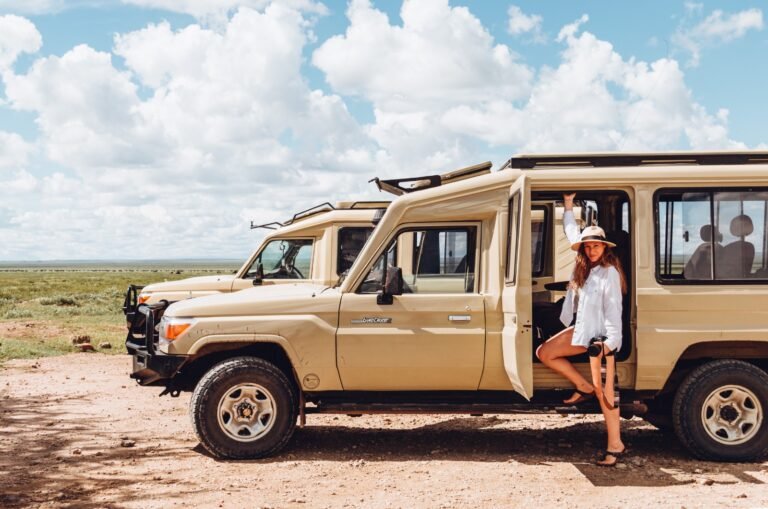
The safari vehicle and guide are arguably the most critical elements of your trip. For the Northern Circuit, 4×4 Land Cruisers or Land Rovers are the standard. They are designed for rough terrain and have pop-up roofs for optimal game viewing and photography.
Vehicle Features to Look For:
- Pop-up Roof: Essential for standing up and getting unobstructed views.
- Comfortable Seating: Especially important for longer drives.
- Ample Legroom: Good to have, though often a compromise in group tours.
- Power Outlets/USB Ports: Increasingly common and useful for charging cameras and phones.
The Guide is Paramount: A good safari guide is a naturalist, a skilled driver, a tracker, a cultural interpreter, and often, a storyteller. They know where to find the animals, understand their behaviour, and can answer your questions. For Canadian travellers, having a guide who communicates well in English and is knowledgeable about the local ecosystems is vital.
What to ask about guides:
- Are guides permanently employed or freelance?
- What is their level of training and experience?
- Do they have specific expertise (e.g., birding, photography)?
Reputable operators, especially those catering to international clients for 2026-2027, invest heavily in their guiding teams.
The Crucial Role of Airport Transfers for Canadian Travellers
For travellers flying from Canada, the arrival at Kilimanjaro International Airport (JRO) marks the beginning of a long journey. Understanding how your airport transfers are handled is paramount. This isn’t just a minor detail; it’s the first point of contact and can set the tone for your entire safari.
What to Expect from Airport Transfers in Tanzania:
- Arrival at JRO: After clearing immigration and customs, you’ll proceed to the arrivals hall. Your driver should be waiting with a sign bearing your name or the tour operator’s name.
- Vehicle Type: Typically, a comfortable safari vehicle (often a 4×4) or a dedicated shuttle van will be used for the transfer.
- Destination: The most common first stop is Arusha, a town about an hour’s drive from JRO. This allows you to rest, acclimatize, and prepare for your safari the following day. Some packages might offer direct transfers to lodges closer to the parks if arrival times permit, but this is less common for a first night.
- Duration: The drive from JRO to Arusha is approximately 45-60 minutes.
- Support: The driver is your initial point of contact. They can answer basic questions and will ensure you reach your accommodation safely.
Why are these transfers so important for Canadians?
- Fatigue: Long flights from Canada can be exhausting. A pre-arranged, reliable transfer eliminates the stress of finding transport after a tiring journey.
- Safety and Security: Using an official operator transfer provides peace of mind.
- Efficiency: It streamlines the start of your safari, ensuring you don’t lose valuable time navigating unfamiliar surroundings.
- First Impression: A professional and welcoming transfer sets a positive tone for your entire trip.
When booking your 2026-2027 package, explicitly confirm:
- Who provides the transfer? Is it the safari operator directly, or a third-party company?
- What time is the pick-up? Is it flexible based on your flight arrival?
- What is the destination after pick-up? (Usually Arusha).
- Is the transfer included in the package price? Or is it an optional extra?
- What happens if your flight is delayed or arrives late at night?
For travellers from Canada, often flying into JRO involves overnight flights and arriving in the afternoon or evening. A package that includes a comfortable transfer to your Arusha accommodation, where you can rest and have dinner, is a significant benefit.
Departure Airport Transfers
Similarly, departure transfers from your final safari lodge or Arusha back to JRO are equally important. Ensure your package accounts for this, including the timing needed to reach the airport well in advance of your international flight. For flights to Canada, this often means departing Tanzania in the late afternoon or evening, so a transfer from Arusha would typically be arranged in the early afternoon.
Popular Tanzania Safari Package Types for Canadians
When searching for the best Tanzania safari packages for Canadian travellers including airport transfers, you’ll find a range of options. These are often categorized by group size, exclusivity, and luxury level. Understanding these distinctions will help you choose what aligns best with your travel style and budget for 2026-2027.
1. Group/Shared Safaris
These are the most budget-friendly options. You join a small group of travellers (typically 4-7 people) in a safari vehicle. This is a great way to save costs, meet fellow travellers, and still experience the wonders of Tanzania.
- Pros: Cost-effective, social atmosphere, efficient use of resources.
- Cons: Less flexibility in itinerary, fixed departure dates, shared vehicle space.
- Ideal For: Solo travellers, couples, or friends looking for an economical way to explore.
- Airport Transfers: Usually included, with pick-up from JRO and drop-off back at JRO or an Arusha hotel.
For Canadians, these packages are often available with set departure dates, which can be useful for planning around work or other commitments. Websites like Climb 4 Africa’s group safari page often list upcoming departures for 2026 and 2027.
2. Private Safaris
In a private safari, you have exclusive use of the safari vehicle and guide. This offers maximum flexibility, privacy, and customization.
- Pros: Complete control over pace and itinerary, flexible game drives (e.g., stopping longer for photography), privacy.
- Cons: Higher cost per person compared to group tours.
- Ideal For: Families, couples seeking a romantic experience, photographers, or those who prefer to travel at their own pace.
- Airport Transfers: Almost always included and fully customizable to your schedule.
For Canadian families or groups of friends travelling together, a private safari can be an excellent investment, especially for 2026-2027 trips, as it allows for tailored experiences that might not be possible in a group setting.
3. Luxury Safaris
These packages focus on high-end accommodation, gourmet dining, exclusive experiences, and often, private vehicles and guides. The service is impeccable, and the attention to detail is extraordinary.
- Pros: Ultimate comfort and service, exclusive locations, fine dining, often includes premium drinks and activities.
- Cons: Significantly higher price point.
- Ideal For: Travellers seeking a premium, pampered experience with all the trimmings.
- Airport Transfers: Typically handled with a high level of service, perhaps with a dedicated lounge or premium vehicle.
While often more expensive, luxury safaris can provide an unforgettable experience, particularly for special occasions or honeymoons. For 2026-2027, booking luxury can mean securing spots at highly sought-after lodges.
4. Tailor-Made Safaris
This is where a local expert works with you to design a safari precisely to your specifications. You can mix and match elements – choose specific parks, accommodation types, duration, and activities.
- Pros: Fully customized to your interests, pace, and budget.
- Cons: Requires more planning effort from your side (though the operator guides you).
- Ideal For: Travellers with specific interests (e.g., birding, photography, cultural immersion), those who have specific ideas about their trip, or those who want to combine safari with other activities like Kilimanjaro climbs or Zanzibar.
- Airport Transfers: Always a key part of the custom plan, tailored to your arrival and departure details.
For Canadians planning unique 2026-2027 adventures, a tailor-made option is often the best route. Companies like Climb 4 Africa excel at this, using their local knowledge to craft perfect itineraries.
Key Considerations for Canadian Travellers When Booking Packages
When you’re comparing packages for your 2026-2027 Tanzanian adventure, especially from Canada, keep these practical points in mind:
- Time Zones and Jet Lag: Tanzania is GMT+3. This is a significant time difference from Canada. Packages that allow for a relaxed first day, including a comfortable transfer and overnight in Arusha, are beneficial.
- Flight Durations: Flights from Canada to JRO are long, often 15-24 hours with layovers. Factor this into your total travel time and energy levels.
- Visa Requirements: Canadians typically need a visa for Tanzania. This can often be obtained online in advance or upon arrival at JRO. Clarify if your package provider offers guidance on this.
- Travel Insurance: Essential for any international trip, especially a safari. Ensure it covers medical emergencies, trip cancellation, and lost luggage.
- Health Precautions: Consult your doctor about necessary vaccinations (e.g., Yellow Fever, Typhoid) and malaria prophylaxis.
- Currency: The Tanzanian Shilling (TZS) is the local currency, but USD is widely accepted for park fees and larger payments. Confirm what your package includes and what you’ll need to pay for in cash.
- Communication: Mobile phone reception can be spotty in parks. Ensure your operator has reliable communication channels for emergencies.
Sample Itinerary Structures for 2026-2027 Safaris
To illustrate what a typical package might look like, here are a couple of common itinerary structures. Remember, these are examples, and tailor-made options offer much more flexibility. For all these, airport transfers from JRO are assumed to be included.
Example 1: Classic Northern Circuit (7 Days / 6 Nights)
This is a popular choice offering a comprehensive taste of the region.
- Day 1: Arrival at JRO & Transfer to Arusha. Arrive at Kilimanjaro International Airport (JRO), meet your guide for a transfer to your hotel in Arusha. Rest and prepare for your safari. (Includes airport transfer).
- Day 2: Arusha to Tarangire National Park. Drive to Tarangire, known for its large elephant herds and baobab trees. Afternoon game drive. Overnight at a lodge/tented camp near Tarangire.
- Day 3: Tarangire to Serengeti National Park. Morning game drive in Tarangire, then drive towards the Serengeti, entering via the Naabi Hill Gate. Game drive en route to your accommodation in Central Serengeti.
- Day 4: Serengeti National Park. Full day of game drives in the Serengeti, exploring different areas for wildlife.
- Day 5: Serengeti to Ngorongoro Conservation Area. Morning game drive in the Serengeti, then descend towards the Ngorongoro Crater. Overnight at a lodge on the crater rim or nearby Karatu.
- Day 6: Ngorongoro Crater Tour & Transfer to Arusha. Early morning descent into the Ngorongoro Crater for a 4-6 hour game drive. Ascend and drive back to Arusha. Overnight in Arusha.
- Day 7: Departure. Transfer from your Arusha hotel to JRO for your onward flight. (Includes airport transfer).
Inclusions: Park fees, accommodation, meals (full board on safari days), 4×4 safari vehicle, English-speaking guide, all transfers (including JRO airport transfers).
Exclusions: Tips, drinks, personal expenses, visa, international flights.
Example 2: Extended Northern Circuit with Lake Manyara (9 Days / 8 Nights)
This option adds more depth and includes Lake Manyara.
- Day 1: Arrival at JRO & Transfer to Arusha. Arrive at JRO, meet your driver for transfer to Arusha. Overnight in Arusha. (Includes airport transfer).
- Day 2: Arusha to Lake Manyara National Park. Drive to Lake Manyara for a morning game drive, famous for its tree-climbing lions and birdlife. Afternoon transfer to a lodge near Karatu.
- Day 3: Ngorongoro Crater Tour. Full day game drive within the Ngorongoro Crater. Overnight near Karatu.
- Day 4: Karatu to Serengeti National Park. Drive to the Serengeti, perhaps stopping at Olduvai Gorge (optional extra). Game drive en route to your lodge/camp in Central Serengeti.
- Day 5 & 6: Serengeti National Park. Two full days exploring the vast plains of the Serengeti, focusing on areas known for high wildlife concentrations.
- Day 7: Serengeti to Tarangire National Park. Morning game drive in Serengeti, then drive towards Tarangire. Afternoon game drive. Overnight near Tarangire.
- Day 8: Tarangire to Arusha. Morning game drive in Tarangire, followed by a drive back to Arusha. Farewell dinner. Overnight in Arusha.
- Day 9: Departure. Transfer from Arusha to JRO for your flight. (Includes airport transfer).
Inclusions: Park fees, accommodation, meals, 4×4 safari vehicle, guide, all transfers (including JRO airport transfers).
Exclusions: Tips, drinks, personal expenses, visa, international flights, Olduvai Gorge entry fee.
These examples highlight how packages are structured. For Canadian travellers planning for 2026-2027, reviewing these structures helps in articulating specific desires to a tour operator.
Finding the Best Value and Booking for 2026-2027
Determining the “best” package also comes down to value for money. For Canadian travellers, this means finding a reputable operator that offers a well-rounded experience at a competitive price, with transparent inclusions, especially regarding airport transfers.
What constitutes good value?
- Inclusions: A package that covers park fees, accommodation, meals, a qualified guide, a reliable 4×4 vehicle, and essential transfers (JRO airport pick-up/drop-off) offers solid value.
- Operator Reputation: Look for operators with positive reviews, especially from international clients. Local operators often provide better insights and support.
- Itinerary Quality: Does the itinerary make sense logistically? Does it allow sufficient time in key areas?
- Communication: A responsive and clear communication process from the outset is a good sign.
Booking for 2026-2027:
Planning for 2026 or 2027 allows for more flexibility and potentially better availability, especially for peak seasons or specific lodges. It’s advisable to start your research and inquiries at least 9-12 months in advance, particularly if you have specific dates or accommodation preferences.
- Contact Local Experts: Companies like Climb 4 Africa are based in Tanzania and have intimate knowledge of the safari landscape. They can offer personalized advice and craft packages that perfectly suit Canadian travellers, including all necessary airport transfers.
- Ask Detailed Questions: Don’t hesitate to inquire about every aspect of the package. How many people per vehicle? What is the driver’s experience? What specific services are included in the airport transfer?
- Understand Payment Terms: Most operators require a deposit upon booking (e.g., 30-50%) and the balance payment closer to the travel date. Clarify these terms.
- Confirm Inclusions/Exclusions: This is critical. A clear understanding of what is and isn’t covered prevents surprises. For example, ensure ‘park fees’ are explicitly stated as included if that’s what you expect.
For Canadian travellers looking at 2026-2027, booking directly with a trusted Tanzanian operator like Climb 4 Africa often provides the best combination of local expertise, flexibility, and value, ensuring smooth airport transfers and an unforgettable safari experience.
Why Choose a Local Operator for Your Tanzania Safari?
While many international agents sell Tanzania safaris, booking directly with a local operator offers distinct advantages, especially for Canadian travellers planning for 2026-2027:
- Local Expertise: Operators on the ground have up-to-the-minute knowledge of park conditions, wildlife movements, accommodation availability, and road conditions.
- Cost Efficiency: By cutting out intermediaries, you often get better value. Local operators can leverage direct relationships with lodges and service providers.
- Customization: Local operators are typically more flexible and adept at tailoring itineraries to specific interests, pace, and budgets.
- Direct Support: If any issues arise during your trip, you have direct access to the operator’s support team in Tanzania.
- Contribution to Local Economy: Booking directly supports local businesses and communities.
Climb 4 Africa, for instance, is deeply rooted in Tanzania and specializes in creating authentic safari experiences. They understand the logistical challenges and preferences of international travellers, including those from Canada, and their packages are designed to be comprehensive, with airport transfers from JRO being a standard inclusion.
When you reach out to a company like Climb 4 Africa for your 2026 or 2027 safari, be ready to share your interests, preferred travel dates, budget range, and any specific requirements you might have. This information will help them craft the perfect itinerary for you.
Contact Climb 4 Africa:
- WhatsApp: +255 747 477 898
- Email: climb4africa@gmail.com
Their team can guide you through the options, explain the differences between various safari styles, and ensure your package includes the vital airport transfers, making your Tanzania safari planning for 2026-2027 smooth and efficient.
Frequently Asked Questions for Canadian Travellers
Q1: How long does it take to get from JRO airport to the main safari areas?
The drive from Kilimanjaro International Airport (JRO) to Arusha, the typical starting point for safaris, takes about 45-60 minutes. From Arusha, drives to parks like Tarangire can be 2-3 hours, while reaching the Serengeti involves a full day of travel with game drives. Your safari package should include this initial transfer to your Arusha accommodation.
Q2: Are park fees included in most Tanzania safari packages?
Reputable safari packages, especially those designed for international travellers for 2026-2027, almost always include national park entrance fees. These fees can be substantial, so confirm this inclusion explicitly. For the Northern Circuit, expect daily fees per person for each park visited.
Q3: What is the best time of year for a Tanzania safari for Canadians?
The dry season, from June to October, is generally considered the best time for game viewing as animals congregate around water sources. However, the shoulder seasons (late October-November and March-May) can offer fewer crowds and potentially lower prices, though wildlife viewing is still excellent. The Great Migration is usually in the Serengeti from January to March (calving season) and crossing the Mara River typically in July/August, but its exact location varies.
Q4: What should I pack for a Tanzania safari?
Pack light, neutral-coloured clothing (khaki, beige, green), comfortable walking shoes, a hat, sunglasses, sunscreen, insect repellent, a camera with extra batteries and memory cards, binoculars, and any personal medications. A light jacket or fleece is useful for cool mornings and evenings. For 2026-2027 planning, consider packing a reusable water bottle.
Q5: Do I need a visa for Tanzania?
Yes, Canadian citizens typically require a visa for Tanzania. You can usually obtain this online in advance through the Tanzanian immigration website or upon arrival at JRO. Check the latest requirements well before your 2026-2027 trip.
Q6: How much should I tip my safari guide and staff?
Tipping is customary and appreciated. A common guideline for a private safari is around $20-30 USD per day for the guide, and $10-15 USD per day per guest for lodge/camp staff. For group tours, the operator will often provide specific recommendations. Clarify if your package has any tipping guidelines or if it’s entirely discretionary.
Planning Your 2026-2027 Tanzania Safari with Confidence
Embarking on a Tanzanian safari is a significant undertaking, and as a Canadian traveller, ensuring all logistical details, especially airport transfers, are meticulously planned is key to a stress-free adventure. The packages available for 2026-2027 are diverse, catering to various budgets and travel styles. By focusing on reputable operators who clearly define inclusions, provide excellent guiding services, and offer smooth airport transfers from JRO, you can secure an experience that meets and exceeds your expectations.
Remember that local expertise is invaluable. Engaging with companies like Climb 4 Africa, who are based in Tanzania and have a deep understanding of what makes a safari truly special, can lead to the best-tailored packages. They can help you navigate the complexities of planning, from choosing the right itinerary to ensuring your arrival and departure are handled with care.
For detailed planning, customization, or to discuss specific package options for your 2026-2027 Tanzania safari, including essential airport transfers, don’t hesitate to reach out. Their team is ready to assist you in crafting an unforgettable journey.
- WhatsApp: +255 747 477 898
- Email: climb4africa@gmail.com
“,
“faq_schema”: [
{
“question”: “How long does it take to get from JRO airport to the main safari areas?”,
“answer”: “The drive from Kilimanjaro International Airport (JRO) to Arusha, the typical starting point for safaris, takes about 45-60 minutes. From Arusha, drives to parks like Tarangire can be 2-3 hours, while reaching the Serengeti involves a full day of travel with game drives. Your safari package should include this initial transfer to your Arusha accommodation.”
},
{
“question”: “Are park fees included in most Tanzania safari packages?”,
“answer”: “Reputable safari packages, especially those designed for international travellers for 2026-2027, almost always include national park entrance fees. These fees can be substantial, so confirm this inclusion explicitly. For the Northern Circuit, expect daily fees per person for each park visited.”
},
{
“question”: “What is the best time of year for a Tanzania safari for Canadians?”,
“answer”: “The dry season, from June to October, is generally considered the best time for game viewing as animals congregate around water sources. However, the shoulder seasons (late October-November and March-May) can offer fewer crowds and potentially lower prices, though wildlife viewing is still excellent. The Great Migration is usually in the Serengeti from January to March (calving season) and crossing the Mara River typically in July/August, but its exact location varies.”
},
{
“question”: “What should I pack for a Tanzania safari?”,
“answer”: “Pack light, neutral-coloured clothing (khaki, beige, green), comfortable walking shoes, a hat, sunglasses, sunscreen, insect repellent, a camera with extra batteries and memory cards, binoculars, and any personal medications. A light jacket or fleece is useful for cool mornings and evenings. For 2026-2027 planning, consider packing a reusable water bottle.”
},
{
“question”: “Do I need a visa for Tanzania?”,
“answer”: “Yes, Canadian citizens typically require a visa for Tanzania. You can usually obtain this online in advance through the Tanzanian immigration website or upon arrival at JRO. Check the latest requirements well before your 2026-2027 trip.”
},
{
“question”: “How much should I tip my safari guide and staff?”,
“answer”: “Tipping is customary and appreciated. A common guideline for a private safari is around $20-30 USD per day for the guide, and $10-15 USD per day per guest for lodge/camp staff. For group tours, the operator will often provide specific recommendations. Clarify if your package has any tipping guidelines or if it’s entirely discretionary.”
}
]
}
“`
Check Availability for Best Tanzania Safari Packages For Canadian Travellers Including Airport
Ready to compare dates, prices, and the best option for your group? Send the package name and travel month so the team can reply with a clear quote, availability, and what is included.
Afcon Safari Packages With Airport Transfers
AFCON 2027 Safari Packages with Airport Transfers.
View package detailsAFCON 2027 Dar es Salaam Airport Transfer and Safari
Mwongozo wa kina kwa wageni wanaotaka usafiri wa kiwanja cha ndege hadi safari katika Dar es Salaam wakati AFCON 2027, pamoja na mapendekezo ya ratiba, mipango ya usafiri na marekebisho ya...
View package details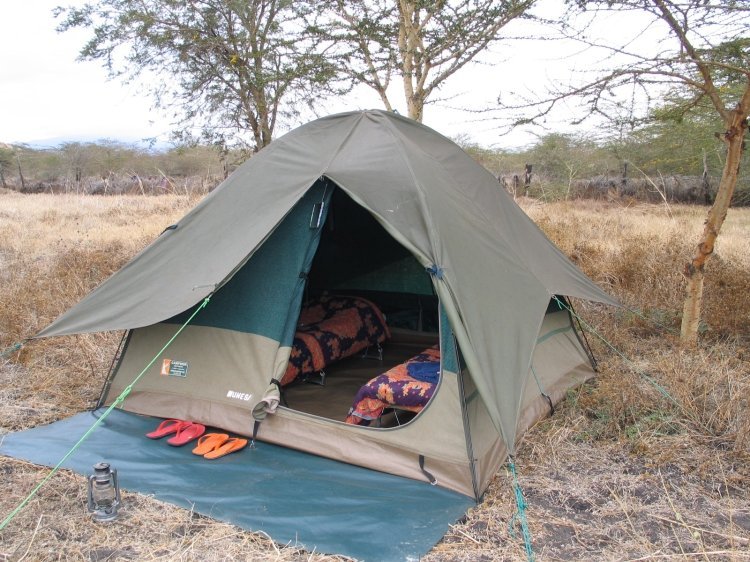
AFCON 2027 Safari Packages from Tanzania
Hitaji la safari ya kundoka ili kufurahia AFCON 2027? Chagua kutoka kwa mikakati ya safari nchini Tanzania inayoambatana na wildlife, mbuga maarufu, na uwekaji wa huduma ya kimataifa ya...
View package details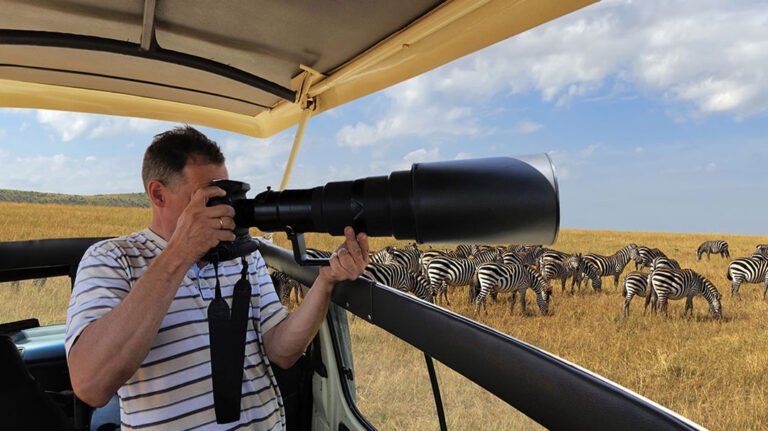
AFCON 2027 Mid Range Safari Packages Tanzania
Mwongozo wa safari ya kati ya AFCON 2027 Tanzania kutoka Climb 4 Africa: mipango ya njia, maeneo ya msitu wa serikali, na usalama wa wasafiri. Onyesha jinsi ya kuchagua kilima cha kati...
View package details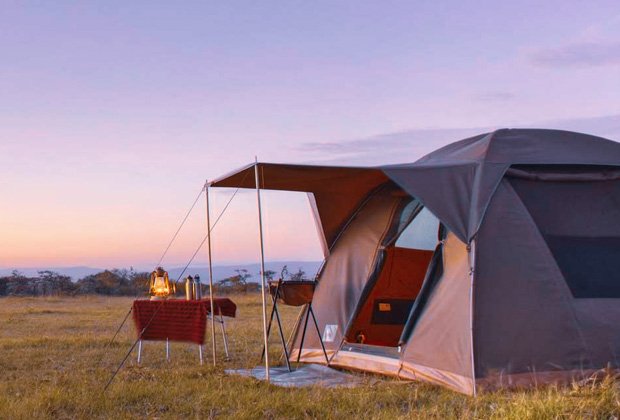
Best Tanzania Safari Before Afcon Final
Best Tanzania Safari Before AFCON 2027 Final.
View package detailsBest Tanzania Safari After Afcon Match
Best Tanzania Safari After AFCON 2027 Match.
View package details
Five Day Tanzania Safari And Afcon Package
Five Day Tanzania Safari and AFCON Package.
View package detailsAfcon Northern Tanzania Safari Packages
AFCON 2027 Northern Tanzania Safari Packages.
View package detailsAfcon Tanzania Football Kilimanjaro And Safari Tour
AFCON 2027 Tanzania Football Kilimanjaro and Safari Tour.
View package detailsAFCON 2027 Safari from Kilimanjaro Airport
Mwongozo wa kina wa AFCON 2027 Safari starting from Kilimanjaro Airport, ukiruhusu kupanga ratiba, usafiri, mapumziko ya kambi, na maeneo ya kuzunguka ili kuonyesha wanyama na mandhari ya...
View package details
Tanzania Safari Packages from Dar es Salaam During AFCON 2027
Mwongozo wa kina wa safari za Tanzania kuanzia Dar es Salaam wakati AFCON 2027: rasilimali, mipango ya siku, na hatua za uhakika za ziara za wanyama na mbuga maarufu.
View package detailsNo related package matches those filters. Clear one or more filters to see the other topic-matched options.