Traveling from Seattle to Tanzania for a safari vacation primarily involves booking international flights to Kilimanjaro International Airport (JRO) or possibly Julius Nyerere International Airport (DAR), securing the necessary visa, choosing the best time to visit based on wildlife migration and weather patterns for 2026-2027, and selecting a reputable tour operator for your safari experience. The journey is long, typically requiring at least one stopover, and comprehensive planning is key to a smooth and rewarding adventure.
Planning Your Seattle to Tanzania Safari: The Big Picture
The dream of a Tanzanian safari is a powerful one, conjuring images of vast savannas, iconic wildlife, and impressive landscapes. For those starting their journey in Seattle, Washington, this dream requires significant logistical planning. It’s not a simple weekend getaway; it’s an expedition across continents. Understanding the core components of this journey upfront will set you on the right path for an unforgettable adventure in 2026 or 2027.
This guide is designed to break down the process of traveling from Seattle to Tanzania into manageable steps. We’ll cover everything from the initial flight booking to the nuances of choosing your safari experience. Our goal is to equip you with the knowledge to make informed decisions, ensuring your trip is as smooth and incredible as possible. We’ll explore the practicalities, the choices you’ll need to make, and how to navigate the options available.
International Flights: Seattle to Tanzania
The first major hurdle for any traveler from Seattle heading to Tanzania is the international flight. This is a significant journey, spanning thousands of miles and multiple time zones. Understanding the options, typical routes, and what to expect will help you manage expectations and find the best fares for your 2026-2027 travel plans.
Airport Options in Tanzania
The primary international gateways for wildlife safaris in Tanzania are:
- Kilimanjaro International Airport (JRO): This is the most convenient airport for safaris in the northern circuit, which includes the Serengeti, Ngorongoro Crater, Tarangire, and Lake Manyara. If your primary focus is on these world-renowned parks, flying into JRO is highly recommended. It’s located between Arusha and Moshi, putting you within easy reach of safari starting points.
- Julius Nyerere International Airport (DAR): Located in Dar es Salaam, Tanzania’s largest city and former capital, DAR is a good option if you plan to visit southern circuit parks like Selous Game Reserve (now Nyerere National Park) or Ruaha National Park, or if you intend to spend time in Zanzibar before or after your safari. From Dar es Salaam, you can take domestic flights or overland transport to other safari areas.
Typical Flight Routes from Seattle (SEA)
Direct flights from Seattle to Tanzania are non-existent. You will always have at least one, and often two, layovers. Common routes and layover cities include:
- Via Europe: This is perhaps the most common route. You’d fly from Seattle (SEA) to a major European hub like Amsterdam (AMS) with KLM, London (LHR) with British Airways, Frankfurt (FRA) with Lufthansa, or Paris (CDG) with Air France. From these hubs, you’ll connect to a flight to either JRO or DAR. This route often involves a longer total travel time but can sometimes offer competitive pricing.
- Via the Middle East: Another popular option is flying via the Middle East, typically through Doha (DOH) with Qatar Airways or Dubai (DXB) with Emirates. These airlines are known for their excellent service and extensive networks, often connecting to JRO or DAR. This route can sometimes be more direct in terms of flight time compared to the European routes, depending on the specific connection.
- Via another African Hub (less common for direct booking): While less common for direct bookings from Seattle, some itineraries might involve a stop in a major African city like Addis Ababa (ADD) with Ethiopian Airlines or Nairobi (NBO) with Kenya Airways. These are often part of longer, more complex itineraries or can be an option if you’re combining travel with neighboring countries.
Booking Considerations for Flights
When searching for flights for your 2026-2027 safari, keep these points in mind:
- Total Travel Time: Expect total travel times to range from 20 to 35+ hours, depending on the layovers. Factor in time for immigration and customs at your layover cities and in Tanzania.
- Layover Duration: Aim for layovers that are long enough to comfortably make your connection (at least 2-3 hours), but not so long that they become exhausting. Some long layovers can be an opportunity to briefly explore a city if you have enough time and the visa/logistics allow.
- Airline Choice: Consider airlines known for their service on long-haul flights. Reputable carriers like KLM, Qatar Airways, Emirates, Lufthansa, and Ethiopian Airlines often provide good onboard experiences.
- Baggage Allowance: International flights have varying baggage policies. Pay close attention to checked baggage limits, especially if you plan to bring a lot of gear. Safari lodges and camps often have stricter limits for light aircraft transfers if you plan any internal flights, so be mindful of this.
- Booking Window: For travel in 2026-2027, it’s advisable to start looking for flights at least 6-10 months in advance, especially if you have specific dates or are traveling during peak safari seasons. This generally offers the best balance of price and availability.
- Price Fluctuations: Flight prices can fluctuate significantly. Use flight comparison websites but also check airline websites directly. Consider setting price alerts.
Travel Tip: Sometimes, booking separate tickets (e.g., Seattle to Europe, then Europe to JRO) might appear cheaper, but this carries significant risk. If your first flight is delayed, you could miss your second flight, and the second airline may not accommodate you if you booked separately. It’s usually safer, though potentially more expensive, to book the entire journey on a single ticket.
Visa Requirements for Tanzania
Securing a visa is a crucial step in your travel planning. For U.S. citizens and many other nationalities, a visa is required to enter Tanzania. Understanding the process for your 2026-2027 trip is essential.
Types of Visas
The most common visa for tourists visiting Tanzania for a safari vacation is the Tourist Visa. Depending on your nationality and the purpose of your visit, you might be eligible for a single-entry or multiple-entry visa. For most safari-goers, a single-entry visa is sufficient.
How to Obtain a Tanzanian Visa
There are generally two main ways to obtain your Tanzanian visa:
- Online Application (Recommended): The most convenient method is to apply for an e-Visa online through the official Tanzanian immigration website. This process typically involves filling out an application form, uploading required documents (passport scan, passport-sized photo), and paying the visa fee online. Once approved, you will receive an approval letter via email, which you should print and present along with your passport upon arrival in Tanzania.
- Visa on Arrival: While possible for some nationalities at major entry points like JRO and DAR, applying for a visa on arrival can sometimes lead to longer queues and potential delays. It’s generally recommended to secure your visa in advance to streamline your arrival process. If you opt for this, ensure you have the exact visa fee in cash (USD is often preferred, but check current requirements) and all necessary documentation.
Key Information for Your Visa Application
- Passport Validity: Your passport must be valid for at least six months beyond your intended stay in Tanzania and have at least one blank page for the visa stamp.
- Visa Fees: Fees vary by nationality and visa type. Check the official Tanzanian immigration website for the most current fee structure. Typically, a single-entry tourist visa costs around $50-$100 USD, but this can change.
- Processing Time: Online e-Visa applications usually take 7-10 business days for processing, though it can sometimes be faster or take longer. Apply well in advance of your travel dates for 2026-2027.
- Required Documents: Typically include a scanned copy of your passport’s bio-data page, a recent passport-sized photograph, and sometimes an itinerary or proof of onward travel.
Important Note: Always use the official government website for e-Visa applications to avoid third-party services that may charge extra fees or provide inaccurate information. For Tanzania, this is usually managed by the Directorate of Immigration Services.
Travel Tip: If you are combining your Tanzania trip with travel to other East African countries (like Kenya or Uganda), research the East African Tourist Visa. This visa, if available and applicable to your nationality, allows multiple entries into Kenya, Uganda, and Tanzania within a 90-day period and can be more cost-effective than obtaining individual visas, though its availability and application process can vary.
When to Travel: Best Time for a Tanzania Safari (2026-2027)
Choosing the right time to visit Tanzania for your safari vacation is crucial for maximizing wildlife viewing opportunities and enjoying pleasant weather. Tanzania’s climate varies, but generally, there are distinct wet and dry seasons that influence wildlife movements and the overall safari experience. For your 2026-2027 trip, understanding these patterns is key.
Understanding Tanzania’s Climate
Tanzania has two main rainy seasons:
- The Long Rains: Typically from March to May. These months experience heavy rainfall, making some areas inaccessible and roads muddy. Wildlife viewing can still be good, with lush landscapes and fewer crowds, but it’s generally considered the low season.
- The Short Rains: Usually occur from November to mid-December. These are less intense than the long rains and often consist of brief afternoon showers.
The dry seasons are:
- The Long Dry Season: From June to October. This is considered the peak safari season. Skies are clear, rainfall is minimal, and wildlife congregates around permanent water sources, making them easier to spot. The vegetation thins out, improving visibility.
- The Short Dry Season: From January to February. This period is also excellent for safaris, characterized by warm, dry weather.
The Great Migration: A Major Draw
A significant factor for many safari-goers is witnessing the Great Migration of wildebeest and zebras. The migration is a year-round phenomenon, with the herds constantly moving in search of fresh grazing land. The location of the herds changes significantly throughout the year:
- December – March: The herds are typically in the southern Serengeti and Ndutu area (Ngorongoro Conservation Area), calving season. This is a fantastic time to see predator-action as new calves are born.
- April – May: The herds begin their northward movement, often facing the heavy rains.
- June – July: The herds reach the Grumeti River in the western Serengeti, where they may face river crossings.
- July – October: The herds move further north towards the Mara River, crossing into Kenya’s Masai Mara. The Mara River crossings, typically from July to September, are dramatic and a highlight for many.
- November: The herds begin to descend southwards, often following the short rains.
Best Times to Visit Based on Your Interests (2026-2027)
Here’s a breakdown to help you choose for your 2026-2027 trip:
- For Peak Wildlife Viewing & Great Migration (River Crossings): June to October. This is the dry season and prime time for seeing the migration in the northern Serengeti and potentially the Mara River crossings. Expect higher prices and more visitors.
- For Calving Season & Abundant Predators: January to March. The southern Serengeti and Ndutu are prime locations for witnessing the birth of thousands of wildebeest calves, attracting numerous predators. The weather is generally dry and warm.
- For Fewer Crowds & Greener Landscapes: November to May (avoiding the peak of the long rains in March-May if possible). You can still have excellent game viewing, enjoy lush scenery, and benefit from lower prices and fewer tourists. The short rains in November can be beautiful, with dramatic skies.
Considerations for 2026-2027: Climate patterns can be unpredictable. While these are general guidelines, always check recent weather patterns closer to your booking date. High season (June-October) means booking accommodation and flights further in advance.
Travel Tip: If your primary goal is to see the Great Migration, research the specific timing of the herds for the year you plan to travel, as their exact movements can vary slightly year to year. Your tour operator can provide the most up-to-date information.
Choosing Your Tanzania Safari Style
Tanzania offers a diverse range of safari experiences, catering to different preferences, budgets, and travel styles. Deciding on the type of safari that best suits you is a crucial step in planning your trip from Seattle.
Shared vs. Private Safaris
- Shared Safaris (Group Tours): These are often the most budget-friendly option. You join a small group of other travelers in a safari vehicle with a guide. This is a great way to meet people and share costs. Climb 4 Africa offers scheduled group departures for safaris, which can be an excellent way to experience Tanzania affordably.
- Private Safaris: You have a dedicated safari vehicle and guide exclusively for your group (family, friends, or couple). This offers maximum flexibility, allowing you to set your own pace, spend more time at sightings you find interesting, and customize your itinerary. Private safaris are more expensive but offer a more personalized and intimate experience.
Vehicle Types
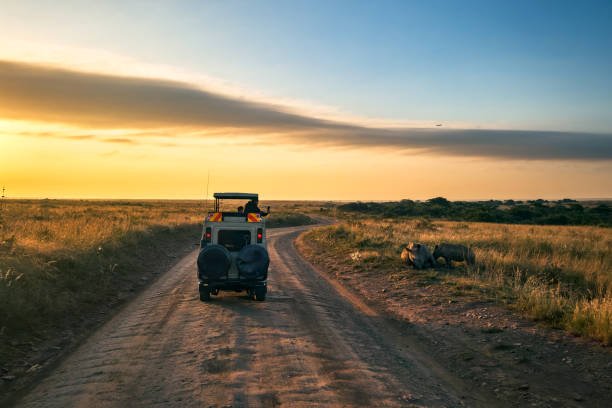
- 4×4 Safari Vehicles: These are the standard for Tanzanian safaris. Typically, they are modified Land Cruisers or Land Rovers with pop-up roofs for excellent game viewing and photography. Most reputable operators use these.
- Open-Top Vehicles: Some lodges or specific areas might offer open-top vehicles for shorter game drives, but for full-day safaris, pop-up roof vehicles are the norm for safety and comfort.
Accommodation Styles
Your choice of accommodation will significantly impact your safari experience and budget:
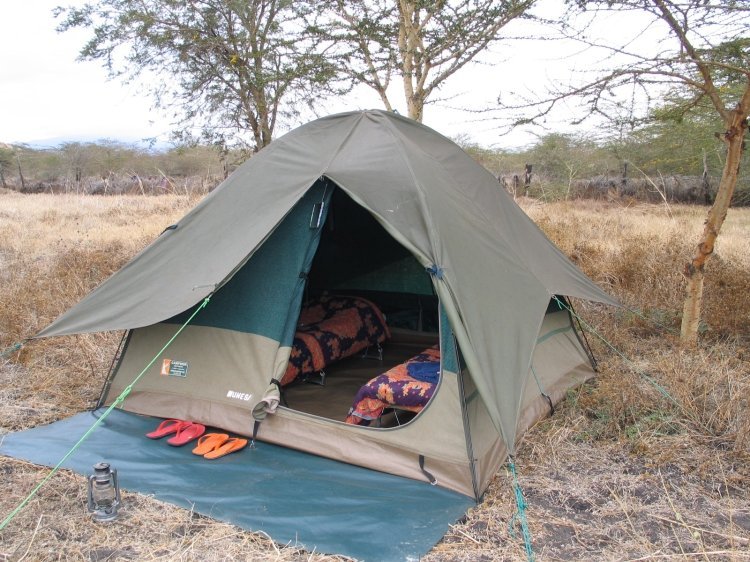
- Camping Safaris: This is the most rustic and often the most budget-friendly option. You stay in basic tents, often with shared facilities. It offers a very close-to-nature experience. Climb 4 Africa can arrange camping safaris, providing a more adventurous feel.
- Tented Camps: These range from basic to very luxurious. Permanent tented camps offer comfortable beds, en-suite bathrooms, and often more amenities than basic camping. They provide a classic safari feel.
- Lodges: These are permanent structures, ranging from simple to high-end hotels. They offer the most comfort and amenities, including restaurants, bars, swimming pools, and sometimes spas.
- Luxury Tented Camps/Lodges: For a premium experience, these offer exquisite service, gourmet dining, private plunge pools, and unparalleled comfort, often in exclusive locations.
Walking Safaris
In specific areas like the Ngorongoro Conservation Area (outside the crater), or in parks like Selous (Nyerere National Park), walking safaris are offered. Accompanied by an armed ranger and a guide, these provide a different perspective, allowing you to focus on smaller details, flora, and fauna you might miss from a vehicle. This is usually an add-on to a vehicle-based safari.
Fly-in Safaris
For those with limited time or who prefer to avoid long drives, fly-in safaris are an option. You take small bush planes between different park airstrips. This is significantly more expensive but saves considerable travel time and offers stunning aerial views. It’s often combined with stays at exclusive, remote camps.
Travel Tip: For a first-time safari-goer from Seattle, a combination of a mid-range tented camp or lodge in the northern circuit, with a private or well-organized shared vehicle safari, offers a fantastic balance of comfort, wildlife viewing, and value for money in 2026-2027.
Key Safari Destinations in Tanzania
Tanzania is home to some of Africa’s most famous and diverse wildlife areas. For your Seattle to Tanzania safari, understanding these key destinations will help you craft your ideal itinerary.
The Northern Circuit
This is the most popular safari circuit in Tanzania, renowned for its dense wildlife populations and iconic landscapes. It’s easily accessible from JRO airport.
- Serengeti National Park: The undisputed star. Famous for the Great Migration, vast plains, and incredible predator sightings. It’s a UNESCO World Heritage Site offering endless opportunities for game drives.
- Ngorongoro Conservation Area: Home to the Ngorongoro Crater, a UNESCO World Heritage Site and a geological marvel. The crater floor boasts an exceptionally high density of wildlife, including the Big Five (lion, leopard, elephant, rhino, buffalo), in a relatively small area. It’s also a great place to see the endangered black rhino.
- Tarangire National Park: Known for its large elephant herds, especially during the dry season when they congregate around the Tarangire River. It also features iconic baobab trees and a good variety of antelope and birdlife.
- Lake Manyara National Park: Famous for its tree-climbing lions (though sightings are not guaranteed), large troops of baboons, and diverse birdlife. The park’s setting along the Great Rift Valley escarpment is also stunning.
- Arusha National Park: A smaller, accessible park near Arusha town. It’s known for Mount Meru, Momella Lakes (famous for flamingos), and the Ngurdoto Crater. It’s a good option for day trips or shorter safaris and a popular starting point for Kilimanjaro treks.
The Southern Circuit (Selous/Nyerere & Ruaha)
Less crowded and offering a wilder, more remote experience, the southern circuit is gaining popularity.
- Nyerere National Park (formerly Selous Game Reserve): One of the largest game reserves in Africa. It’s known for its vast wilderness, boat safaris on the Rufiji River (offering unique views of hippos, crocodiles, and birds), walking safaris, and significant populations of wild dogs and elephants.
- Ruaha National Park: Tanzania’s largest national park. It offers a truly wild and remote safari experience with huge elephant and buffalo herds, a high concentration of predators (lions, wild dogs), and dramatic landscapes. It’s best accessed by light aircraft.
Zanzibar
While not a safari destination in the traditional sense, Zanzibar is often combined with a Tanzanian safari. Its pristine beaches, turquoise waters, rich history (Stone Town), and spice tours offer a perfect relaxing end to an adventurous safari.
Choosing Your Parks: Most first-time visitors from Seattle focus on the Northern Circuit for its density of famous wildlife and iconic landscapes. A typical 7-10 day Northern Circuit safari might include Serengeti, Ngorongoro, Tarangire, and Lake Manyara. For those seeking a more off-the-beaten-path experience or combining with Zanzibar, the Southern Circuit is an excellent alternative.
Travel Tip: For 2026-2027 travel, consider the Great Migration’s location when choosing your parks. If seeing river crossings is a priority, focus on the northern Serengeti in July-September. If calving season is your goal, head to the southern Serengeti/Ndutu in January-March.
Booking Your Tanzania Safari: What to Look For
Selecting the right tour operator is arguably the most critical decision you’ll make when planning your Seattle to Tanzania safari. Your operator handles logistics, guides, accommodation, and safety, so choosing wisely ensures a smooth and enriching experience for your 2026-2027 adventure.
What Makes a Reputable Tour Operator?
When researching operators, look for these qualities:
- Local Expertise: An operator based in Tanzania, like Climb 4 Africa, has invaluable local knowledge. They understand the parks, wildlife, local conditions, and have established relationships with lodges and park authorities.
- Experience & Reviews: Check their years of operation, client testimonials, and reviews on platforms like TripAdvisor. Look for consistent positive feedback regarding guides, vehicles, accommodation, and overall organization. For example, reviews for Climb 4 Africa often highlight their dedication and expertise.
- Customization Options: Can they tailor an itinerary to your specific interests, budget, and timeframe? This is crucial for a personalized trip.
- Guide Quality: Experienced, knowledgeable, and personable guides are the backbone of a great safari. Ask about their guide training and experience.
- Vehicle Fleet: Ensure they use well-maintained, 4×4 safari vehicles with pop-up roofs.
- Inclusions & Exclusions: A clear breakdown of what your safari package includes (accommodation, meals, park fees, guide fees, vehicle use) and what is excluded (international flights, tips, personal expenses, visa fees) is essential.
- Safety Standards: Inquire about their safety protocols, emergency procedures, and how they handle unexpected situations.
- Communication: How responsive and clear are they in their communication? This is a good indicator of their professionalism.
Key Questions to Ask Potential Operators
- What is the typical group size for your shared safaris?
- Can you provide a detailed sample itinerary for a 7-day Northern Circuit safari for 2027?
- What is included in the quoted price (park fees, accommodation, meals, etc.)? Are there any hidden costs?
- What is your cancellation and refund policy?
- What are the qualifications and experience of your safari guides?
- What type of vehicles do you use, and what is the maximum number of passengers per vehicle on a private safari?
- Can you accommodate specific dietary requirements?
- What is your policy on tipping guides and staff?
Booking Window and Payment
For popular travel periods in 2026 and 2027, especially during the peak dry season (June-October), booking 9-12 months in advance is highly recommended. This ensures availability for the best lodges and safari vehicles.
Payment terms typically involve a deposit (often 20-50%) to secure your booking, with the balance due 60-90 days before your departure. Always clarify these terms and ensure you receive a detailed booking confirmation and invoice.
Travel Tip: When contacting operators like Climb 4 Africa for a quote, be as specific as possible about your desired dates, number of travelers, preferred safari style (private/shared), accommodation level (budget/mid-range/luxury), and must-see parks. This helps them provide a more accurate and tailored proposal for your 2026-2027 trip.
Pre-Trip Preparations: Packing and Health
Once your safari is booked, focus shifts to preparing for your journey from Seattle to Tanzania. Proper packing and health precautions are vital for a comfortable and safe trip.
What to Pack for Your Safari
The key is to pack light, practical, and comfortable clothing. Neutral colors are best to avoid startling wildlife.
- Clothing:
- Lightweight, breathable long-sleeved shirts and trousers (khaki, beige, green).
- T-shirts and comfortable tops.
- A warm fleece or jacket for cooler evenings and early mornings.
- A waterproof and windproof jacket.
- Shorts or skirts (for relaxing at lodges, less practical for game drives).
- Comfortable walking shoes or hiking boots (if planning any walks).
- Sandals or flip-flops for downtime.
- Socks (consider moisture-wicking).
- Swimsuit (for lodges with pools).
- Accessories:
- Wide-brimmed hat or cap for sun protection.
- Sunglasses.
- Scarf or bandana (for dust).
- Binoculars (essential for wildlife viewing!).
- Camera with extra batteries and memory cards. Consider a zoom lens.
- Power adapter and converter (Tanzania uses Type G sockets, 230V).
- Headlamp or flashlight.
- Small backpack or daypack for essentials during game drives.
- Reusable water bottle.
- Toiletries & Personal Items:
- Sunscreen (high SPF).
- Insect repellent (with DEET).
- Hand sanitizer.
- Basic first-aid kit (band-aids, antiseptic wipes, pain relievers, any personal medications).
- Motion sickness medication if needed.
- Personal toiletries.
Luggage Note: If you plan to use light aircraft for internal transfers (e.g., to remote camps), there are strict weight limits, typically 15-20 kg (33-44 lbs) per person, including hand luggage, in soft-sided bags. Always confirm this with your tour operator.
Health Precautions
Consult your doctor or a travel clinic at least 4-6 weeks before your trip to discuss necessary vaccinations and malaria prevention for Tanzania.
- Vaccinations: Recommended vaccinations often include Hepatitis A, Typhoid, Tetanus, and potentially others depending on your medical history and travel plans. Yellow Fever vaccination may be required if you are arriving from or transiting through a country with a risk of Yellow Fever. Carry your Yellow Fever certificate.
- Malaria Prevention: Tanzania is a malaria-risk area. Your doctor will likely prescribe antimalarial medication. It’s crucial to take it as directed before, during, and after your trip.
- Insect Bite Prevention: Besides taking antimalarials, use insect repellent, wear long sleeves and trousers, especially at dawn and dusk, and sleep under a mosquito net (usually provided in accommodation).
- Traveler’s Diarrhea: Be cautious with food and water. Stick to bottled water, avoid ice in drinks unless you know it’s made from purified water, and ensure food is well-cooked. Carry medication for diarrhea.
- Travel Insurance: Comprehensive travel insurance is non-negotiable. Ensure it covers medical emergencies, evacuation, trip cancellation, and lost luggage.
Travel Tip: Pack any essential personal medications in your carry-on luggage, along with prescriptions. Make copies of important documents like your passport, visa, and insurance policy.
Arriving in Tanzania and Safari Logistics
Your arrival in Tanzania marks the beginning of your safari adventure. Understanding the process at the airport and the initial logistics will make your transition smoother.
Arrival at Kilimanjaro International Airport (JRO)
Upon arrival at JRO:
- Immigration: Proceed to the immigration counter. Have your passport, visa approval letter (if e-Visa), and any other required documents ready.
- Baggage Claim: Collect your luggage from the carousel.
- Customs: You may pass through customs. Generally, personal items are allowed, but be aware of restrictions on certain goods.
- Meet Your Guide: Your tour operator (e.g., Climb 4 Africa) will have a representative or your safari guide waiting for you in the arrivals hall, usually holding a sign with your name or the company’s name.
Your guide will assist with your luggage and escort you to your transfer vehicle. Depending on your itinerary, you might be transferred directly to your lodge in Arusha or Moshi, or you might begin your safari drive immediately.
Safari Vehicle and Guide
Your safari vehicle is your home on the road. It’s typically a 4×4 Land Cruiser or Land Rover with a pop-up roof, designed for optimal wildlife viewing and comfort. Your guide is your expert companion, responsible for navigating the parks, spotting wildlife, sharing knowledge about the animals and local culture, and ensuring your safety.
Daily Safari Routine
A typical day on safari often looks like this:
- Early Morning Game Drive: Wake up early, have breakfast, and head out for a game drive as the sun rises. This is often the best time to see predators active.
- Midday Break: Return to your lodge or camp for lunch and a rest during the hottest part of the day. Some lodges have pools where you can relax.
- Late Afternoon Game Drive: Head out again in the late afternoon until sunset. This offers different lighting for photography and chances to see nocturnal animals starting to emerge.
- Evening: Dinner at your lodge/camp, sharing stories of the day’s sightings.
The exact schedule can be flexible, especially on private safaris. Your guide will work with you to create a rhythm that suits your preferences.
Park Fees and Regulations
Park entrance fees are a significant part of the safari cost and are usually included in your tour package. These fees contribute to conservation efforts. It’s important to respect park rules, such as not littering, staying in your vehicle unless in designated areas, and not feeding animals.
Communication and Connectivity
Mobile phone reception can be spotty in national parks. Many lodges and camps offer Wi-Fi, though it might be slow or limited to common areas. Consider purchasing a local SIM card upon arrival if you need consistent connectivity, but be prepared for it to be unreliable in remote areas.
Travel Tip: Embrace the opportunity to disconnect. Safari is a chance to be present in nature. Inform your family and friends back in Seattle that you may have limited communication during certain parts of your trip.
Frequently Asked Questions (FAQs)
How much does a safari from Seattle to Tanzania typically cost?
The cost of a Tanzania safari varies widely based on duration, accommodation style, and whether it’s a private or group tour. For a 7-10 day safari in the Northern Circuit (excluding international flights from Seattle), expect to pay anywhere from $2,500 to $7,000+ per person. Luxury options can exceed $10,000. International flights from Seattle can add another $1,200 to $2,500+ depending on the season and booking time for 2026-2027 travel.
What is the best way to get from Seattle to the Serengeti?
The most common way is to fly from Seattle (SEA) to Kilimanjaro International Airport (JRO). From JRO, you will typically be met by your tour operator and begin your overland safari drive towards the Serengeti, or take a domestic flight from Arusha to an airstrip within the Serengeti, depending on your itinerary and budget.
Do I need vaccinations for Tanzania?
Yes, it is highly recommended to consult with a travel clinic or your doctor at least 4-6 weeks before your trip. Recommended vaccinations often include Hepatitis A, Typhoid, Tetanus, and precautions against Malaria. Yellow Fever vaccination may also be required.
What is the best safari vehicle for Tanzania?
The standard and most recommended vehicle for Tanzanian safaris is a 4×4 Land Cruiser or Land Rover with a pop-up roof. This provides excellent visibility, comfort, and capability for navigating diverse terrains within the national parks.
Can I combine a safari with climbing Mount Kilimanjaro?
Absolutely. Many travelers from Seattle combine a safari with a Kilimanjaro climb. Climb 4 Africa specializes in both, offering packages that seamlessly integrate a trek with a safari. This is a popular option for a comprehensive Tanzanian adventure in 2026 or 2027.
Making Your Seattle to Tanzania Safari a Reality
The journey from Seattle to Tanzania for a safari vacation is a significant undertaking, but with careful planning, it’s an incredibly rewarding experience. From the long-haul flights to the intricate details of park fees and local customs, every step is part of the adventure.
By understanding the flight options, visa requirements, the best times to visit, and the diverse safari styles available, you can make informed decisions that align with your budget and expectations for 2026-2027. Choosing a reputable and experienced local operator is paramount; they are your gateway to navigating the complexities of Tanzania and ensuring a safe, memorable, and authentic safari.
Whether you dream of witnessing the Great Migration, spotting the Big Five in the Ngorongoro Crater, or simply immersing yourself in the wild beauty of the African savanna, your Tanzania safari awaits. Start planning now to secure the best options for your unforgettable journey.
For personalized assistance in planning your Seattle to Tanzania safari vacation, including custom itineraries, Kilimanjaro climbs, and expert advice for 2026-2027 travel, we invite you to connect with us. We are dedicated to creating tailor-made African adventures. Reach out via WhatsApp at +255 747 477 898 or email us at climb4africa@gmail.com. Let us help you craft your dream safari.
Check Availability for How To Travel From Seattle To Tanzania For A Safari Vacation 2026-2027
Ready to compare dates, prices, and the best option for your group? Send the package name and travel month so the team can reply with a clear quote, availability, and what is included.
AFCON 2027 Safari Packages from Tanzania
Hitaji la safari ya kundoka ili kufurahia AFCON 2027? Chagua kutoka kwa mikakati ya safari nchini Tanzania inayoambatana na wildlife, mbuga maarufu, na uwekaji wa huduma ya kimataifa ya...
View package details
AFCON 2027 Mid Range Safari Packages Tanzania
Mwongozo wa safari ya kati ya AFCON 2027 Tanzania kutoka Climb 4 Africa: mipango ya njia, maeneo ya msitu wa serikali, na usalama wa wasafiri. Onyesha jinsi ya kuchagua kilima cha kati...
View package details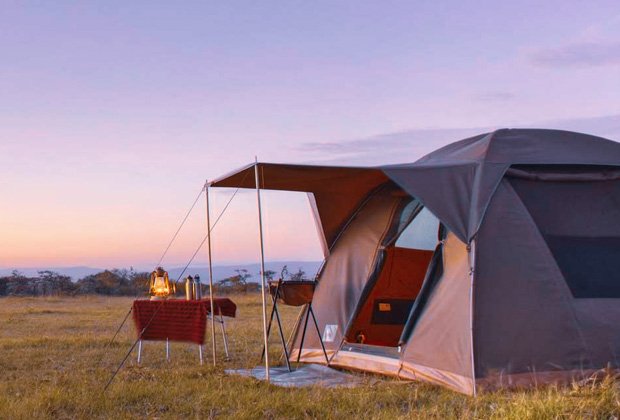
Best Tanzania Safari Before Afcon Final
Best Tanzania Safari Before AFCON 2027 Final.
View package detailsBest Tanzania Safari After Afcon Match
Best Tanzania Safari After AFCON 2027 Match.
View package details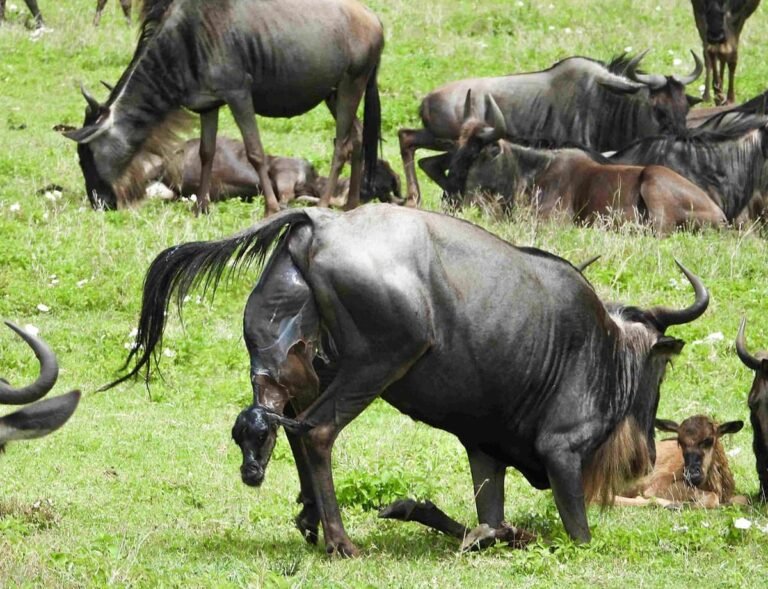
Five Day Tanzania Safari And Afcon Package
Five Day Tanzania Safari and AFCON Package.
View package details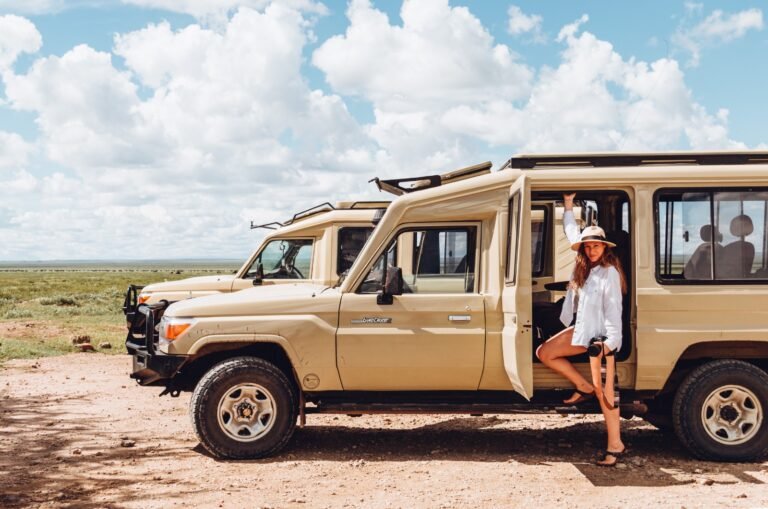
Afcon Northern Tanzania Safari Packages
AFCON 2027 Northern Tanzania Safari Packages.
View package detailsAfcon Tanzania Football Kilimanjaro And Safari Tour
AFCON 2027 Tanzania Football Kilimanjaro and Safari Tour.
View package details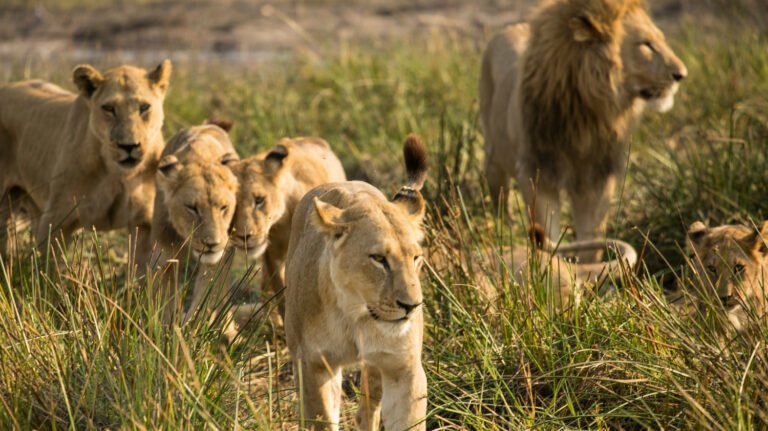
Tanzania Safari Packages from Dar es Salaam During AFCON 2027
Mwongozo wa kina wa safari za Tanzania kuanzia Dar es Salaam wakati AFCON 2027: rasilimali, mipango ya siku, na hatua za uhakika za ziara za wanyama na mbuga maarufu.
View package detailsTanzania Safari Tours for AFCON 2027 Fans
Muhtasari wa safari za Tanzania kwa mashabiki wa AFCON 2027: maeneo ya hifadhi, mizunguko ya wildlife, usalama wa safari, na jinsi ya kupanga na kuhudumiwa na Climb 4 Africa.
View package details
Dec 20, – 10 Day Complete Tanzania Group Joining Safari
Dec 20, 2026 – 10 Day Complete Tanzania Group Joining Safari.
View package detailsHow Early Should I Book A Nov Or Dec Tanzania Group Safari?
How Early Should I Book a Nov or Dec Tanzania Group Safari?
View package detailsNo related package matches those filters. Clear one or more filters to see the other topic-matched options.