
Securing flights from Dallas to Tanzania for a combined Kilimanjaro safari and Zanzibar experience in 2026-2027 typically involves one or two stops, often in major European hubs like Amsterdam, Doha, or Istanbul, or sometimes via East African gateways such as Nairobi. Direct flights from Dallas to Kilimanjaro International Airport (JRO) or Zanzibar (ZNZ) are not available, meaning layovers are a certainty. Planning your international flights well in advance, especially for peak seasons in 2026 and 2027, is crucial for securing the best routes and competitive pricing, with journey times ranging from 18 to 30+ hours depending on the layover duration and location.

Understanding the Journey: Dallas to Tanzania
Traveling from Dallas, Texas, to Tanzania is a significant undertaking, bridging continents and time zones. Unlike many domestic or even transatlantic routes, direct flights are non-existent. This means your journey will invariably involve at least one, and often two, layovers. The primary goal when planning these flights is to balance cost, travel time, and convenience. For a trip combining a Kilimanjaro climb with a safari and Zanzibar, understanding the flight logistics from the outset is fundamental to a smooth and enjoyable experience.
When you start searching for flights from Dallas (DFW) to Tanzania, you’ll quickly notice that the available routes are quite varied. The most common layover points tend to be major international hubs. These include:
- European Hubs: Amsterdam (AMS) with KLM, Paris (CDG) with Air France, London Heathrow (LHR) with British Airways, or Istanbul (IST) with Turkish Airlines. These routes often offer good connectivity and a wide range of flight times.
- Middle Eastern Hubs: Doha (DOH) with Qatar Airways or Dubai (DXB) with Emirates. These airlines are known for their modern fleets and excellent service, often providing competitive pricing.
- African Hubs: While less common for the initial long-haul leg from Dallas, some itineraries might route through Nairobi (NBO) in Kenya, especially if connecting to a smaller regional carrier or if it offers a more cost-effective option.
The total travel time, including layovers, can range significantly. A quick connection might bring the total journey to around 18-20 hours, whereas longer layovers or multiple stops can easily extend this to 25-35 hours or even more. This is why strategic booking, considering the length and timing of your stops, is paramount. For 2026-2027 travel, booking early is the best way to ensure you have a good selection of these longer routes before they fill up.
Choosing Your Arrival Airport: JRO vs. ZNZ
The decision of where to fly into Tanzania first – Kilimanjaro International Airport (JRO) or Zanzibar International Airport (ZNZ) – often depends on your itinerary’s starting point. Most travelers aiming for a Kilimanjaro climb and safari will fly into JRO, as it’s located near Moshi and Arusha, the primary gateway towns for these activities. Conversely, if Zanzibar is your first destination, flying directly into ZNZ makes the most sense.
It’s also worth noting that some travelers opt for an open-jaw ticket, flying into one airport and out of the other. For instance, flying Dallas to JRO, then taking a domestic flight or ferry to Zanzibar, and finally flying from ZNZ back to Dallas. This can save considerable backtracking time and cost. When discussing flights from Dallas to Tanzania for Kilimanjaro safari and Zanzibar, considering this open-jaw option is key to efficient travel planning for your 2026-2027 adventure.
Key Airports in Tanzania: JRO vs. ZNZ
When planning your flights from Dallas to Tanzania, understanding the main international gateways is essential. Tanzania has two primary international airports that most long-haul flights will connect through: Kilimanjaro International Airport (JRO) and Zanzibar International Airport (ZNZ).
Kilimanjaro International Airport (JRO)
* Location: JRO is situated between the towns of Arusha and Moshi, serving as the main gateway for travelers heading to Mount Kilimanjaro, the Serengeti, Ngorongoro Crater, Tarangire, and other northern circuit safari destinations. It’s strategically positioned for the start of most Kilimanjaro climbs and safaris.
* **Services:** As a major international airport, JRO handles a significant number of international arrivals. It has facilities like immigration, customs, currency exchange, and car hire services. While not as bustling as major global hubs, it’s well-equipped for its role.
* Relevance for your trip: If your priority is climbing Kilimanjaro or embarking on a northern circuit safari first, flying into JRO is generally the most logical choice. This minimizes your initial domestic travel time within Tanzania. For 2026-2027 travel, it’s wise to book flights to JRO if your safari and climb are your primary focus.
Zanzibar International Airport (ZNZ)
* Location: Also known as Abeid Amani Karume International Airport, ZNZ is located on Unguja, the main island of the Zanzibar archipelago. It’s the gateway to Zanzibar’s famous beaches, Stone Town, spice tours, and marine activities.
* Services: ZNZ is equipped to handle international traffic and has all the standard airport facilities. It’s a smaller airport than JRO but is efficient for arrivals and departures.
* Relevance for your trip: If your itinerary begins with relaxation on Zanzibar’s beaches before heading to the mainland for a safari and climb, flying into ZNZ first is ideal. This allows you to start your holiday immediately without an extra domestic flight or ferry journey from the mainland.
The Open-Jaw Strategy
For those planning a combined Kilimanjaro safari and Zanzibar trip, considering an “open-jaw” ticket is highly recommended. This means flying into one airport and out of the other. For example:
* Option 1: Fly Dallas to JRO (for Kilimanjaro/safari), then take a domestic flight or ferry from Arusha/Moshi to Zanzibar, and finally fly from ZNZ back to Dallas.
* Option 2: Fly Dallas to ZNZ (for Zanzibar first), then take a domestic flight from Zanzibar to JRO (or another mainland airport like DAR), and eventually fly from JRO back to Dallas.
This strategy can save you time and money compared to flying round-trip to a single airport and then needing to backtrack. When searching for flights from Dallas to Tanzania for your 2026-2027 trip, actively look for these open-jaw options. Many online travel agencies and airline websites allow you to search for multi-city itineraries, which is where you’d input this open-jaw preference.
Airlines Serving Tanzania from Dallas: Options and Trade-offs
When looking for flights from Dallas to Tanzania, you’ll be relying on major international carriers that connect through their respective hubs. There are no direct flights, so understanding the airlines that commonly serve this route and their typical layover points is key to planning your 2026-2027 adventure.
Here’s a breakdown of the most frequent airlines and their typical routes:
1. KLM (Royal Dutch Airlines)
* Hub: Amsterdam Schiphol Airport (AMS).
* Typical Route: Dallas (DFW) to Amsterdam (AMS), then Amsterdam (AMS) to Kilimanjaro International Airport (JRO) or Zanzibar (ZNZ). They sometimes partner with Kenya Airways, meaning a possible connection in Nairobi (NBO) after Amsterdam.
* Pros: KLM is a well-established airline with a strong network. Amsterdam is a major European hub, often providing good flight schedules. They are known for reliable service.
* Cons: The total travel time can be on the longer side, especially with the AMS layover. Pricing can vary significantly.
2. Qatar Airways
* Hub: Hamad International Airport, Doha (DOH).
* Typical Route: Dallas (DFW) to Doha (DOH), then Doha (DOH) to Kilimanjaro (JRO) or Zanzibar (ZNZ).
* Pros: Qatar Airways frequently receives high ratings for service, comfort, and in-flight entertainment. Their hub in Doha is modern and efficient. Often competitive pricing.
* Cons: The Doha layover can be lengthy, and the flight path takes you eastward, which might mean a longer overall journey time compared to some European routes depending on exact timings.
3. Emirates
* Hub: Dubai International Airport (DXB).
* Typical Route: Dallas (DFW) to Dubai (DXB), then Dubai (DXB) to Kilimanjaro (JRO) or Zanzibar (ZNZ).
* Pros: Similar to Qatar Airways, Emirates offers a high standard of service and a modern fleet. Dubai is a massive, well-equipped hub.
* Cons: Like Qatar, the eastward routing means a potentially longer travel time from Dallas. Layover durations in Dubai can also be significant.
4. Turkish Airlines
* Hub: Istanbul Airport (IST).
* Typical Route: Dallas (DFW) to Istanbul (IST), then Istanbul (IST) to Kilimanjaro (JRO) or Zanzibar (ZNZ).
* Pros: Istanbul is a crossroads between Europe and Asia, offering a unique layover experience. Turkish Airlines has an extensive network and can sometimes offer competitive fares.
* Cons: The flight path can be quite circuitous from Dallas. Layover times can vary greatly.
5. Ethiopian Airlines
* Hub: Bole International Airport, Addis Ababa (ADD).
* Typical Route: Dallas (DFW) to Addis Ababa (ADD), then Addis Ababa (ADD) to Kilimanjaro (JRO) or Zanzibar (ZNZ). This is often a very direct route to East Africa.
* Pros: Ethiopian Airlines is a major player in African aviation and often provides the most direct routing to East Africa from North America. They are generally reliable and can be cost-effective.
* Cons: While improving, the in-flight experience might not match the luxury carriers like Qatar or Emirates for some travelers.
6. Air France / KLM (Code-sharing)
* Hubs: Paris Charles de Gaulle (CDG) and Amsterdam Schiphol (AMS).
* Typical Route: Dallas (DFW) to Paris (CDG), then Paris (CDG) to Kilimanjaro (JRO) or Zanzibar (ZNZ). Often, they will route via Amsterdam as well, sometimes with a change of planes or a connection through Kenya Airways.
* Pros: Offers multiple European gateway options. Strong network.
* Cons: Can involve multiple stops or longer layovers.
7. British Airways
* Hub: London Heathrow (LHR).
* Typical Route: Dallas (DFW) to London (LHR), then London (LHR) to Kilimanjaro (JRO) or Zanzibar (ZNZ). Often involves a connection with a partner airline like Kenya Airways in Nairobi.
* Pros: A well-known carrier with a large network.
* Cons: Can be more expensive. London Heathrow can be a very busy and sometimes chaotic airport for connections. The routing often involves a third country (Kenya) after the UK.
Considering Your Priorities
When choosing an airline for your flights from Dallas to Tanzania for your 2026-2027 Kilimanjaro safari and Zanzibar trip, consider these trade-offs:
- Cost vs. Convenience: Some airlines might offer lower fares but with longer layovers or less convenient flight times.
- Travel Time: Ethiopian Airlines often provides the quickest route to East Africa. European and Middle Eastern hubs can be more circuitous but might offer better flight schedules or pricing on certain dates.
- In-Flight Experience: If comfort and service are paramount, airlines like Qatar Airways and Emirates are excellent choices, though they may not always be the cheapest or fastest.
- Layover Location: Think about whether you prefer a European city, a Middle Eastern hub, or a more direct African connection.
It’s essential to compare options across multiple airlines and booking platforms. For the best results for 2026-2027 travel, start your search early and be flexible with your exact travel dates if possible.
Optimizing Your Flight Itinerary: Routes, Layovers, and Duration
Crafting the optimal flight itinerary from Dallas to Tanzania is crucial for maximizing your enjoyment and minimizing travel fatigue, especially when combining a challenging Kilimanjaro climb with a safari and beach relaxation. The goal is to find a balance between cost, travel time, and the convenience of layovers.
Understanding Typical Routing Structures
As established, there are no direct flights. Your journey will almost always involve at least one stop. The most common structures for flights from Dallas (DFW) to Tanzania (JRO or ZNZ) are:
- One-Stop via Major Hub: This is the most efficient option. Examples include DFW-DOH-JRO (Qatar Airways), DFW-AMS-JRO (KLM), or DFW-ADD-JRO (Ethiopian Airlines). These offer the shortest total travel times, typically ranging from 18 to 25 hours, depending on layover duration.
- Two-Stop Itinerary: These might involve a stop in the US (e.g., New York or Chicago) followed by a transatlantic flight to Europe or the Middle East, and then a final leg to Tanzania. Or, a single long-haul flight followed by a connection in a secondary hub. These itineraries are often cheaper but significantly extend travel time, potentially to 30+ hours.
- Code-Shares and Partner Airlines: Many itineraries are built using code-share agreements. For instance, you might book through KLM but fly a portion of the journey on Kenya Airways via Nairobi (NBO). This can offer more routing flexibility but sometimes complicates baggage handling or changes.
The Art of the Layover
Layovers are an unavoidable part of flying from Dallas to Tanzania. Here’s how to approach them strategically:
- Duration: Aim for layovers that are long enough to allow for a comfortable connection, especially if you need to change terminals or airlines, but not so long that they become exhausting. A minimum of 1.5 to 2 hours is generally recommended for international connections. Very short layovers (under 1 hour) carry a risk of missing your connection, especially if the inbound flight is delayed. Very long layovers (6+ hours) can be tiring unless the airport has excellent amenities or you plan to use an airport hotel.
- Timing: Consider the time of day for your layover. An overnight layover in a major city can be an opportunity to see a bit of the city (if visa regulations permit and time allows), but it also means finding accommodation and managing your luggage. A daytime layover is usually less disruptive.
- Airport Quality: Major hubs like Amsterdam (AMS), Doha (DOH), Dubai (DXB), and Istanbul (IST) are generally modern, well-organized, and offer good facilities (restaurants, lounges, shopping).
Total Travel Time Considerations
When comparing flight options for your 2026-2027 Kilimanjaro safari and Zanzibar trip, focus on the **total door-to-door travel time**. This includes:
- Travel to DFW airport.
- Check-in and security time.
- Flight time to the first layover.
- Layover duration.
- Flight time to Tanzania.
- Immigration, baggage claim, and customs at JRO or ZNZ.
- Transfer to your hotel or starting point in Tanzania.
A flight marketed as “18 hours” might actually feel much longer due to inefficient layovers or inconvenient departure/arrival times. Always check the full itinerary details. For instance, a flight departing Dallas late at night might arrive in Tanzania in the early morning, allowing you to start your day, whereas an early morning departure might mean arriving late at night, requiring immediate rest before activities begin.
Optimizing for Your Specific Trip
* Kilimanjaro First: Fly into JRO. Look for itineraries that arrive in the morning or early afternoon to allow for transfer to Moshi or Arusha and some rest. Ethiopian Airlines or KLM are often strong contenders here.
* Zanzibar First: Fly into ZNZ. Consider which arrival time best suits your initial plans on the island. A late afternoon or evening arrival might be fine if you’re staying near the airport or in Stone Town.
* Open-Jaw: As mentioned, flying into one and out of the other is often the most efficient. For example, DFW-JRO, then ZNZ-DFW. This requires booking a multi-city or complex itinerary.
By carefully considering these routing and layover factors, you can significantly improve your travel experience when flying from Dallas to Tanzania for your 2026-2027 adventure.
Booking Flights for Kilimanjaro Safari & Zanzibar in 2026-2027
Booking your international flights from Dallas to Tanzania for your 2026-2027 Kilimanjaro safari and Zanzibar holiday requires a strategic approach. The earlier you start, the better your chances of securing favorable routes, times, and prices. Here’s a guide to the booking process:
When to Book
* Peak Season (June-October, December-February): These are the most popular times for both climbing Kilimanjaro and visiting Zanzibar. For travel during these periods in 2026 and 2027, **start looking and booking at least 6-9 months in advance**. For the absolute best selection and potential pricing, consider booking up to 10-12 months ahead.
* Shoulder Season (March-May, November): These months can offer slightly lower prices and fewer crowds. Booking 4-6 months in advance is usually sufficient, but earlier is always safer for specific preferences.
* Flexibility: If your dates are flexible, you can often find better deals by shifting your travel by a few days or a week. Mid-week flights (Tuesdays, Wednesdays) are sometimes cheaper than weekend departures.
Where to Search and Book
* Online Travel Agencies (OTAs): Websites like Google Flights, Skyscanner, Kayak, Expedia, and Momondo are excellent starting points. They aggregate options from multiple airlines and allow you to compare prices and routes easily. Use their calendar views to identify cheaper travel dates.
* Airline Websites Directly: Once you’ve identified potential airlines and routes, it’s often a good idea to check the airline’s own website. Sometimes, you can find slightly better deals or more flexible booking conditions directly. This is also beneficial if you need to manage your booking (seat selection, baggage, etc.) later.
* Travel Agents: For complex itineraries or if you prefer personalized service, consider a travel agent specializing in African travel. They may have access to consolidated fares or packages not available online. However, for flights alone, OTAs are usually very competitive.
Key Information to Have Ready
When you begin your search for flights from Dallas to Tanzania, have the following details prepared:
- Exact Travel Dates (or flexible range): Be precise about your desired departure and return dates.
- Number of Travelers: Specify adults, children, and infants.
- Preferred Airports: Decide whether you want to fly into JRO or ZNZ first, or if you’re open to an open-jaw itinerary (e.g., DFW-JRO, ZNZ-DFW).
- Layover Preferences: Do you want to minimize layover time, or are you okay with a longer stop?
- Airline Preferences (if any): Do you have loyalty programs or airlines you prefer to fly with?
Tips for Booking Your 2026-2027 Flights
- Set Price Alerts: Most search engines and OTAs allow you to set up alerts for specific routes and dates. You’ll be notified if prices change.
- Consider Baggage Allowances: Long-haul flights and connecting flights can have varying baggage policies. Check the allowances for checked bags and carry-ons for each leg of your journey, especially if you’re flying different airlines. This is crucial for safari gear and Kilimanjaro equipment.
- Understand Change/Cancellation Policies: Before booking, carefully review the terms and conditions regarding changes or cancellations. These can be strict for cheaper fares.
- Visa Requirements: While not directly related to flight booking, be aware of visa requirements for Tanzania and any transit countries. This might influence your layover choices or the time you need at the destination airport.
- Travel Insurance: Always purchase comprehensive travel insurance that covers flight cancellations, delays, medical emergencies, and lost luggage.
Booking flights from Dallas to Tanzania for your 2026-2027 Kilimanjaro safari and Zanzibar trip is a significant step. By starting early, comparing options diligently, and understanding the booking process, you can secure a flight plan that sets you up for an incredible African adventure.
Factors Influencing Flight Costs for 2026-2027 Travel
Understanding what drives the cost of flights from Dallas to Tanzania is key to budgeting for your 2026-2027 Kilimanjaro safari and Zanzibar trip. Several variables come into play, and knowing them can help you make informed booking decisions.
1. Time of Year (Seasonality)
* Peak Seasons: As mentioned, periods like the dry season for Kilimanjaro climbs (June-October) and the generally warm, dry weather for safaris and Zanzibar (December-February and June-October) see the highest demand for flights. This drives prices up significantly. Booking well in advance is essential for these periods in 2026 and 2027.
* Low/Shoulder Seasons: Travel during the ‘rainy seasons’ (March-May, November) often brings lower flight prices. While these months can experience rain, they are not always continuous downpours and can still offer excellent travel opportunities with fewer crowds and lower costs.
2. How Far in Advance You Book
* Early Bird Advantage: Booking 6-10 months ahead typically yields the best prices, especially for peak season travel in 2026 and 2027. Airlines release their cheapest fare classes first.
* Last-Minute: Last-minute bookings (within 1-2 months) are almost always the most expensive, especially if you need specific routes or times. Availability dwindles, and prices surge.
3. Airline and Route Choice
* Major Carriers vs. Budget Options: While there aren’t “budget” airlines for the Dallas-Tanzania route in the traditional sense, some carriers are consistently more expensive than others. For example, full-service carriers like Qatar Airways or Emirates might offer premium services that come at a higher price point, whereas Ethiopian Airlines might be more competitive on price for a similar route.
* Number of Stops and Layover Duration: Flights with fewer stops and shorter, well-timed layovers are generally more desirable and can sometimes command higher prices due to convenience. Conversely, itineraries with two stops or very long layovers might be cheaper but involve more travel time.
* Hub Efficiency: Airlines that have highly efficient hubs and frequent departures to East Africa (like Ethiopian Airlines via Addis Ababa) can sometimes offer better pricing.
4. Day of the Week and Time of Day
* Mid-Week Travel: Flights departing on Tuesdays, Wednesdays, and sometimes Thursdays are often less expensive than those leaving on Fridays, Saturdays, or Sundays.
* Departure/Arrival Times: Flights that depart very early in the morning or arrive very late at night can sometimes be cheaper, but they may also be less convenient.
5. Demand and Special Events
* Global Travel Trends: General demand for international travel, economic conditions, and fuel prices all play a role. For 2026-2027, keep an eye on global travel patterns.
* Local Events: While less impactful on international flight pricing from Dallas, major local festivals or events in Tanzania could marginally influence demand for internal flights or accommodation, which can indirectly affect overall trip cost perception.
6. Flexibility in Itinerary
* Open-Jaw vs. Round-Trip: Sometimes, booking an open-jaw ticket (e.g., Dallas to JRO, Zanzibar to Dallas) can be more cost-effective than a standard round-trip to one city, especially when factoring in the cost and time of internal travel. However, this isn’t always the case, so compare meticulously.
* Connecting Through Different Cities: Being open to flying through different hubs (e.g., comparing AMS vs. DOH vs. IST) can reveal significant price differences.
Estimating Costs (General Guidance for 2026-2027)
For flights from Dallas to Tanzania (JRO or ZNZ) for 2026-2027 travel, expect a wide range:
- Economy Class: Generally ranging from $1,200 to $2,500+ per person for a round-trip ticket. Prices will be at the higher end during peak seasons and for last-minute bookings.
- Premium Economy/Business Class: Can range from $3,000 to $8,000+ per person, depending on the airline and booking time.
These are estimates. The best strategy is to start tracking prices early using flight comparison tools and set alerts. For travelers planning their Kilimanjaro safari and Zanzibar trip in 2026 or 2027, proactive research and booking are the most effective ways to manage flight costs.
Preparing for Your Long-Haul Flight to Tanzania
Flying from Dallas to Tanzania is a marathon, not a sprint. Proper preparation for your long-haul flight is essential to ensure you arrive feeling as refreshed as possible, ready to tackle Kilimanjaro, start safari, or relax on Zanzibar’s beaches. Here’s what to consider:
1. Comfort is Key
* Clothing: Wear loose-fitting, comfortable clothing made from breathable fabrics like cotton or linen. Layers are your best friend, as cabin temperatures can fluctuate. Consider bringing a comfortable travel outfit you can relax in.
* Footwear: Opt for slip-on shoes or comfortable sneakers. You’ll want to be able to easily remove them during the flight and put them back on quickly during security checks or at your destination.
* Accessories:
* Neck Pillow: A good quality inflatable or memory foam neck pillow can make a huge difference for sleeping.
* Eye Mask & Earplugs: Essential for blocking out light and noise to help you rest.
* Blanket/Scarf: Airplane blankets can be thin; bringing your own lightweight scarf or travel blanket offers extra warmth and comfort.
2. Stay Hydrated and Healthy
* Water: Airplane cabins are notoriously dry. Bring an empty reusable water bottle that you can fill up after security. Drink plenty of water throughout the flight.
* Avoid Dehydration: Limit alcohol and caffeine intake, as they can contribute to dehydration.
* Snacks: While meals are provided, having your own non-perishable snacks (nuts, dried fruit, granola bars) can be a lifesaver if you don’t like the airline food or need a quick energy boost.
* Movement: Get up and walk the aisles every hour or two to improve circulation and prevent stiffness. Do simple in-seat exercises (ankle rotations, calf raises).
3. Entertainment and Productivity
* Devices: Ensure your phone, tablet, or laptop is fully charged. Download movies, TV shows, podcasts, music, and books beforehand, as in-flight Wi-Fi can be expensive or unavailable.
* Power Bank: A portable power bank is invaluable for keeping your devices charged on long journeys or during layovers.
* Headphones: Noise-canceling headphones are a worthwhile investment for long-haul travel, enhancing your listening experience and helping you relax.
4. Essential Carry-On Items
Pack your carry-on bag strategically. Beyond entertainment, include:
- Documents: Passport, visa (if required), flight confirmations, hotel bookings, travel insurance details. Keep digital and physical copies.
- Medications: Any prescription medications, plus basic pain relievers, motion sickness remedies, and any personal first-aid items.
- Toiletries: Travel-sized toothbrush, toothpaste, face wipes, moisturizer, lip balm, hand sanitizer.
- Change of Clothes: A fresh t-shirt or underwear can make a big difference in feeling comfortable upon arrival.
- Valuables: Keep any jewelry, electronics, or important documents with you.
5. Managing Jet Lag
* Adjust Your Watch: As soon as you board, set your watch to Tanzania time. Try to eat and sleep according to the destination’s schedule.
* Upon Arrival: Maximize natural light exposure during the day in Tanzania and avoid long naps immediately after arriving. Stay hydrated and eat light meals.
By preparing thoroughly for your flight from Dallas to Tanzania, you can significantly reduce the stress and discomfort associated with long-haul travel, ensuring you begin your 2026-2027 Kilimanjaro safari and Zanzibar adventure on the right foot.
Internal Travel Within Tanzania: Flights and Other Options
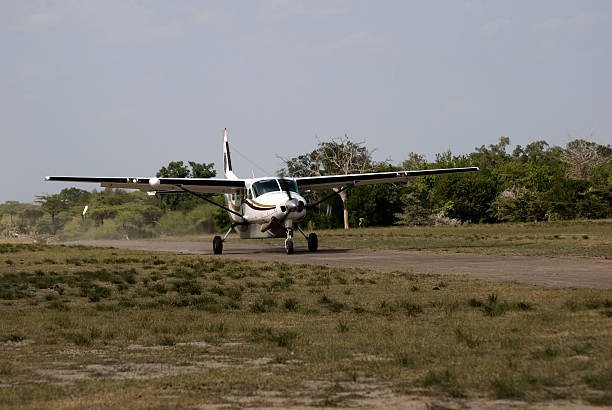
Once you land in Tanzania, whether at Kilimanjaro International Airport (JRO) or Zanzibar International Airport (ZNZ), you’ll likely need to travel to your starting point for the Kilimanjaro climb, safari, or your accommodation in Zanzibar. While ground transportation is common, internal flights are often the most efficient way to cover the distances involved.
1. Flights Between JRO/Arusha and Zanzibar
This is the most common internal flight route for tourists combining the mainland with the island. Flights typically depart from Zanzibar (ZNZ) to Arusha Airport (ARK) or Kilimanjaro International Airport (JRO), and vice-versa.
* Airlines: Precision Air, Coastal Aviation, and Zanzibar Airways are among the carriers that often operate this route.
* Duration: The flight itself is very short, usually around 45-60 minutes.
* Frequency: Flights are generally available daily, though schedules can vary. Booking in advance is recommended, especially during peak seasons for 2026-2027.
* Cost: Prices can range from $100 to $250+ per person one-way, depending on the airline, how far in advance you book, and the season.
* Booking: These flights can often be booked through local travel agencies in Tanzania, directly with the airlines, or sometimes via international flight aggregators if listed.
### 2. Flights to Safari Airfields
For certain safari destinations, especially those that are more remote or if you’re on a tight schedule, flying directly to a safari lodge’s private airstrip can be an option. This is typically more expensive but saves significant driving time.
* Common Destinations: Grumeti, Singita airstrips (Serengeti), Manyara Airstrip, and others.
* Airlines: Similar carriers as above (Precision Air, Coastal Aviation).
* Cost: Significantly higher than standard routes, often several hundred dollars per person.
* Booking: Usually arranged by your safari operator or lodge.
### 3. Ground Transportation Options
While flights are efficient for longer distances, ground transport is the primary mode of travel for shorter distances and within safari parks.
* **Private Transfers:** For airport pick-ups and transfers between towns (e.g., JRO to Moshi/Arusha), private vehicles with drivers are common. This is arranged by tour operators and offers comfort and convenience.
* **Safari Vehicles:** Your safari experience will involve travel in specially equipped 4×4 safari vehicles, designed for game viewing and traversing off-road conditions.
* Public Transport (Dala-dalas): For the adventurous and budget-conscious traveler on shorter local routes, ‘dala-dalas’ (minibuses) are available. However, these are not suitable for tourists on a limited schedule or carrying significant luggage.
* Ferry to Zanzibar: If you choose not to fly between the mainland and Zanzibar, a ferry service operates from Dar es Salaam to Zanzibar. This is a cheaper but much slower and less comfortable option than flying.
### Planning Internal Travel for Your 2026-2027 Trip
When planning your flights from Dallas to Tanzania and then your internal movements, consider the following:
- Itinerary Flow: Does it make more sense to fly into JRO, climb Kilimanjaro, safari, then fly from Arusha/JRO to ZNZ? Or start in Zanzibar and fly to the mainland?
- Time Constraints: If you have limited time, internal flights are often the best choice to maximize your experience on the ground.
- Budget: Factor in the cost of internal flights when comparing overall trip expenses. Ground transfers are generally cheaper but take longer.
- Luggage: Be mindful of luggage restrictions on smaller domestic aircraft, which can be stricter than on international flights.
Coordinating your internal travel with your international flights and tour operator is key. Many companies like Climb 4 Africa can assist with booking these internal flights and ground transfers as part of your overall travel package, simplifying the logistics for your 2026-2027 adventure.
smooth Connections with Climb 4 Africa
Navigating the complexities of international flights from Dallas to Tanzania, coupled with the logistics of a Kilimanjaro climb, safari, and Zanzibar holiday, can be daunting. This is where partnering with an experienced local operator like Climb 4 Africa significantly enhances your travel experience for 2026-2027 and beyond.
We understand that your journey begins the moment you decide to travel. Our expertise lies not only in crafting incredible Tanzanian adventures but also in providing practical support for critical aspects like your international flights.
### How Climb 4 Africa Can Assist with Your Flights:
* Expert Advice on Routing: While we don’t sell flight tickets directly, we offer informed guidance on the best airports to fly into (JRO or ZNZ), optimal layover points, and recommended airlines based on our extensive experience. We can help you understand the trade-offs between different routes to ensure your journey aligns with your itinerary and budget.
* Timing Recommendations: We can advise on the best times to book your flights from Dallas to Tanzania for your specific travel dates in 2026 or 2027, considering peak seasons, shoulder seasons, and potential price fluctuations.
* Internal Flight & Transfer Coordination: Once you’ve booked your international flights, we seamlessly integrate your arrival and departure details with our ground services. This includes arranging airport transfers, booking necessary internal flights (e.g., between Arusha and Zanzibar), and ensuring smooth transitions between your Kilimanjaro climb, safari, and beach stay.
* Troubleshooting Support: In the unlikely event of flight delays or disruptions affecting your arrival or connections, having a local ground operator like Climb 4 Africa provides a vital point of contact. We can liaise with local transport providers and adjust arrangements as needed to minimize disruption to your itinerary.
### Making Your Booking Decision Easier:
Choosing Climb 4 Africa means you gain a dedicated partner committed to the success of your Tanzanian adventure. We simplify the planning process by:
- Tailoring Itineraries: We design trips around your interests, budget, and desired pace, ensuring your Kilimanjaro climb, safari, and Zanzibar relaxation are perfectly balanced.
- Providing Local Insights: Our team is based in Tanzania, offering invaluable on-the-ground knowledge for everything from the best safari lodges to the most scenic routes.
- Ensuring Value: We focus on providing high-quality experiences with practical, transparent pricing. While we don’t set international flight prices, we help you understand the overall cost of your trip, including all necessary internal logistics.
### Next Steps for Your 2026-2027 Trip:
When you’re ready to plan your flights from Dallas to Tanzania for a Kilimanjaro safari and Zanzibar trip, or if you have questions about the best way to structure your itinerary, don’t hesitate to reach out. We can provide personalized advice to help you secure the best flights and ensure all your ground arrangements are perfectly coordinated.
Contact Climb 4 Africa today:
- WhatsApp: +255 747 477 898
- Email: climb4africa@gmail.com
Let us help you turn your dream of climbing Kilimanjaro, exploring Tanzania’s wildlife, and relaxing in Zanzibar into a reality with a smooth travel plan from Dallas.
“,
“faq_schema”: [
{
“question”: “What is the typical duration of flights from Dallas to Tanzania?”,
“answer”: “Flights from Dallas (DFW) to Tanzania (JRO or ZNZ) typically involve one or two layovers and can range from 18 hours for the quickest connections to over 30 hours for itineraries with longer stops. There are no direct flights.”
},
{
“question”: “Which airlines fly from Dallas to Tanzania?”,
“answer”: “Major airlines serving this route include KLM (via Amsterdam), Qatar Airways (via Doha), Emirates (via Dubai), Ethiopian Airlines (via Addis Ababa), and Turkish Airlines (via Istanbul). Some itineraries may also involve code-sharing partners like Kenya Airways.”
},
{
“question”: “Should I fly into Kilimanjaro (JRO) or Zanzibar (ZNZ) first?”,
“answer”: “It depends on your itinerary. Fly into JRO if your Kilimanjaro climb or northern circuit safari is your priority. Fly into ZNZ if you wish to start with relaxation on Zanzibar. For combined trips, consider an ‘open-jaw’ ticket (flying into one and out of the other).”
},
{
“question”: “When is the best time to book flights from Dallas to Tanzania for 2026-2027?”,
“answer”: “For peak travel seasons in 2026-2027 (June-October, December-February), it’s recommended to book flights 6-10 months in advance. For shoulder seasons, 4-6 months is usually sufficient.”
},
{
“question”: “What is the estimated cost for flights from Dallas to Tanzania?”,
“answer”: “Economy class round-trip flights from Dallas to Tanzania for 2026-2027 typically range from $1,200 to $2,500+ per person, varying significantly based on booking time, season, and airline. Business class can range from $3,000 to $8,000+.”
},
{
“question”: “Can Climb 4 Africa help with booking my international flights?”,
“answer”: “Climb 4 Africa provides expert advice on flight routes, timings, and airlines to help you find the best options for your flights from Dallas to Tanzania. We also coordinate all internal flights and ground transfers to ensure a smooth experience.”
}
]
}
“`
Check Availability for Flights From Dallas To Tanzania For Kilimanjaro Safari And Zanzibar…
Ready to compare dates, prices, and the best option for your group? Send the package name and travel month so the team can reply with a clear quote, availability, and what is included.
Wildlife And Nature Titles: Your Ultimate Guide To Tanzanias Best Experiences
This comprehensive guide explores the most sought-after wildlife and nature titles in Tanzania, from iconic safari destinations and Kilimanjaro treks to the tropical allure of Zanzibar...
View package detailsHow To Create The Perfect Travel Itinerary For Tanzania Adventures 2026-2027
Crafting the perfect travel itinerary for Tanzania involves understanding your priorities, choosing the right activities, and planning logistics effectively. This guide walks you through...
View package detailsCheap Hotels Near Me Tonight: Finding Affordable Stays In Tanzania 2026-2027
Discover how to find cheap hotels near you tonight in Tanzania, focusing on budget-friendly options for travelers planning safaris, Kilimanjaro treks, or Zanzibar holidays in 2026-2027...
View package detailsPlaces Where Your Money Goes Further: Smart Tanzania Travel For 2026-2027
Planning a trip to Tanzania in 2026 or 2027 and want to maximize your budget? This guide reveals how to make your money go further on Kilimanjaro climbs, wildlife safaris, and Zanzibar...
View package detailsDestinations Worth Visiting At Least Once Guide
Discover a curated selection of destinations that offer unparalleled experiences, from the majestic peaks of Kilimanjaro to the spice-scented shores of Zanzibar. This guide helps you...
View package details
Serengeti Safari And Zanzibar Beach Holiday: The Ultimate Tanzania
Combine the thrill of a Serengeti safari with the relaxation of a Zanzibar beach holiday. This guide covers everything you need to know for an unforgettable Tanzania adventure in 2026-2027...
View package details
Tanzania Safari And Zanzibar All-Inclusive Packages Guide
Combine the thrill of a Tanzanian wildlife safari with the serene beauty of Zanzibar on an all-inclusive package. This comprehensive guide covers everything you need to know for planning...
View package details
Zanzibar To Mikumi Safari: Flights, Prices And Itinerary Guide
Transition from the spice-scented beaches of Zanzibar to the wildlife-rich plains of Mikumi National Park. This guide details flight logistics, cost considerations, and sample itineraries...
View package details
Tanzania Safari And Zanzibar Packages /: Your Complete Guide 2026-2027
Explore the best Tanzania safari and Zanzibar packages for 2026-2027. This comprehensive guide covers itinerary options, wildlife highlights, beach relaxation, and booking considerations to...
View package details
10-Day Tanzania Safari And Zanzibar Beach Holiday: Your Ultimate Itinerary
Combine the thrill of a Tanzania safari with the relaxation of Zanzibar for an unforgettable 10-day adventure. This itinerary balances iconic wildlife viewing with stunning tropical...
View package details
Safari From Zanzibar: Best Packages, Prices & Parks For 2026-2027
Combining a Zanzibar beach holiday with a Tanzania safari is a dream for many travelers. This guide details the best safari packages from Zanzibar, covering essential planning, park...
View package details
Zanzibar To Nyerere Safari Packages 2026-2027
Zanzibar to Nyerere Safari Packages is explained with current 2026-2027 planning, price, itinerary and booking information.
View package detailsNo related package matches those filters. Clear one or more filters to see the other topic-matched options.



