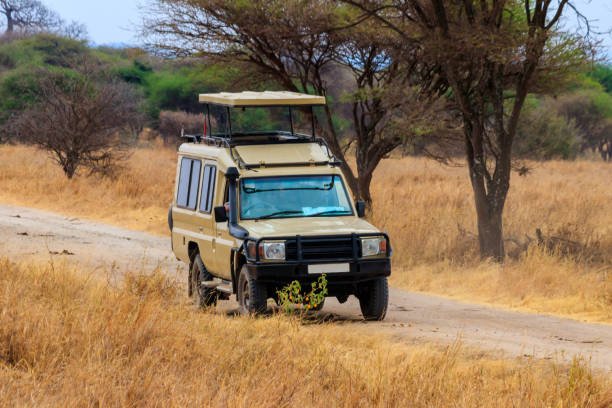
When four adults share a single private safari vehicle in Tanzania, the savings can be substantial, often amounting to 25-40% less per person compared to booking two separate vehicles. This is primarily because the cost of the vehicle, driver-guide, fuel, and park entry fees is divided among four individuals rather than two. For a typical 7-day safari in 2026 or 2027, this can translate into hundreds of dollars saved per person, making the entire trip more accessible and allowing for potentially longer durations or upgraded accommodations. The optimal vehicle for four adults is usually a comfortable 4×4 Land Cruiser or Land Rover, specifically designed to accommodate this group size with ample space for luggage and excellent game viewing opportunities from all seats. The exact saving depends on the safari itinerary, vehicle type, duration, and the specific lodge or camp choices, but the principle of shared costs for a private experience is a key factor in making a Tanzanian safari more economical for groups.

Understanding the Savings: The Core Math of Sharing a Safari Vehicle
The most direct answer to how much you can save by sharing one safari vehicle when you are four adults hinges on a fundamental principle: fixed costs become variable costs spread across more people. For a private safari in Tanzania, the primary fixed cost is the vehicle itself, along with its dedicated driver-guide, fuel, and maintenance. These expenses are incurred whether there are two people or four people occupying the vehicle. When you book a safari, the operator calculates a per-person cost. This calculation typically involves taking the total operational cost of a safari for a certain duration and dividing it by the expected number of guests per vehicle. For many standard safari vehicles, the ideal capacity for comfort and optimal game viewing is between 4 to 6 passengers. Therefore, a group of four adults fits perfectly within this optimal range for a single vehicle.
Let’s break down the typical cost structure of a private safari vehicle for a day. A reputable tour operator will factor in:
- Vehicle Lease/Ownership & Depreciation: The cost of acquiring and maintaining a robust 4×4 safari vehicle (like a Land Cruiser or Land Rover), which is essential for navigating rough terrain and ensuring reliability.
- Driver-Guide Salary & Expenses: Highly skilled guides are crucial. Their salary, accommodation, meals, and park entry fees must be covered.
- Fuel: Safaris involve significant driving distances, especially in parks like the Serengeti and Ngorongoro Conservation Area. Fuel is a major ongoing expense.
- Park Entrance Fees: Each national park and conservation area charges daily entrance fees per vehicle and per person. While the vehicle fee is fixed, the per-person fee adds up.
- Vehicle Insurance & Permits: Essential operational costs.
- Vehicle Maintenance & Repairs: Keeping the vehicle in top condition for remote travel.
When you are two adults, these costs are divided by two. If you are four adults sharing the *same* vehicle, these same fixed costs are now divided by four. This is where the significant savings emerge. For instance, if the daily operational cost of a safari vehicle (excluding accommodation and meals, which are usually priced per person) is $500, and this is designed for up to 6 people:
- For 2 adults: The per-person share of the vehicle cost is $250/day.
- For 4 adults: The per-person share of the vehicle cost is $125/day.
This represents a 50% saving on the vehicle portion of the daily cost for each of the four adults compared to just two adults. While other safari components like accommodation, meals, and park entry fees (per person) are not directly halved, the overall reduction in the most significant single cost (the vehicle and guide) dramatically lowers the total per-person price of the safari. This principle is even more pronounced over longer safari durations, such as a 10-day or 14-day expedition in 2026 or 2027, where accumulated savings become very substantial.
It’s important to distinguish between a truly private safari vehicle and a group joining safari. In a group joining safari, you are essentially sharing a vehicle with strangers. The price is already optimized for a full vehicle (usually 6-7 people). While it is the most budget-friendly option, you have less flexibility and often a less personalized experience. When you are a group of four adults, you have the distinct advantage of being able to book your own private vehicle. This gives you the best of both worlds: the cost-effectiveness of a larger group sharing expenses, combined with the exclusivity and flexibility of a private tour. You control the pace, the stops, and the itinerary. The question of how much you can save by sharing one safari vehicle for four adults is therefore not just about splitting costs, but about unlocking a more affordable yet highly personalized safari adventure.
Vehicle Options for Four Adults: Comfort Meets Capacity
Choosing the right safari vehicle is crucial for the comfort and enjoyment of four adults, especially on longer game drives or multi-day safaris. The standard and most recommended vehicle for a group of this size in Tanzania is the 4×4 Land Cruiser (often a 7-seater or 9-seater model) or a similar robust 4×4 like the Land Rover Defender. These vehicles are specifically adapted for safari use and offer several key advantages:
- Pop-up Roof: This is non-negotiable for optimal game viewing. It allows you to stand up inside the vehicle and get unobstructed 360-degree views of wildlife. For four adults, ensuring everyone has a good vantage point is key, and the pop-up roof facilitates this.
- Spacious Seating: While these vehicles can technically carry more, for a group of four adults, the operator should configure the seating to provide ample legroom and space between passengers. This means not filling every single seat. For example, a 7-seater Land Cruiser might comfortably seat two adults in the front (driver + one passenger), two adults in the middle row, and two adults in the back row, leaving a seat free for luggage or extra comfort. Alternatively, you might have just two people per row for maximum space.
- Window Access: Each passenger should ideally have access to a window seat. This is vital for photography and for spotting wildlife that might be slightly further away or camouflaged.
- Luggage Capacity: Safaris often involve moving between camps or lodges, meaning you’ll have luggage. The Land Cruiser models typically have a decent boot space, but it’s important to confirm this will accommodate your group’s bags, especially if you’re carrying larger suitcases. Often, soft duffel bags are recommended for this reason.
- Reliability and Performance: These vehicles are built for the African bush. Their 4×4 capabilities are essential for traversing sandy tracks, muddy paths after rain, and steep inclines in national parks and reserves. Breakdowns are costly in terms of time and potentially safety, so reliable vehicles are paramount.
When you are four adults, you are perfectly positioned to get the most out of a private safari vehicle. You’re not too few to make the per-person cost prohibitive, nor are you too many to be uncomfortably squeezed into a vehicle designed for a smaller group. This size group is often considered the “sweet spot” for maximizing both comfort and value.
Some operators might offer Land Rovers, which are also capable vehicles. However, the Land Cruiser is generally considered the workhorse of East African safaris due to its robust nature and availability of parts in remote areas. Ensure that the vehicle provided is specifically a long-wheelbase (LWB) model, as these offer significantly more interior space and luggage capacity than short-wheelbase versions.
What to Confirm with Your Operator:
- Vehicle Model: Specifically request a Toyota Land Cruiser (LWB) or equivalent.
- Seating Configuration: Discuss how the seats will be arranged for your group of four to ensure comfort and optimal viewing.
- Pop-up Roof: Confirm this feature is standard.
- Window Access: Ensure each person has easy access to a window.
By selecting the right vehicle and confirming these details, your group of four can look forward to a comfortable and highly productive safari experience in 2026 or 2027. This thoughtful planning directly impacts how much you can save by sharing one safari vehicle, as a comfortable vehicle ensures you make the most of every hour on the road.
Factors Influencing Cost Savings Beyond Just Sharing
While the core saving comes from dividing the vehicle and driver costs, several other factors influence the total amount of money your group of four can save by sharing one safari vehicle. Understanding these nuances will help you plan a more accurate budget and appreciate the full scope of your savings for a 2026 or 2027 adventure.
Duration of the Safari
The longer your safari, the more significant the savings become. Daily operational costs for the vehicle and guide accumulate. If you were to book two vehicles for a 10-day safari, the savings from sharing one vehicle for four adults would be considerably higher than for a 3-day trip. For extended trips of 10-14 days, the per-person cost reduction can be hundreds, even thousands, of dollars. This makes longer safaris more feasible and attractive for groups looking to explore vast areas like the Serengeti, Ngorongoro, and beyond.
Itinerary and Route Choices
Different parks and regions have varying logistical demands. For example, a safari focusing solely on the Serengeti and Ngorongoro Crater might involve less driving between parks than an itinerary that includes Lake Manyara, Tarangire, and potentially extends to the Maasai Mara in Kenya (though this involves border crossings and different vehicle requirements). Parks that are more remote or require more off-road driving might incur higher fuel consumption or require more specialized vehicle maintenance, potentially influencing the base cost of the vehicle per day. However, the principle of sharing remains: these higher costs are still divided by four instead of two.
The number of days spent driving versus the number of days spent on game drives within a park also plays a role. If your itinerary involves significant travel days between destinations, the fuel and guide’s time costs are higher. Sharing these costs over four people is always more economical.
Accommodation Level
This is a critical factor where savings can be amplified or diminished. While the vehicle cost is shared, accommodation is almost always priced per person per night. However, the overall trip cost is a combination of vehicle/guide/park fees and accommodation/meals. If your group of four can opt for mid-range lodges or tented camps instead of luxury tented suites, the per-person savings on accommodation can be substantial. Conversely, if you choose high-end luxury lodges, the per-person accommodation cost will be high, and while you save on the vehicle, the overall trip price might still be considerable. The savings from sharing the vehicle allow your budget to stretch further, potentially enabling you to choose slightly better accommodation than you might have afforded with two separate vehicles.
Park Fees and Conservation Levies
While the primary vehicle park entry fee is a single cost per park per day, there are also per-person park fees. For a group of four, these per-person fees are simply multiplied by four. However, this is a fixed cost per person regardless of whether you are in one vehicle or two. The significant saving is not in the per-person park fees themselves, but in the fact that the vehicle entry fee (which can be substantial, especially for parks like the Ngorongoro Crater) is only paid once for the entire group in a single vehicle. If you had two vehicles, you would pay two vehicle entry fees for the Ngorongoro Crater, doubling that specific cost.
Time of Year (Seasonality)
Safari prices, particularly for accommodation, fluctuate significantly based on the season. High season (typically June to October, and December to February) sees higher demand and consequently higher prices for lodges and camps. Low season (March to May, excluding Easter) often offers discounted rates. While vehicle and guide costs might remain relatively stable, the savings achieved by sharing one vehicle are even more impactful during the high season when accommodation prices are at their peak. Your shared vehicle cost is constant, but it represents a larger percentage of the overall savings when other components are more expensive. Planning for 2026 or 2027 during shoulder seasons (e.g., late May, early June, or November) can offer a good balance of decent weather and slightly lower prices, further enhancing your group’s savings.
Operator Margins and Discounts
Different tour operators have varying pricing structures and profit margins. A local operator like Climb 4 Africa, with strong on-the-ground operations, often has lower overheads than international operators, potentially allowing for more competitive pricing. Furthermore, when you book a private safari for four adults in one vehicle, you are a significant booking for the operator. This can sometimes open up opportunities for slight negotiation or bundled discounts, especially if you are booking multiple services (e.g., safari plus Kilimanjaro climb). Always inquire about potential group discounts or special offers for 2026-2027 bookings.
Customization and Flexibility
While not a direct monetary saving, the flexibility offered by a private vehicle for four is invaluable. You can decide to spend an extra hour watching a pride of lions, skip a less interesting area, or make spontaneous stops for photographic opportunities. This enhanced experience is a significant ‘value add’ that comes with sharing one vehicle, and it’s something you don’t get with a larger, pre-set group tour. The ability to tailor your days means you are more likely to see what interests your group most, making the entire investment feel more worthwhile.
Comparing Scenarios: Two Vehicles vs. One for Four Adults
To truly grasp the financial benefit of sharing one safari vehicle as a group of four adults, let’s create a hypothetical comparison. This scenario assumes a standard 7-day safari in the Northern Circuit of Tanzania (e.g., Tarangire, Ngorongoro Crater, Serengeti) during a mid-peak season in 2026. We will focus on the core operational costs that are directly impacted by vehicle sharing.
Hypothetical Safari Cost Breakdown (Per Person)
| Cost Component | Per Person (2 Adults in 1 Vehicle) | Per Person (4 Adults in 1 Vehicle) | Savings Per Person | Total Savings for Group (4 Adults) |
|---|---|---|---|---|
| Vehicle & Driver-Guide (Daily Cost) (Estimate: $550 per day, split among occupants) |
$275.00 | $137.50 | $137.50 | $550.00 (4 days x $137.50) |
| Park Entry Fees (Per Person) (Estimate: $70 per day, fixed per person) |
$490.00 | $490.00 | $0.00 | $0.00 |
| Ngorongoro Crater Fee (Vehicle Entry) (Estimate: $300 per vehicle per day, split) |
$150.00 | $75.00 | $75.00 | $150.00 (1 day x $75.00) |
| Accommodation (Per Night) (Estimate: $300 per person per night, fixed per person) |
$2,100.00 | $2,100.00 | $0.00 | $0.00 |
| Total Core Safari Cost (Per Person) | $3,015.00 | $2,802.50 | $212.50 | $850.00 |
Assumptions for this hypothetical comparison:
- Safari Duration: 7 days / 6 nights.
- Parks Visited: Tarangire (1 day), Ngorongoro Crater (1 day), Serengeti (5 days).
- Vehicle Type: Standard 4×4 safari Land Cruiser.
- Daily Vehicle & Guide Cost: $550. This covers fuel, driver salary, vehicle depreciation, maintenance, and operator overheads.
- Per Person Park Fees: $70/day (average across parks).
- Ngorongoro Crater Fee: $300 for vehicle entry + $70 per person.
- Accommodation: $300 per person per night (mid-range lodge/tented camp).
Analysis of the Comparison:
In this simplified model, the four adults sharing one vehicle save $212.50 per person on the core safari costs over 7 days. This might seem modest, but when you multiply this by four, the group saves a total of $850.00. This saving comes from:
- Reduced Vehicle & Guide Cost: The biggest saving ($137.50 per person) comes from splitting the daily $550 vehicle/guide cost among four people instead of two.
- Ngorongoro Crater Vehicle Fee: The $300 vehicle entry fee for the Crater is split, saving $75 per person.
Crucially, this calculation does NOT include:
- Potential for higher-tier accommodation: The $850 saved could be used to upgrade to slightly more comfortable lodges or camps, or to extend the safari by an extra night or two.
- The cost of two vehicles: If the two adults in the “two vehicles” scenario were not traveling as a single group of four, they might have booked two separate 2-person safaris. In that case, the total cost for the group of four would be significantly higher, as they would each pay the higher per-person rate for vehicle sharing, plus potentially two separate Ngorongoro Crater vehicle fees if they weren’t coordinated. For example, if two separate 2-person safaris were booked, the total cost for the group of four could easily be $1000-$1500 higher than sharing one vehicle.
- The value of exclusivity and flexibility: The comparison above is purely financial. The added benefit of having your own private vehicle – controlling your schedule, spending more time with sightings, and enjoying a more intimate experience – is a significant non-monetary advantage that enhances the entire safari.
Therefore, for a group of four adults, the decision to share one safari vehicle is not just about a small saving; it’s about making your safari significantly more affordable and enjoyable. For planning in 2026 or 2027, this understanding is key to budgeting effectively. The actual savings can vary based on the operator’s pricing, the specific parks visited, and the chosen accommodation, but the principle of shared costs for a private experience always holds true.
Maximizing Your Savings: Practical Planning Tips for 2026-2027
To ensure your group of four adults truly maximizes the savings by sharing one safari vehicle, careful planning is essential. Here are practical tips to leverage your group size and budget effectively for a 2026 or 2027 safari:
Key Planning Strategies:
- Book a Private Vehicle Specifically: Explicitly state you are a group of four adults and wish to book one private safari vehicle. This is different from joining a pre-scheduled group departure where you might be assigned seats in a vehicle with strangers. A private booking gives you control.
- Choose Your Operator Wisely: Opt for reputable local operators like Climb 4 Africa. Local companies often have lower overheads and better-established relationships with lodges and drivers, which can translate into more competitive pricing and better service. They understand the local logistics intimately, which is crucial for efficient planning.
- Travel During Shoulder Seasons: Consider traveling in the shoulder seasons – generally April to May (though this is the main rainy season, it can be beautiful and quiet) and November. While the “long rains” in April/May can impact some areas, the Serengeti’s wildlife is still present, and the landscapes are lush. November offers a transition period. These periods often have lower accommodation rates, which, when combined with shared vehicle costs, offer excellent value for money for your 2026 or 2027 trip.
- Balance Accommodation Choices: While sharing a vehicle allows for potential upgrades, don’t feel obligated to book the most luxurious lodges if your budget is a primary concern. A mix of mid-range tented camps and lodges can provide a fantastic experience without breaking the bank. For instance, perhaps splurge on a prime Serengeti lodge for a few nights and opt for more comfortable, but less opulent, options elsewhere.
- Consider Safari Duration Carefully: A longer safari generally means a higher total cost, but the per-person savings from sharing a vehicle become more pronounced. If your budget allows, extending your safari from 5 days to 8 or 10 days can offer a much richer experience for a relatively smaller increase in per-person cost, thanks to the shared vehicle economics.
- Be Clear About Inclusions/Exclusions: Understand exactly what is included in your safari package. Typically, this includes the vehicle, driver-guide, fuel, park fees, accommodation, and meals. Exclusions might be drinks (especially alcoholic), tips, personal travel insurance, and visas. Clarifying this helps avoid unexpected costs and ensures you’re comparing quotes accurately.
- Inquire About Specific Vehicle Types: As mentioned, a long-wheelbase Land Cruiser is ideal for four adults. Confirm this with your operator. While other vehicles might be cheaper, they could compromise comfort and viewing. The savings from sharing one vehicle should not come at the expense of a cramped or uncomfortable experience.
- Ask About Group Discounts: Even for a group of four, it’s worth asking if there are any additional group discounts available, especially if you are booking more than just the safari (e.g., combining with a Kilimanjaro climb or Zanzibar holiday).
- Early Booking for 2026/2027: Popular lodges and vehicles can get booked up, especially for peak seasons in 2026 and 2027. Booking well in advance (6-12 months prior) not only secures your preferred options but can sometimes allow you to lock in current pricing before potential annual increases.
- Pack Light, Pack Smart: While Land Cruisers have decent luggage space, soft-sided duffel bags are often easier to store than rigid suitcases. This efficient packing ensures everyone’s gear fits comfortably, contributing to a more pleasant journey.
By implementing these tips, your group of four can approach your safari planning with confidence, knowing you are making informed decisions to maximize both your savings and your overall safari experience in Tanzania.
What is Typically Included and How It Affects Group Costs
When planning a safari for four adults and aiming to save by sharing one vehicle, understanding the typical inclusions and exclusions of a safari package is crucial. This knowledge helps you assess quotes accurately and know what contributes to the overall per-person cost. For a private safari booked through a company like Climb 4 Africa, the inclusions are generally comprehensive, but variations exist.
Standard Inclusions for a Private Safari (Group of 4):
- Private 4×4 Safari Vehicle: This is the core of your shared experience. A custom-built safari Land Cruiser or Land Rover with a pop-up roof, driven by a professional driver-guide. This cost is what is significantly reduced per person when shared by four.
- Professional Driver-Guide: Experienced guides are essential for spotting wildlife, understanding animal behavior, and navigating the parks. Their salary, accommodation, and park fees are part of the vehicle’s operational cost, shared among the group.
- Fuel: Unlimited mileage within the safari itinerary is typically included. Fuel is a substantial cost, especially on longer safaris covering vast distances like the Serengeti.
- Park Entrance Fees: Fees for all national parks and conservation areas visited (e.g., Tarangire, Serengeti, Lake Manyara). These are usually charged per person, per day.
- Ngorongoro Crater Fee: This is a significant fee, often comprising a vehicle entry fee and a per-person fee. When sharing one vehicle, you only pay one vehicle fee for the group, a key saving.
- Accommodation: This typically includes lodging in selected safari lodges or tented camps for the duration of the safari. Prices vary greatly based on the level of luxury. This is usually priced per person per night.
- Meals: Full board is common on safari, meaning breakfast, lunch, and dinner are provided at lodges and camps. Water during game drives is also usually included.
How these inclusions affect group costs when sharing one vehicle:
- Vehicle & Guide: The most direct saving. The cost of the vehicle and guide is a fixed daily rate. When split by four, it’s half the per-person cost compared to two people sharing. This is the primary driver of savings.
- Park Fees: Per-person fees remain the same, but you avoid paying duplicate vehicle fees for parks that charge them (like the Ngorongoro Crater). This is a tangible saving.
- Accommodation: This is the largest component of most safari costs and is generally priced per person, regardless of whether you are in a group of two or four sharing a vehicle. However, the savings from the vehicle and park fees mean your overall budget can stretch further, potentially allowing for better accommodation choices or more days.
Common Exclusions to Watch For:
- International Flights: Flights to and from Kilimanjaro International Airport (JRO) or your arrival point are not included.
- Visa Fees: Tanzania requires visas for many nationalities, which are an additional cost.
- Travel Insurance: Comprehensive travel and medical evacuation insurance is mandatory and must be arranged by the traveler.
- Tips and Gratuities: Tipping your driver-guide and lodge staff is customary and expected, though amounts can vary.
- Drinks: While water on game drives is usually included, other beverages (soft drinks, alcoholic drinks) at lodges and camps are typically extra.
- Optional Activities: Activities like hot air balloon safaris (a popular add-on in the Serengeti), cultural visits, or guided walking safaris (where permitted) will incur additional charges.
- Personal Expenses: Souvenirs, laundry, and other personal items.
By understanding these inclusions and exclusions, your group of four can have a clear picture of the total safari cost and the specific areas where sharing one vehicle provides the most significant financial benefit. For instance, the savings on the Ngorongoro Crater vehicle fee alone can be substantial, especially if you plan to spend a full day exploring this unique ecosystem in 2026 or 2027.
Booking Your Shared Safari Experience with Climb 4 Africa
When you’re ready to plan your unforgettable Tanzanian safari for four adults and want to maximize savings by sharing one vehicle, partnering with a knowledgeable and reliable operator is key. Climb 4 Africa specializes in creating tailor-made safari experiences that cater to the specific needs of groups, ensuring you get the best value without compromising on quality or comfort.
Why Choose Climb 4 Africa for Your Group Safari?
- Local Expertise: As a locally-based company, we have an intimate understanding of Tanzania’s parks, wildlife, and logistics. This allows us to craft efficient itineraries that optimize your game viewing time and minimize unnecessary travel, contributing to cost-effectiveness.
- Customized Itineraries: We don’t offer one-size-fits-all packages. We work with you to design a safari that matches your interests, budget, and desired pace. For a group of four, this means creating an itinerary that perfectly utilizes your private vehicle.
- Quality Vehicles and Guides: We use well-maintained, comfortable 4×4 Land Cruisers specifically suited for groups of 4-6 people, ensuring excellent game viewing and reliability. Our driver-guides are highly experienced, knowledgeable, and passionate about sharing Tanzania’s wonders.
- Transparent Pricing: We provide clear and detailed quotes, outlining all inclusions and exclusions, so you know exactly what you are paying for. This transparency allows you to see the direct savings achieved by booking one vehicle for your group of four.
- Value for Money: While we offer competitive pricing, our focus is on providing exceptional value. The savings you gain by sharing one vehicle with us are real, and they enable you to potentially enjoy a longer safari, better accommodation, or simply a more affordable dream trip for 2026 or 2027.
Ready to Plan Your 2026-2027 Safari?
To get a personalized quote and discuss how you can save by sharing one safari vehicle, we encourage you to reach out to our team. We understand that planning a safari is a significant undertaking, and we are here to guide you every step of the way.
What to Include in Your Inquiry:
- Your preferred safari dates (even if flexible for 2026 or 2027).
- The number of adults in your group (specifically, four adults).
- The approximate duration of your safari.
- Any specific parks or regions you are most interested in visiting (e.g., Serengeti, Ngorongoro Crater, Tarangire).
- Your preferred style of accommodation (e.g., budget, mid-range, luxury).
- Any other Tanzanian travel plans you might have, such as a Kilimanjaro climb or a Zanzibar holiday.
Contact us today to start crafting your perfect Tanzanian safari adventure:
- WhatsApp: +255 747 477 898
- Email: climb4africa@gmail.com
Let us help you plan a memorable and cost-effective safari for four adults, where sharing one vehicle makes all the difference.
“,
“faq_schema”: [
{
“question”: “How much money can four adults save by sharing one safari vehicle in Tanzania?”,
“answer”: “Four adults sharing one private safari vehicle in Tanzania can typically save 25-40% per person compared to booking two separate vehicles. This saving is achieved by dividing the fixed costs of the vehicle, driver-guide, and fuel among four people instead of two, making longer or more luxurious safaris more affordable for 2026-2027 trips.”
},
{
“question”: “What type of safari vehicle is best for four adults?”,
“answer”: “The most suitable vehicle for four adults is usually a long-wheelbase 4×4 Toyota Land Cruiser or a similar robust model, equipped with a pop-up roof for optimal game viewing. These vehicles offer comfortable seating for four, ample legroom, good luggage capacity, and the reliability needed for Tanzanian terrain.”
},
{
“question”: “Does sharing a vehicle affect the safari experience for four adults?”,
“answer”: “Sharing one vehicle for a group of four adults generally enhances the experience by providing a private and intimate setting. You have control over the pace, can spend more time at sightings, and enjoy a more personalized journey. This is ideal for groups who want flexibility and a comfortable shared adventure.”
},
{
“question”: “Are park fees different when sharing one vehicle for four adults?”,
“answer”: “Per-person park entry fees remain the same whether you are in one vehicle or two. However, you save significantly on vehicle-specific fees, such as the Ngorongoro Crater entry fee, as only one vehicle fee is paid for the group instead of two. This is a key component of the overall savings.”
},
{
“question”: “When is the best time to book a safari for four adults in 2026 or 2027 to maximize savings?”,
“answer”: “Booking during the shoulder seasons (e.g., November, or late March to May, excluding Easter) can offer lower accommodation rates, further enhancing savings when combined with shared vehicle costs. Early booking for 2026-2027, ideally 6-12 months in advance, is also recommended to secure preferred vehicles and lodges and potentially lock in pricing.”
}
]
}
“`
Check Availability for We Are Four Adults, How Much Can We Save By Sharing One Safari Vehicle?
Ready to compare dates, prices, and the best option for your group? Send the package name and travel month so the team can reply with a clear quote, availability, and what is included.
Four Day Serengeti na Ngorongoro Safari During AFCON 2027
Mwongozo wa safari ya siku 4 kwenye Serengeti na Ngorongoro wakati AFCON 2027; jinsi ya kupanga, nini cha kujali, na jinsi ya kuandaa,”
View package details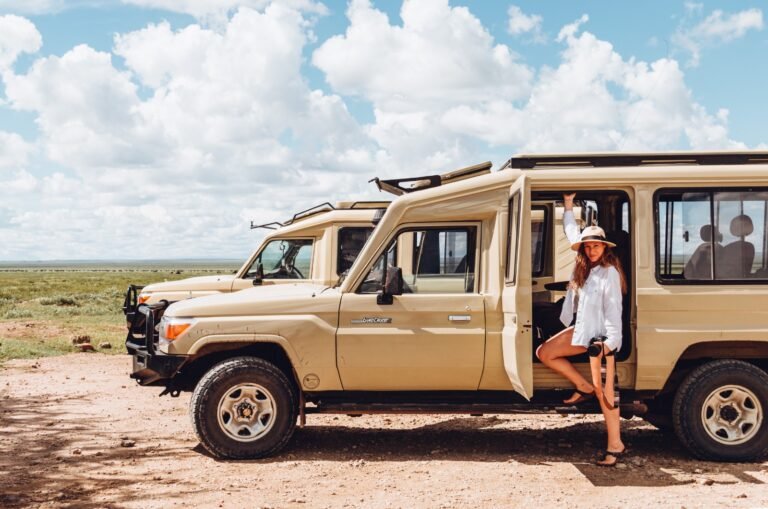
Afcon Private Serengeti Safari With Lodges
AFCON 2027 Private Serengeti Safari with Lodges.
View package details
Afcon Arusha Safari And Football Packages
AFCON 2027 Arusha Safari and Football Packages.
View package detailsAFCON 2027 Dar es Salaam Airport Transfer and Safari
Mwongozo wa kina kwa wageni wanaotaka usafiri wa kiwanja cha ndege hadi safari katika Dar es Salaam wakati AFCON 2027, pamoja na mapendekezo ya ratiba, mipango ya usafiri na marekebisho ya...
View package details
Afcon Pamoja Safari And Travel Packages
AFCON PAMOJA 2027 Safari and Travel Packages.
View package detailsAFCON 2027 Safari Packages from Tanzania
Hitaji la safari ya kundoka ili kufurahia AFCON 2027? Chagua kutoka kwa mikakati ya safari nchini Tanzania inayoambatana na wildlife, mbuga maarufu, na uwekaji wa huduma ya kimataifa ya...
View package details
Affordable AFCON 2027 Safari Packages
Mwongozo wa kina kwa safari za AFCON 2027 kwa bajeti, ikiwa ni pamoja na mipango ya kiutawala, maeneo ya wanyama, na chaguzi za malazi.
View package detailsAfcon Safari Packages With Airport Transfers
AFCON 2027 Safari Packages with Airport Transfers.
View package detailsAfcon Luxury Serengeti Safari Packages
AFCON 2027 Luxury Serengeti Safari Packages.
View package details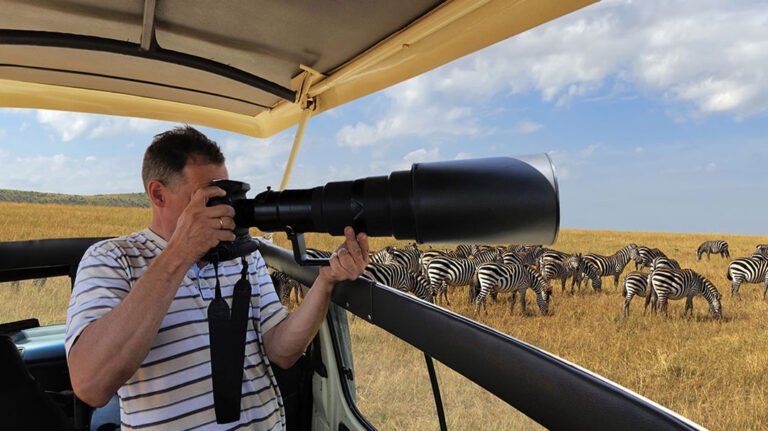
AFCON 2027 Mid Range Safari Packages Tanzania
Mwongozo wa safari ya kati ya AFCON 2027 Tanzania kutoka Climb 4 Africa: mipango ya njia, maeneo ya msitu wa serikali, na usalama wa wasafiri. Onyesha jinsi ya kuchagua kilima cha kati...
View package detailsNo related package matches those filters. Clear one or more filters to see the other topic-matched options.