The best itinerary for visiting Tanzania in August primarily for river crossings focuses on the northern Serengeti National Park, specifically the areas around the Mara River. This location offers the highest probability of witnessing the dramatic wildebeest and zebra migrations as they attempt to cross the crocodile-infested waters. An ideal itinerary for this purpose would involve spending at least 4-5 full days in the northern Serengeti, combined with a few days in the central or southern Serengeti, or perhaps Tarangire National Park, to experience diverse wildlife and landscapes before or after the intense river crossing action. For 2026-2027 travel, booking well in advance is crucial due to high demand.
Understanding August’s Great Migration and River Crossings
August is a prime month for travelers hoping to witness one of nature’s most spectacular events: the Great Migration’s river crossings in Tanzania. Millions of wildebeest, zebras, and gazelles, having followed the rains northwards from the central Serengeti, are typically concentrated in the western and northern corridors of the Serengeti National Park. Their primary obstacle here is the Mara River, a formidable natural barrier teeming with Nile crocodiles, and their determined attempts to cross it form the dramatic centerpiece of an August safari. Understanding the dynamics of this migration is key to crafting the best itinerary for seeing river crossings.
The exact timing of these crossings is never guaranteed, as it depends on rainfall patterns, predator movements, and the sheer momentum of the herd. However, August consistently sees significant numbers of animals in the northern Serengeti, making the Mara River crossings a frequent occurrence throughout the month. This period is characterized by intense anticipation, with herds gathering along the riverbanks for days, sometimes weeks, before making a dash across. Safaris in August are therefore often centered around strategically positioning oneself to observe these life-or-death moments. The sheer scale of the event – the thundering hooves, the panicked bellows, the desperate scramble – is profoundly moving and a highlight for many visitors.
When planning for 2026 or 2027, it’s essential to remember that while August is statistically a strong month for crossings, flexibility and patience are still required. The herds are not static; they move, graze, and react to their environment. Your itinerary should allow for this natural ebb and flow. This means spending enough time in the right locations, often involving multiple game drives each day, to maximize your chances of being in the right place at the right time. The northern Serengeti, particularly the Kogatende and Lamai Wedge areas, becomes the focal point for this specific safari objective.
Why the Northern Serengeti is Paramount for August River Crossings
For travelers whose primary goal is to witness the dramatic river crossings of the Great Migration, the northern Serengeti National Park is the undisputed epicenter in August. This region, particularly the areas around the Mara River, becomes the stage for the most sought-after wildlife spectacle in Africa. The wildebeest and zebra herds, having traversed vast distances, reach this point in their annual cycle as they aim to reach the greener pastures on the other side of the Mara River, which forms part of the border with Kenya’s Masai Mara National Reserve.
The Mara River itself is a significant natural barrier. It can swell rapidly after rains, making crossings perilous. The river is also home to a substantial population of Nile crocodiles, ancient predators perfectly adapted to ambush prey during these crossings. The drama unfolds as thousands of animals plunge into the water, navigating the strong currents, slippery banks, and the ever-present threat of crocodiles. Witnessing this raw display of survival is an unforgettable experience, and August is the peak season for it in the northern sector.
Key areas within the northern Serengeti that are particularly renowned for crossings in August include:
- Kogatende: This is often the primary hub for migration sightings and river crossings. Camps and lodges in this area provide direct access to the Mara River and surrounding plains where herds congregate.
- Lamai Wedge: Situated further north, closer to the border, this area also experiences significant crossing activity, especially later in the month.
- Grumeti River: While the Mara River is more famous for August crossings, the Grumeti River, located further south in the western corridor, can also experience crossings earlier in the dry season or late July. However, for August, the Mara is the main attraction.
Choosing accommodation and safari operators with extensive experience in the northern Serengeti during this period is crucial. They understand the migration’s movements and have the vehicles and guides best equipped to track the herds and position you for optimal viewing. For your 2026 or 2027 trip, securing lodges or tented camps in these specific northern regions as early as possible is highly recommended, as they book up months, even a year, in advance.
Crafting Your August River Crossing Itinerary: Duration and Structure
To maximize your chances of witnessing the Great Migration’s river crossings in August, a focused itinerary is essential. Given that the timing and location of crossings can vary slightly even within the month, spending ample time in the northern Serengeti is non-negotiable. A minimum of 4 to 5 full days dedicated solely to the northern Serengeti region around the Mara River is advisable. This duration allows for flexibility, as herds may gather for days before attempting a crossing, or multiple smaller crossings might occur over several days.
A typical itinerary structure for an August river crossing safari might look like this:
Sample Itinerary Structure (8-10 Days)
- Days 1-2: Arrival in Tanzania & Tarangire National Park
Arrive at Kilimanjaro International Airport (JRO). Transfer to Arusha or directly to Tarangire National Park. Tarangire is known for its large elephant herds and baobab trees, offering excellent game viewing in August as animals congregate around the Tarangire River. This provides a fantastic introduction to Tanzanian wildlife before heading north. - Days 3-7: Northern Serengeti (Mara River Area)
Fly from Tarangire (or Arusha) to a northern Serengeti airstrip (e.g., Kogatende). Spend 4-5 full days based in this region. Game drives will focus on tracking the migration herds along the Mara River and its tributaries, seeking out crossing opportunities. Early morning and late afternoon drives are often best, as herds are more active during cooler parts of the day. Some lodges offer walking safaris in designated areas, providing a different perspective. - Days 8-9: Central or Southern Serengeti
Fly from the northern Serengeti to a central (Seronera) or southern Serengeti airstrip. Spend 1-2 days exploring the diverse plains and kopjes of these regions. While river crossings are less likely here in August, the resident wildlife populations are substantial, offering excellent leopard, lion, and cheetah sightings. This adds variety to your safari experience. - Day 10: Departure
Fly from the Serengeti to Arusha for your onward international flight from Kilimanjaro International Airport (JRO).
Why this structure works:
- Maximizes Crossing Chances: Dedicates significant time to the prime location (Northern Serengeti) during the prime month (August).
- Adds Wildlife Diversity: Includes other parks like Tarangire and parts of the Serengeti to showcase different ecosystems and resident wildlife.
- Logistical Efficiency: Utilizes light aircraft flights to minimize travel time between regions, which is crucial for maximizing safari time.
- Variety of Experiences: Combines the intense drama of river crossings with classic savannah game drives.
For travelers focusing *solely* on river crossings and who have more time, extending the northern Serengeti stay to 6-7 days is also a viable option. Conversely, if time is limited to 6-7 days, you might choose to omit one of the other locations and focus purely on the northern Serengeti and perhaps just a brief stop in Arusha or Tarangire. Planning for 2026 and 2027 means securing these internal flights and accommodations well in advance, as availability for northern Serengeti camps during August is extremely competitive.
Travel Logistics: Flights, Camps, and Getting Around
Successfully navigating Tanzania for an August river crossing safari requires careful attention to logistics. The vast distances and the need to reach remote areas like the northern Serengeti mean that light aircraft flights are often the most efficient and practical mode of transport. Understanding these elements is crucial for a smooth trip in 2026-2027.
Internal Flights: The Key to Accessing the Northern Serengeti
Driving from the central Serengeti to the northern sector can take a full day or more, consuming valuable safari time. Therefore, most itineraries focused on river crossings in August utilize scheduled bush flights. These flights typically operate daily between major hubs like Arusha (ARK) or Kilimanjaro International Airport (JRO) and various airstrips within the Serengeti, including Kogatende or Lamai in the north, Seronera in the central region, and even Seronera to/from other parks like Tarangire.
- Booking: Flights are usually booked by your tour operator as part of your safari package. It’s important to confirm the specific airstrips your itinerary uses.
- Luggage Restrictions: These small aircraft have strict luggage limits, typically 15kg (33 lbs) in soft-sided duffel bags. Hard suitcases are generally not permitted. This is a critical detail to manage when packing.
- Cost: Internal flights are a significant component of safari costs but are essential for maximizing time in prime wildlife areas during peak season.
Accommodation in the Northern Serengeti
The northern Serengeti offers a range of accommodation options, from luxurious tented camps to more rustic lodges. For August, staying as close to the Mara River as possible is the strategic advantage. Options include:
- Tented Camps: Many are semi-permanent or mobile, strategically positioned to follow the migration. These offer an authentic safari experience.
- Permanent Lodges: Offer more amenities and comfort, often with stunning views.
When booking for 2026 or 2027, prioritize camps known for their excellent location for migration viewing and experienced guides. Lodges in Kogatende and the Lamai Wedge area are ideal.
Game Drives and Vehicles
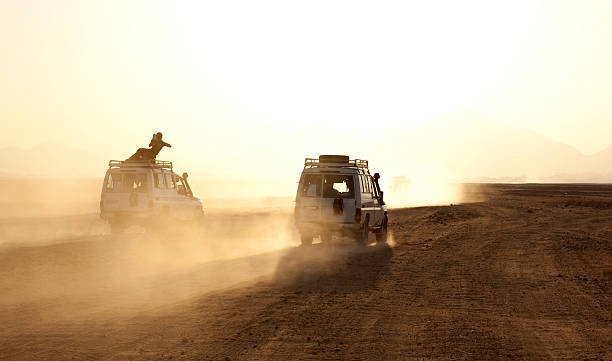
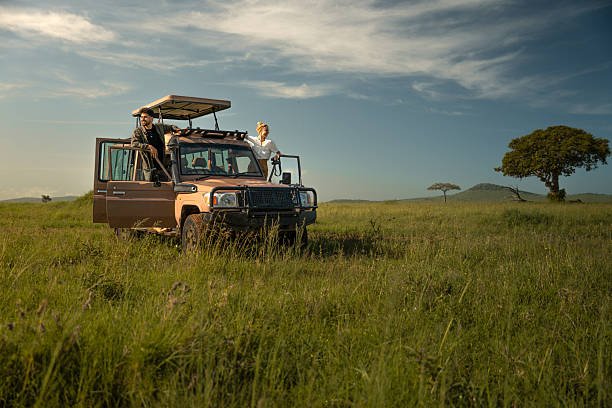
Your safari vehicle will be your primary tool for wildlife viewing. Most reputable operators use 4×4 Land Cruisers or Land Rovers, equipped with pop-up roofs for excellent visibility and photography. Your guide’s expertise is paramount in tracking the migration and anticipating river crossings. They will use their knowledge of the terrain, animal behavior, and other guides’ reports to find the best viewing spots.
For a trip focused on river crossings, consider a private safari vehicle. This offers maximum flexibility in terms of timing, game drive duration, and focusing on specific wildlife activities without needing to coordinate with other guests. While more expensive, it significantly enhances the experience for those with a specific objective like witnessing crossings.
Choosing the Right Safari Operator for River Crossings
Selecting the right safari operator is perhaps the most critical decision for a successful trip focused on the Great Migration’s river crossings in August. An operator’s expertise, local knowledge, and logistical capabilities directly impact your ability to witness this phenomenon. For 2026-2027 travel, start your research and booking process early.
What to Look for in an Operator for River Crossing Safaris:
- Local Expertise: Companies with a strong presence and operational base in Tanzania, like Climb 4 Africa, possess invaluable on-the-ground knowledge. They understand the migration’s nuances, have established relationships with park authorities, and employ experienced local guides who know the Serengeti intimately.
- Northern Serengeti Focus: Ensure the operator has a proven track record of successful safaris in the northern Serengeti during August. Ask about their strategies for tracking the migration and their typical success rates for witnessing crossings.
- Logistical Prowess: The ability to manage internal flights, secure prime accommodation in the Kogatende/Lamai area (which books up extremely fast for August), and provide reliable transportation is vital.
- Guide Quality: The skill and experience of your guide are paramount. They need to be adept at spotting wildlife, understanding animal behavior, and navigating the park to find the best viewing locations for crossings.
- Customization: While standard itineraries exist, the best operators can tailor your trip to your specific interests, such as maximizing time for photography or focusing on specific wildlife behaviors.
Why Climb 4 Africa is a strong choice for this specific safari:
- Climb 4 Africa is deeply rooted in Tanzania, offering unparalleled local insights and support.
- They specialize in crafting tailor-made safari experiences, ensuring your itinerary is optimized for August river crossings.
- Their team understands the critical logistics of reaching and staying in the northern Serengeti during peak season.
- They work with experienced local guides who are essential for successful migration tracking.
When contacting an operator like Climb 4 Africa for a 2026 or 2027 trip, be specific about your primary goal: witnessing the Mara River crossings in August. Inquire about itineraries that prioritize the northern Serengeti and ask about their strategy for maximizing your chances. They can provide detailed day-by-day plans, accommodation options, and discuss the best times to book for your chosen travel year.
Booking Your 2026-2027 River Crossing Safari
To secure the best lodges and flight availability for the highly sought-after August migration season in the northern Serengeti for your 2026 or 2027 safari, it’s recommended to book at least 9-12 months in advance. Peak season travel, especially for specific wildlife events like river crossings, means demand significantly outstrips supply. Early booking ensures you get your preferred accommodation and itinerary. For personalized planning and to discuss your specific requirements for witnessing the Great Migration river crossings, reach out to Climb 4 Africa.
You can contact them via:
- WhatsApp: +255 747 477 898
- Email: climb4africa@gmail.com
When you connect, mention your interest in an August river crossing itinerary for 2026 or 2027. They will help you design a trip that maximizes your chances of witnessing this incredible natural spectacle.
Beyond the Crossings: Complementary Safari Experiences
While the river crossings are the star attraction for an August safari in Tanzania, the country offers a wealth of other incredible wildlife experiences that can beautifully complement your itinerary. Focusing solely on the Mara River, though thrilling, might mean missing out on the diverse ecosystems and varied wildlife found elsewhere in Tanzania’s renowned national parks. Integrating other regions provides a more comprehensive and enriching safari adventure for your 2026-2027 trip.
Tarangire National Park: Elephants and Baobabs
Often visited at the beginning or end of a Serengeti-focused trip, Tarangire National Park is a fantastic choice for August. During the dry season, the Tarangire River becomes a vital water source, attracting large numbers of wildlife, including impressive herds of elephants. It’s also home to iconic baobab trees, creating a unique and picturesque landscape. The park offers excellent game viewing opportunities, with chances to see lions, leopards, giraffes, zebras, and various antelope species. Its accessibility from Arusha makes it a convenient starting or ending point.
Central Serengeti (Seronera): Leopard Haven and Resident Wildlife
The central Serengeti, particularly the Seronera Valley, is known for its year-round resident wildlife populations. While the bulk of the wildebeest migration might be in the north in August, Seronera boasts a high density of predators, including lions, cheetahs, and particularly leopards, which often hunt in the acacia woodlands and rocky outcrops (kopjes). A few days here can provide a different perspective on Serengeti wildlife, showcasing the park’s incredible biodiversity beyond the migration spectacle. It’s also logistically easier to access from Arusha than the far north.
Ngorongoro Conservation Area: The Caldera’s Unique Ecosystem
The Ngorongoro Crater is a UNESCO World Heritage Site and a geological marvel. This vast volcanic caldera supports an astonishingly high concentration of wildlife, including the Big Five (lion, leopard, elephant, rhino, buffalo). While August is dry, the crater floor often retains enough moisture to support abundant wildlife, making it a reliable destination for sightings. The landscape within the crater is dramatically different from the open plains of the Serengeti, offering a unique safari experience. It can be incorporated into an itinerary either before or after a Serengeti trip, often accessed via a drive from the central Serengeti or a flight to Manyara Airstrip.
Cultural Encounters: Maasai Villages and Local Communities
Beyond wildlife, Tanzania offers rich cultural experiences. Visiting a Maasai village can provide insight into the traditional lifestyle of this iconic semi-nomadic community. Many operators can arrange respectful visits, allowing you to learn about their customs, social structures, and relationship with the land. Such interactions add a profound human dimension to your safari, offering a contrast to the wild drama of the migration.
For 2026-2027 travel, integrating these complementary experiences requires careful planning to manage travel times and costs, especially when using internal flights. A well-designed itinerary will balance the intense focus on river crossings with opportunities to appreciate the broader natural and cultural heritage of Tanzania.
Best Time within August for River Crossings
While August is generally considered a prime month for witnessing the Mara River crossings, the exact timing within the month can influence your experience. The migration is a dynamic entity, and predicting its precise movements is an art form guided by years of observation and real-time tracking.
- Early August (August 1-15): This period often sees the herds arriving in the northern Serengeti and beginning to explore the Mara River’s banks. There’s a good chance of witnessing crossings, especially as the herds test the waters or make tentative attempts. The density of animals may still be building, and the most intense crossing periods are yet to come.
- Mid-August (August 16-25): This is frequently considered the peak period for dramatic and large-scale river crossings. The herds are fully established in the north, and the pressure to cross the Mara River to reach fresh grazing is immense. Expect larger numbers of animals attempting crossings, leading to more frequent and spectacular events.
- Late August (August 26-31): The intensity of crossings can continue, but there’s also a possibility that some herds might begin to move towards the Lamai Wedge or even start considering the return journey southwards as conditions change. However, significant crossing activity is still very common.
Factors influencing crossing timing:
- Rainfall: Localized rains can trigger herds to move in search of greener pastures, sometimes prompting crossings even when not traditionally expected.
- Predator Pressure: Intense predator activity on one side of the river can force herds to seek safety by crossing.
- Herd Momentum: The sheer size and drive of the migrating herds often lead them to cross regardless of immediate threats.
For a 2026 or 2027 trip, if you have flexibility within August, aiming for the second and third weeks of the month (roughly August 10th to August 25th) generally offers the highest probability of encountering the most dramatic and frequent river crossings. However, it’s crucial to remember that nature is unpredictable. A seasoned guide and operator will adjust your daily plans based on real-time information to maximize your chances, regardless of the specific week.
What to Expect During a River Crossing
Witnessing a wildebeest or zebra river crossing is an intense and emotionally charged experience. It’s a raw display of nature’s power, survival instincts, and the unforgiving cycle of life and death. Understanding what to expect can help you prepare mentally and practically for this highlight of your August Tanzania safari.
The Buildup: Anticipation and Gathering
Often, hours or even days precede a major crossing. Herds will gather along the riverbanks, sometimes stretching for miles. There’s a palpable sense of tension. Animals mill about, graze nervously, and approach the water’s edge only to retreat. Calves may show reluctance, and older or weaker animals might be pushed forward by the pressure of the herd behind them. Your guide will be crucial in interpreting these subtle signs.
The Dash: The Moment of Truth
When the decision is made, or when a few brave individuals plunge in, the herd often follows in a stampede. This is where the real drama unfolds. Thousands of animals pour into the water, creating a thundering, chaotic scene. The river current can be swift, sweeping away the weak or young. Crocodiles, lurking beneath the surface, will seize their opportunity, creating moments of intense struggle and predation.
The Aftermath: Survival and Loss
Not all animals make it across. Some drown, others are taken by crocodiles, and some may be injured on the slippery banks. Those that succeed will emerge on the other side, often exhausted and disoriented, before regrouping and continuing their journey. The riverbanks can become a scene of both triumph and tragedy.
Practicalities for Viewing:
- Patience is Key: You might spend hours waiting by the river. Your guide will position the vehicle strategically, but waiting is often part of the process.
- Early Mornings & Late Afternoons: These are often the most active times for crossings, as animals are more active during cooler parts of the day.
- Multiple Viewpoints: Your guide will try to find different vantage points along the river to observe the crossing from various angles.
- Photography: Bring a good zoom lens. The action can be fast-paced and sometimes distant. Binoculars are essential for observing the details.
- Emotional Impact: Be prepared for the raw, visceral nature of the event. It’s a powerful reminder of the wild.</li
For 2026-2027 trips, discussing these expectations with your tour operator will help you prepare for the reality of this incredible natural spectacle.
Packing Essentials for an August River Crossing Safari
Packing correctly for an August safari in Tanzania, especially with the focus on river crossings, involves balancing the needs of diverse environments and activities. August is in the dry season, meaning cooler mornings and evenings, but days can still be warm. The northern Serengeti can be dusty, and you’ll need to adhere to strict luggage limits for internal flights.
Clothing: Layers and Neutral Colors
- Lightweight, breathable layers: T-shirts, long-sleeved shirts (for sun protection and cooler evenings), and comfortable trousers.
- Fleece or warm jacket: Essential for early morning game drives and evenings, especially in the northern Serengeti which can be cooler.
- Neutral colors: Khaki, olive green, beige, and brown are best to avoid startling wildlife. Avoid bright colors and black/dark blue, which can attract tsetse flies in some areas.
- Comfortable walking shoes: For light walking around camps or potential walking safaris.
- Sandals or flip-flops: For relaxing at the lodge/camp.
- Sun hat: Wide-brimmed for maximum protection.
- Scarf or bandana: Useful for dust protection during game drives.
Gear and Essentials:
- Camera and extra batteries/memory cards: You’ll want to capture every moment. Consider a telephoto lens for wildlife.
- Binoculars: Crucial for spotting distant animals and observing the migration details.
- Sunscreen: High SPF, as the African sun is intense.
- Insect repellent: Especially for evenings.
- Personal first-aid kit: Include any personal medications.
- Hand sanitizer: For hygiene on the go.
- Reusable water bottle: To stay hydrated and reduce plastic waste.
- Power bank/adapter: For charging electronics. Ensure you have the correct plug type for Tanzania (Type D/G).
- Small backpack: For day trips and carrying essentials during game drives.
Important Note on Luggage:
As mentioned, internal flights have a strict weight limit, typically 15kg (33 lbs) per person in soft-sided duffel bags. This includes your hand luggage. Pack efficiently and consider purchasing any necessary items upon arrival if your operator can assist. This is a crucial packing consideration for any 2026-2027 safari itinerary involving bush flights.
Planning Your 2026-2027 Trip: Booking Windows and Considerations
Planning a Tanzania safari, particularly one focused on the highly sought-after August river crossings, requires foresight. For trips in 2026 and 2027, understanding booking timelines and key considerations will ensure a smoother planning process and secure the best opportunities.
Booking Lead Times:
- 12-18 Months in Advance: For peak season travel like August, especially to popular areas like the northern Serengeti, booking this far ahead is highly recommended. This is particularly true for specific lodges or tented camps known for their prime migration viewing locations.
- 9-12 Months in Advance: This is generally the minimum recommended time for securing good options and competitive pricing for August safaris.
- 6-9 Months in Advance: You might still find availability, but options will be more limited, and popular accommodations or specific flight schedules may already be full.
Why book early for August river crossings?
- Prime Locations: Camps and lodges in Kogatende and Lamai are in high demand and sell out quickly for August.
- Internal Flights: Availability on the small bush planes needed to access the northern Serengeti can become scarce.
- Best Guides: The most experienced guides who specialize in migration tracking are often booked well in advance.
- Customization: Early booking allows more time for tailoring the itinerary to your specific needs and preferences.
Key Considerations for 2026-2027:
- Budget: August is a high season, so expect higher prices for accommodation and potentially higher park fees. Factor in internal flights, which are a significant cost.
- Flexibility: While the itinerary should be planned, be open to minor adjustments based on the migration’s movements.
- Operator Choice: As emphasized, choose an operator with deep local knowledge and a proven track record in the northern Serengeti during August.
- Travel Insurance: Essential for covering unforeseen circumstances, trip cancellations, or medical emergencies.
- Visas and Vaccinations: Check requirements well in advance. Consult your doctor about recommended vaccinations and malaria precautions.
For your 2026 or 2027 safari focused on river crossings, reaching out to an expert operator like Climb 4 Africa early is the best first step. They can provide current availability, discuss itinerary options tailored to your goals, and guide you through the booking process, ensuring you have the best possible chance of witnessing this awe-inspiring event.
Frequently Asked Questions About August River Crossings
Here are answers to common questions travelers have when planning an August safari specifically to witness the Great Migration’s river crossings in Tanzania.
Q1: Is August definitely the best month for river crossings?
August is statistically one of the best months for witnessing the Mara River crossings in the northern Serengeti. The herds are typically in this region, and crossings are frequent. However, the migration is a natural phenomenon, and exact timing can vary year to year based on rainfall and other environmental factors. July and September can also offer opportunities.
Q2: How close can safari vehicles get to the river crossings?
Park regulations dictate how close vehicles can get to sensitive wildlife areas and riverbanks. Your guide will position the vehicle safely and ethically to provide the best possible view without disturbing the animals or environment. Often, vehicles are positioned on the riverbanks, offering a dramatic perspective of the action unfolding in the water.
Q3: What if I don’t see a river crossing?
While August offers a high probability, river crossings are not guaranteed. The northern Serengeti in August still provides exceptional game viewing, with abundant resident wildlife and the migration herds present on the plains. Your itinerary should be designed to offer a fantastic safari experience regardless, with the crossings being a potential, thrilling bonus. A reputable operator will manage expectations realistically.
Q4: Are there alternatives to the Mara River for crossings in August?
The Mara River is the primary focus for dramatic wildebeest and zebra crossings in August. The Grumeti River in the western Serengeti can see crossings earlier in the dry season (late July/early August), but by mid-August, the main herds have usually moved further north to the Mara. The northern Serengeti offers the most consistent opportunities for August crossings.
Q5: How long should my safari be to see river crossings?
To maximize your chances, a minimum of 4-5 full days dedicated to the northern Serengeti around the Mara River is recommended. This allows for flexibility in tracking the herds and waiting for crossing events. A typical overall safari duration of 8-10 days, incorporating other regions like Tarangire or the central Serengeti, is common.
Q6: What are the typical costs for an August river crossing safari?
August is peak season, and safaris focused on the northern Serengeti are generally more expensive due to higher lodge rates and the necessity of internal flights. A mid-range to luxury safari for 8-10 days, including northern Serengeti, can range from $5,000 to $10,000+ per person, depending on accommodation, vehicle type (private vs. shared), and inclusions. It’s best to get a personalized quote.
Q7: Is it safe to travel to Tanzania in August 2026 or 2027?
Yes, Tanzania is a safe destination for tourists, and August falls within the dry season, which is generally pleasant for travel. Standard travel precautions apply. Reputable tour operators prioritize client safety and have robust protocols in place. Always ensure you have comprehensive travel insurance.
For personalized advice and to build an itinerary that best suits your goals for witnessing the Great Migration’s river crossings in 2026 or 2027, contacting experienced local operators is the best next step. They can provide up-to-date information and tailor a trip that maximizes your chances of experiencing this incredible natural spectacle.
When planning your unforgettable Tanzania safari in August 2026 or 2027 with the primary goal of witnessing the dramatic river crossings, remember that expert local knowledge is invaluable. Climb 4 Africa specializes in crafting tailor-made itineraries that optimize your chances of seeing this incredible phenomenon. They understand the nuances of the Great Migration’s movements in the northern Serengeti and can arrange the logistics, from internal flights to prime accommodations in the Kogatende and Lamai areas, ensuring a smooth and memorable experience. Don’t hesitate to reach out to them to discuss your specific requirements and begin planning your adventure.
Connect with Climb 4 Africa:
- WhatsApp: +255 747 477 898
- Email: climb4africa@gmail.com
- Website: Climb 4 Africa
Let them help you design the perfect itinerary for your Tanzania river crossings safari in August.
Check Availability for Best Itinerary For Tanzania River Crossings In August: A Guide 2026-2027
Ready to compare dates, prices, and the best option for your group? Send the package name and travel month so the team can reply with a clear quote, availability, and what is included.
October River Crossings: Is There Still A Chance On Your Tanzania Safari?
For travelers visiting Tanzania in October, the chance of witnessing the dramatic river crossings of the Great Migration is significantly reduced but not entirely zero, especially in…
I Am Visiting Serengeti In August, Which Camp Location Is Best? 2026-2027
I am visiting Serengeti in August, which camp location is best? is explained with current 2026-2027 planning, price, itinerary and booking information.
No related package matches those filters. Clear one or more filters to see the other topic-matched options.