For most Tanzania safari itineraries, it is generally better to visit the Ngorongoro Crater before the Serengeti. This sequence allows you to experience the unique, concentrated wildlife of the crater first, followed by the vast, diverse landscapes and migratory herds of the Serengeti. This order often provides a smoother logistical flow, particularly when arriving from Arusha or Moshi, and maximizes the impact of each distinct ecosystem. However, the optimal order can depend on your specific interests, available time, and the timing of the Great Migration in 2026 or 2027.

Understanding the Ngorongoro Crater vs. Serengeti Experience
When planning a Tanzania safari, the decision of whether to visit the Ngorongoro Crater before or after the Serengeti is a pivotal one that can significantly shape your overall wildlife viewing experience. These two iconic destinations, while both exceptional, offer fundamentally different environments and wildlife encounters. Understanding these differences is key to making an informed choice for your 2026-2027 adventure.
The Ngorongoro Conservation Area is famous for its caldera, a collapsed volcanic crater that forms a self-contained ecosystem teeming with wildlife. Its relatively small size means you can see a remarkable density of animals in a single day, including the Big Five (lion, leopard, elephant, rhino, buffalo). The landscape is dramatic, with the crater walls providing a stunning backdrop. It’s often described as a natural amphitheater for wildlife.
In contrast, the Serengeti National Park is vast, covering an immense area of rolling plains, acacia woodlands, and riverine forests. It is globally renowned as the stage for the Great Migration, where millions of wildebeest, zebras, and gazelles traverse the plains in search of fresh grazing. The Serengeti offers a sense of boundless wilderness and the thrill of witnessing large-scale animal movements, often over several days.
The question of Ngorongoro before or after Serengeti isn’t just about which park is ‘better’ – both are world-class. It’s about how to best sequence these distinct experiences to create a logical, enriching, and logistically sound safari journey. Your decision will influence travel times, the types of sightings you’re likely to have, and the overall pace of your trip.
The Case for Ngorongoro Crater First: Maximizing Impact
Visiting the Ngorongoro Crater as the first major wildlife destination on your Tanzania safari offers several compelling advantages, particularly for travelers seeking an immediate and intense wildlife immersion. This sequence is often recommended by local operators for good reason.
Immediate Wildlife Density
The Ngorongoro Crater boasts one of the highest densities of wildlife in Africa. Within its 260-square-kilometer floor, you are almost guaranteed to see a remarkable array of animals, including a good chance of spotting the rare black rhinoceros. For visitors arriving for their first safari experience, the concentrated sightings within the crater can be incredibly impactful. It sets a high bar for what’s to come, offering a spectacular introduction to the African bush.
Logistical Flow from Arusha/Moshi
For most travelers starting their safari from Arusha or Moshi (common departure points after Kilimanjaro climbs), Ngorongoro is geographically closer than the Serengeti. Driving to the Ngorongoro Conservation Area takes approximately 3-4 hours. This means you can often have a full day of game driving in the crater on your first full day of safari, minimizing travel time on day one. If you opt for the Serengeti first, you’ll have a longer drive (around 6-8 hours) to reach the nearest airstrips or the southern Serengeti, often requiring an overnight stop or a very long travel day.
Example Itinerary Logic:
- Day 1: Arrive in Arusha, overnight.
- Day 2: Drive to Ngorongoro Conservation Area, descend into the crater for a full day of game driving, overnight at a lodge on the crater rim or nearby.
- Day 3: Morning activity in the Ngorongoro area (e.g., Maasai village visit, walk), then drive to the Serengeti National Park, beginning game drives en route.
This flow is efficient and allows you to transition smoothly from one ecosystem to the next.
Distinct Ecosystem Contrast
Experiencing the Ngorongoro Crater’s unique, enclosed environment first provides a stark and fascinating contrast to the open plains of the Serengeti. After the concentrated, almost guaranteed sightings within the crater, moving to the Serengeti allows you to appreciate its vastness, different species concentrations, and the dynamic nature of the Great Migration (if timed correctly for 2026 or 2027). This sequence builds appreciation for the diversity of Tanzania’s wildlife habitats.
Managing Expectations
While the Serengeti is magnificent, wildlife sightings can be more spread out due to its sheer size. If you were to visit the Serengeti first and encounter fewer animals on your initial days (which can happen, especially outside of peak migration periods), your expectations for the Ngorongoro Crater might be tempered. Conversely, starting with the high-density Ngorongoro can build excitement and confidence in the safari experience before heading to the expansive Serengeti.
Potential Downsides of Ngorongoro First
While often preferred, this order isn’t without its considerations:
- Overwhelm of Intensity: For some, the sheer concentration of vehicles and animals in the crater can feel overwhelming initially.
- Setting a High Bar: The guaranteed sightings in Ngorongoro might inadvertently set an impossibly high standard for the Serengeti, where sightings, while frequent, are naturally more dispersed.
The Case for Serengeti First: Embracing the Vastness
Conversely, there are valid reasons why some travelers might prefer to experience the Serengeti National Park before descending into the Ngorongoro Crater. This approach prioritizes the iconic migration and the feeling of boundless wilderness.
Experiencing the Great Migration
If your primary goal is to witness the Great Migration, and your safari dates for 2026 or 2027 align with its presence in a specific part of the Serengeti (e.g., calving season in the south, river crossings in the west or north), starting there allows you to focus on this phenomenal event without the immediate pressure of dense crater crowds. You can spend more time traversing the Serengeti’s diverse habitats in search of the herds and their predators.
Understanding Migration Timing for 2026-2027:
- December – March: Southern Serengeti (Ndutu area) – Calving season. Excellent for predator action.
- April – May: Central and Western Serengeti – Waning herds, transition period. Often fewer tourists.
- June – October: Western and Northern Serengeti – River crossings are most likely. High season.
By starting in the Serengeti, you can dedicate sufficient time to tracking these movements before moving to the more static, albeit dense, wildlife of Ngorongoro.
Immersion in True Wilderness
The Serengeti’s sheer scale offers an unparalleled sense of space and wildness. Starting here allows you to truly appreciate this vastness. The open plains, the endless horizons, and the feeling of being in a truly wild landscape can be a profound experience. Following this with the more contained environment of the Ngorongoro Crater can then highlight the unique geological and ecological aspects of the caldera.
Alternative Logistical Routes
While less common for standard Arusha departures, if your safari begins with a flight into a Serengeti airstrip (perhaps from another region or a different country), then starting in the Serengeti is the most logical choice. You might then drive or fly to the Ngorongoro area for the latter part of your safari.
Managing the Crater’s Popularity
The Ngorongoro Crater is one of the most popular tourist destinations in Tanzania. Visiting it later in your itinerary means you might encounter fewer crowds, or at least be mentally prepared for the popularity. Some travelers prefer to save the most “touristy” experience for the end, after they’ve already become accustomed to the safari rhythm.
Potential Downsides of Serengeti First
This sequence also has drawbacks:
- Longer Initial Travel: As mentioned, reaching the Serengeti from Arusha typically involves a longer travel day or requires an internal flight.
- Variable Sightings Early On: Depending on the season and location within the vast Serengeti, initial game drives might not yield the same density of sightings as Ngorongoro, which could be anticlimactic for some.
Key Factors to Consider for Your 2026-2027 Safari
The decision of Ngorongoro before or after Serengeti isn’t a one-size-fits-all answer. Several factors should guide your choice for your 2026 or 2027 trip:
1. Duration of Your Safari
Shorter Safaris (3-5 days): For brief trips, starting with Ngorongoro is often more efficient. It allows you to maximize wildlife viewing in a shorter time without extensive travel. A typical short itinerary might be: Arusha -> Ngorongoro (1 day) -> Lake Manyara (optional, 1 day) -> Arusha. Or, Arusha -> Ngorongoro (1 day) -> Fly to Serengeti (1-2 days) -> Arusha.
Longer Safaris (7+ days): With more time, the order becomes more flexible. You can comfortably spend several days in the Serengeti and then move to Ngorongoro, or vice versa, without feeling rushed. A longer safari allows for deeper exploration of both environments.
2. Time of Year (Migration Focus)
As discussed, the timing of the Great Migration is crucial for Serengeti planning. If you’re specifically aiming for river crossings in the north (June-October), you’ll want to structure your itinerary to spend the bulk of your Serengeti time in the northern sector. If it’s calving season (December-March), the southern Serengeti is key. If your trip falls outside these peak migration periods, the general density of wildlife in the Serengeti remains high, making the order less critical from a migration perspective.
Travel Year Considerations for 2026-2027:
- Peak Season (June-October 2026/2027): High demand for both parks. Ngorongoro first can help manage expectations as the Serengeti will be busy.
- Low Season (April-May 2026/2027): Fewer crowds, greener landscapes. The order might matter less, but the migration is often more dispersed.
- Shoulder Seasons (November-March 2026/2027): Generally good wildlife viewing, with the southern Serengeti calving season being a major draw.
3. Interests: Wildlife Density vs. Vastness and Migration
Be honest about what excites you most:
- Intense, guaranteed sightings and dramatic scenery? Ngorongoro first.
- Vast landscapes, the thrill of the chase, and the potential to witness the Great Migration? Serengeti first.
- A mix of both? The order will depend on logistics and timing.
4. Starting and Ending Point
Most Tanzania safaris begin and end in Arusha or Moshi. This makes Ngorongoro first the most logical and time-efficient choice. If your travel plans involve flying into the Serengeti from another location, then starting there makes more sense.
5. Budget Considerations
While the park fees for Ngorongoro Crater and Serengeti National Park are substantial and comparable, the overall cost can be influenced by accommodation choices and travel days. Longer travel days might necessitate more overnight stays, adding to costs. Internal flights, often used to reach the Serengeti quickly, can also be a significant expense. A safari starting with Ngorongoro and driving to the Serengeti might be slightly more budget-friendly than flying directly into the Serengeti, especially for shorter trips.
6. Pace and Travel Style
Do you prefer a faster pace with diverse experiences packed in, or a more relaxed exploration of fewer locations?
- Faster Pace: Ngorongoro first allows for immediate, high-impact viewing, then a longer exploration of the Serengeti.
- Relaxed Pace: Spending more time in the Serengeti first, then moving to Ngorongoro, allows for a slower acclimatization to the safari environment.
Sample Itinerary Structures: Ngorongoro Before Serengeti
To illustrate, here are two common itinerary structures that prioritize Ngorongoro first:
Option A: Classic Northern Circuit (7 Days) – Ngorongoro First
- Day 1: Arusha. Arrival and overnight.
- Day 2: Arusha to Ngorongoro Crater. Morning drive to Ngorongoro. Descend into the crater for a full-day game drive. Overnight on the crater rim.
- Day 3: Ngorongoro to Serengeti. Morning drive to Serengeti National Park, game viewing en route. Overnight in Central Serengeti.
- Day 4: Serengeti National Park. Full-day game drives in Central Serengeti.
- Day 5: Serengeti National Park. Full-day game drives, potentially exploring a different area or focusing on specific wildlife.
- Day 6: Serengeti to Lake Manyara / Karatu. Morning game drive in Serengeti, then drive towards Lake Manyara National Park or Karatu. Afternoon game drive in Lake Manyara (famous for tree-climbing lions). Overnight in Karatu or near Lake Manyara.
- Day 7: Karatu / Lake Manyara to Arusha. Morning activity (e.g., village visit, coffee tour) then drive back to Arusha for departure.
Pros: Efficient use of time, immediate high-impact wildlife, logical flow from Arusha.
Cons: Can feel a bit rushed for some, depending on pace.
Option B: Extended Northern Circuit with Migration Focus (9 Days) – Ngorongoro First
- Day 1: Arusha. Arrival and overnight.
- Day 2: Arusha to Ngorongoro Crater. Drive to Ngorongoro, descend for a full day’s game drive. Overnight on the rim.
- Day 3: Ngorongoro to Serengeti (Central). Drive to Serengeti, game drives en route. Overnight Central Serengeti.
- Day 4: Serengeti National Park. Full day game drives in Central Serengeti.
- Day 5: Serengeti National Park. Full day game drives, exploring further or focusing on predator action.
- Day 6: Serengeti (Move North/West). Drive towards the Northern or Western Serengeti, depending on migration patterns for 2026-2027. Game drives en route. Overnight in that sector.
- Day 7: Serengeti National Park. Full day exploring the Northern/Western Serengeti.
- Day 8: Serengeti to Karatu / Ngorongoro Highlands. Morning game drive, then drive back towards Karatu for a more relaxed pace before departure. Option for a cultural visit or nature walk. Overnight in Karatu.
- Day 9: Karatu to Arusha. Drive back to Arusha for departure.
Pros: Allows more time for Serengeti exploration, can incorporate migration movements, still starts with high-impact Ngorongoro.
Cons: Requires more travel days within Serengeti.
Sample Itinerary Structures: Serengeti Before Ngorongoro
Here are examples demonstrating the Serengeti-first approach:
Option C: Fly-in Serengeti Start (7 Days) – Serengeti First
- Day 1: Arusha to Serengeti. Morning flight from Arusha to a Serengeti airstrip (e.g., Seronera). Met by your guide and begin game drives en route to your lodge/camp. Overnight in Central Serengeti.
- Day 2: Serengeti National Park. Full-day game drives in Central Serengeti.
- Day 3: Serengeti National Park. Full-day game drives, potentially exploring further afield.
- Day 4: Serengeti to Ngorongoro. Morning game drive, then drive towards the Ngorongoro Conservation Area. Arrive and check into your lodge on the crater rim or in Karatu.
- Day 5: Ngorongoro Crater. Full-day game drive on the crater floor.
- Day 6: Ngorongoro to Lake Manyara / Tarangire. Morning visit to a Maasai village or a nature walk, then drive to Lake Manyara or Tarangire National Park for afternoon game drives. Overnight in Karatu or near the park.
- Day 7: Lake Manyara / Tarangire to Arusha. Morning game drive or activity, then drive back to Arusha for departure.
Pros: Prioritizes the Serengeti experience, especially if flying in is part of the plan. Can be more time-efficient for reaching the Serengeti.
Cons: Internal flight adds cost. Longer initial travel time from Arusha if not flying.
Option D: Migration Focused (10 Days) – Serengeti First
- Day 1: Arusha. Arrival and overnight.
- Day 2: Arusha to Serengeti (Southern). Morning flight to Ndutu or Seronera airstrip. Transfer to camp/lodge. Afternoon game drive, focusing on predator activity if calving season (Dec-Mar).
- Day 3: Serengeti National Park. Full day exploring the Southern Serengeti and its surroundings.
- Day 4: Serengeti (Move Central/West). Drive towards Central or Western Serengeti, depending on migration movements for 2026-2027. Game drives en route. Overnight in Central/Western Serengeti.
- Day 5: Serengeti National Park. Full day game drives in the chosen sector.
- Day 6: Serengeti National Park. Focus on specific areas, possibly tracking river crossings if in the west (June-Oct).
- Day 7: Serengeti to Ngorongoro. Morning game drive, then drive towards Ngorongoro Conservation Area. Overnight on the crater rim.
- Day 8: Ngorongoro Crater. Full-day game drive on the crater floor.
- Day 9: Ngorongoro Highlands / Maasai Village. Morning cultural experience or walk in the highlands. Drive to Karatu or Lake Manyara area.
- Day 10: Karatu to Arusha. Drive back to Arusha for departure.
Pros: Dedicated time for migration tracking, allows for a more in-depth Serengeti experience, then a concentrated Ngorongoro visit.
Cons: Longer safari duration, potentially higher cost due to more travel days and internal flights.
Logistical Considerations: Travel Between Parks
Understanding the travel between Ngorongoro and Serengeti is crucial for planning your safari order. The primary methods are driving or flying.
Driving
Arusha to Ngorongoro: Approximately 3-4 hours on paved roads, then gravel roads within the conservation area.
Ngorongoro to Serengeti: This is a significant drive. From the Ngorongoro crater rim to a central Serengeti lodge can take 5-7 hours, including stops at the park gate and potential game viewing en route. The roads are generally gravel and can be rough, especially in the rainy season.
Serengeti to Ngorongoro: Similar duration, 5-7 hours, depending on your starting point in the Serengeti and the road conditions.
Flying
Internal flights are a popular way to save time, especially for longer distances within the Serengeti or to reach it quickly from Arusha.
Arusha (ARK) to Serengeti Airstrip (e.g., Seronera, Kogatende, Ndutu): Flights typically take 1-1.5 hours. This is a significant time saver if you want to maximize your time in the Serengeti.
Serengeti Airstrip to Kilimanjaro International Airport (JRO) or Arusha (ARK): Flights are available, often with a stopover in Arusha.
Serengeti to Manyara Airstrip: Less common, but possible, connecting to Ngorongoro area.
Cost Impact: Flying is significantly more expensive than driving. A typical one-way flight from Arusha to the Serengeti can cost between $350 – $500 per person. Driving, while cheaper, consumes more safari days.
Road Conditions and Timing
Roads in Northern Tanzania can be challenging, particularly during the rainy seasons (typically March-May and November). This can affect travel times. Dry seasons (June-October and December-February) generally offer better road conditions. Planning your safari for 2026 or 2027 means checking typical weather patterns for your chosen travel months.
Accommodation Considerations
Your choice of accommodation can also influence the ideal order. Lodges and camps are situated both inside and outside the park boundaries, at different price points and levels of luxury.
Ngorongoro Crater Area Accommodation
- Crater Rim Lodges: Offer spectacular views and immediate access to the crater descent road. Generally more expensive.
- Karatu Town Lodges/Camps: Located about 30-60 minutes from the crater entrance. Offer a wider range of prices and styles, often with beautiful grounds.
- Outside the Conservation Area: More budget-friendly options, but require longer drives to the crater.
Serengeti National Park Accommodation
- Central Serengeti Camps/Lodges: Good for year-round wildlife viewing.
- Northern Serengeti Camps/Lodges: Ideal for migration viewing (June-October).
- Southern Serengeti (Ndutu area): Best for calving season (December-March).
- Western Corridor: Focuses on Grumeti River crossings (May-July).
If you plan to fly into the Serengeti, your accommodation choice will be dictated by the airstrip you land at. If you drive, you can choose based on your preferred wildlife viewing areas.
Making Your Decision: Practical Advice for 2026-2027
To help you decide whether to visit Ngorongoro before or after Serengeti, consider these final points:
For the First-Time Safari-Goer
If this is your inaugural African safari, starting with the Ngorongoro Crater often provides an immediate and overwhelming sense of wonder. The sheer density of animals and the dramatic setting can be incredibly rewarding, building excitement for the broader Serengeti experience. This sequence is highly recommended for its logistical simplicity and high-impact introduction.
For the Wildlife Enthusiast Focused on the Migration
If witnessing the Great Migration is your paramount goal for 2026 or 2027, and you’ve timed your trip to coincide with specific migration events (e.g., river crossings), then prioritizing the Serengeti is logical. You’ll want to allocate sufficient time and potentially base yourself in the relevant sector of the Serengeti to maximize your chances. Ngorongoro can then serve as a spectacular, concentrated finale.
For Those Combining with Kilimanjaro
If you’re climbing Kilimanjaro with Climb 4 Africa and adding a safari, the standard itinerary is to head directly to the Northern Circuit parks after descending. In this case, Ngorongoro before Serengeti is almost always the logistical default and the most efficient choice, minimizing travel time back to Arusha.
For Travelers Seeking Variety
Both parks offer distinct experiences. Starting with Ngorongoro’s caldera offers a unique, contained ecosystem. Moving to the Serengeti then allows you to experience open plains, different species dynamics, and vastness. This contrast is often highly appreciated.
For Budget-Conscious Travelers
Driving between Arusha, Ngorongoro, and Serengeti is the most economical option. Starting with Ngorongoro and driving to the Serengeti generally requires fewer travel days than driving the reverse, potentially saving on accommodation and vehicle hire costs. Internal flights add significant expense.
A Note on Vehicle Type and Guide: Regardless of the order, the quality of your safari vehicle and guide is paramount. A well-equipped 4×4 safari vehicle and an experienced, knowledgeable guide will enhance your experience in both parks. This is something Climb 4 Africa prioritizes for all our clients planning a 2026-2027 safari.
Final Decision: Trust Your Priorities
Ultimately, the “better” order for visiting Ngorongoro before or after Serengeti depends on your personal priorities, available time, and the specific timing of your 2026-2027 safari. The most common and often logistically sensible approach is Ngorongoro first, offering a spectacular introduction and efficient travel. However, if the Great Migration is your absolute focus, and your dates align perfectly, dedicating more time to the Serengeti upfront might be the way to go.
Both parks are essential components of any comprehensive Tanzania safari. By understanding their unique offerings and considering the logistical implications, you can craft an itinerary that promises unforgettable wildlife encounters and a deep appreciation for the natural wonders of East Africa.
Ready to plan your perfect Tanzania safari for 2026 or 2027? Whether you prefer to start with the dramatic Ngorongoro Crater or dive straight into the vast Serengeti plains, Climb 4 Africa can help craft a tailor-made itinerary that fits your interests and budget. We specialize in creating exceptional safari experiences, ensuring you get the most out of your adventure. Contact us today to discuss your dream safari. You can reach us via WhatsApp at +255 747 477 898 or by email at climb4africa@gmail.com. Let’s start planning your unforgettable journey!
“,
“faq_schema”: [
{
“question”: “What is the main advantage of visiting Ngorongoro Crater before Serengeti?”,
“answer”: “The main advantage of visiting Ngorongoro Crater before Serengeti is the logistical efficiency and the high impact of immediate, dense wildlife sightings. Ngorongoro offers a concentrated wildlife experience that serves as a fantastic introduction to Tanzanian safaris, and it’s geographically closer to Arusha, the typical starting point for safaris.”
},
{
“question”: “When is the best time to visit Ngorongoro and Serengeti for the Great Migration in 2026-2027?”,
“answer”: “The Great Migration is a year-round phenomenon, but its location varies. For river crossings in the Northern Serengeti, aim for June to October. For the calving season in the Southern Serengeti (Ndutu area), December to March is ideal. These timings are generally consistent year to year, including 2026 and 2027, but can be influenced by rainfall.”
},
{
“question”: “How long does it take to travel between Ngorongoro Crater and Serengeti National Park?”,
“answer”: “Driving between Ngorongoro Crater and a central Serengeti lodge typically takes 5-7 hours, depending on road conditions and stops. This journey involves gravel roads and park gates. Alternatively, you can take a short internal flight from a Serengeti airstrip to Manyara or Arusha, which is faster but more expensive.”
},
{
“question”: “Is it possible to see the Big Five in both Ngorongoro Crater and Serengeti?”,
“answer”: “Yes, it is possible to see the Big Five (lion, leopard, elephant, rhino, buffalo) in both Ngorongoro Crater and Serengeti National Park. However, Ngorongoro Crater is particularly renowned for offering a high chance of seeing all five within a single day due to its dense wildlife population and the presence of black rhinos.”
},
{
“question”: “Which park is better for seeing predators like lions and cheetahs?”,
“answer”: “Both parks offer excellent predator viewing. Ngorongoro Crater’s compact size and high prey density make it ideal for spotting lions, hyenas, and jackals. The Serengeti, especially during the calving season in the south (December-March), is exceptional for cheetahs and lions due to the abundance of young wildebeest and gazelles. The open plains of the Serengeti also offer good opportunities for cheetah sightings.”
},
{
“question”: “Does the order of visiting Ngorongoro and Serengeti affect the cost of a safari?”,
“answer”: “The order itself doesn’t drastically change park fees, but it can influence overall costs. Driving is generally cheaper than flying. Starting with Ngorongoro and driving to the Serengeti might save on travel time compared to flying into the Serengeti first. However, longer safaris in the Serengeti can increase costs due to more days of vehicle hire and accommodation.”
},
{
“question”: “What are the main differences between Ngorongoro Crater and Serengeti National Park?”,
“answer”: “The Ngorongoro Crater is a collapsed volcanic caldera with a unique, self-contained ecosystem offering high wildlife density in a relatively small area. The Serengeti is a vast national park known for its immense plains, acacia woodlands, and the spectacular Great Migration of millions of wildebeest and zebras.”
}
]
}
“`
Check Availability for Is It Better To Visit Ngorongoro Before Or After Serengeti? 2026-2027
Ready to compare dates, prices, and the best option for your group? Send the package name and travel month so the team can reply with a clear quote, availability, and what is included.
Four Day Serengeti na Ngorongoro Safari During AFCON 2027
Mwongozo wa safari ya siku 4 kwenye Serengeti na Ngorongoro wakati AFCON 2027; jinsi ya kupanga, nini cha kujali, na jinsi ya kuandaa,”
View package details
Dec 24, – 3 Day Christmas Serengeti And Ngorongoro Group Safari
Dec 24, 2026 – 3 Day Christmas Serengeti and Ngorongoro Group Safari.
View package details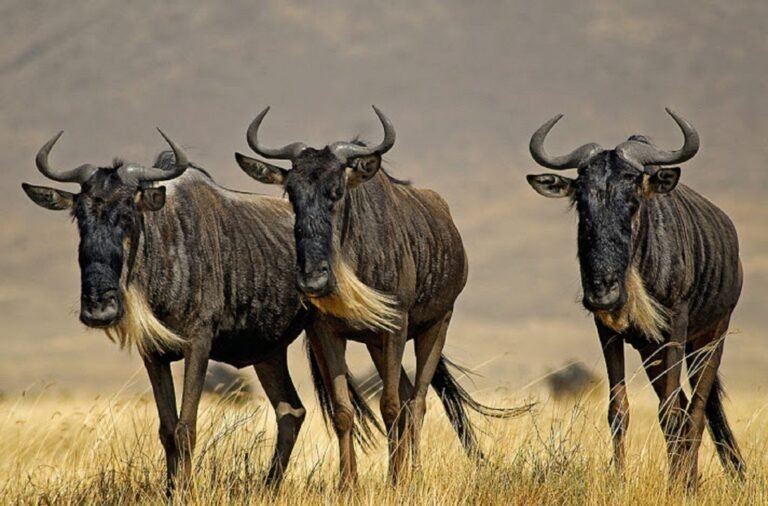
Nov 23, – 3 Day Serengeti And Ngorongoro Safari From Zanzibar
Nov 23, 2026 – 3 Day Serengeti and Ngorongoro Safari from Zanzibar.
View package details
Dec 29, – 6 Day Ndutu, Serengeti And Ngorongoro Group Safari 2026
A detailed guide to our 6-day group safari departure on December 29, 2026, focusing on the Ndutu plains, the Serengeti, and the Ngorongoro Crater.
View package details8 Day Serengeti And Ngorongoro Group Safari – December 16, 2026
Planning your December 2026 Tanzanian adventure? Our 8-day group safari offers a deep, unhurried exploration of the Serengeti and Ngorongoro Crater.
View package details
Dec 12, – 6 Day Serengeti, Ngorongoro, Tarangire And Manyara Group Safari 2026
Dec 12, 2026 – 6 Day Serengeti, Ngorongoro, Tarangire and Manyara Group Safari.
View package detailsDec 8, – 4 Day Tarangire, Serengeti And Ngorongoro Group Safari 2026
A detailed guide to our December 8, 2026 group joining safari, covering the itinerary, logistics, and what to expect during this 4-day wildlife adventure in Tanzania.
View package details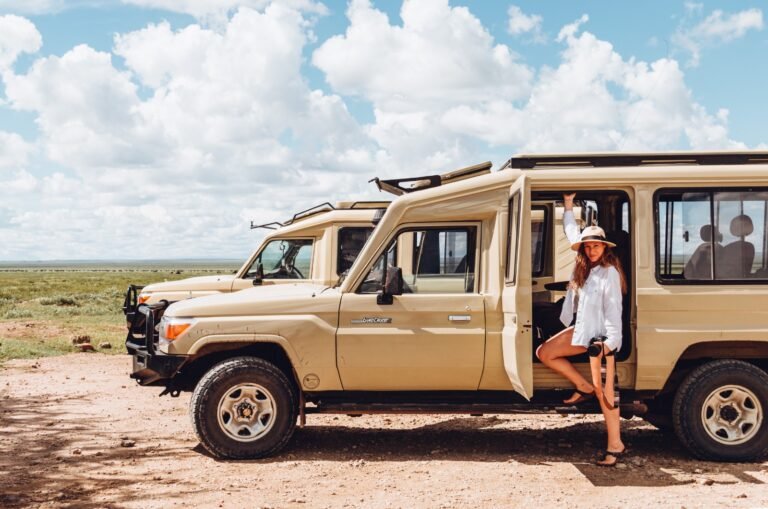
Nov 6, – 3 Day Serengeti And Ngorongoro Budget Group Safari 2026
A detailed look at our November 6, 2026 group departure for a 3-day Serengeti and Ngorongoro safari, including planning tips and route logistics.
View package detailsOct 27, – 3 Day Serengeti And Ngorongoro Group Safari 2026
Planning for a short, high-impact wildlife adventure? Our October 27, 2026, group safari offers a direct route through the Serengeti and Ngorongoro Crater, perfect for travelers with...
View package detailsNov 18, – 7 Day Serengeti And Ngorongoro Group Joining Safari 2026
A detailed guide to the 7-day group joining safari departing November 18, 2026, covering Serengeti, Ngorongoro, and the logistical advantages of shared travel.
View package detailsNov 10, – 4 Day Serengeti, Ngorongoro And Tarangire Group Safari 2026
Join our group safari on November 10, 2026, for an intensive 4-day tour of Tanzania's Northern Circuit. Perfect for those with limited time who want to experience the best of the Serengeti...
View package detailsOct 31, – 6 Day Serengeti, Ngorongoro, Tarangire And Manyara Group Safari 2026
A detailed look at the 6-day Northern Circuit group safari departing October 31, 2026, covering Tarangire, Manyara, Serengeti, and Ngorongoro Crater.
View package detailsNo related package matches those filters. Clear one or more filters to see the other topic-matched options.