Yes, starting your Tanzania safari in the Serengeti and concluding with the Ngorongoro Crater is often a very good route, offering a logical progression from vast plains to a unique caldera ecosystem. This sequence allows for a build-up of wildlife viewing experiences, typically maximizing your chances of seeing the iconic Great Migration in the Serengeti before descending into the dense wildlife population of the Ngorongoro Crater. For many travelers planning their 2026-2027 trips, this order provides a fulfilling and diverse safari experience, though understanding the logistical flow and specific wildlife viewing conditions for each location is key to its success.

Understanding the Serengeti First, Ngorongoro Last Route
The question of whether to visit the Serengeti first and the Ngorongoro Crater last is a common one for travelers planning their Tanzanian safari. This routing is popular for several compelling reasons, primarily centered around wildlife viewing patterns and the overall safari experience. It’s a sequence that many experienced guides and tour operators recommend, and for good reason. Let’s break down why this order makes sense and what you can expect when planning your 2026-2027 Tanzania safari.
At its core, this route offers a beautiful narrative arc for your wildlife adventure. You begin in the expansive, iconic landscapes of the Serengeti, a place synonymous with endless plains and dramatic wildlife spectacles. Then, you transition to the Ngorongoro Crater, a more contained, yet incredibly rich, wildlife sanctuary. This progression often allows for a crescendo in your safari experience, moving from the grand theatre of the Serengeti to the intimate, dense biodiversity of the crater.
The appeal of the Serengeti lies in its sheer scale and the legendary Great Migration. By visiting the Serengeti first, you position yourself to potentially witness this phenomenal natural event, depending on the time of year you travel. Following this with the Ngorongoro Crater ensures you don’t miss out on its unique, year-round wildlife concentrations, including a high chance of spotting the ‘Big Five’ in a single day.
Logistically, this route also often aligns well with travel flows within the Northern Circuit of Tanzania. Many safari circuits begin near Arusha or Kilimanjaro International Airport, move west into Tarangire or Lake Manyara, then north into the Serengeti, and finally south towards the Ngorongoro Crater before returning to Arusha. Placing the Serengeti at the beginning of the core park visits and Ngorongoro at the end fits this flow naturally.
However, like any travel plan, this route isn’t without its considerations. The best time to visit specific areas within the Serengeti for migration viewing can influence the ideal order. Also, the choice between staying inside the crater or on its rim can affect the experience and logistics. Understanding these nuances is crucial for tailoring the perfect Serengeti first, Ngorongoro last safari itinerary for your 2026-2027 trip.
Why Serengeti First? The Allure of the Great Plains
Starting your Tanzanian safari in the Serengeti National Park offers a profound introduction to the wild heart of Africa. It’s a landscape that has captivated travelers for generations, and for good reason. The sheer vastness of the Serengeti, its iconic acacia-dotted savannas, and the sheer abundance and diversity of its wildlife create an unforgettable first impression.
When you choose the Serengeti first, Ngorongoro last routing for your 2026-2027 adventure, you’re essentially opting for an experience that begins with the grand narrative of the African wilderness. The Serengeti is most famous for the Great Migration, a continuous movement of over 1.5 million wildebeest, zebras, and gazelles across its plains, seeking fresh grazing lands. While the migration’s exact location varies throughout the year, its presence is a defining characteristic of the Serengeti, offering incredible predator-prey interactions and spectacular river crossings (depending on the season).
Even outside of peak migration times, the Serengeti teems with life. Resident wildlife populations are immense. You can expect to see large herds of elephants, giraffes browsing on acacia trees, prides of lions resting in the shade, cheetahs scanning the horizon for prey, and a myriad of other animals. The park’s varied habitats – from open grasslands to woodlands and riverine forests – support an incredible biodiversity, making every game drive a potential discovery.
Choosing the Serengeti first also offers a psychological advantage for many travelers. It’s often the park that people dream about when they think of an African safari. Experiencing it at the beginning of your trip can set a high bar, but in a good way, building excitement and anticipation for the rest of your journey. The open spaces and the feeling of being in the middle of a truly wild landscape can be incredibly humbling and awe-inspiring.
From a planning perspective, the Serengeti is vast, and covering it effectively requires time. By dedicating the initial part of your safari to the Serengeti, you allow for sufficient game drives across different regions (like the Seronera area, the western corridor, or the northern Serengeti, depending on the season) to truly appreciate its scope and wildlife. This initial immersion into the Serengeti’s grandeur prepares you for the distinct, yet equally impressive, environment of the Ngorongoro Crater.
The logistical flow often means flying into Kilimanjaro International Airport (JRO) or Arusha Airport, and then taking a light aircraft flight directly into one of the Serengeti’s airstrips. This bypasses a long drive and immediately places you in the heart of the action. For a 2026-2027 safari, booking these internal flights well in advance is recommended, especially during peak seasons.
Key benefits of starting in the Serengeti:
- Iconic Introduction: Experience the quintessential African savanna and its vast wildlife herds.
- Migration Potential: Position yourself to witness the Great Migration if timing is right.
- Spacious Exploration: Allows ample time to explore the Serengeti’s diverse ecosystems.
- Psychological Impact: Starts your safari with a dream destination, building excitement.
- Efficient Access: Often accessed via short internal flights, saving travel time.
This initial focus on the Serengeti sets a spectacular tone for your safari, ensuring you experience one of Africa’s most celebrated wildlife destinations right from the start of your adventure.
The Ngorongoro Crater Experience: A Unique Ecosystem
Following a journey through the expansive Serengeti, arriving at the Ngorongoro Crater offers a distinct and incredibly rewarding contrast. The Ngorongoro Crater is often described as a natural wonder, a UNESCO World Heritage Site, and a caldera that hosts an astonishing density of wildlife. It’s the perfect place to conclude a Tanzanian safari for many travelers, especially those who choose the Serengeti first, Ngorongoro last route.
What makes the Ngorongoro Crater so special is its unique geological formation and the resulting isolated ecosystem. This massive caldera, formed by the collapse of a volcano, spans about 19 kilometers (12 miles) in diameter. Its steep walls create a natural enclosure, trapping a remarkable array of animals within its 260 square kilometers (100 square miles) of floor. Unlike the vast plains of the Serengeti, the crater offers a concentrated wildlife viewing experience.
The primary draw of the Ngorongoro Crater is its high concentration of wildlife, offering some of the best game viewing opportunities in Tanzania. It is one of the few places where you have an excellent chance of spotting all of the ‘Big Five’ – lion, leopard, elephant, rhino, and buffalo – in a single day. The crater floor is home to large populations of these magnificent animals, alongside hippos, hyenas, cheetahs, wildebeest, zebras, gazelles, and numerous bird species.
The presence of the endangered black rhinoceros is another significant attraction. While sightings are never guaranteed, the Ngorongoro Crater is one of the most reliable places in Tanzania to see these magnificent creatures. Dedicated conservation efforts within the crater have helped maintain a healthy population.
The experience of descending into the crater is dramatic. Your safari vehicle winds down a steep escarpment, and suddenly, you are on the crater floor, surrounded by a panorama of grasslands, acacia woodlands, a soda lake, and a remarkable density of animals. Game drives here are typically conducted on the crater floor, with strict regulations in place to protect the environment and wildlife.
Why is it ideal as a final stop? After days spent traversing the vast Serengeti, the concentrated wildlife of the Ngorongoro Crater provides a fitting climax. It’s an opportunity to see many of the animals you may have hoped for, often at closer proximity, within a unique and visually stunning setting. The feeling of discovery is amplified by the sheer number of animals you encounter in a relatively small area. It’s a concentrated dose of Africa’s best.
For those planning their 2026-2027 Tanzania safari, understanding the Ngorongoro Crater’s dynamics is important. Access is controlled, with limited numbers of vehicles allowed on the crater floor each day, and time limits for game drives. This ensures a high-quality experience and protects the fragile ecosystem. Most visitors stay in lodges or camps on the crater rim or in nearby Karatu, descending into the crater for a full day’s game drive.
Key aspects of the Ngorongoro Crater experience:
- High Wildlife Density: Exceptional chances to see a wide variety of animals, including the Big Five.
- Endangered Rhinos: One of the best places to spot black rhinos.
- Unique Ecosystem: A caldera offering a distinct and contained safari environment.
- Dramatic Scenery: Steep walls and diverse landscapes within the crater.
- Concentrated Viewing: A climax to a safari, offering intense wildlife encounters.
The Ngorongoro Crater provides a powerful, unforgettable finale to a safari that began in the Serengeti, rounding out a comprehensive Tanzanian wildlife experience.
Route Logic and Flow: Connecting the Parks
The logic behind structuring a Tanzania safari with the Serengeti first and the Ngorongoro Crater last is deeply rooted in geographical proximity, typical safari circuit planning, and the desire to create a progressive wildlife viewing experience. This routing is very common for Northern Circuit safaris, and for good reason.
Most Northern Circuit safaris typically start and end in Arusha, the gateway city to Tanzania’s premier parks. From Arusha, travelers usually head westwards. Common initial stops might include Tarangire National Park (known for elephants and baobabs) or Lake Manyara National Park (famous for tree-climbing lions and flamingos). After these initial parks, the logical progression often leads north towards the Serengeti.
When you place the Serengeti at the beginning of your core park visits, you typically fly into one of its airstrips. This minimizes driving time and maximizes your time on safari. After several days exploring the vast Serengeti, your itinerary would then naturally move southwards. The most direct route from many parts of the Serengeti towards Arusha involves passing through or near the Ngorongoro Conservation Area.
This is where the ‘Serengeti first, Ngorongoro last’ sequence shines. Instead of revisiting areas or backtracking, your route flows logically. After exiting the Serengeti, you enter the Ngorongoro Conservation Area. Depending on your specific itinerary, you might spend a night on the crater rim or in a nearby lodge before descending into the crater for your game drive. After your crater experience, the drive back to Arusha is relatively straightforward.
Consider the typical distances and travel times:
Note on Travel Times: Driving between parks in Tanzania can be lengthy due to road conditions and the vastness of the areas. Flying between the Serengeti and Arusha, or even from Arusha to the Serengeti, is highly recommended for efficiency, especially for a 2026-2027 safari where time is often a precious commodity. Internal flights save significant hours compared to driving.
The sequence also aligns with the infrastructure and accommodation options. Lodges and camps in the Serengeti are spread out, and choosing a location that facilitates a smooth transition towards Ngorongoro is part of good itinerary design. Similarly, accommodation around Ngorongoro is strategically positioned to offer access to the crater.
Why this flow is often preferred:
- Efficient Travel Path: Minimizes backtracking and optimizes travel time within the Northern Circuit.
- Geographical Sense: Follows a natural progression across the ecosystem.
- Builds Anticipation: Moves from vast landscapes to a concentrated wildlife jewel.
- Common Itinerary Structure: Aligns with standard safari packages, making planning easier.
For a smooth Serengeti first, Ngorongoro last safari, working with an experienced local operator like Climb 4 Africa is invaluable. They understand these logistical nuances and can craft an itinerary that maximizes your experience while minimizing travel friction, ensuring your 2026-2027 trip is as smooth as possible.
Timing is Everything: Migration Patterns and Route Impact
The decision to place the Serengeti first and Ngorongoro last on your Tanzanian safari itinerary can be significantly influenced by the time of year you plan to travel, particularly concerning the Great Migration. Understanding the migration’s cyclical movements is key to maximizing your Serengeti experience and, consequently, how it impacts the overall route.
The Great Migration is not a static event; it’s a year-round phenomenon driven by the search for fresh grazing and water. However, certain times of year offer more dramatic spectacles, such as river crossings or calving seasons. The location of these events dictates where in the vast Serengeti you should focus your efforts.
If your primary goal is to witness the Grumeti or Mara River crossings, these typically occur between June and October (Grumeti) and July to October (Mara). During these months, the migration herds are usually found in the western and northern parts of the Serengeti. Starting your safari in these regions of the Serengeti first makes perfect sense. After experiencing the drama of the river crossings, you would then naturally travel southwards towards the Ngorongoro Crater.
Conversely, if you are traveling during the calving season (January to March), the herds are typically concentrated in the southern and southeastern Serengeti plains, near Lake Ndutu. This period is fantastic for spotting newborn wildebeest and observing predator activity. In this scenario, starting in the southern Serengeti first is ideal. From there, your onward journey to Ngorongoro would also be a logical progression, as the crater is located to the north-west of these southern plains.
What about the periods in between? During the drier months (June to October), the herds tend to disperse across the central and western Serengeti. Even without dramatic river crossings, the sheer number of animals and the predator interactions make these areas spectacular. A Serengeti first, Ngorongoro last route works well here too, offering a broad overview of the Serengeti’s wildlife before heading to the crater.
The Ngorongoro Crater, on the other hand, is a year-round wildlife haven. Its ecosystem is self-contained, and the animals generally do not migrate out of the crater in large numbers. This means that regardless of when you visit, you can expect excellent game viewing. Therefore, it serves as a reliable and spectacular conclusion to your safari, irrespective of the migration’s movements in the Serengeti.
Here’s how timing influences the ‘Serengeti First’ aspect:
- July-October: Focus on Western/Northern Serengeti for river crossings, then proceed south to Ngorongoro.
- January-March: Focus on Southern/Southeastern Serengeti for calving season, then travel northwest to Ngorongoro.
- April-May (Green Season): Herds may be in transition; focus on Central Serengeti, then head to Ngorongoro.
- November-December: Herds moving south; focus on Central/Southern Serengeti, then to Ngorongoro.
The ‘Ngorongoro Last’ component remains consistently strong. Its predictable wildlife concentrations make it a perfect finale. For your 2026-2027 safari, discussing your travel dates with an expert like Climb 4 Africa will help tailor the Serengeti portion to maximize your chances of seeing the migration’s most exciting events, while still ensuring the Ngorongoro Crater provides a impressive conclusion.
Logistical Considerations and Trade-offs
While the Serengeti first, Ngorongoro last route is popular and logical, it’s essential to consider the practicalities and potential trade-offs involved in this safari plan, especially for trips in 2026-2027.
Accommodation Choices and Availability
Serengeti: The Serengeti is vast, and accommodation options are spread across different regions. Depending on the season and migration location, you might stay in camps or lodges in the Seronera area (central), the Grumeti River (west), or the Kogatende area (north). Booking accommodation that aligns with the migration’s expected location is crucial. Lodges and tented camps in the Serengeti can range from mid-range to ultra-luxury, and availability, particularly in prime locations during peak seasons (June-October and December-March), requires booking well in advance for 2026-2027.
Ngorongoro: Accommodation options for Ngorongoro are typically situated on the crater rim or in the nearby town of Karatu. Crater rim lodges offer spectacular views and immediate access to the crater floor but are often more expensive and book up very quickly. Karatu offers a wider range of options, from comfortable mid-range lodges to luxury estates, but requires a short drive to the crater entrance. Staying on the rim means you can descend into the crater early in the morning, maximizing your time there.
Trade-off: If you stay on the crater rim, you’ll likely have an earlier start and potentially more time in the crater. If you stay in Karatu, it’s a more budget-friendly option but adds about 30-45 minutes of travel time each way to the crater entrance. The choice often depends on your budget and how much time you want to dedicate to the crater itself.
Park Fees and Regulations
Serengeti: Park entry fees are charged per person per 24-hour period. These fees are significant and are a major component of safari costs. The longer you stay in the Serengeti, the higher the total park fees. For a Serengeti first, Ngorongoro last itinerary, you’ll have Serengeti park fees for each day spent within the park.
Ngorongoro: The Ngorongoro Crater has its own set of fees, including a conservation area fee and a vehicle fee, in addition to per-person entry fees. There are also strict time limits for game drives on the crater floor (typically 6 hours) and vehicle limits to prevent overcrowding. This means your time in the crater is a concentrated experience, not an all-day exploration at your own pace.
Trade-off: The higher daily park fees in the Serengeti can make longer stays there more expensive. The time limit in Ngorongoro means you must make the most of your allocated hours. Some travelers might feel the 6-hour limit is restrictive, while others appreciate the controlled environment.
Travel Time and Road Conditions
Serengeti: Driving within the Serengeti can be time-consuming due to its immense size. Game drives often involve covering considerable distances to find wildlife, especially if you’re tracking the migration. The roads can be dusty, bumpy, and slow, particularly during the rainy seasons.
Connecting Serengeti to Ngorongoro: The drive from the Serengeti to the Ngorongoro Conservation Area can take several hours, depending on where you are in the Serengeti and which gate you exit. While this is a scenic drive, it does consume a significant portion of a day.
Trade-off: To maximize wildlife viewing time and minimize travel fatigue, many travelers opt for light aircraft flights within the Serengeti and between the Serengeti and Arusha. This significantly increases the cost of the safari but saves valuable hours. For a 2026-2027 safari, budgeting for internal flights is often a wise decision if time is a priority.
Overall Experience Flow
Pro: The Serengeti first, Ngorongoro last route offers a natural progression: vastness to density, open plains to a unique caldera. This can create a powerful narrative arc for your safari. You get the iconic, sweeping landscapes of the Serengeti, followed by the concentrated, almost guaranteed wildlife sightings of Ngorongoro.
Trade-off: Some might argue that experiencing the ‘Big Five’ in Ngorongoro first could make the Serengeti feel less impactful if you’re solely focused on ticking off species. However, the Serengeti offers so much more than just the Big Five, including the sheer scale of the migration and broader predator-prey dynamics.
Planning Tip for 2026-2027: When booking, discuss these trade-offs with your tour operator. They can help you balance your desire for specific wildlife sightings, your budget, and your preferred pace of travel. For instance, if you’re keen on river crossings, they’ll advise on the best Serengeti region and duration. If you prefer less driving, they’ll suggest internal flights.
Ultimately, the Serengeti first, Ngorongoro last route is logistically sound and provides a fantastic safari experience. Understanding these considerations will help you refine your itinerary for your 2026-2027 adventure.
Alternative Routing Options
While the Serengeti first, Ngorongoro last route is a strong contender for many Tanzanian safari itineraries, it’s worth exploring alternative sequences to see if they might better suit your specific interests, budget, or travel dates for your 2026-2027 trip.
1. Ngorongoro First, Serengeti Last
The Logic: This route would involve visiting the Ngorongoro Crater at the beginning of your safari, perhaps after a brief stop in Tarangire or Lake Manyara. Then, you would proceed to the Serengeti for the remainder of your time.
Pros:
- Guaranteed Big Five: It offers a very high chance of seeing the ‘Big Five’ early in your trip, which can be very satisfying for some travelers.
- Concentrated Start: A high-impact start with a dense wildlife experience.
- Flexibility with Migration: If you are not specifically targeting migration river crossings or calving seasons, the order might matter less for the Serengeti portion.
Cons:
- Potential Anticlimax: Some travelers feel that experiencing the intense, concentrated wildlife of Ngorongoro first might make the more expansive and sometimes more elusive wildlife viewing in the Serengeti feel less spectacular in comparison.
- Logistical Flow: It might require more backtracking or less efficient travel paths depending on your starting point (e.g., flying into Kilimanjaro/Arusha, then heading south to Ngorongoro, then west to Serengeti, and then potentially flying out of a Serengeti airstrip or driving back east).
- Migration Focus: If seeing the Great Migration is a top priority, starting in the Serengeti when it’s in a prime location for migration activity is generally more advantageous.
Who it suits: Travelers who prioritize guaranteed sightings of the ‘Big Five’ early on, or those who are not particularly focused on the Great Migration’s dramatic events.
2. Serengeti in the Middle
The Logic: This approach would involve visiting other parks like Tarangire and Lake Manyara, then heading to the Serengeti, and perhaps concluding with Ngorongoro or another nearby area.
Pros:
- Varied Landscapes: Offers a broader spectrum of Tanzanian landscapes and wildlife habitats. Tarangire’s baobab-studded savannas and Lake Manyara’s rift valley views provide excellent diversity.
- Gradual Immersion: Starts with slightly less intense wildlife viewing (Tarangire/Manyara) and builds up to the Serengeti, then concludes with the dense Ngorongoro.
Cons:
- Travel Time: Can involve more driving days between parks if not utilizing internal flights extensively.
- Migration Timing: Requires careful planning to ensure the Serengeti portion aligns with the migration’s location, as you might be spending fewer days there compared to an itinerary focused solely on Serengeti and Ngorongoro.
Who it suits: Travelers who want to experience a wider variety of parks within the Northern Circuit and have more time to dedicate to their safari.
3. Reverse Route (Ngorongoro First, Serengeti Last – with a twist)
This is essentially the first alternative, but sometimes it’s framed as visiting Ngorongoro on your way *back* from the Serengeti. However, given the geography, this usually means starting near Arusha, visiting Ngorongoro, then driving to the Serengeti, and then flying out from the Serengeti. This is less common and often less efficient than the standard Serengeti first, Ngorongoro last route.
Comparing Routes for 2026-2027
When planning your 2026-2027 Tanzania safari, the choice of route depends heavily on your priorities:
| Route Option | Best For | Potential Drawbacks |
|---|---|---|
| Serengeti First, Ngorongoro Last | Witnessing the Great Migration (if timed correctly), iconic landscapes, logical flow, building safari intensity. | Requires careful timing for peak migration events; can involve significant travel time if not flying internally. |
| Ngorongoro First, Serengeti Last | Guaranteed Big Five sightings early, high-impact start, less migration-focused travelers. | Potential for Serengeti to feel less impactful afterwards; may involve less efficient travel flow. |
| Serengeti in the Middle (with Tarangire/Manyara) | Experiencing diverse habitats and parks, a more comprehensive Northern Circuit tour. | Can involve more driving; requires precise timing for Serengeti migration viewing within a broader itinerary. |
Ultimately, the Serengeti first, Ngorongoro last route is often favored because it balances the sheer spectacle of the Serengeti with the unique, concentrated wildlife of Ngorongoro in a geographically sensible manner. However, consulting with an expert tour operator like Climb 4 Africa is the best way to determine which route, and which specific timing, will yield the most rewarding experience for your 2026-2027 safari.
Planning Your 2026-2027 Safari with This Route
Deciding on the Serengeti first, Ngorongoro last route is a great first step in planning your unforgettable 2026-2027 Tanzania safari. Now, let’s explore the practical aspects of making this plan a reality.
Choosing the Right Time of Year
As discussed, timing is crucial, especially for the Serengeti portion. For 2026-2027, consider:
- June-October: Ideal for migration river crossings in the western and northern Serengeti. This is peak dry season, so expect excellent wildlife viewing but also higher prices and more crowds.
- January-March: Perfect for the calving season in the southern Serengeti. Lush green landscapes, abundant newborns, and intense predator action. This is also a popular time.
- April-May: The ‘green season’ or shoulder season. Fewer tourists, lower prices, and beautiful landscapes. Wildlife is more dispersed, and some roads can be challenging.
- November-December: The short rains season, often bringing herds back south. It’s a mixed bag – some rain, but also good game viewing and fewer crowds than peak times.
Recommendation: For the Serengeti first, Ngorongoro last route, if witnessing the migration is paramount, align your travel dates with the expected location of the herds. If a guaranteed ‘Big Five’ experience is the priority, Ngorongoro will deliver regardless of the season, and the Serengeti will still offer incredible wildlife viewing.
Duration of Your Safari
A safari focusing on the Serengeti and Ngorongoro Crater typically requires a minimum of 5-7 days to do justice to both locations. For example:
- Day 1: Arrive in Arusha, transfer to hotel.
- Day 2: Fly to Serengeti, afternoon game drive.
- Day 3-4: Full days of game drives in Serengeti (exploring different regions based on migration).
- Day 5: Morning game drive in Serengeti, drive to Ngorongoro Conservation Area, overnight on crater rim or Karatu.
- Day 6: Full day game drive in Ngorongoro Crater, drive back to Arusha.
- Day 7: Departure.
Extending your safari: For a more comprehensive Northern Circuit experience in 2026-2027, consider adding days in Tarangire National Park (especially during the dry season for elephant herds) or Lake Manyara National Park.
Accommodation Styles
Your choice of accommodation significantly impacts the safari experience and budget. Options for the Serengeti first, Ngorongoro last route include:
- Luxury Lodges/Tented Camps: High-end comfort, exceptional service, gourmet dining, often in prime locations.
- Mid-Range Lodges/Tented Camps: Comfortable and well-appointed, offering a great balance of value and experience.
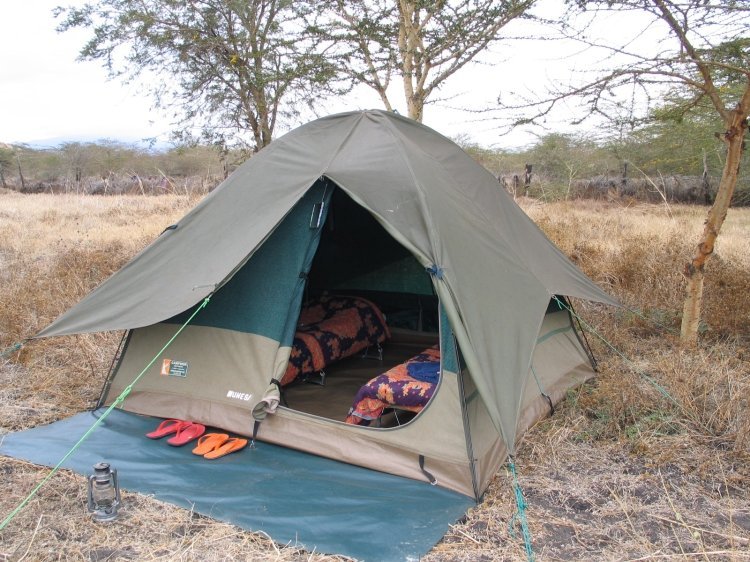
- Budget Camps: More basic amenities, often public campsites or simple tented camps, ideal for budget-conscious travelers.
In Ngorongoro: Consider a crater rim lodge for unparalleled views and early access, or a lodge in Karatu for more options and potentially lower costs.
Transportation
Internal Flights: As mentioned, flying between Arusha and the Serengeti, or within different Serengeti airstrips, is highly recommended for efficiency. These are typically scheduled light aircraft flights operated by companies like Coastal Aviation or Auric Air.
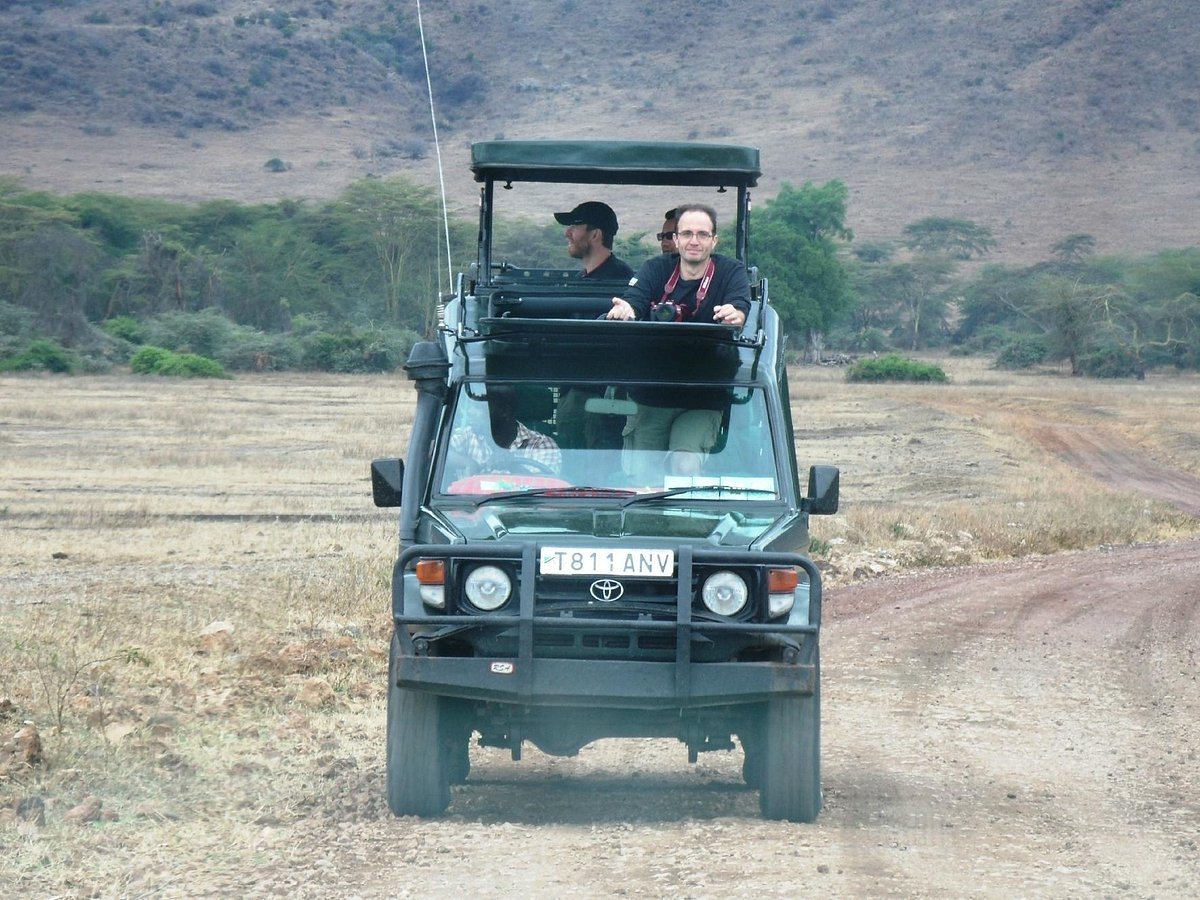
4×4 Safari Vehicles: All game drives within the parks will be conducted in custom-built 4×4 safari vehicles (usually Land Cruisers or Land Rovers) with pop-up roofs for optimal game viewing and photography. Your vehicle will be driven by an experienced, English-speaking guide.
Packing Essentials
Pack light, neutral-colored clothing. Key items include:
- Lightweight long-sleeved shirts and trousers (for sun and insect protection).
- Warm layers (fleece, jacket) for cooler mornings and evenings, especially on the crater rim.
- Comfortable walking shoes.
- Sun hat, sunglasses, high SPF sunscreen.
- Insect repellent.
- Binoculars.
- Camera with extra batteries and memory cards.
- Personal first-aid kit and any personal medications.
Key Planning Checklist for 2026-2027:
- Confirm Travel Dates: Align with migration patterns if crucial.
- Determine Safari Duration: Minimum 5-7 days for Serengeti & Ngorongoro.
- Choose Accommodation Style: Luxury, mid-range, or budget.
- Decide on Transportation: Factor in internal flights for efficiency.
- Book Well in Advance: Especially for peak seasons and popular lodges.
- Consult with Experts: Use Climb 4 Africa for tailored advice.
By addressing these planning points, you can ensure your Serengeti first, Ngorongoro last safari in 2026-2027 is meticulously organized and promises an incredible wildlife adventure.
Booking Your Serengeti and Ngorongoro Safari
Securing your Serengeti first, Ngorongoro last safari for 2026-2027 is a significant step towards an unforgettable African adventure. The process involves choosing the right tour operator, understanding what’s included, and knowing how to book effectively.
Why Choose a Local Operator Like Climb 4 Africa?
As a Tanzanian-based company with deep roots and extensive local knowledge, Climb 4 Africa offers distinct advantages for planning your safari:
- Local Expertise: We understand the nuances of the parks, the best times to visit, migration patterns, and the most effective routes. This ensures your Serengeti first, Ngorongoro last itinerary is optimized.
- Personalized Itineraries: We specialize in tailor-made safaris. Whether you dream of witnessing the migration crossings or focusing on predator sightings, we craft itineraries to match your specific interests and budget for 2026-2027.
- Practical Support: From arranging internal flights and park permits to ensuring comfortable accommodation and reliable transportation, we handle all the logistical complexities.
- Value for Money: Our local presence allows us to offer competitive pricing without compromising on quality or experience. We have established relationships with lodges and service providers.
- On-the-Ground Support: If any issues arise during your trip, you have immediate access to our local support team.
What to Expect in Your Safari Package
A typical safari package for the Serengeti first, Ngorongoro last route will generally include:
- Accommodation: Lodges or tented camps as per your chosen level (luxury, mid-range, budget).
- Meals: Usually full board (breakfast, lunch, dinner) while on safari. Drinks are often excluded.
- Park Entrance Fees: For Serengeti National Park and Ngorongoro Conservation Area.
- Game Drives: In a private or shared 4×4 safari vehicle with a professional guide.
- Crater Service Fee: For the Ngorongoro Crater.
- Vehicle and Guide Fees: For the duration of your safari.
- Bottled Water: Provided in the safari vehicle.
What is typically NOT included:
- International flights to/from Tanzania.
- Visa fees.
- Travel insurance (highly recommended).
- Gratuities for guides and lodge staff.
- Personal expenses (souvenirs, laundry, alcoholic beverages).
- Optional activities (e.g., hot air balloon safaris in Serengeti, which are spectacular but add significant cost).
The Booking Process
To book your Serengeti first, Ngorongoro last safari with Climb 4 Africa for 2026-2027, here’s how to proceed:
- Initial Inquiry: Reach out to us with your desired travel dates, number of travelers, preferred accommodation style, and any specific interests (e.g., migration, photography, birding). You can contact us via WhatsApp at +255 747 477 898 or email at climb4africa@gmail.com.
- Itinerary Proposal: Based on your inquiry, we will create a customized itinerary and provide a detailed quote. This will outline the daily activities, accommodations, and inclusions.
- Review and Refine: Discuss the proposal with us. We can make adjustments to the itinerary, accommodation, or duration to perfectly match your needs. This is where we confirm the best sequence for your specific travel period.
- Confirmation and Deposit: Once you approve the itinerary, we will require a deposit (typically 20-30% of the total cost) to secure your bookings for accommodation, internal flights, and park permits.
- Final Payment: The remaining balance will be due a certain number of weeks before your safari start date (usually 4-6 weeks).
- Pre-Departure Information: We will provide you with a comprehensive pre-departure pack, including detailed itinerary, contact information, packing list, and visa advice.
Booking Window for 2026-2027: For popular travel periods like the migration season, we recommend booking at least 6-12 months in advance to secure the best lodges and ensure availability. For other periods, 4-6 months is usually sufficient, but early booking is always advisable.
Ready to plan your adventure? Let Climb 4 Africa guide you through crafting the perfect Serengeti first, Ngorongoro last safari. Contact us today to start designing your dream Tanzanian experience.
Check Availability for Serengeti First, Ngorongoro Last: Is This A Good Tanzania Safari Route?
Ready to compare dates, prices, and the best option for your group? Send the package name and travel month so the team can reply with a clear quote, availability, and what is included.
Four Day Serengeti na Ngorongoro Safari During AFCON 2027
Mwongozo wa safari ya siku 4 kwenye Serengeti na Ngorongoro wakati AFCON 2027; jinsi ya kupanga, nini cha kujali, na jinsi ya kuandaa,”
View package details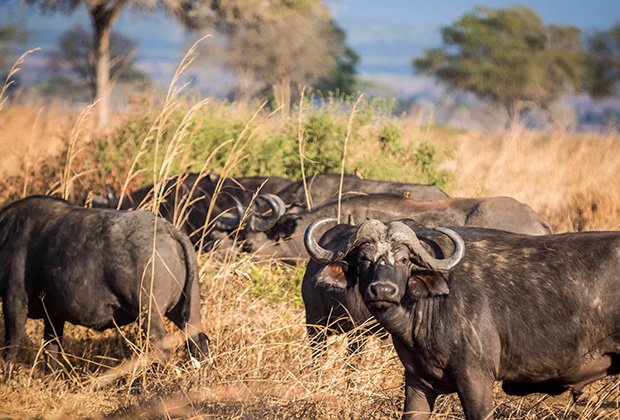
Dec 24, – 3 Day Christmas Serengeti And Ngorongoro Group Safari
Dec 24, 2026 – 3 Day Christmas Serengeti and Ngorongoro Group Safari.
View package details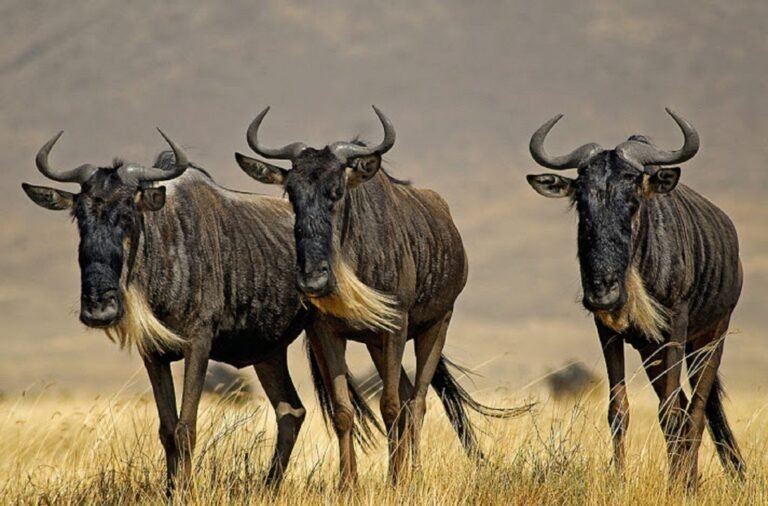
Nov 23, – 3 Day Serengeti And Ngorongoro Safari From Zanzibar
Nov 23, 2026 – 3 Day Serengeti and Ngorongoro Safari from Zanzibar.
View package details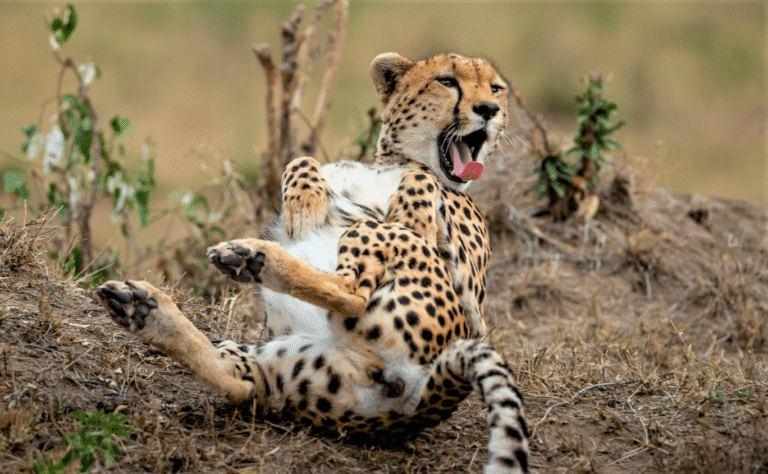
Dec 29, – 6 Day Ndutu, Serengeti And Ngorongoro Group Safari 2026
A detailed guide to our 6-day group safari departure on December 29, 2026, focusing on the Ndutu plains, the Serengeti, and the Ngorongoro Crater.
View package details8 Day Serengeti And Ngorongoro Group Safari – December 16, 2026
Planning your December 2026 Tanzanian adventure? Our 8-day group safari offers a deep, unhurried exploration of the Serengeti and Ngorongoro Crater.
View package details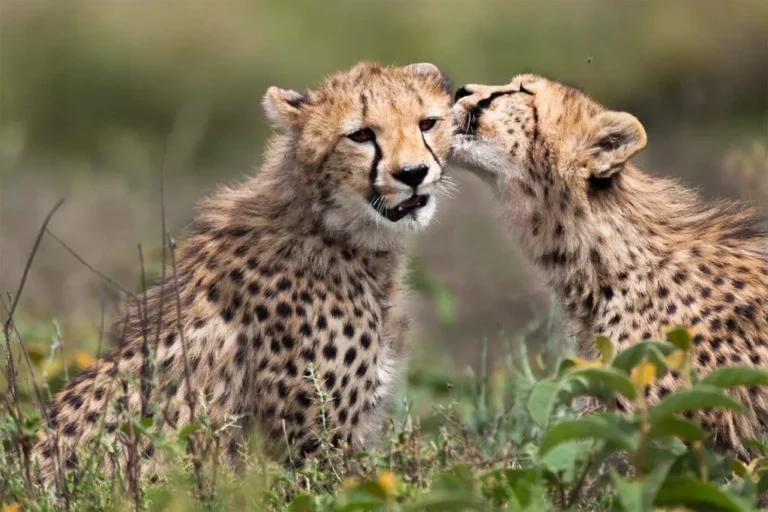
Dec 12, – 6 Day Serengeti, Ngorongoro, Tarangire And Manyara Group Safari 2026
Dec 12, 2026 – 6 Day Serengeti, Ngorongoro, Tarangire and Manyara Group Safari.
View package detailsDec 8, – 4 Day Tarangire, Serengeti And Ngorongoro Group Safari 2026
A detailed guide to our December 8, 2026 group joining safari, covering the itinerary, logistics, and what to expect during this 4-day wildlife adventure in Tanzania.
View package details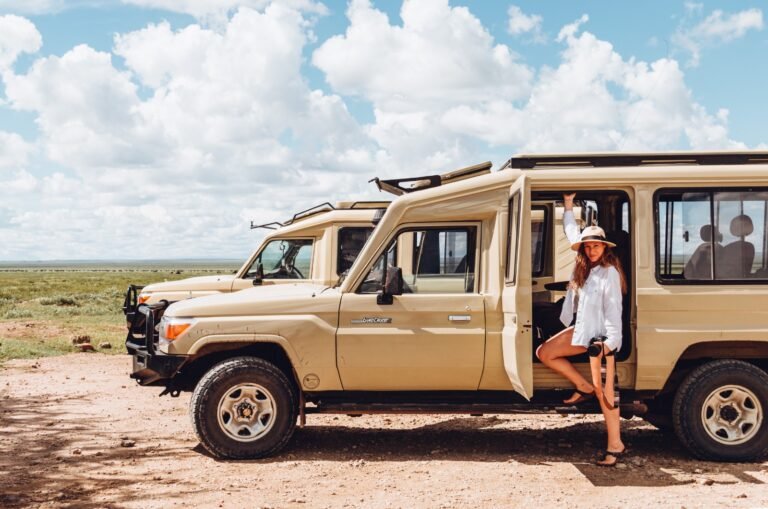
Nov 6, – 3 Day Serengeti And Ngorongoro Budget Group Safari 2026
A detailed look at our November 6, 2026 group departure for a 3-day Serengeti and Ngorongoro safari, including planning tips and route logistics.
View package detailsOct 27, – 3 Day Serengeti And Ngorongoro Group Safari 2026
Planning for a short, high-impact wildlife adventure? Our October 27, 2026, group safari offers a direct route through the Serengeti and Ngorongoro Crater, perfect for travelers with...
View package detailsNov 18, – 7 Day Serengeti And Ngorongoro Group Joining Safari 2026
A detailed guide to the 7-day group joining safari departing November 18, 2026, covering Serengeti, Ngorongoro, and the logistical advantages of shared travel.
View package detailsNov 10, – 4 Day Serengeti, Ngorongoro And Tarangire Group Safari 2026
Join our group safari on November 10, 2026, for an intensive 4-day tour of Tanzania's Northern Circuit. Perfect for those with limited time who want to experience the best of the Serengeti...
View package detailsOct 31, – 6 Day Serengeti, Ngorongoro, Tarangire And Manyara Group Safari 2026
A detailed look at the 6-day Northern Circuit group safari departing October 31, 2026, covering Tarangire, Manyara, Serengeti, and Ngorongoro Crater.
View package detailsNo related package matches those filters. Clear one or more filters to see the other topic-matched options.