To arrange two full game-drive days in the Serengeti for an optimal safari experience in 2026 or 2027, focus on selecting a strategic base camp that offers access to diverse wildlife habitats and considers the time of year for migration patterns. A common and effective approach involves dedicating each full day to exploring a different zone within the vast Serengeti ecosystem, such as the Central Serengeti (Seronera Valley) for resident game and the northern or southern plains depending on the season to potentially witness the Great Migration. This ensures you experience varied landscapes and wildlife concentrations without excessive travel time between sightings.
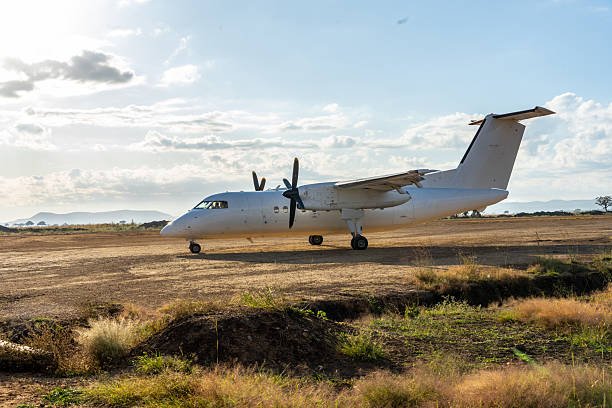
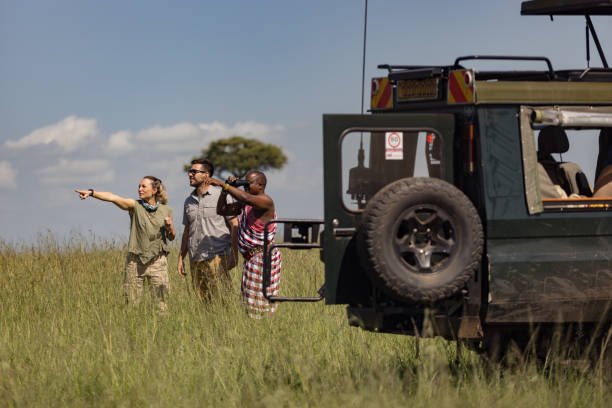
Understanding the Serengeti’s Vastness and Your Two-Day Window
The Serengeti National Park is enormous, covering over 14,750 square kilometers (5,700 sq mi) of rolling plains, acacia woodlands, and riverine forests. Trying to see ‘everything’ in just two full days is impossible, and attempting to do so will lead to a rushed, less rewarding experience. The key to arranging two full game-drive days in the Serengeti is strategic planning, focusing on maximizing your chances of incredible wildlife encounters within your limited time. This means making informed decisions about where to base yourself and what areas to prioritize for your game drives. Your safari operator will be crucial in this process, leveraging their local knowledge to craft an itinerary that suits your interests and the prevailing wildlife movements, especially as you look towards 2026 and 2027 travel.
When we talk about arranging two full game-drive days, it implies you’ll have at least three nights in the Serengeti to allow for travel time to and from the park, plus two full days dedicated solely to exploring its wildlife-rich landscapes. This is a common duration for travelers who want a focused Serengeti experience without committing to a longer, multi-week safari across Tanzania. It’s a popular choice for those combining a Serengeti visit with a Kilimanjaro climb or a trip to Zanzibar, making efficient use of their time on the ground.
Choosing Your Serengeti Base: Central vs. Seasonal Camps
The decision of where to base yourself for your two game-drive days is arguably the most critical. The Serengeti is broadly divided into several regions, each offering distinct advantages depending on the time of year and the wildlife you wish to see. For a two-day window, minimizing travel time between your accommodation and prime game-viewing areas is paramount. This often means choosing between a central location or a camp that is strategically positioned for seasonal wildlife movements.
Central Serengeti (Seronera Valley): The Year-Round Hotspot
The Seronera Valley in the Central Serengeti is often considered the heart of the park and is renowned for its high concentration of resident wildlife, making it an excellent choice for a two-day itinerary, particularly if your travel dates fall outside the peak migration months or if you prioritize seeing the ‘Big Five’ and a wide variety of predators and plains game.
- Why it’s ideal for two days: Seronera boasts a permanent population of predators like lions, leopards, and cheetahs, as well as large herds of wildebeest, zebras, and gazelles. The landscape is a mix of open grasslands and acacia woodlands, dissected by the Seronera River, which attracts animals year-round. The infrastructure here is also more developed, with several lodges and tented camps, and it’s relatively accessible from the Seronera Airstrip.
- Game drive strategy: With a central base, you can dedicate one full day to exploring the immediate Seronera area, focusing on the riverine forests for leopards and the open plains for big cat action. The second day could involve a longer drive north or south of Seronera, venturing into slightly different habitats and potentially encountering different prides of lions or cheetahs on their hunting grounds.
- Trade-offs: While excellent year-round, Seronera can feel more crowded than other parts of the Serengeti, especially during peak tourist seasons. It’s also less likely to offer the dramatic spectacle of the Great Migration river crossings, which occur in specific locations at specific times of the year.
Southern Serengeti (Ndutu Area): For Calving Season Spectacles (Dec-Mar)
If your two-day Serengeti visit is planned between December and March, the Southern Serengeti, particularly the Ndutu area (which straddles the border with the Ngorongoro Conservation Area), becomes an irresistible option. This is when the wildebeest and zebra herds congregate here for the calving season.
- Why it’s ideal for two days: Witnessing thousands of newborn wildebeest and zebras across the vast plains, with predators actively hunting the vulnerable young, is an unparalleled wildlife spectacle. The open grasslands here are perfect for spotting cheetahs and lions.
- Game drive strategy: Two full days in Ndutu would allow you to experience the calving season drama. You could spend one day focusing on the plains for predator action and the sheer scale of the herds, and the second day exploring the kopjes and acacia woodlands for lions and cheetahs, and perhaps visiting a local Maasai village (if available and arranged).
- Trade-offs: This area is primarily a seasonal destination for the migration. If you visit outside the Dec-Mar window, the large herds will have moved on, and the wildlife concentrations will be significantly lower. Roads can also become muddy and challenging during the rainy season (roughly Jan-Mar).
Western Serengeti (Grumeti River): For River Crossings (May-July)
The Western Corridor, particularly around the Grumeti River, becomes a focal point for the Great Migration from around May to July, as the herds move westwards. This area is known for its large crocodiles and dramatic wildebeest river crossings.
- Why it’s ideal for two days: If your 2026 or 2027 safari falls within this period and witnessing a river crossing is a high priority, basing yourself in the Western Serengeti is essential. The Grumeti River is famous for its large Nile crocodiles, which can make for thrilling and intense crossings.
- Game drive strategy: One full day would be dedicated to tracking the migration herds and positioning yourself for potential river crossings along the Grumeti. The second day could involve exploring the woodlands and riverine areas for leopards and other resident wildlife, or following the herds as they move further west.
- Trade-offs: This is a highly seasonal destination. Outside of the migration period, wildlife sightings can be less consistent compared to the Central Serengeti. Accommodation options might be more limited and remote.
Northern Serengeti (Kogatende/Lamai): For Mara River Crossings (July-Oct)
From July to October, the Northern Serengeti, particularly the Kogatende and Lamai areas, is where the Great Migration herds gather before attempting to cross the Mara River into Kenya’s Masai Mara National Reserve. This is another prime location for witnessing dramatic river crossings.
- Why it’s ideal for two days: If your goal is to see the iconic Mara River crossings, this is the place to be. The spectacle of thousands of wildebeest and zebras plunging into the crocodile-infested Mara River is one of the most sought-after safari experiences.
- Game drive strategy: Two full days here would be entirely focused on the migration. You’d spend your time tracking the herds, observing their movements, and waiting for opportune moments to witness a crossing. Patience is key, as crossings can happen at any time of day and are not guaranteed.
- Trade-offs: Like the Western Corridor, this is a highly seasonal location. The landscape is also different, with more hills and rocky outcrops. Accommodation can be spread out, and travel to and from this region can take longer, potentially eating into your two days if not planned carefully.
Expert Advice for 2026-2027:
For a two-day Serengeti itinerary, central Serengeti (Seronera) is often the most reliable choice year-round if you prioritize seeing a variety of animals and predators without the risk of missing seasonal movements. If witnessing the Great Migration river crossings is your absolute priority, then you must align your 2026 or 2027 travel dates with the expected locations (North for Mara River, West for Grumeti River) and choose a camp accordingly. Always consult with your safari operator, as they will have the most up-to-date information on wildlife movements.
Structuring Your Two-Day Game Drives: A Practical Approach
Once your base camp is decided, the next step is to plan how to structure your two full days of game drives. The goal is to maximize your time in the field, minimize transit, and focus on areas that are most likely to yield rewarding sightings. This often means early morning and late afternoon drives, when animals are most active.
Day 1: Immersion into Your Chosen Zone
Your first full day should be dedicated to exploring the immediate surroundings of your chosen camp. This allows you to get acquainted with the local wildlife and the landscape without covering vast distances.
- Morning Drive (Sunrise to Mid-morning): Start as early as possible, ideally just after sunrise. This is the prime time for predators to be active, either finishing a night’s hunt or beginning their day. Focus on areas known for cat sightings, riverbeds, or kopjes, depending on your location. Your guide will use their knowledge of animal behavior and recent sightings to navigate you to promising areas.
- Mid-day Break: Return to your lodge or camp for lunch and a rest during the hottest part of the day. This is also an opportunity to relax, enjoy the camp’s amenities, and perhaps review photos or discuss the morning’s sightings with your guide.
- Afternoon Drive (Late Afternoon to Sunset): Head out again in the late afternoon. The cooler temperatures encourage animals to become more active again. This is a great time for observing herds, spotting elephants or giraffes, and potentially witnessing a predator on the move as dusk approaches.
Day 2: Expanding Your Horizons or Deepening Your Focus
For your second day, you have a couple of strategic options, depending on your interests and what you saw on Day 1.
- Option A: Explore a Different Habitat/Area: If your base is central, you might dedicate Day 2 to driving further afield, perhaps towards a different river system, a more acacia-dotted region, or a more open grassland area to see how the wildlife and landscape change. This broadens your Serengeti experience. For example, from Seronera, you could drive towards the Retima Hippo Pool or explore areas west towards the Grumeti River (though a full day trip might be too far for a short stay).
- Option B: Focus on a Specific Interest: If you had a particular highlight on Day 1 (e.g., a leopard sighting, a lion pride, or a specific bird species), you might choose to dedicate Day 2 to revisiting that area or focusing on a related interest. For instance, if you saw lions hunting, you might spend more time observing lion behavior, their social structures, and their territories. If you’re keen on birdwatching, you could ask your guide to focus on areas known for diverse avian life.
- Option C: Chase the Migration (Seasonal): If you are in a seasonal location (North or West) for the migration, Day 2 would continue the focus on tracking the herds and looking for river crossings, potentially moving along the migration’s path.
Regardless of the option chosen, the structure of early morning and late afternoon drives remains crucial for maximizing sightings. The key is to work closely with your guide, who will tailor the day’s plan based on animal movements, recent sightings, and your specific interests. Effective communication with your guide is vital for a successful two-day Serengeti safari in 2026 or 2027.
Maximizing Wildlife Sightings in Two Days: Essential Tips
Beyond itinerary structure, several practical tips can significantly enhance your chances of seeing incredible wildlife during your two full game-drive days in the Serengeti.
- Early Starts are Non-Negotiable: As mentioned, animals are most active in the cooler hours of the early morning and late afternoon. Waking up before dawn and being ready to depart as soon as game drives are permitted (usually around 6:00 AM) is essential.
- Late Finishes Matter: Similarly, extending your afternoon drive until sunset (around 6:30 PM) can often yield rewarding sightings as nocturnal animals begin to stir and predators become active.
- Stay Flexible and Patient: Wildlife sightings are not guaranteed. Sometimes you might drive for an hour without seeing much, and other times you might stumble upon a spectacular event. Embrace the unpredictability and trust your guide’s expertise. Patience is a virtue on safari.
- Communicate Your Interests: Don’t hesitate to tell your guide what you’re most interested in seeing – be it big cats, elephants, birds, or specific behaviors. They can then tailor the drives to focus on those interests.
- Listen to Your Guide: Your guide is your eyes and ears in the bush. They have years of experience, know the animals’ habits, and can often spot camouflaged creatures that you might miss. Follow their advice regarding safety and where to look.
- Choose the Right Vehicle: A 4×4 safari vehicle with pop-up roof is standard for Serengeti safaris. Ensure it’s comfortable, offers good visibility, and has charging ports for your camera and phone. A knowledgeable guide operating a well-maintained vehicle is key.
- Understand the Seasonality: As discussed, the time of year dramatically impacts wildlife distribution. For 2026 and 2027 bookings, ensure your itinerary aligns with the best season for the wildlife phenomena you wish to witness.
- Pack Binoculars: While your guide will have spotting scopes, good quality binoculars are invaluable for observing distant animals or details on closer ones without disturbing them.
- Camera Ready: Always have your camera accessible and ready to go. You never know when a spectacular sighting might occur.
Pre-Travel Checklist for Your Two-Day Serengeti Safari (2026-2027):
- Confirm your accommodation location based on the season and your interests.
- Discuss game drive timings and focus areas with your safari operator in advance.
- Ensure your safari vehicle is suitable for Serengeti conditions.
- Pack appropriate clothing for game drives (neutral colours, layers).
- Charge all camera and electronic devices before departing for your drives.
- Familiarize yourself with common Serengeti animals to enhance your spotting experience.
Considering the Great Migration for Your Two-Day Itinerary
The Great Migration is one of the planet’s most astonishing wildlife events, involving over 1.5 million wildebeest, hundreds of thousands of zebras, and a host of predators. For travelers with only two full game-drive days, planning around the migration requires careful timing and location selection.
When is the Best Time to See the Migration?
The migration is a year-round cycle, but its location changes:
- December – March: Southern Serengeti (Ndutu Area) – Calving season, vast herds on the plains.
- April – May: Central/Western Serengeti – Herds begin moving north and west.
- May – July: Western Corridor (Grumeti River) – Herds gather before crossing the Grumeti.
- July – October: Northern Serengeti (Kogatende/Mara River) – Herds gather before crossing the Mara River into Kenya.
- November: Eastern Serengeti/Back South – Herds move south, often following rains.
Structuring Two Days Around the Migration
If your primary goal for your two-day Serengeti safari in 2026 or 2027 is to witness the migration, your itinerary must be tailored accordingly:
- For River Crossings (July-Oct): Base yourself in the Northern Serengeti (Kogatende or Lamai). Both full days will be dedicated to tracking the herds and positioning yourself near the Mara River. Be prepared for long waits and the possibility of multiple sightings or none at all, as crossings are dictated by weather and predator presence. Your guide will be crucial in reading the signs and anticipating movement.
- For River Crossings (May-July): Base yourself in the Western Corridor. Again, both days will focus on the Grumeti River and its surrounding plains, seeking out herds and potential crossings. The Grumeti is known for its large crocodiles, making for dramatic events.
- For Calving Season (Dec-Mar): Base yourself in the Southern Serengeti (Ndutu Area). Your two days will be spent on the vast plains, observing the massive herds, the newborn calves, and the intense predator activity. This is less about dramatic crossings and more about the sheer scale of life and death on the open savanna.
Important Consideration for 2026-2027: While migration patterns are generally consistent, actual movements can vary slightly year to year due to rainfall and other environmental factors. Always rely on the latest information from your safari operator when booking your 2026 or 2027 migration-focused trip.
Sample Itinerary Outline: Two Full Game-Drive Days in Central Serengeti (Year-Round Reliability)
This outline assumes arrival on Day 0 and departure on Day 3, allowing for two full days of exploration.
Day 0: Arrival in Serengeti & Settle In
- Fly into Seronera Airstrip (SEU).
- Meet your guide and transfer to your lodge/camp in the Central Serengeti.
- Check-in, lunch, and relax.
- Optional late afternoon/sunset game drive depending on arrival time and lodge location.
Day 1: Central Serengeti Exploration
- Early Morning Game Drive (approx. 6:00 AM – 11:00 AM): Focus on the Seronera Valley and its tributaries. Search for big cats (lions, leopards, cheetahs), elephants, giraffes, and various antelopes. Visit areas like the Hippo Pool or follow the riverbanks.
- Lunch & Rest (approx. 11:00 AM – 3:30 PM): Return to camp for lunch and a siesta.
- Late Afternoon Game Drive (approx. 3:30 PM – 6:30 PM): Explore different tracks, perhaps heading towards the Moru Kopjes area for more lion sightings or exploring the open plains for herds and cheetahs. Enjoy the sunset over the savanna.
Day 2: Deeper Dive or Wider Exploration
- Early Morning Game Drive (approx. 6:00 AM – 11:00 AM): Choose your focus: either revisit areas from Day 1 where you had excellent sightings or explore a new direction. Perhaps drive towards the southeastern plains to look for different herds or head west towards the Grumeti River boundary for a change of scenery and potential wildlife.
- Lunch & Rest (approx. 11:00 AM – 3:30 PM): Return to camp for lunch and relaxation.
- Late Afternoon Game Drive (approx. 3:30 PM – 6:30 PM): A final drive to soak in the Serengeti atmosphere. Your guide can take you to a location you particularly enjoyed or to a spot you haven’t visited yet, maximizing your last chance for sightings.
Day 3: Departure
- Optional early morning game drive if time permits before your flight.
- Breakfast at the lodge/camp.
- Transfer to Seronera Airstrip for your onward flight.
Note: This is a flexible outline. Actual drive routes and timings will be adjusted daily by your guide based on wildlife activity and your preferences.
What’s Typically Included in a Two-Day Serengeti Safari Package?
When you book a safari package that includes two full game-drive days in the Serengeti, certain inclusions are standard, though it’s crucial to confirm the specifics with your tour operator for 2026 or 2027 bookings.
Standard Inclusions:
- Accommodation: Usually includes 3 nights’ accommodation (e.g., 1 night en route or near the park, 2 nights within the Serengeti). This can range from luxury lodges to comfortable tented camps.
- Park Fees: Entry fees for the Serengeti National Park for the duration of your stay.
- Game Drives: Two full days of private or shared game drives in a 4×4 safari vehicle.
- Professional Guide: A qualified and experienced safari guide.
- Meals: Full board (breakfast, lunch, dinner) is typically included during your time in the Serengeti. Some packages might include packed lunches for full-day drives.
- Water: Bottled water in the safari vehicle during game drives.
- Transfers: Road transfers from a local airstrip (like Seronera) to your accommodation. If flying into Kilimanjaro or Arusha, those transfers might be separate or included depending on the package.
What’s Usually Excluded:
- International Flights: Flights to and from Tanzania.
- Domestic Flights: Flights to and from the Serengeti airstrip (unless specified).
- Visa Fees: Tanzania visa costs.
- Travel Insurance: Comprehensive travel and medical insurance.
- Gratuities: Tips for guides, lodge staff, and drivers.
- Personal Expenses: Drinks (other than water on game drives), laundry, souvenirs, and any optional activities.
- Vaccinations and Medications: Costs associated with health preparations.
Booking Tip for 2026-2027: Always get a detailed itinerary and list of inclusions/exclusions in writing before confirming your safari. Clarify what type of game drive is included – private drives offer more flexibility but are more expensive than shared ones.
Cost Considerations for a Two-Day Serengeti Safari
The cost of a two-day Serengeti safari can vary significantly based on accommodation level, vehicle type (private vs. shared), time of year, and specific inclusions. For 2026 and 2027 travel, expect costs to be in the following ranges, typically per person:
Estimated Cost Ranges (Per Person for 2 Full Game-Drive Days / 3 Nights):
- Budget/Mid-Range: $700 – $1,200 USD. This typically involves staying in comfortable but simpler tented camps or basic lodges, possibly with shared game drives, and flying into a more distant airstrip requiring longer transfers.
- Mid-Range/Comfort: $1,200 – $2,000 USD. This level usually includes well-appointed tented camps or lodges, private game drives, and potentially flights into Seronera Airstrip.
- Luxury/High-End: $2,000 – $4,000+ USD. Expect top-tier lodges or exclusive tented camps, private vehicles, premium services, and often more inclusive packages.
Note: These are estimates and do not include international flights, visas, or tips. Serengeti park fees alone are substantial ($70-80 USD per person per day) and are a significant part of the total cost. Prices for 2026 and 2027 may see slight increases due to inflation and operational costs.
Factors influencing cost for 2026-2027:
- Accommodation: The biggest differentiator. Luxury lodges are significantly more expensive than mid-range tented camps.
- Seasonality: Peak seasons (July-October, December-February) are generally more expensive than shoulder or low seasons.
- Private vs. Shared: A private vehicle and guide offer maximum flexibility but come at a higher cost per person compared to joining a group. For only two days, the flexibility of a private vehicle can be highly beneficial.
- Inclusions: Packages that include internal flights often appear more expensive but can save time and hassle.
Booking Your Two-Day Serengeti Safari with Climb 4 Africa
Arranging two full game-drive days in the Serengeti requires expert local knowledge to navigate the park’s vastness, understand seasonal wildlife movements, and tailor an itinerary that maximizes your experience within your timeframe. At Climb 4 Africa, we specialize in crafting personalized Tanzanian safari itineraries, including focused Serengeti experiences for 2026 and 2027.
Our team of local experts can help you decide on the best base camp for your two-day visit, whether you’re chasing the Great Migration, seeking out predators in the Central Serengeti, or enjoying the calving season. We ensure you get the most out of your precious time in the wild, providing well-equipped 4×4 safari vehicles, experienced guides, and carefully selected accommodations that match your budget and style.
To start planning your two full game-drive days in the Serengeti for 2026 or 2027:
- Contact us: Reach out via WhatsApp at +255 747 477 898 or email us at climb4africa@gmail.com.
- Share your travel dates: Let us know your preferred month or specific dates for 2026 or 2027.
- Indicate your interests: Are you keen on the Great Migration, specific animals, photography, or a general wildlife experience?
- Mention your budget: This helps us suggest suitable accommodation and vehicle options.
We will then work with you to design a bespoke itinerary that ensures your two days in the Serengeti are as rewarding and unforgettable as possible. Let us handle the logistics so you can focus on the incredible wildlife encounters.
Check Availability for Arranging Two Full Game-Drive Days In Serengeti: Expert Itinerary Planning
Ready to compare dates, prices, and the best option for your group? Send the package name and travel month so the team can reply with a clear quote, availability, and what is included.
1-Day Serengeti Safari From Zanzibar By Flight: Cost & Itinerary 2026-2027
Is a 1-day Serengeti safari from Zanzibar feasible? Get the expert breakdown on the flight logistics, cost factors, and how to manage your expectations for this intense, one-day wildlife...
View package details
Afcon Private Serengeti Safari With Lodges
AFCON 2027 Private Serengeti Safari with Lodges.
View package detailsAfcon Luxury Serengeti Safari Packages
AFCON 2027 Luxury Serengeti Safari Packages.
View package details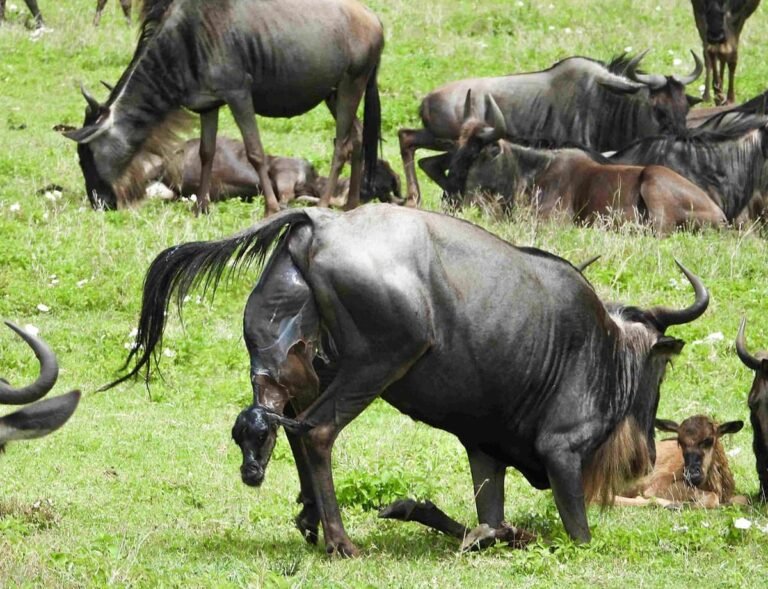
Serengeti Great Migration Safari During AFCON 2027
Mwongozo wa kina kwa safari ya Serengeti Great Migration wakati wa AFCON 2027, ukilenga kuelewa maeneo, kipindi cha mwendo wa mnyama, na mapendekezo ya mipango ya kiutendaji.
View package details
Four Day Serengeti na Ngorongoro Safari During AFCON 2027
Mwongozo wa safari ya siku 4 kwenye Serengeti na Ngorongoro wakati AFCON 2027; jinsi ya kupanga, nini cha kujali, na jinsi ya kuandaa,”
View package detailsThree Day Serengeti Safari During AFCON 2027
Mwongozo wa kiutendaji kwa safari ya siku tatu ya Serengeti wakati AFCON 2027, ukijumuisha mwelekeo wa maeneo, ratiba ya siku, na ushauri wa ubashiri wa kupanga pamoja na jinsi ya...
View package details
Afcon Mount Kilimanjaro And Serengeti Package
AFCON 2027 Mount Kilimanjaro and Serengeti Package.
View package details
Dec 24, – 3 Day Christmas Serengeti And Ngorongoro Group Safari
Dec 24, 2026 – 3 Day Christmas Serengeti and Ngorongoro Group Safari.
View package details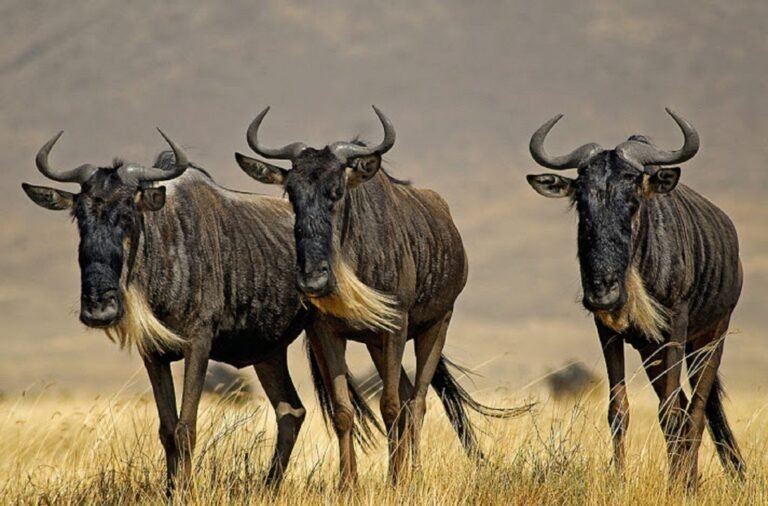
Nov 23, – 3 Day Serengeti And Ngorongoro Safari From Zanzibar
Nov 23, 2026 – 3 Day Serengeti and Ngorongoro Safari from Zanzibar.
View package details
Dec 31, : New Year’s Eve Serengeti Group Safari Planning Guide
This guide provides essential planning details for a group safari trip to the Serengeti for New Year's Eve 2026, covering logistics, seasonal highlights, and what to expect.
View package details
I Am On A Budget—What Is The Cheapest Serengeti Group Safari?
I Am on a Budget—What Is the Cheapest Serengeti Group Safari?
View package details
Dec 29, – 6 Day Ndutu, Serengeti And Ngorongoro Group Safari 2026
A detailed guide to our 6-day group safari departure on December 29, 2026, focusing on the Ndutu plains, the Serengeti, and the Ngorongoro Crater.
View package detailsNo related package matches those filters. Clear one or more filters to see the other topic-matched options.