In November, the Serengeti’s wildlife concentration is primarily dictated by the “short rains” and the prelude to the Great Migration’s return north. While the bulk of the wildebeest and zebra herds might have moved south by late November, significant concentrations of animals, including resident game and migrating herds in transition, can be found in the central Seronera Valley, the western corridor (around the Grumeti River), and increasingly, the southern plains of the Serengeti as the rains begin to encourage grazing there. This is an excellent time for spotting predators due to sparser vegetation and animals congregating around remaining water sources.
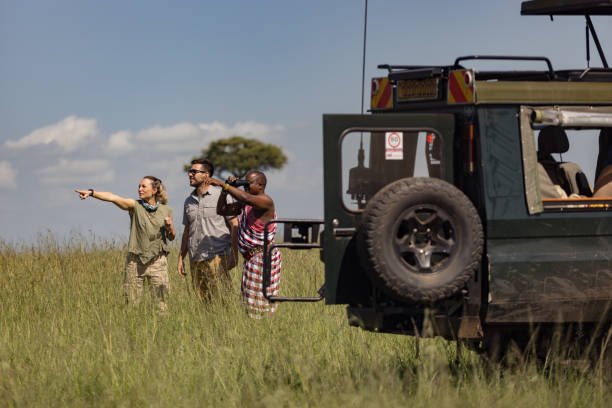
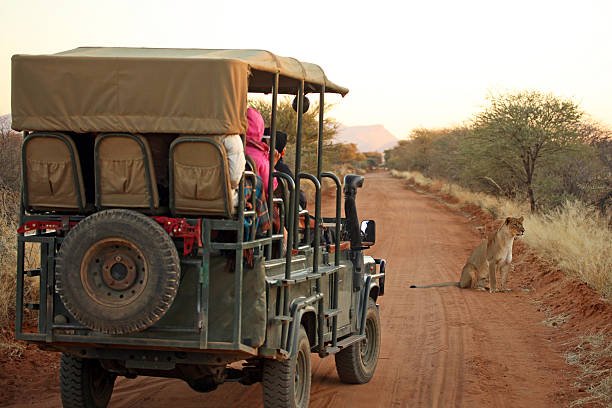
Planning a safari to the Serengeti in November involves understanding the subtle shifts in animal movements. Unlike the peak dry season or the height of the Great Migration, November is a transitional month. The landscape is beginning to revive after the dry spell, and the animals respond to these changes. For travelers aiming for 2026 or 2027 safaris, knowing these patterns is key to maximizing wildlife encounters.
Serengeti in November: A Transitional Month for Wildlife
November sits between the end of the dry season and the onset of the long rains. This period is often characterized by the arrival of the ‘short rains’ (Vuli rains), which can be unpredictable but generally start to green up the landscape. This transformation influences where animals gather, as they follow the fresh grass and available water.
For those visiting the Serengeti in November, the key is to understand that while the massive herds of the Great Migration might not be in their most concentrated state in one single location, the park is far from empty. Instead, you’ll find a dynamic mix of resident wildlife, predators actively hunting in areas where prey is concentrated, and parts of the migration potentially passing through or starting to return.
The Impact of the Short Rains (Vuli)
The ‘Vuli’ rains are crucial. They typically begin in earnest around late October or early November and can extend into December. Their arrival signals a change in the Serengeti’s ecosystem. Grass begins to grow, and temporary waterholes form. This encourages herbivores to spread out from the scarce resources of the dry season, but it also means they are drawn to areas where the rains have been most effective.
Key takeaway for November visitors: The rains can make certain areas more accessible and attractive to wildlife, shifting concentrations from the dry-season strongholds. This unpredictability means flexibility is key for safari planning in 2026-2027.
Great Migration Dynamics in November
The Great Migration is a year-round phenomenon, but its location varies significantly. By November, the vast herds of wildebeest and zebra that spent the dry season in the northern Serengeti and crossed the Mara River are typically moving south. Some may still be in the northern or central Serengeti, while others will be well on their way to the southern plains.
This movement means that November can offer viewing opportunities of migrating herds in various sectors of the park. It’s less about a single, massive river crossing (which is more common in July-August) and more about observing herds on the move across the plains. The southern Serengeti, in particular, starts to become a focal point as the rains arrive, promising fresh grazing.
Predator Activity in November
Predators like lions, leopards, cheetahs, and hyenas are always present in the Serengeti. However, their concentration is directly linked to prey availability. In November, as vegetation starts to thicken slightly with the rains, spotting predators can sometimes be more challenging than in the dry season. However, areas where herbivores are concentrated, whether resident herds or migrating groups, will naturally attract more predators. The Seronera Valley, with its high density of resident game and excellent water sources, remains a prime location for predator sightings year-round, including November.
Where Animals Are Typically Concentrated in November
Based on historical patterns and the ecological shifts in November, several key areas stand out for wildlife viewing. These locations offer a good chance of encountering a variety of animals, from large herbivores to their formidable predators.
1. The Central Serengeti (Seronera Valley)
The Seronera Valley is renowned as the wildlife capital of the Serengeti, and November is no exception. This area is a year-round destination due to its permanent water sources, particularly the Seronera River, which supports a high density of resident wildlife.
- Resident Game: Expect to see large numbers of lions, leopards, cheetahs, elephants, giraffes, buffaloes, and various antelope species. The open plains and acacia woodlands provide excellent habitats for these animals.
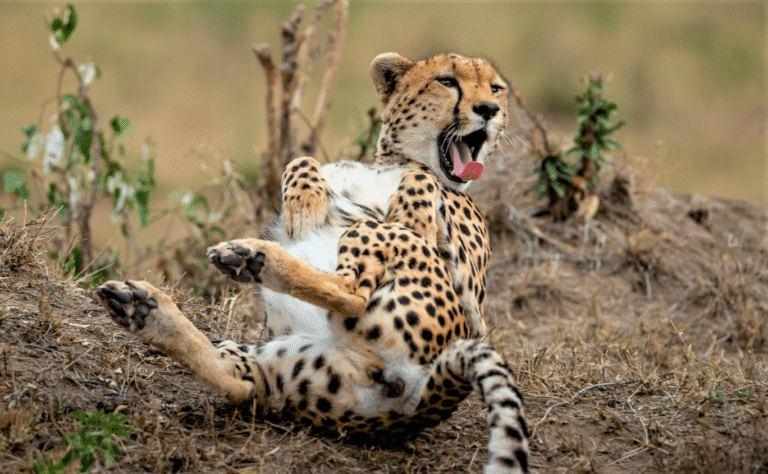
- Predator Sightings: Seronera is famous for its high predator concentrations. Lions are abundant, often seen lounging under trees or hunting. Leopards are more elusive but are frequently spotted in the riverine forests. Cheetahs patrol the open grasslands.
- Migratory Influence: While not the primary migration corridor in November, some wildebeest and zebra may pass through Seronera as they move south, or they may be found grazing in the surrounding areas, attracted by local rainfall.
Why Seronera in November? The permanent water ensures animals don’t disperse widely. Even if the main migration is elsewhere, Seronera offers reliable game viewing. It’s a solid choice for those who want a diverse wildlife experience without chasing the migration too intensely.
Trade-offs: Seronera can be busier due to its year-round appeal. For those seeking solitude, other areas might be preferable, but for guaranteed sightings, it’s hard to beat.
2. The Southern Serengeti Plains (Ndutu Area)
As the short rains begin to fall, the southern Serengeti, particularly the areas bordering the Ngorongoro Conservation Area (like Ndutu), starts to transform. This region is critical for the wildebeest calving season, which peaks in February, but the preparatory movements begin much earlier.
- Early Migrant Arrivals: By late November, increasing numbers of wildebeest and zebra will start arriving in the southern plains, drawn by the fresh, nutritious grasses that emerge after the rains.
- Calving Season Prelude: While the calving season is still months away, the lush grazing grounds of the south become a magnet for herbivores. This attracts predators looking for easy prey.
- Abundant Plains Game: Even before the peak of the migration, the southern plains teem with resident gazelles, impalas, and other herbivores, alongside the early arrivals.
Why the Southern Plains in November? This area is the gateway to the upcoming calving season. Visiting in late November can give you a preview of the immense herds that will soon gather here. It’s ideal for photographers and those interested in the early stages of the migration cycle.
Planning for 2026-2027: If you are keen to witness the beginnings of the wildebeest influx and experience the vast, open landscapes before they become overwhelmingly crowded with the main migration herds, the southern plains are a strong contender for November.
3. The Western Corridor (Grumeti River Area)
The western corridor, particularly the area around the Grumeti River, is famous for its large crocodiles and the dramatic wildebeest river crossings that occur around May and June. However, it also holds significant wildlife concentrations at other times of the year.
- Resident Populations: The Grumeti River provides a permanent water source, supporting healthy populations of lions, leopards, hippos, crocodiles, and various antelope species, including the rare Colobus monkeys in the riverine forests.
- Post-Migration Grazing: Following the main migration’s departure north, the western corridor often retains good numbers of resident game. The riverine habitats offer excellent cover and water, making it a reliable spot for sightings.
- Potential Migrant Passage: Depending on the exact timing and rainfall patterns in a given year, some sections of the migrating herds might still be moving through or lingering in this region in early November.
Why the Western Corridor in November? It offers a different landscape – more wooded and riverine – and a good chance of seeing predators and resident game. It’s less about the sheer numbers of the migration and more about quality sightings in a beautiful setting.
Considerations for 2026-2027: If you prefer a slightly less crowded experience than Seronera and enjoy exploring riverine habitats, the western corridor is an excellent choice for your November safari. The game viewing can be superb, especially for big cats and primates.
4. The Northern Serengeti (Near the Mara River)
While the peak river crossings at the Mara River are typically in July and August, the northern Serengeti still holds significant wildlife in November. The dramatic landscapes and the lingering presence of some migrating herds make it a compelling destination.
- Lingering Migrants: Some of the wildebeest and zebra herds may still be in the northern Serengeti or slowly making their way south. This can lead to sightings of herds spread across the plains.
- Resident Predators: The northern sector boasts excellent populations of lions and cheetahs, which will be active hunting the remaining herbivores.
- Scenic Beauty: The rugged terrain and dramatic kopjes offer stunning photographic opportunities, even if the sheer density of animals isn’t as high as in the south or central areas at this time.
Why the Northern Serengeti in November? It can offer a sense of wildness and solitude as the peak migration season has passed. For photographers, the light and landscapes are often exceptional. It’s a good option for those who have seen the migration elsewhere and want a different perspective.
Trade-offs: The massive concentrations of wildebeest and zebra seen in mid-year are unlikely. Game viewing might require more driving and patience compared to Seronera or the southern plains.
Factors Influencing Animal Concentration in November
Several ecological and environmental factors dictate where wildlife will be concentrated in the Serengeti during November. Understanding these helps in planning a more successful safari for 2026 or 2027.
Rainfall Patterns
The most significant factor is the arrival and distribution of the short rains. If the rains are heavier in the south, more herbivores will congregate there earlier. If they are more sporadic, animals might remain more dispersed or linger in areas with reliable water sources like Seronera.
What this means for you: A good safari operator will monitor weather patterns closer to your travel dates to adjust itineraries. Flexibility is key.
Vegetation Growth
As grass and vegetation begin to flourish, animals follow the fresh shoots. This can draw them out from more arid areas or riverbanks where they might have concentrated during the dry season.
Impact on viewing: Thicker vegetation can sometimes make spotting animals more challenging, especially smaller creatures or those that camouflage well. However, it also means animals are more widely dispersed and healthy.
Water Availability
Even with the rains, permanent water sources like the Seronera River and the Grumeti River remain critical hubs for wildlife. Animals will always be found near reliable water, especially during transitional periods when other sources might be temporary.
Reliability: Areas with permanent water, like Seronera, offer a more consistent wildlife viewing experience in November.
Predator-Prey Dynamics
Predators will naturally be where their prey is. If large numbers of wildebeest and zebra are moving south, predators will follow. If resident herds are concentrated around water or new grazing, predators will hunt in those vicinities.
Observation tips: Look for signs of predator activity – large herds of herbivores grazing nervously, birds of prey circling, or scavengers gathered.
Planning Your November Serengeti Safari (2026-2027)
A successful November safari in the Serengeti requires careful planning. Consider these aspects to make the most of your trip.
Choosing Your Safari Itinerary
Given the transitional nature of November, a multi-centre itinerary often provides the best experience. This allows you to cover different regions and witness varying wildlife concentrations.
- Central & South: A common and highly recommended itinerary for November combines the Seronera Valley (central) with the southern plains (Ndutu area). This gives you reliable resident game and predator sightings in Seronera, plus the burgeoning activity of the southern migration.
- Central & West: For those interested in riverine landscapes and potentially fewer crowds, a combination of Seronera and the Grumeti River area (western corridor) is excellent.
- Extended Exploration: If time and budget allow, a trip encompassing central, south, and perhaps a brief exploration of the north can offer a comprehensive view of the Serengeti’s diverse habitats and wildlife movements in November.
Recommendation for 2026-2027: For a first-time visitor in November, a 7-10 day safari focusing on Seronera and the southern plains is often the most rewarding. It balances reliable sightings with the dynamic movements of the season.
Accommodation Options
Accommodation choices significantly impact your safari experience. In November, as animals can be spread out, staying in strategically located camps and lodges is crucial.
- Mobile Camps: These camps move with the migration, offering the best chance of being close to wildlife hotspots. However, their location in November might be more fixed in areas like Ndutu or Seronera depending on rainfall.
- Permanent Lodges/Tented Camps: These offer more stability and comfort. In Seronera, lodges are plentiful. In the south, options range from luxury tented camps to more rustic lodges. Booking well in advance is essential for 2026-2027, especially for popular lodges.
- Location is Key: Ensure your chosen accommodation is situated to minimize driving times to areas of expected animal concentration.
Vehicle and Guide Selection
The quality of your safari vehicle and guide is paramount, especially in a transitional month like November.
- 4×4 Safari Vehicles: Essential for navigating the Serengeti’s diverse terrain. Ensure it has pop-up roofs for optimal game viewing and photography.
- Experienced Guides: A knowledgeable guide is invaluable. They understand animal behaviour, track sightings, and can adapt the itinerary based on real-time wildlife movements and weather conditions. Look for guides with extensive experience in the Serengeti during November.
Climb 4 Africa’s Expertise: We specialize in creating tailor-made Serengeti safaris. Our guides are local experts who know the park intimately. For your 2026 or 2027 November trip, we can advise on the best regions and adjust your itinerary based on the latest wildlife reports. Contact us via WhatsApp at +255 747 477 898 or email climb4africa@gmail.com to discuss your personalized safari plan.
Packing Essentials for November
November can bring a mix of weather – sunny days and occasional rain showers. Packing appropriately ensures comfort.
- Layered Clothing: Lightweight, neutral-coloured clothing is best. Pack long sleeves and trousers for sun protection and cooler evenings. A fleece or warm jacket is advisable for early morning or late evening game drives.
- Rain Gear: A waterproof and windproof jacket is essential due to the possibility of short rains.
- Sun Protection: High SPF sunscreen, a wide-brimmed hat, and sunglasses are crucial.
- Insect Repellent: Especially important for evenings.
- Binoculars: A good pair will enhance your wildlife viewing significantly.
- Camera Gear: Extra batteries and memory cards. Consider a zoom lens for capturing distant wildlife.
Comparing November to Other Months
To truly appreciate where the animals are concentrated in November, it’s helpful to compare this month to others in the Serengeti’s annual cycle.
| Month | Great Migration Location | Key Wildlife Concentrations | Weather | Pros for Visitors | Cons for Visitors |
|---|---|---|---|---|---|
| January-March | Southern Plains (Ndutu) | Calving season; massive herds of wildebeest, zebra, and calves; predators active | Short rains, warm, humid, occasional downpours | Incredible predator action, dramatic calving scenes, lush landscapes | Can be wet, some areas may be muddy and harder to access |
| April-May | Moving North-West / Western Corridor | Herds begin their journey, often around Grumeti River | Long rains, heavy downpours, lush green but potentially difficult travel | Fewer crowds, very green scenery, potential for Grumeti river crossings | Rain can disrupt safaris, many camps may close or have limited access |
| June-July | Western Corridor / Northern Serengeti | Wildebeest crossing Grumeti and Mara Rivers | End of long rains, drier, cooler mornings | Iconic river crossings, good predator sightings, pleasant weather | Peak season, higher prices, very crowded viewing points for crossings |
| August-October | Northern Serengeti / Towards Central | Herds spread across the north, grazing and moving south | Dry season, sunny, cool mornings, warm afternoons | Reliable game viewing, dry conditions, pleasant temperatures | Can be dry and dusty, large crowds in popular northern areas, river crossings less common |
| November | Transitioning South / Southern Plains Emerging | Resident game (Seronera), early migrants heading south, predators active | Short rains begin, warm, humid, occasional showers | Fewer crowds than peak migration, good predator sightings, greening landscapes | Migration is dispersed, weather can be unpredictable |
| December | Moving towards Southern Plains | Herds gathering in the south, resident game still strong | Short rains continue, warm, humid | Good mix of resident and migrating animals, lush scenery | Rain can impact travel, less concentrated than Jan-Mar |
November’s Niche: As the table shows, November offers a sweet spot for travelers looking to avoid the peak season crowds and prices of July-August or February-March, while still experiencing abundant wildlife. The dispersed nature of the herds requires a strategic approach, often involving combining different regions within the Serengeti to maximize sightings.
Maximizing Your Chances for Wildlife Sightings in November
Beyond choosing the right location, several practical tips can enhance your November Serengeti safari experience for 2026-2027.
Embrace Flexibility
The weather in November can be variable. Be prepared for potential rain showers and adjust your expectations accordingly. A good safari operator will be adept at managing itinerary changes based on conditions and wildlife movements.
Early Morning and Late Afternoon Drives
These are always the prime times for wildlife activity. Predators are often most active at dawn and dusk, and herbivores are more likely to be on the move as temperatures cool.
Consider a Hot Air Balloon Safari
A sunrise hot air balloon safari over the Serengeti is a magical experience, offering a bird’s-eye view of the plains and its inhabitants. It provides a unique perspective on animal distribution and movements, especially valuable in a transitional month.
Communicate with Your Guide
Don’t hesitate to discuss your interests with your guide. If you’re particularly keen on seeing specific animals or behaviours, let them know. Their expertise will be invaluable in directing you to the best spots.
Booking Your Serengeti Safari with Climb 4 Africa
Planning a safari for November 2026 or 2027 involves choosing a reputable operator who understands the nuances of seasonal wildlife movements. Climb 4 Africa offers expertise in crafting unforgettable Serengeti experiences.
Why Choose Climb 4 Africa for Your November Serengeti Safari?
- Local Expertise: We have deep knowledge of the Serengeti’s ecosystems and seasonal wildlife patterns, crucial for November’s transitional period.
- Tailor-Made Itineraries: We design safaris based on your interests, budget, and the specific wildlife viewing opportunities available in November.
- Experienced Guides: Our guides are certified, experienced, and passionate about wildlife, ensuring you have the best possible game viewing experience.
- Quality Accommodation: We partner with a range of accommodations, from luxury lodges to comfortable tented camps, ensuring a perfect stay.
- Value and Transparency: We provide clear pricing and inclusions, ensuring you know exactly what to expect for your 2026-2027 safari.
Ready to plan your November Serengeti adventure?
Contact us today to discuss your dream safari.
WhatsApp: +255 747 477 898
Email: climb4africa@gmail.com
Let us help you create an unforgettable journey to witness the Serengeti’s wildlife concentrated in November.
Frequently Asked Questions About Serengeti in November
Here are some common questions travelers have about visiting the Serengeti in November.
Q1: Will I see the Great Migration in November?
You will likely see parts of the Great Migration in November, but it’s a transitional month. The massive herds are typically moving south towards the Serengeti’s plains. You might witness them spread out across the landscape or arriving in the southern areas like Ndutu. It’s less about concentrated river crossings and more about observing herds on the move.
Q2: Is November a good time for wildlife viewing in the Serengeti?
Yes, November is a good time for wildlife viewing, especially if you are interested in predators and resident game. The short rains bring new life to the landscape, and while the migration is dispersed, areas like Seronera offer excellent year-round sightings. It’s also less crowded than peak migration months.
Q3: What is the weather like in the Serengeti in November?
November is part of the ‘short rains’ season. Expect warm temperatures, often humid, with a chance of afternoon showers or thunderstorms. The rains typically bring a refreshing change to the landscape, making it greener.
Q4: Are there specific areas in the Serengeti that are better for wildlife in November?
The Central Serengeti (Seronera Valley) is always a strong contender due to its permanent water sources and resident game. The Southern Serengeti plains (Ndutu area) become increasingly important as the month progresses, attracting herbivores with the onset of rains. The Western Corridor (Grumeti River) also offers good resident game viewing.
Q5: What should I pack for a Serengeti safari in November?
Pack light, neutral-coloured clothing, layers for cooler mornings and evenings, a good rain jacket, sun protection (hat, sunglasses, sunscreen), insect repellent, and binoculars. Comfortable walking shoes are also recommended for any lodge or camp excursions.
By understanding the seasonal movements and ecological factors, your November safari to the Serengeti in 2026 or 2027 can be an exceptionally rewarding experience. Whether you’re drawn to the predator action in Seronera, the burgeoning life in the south, or the riverine beauty of the west, the Serengeti in November offers a unique and vibrant spectacle of African wildlife.
For personalized safari planning and expert advice on where the animals are concentrated during your specific November travel dates, reach out to Climb 4 Africa. Our team is ready to help you craft the perfect Tanzanian adventure. Contact us via WhatsApp at +255 747 477 898 or email us at climb4africa@gmail.com.
Check Availability for Serengeti Animals In November: Where To Find Wildlife Concentrated 2026-2027
Ready to compare dates, prices, and the best option for your group? Send the package name and travel month so the team can reply with a clear quote, availability, and what is included.
Dec 29, – 6 Day Ndutu, Serengeti And Ngorongoro Group Safari 2026
A detailed guide to our 6-day group safari departure on December 29, 2026, focusing on the Ndutu plains, the Serengeti, and the Ngorongoro Crater.
View package details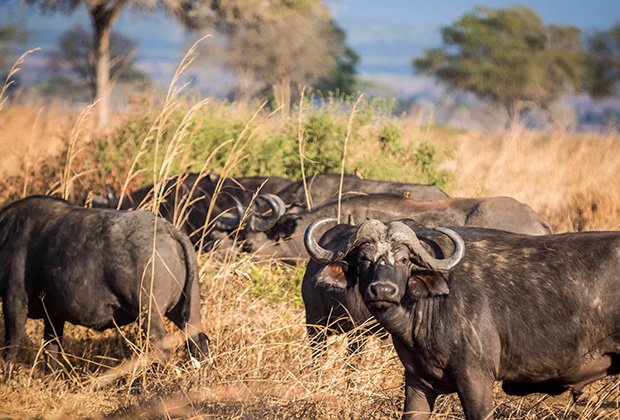
8 Day Serengeti And Ngorongoro Group Safari – December 16, 2026
Planning your December 2026 Tanzanian adventure? Our 8-day group safari offers a deep, unhurried exploration of the Serengeti and Ngorongoro Crater.
View package detailsDec 8, – 4 Day Tarangire, Serengeti And Ngorongoro Group Safari 2026
A detailed guide to our December 8, 2026 group joining safari, covering the itinerary, logistics, and what to expect during this 4-day wildlife adventure in Tanzania.
View package details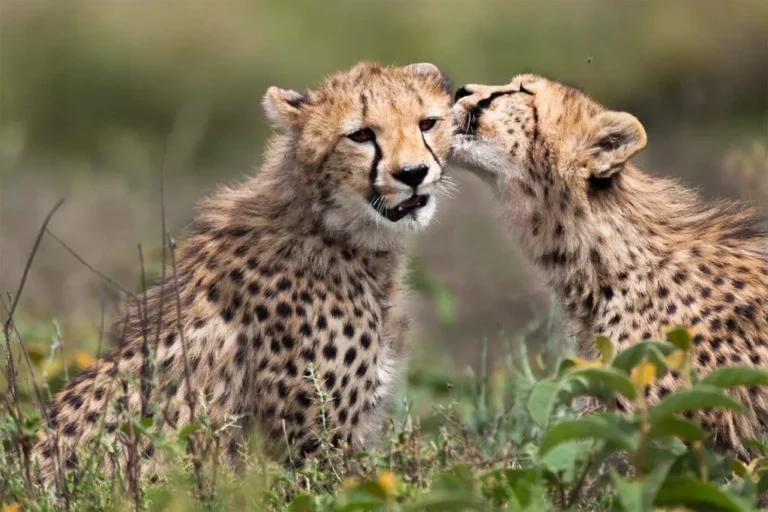
Nov 28, – 3 Day Fly-In Serengeti Group Safari From Zanzibar 2026
A detailed look at the 3-day fly-in Serengeti group safari departing November 28, 2026, including logistics, itinerary highlights, and travel tips for your Tanzania adventure.
View package details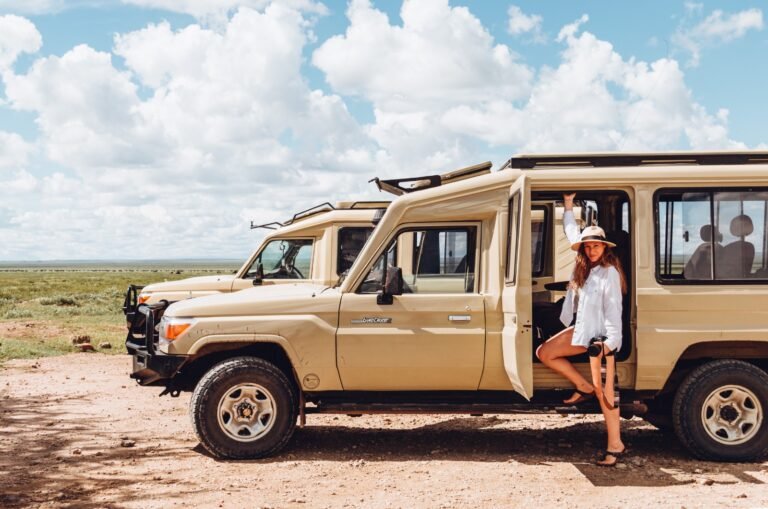
Nov 6, – 3 Day Serengeti And Ngorongoro Budget Group Safari 2026
A detailed look at our November 6, 2026 group departure for a 3-day Serengeti and Ngorongoro safari, including planning tips and route logistics.
View package detailsNov 18, – 7 Day Serengeti And Ngorongoro Group Joining Safari 2026
A detailed guide to the 7-day group joining safari departing November 18, 2026, covering Serengeti, Ngorongoro, and the logistical advantages of shared travel.
View package detailsNov 10, – 4 Day Serengeti, Ngorongoro And Tarangire Group Safari 2026
Join our group safari on November 10, 2026, for an intensive 4-day tour of Tanzania's Northern Circuit. Perfect for those with limited time who want to experience the best of the Serengeti...
View package detailsAfcon Private Serengeti Safari With Lodges
AFCON 2027 Private Serengeti Safari with Lodges.
View package detailsAfcon Luxury Serengeti Safari Packages
AFCON 2027 Luxury Serengeti Safari Packages.
View package details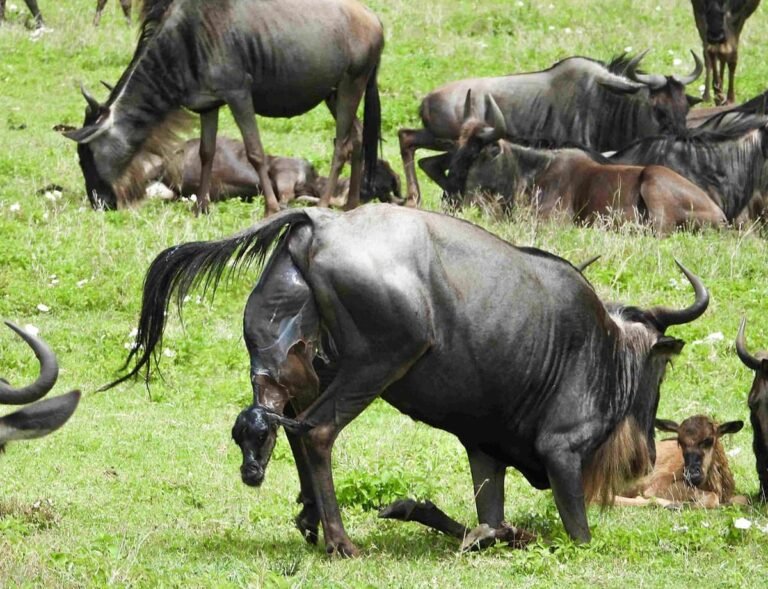
Serengeti Great Migration Safari During AFCON 2027
Mwongozo wa kina kwa safari ya Serengeti Great Migration wakati wa AFCON 2027, ukilenga kuelewa maeneo, kipindi cha mwendo wa mnyama, na mapendekezo ya mipango ya kiutendaji.
View package details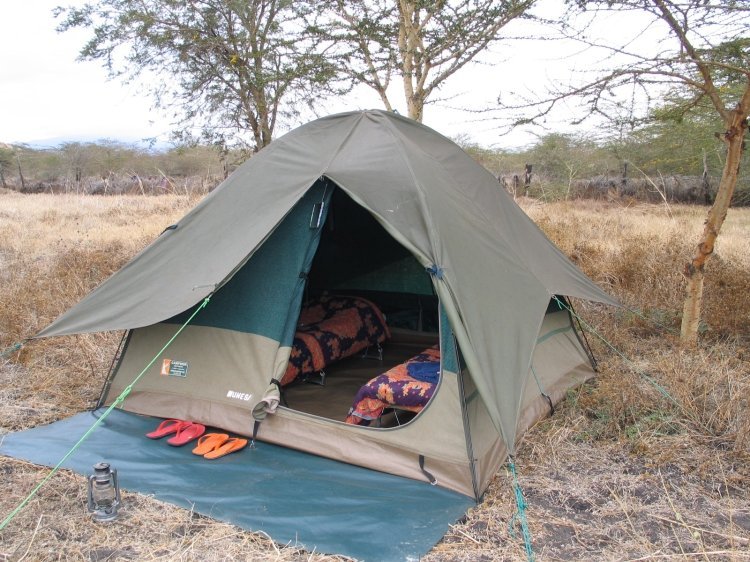
Four Day Serengeti na Ngorongoro Safari During AFCON 2027
Mwongozo wa safari ya siku 4 kwenye Serengeti na Ngorongoro wakati AFCON 2027; jinsi ya kupanga, nini cha kujali, na jinsi ya kuandaa,”
View package detailsThree Day Serengeti Safari During AFCON 2027
Mwongozo wa kiutendaji kwa safari ya siku tatu ya Serengeti wakati AFCON 2027, ukijumuisha mwelekeo wa maeneo, ratiba ya siku, na ushauri wa ubashiri wa kupanga pamoja na jinsi ya...
View package detailsNo related package matches those filters. Clear one or more filters to see the other topic-matched options.