To book a Ngorongoro and Serengeti safari as a solo traveler, the most effective approach is to research and contact reputable tour operators who offer shared group tours or can customize a private itinerary for one. Focus on operators experienced with solo travelers, look for tours with set departure dates to join a group, and clarify what is included (accommodation, park fees, vehicle, guide, meals) to manage costs and expectations for your 2026-2027 trip.
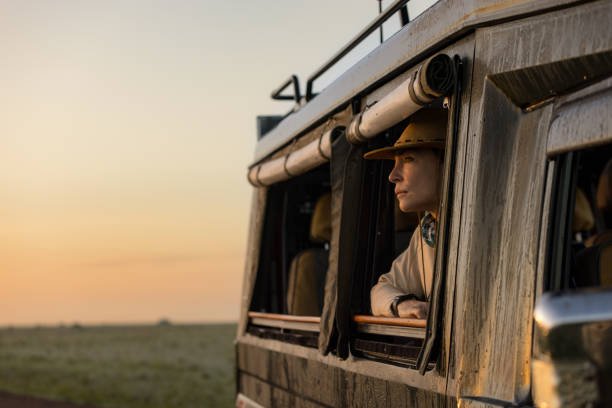
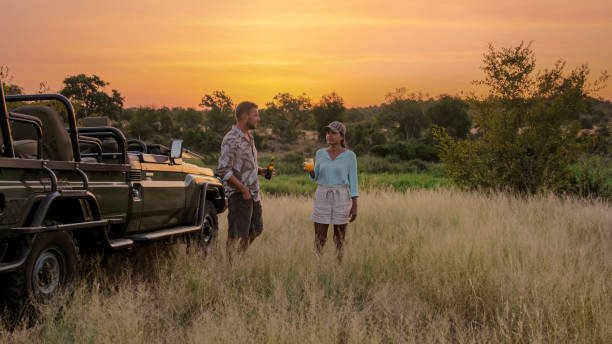
Understanding Your Solo Safari Options for Ngorongoro and Serengeti
Embarking on a solo safari to Tanzania’s iconic Ngorongoro Crater and Serengeti National Park is an incredible adventure. For a solo traveler, the primary considerations revolve around cost, flexibility, and social interaction. You have two main pathways: joining a pre-scheduled group tour or arranging a private safari tailored specifically for you. Each has distinct advantages and trade-offs, particularly when it comes to budgeting and the level of personal attention you’ll receive.
The choice between a group and private safari significantly impacts your experience and your wallet. Group tours are generally more budget-friendly because the costs of the vehicle, guide, and park fees are shared among multiple travelers. This makes them an excellent option for solo adventurers looking to keep expenses down. However, you’ll have less control over the pace and itinerary, and you’ll be sharing your safari vehicle with others. On the other hand, a private safari offers ultimate flexibility and personalized attention. You set the pace, decide where to spend more time, and enjoy the vehicle and guide all to yourself. This exclusivity comes at a higher price point, often making it the more expensive choice for a single person.
When planning for 2026 or 2027, it’s crucial to understand that availability, especially for popular group departures, can fill up. Booking in advance is always recommended, particularly if you have specific dates in mind or are traveling during peak seasons like the dry months (June to October) when wildlife viewing is often at its best.
Group Safaris: The Budget-Conscious Solo Traveler’s Choice
Joining a group safari is often the most practical and economical way for a solo traveler to experience the Ngorongoro Crater and Serengeti. Tour operators organize these safaris with set departure dates, allowing individuals to book a spot and share the costs of a safari vehicle, guide, and park entrance fees with other travelers. This pooling of resources makes the overall safari much more affordable than chartering a private vehicle for yourself. It also provides an inherent social element, offering opportunities to meet like-minded people from around the world, share wildlife sightings, and exchange stories around the campfire or during meals.
When looking for group tours, search for operators that explicitly mention “shared safaris” or “group departures.” These are typically advertised with specific dates for 2026 and 2027. The typical group size can vary, but many aim for a maximum of six to seven travelers per vehicle, ensuring everyone has a window seat and a good view. This setup is designed to be comfortable and conducive to wildlife viewing, even with multiple people.
The primary trade-off with group safaris is a reduction in flexibility. While the operator will have a planned itinerary, there’s less room for spontaneous detours or extended stops at a particular sighting if other group members have different preferences or time constraints. However, experienced guides are adept at balancing the group’s interests and ensuring everyone gets a fulfilling experience. For many solo travelers, the social interaction and cost savings far outweigh the minor limitations on itinerary control.
When comparing group tours for your 2026-2027 trip, pay close attention to what is included. Typically, these packages cover park fees, a 4×4 safari vehicle with a pop-up roof, a professional guide, meals (usually full board), and accommodation (ranging from budget-friendly tented camps to mid-range lodges). Ensure that your chosen operator has a clear policy on solo supplements if you end up being the only person booked on a particular departure, though many operators waive this or offer it at a reduced rate for shared safaris.
Private Safaris: Tailored Experience for the Solo Adventurer
Opting for a private safari as a solo traveler means you have the entire safari vehicle, guide, and itinerary dedicated solely to you. This offers unparalleled flexibility and personalization. You can decide when to start your game drives, how long to spend at a specific animal sighting, and even make requests for off-the-beaten-path routes if your guide deems it safe and feasible. This level of control is ideal for photographers, birdwatchers, or anyone who wants to set their own pace and focus on specific interests without compromising with others.
The main challenge with a private safari for a solo traveler is the cost. Since you are not sharing the expenses of the vehicle, fuel, guide’s fees, and park conservation fees with anyone else, the price per person is significantly higher than for a group tour. Operators typically quote a total price for the vehicle and guide, which is then divided by the number of passengers. For a solo traveler, this means paying the full share.
However, some operators are becoming more flexible, offering “private safaris for one” at a reduced, though still premium, rate compared to a full private vehicle charter. This is a growing trend, acknowledging that solo travelers are a significant segment of the market. When inquiring for 2026 or 2027, explicitly ask about options for solo travelers seeking a private experience and inquire about any potential discounts or special rates.
A private safari typically includes the same core services as a group tour: a dedicated 4×4 vehicle, an experienced guide, park fees, accommodation, and meals. The advantage lies in the exclusivity and the ability to tailor the entire experience to your preferences. This can be particularly beneficial if you have specific wildlife you’re hoping to see or particular photographic opportunities you want to maximize. When booking a private safari for 2026 or 2027, ensure you have a detailed discussion with the operator about your interests so they can craft the perfect itinerary for you.
Choosing the Right Tour Operator for Your Solo Journey
Selecting a reliable and experienced tour operator is paramount for a successful solo safari to Ngorongoro and Serengeti. As a solo traveler, you’re entrusting your entire experience to the operator, from logistics and safety to wildlife encounters and accommodation. Look for companies that have a strong reputation, positive reviews, and clear communication channels. For a solo trip, it’s also beneficial to find operators who are accustomed to handling individual bookings and understand the unique needs and considerations of solo adventurers.
When evaluating potential operators for your 2026-2027 safari, consider their expertise in Tanzania specifically. Do they have a deep understanding of the Ngorongoro Crater and Serengeti ecosystems? Are their guides knowledgeable and well-trained? What is their approach to responsible tourism and conservation? These factors contribute to a richer and more ethical travel experience.
It’s wise to get quotes from a few different operators to compare offerings, itineraries, and prices. However, don’t let price be the sole deciding factor. A slightly more expensive operator might offer better value through higher quality vehicles, more experienced guides, superior accommodation, or more comprehensive inclusions. Pay attention to the details of what’s included and excluded in each quote.
For solo travelers, excellent customer service and responsiveness are key. You’ll likely have many questions during the planning phase, and a good operator will be patient, informative, and helpful. Don’t hesitate to ask for references or to look for independent reviews on platforms like TripAdvisor. For those looking to connect with a local, experienced operator, Climb 4 Africa is a strong contender, offering both group and private safari options. They can be reached via WhatsApp at +255 747 477 898 or email at climb4africa@gmail.com, providing direct access to local expertise for planning your 2026-2027 safari.
Local vs. International Operators: Which is Best for Solo Travelers?
The decision between booking with an international (often based in your home country or a major tourist hub) or a local Tanzanian tour operator for your Ngorongoro and Serengeti solo safari involves weighing different advantages. International operators often provide the convenience of booking and payment in your home currency, with established customer service channels and potentially more familiar booking processes. They may also have pre-arranged partnerships with hotels and airlines.
However, booking directly with a local Tanzanian operator like Climb 4 Africa can offer significant benefits for solo travelers. Local operators possess unparalleled ground knowledge. They work directly with safari guides, lodges, and park authorities, which can translate into more competitive pricing and better-managed logistics. They are intimately familiar with the nuances of the parks, the best times to visit specific areas, and the current wildlife movements. This on-the-ground expertise is invaluable for crafting an authentic and efficient safari experience.
For solo travelers, direct communication with a local operator can also be more efficient. You can often get quicker answers to specific questions about the parks, vehicle types, or guide qualifications. Furthermore, booking with a local company often means a larger portion of your travel expenditure stays within Tanzania, supporting the local economy and communities. For your 2026-2027 adventure, consider the direct communication and local expertise offered by companies like Climb 4 Africa.
Assessing Operator Reputation and Reviews
Before committing to a tour operator for your solo Ngorongoro and Serengeti safari, thoroughly assess their reputation and read reviews from previous clients. This is your primary tool for gauging reliability, service quality, and overall client satisfaction. Look beyond the number of stars on review sites; read the actual comments to understand the specifics of other travelers’ experiences.
Pay attention to reviews from other solo travelers if available. Do they mention feeling safe, well-cared for, and accommodated? Are there comments about the guide’s expertise, the quality of the vehicle, the cleanliness and comfort of the accommodation, and the deliciousness of the food? Positive feedback on these aspects is a strong indicator of a reputable operator.
Search for reviews on multiple platforms: TripAdvisor, Google Reviews, and specialized safari forums. Be wary of operators with only a handful of glowing reviews, especially if they seem overly generic. Conversely, a few constructive criticisms mixed with many positive experiences can be a sign of an honest company that actively works to improve its services. For instance, a review mentioning a minor issue resolved efficiently by the operator is often more reassuring than a perfect but potentially curated testimonial. For Climb 4 Africa, looking at their TripAdvisor reviews, such as the one for Climb 4 Africa (which aligns with Climb 4 Africa’s operational base), can provide insights into their service quality.
When planning for 2026 or 2027, ensure the reviews are relatively recent, as the quality of service can change over time. A consistent track record of positive feedback over several years is the most reliable indicator of a trustworthy operator for your solo Ngorongoro and Serengeti safari.
Crafting Your Solo Itinerary: Ngorongoro & Serengeti
Designing your safari itinerary is where the magic of Ngorongoro and Serengeti truly comes alive. As a solo traveler, you have the opportunity to shape this experience precisely to your interests, whether that means maximizing wildlife viewing opportunities, focusing on photography, or simply soaking in the vastness of the African landscape at your own pace. The duration of your trip will dictate how much you can see and do, with most classic Ngorongoro and Serengeti itineraries ranging from 3 to 7 days.
A standard itinerary often begins with arrival in Arusha or Kilimanjaro International Airport (JRO), followed by a transfer to your accommodation. From there, the journey typically proceeds to the Ngorongoro Conservation Area, with a day spent exploring the crater floor. Following Ngorongoro, the safari moves north into the Serengeti, renowned for its vast plains and abundant wildlife, including the Great Migration (depending on the time of year).
For solo travelers, flexibility within the itinerary is key. If you opt for a private safari, you can customize this entirely. If you choose a group tour, you’ll be on a set route, but you can still influence the group dynamic by communicating your interests to the guide and fellow travelers. Consider your priorities: Do you want to spend more time in the Serengeti looking for big cats, or dedicate a full day to the diverse ecosystem of the Ngorongoro Crater? These are decisions that shape the flow of your 2026-2027 adventure.
Typical Itinerary Flow for Solo Travelers
A common and highly recommended itinerary for solo travelers aiming to experience both the Ngorongoro Crater and the Serengeti National Park spans approximately 5 to 6 days. This duration allows for a balanced exploration of both distinct ecosystems without feeling rushed. Here’s a typical flow:
- Day 1: Arrival and Arusha/Moshi. Arrive at Kilimanjaro International Airport (JRO). You’ll be met by your tour operator’s representative and transferred to your hotel in Arusha or Moshi. This day is for relaxing, acclimatizing, and meeting your guide for a pre-safari briefing.
- Day 2: Arusha to Ngorongoro Conservation Area. After breakfast, you’ll drive towards the Ngorongoro Conservation Area. You might stop at a Maasai village en route for a cultural experience (optional and often an extra cost). Check into your lodge or tented camp on the crater rim or nearby.
- Day 3: Ngorongoro Crater Exploration. Descend into the Ngorongoro Crater for a full day of game driving. This UNESCO World Heritage site is teeming with wildlife, including the Big Five (lion, leopard, elephant, rhino, buffalo), a high concentration of predators, and diverse birdlife. You’ll have a picnic lunch on the crater floor. In the late afternoon, ascend and return to your accommodation.
- Day 4: Ngorongoro to Serengeti National Park. After breakfast, you’ll drive to the legendary Serengeti National Park. The journey itself is a game drive, often passing through the Olduvai Gorge (optional visit) and the unique landscapes of the Serengeti plains. You’ll likely stay in a lodge or tented camp in one of the central, western, or northern regions, depending on the season and wildlife movements (especially for the Great Migration).
- Day 5: Full Day Serengeti Game Drive. Dedicate the entire day to exploring the vast Serengeti. Your guide will track wildlife, focusing on areas known for predator activity or the Great Migration herds. You can opt for an early morning game drive, return to camp for lunch, and then head out for an afternoon drive, or opt for a full-day game drive with a picnic lunch to maximize your time in the park.
- Day 6: Serengeti to Arusha/Departure. Enjoy a final early morning game drive in the Serengeti. After breakfast, you’ll be transferred to the Seronera Airstrip for a scenic flight back to Arusha. Alternatively, you can drive back to Arusha, which is a longer journey but offers more overland views. From Arusha, you can connect to your onward international flight or spend an extra night.
This 6-day structure is a solid foundation for solo travelers in 2026-2027. Shorter trips (3-4 days) might combine a brief Ngorongoro visit with a shorter Serengeti stay, often involving flights to save time. Longer trips (7+ days) allow for deeper exploration of different Serengeti regions or the addition of other nearby parks like Tarangire.
Customizing Your Solo Safari Experience
While standard itineraries are excellent, solo travelers can often customize aspects of their trip, especially if booking privately. Consider these customization options for your 2026-2027 safari:
- Duration: Extend your stay in either the Serengeti or Ngorongoro if you have particular interests. More time in the Serengeti, for example, allows for exploring different ecosystems like the Western Corridor or Northern Serengeti.
- Accommodation Style: Choose between budget-friendly tented camps, comfortable mid-range lodges, or luxury tented suites. As a solo traveler, you might find a well-appointed tented camp offers a great balance of comfort, immersion, and social atmosphere.
- Activities: Depending on the operator and location, you might be able to add activities like hot air balloon safaris over the Serengeti (a truly memorable solo experience, though costly), guided walking safaris in certain areas (often outside the main parks but within the conservation areas), or cultural visits.
- Pace: A private safari allows you to dictate the pace. If you prefer early morning starts to catch predators at their most active, you can do that. If you want to linger at a lion pride for hours, you can.
- Focus: Inform your guide and operator of any specific interests. Are you a keen birder? A passionate photographer? Do you want to focus on tracking the Great Migration? Communicating these desires ensures your guide can tailor game drives accordingly.
When booking a group tour, customization is more limited. However, you can still influence your experience by choosing a tour operator that offers a slightly more niche departure, such as one focused on photography or birdwatching, if available. Always communicate your interests to the operator during the booking process.
Key Considerations for Solo Safari Bookings
Booking a safari as a solo traveler involves specific considerations beyond those of a couple or family. You need to be particularly mindful of safety, cost-effectiveness, and opportunities for connection if desired. Understanding these nuances will help you make informed decisions for your 2026-2027 trip.
One of the most significant considerations is cost. As mentioned, private safaris are expensive for one person. Therefore, finding reputable operators who offer well-run group tours with guaranteed departures is often the most practical approach. When comparing prices, always ensure you’re comparing like-for-like inclusions. What is the quality of the vehicle? What level of accommodation is provided? Are park fees and concession fees included?
Safety is also paramount. Solo travelers, particularly women, often inquire about safety protocols. Reputable operators will have experienced guides who are trained in handling wildlife and ensuring passenger safety. Communication is key – your guide will be your lifeline in the wilderness. Ensure your operator emphasizes safety briefings and has emergency procedures in place.
Finally, consider the social aspect. If you’re traveling solo because you enjoy meeting new people, a group safari is ideal. If you prefer solitude and quiet reflection, a private safari might be better, though you’ll still have interaction with your guide. Some solo travelers also opt for a mix, perhaps starting with a group tour and then adding a few days of private exploration or a different activity.
Managing Costs as a Solo Traveler
The financial aspect of a solo safari can be a primary concern. The good news is that operators are increasingly catering to solo travelers. Here’s how to manage costs effectively for your 2026-2027 safari:
- Embrace Group Tours: This is the most significant cost-saving measure. Look for operators offering guaranteed group departures. Check sites like Climb 4 Africa’s group departures page for scheduled trips.
- Travel in the Shoulder Season: While peak seasons (June-October, December-February) offer excellent game viewing, they also come with higher prices. The shoulder seasons (e.g., March-May, November) might offer slightly lower prices and fewer crowds, though weather can be more unpredictable.
- Choose Accommodation Wisely: Lodges and tented camps vary significantly in price. Opting for comfortable mid-range accommodations instead of ultra-luxury options can reduce costs without sacrificing quality. Budget-friendly tented camps can offer an authentic experience at a lower price point.
- Inquire About Solo-Friendly Packages: Some operators offer “solo traveler specials” or reduced single supplements for shared accommodations. Always ask specifically about these options.
- Be Clear on Inclusions: Ensure your quote covers park fees, accommodation, meals, vehicle, and guide. Items like drinks, tips, souvenirs, and optional activities (like hot air ballooning) will add to the final cost. Understand these exclusions upfront to avoid surprises.
For a 5-day/4-night Serengeti and Ngorongoro shared safari in 2026-2027, you might expect costs to range from approximately $1,200 to $2,500+ per person, depending heavily on the level of accommodation and the operator. A private safari for the same duration could easily range from $2,500 to $5,000+ per person.
Safety and Well-being on Safari
Your safety and well-being are paramount when undertaking a solo safari. Reputable tour operators prioritize this. Here are key aspects to consider:
- Experienced Guides: Ensure your operator employs experienced, professional guides who are trained in wildlife behavior and emergency first aid. They are your primary point of contact for safety.
- Vehicle Condition: The safari vehicle should be well-maintained, robust (typically a 4×4 Land Cruiser or Land Rover), and equipped with safety features. A pop-up roof is essential for game viewing and quick exits if necessary.
- Communication: Your guide should have reliable communication equipment (satellite phone or radio) for emergencies. Ensure you know how to contact your operator in case of unforeseen issues.
- Health Precautions: Consult your doctor about necessary vaccinations and malaria prophylaxis well in advance of your 2026-2027 travel dates. Carry a basic first-aid kit.
- Accommodation Security: Lodges and tented camps should have security measures in place, such as guards or fenced perimeters, especially in wildlife areas.
- Solo Traveler Support: A good operator will check in on solo travelers regularly, ensuring they are comfortable and feel secure.
When communicating with potential operators, don’t hesitate to ask direct questions about their safety protocols and emergency procedures. This shows you are a diligent traveler and allows them to demonstrate their commitment to client safety.
Packing Essentials for a Solo Safari
Packing smart is crucial for a comfortable and enjoyable solo safari. Space in safari vehicles is often limited, and you’ll want to be prepared for varying conditions. Here’s a checklist:
- Clothing: Neutral colors (khaki, beige, olive green) are best to avoid startling wildlife. Pack lightweight, breathable layers. Include long-sleeved shirts and trousers for sun and insect protection, a warm fleece or jacket for cool mornings and evenings, and a hat. Avoid bright colors and camouflage patterns.
- Footwear: Comfortable walking shoes or hiking boots are essential if you plan on any walking excursions. For most game drives, comfortable sneakers or sturdy sandals are sufficient.
- Camera Gear: Bring a good camera with a zoom lens to capture wildlife from a distance. Extra batteries, memory cards, and a power bank are vital. A dust-proof bag or cover is also recommended.
- Binoculars: Absolutely essential for spotting distant animals and appreciating details.
- Sun Protection: High SPF sunscreen, sunglasses, and a wide-brimmed hat are non-negotiable.
- Insect Repellent: Especially important for evenings and areas near water.
- Personal Items: Hand sanitizer, wet wipes, a personal first-aid kit, any prescription medications, and a headlamp or flashlight.
- Documents: Passport, visa (if required), travel insurance details, vaccination certificates, and copies of all bookings.
Remember to pack light, as most safari operators have luggage restrictions, especially if you’re taking internal flights. A duffel bag is often preferred over a hard-shell suitcase.
Booking Process and What to Expect
The booking process for a solo safari to Ngorongoro and Serengeti is generally straightforward but requires careful attention to detail. Whether you’re opting for a group tour or a private itinerary, understanding the steps involved will ensure a smooth transaction and a well-prepared journey for 2026-2027.
Once you’ve identified a few reputable tour operators, the next step is to get in touch. For group tours, you’ll typically look for a departure date that suits you and confirm availability. For private tours, you’ll discuss your desired itinerary, dates, and budget. Be prepared to provide information about your travel style, interests, and any specific requirements you might have.
After receiving a quote, carefully review it. Ensure it matches your expectations and that all necessary components are included. Don’t hesitate to ask for clarifications or modifications. Once you’re satisfied, the operator will usually send a booking form and a deposit invoice. A deposit, typically 20-50% of the total cost, is generally required to secure your booking.
The remaining balance is usually due 45-60 days before your departure date. Closer to your travel date, the operator will provide a detailed itinerary, contact information for your guide, and any final pre-departure information. For a local operator like Climb 4 Africa, direct communication via WhatsApp at +255 747 477 898 or email at climb4africa@gmail.com can streamline this process, allowing for quick exchanges and personalized service.
Making Your Deposit and Final Payment
Deposits are essential for tour operators to confirm bookings with lodges, vehicles, and guides, especially for safaris planned for 2026 or 2027. The deposit amount typically ranges from 20% to 50% of the total safari cost. This payment secures your spot on a group tour or reserves your private vehicle and guide for your chosen dates.
Payment methods vary. Many local Tanzanian operators accept bank transfers (which can sometimes incur international fees), and increasingly, they offer secure online payment links or options like PayPal. Some might also accept credit card payments, though this can sometimes come with a surcharge (e.g., 3-5%) to cover processing fees.
The final payment is usually due between 45 and 60 days before your safari start date. It’s crucial to adhere to these deadlines to avoid cancellation of your booking. Always confirm the exact payment schedule and accepted methods with your chosen operator.
Keep records of all payments made. Most operators will send confirmation receipts. Understanding the payment terms, including cancellation policies, is vital before you commit. For instance, if you need to cancel your 2026-2027 safari, what are the refund conditions based on how far in advance you cancel?
Understanding Booking Confirmations and Vouchers
Once your deposit is received and processed, you should expect a formal booking confirmation. This document is critical and should detail:
- Your name and the names of any other travelers in your group.
- The exact safari itinerary, including dates, parks visited, and planned activities.
- Accommodation details (lodge/camp names, room types).
- Inclusions and exclusions (what’s covered and what’s not).
- The total cost and amounts paid, with the balance due and its due date.
- Your booking reference number.
This confirmation serves as proof of your booking. Closer to your travel date, you will likely receive a final itinerary and possibly vouchers for specific services, such as airport transfers or lodges. It’s good practice to print copies of all your booking documents and confirmations, and also have digital copies accessible on your phone or cloud storage.
For your 2026-2027 solo adventure, ensure all details in your booking confirmation are accurate to prevent any last-minute issues upon arrival in Tanzania.
Final Preparations for Your Solo Ngorongoro & Serengeti Safari
With your safari booked for 2026 or 2027, the focus shifts to final preparations. This includes arranging flights, obtaining necessary visas, securing travel insurance, and ensuring you have all the recommended gear. Proper preparation minimizes stress and maximizes your enjoyment of this incredible journey.
Flights: Book your international flights to Kilimanjaro International Airport (JRO) well in advance, especially if traveling during peak season. Consider the flight times to align with your safari start and end dates. Some travelers opt to fly into Nairobi, Kenya, and then take a connecting flight or overland transfer to Tanzania, but flying directly to JRO is usually more convenient.
Visas: Check the visa requirements for your nationality to enter Tanzania. Many nationalities can obtain a visa on arrival at JRO, but it’s often advisable and sometimes cheaper to apply for an e-visa online in advance. Visit the official Tanzanian immigration website for the most current information.
Travel Insurance: Comprehensive travel insurance is non-negotiable for any international trip, especially a safari. Ensure your policy covers medical emergencies, evacuation (crucial in remote areas), trip cancellation, and lost or stolen belongings. Read the policy details carefully to understand what is and isn’t covered, particularly concerning adventure activities like safaris.
Currency: The local currency is the Tanzanian Shilling (TZS). However, US Dollars are widely accepted and often preferred for safari payments, park fees, and tips. Ensure you have a mix of smaller USD bills (for tips and small purchases) and larger denominations for any pre-arranged payments. Credit cards are accepted in larger hotels and lodges, but not typically for park fees or smaller expenses in remote areas.
Health: As mentioned earlier, consult your doctor about vaccinations (e.g., Yellow Fever may be required depending on your travel route) and malaria prevention. Pack a personal first-aid kit with essentials like pain relievers, antiseptic wipes, bandages, and any personal medications. Staying hydrated and protecting yourself from the sun are also key health measures on safari.
By attending to these final details, you’ll be well-prepared for an unforgettable solo adventure in the Ngorongoro Crater and Serengeti, ready to experience the wonders of Tanzania for your 2026-2027 travels.
Frequently Asked Questions for Solo Safari Goers
Here are some common questions solo travelers ask when planning a safari to Ngorongoro and Serengeti:
- Will I be safe as a solo traveler on safari?
- Yes, safety is a top priority for reputable tour operators. Guides are highly trained, vehicles are equipped for safety, and lodges/camps have security measures. You’ll be in good hands, especially on organized group tours or with a trusted private guide.
- Is it more expensive to book a safari alone?
- Generally, yes. Private safaris are significantly more expensive per person. However, joining a shared group tour is a cost-effective way for solo travelers to experience these parks. Many operators now also offer “private safaris for one” at a reduced rate compared to a full vehicle charter.
- How do I find other people to share a safari with?
- The easiest way is to book a pre-scheduled group departure tour offered by a reputable operator. These tours are designed for individuals and couples to join and share costs. Look for operators that list their group departure dates for 2026-2027.
- What if I’m the only person booked on a group tour?
- This can happen, especially for less common departure dates. Most operators will either run the tour as a private safari at no extra cost, or they might offer a slightly reduced price if they still manage to fill some seats. Always clarify the operator’s policy on this when booking.
- Can I customize a group tour as a solo traveler?
- Customization is limited on group tours as the itinerary is set for the whole group. However, you can communicate your interests (e.g., photography, birdwatching) to your guide, who will do their best to accommodate them within the group’s schedule. For full customization, a private safari is necessary.
- What’s the best time of year for a solo safari in 2026-2027?
- The dry season (June to October) is ideal for wildlife viewing as animals congregate around water sources. The Great Migration typically moves through the Serengeti during specific times (e.g., crossing the Grumeti River in May-July, moving north in July-October). However, wildlife is present year-round, and the green season (November to May) offers lush landscapes and fewer crowds, with good birding and calving seasons.
Planning your Ngorongoro and Serengeti solo safari for 2026-2027 is an exciting endeavor. By understanding your options, choosing a reputable operator, and preparing thoroughly, you can ensure an unforgettable experience. For personalized assistance and to explore tailored group or private safari options, consider reaching out to local experts like Climb 4 Africa. They can help you navigate the complexities of booking and craft an adventure that perfectly suits your solo travel style. Contact them via WhatsApp at +255 747 477 898 or email at climb4africa@gmail.com to start planning your dream Tanzanian safari.
Booking Ngorongoro and Serengeti Solo: Key Takeaways for 2026-2027
When booking your Ngorongoro and Serengeti solo safari, prioritize operators with a proven track record and clear communication. For cost-effectiveness, shared group tours are usually the best route. Always clarify what’s included in your safari package to avoid unexpected expenses. Remember that booking well in advance, especially for 2026-2027 dates during peak seasons, is crucial for securing preferred itineraries and accommodations.
“,
“faq_schema”: [
{
“question”: “How can I book a Ngorongoro and Serengeti safari as a solo traveler?”,
“answer”: “As a solo traveler, you should book by either joining a pre-scheduled group safari offered by a tour operator or arranging a private safari tailored for one. Research operators that offer shared departures for cost savings and social interaction, or inquire about private safari options if flexibility and exclusivity are your priority for your 2026-2027 trip.”
},
{
“question”: “Is it more expensive to do a solo safari in Ngorongoro and Serengeti?”,
“answer”: “Generally, private safaris are more expensive for solo travelers because you bear the full cost of the vehicle and guide. However, joining a group tour significantly reduces costs by sharing expenses. Some operators offer specific ‘solo traveler’ packages or reduced rates for single occupancy in shared accommodations for 2026-2027 bookings.”
},
{
“question”: “What is the best way to find group safaris for solo travelers?”,
“answer”: “Look for tour operators who explicitly advertise ‘group departures’ or ‘shared safaris’ with set dates for 2026 or 2027. Websites of operators like Climb 4 Africa often list these scheduled departures, allowing you to book a spot and join other travelers.”
},
{
“question”: “What should I look for in a tour operator for a solo Ngorongoro and Serengeti trip?”,
“answer”: “Choose operators with strong reputations, positive reviews from other solo travelers, clear communication channels, and extensive experience in Tanzania. Ensure they offer reliable vehicles, knowledgeable guides, and well-vetted accommodation. Direct communication with local operators can often provide the best ground knowledge and value for your 2026-2027 safari.”
},
{
“question”: “What is typically included in a Ngorongoro and Serengeti solo safari package?”,
“answer”: “Standard inclusions usually cover park entrance fees for Ngorongoro and Serengeti, a 4×4 safari vehicle with a pop-up roof, a professional guide, accommodation (lodges or tented camps), and meals (full board). Always confirm specific inclusions and exclusions, such as drinks, tips, and optional activities, when booking for 2026-2027.”
},
{
“question”: “How far in advance should I book my solo Ngorongoro and Serengeti safari for 2026-2027?”,
“answer”: “It’s highly recommended to book at least 6-12 months in advance, especially if you plan to travel during peak seasons (June-October, December-February) or are looking for specific group departure dates. Booking early ensures better availability for popular tours and accommodations.”
}
]
}
“`
Check Availability for I Want To Do Ngorongoro And Serengeti As A Solo Traveller, How Should I…
Ready to compare dates, prices, and the best option for your group? Send the package name and travel month so the team can reply with a clear quote, availability, and what is included.
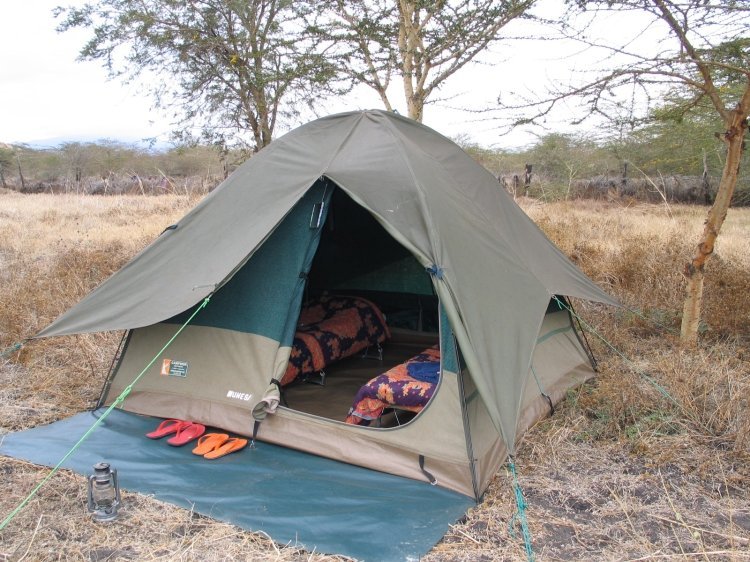
Four Day Serengeti na Ngorongoro Safari During AFCON 2027
Mwongozo wa safari ya siku 4 kwenye Serengeti na Ngorongoro wakati AFCON 2027; jinsi ya kupanga, nini cha kujali, na jinsi ya kuandaa,”
View package details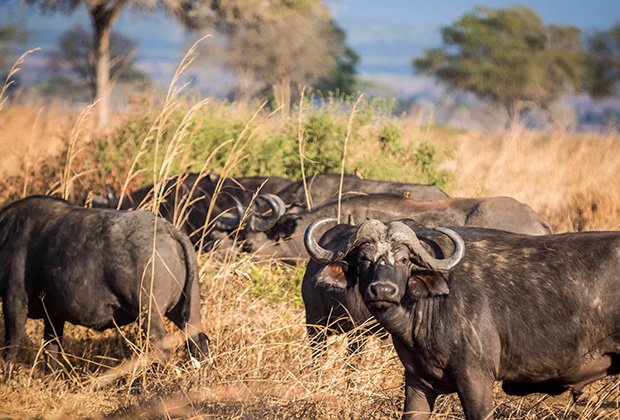
Dec 24, – 3 Day Christmas Serengeti And Ngorongoro Group Safari
Dec 24, 2026 – 3 Day Christmas Serengeti and Ngorongoro Group Safari.
View package details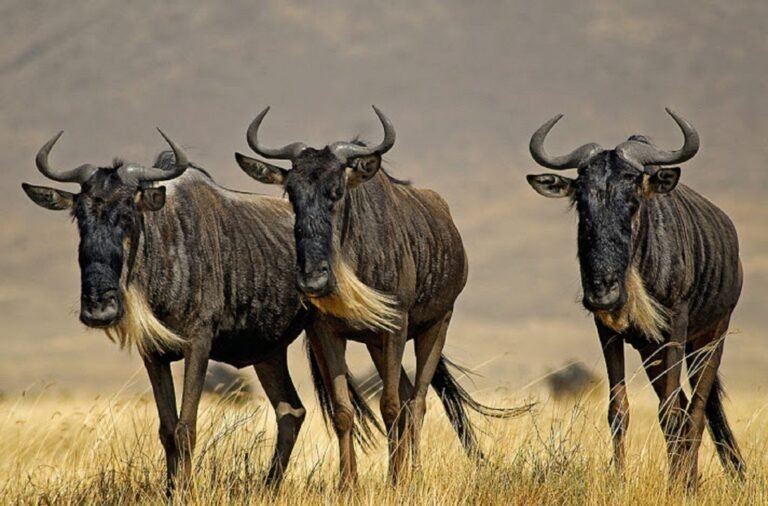
Nov 23, – 3 Day Serengeti And Ngorongoro Safari From Zanzibar
Nov 23, 2026 – 3 Day Serengeti and Ngorongoro Safari from Zanzibar.
View package details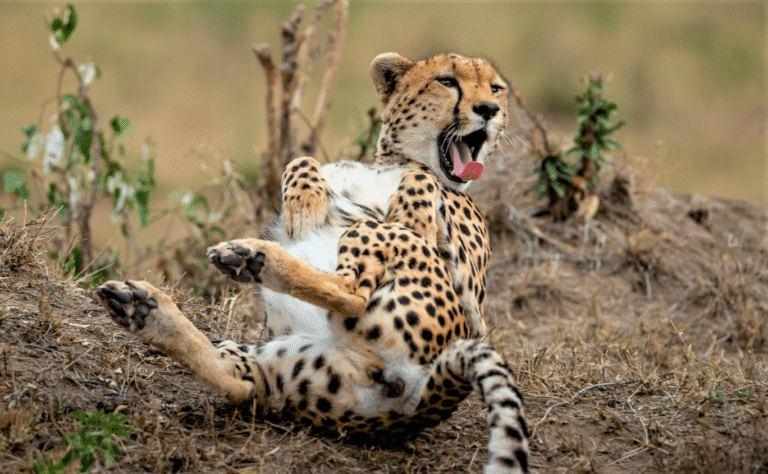
Dec 29, – 6 Day Ndutu, Serengeti And Ngorongoro Group Safari 2026
A detailed guide to our 6-day group safari departure on December 29, 2026, focusing on the Ndutu plains, the Serengeti, and the Ngorongoro Crater.
View package details8 Day Serengeti And Ngorongoro Group Safari – December 16, 2026
Planning your December 2026 Tanzanian adventure? Our 8-day group safari offers a deep, unhurried exploration of the Serengeti and Ngorongoro Crater.
View package details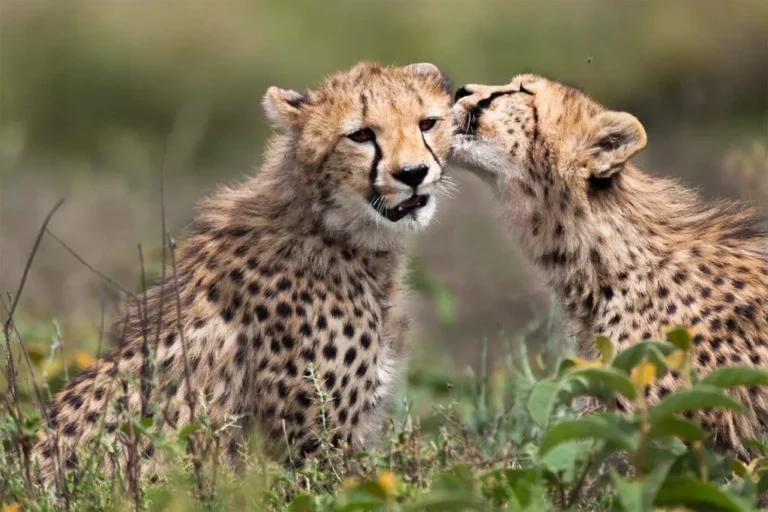
Dec 12, – 6 Day Serengeti, Ngorongoro, Tarangire And Manyara Group Safari 2026
Dec 12, 2026 – 6 Day Serengeti, Ngorongoro, Tarangire and Manyara Group Safari.
View package detailsDec 8, – 4 Day Tarangire, Serengeti And Ngorongoro Group Safari 2026
A detailed guide to our December 8, 2026 group joining safari, covering the itinerary, logistics, and what to expect during this 4-day wildlife adventure in Tanzania.
View package details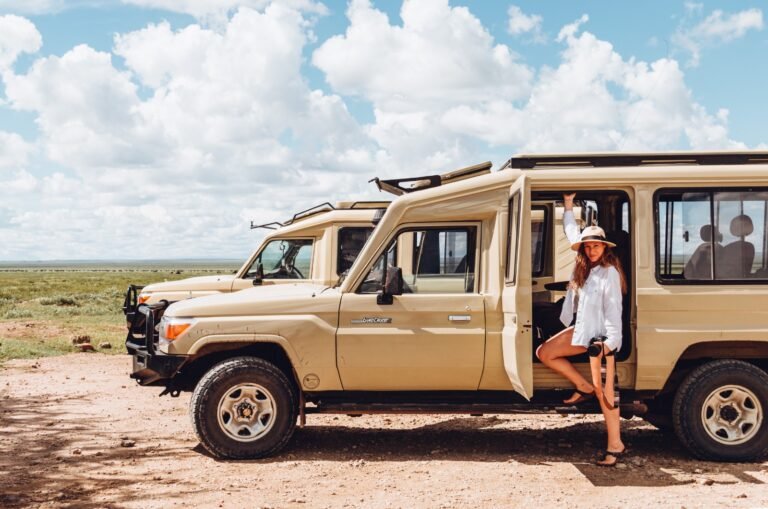
Nov 6, – 3 Day Serengeti And Ngorongoro Budget Group Safari 2026
A detailed look at our November 6, 2026 group departure for a 3-day Serengeti and Ngorongoro safari, including planning tips and route logistics.
View package detailsOct 27, – 3 Day Serengeti And Ngorongoro Group Safari 2026
Planning for a short, high-impact wildlife adventure? Our October 27, 2026, group safari offers a direct route through the Serengeti and Ngorongoro Crater, perfect for travelers with...
View package detailsNov 18, – 7 Day Serengeti And Ngorongoro Group Joining Safari 2026
A detailed guide to the 7-day group joining safari departing November 18, 2026, covering Serengeti, Ngorongoro, and the logistical advantages of shared travel.
View package detailsNov 10, – 4 Day Serengeti, Ngorongoro And Tarangire Group Safari 2026
Join our group safari on November 10, 2026, for an intensive 4-day tour of Tanzania's Northern Circuit. Perfect for those with limited time who want to experience the best of the Serengeti...
View package detailsOct 31, – 6 Day Serengeti, Ngorongoro, Tarangire And Manyara Group Safari 2026
A detailed look at the 6-day Northern Circuit group safari departing October 31, 2026, covering Tarangire, Manyara, Serengeti, and Ngorongoro Crater.
View package detailsNo related package matches those filters. Clear one or more filters to see the other topic-matched options.