The cheapest months to book a Tanzania safari typically fall within the “green season” or “low season”, which runs from approximately late March to early June. This period often sees lower prices for accommodation and sometimes safari packages because it’s outside the peak tourist times. However, for many travelers, the “shoulder seasons” of January-February and September-October can also offer good value while still providing excellent wildlife viewing opportunities, making them strong contenders for finding the cheapest month to book your 2026 or 2027 Tanzanian adventure without compromising significantly on the experience.
Understanding Tanzania Safari Pricing: Beyond Just the Month
When you ask about the cheapest month to book a Tanzania safari, you’re touching on a crucial aspect of planning an unforgettable trip to East Africa. While seasonality plays a significant role, it’s important to understand that the overall cost of a safari is influenced by a dynamic interplay of factors. It’s not just about picking a date on the calendar; it’s about understanding how demand, wildlife patterns, weather, and the specific services you choose all converge to create pricing variations. For those looking to make their 2026 or 2027 safari as budget-friendly as possible, a deep look at these elements is essential. We’ll explore the traditional “low” and “shoulder” seasons, but also consider how flexibility, group size, and the type of safari experience can find savings throughout the year.
At Climb 4 Africa, we help travelers navigate these complexities daily. We see firsthand how different times of the year present unique advantages, not just for cost but for the overall safari experience. For instance, while the green season might be cheaper, the landscape is lush, and game viewing can be more dispersed. Conversely, the dry season, though pricier, offers concentrated wildlife around water sources and easier game drives. Your definition of “cheapest” might also depend on whether you prioritize lower upfront costs or the best value for money in terms of wildlife sightings and accessibility. Let’s break down the calendar and see where the sweet spots for savings lie for your 2026-2027 safari plans.
The core question of the cheapest month to book a Tanzania safari isn’t always about finding a single date that’s universally cheapest. It’s more about identifying periods when the supply of safari services (lodges, vehicles, guides) outstrips demand, leading to potential discounts. This usually aligns with less popular travel times, often dictated by weather patterns or major wildlife events like the Great Migration’s specific location. Understanding these patterns allows for strategic planning, ensuring you get the most bang for your buck, whether you’re aiming for a Serengeti adventure, a Ngorongoro Crater experience, or a journey through Tarangire’s baobab-studded plains.
We will guide you through the nuances, helping you decide if chasing the absolute lowest price point aligns with your priorities for wildlife viewing, photography, and overall comfort. The goal is to make an informed decision that balances cost-effectiveness with an exceptional Tanzanian safari experience in 2026 or 2027.
Tanzania’s Safari Seasons: A Calendar of Costs and Wildlife
To pinpoint the cheapest month to book a Tanzania safari, we must first understand the country’s distinct seasons. These aren’t just about rain or sun; they significantly influence wildlife behavior, landscape accessibility, and, crucially, safari pricing. Generally, Tanzania experiences two main seasons: the dry season and the wet season, with transitional periods known as shoulder seasons.
The Dry Season (June to October)
This is widely considered the peak tourist season for Tanzania safaris. Why? Because the weather is generally excellent – sunny days with little to no rain. This dry environment forces animals to congregate around the remaining water sources, making wildlife viewing highly predictable and often spectacular. The grass is shorter, offering better visibility. However, this popularity comes at a price. Lodges and tour operators know demand is high, so prices for safaris booked during these months, especially July, August, and September, tend to be at their highest. For those planning a 2026 or 2027 safari and prioritizing prime wildlife viewing conditions, this is the period to expect higher costs. It’s also when you’ll find the Great Migration herds in the central and western Serengeti, a major draw.
The Wet Season (November to May)
This period is further divided into two distinct phases, each with different implications for cost and experience:
Short Rains (November to December)
Following the dry season, short rains can occur. These are often brief, localized afternoon showers rather than prolonged downpours. The landscape begins to turn green, and the temperatures can be pleasant. This is often considered the start of the lower-demand period. As the rains begin, fewer tourists venture out, leading to a dip in prices for accommodation and safari packages. While game viewing might become slightly more challenging due to dispersed animals and taller grass, it’s still excellent, especially in areas like the Ngorongoro Crater or Southern Serengeti where the migration may be calving. This period can offer a good balance of decent weather and lower costs, making it a contender for the cheapest month to book a Tanzania safari for 2026-2027.
Long Rains / Green Season (March to May)
This is the period most commonly cited as the cheapest time for a Tanzania safari. The long rains typically arrive in late March and can last through May. During these months, the country transforms into a vibrant green paradise. The vegetation becomes lush, and the air is fresh. Because it’s the rainy season, tourist numbers drop significantly. This reduced demand allows lodges and tour operators to offer substantial discounts. You’ll find the lowest prices for accommodation, vehicle hire, and potentially even package deals. However, there are trade-offs. The rains can make some roads muddy and difficult to traverse, potentially impacting game drives, especially in more remote areas. Some smaller camps might even close during the heaviest parts of the rainy season. Wildlife viewing can be more challenging as animals disperse into the bush and the grass grows tall. Despite these considerations, the sheer cost savings make the green season the prime candidate for the cheapest month to book a Tanzania safari for budget-conscious travelers in 2026 or 2027.
The Shoulder Seasons (January-February and June)
These transitional periods offer a compelling compromise. January and February fall between the short and long rains. The weather is generally dry and warm, often with pleasant temperatures. The landscape is green but not as dense as during the peak rains. Wildlife viewing remains excellent, especially in areas like the Southern Serengeti, where the Great Migration herds are typically found for calving season. While not as cheap as the deep green season, prices in January and February are often lower than in the peak dry months of July-October. June marks the beginning of the dry season. The weather is typically good, and the landscape is still relatively green from the preceding rains, but the peak tourist crowds haven’t fully arrived yet. This can make June a surprisingly affordable month to travel, offering a good balance of weather, wildlife, and cost. For those seeking the cheapest month to book a Tanzania safari while still enjoying favorable conditions, these shoulder months are excellent options to consider for your 2026-2027 travel plans.
It’s crucial to remember that the exact timing of the rains and migration can vary slightly year to year. Therefore, while these are general guidelines, it’s always best to consult with a local tour operator like Climb 4 Africa for the most up-to-date information relevant to your specific 2026 or 2027 safari dates.
Identifying the Absolute Cheapest Month: A Closer Look
When we talk about the cheapest month to book a Tanzania safari, we are generally referring to periods where the demand for safari services is at its lowest. This directly translates into lower prices offered by lodges, camps, and tour operators trying to maintain occupancy and operational levels. Based on historical patterns and general tourism trends in Tanzania, this almost invariably points to the heart of the wet season.
The Prime Candidate: April and May
If we had to pinpoint the single most consistently cheapest period, it would be April and May. These months represent the peak of the long rains. During this time:
- Lower Occupancy: Many lodges and tented camps, especially those in more remote locations or with more basic infrastructure, experience significantly lower occupancy rates. This leads them to offer discounted rates to attract visitors.
- Reduced Demand: The perception of heavy rains deters many international tourists, who prefer to visit during the dry season for ease of travel and predictable game viewing.
- Operational Costs: While tour operators might have some fixed costs, the ability to negotiate better rates with lodges and sometimes even secure lower vehicle hire prices can be passed on to clients.
For a traveler whose primary goal is to minimize the cost of their Tanzanian safari in 2026 or 2027, booking a trip that falls within April or May is likely to yield the lowest prices. However, it’s vital to be prepared for the conditions. Expect lush, green landscapes, potentially dramatic skies, and the possibility of daily rain showers. Game drives might require more time, and some areas could be less accessible. Yet, the savings can be substantial, often ranging from 15-30% or even more compared to peak season rates. This is a significant factor when budgeting for a safari.
Other Budget-Friendly Options: March and Early June
While April and May are the champions of low prices, other months also offer considerable savings:
- March: This month often marks the beginning of the long rains. While still technically part of the wet season, the rains might not be as consistent or heavy as in April and May. Prices start to drop significantly, making it a great value proposition. You get some of the benefits of the green season without the full intensity of the rains, and at a lower cost than the dry season.
- Early June: As the long rains begin to recede, the landscape is still beautiful and green, but the weather starts to stabilize towards the dry season. Tourist numbers haven’t yet reached their peak. This makes early June a sweet spot, offering a good balance of decent weather, excellent wildlife viewing (as animals begin to concentrate around water sources), and more affordable pricing than the core dry season months of July and August.
Therefore, when considering the cheapest month to book a Tanzania safari for your 2026-2027 adventure, extend your search to include March and early June alongside the traditional April-May window. These periods often provide the best combination of affordability and enjoyable safari conditions.
It’s also worth noting that booking during periods that coincide with major holidays in the travelers’ home countries (e.g., Easter holidays in Europe or North America) might see a slight uptick in demand even during the shoulder or green seasons, so flexibility around these dates can also help secure lower prices.
The Impact of the Great Migration on Safari Costs
The Great Migration is arguably the most famous wildlife spectacle on Earth, and its movements across the Serengeti ecosystem heavily influence safari pricing. Understanding where the migration is located can help you identify periods that might be more or less expensive, even within the so-called “cheapest” months.
The migration is a year-round phenomenon, with different stages occurring at different times. Generally:
- December to March: The herds are usually in the Southern Serengeti and Ngorongoro Conservation Area. This is calving season, a time of intense predator activity. While this is part of the wet season and generally cheaper, the specific draw of the calving season can sometimes lead to slightly higher demand and prices in this region compared to other parts of Tanzania during these months.
- April to May: The herds begin their journey northwards, often moving towards the central and western Serengeti. This is typically the height of the long rains and the cheapest time to visit, but the migration’s presence still ensures significant wildlife activity.
- June to October: The herds are usually in the Western and Northern Serengeti. This period, especially July, August, and September, coincides with the dry season and the iconic river crossings of the Mara River. This is peak season, and prices are at their highest due to the immense demand to witness this dramatic event.
- November: The herds start moving south again, often following the rains. This is a transitional period, often part of the short rains, and can offer a good balance of migration viewing and lower costs before the peak dry season rates kick in.
Therefore, if you are aiming for the cheapest month to book a Tanzania safari in 2026 or 2027, you might be looking at April or May, when the migration is moving northwards, and the rains are prevalent. However, if your dream is to witness the river crossings, you’ll need to budget significantly more for the peak dry season months of July to September, as this is when prices are highest, irrespective of whether it’s the cheapest time of year.
For travelers seeking the cheapest month to book a Tanzania safari and are flexible about seeing the migration at a specific stage, planning around the calving season (Jan-Mar) in the south or the movement phases (Apr-May) can offer better value than the dramatic river crossings. Always discuss the migration’s expected location with your tour operator when planning for 2026-2027.
Beyond the Month: Other Factors Affecting Safari Costs
While the cheapest month is a critical consideration for budget-conscious travelers, several other factors significantly influence the overall cost of a Tanzania safari. Understanding these elements will help you make more informed decisions and potentially find savings outside of just picking a specific month.
1. Type of Safari and Accommodation
- Luxury Lodges vs. Tented Camps vs. Budget Camps: High-end lodges with swimming pools, fine dining, and prime locations will always command higher prices than mid-range tented camps or more basic safari accommodations. If your goal is the cheapest month to book a Tanzania safari, consider opting for comfortable yet less luxurious options.
- Private Safari vs. Group Safari: A private safari, where you have a dedicated vehicle and guide, offers flexibility and exclusivity but is significantly more expensive. Joining a small group safari, especially on set departure dates, is a much more budget-friendly option. Look for shared departures advertised for 2026 or 2027 to maximize savings.
- Camping Safaris: For the absolute budget traveler, traditional camping safaris offer a more rustic experience with basic amenities but at a fraction of the cost of lodge-based safaris.
2. Duration of Safari
Naturally, the longer your safari, the more it will cost. However, sometimes longer safaris can offer better per-day value. Operators might offer slight discounts for longer stays, and you can spread fixed costs like park entry fees over more days. Conversely, a shorter, focused trip during the cheapest month can be very cost-effective.
3. National Parks and Reserves Visited
Different parks have varying entry fees and concession fees. While the Serengeti and Ngorongoro are iconic, they also have higher daily park fees. Parks like Tarangire, Lake Manyara, and Arusha National Park might have slightly lower fees, and combining them with less-visited areas can sometimes reduce the overall cost. However, the Serengeti remains a must-see for many, so weigh the cost against the experience.
4. Inclusions and Exclusions
Always scrutinize what is included in your safari package. Common inclusions are accommodation, park fees, vehicle and guide, meals, and sometimes drinks. Exclusions often include international flights, visas, travel insurance, tips, and personal expenses. A cheaper quoted price might hide significant additional costs if key items are not included. Ensure you’re comparing apples to apples when looking at different quotes for your 2026-2027 safari.
5. Booking Window and Flexibility
Booking well in advance (6-12 months) can sometimes secure better rates, especially for popular lodges or specific departure dates. However, last-minute deals can occasionally be found, particularly during the low season, although this is less common for Tanzania safaris compared to some other destinations. Flexibility with your exact travel dates within the cheapest months can also open up more affordable options.
6. Operator Choice
Choosing a reputable local operator like Climb 4 Africa can often provide better value. Local operators have established relationships with lodges and suppliers, potentially allowing them to negotiate better rates than international agents. They also offer invaluable local knowledge and support. When inquiring about the cheapest month to book a Tanzania safari, a local expert can guide you to the best options for your budget and preferences for 2026 or 2027.
By considering these factors in conjunction with the cheapest month, you can craft a Tanzania safari that is both affordable and unforgettable.
Planning Your Budget Safari: Tips for 2026-2027
Securing the cheapest month to book a Tanzania safari is a fantastic starting point for a budget-conscious trip. However, to truly maximize your savings and ensure a successful 2026 or 2027 adventure, careful planning and smart choices are key. Here are practical tips to help you:
1. Be Flexible with Your Dates
As discussed, the cheapest months are typically April, May, and parts of March and June. If your schedule allows, aim for travel within these windows. Even shifting your dates by a week or two can sometimes make a difference, especially if you can avoid major public holidays or school breaks.
2. Consider Shared Group Safaris
Joining a group safari is one of the most effective ways to reduce costs. You share the vehicle, guide, and sometimes even park fees and accommodation expenses with other travelers. Look for set departure dates for 2026 or 2027. This is ideal for solo travelers or couples looking to save money. Climb 4 Africa offers various group departure dates for safaris, which can be a great way to experience the magic of Tanzania affordably.
Example: A private 7-day Northern Circuit safari during peak season might cost $4,000-$6,000+ per person. A similar itinerary on a shared group departure during the low season could range from $2,500-$3,500 per person, representing significant savings.
3. Opt for Comfortable, Not Lavish, Accommodation
While luxury lodges are appealing, they significantly increase costs. During the low season, even mid-range and comfortable tented camps offer excellent experiences and wildlife viewing opportunities. Look for camps that provide good service, clean facilities, and prime locations, without the hefty price tag of five-star resorts. Many well-run mid-range options provide a truly authentic safari feel.
4. Pack Smartly to Avoid Extra Costs
While not directly related to the cheapest month, smart packing can prevent unexpected expenses. Bring binoculars, a good camera with zoom lenses, and comfortable clothing in neutral colors. Avoid buying expensive gear at the last minute. Ensure you have essentials like insect repellent and sunscreen, as these can be pricier in Tanzania.
5. Understand Park Fees
Park fees in Tanzania are substantial and are charged per person, per day. These fees are fixed and do not change based on the month. Therefore, while the cheapest month reduces accommodation and package costs, park fees remain a significant portion of the budget. A longer safari will incur more park fees, so balance duration with overall cost.
6. Travel Insurance is Non-Negotiable
While it’s an added cost, travel insurance is essential. It protects you against unforeseen events like medical emergencies, trip cancellations, or lost luggage. Do not skip this to save money; the potential costs of not having insurance far outweigh the premium. Ensure your policy covers adventure activities and medical evacuation.
7. Be Realistic About Wildlife Sightings
The cheapest months often coincide with the green season. While wildlife is abundant year-round, animals may be more dispersed due to water availability, and the grass can be taller, making spotting them slightly more challenging. Manage your expectations and focus on the incredible biodiversity Tanzania offers, rather than solely on seeing a specific animal at a particular moment. The experience of being in the wild is profound, regardless of the season.
8. Consider Package Deals Carefully
Tour operators often create packages that bundle accommodation, park fees, and transport. While these can offer convenience and sometimes savings, scrutinize the inclusions. Ensure that the package aligns with your interests and budget. For the cheapest month to book a Tanzania safari, look for operators who specialize in budget-friendly or value-for-money tours for 2026-2027.
By applying these planning strategies, you can enhance the value of your safari, ensuring that your trip during the cheapest months is not just affordable but also a deeply rewarding experience.
When to Book for the Cheapest Month: Lead Time and Availability
Knowing the cheapest month to book a Tanzania safari is one thing; securing that booking at the best possible price is another. Lead time and availability play a crucial role, especially when aiming for specific budget-friendly periods.
The Advantage of Early Booking
For the cheapest month to book a Tanzania safari, particularly during the shoulder seasons (January-February, June) or the early part of the green season (March), booking 6 to 12 months in advance is generally recommended for 2026-2027. Here’s why:
- Securing Best Rates: Lodges and camps often release their pricing structures well in advance. Early bookings can lock in these rates before any potential price increases.
- Availability: While these aren’t peak months, the most desirable and budget-friendly accommodations or the best value group departures can fill up, especially if they are particularly popular or offer exceptional value. Booking early ensures you get your preferred options.
- Planning Logistics: It gives you ample time to arrange flights, visas, vaccinations, and other travel arrangements without last-minute stress or increased costs associated with expedited services.
Last-Minute Deals: A Possibility, But Risky
Occasionally, particularly during the low season (April-May), operators might offer last-minute deals if they have unsold capacity. However, relying on this strategy for a Tanzania safari is risky:
- Limited Choice: If deals do arise, your choices for accommodation and specific itineraries will be severely limited. You might end up with less-than-ideal options.
- Flight Costs: International flight prices tend to increase closer to the departure date, potentially negating any savings made on the safari package itself.
- Stressful Planning: Rushing bookings for flights, visas, and other arrangements can be stressful and prone to errors.
Therefore, while a last-minute deal might occasionally present itself for the cheapest month to book a Tanzania safari, the most reliable way to secure value for your 2026 or 2027 trip is through advance planning.
Group Departures and Booking Windows
For group safaris, especially those with set departure dates for 2026 or 2027, booking even earlier might be beneficial. These popular departures often fill up months in advance, as they represent a significant saving opportunity. Operators like Climb 4 Africa advertise their group departure dates well in advance, allowing clients to plan accordingly.
Recommendation: For the best chance of securing your preferred itinerary during the cheapest months (April, May, March, early June) for your 2026-2027 Tanzania safari, aim to book at least 6-9 months prior. If you have specific lodge preferences or are targeting a very popular group departure, consider booking 9-12 months out.
Consulting with a local operator like Climb 4 Africa can provide insights into current availability and optimal booking times based on your desired travel dates and budget for your 2026-2027 adventure.
Making the Decision: When is Your Cheapest Month?
So, you’ve explored the seasons, considered the migration, factored in other costs, and thought about booking lead times. Now, how do you make the final decision on the cheapest month to book your Tanzania safari for 2026 or 2027?
The answer is nuanced and depends on your priorities. However, based on the data and typical travel patterns:
The absolute cheapest month to book a Tanzania safari is generally April or May.
These months fall squarely within the long rains (green season), which sees the lowest tourist numbers and consequently the lowest prices for accommodation and safari packages. If your primary driver is cost reduction, aiming for a safari during these months is your best bet.
However, consider these alternatives for excellent value:
- March: Offers a good blend of decreasing prices and still-decent weather before the heaviest rains set in.
- January-February: Good dry weather, excellent wildlife viewing (especially calving season), and prices that are lower than the peak dry season.
- June: Marks the transition to the dry season, with still-green landscapes and fewer crowds than the peak months of July-September.
Key Considerations for Your Choice:
- Weather Tolerance: Are you comfortable with the possibility of daily rain showers? If so, April/May are ideal for savings. If you prefer drier conditions but still want value, consider March, January-February, or June.
- Wildlife Viewing Priorities: While wildlife is abundant year-round, the dry season (July-October) offers concentrated viewing around waterholes and easier game drives. The green season might require more patience but offers stunning landscapes and unique photographic opportunities.
- Budget vs. Experience: If budget is the absolute priority, embrace the green season. If you want a balance of good weather, great wildlife, and reasonable prices, the shoulder months are excellent.
Ready to Plan Your 2026-2027 Safari?
Understanding the cheapest month to book a Tanzania safari is a vital step in planning your dream adventure. At Climb 4 Africa, we specialize in crafting tailor-made safari experiences that fit various budgets. Whether you’re targeting the lowest prices during the green season or seeking the best value in the shoulder months, our local expertise ensures you get the most out of your trip.
We can help you navigate the options, compare itineraries, and secure the best available rates for your 2026 or 2027 safari. Don’t hesitate to reach out with your questions and preferences. Let us help you design an unforgettable Tanzanian safari that aligns perfectly with your budget and expectations.
Contact us today to start planning:
- WhatsApp: +255 747 477 898
- Email: climb4africa@gmail.com
- Website: Climb 4 Africa
Let’s make your Tanzania safari dreams a reality!
Check Availability for What Is The Cheapest Month To Book A Tanzania Safari? Plan Your Budget Trip
Ready to compare dates, prices, and the best option for your group? Send the package name and travel month so the team can reply with a clear quote, availability, and what is included.
How Early Should I Book A Nov Or Dec Tanzania Group Safari?
How Early Should I Book a Nov or Dec Tanzania Group Safari?
View package details
I Am On A Budget—What Is The Cheapest Serengeti Group Safari?
I Am on a Budget—What Is the Cheapest Serengeti Group Safari?
View package details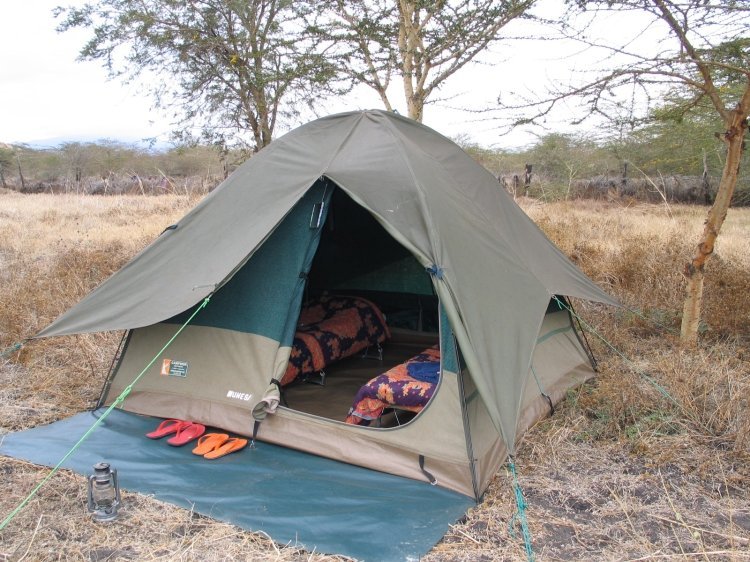
AFCON 2027 Safari Packages from Tanzania
Hitaji la safari ya kundoka ili kufurahia AFCON 2027? Chagua kutoka kwa mikakati ya safari nchini Tanzania inayoambatana na wildlife, mbuga maarufu, na uwekaji wa huduma ya kimataifa ya...
View package detailsAFCON 2027 Mid Range Safari Packages Tanzania
Mwongozo wa safari ya kati ya AFCON 2027 Tanzania kutoka Climb 4 Africa: mipango ya njia, maeneo ya msitu wa serikali, na usalama wa wasafiri. Onyesha jinsi ya kuchagua kilima cha kati...
View package details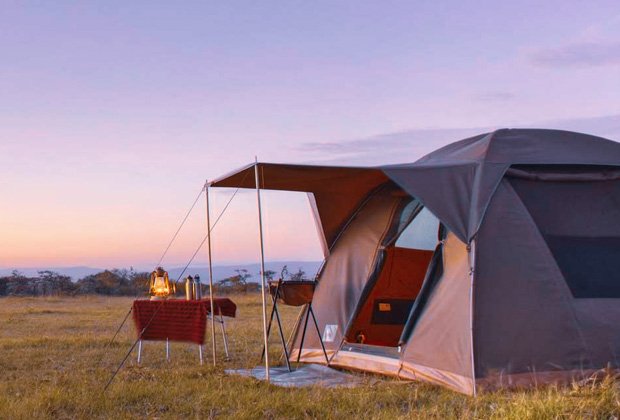
Best Tanzania Safari Before Afcon Final
Best Tanzania Safari Before AFCON 2027 Final.
View package detailsBest Tanzania Safari After Afcon Match
Best Tanzania Safari After AFCON 2027 Match.
View package details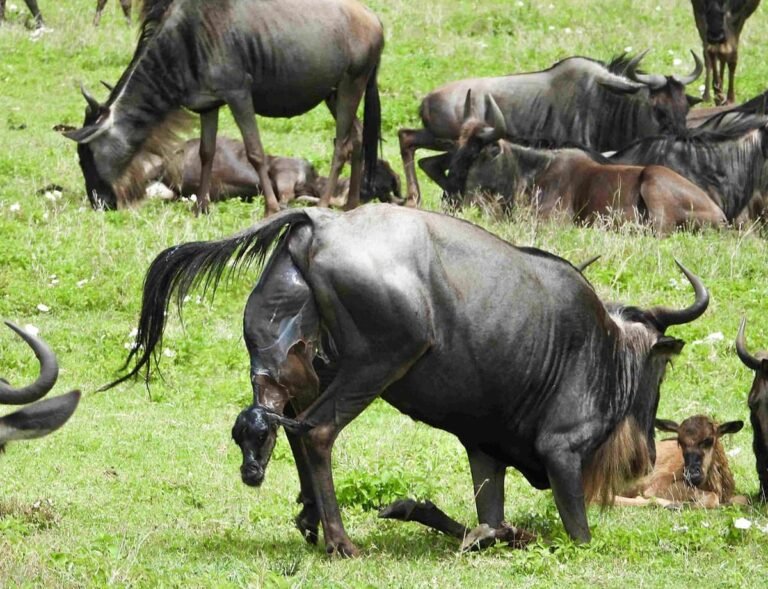
Five Day Tanzania Safari And Afcon Package
Five Day Tanzania Safari and AFCON Package.
View package details
Afcon Northern Tanzania Safari Packages
AFCON 2027 Northern Tanzania Safari Packages.
View package detailsAfcon Tanzania Football Kilimanjaro And Safari Tour
AFCON 2027 Tanzania Football Kilimanjaro and Safari Tour.
View package details
Tanzania Safari Packages from Dar es Salaam During AFCON 2027
Mwongozo wa kina wa safari za Tanzania kuanzia Dar es Salaam wakati AFCON 2027: rasilimali, mipango ya siku, na hatua za uhakika za ziara za wanyama na mbuga maarufu.
View package detailsTanzania Safari Tours for AFCON 2027 Fans
Muhtasari wa safari za Tanzania kwa mashabiki wa AFCON 2027: maeneo ya hifadhi, mizunguko ya wildlife, usalama wa safari, na jinsi ya kupanga na kuhudumiwa na Climb 4 Africa.
View package detailsNo related package matches those filters. Clear one or more filters to see the other topic-matched options.