Yes, it is entirely possible to plan a Tanzania safari that significantly minimizes or even avoids very long driving days. The key lies in strategic itinerary design, which often involves selecting accommodations closer to or within park boundaries, utilizing light aircraft flights for longer transfers between regions, and focusing on a concentrated number of prime wildlife areas rather than trying to see everything. By prioritizing quality over quantity of locations and being mindful of travel times, you can enjoy a more relaxed and in-depth safari experience, especially when planning for trips in 2026 or 2027.
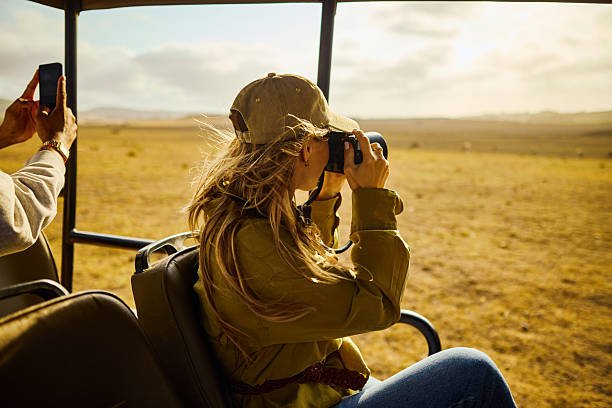
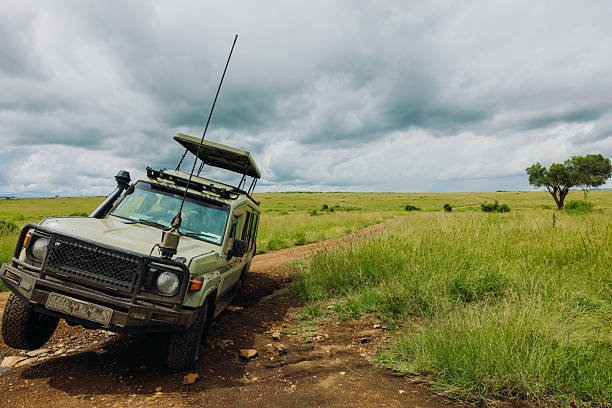
Many travelers envision a classic African safari filled with expansive landscapes and incredible wildlife sightings. However, the reality of covering vast distances in Tanzania can sometimes mean spending more time on bumpy roads than observing animals. Fortunately, with smart planning, you can design a safari adventure that respects your time and energy, ensuring your focus remains on the unforgettable moments in the wild, not on the journey between them.
Understanding the Trade-offs: Speed vs. Experience
When you’re looking to plan a safari that avoids very long driving days, the first thing to consider is that there’s often a trade-off. The vastness of Tanzania’s parks means that getting from one iconic location to another can inherently involve significant travel. However, the definition of a ‘long driving day’ is subjective and depends on your personal preferences and tolerance for travel.
A traditional overland safari, while offering a more intimate connection with the landscape and potentially a more budget-friendly approach, often involves driving several hours each day. This can mean early morning starts, lengthy stretches on dirt tracks, and late arrivals at your accommodation. For some, this is part of the adventure, offering opportunities to see rural life and varied scenery. For others, especially those with limited time or who prefer a more comfortable pace, these long drives can be tiring and detract from the core safari experience.
The alternative is to make choices that prioritize your time in the wildlife areas. This generally means:
- Strategic Accommodation Placement: Staying in lodges or tented camps located very close to park gates or even inside the parks themselves. This dramatically reduces the transit time to reach prime game viewing areas each morning and evening.
- Internal Flights: Utilizing Tanzania’s network of light aircraft charter and scheduled flights to hop between major safari circuits (like the Northern Circuit and Southern/Western Circuits). While this adds to the overall cost, it can save many hours of driving and offer spectacular aerial views.
- Focused Itinerary: Concentrating on one or two regions rather than attempting to cover too much ground. For instance, a 7-day trip focused solely on the Serengeti and Ngorongoro Crater will offer a much richer experience than trying to squeeze in Tarangire and Lake Manyara with extended drives between each.
When planning for 2026 or 2027, it’s wise to discuss these options thoroughly with your tour operator. They can help you balance your desire to see diverse landscapes with your preference for less time spent in transit.
Designing Your Safari Route to Minimize Driving
The sequence and selection of parks are paramount when you want to plan a safari that avoids very long driving days. Tanzania offers a spectacular diversity of ecosystems, but they are spread out. A well-designed route maximizes your time observing wildlife and minimizes your time on the road.
The Northern Circuit: Classic Parks, Manageable Distances
The Northern Circuit is the most popular safari destination in Tanzania, encompassing Arusha National Park, Tarangire National Park, Lake Manyara National Park, the Ngorongoro Conservation Area, and the Serengeti National Park. While it’s possible to have long driving days here, it’s also the circuit where you have the most options for minimizing them.
Arusha National Park: Often overlooked, this park is close to Arusha town and offers excellent game viewing, Mount Meru’s stunning backdrop, and activities like canoeing and walking safaris. Its proximity makes it an easy add-on without significant travel time.
Tarangire National Park: Known for its large elephant herds and iconic baobab trees, Tarangire is a few hours’ drive from Arusha. To reduce driving, consider staying in lodges just outside the park’s southern gate or, for a premium experience, lodges within the park itself, though these are rarer and more exclusive.
Lake Manyara National Park: Famous for its tree-climbing lions and large bird populations, Manyara is relatively small. It can be visited as a day trip from Arusha or as a stop en route to the Serengeti. Staying near the park’s gate is key to maximizing time inside.
Ngorongoro Conservation Area: The Crater itself is a unique ecosystem. While the drive from Arusha to the Crater rim takes several hours, once you descend into the Crater, game viewing is concentrated. Staying at lodges on the Crater rim minimizes the drive to the descent point. Alternatively, staying at lodges outside the park boundary but closer to the Ngorongoro gate can also reduce morning travel.
Serengeti National Park: This is Tanzania’s largest and most famous park. The sheer size means that ‘long driving days’ are almost inevitable if you try to cover vast distances within it. However, you can minimize this by:
- Choosing a Specific Region: Instead of driving from the Naabi Hill Gate (central Serengeti) all the way to the Western Corridor or Northern Serengeti in one go, focus on one area for your stay. For example, if you’re visiting during the Great Migration’s river crossing season (July-October), basing yourself in the Kogatende or Lamai Wedge area in the north is essential, and you’d fly there. If you’re interested in the calving season (January-March), focus on the southern plains.
- Flying into Airstrip: The most effective way to avoid long drives within the Serengeti is to fly directly from Arusha (or Kilimanjaro International Airport) to one of the many airstrips within the park. From there, your safari vehicle meets you for game drives. This saves an entire day of driving from Arusha to the Serengeti.
Example Northern Circuit Itinerary (Minimizing Drives):
A 7-day itinerary focused on minimizing driving might look like this for 2026-2027:
- Day 1: Arrive Kilimanjaro International Airport (JRO), transfer to lodge near Arusha. (Short transfer)
- Day 2: Morning Arusha National Park visit (short drive from lodge), afternoon transfer to Tarangire. Stay at a lodge on the park’s edge. (Moderate drive)
- Day 3: Full day game drives in Tarangire. Stay at the same lodge. (Minimal driving within the park)
- Day 4: Morning drive to Lake Manyara. Game drive. Afternoon drive to Ngorongoro Crater rim. Stay at a lodge on the rim. (Moderate drives)
- Day 5: Full day game drive in Ngorongoro Crater. Stay at the same rim lodge. (Minimal driving within the park)
- Day 6: Drive to a Serengeti airstrip (e.g., Seronera). Fly from Arusha to Seronera. Meet your guide and vehicle. Afternoon game drive en route to your lodge in Central Serengeti. (Longest day involves a flight, not a drive).
- Day 7: Morning game drive in Serengeti. Transfer to Seronera airstrip for flight back to Arusha or JRO. (Short drive to airstrip, then flight)
This example highlights how flying into the Serengeti is the important choice for avoiding a full day’s drive across the park. For 2026-2027 planning, booking these internal flights well in advance is crucial, especially during peak seasons.
The Southern Circuit: Less Crowded, Unique Wildlife
The Southern Circuit (also known as the Selous Game Reserve and Ruaha National Park) offers a different, wilder experience. While traditionally accessed by longer drives or flights from Dar es Salaam, it’s an excellent option if you want to avoid the crowds of the north and can incorporate flights.
Selous Game Reserve (now Nyerere National Park): This is one of Africa’s largest game reserves. It’s renowned for its boat safaris on the Rufiji River, walking safaris, and excellent predator sightings. The best way to experience Selous without long drives from Dar es Salaam is to fly directly to one of its internal airstrips (e.g., Beho Beho, Mtemere).
Ruaha National Park: Tanzania’s largest national park, Ruaha, is wild, remote, and offers incredible game viewing, particularly for elephants and predators. It’s the least accessible park in Tanzania, making flights from Arusha, Kilimanjaro, or Dar es Salaam almost essential if you want to avoid extremely long drives (which can exceed 8-10 hours from Iringa or Dodoma).
Planning for the Southern Circuit (Minimizing Drives):
- Fly from Arusha or Kilimanjaro to the airstrip nearest your chosen lodge in Selous or Ruaha.
- Focus on one park for a shorter trip (e.g., 3-4 nights in Selous) or combine them with internal flights if you have more time (e.g., fly from Selous airstrip to Ruaha airstrip).
- The drive from Dar es Salaam to Selous is very long (6-8 hours on rough roads) and generally not recommended if you want to avoid extensive driving.
The Western Circuit: Chimpanzees and Unique Forests
The Western Circuit is home to chimpanzee trekking in the Mahale Mountains National Park and Gombe Stream National Park. These parks are very remote and are almost exclusively accessed by light aircraft flights from Arusha, Kilimanjaro, or Dar es Salaam, landing on small airstrips near the parks. Therefore, if you’re interested in chimps, you are inherently planning a safari that avoids long driving days in those specific regions, as flights are the standard mode of transport.
The Role of Internal Flights in Minimizing Travel Time
For anyone looking to plan a safari that avoids very long driving days, internal flights are your most powerful tool. Tanzania has a surprisingly robust network of small airstrips servicing its major national parks and reserves. These flights, typically on small propeller aircraft operated by companies like Safari Air Link (SAL) or Regional Air, are a important choice.
How They Work:
- Departure Points: Most internal flights depart from Arusha Airport (ARK) or Kilimanjaro International Airport (JRO). Some may also depart from Dar es Salaam (DAR) for southern or western circuit destinations.
- Destinations: Airstrips are located within or very near most major parks, including Seronera, Kogatende, and Ndutu in the Serengeti; Manyara; Tarangire; Ruaha; Selous (Nyerere NP); Mahale; and Gombe.
- Booking: These are typically booked by your tour operator as part of your safari package. You’ll be met at the airstrip by your safari guide and vehicle.
- Luggage Restrictions: This is a critical point. Light aircraft have strict weight limits for luggage, usually around 15-20 kg (33-44 lbs) per person, carried in soft-sided duffel bags. Hard suitcases are not permitted. Your tour operator will advise you on this.
Benefits of Internal Flights:
- Time Saving: A flight that takes 1-2 hours can save you 6-10 hours of driving. For instance, flying from Arusha to the Serengeti is about 1.5 hours, whereas driving can take 6-8 hours.
- Scenery: Flying over the vast plains of the Serengeti or the vast wilderness of Selous offers a unique perspective and stunning aerial views.
- Comfort: It’s a more comfortable way to travel, especially if you dislike long hours in a vehicle.
Considerations for 2026-2027 Planning:
- Cost: Internal flights significantly increase the overall cost of a safari. Expect to add $300-$500+ per person for each flight segment.
- Availability: For popular routes and peak seasons (like July-October for the Serengeti), flights can book up months in advance. Planning early for 2026 or 2027 is essential.
- Flexibility: Flights can sometimes be delayed or canceled due to weather, especially in the rainy seasons. While rare, it’s something to be aware of.
When you consult with Climb 4 Africa about your safari plans for 2026 or 2027, be sure to explicitly state your preference for minimizing driving times. They can then build an itinerary that incorporates flights where they make the most sense, balancing cost and convenience to create your ideal safari experience.
Choosing Lodges and Camps Strategically
The location of your accommodation is a critical factor when you want to plan a safari that avoids very long driving days. Staying close to the action means more time for game drives and less time commuting.
Inside vs. Outside National Parks
Lodges/Camps Inside National Parks: These offer the ultimate convenience. You are already within the park boundaries, meaning your morning game drives can start minutes after leaving your lodge. This is ideal for maximizing wildlife viewing opportunities, especially during dawn and dusk when animals are most active. Examples include lodges in the heart of the Serengeti, the Ngorongoro Crater rim, or within Tarangire.
- Pros: Unbeatable access to wildlife, in-depth experience, no need to enter/exit park gates daily.
- Cons: Generally more expensive due to park fees and remoteness; can be fully booked far in advance.
Lodges/Camps Just Outside National Parks: These can offer a good compromise. Staying just outside a park gate means a very short drive (often 10-30 minutes) to enter the park for your game drives. This can sometimes be more cost-effective than lodges inside the park, and you still benefit from quick access.
- Pros: Often more affordable than inside-park lodges, still provides relatively quick access.
- Cons: Requires exiting and entering the park daily, which can add a small amount of time and sometimes involves queueing at gates. Some areas outside parks might have less regulated development.
Proximity to Key Wildlife Areas
Within larger parks like the Serengeti, different regions offer vastly different experiences and are better at certain times of the year. To avoid long drives within a park, choose your accommodation based on the wildlife movements you wish to track.
- Serengeti: If you want to see the Great Migration river crossings, stay in the Kogatende or Lamai Wedge area (north) during the dry season (July-October). If you want to see the calving season, stay in the Ndutu area or southern Serengeti plains (December-March). If you are interested in the central plains and resident wildlife, stay near Seronera. Flying into the nearest airstrip for your chosen region is key.
- Ngorongoro: Staying on the Crater rim means a short drive down into the Crater. Staying outside the Crater but within the Conservation Area might mean a longer drive to the rim, but potentially more affordable options.
Making Informed Choices for 2026-2027:
When discussing your safari with Climb 4 Africa, clearly state your priority of minimizing transit. They can recommend specific lodges and camps that are strategically located. For example, instead of a lodge a 2-hour drive from the Tarangire gate, they might suggest one that’s a 15-minute drive, or even one inside the park if your budget allows and availability permits for your 2026 or 2027 trip.
Structuring Your Safari: Fewer Parks, Deeper Experience
A common misconception is that to see the best of Tanzania, you need to visit every major park. In reality, trying to cram too many locations into a short timeframe often leads to extensive travel and a superficial experience. When you aim to plan a safari that avoids very long driving days, the most effective strategy is often to focus on fewer destinations.
The Power of Concentration:
Instead of a whirlwind tour of 5 parks in 10 days, consider a more relaxed pace focusing on 2-3 key areas. This allows for:
- More Time in Each Location: Spending 3-4 nights in a park or region allows for multiple game drives at different times of day, exploring various habitats, and increasing your chances of seeing a wider array of wildlife, including rare species.
- Deeper Immersion: A slower pace allows you to truly appreciate the atmosphere, sounds, and sights of the African bush. You can spend more time observing animal behavior without feeling rushed.
- Reduced Travel Fatigue: Fewer transfers mean less time packing and unpacking, fewer long vehicle journeys, and more time to relax at your lodge, enjoy meals, or simply soak in the surroundings.
Example: A Serengeti & Ngorongoro Focused Safari (7 Days)
Rather than trying to include Tarangire and Lake Manyara, a more relaxed itinerary could be:
- Days 1-2: Arrive, transfer to lodge near Ngorongoro Crater rim. Explore Karatu area or cultural visits.
- Days 3-4: Descend into Ngorongoro Crater for full-day game drives.
- Day 5: Drive to a Serengeti airstrip (e.g., Seronera). Fly from Arusha to Seronera. Game drive en route to lodge in Central Serengeti.
- Days 6-7: Full days of game drives in the Serengeti. Fly back to Arusha/JRO for departure.
This itinerary significantly cuts down on driving time compared to driving between all four locations. For 2026-2027 trips, this focused approach is highly recommended for a more rewarding experience.
Example: A Tarangire & Southern Serengeti Safari (6 Days)
For those who prefer fewer crowds and unique wildlife:
- Days 1-3: Stay at a lodge in or near Tarangire National Park. Enjoy game drives focused on elephants and diverse birdlife.
- Day 4: Transfer to a nearby airstrip for a flight into the southern Serengeti (Ndutu or Seronera area, depending on the season).
- Days 5-6: Explore the southern Serengeti plains, focusing on resident wildlife or the calving season (if applicable). Fly out from a Serengeti airstrip.
By reducing the number of parks, you inherently reduce the need for long transit days. Your tour operator can help you select the best 2-3 locations that align with your interests (e.g., migration, predators, birdlife, chimpanzees) and the time of year you plan to travel in 2026 or 2027.
Activities Beyond Game Drives to Enhance Your Safari
While game drives are the cornerstone of any safari, incorporating other activities can enrich your experience and provide different perspectives on the wildlife and landscape, often without adding significant travel time. This is especially true when you aim to plan a safari that avoids very long driving days, as these activities are typically offered by lodges in their immediate vicinity.
Walking Safaris
Offered in many areas outside of the main national parks (like the Ngorongoro Conservation Area, parts of the Serengeti, and Selous/Nyerere NP), walking safaris provide an intimate connection with the bush. Accompanied by an armed ranger and an experienced guide, you can learn about tracking, flora, fauna, and the smaller details of the ecosystem that are often missed from a vehicle.
- Pros: Highly in-depth, educational, unique perspective.
- Cons: Not available in all parks (especially core areas like the Serengeti and Ngorongoro Crater floor due to safety regulations); requires a reasonable level of fitness.
Many lodges in areas like Tarangire, the private conservancies bordering the Serengeti, or the Selous offer these. The travel time is minimal – you step out of your lodge and begin the walk.
Cultural Visits
Visiting Maasai villages or local communities can offer fascinating insights into the lives of the people who share these lands with the wildlife. These visits are often arranged by lodges and require only a short drive from your accommodation.
- Pros: Cultural enrichment, understanding of local life.
- Cons: Can sometimes feel staged if not managed authentically; ensure your tour operator works with communities that benefit directly.
These are typically short excursions, easily integrated into a safari day without adding significant travel time.
Night Game Drives
Available in some private conservancies and specific areas outside national parks (like Tarangire or the Serengeti’s private concessions), night drives offer the chance to see nocturnal animals – leopards, hyenas, civets, genets, and various smaller mammals – that are rarely seen during the day.
- Pros: Chance to see different species, exciting experience.
- Cons: Not permitted in most national parks; can be noisy and disruptive if not conducted responsibly.
These drives depart from your lodge after dinner, so travel time is negligible.
Hot Air Balloon Safaris
The Serengeti is famous for its hot air balloon safaris at dawn. This provides an unparalleled aerial perspective of the plains and wildlife. The experience typically involves an early morning pick-up from your lodge, a flight, and then a champagne breakfast in the bush upon landing. While it’s an early start, the ‘travel’ is limited to the transfer to and from the launch site.
- Pros: impressive views, unique perspective, memorable experience.
- Cons: Expensive (typically $500-$600 per person); weather dependent; limited availability during rainy seasons.
For 2026-2027, booking balloon safaris in advance is highly recommended, especially if you’re traveling during peak migration seasons.
By incorporating these activities, you can add depth and variety to your safari without extending your daily driving distances. When planning your 2026 or 2027 adventure, discuss these options with Climb 4 Africa to see which can be best integrated into an itinerary designed to avoid long driving days.
Practical Planning Tips for a Relaxed Safari
Successfully planning a safari that minimizes long driving days requires attention to detail and realistic expectations. Here are practical tips to help you plan a safari that avoids very long driving days and ensures a more enjoyable experience for 2026-2027.
1. Define Your Priorities Early
Before you even start looking at itineraries, ask yourself:
- What are my must-see wildlife or landscapes?
- How much time do I have?
- What is my budget? (Internal flights and prime location lodges significantly impact cost).
- What is my tolerance for driving?
Clearly communicating these priorities to your tour operator is the first step. For example, if seeing the Great Migration is paramount, your itinerary will be dictated by its location, and flying into that specific region of the Serengeti becomes essential.
2. Choose the Right Time of Year
While Tanzania is a year-round destination, the rainy seasons (primarily March-May and November) can make driving more challenging and slower. The dry season (June-October) generally offers better road conditions, but it’s also peak tourist season, meaning higher prices and more competition for lodges. Planning for shoulder seasons (e.g., late May/early June or late October/early November) can sometimes offer a good balance of weather, wildlife, and crowds, potentially with more flexibility in lodge options.
3. Be Realistic About Itinerary Length
To avoid feeling rushed and to minimize travel, it’s better to have a slightly longer stay in fewer locations. For instance, a 10-day safari that covers two prime areas in depth is often more rewarding than a 7-day trip trying to tick off four different parks.
- Minimum for 2 Parks (e.g., Serengeti & Ngorongoro): 7 days
- Minimum for 3 Parks (e.g., Tarangire, Ngorongoro, Serengeti): 9-10 days
- For Southern or Western Circuit: 4-5 days per park is recommended.
4. Communicate Clearly with Your Tour Operator
This cannot be stressed enough. When you contact Climb 4 Africa for a quote or to discuss your 2026 or 2027 safari, be explicit:
- State your preference: “I want to plan a safari that avoids very long driving days.”
- Ask about flight options: “What are the costs and benefits of flying between parks?”
- Inquire about lodge locations: “Can you suggest lodges that are inside the park or very close to the gates?”
- Discuss the pace: “Is this itinerary too fast-paced? Can we spend an extra night in X location to reduce travel?”
A good tour operator will listen to your needs and propose solutions. They know the logistics intimately and can advise on the best way to achieve your desired safari pace.
5. Pack Appropriately
As mentioned, if you opt for internal flights, soft-sided luggage is essential. Even for overland safaris, comfortable clothing, sun protection, and insect repellent are key. Being prepared for the climate and conditions will make your time in the vehicle, however short, more pleasant.
6. Understand Inclusions and Exclusions
Ensure your safari package clearly outlines what is included: park fees, accommodation, meals, game drives, park transfers, and internal flights. Exclusions often include international flights, visas, travel insurance, tips, and personal expenses. Understanding this helps manage expectations and budget.
7. Book in Advance
For popular destinations like the Serengeti and Ngorongoro, and especially for peak seasons in 2026 and 2027, lodges and internal flights get booked up months, sometimes over a year, in advance. Booking early is crucial to secure your preferred accommodation and flight routes, which are key to minimizing driving times.
By following these practical steps, you can ensure your safari planning is on the right track to deliver an incredible wildlife experience that prioritizes your comfort and enjoyment, rather than long hours on the road.
When to Contact Climb 4 Africa for Your Safari Planning
The decision to plan a safari that avoids very long driving days is a significant one that shapes your entire Tanzanian adventure. It involves balancing desire for extensive wildlife viewing with personal comfort and time constraints. This is precisely where the expertise of a local, experienced tour operator like Climb 4 Africa becomes invaluable.
Why Choose Climb 4 Africa?
- Local Knowledge: We live and breathe Tanzania. We know the roads, the lodges, the flight schedules, and the best ways to navigate the parks efficiently.
- Customization: We don’t offer one-size-fits-all packages. We specialize in tailoring safaris to your specific needs, whether that means maximizing game viewing time, minimizing driving, or incorporating unique experiences.
- Logistical Expertise: Planning internal flights, selecting strategically located lodges, and crafting smooth transfers requires in-depth knowledge of Tanzania’s infrastructure. We handle all these complexities for you.
- Value for Money: While flights and premium lodges can increase costs, we work to find the best value and ensure your budget is used effectively for the experiences you desire.
Next Steps for Your 2026-2027 Safari:
If you are ready to start planning your Tanzania safari with a focus on comfort and minimal driving, we encourage you to reach out. The sooner you begin, the more options you will have, especially for popular times in 2026 and 2027.
What to Send Us:
- Your desired travel dates (even approximate ones).
- The number of people traveling.
- Your general interests (e.g., Great Migration, birding, photography, chimpanzees).
- Your accommodation preference (e.g., luxury lodges, comfortable tented camps, mid-range).
- Crucially, your preference to plan a safari that avoids very long driving days.
We can then begin crafting a personalized itinerary that balances incredible wildlife encounters with a relaxed pace, using internal flights and strategic lodge selections to ensure you spend more time enjoying the magic of Tanzania and less time in transit. Let us help you create an unforgettable safari for 2026 or 2027.
Contact us today:
- WhatsApp: +255 747 477 898
- Email: climb4africa@gmail.com
Check Availability for Plan A Tanzania Safari That Avoids Very Long Driving Days 2026-2027
Ready to compare dates, prices, and the best option for your group? Send the package name and travel month so the team can reply with a clear quote, availability, and what is included.
Afcon Football Safari And Zanzibar Holiday: Expert Planning Guide
A guide to combining the AFCON 2027 football tournament with a Tanzanian safari and Zanzibar beach holiday, focusing on logistics, timing, and travel planning.
View package detailsDec 27, – 4 Day Serengeti Migration Group Safari: Plan Your Trip
A deep look at planning your 4-day Serengeti migration group safari departing December 27, 2026, including itinerary logistics, group benefits, and seasonal expectations.
View package detailsAfcon Honeymoon Safari And Zanzibar Package: Expert Planning Guide
A detailed guide for couples planning a Tanzania trip during the 2027 AFCON tournament, focusing on logistics, safari privacy, and Zanzibar beach selection.
View package detailsTen Day Afcon Tanzania Safari And Zanzibar Holiday: Planning Guide
Planning a ten-day trip for AFCON 2027? This guide covers the ideal itinerary, logistics for combining a Northern Circuit safari with a Zanzibar beach holiday, and how to manage your travel...
View package detailsAfcon Kilimanjaro Safari And Zanzibar Package: Expert Planning Guide
A comprehensive guide to coordinating your AFCON 2027 travel, including Kilimanjaro trekking, Northern Circuit safaris, and Zanzibar relaxation, with expert logistical advice.
View package details3 Day Serengeti And Ngorongoro Group Safari: Planning For December 4,
A detailed guide on planning a 3-day group safari to the Serengeti and Ngorongoro Crater for December 4, 2026, covering route expectations, group logistics, and essential planning steps.
View package detailsI Land At Kilimanjaro Airport—Can I Join A Safari The Next Day? ( Planning
A practical guide to the logistics of starting your Tanzania safari immediately after landing at Kilimanjaro International Airport, including arrival times, visa tips, and itinerary...
View package detailsCan I Get A Private Room On A Tanzania Group Safari? Planning Guide
A detailed guide for solo travelers on securing private accommodation during group joining safaris in Tanzania, covering logistics, costs, and operator coordination.
View package detailsWhere Can I Join An Affordable Serengeti Safari In Dec ? A Practical Planning
A practical guide for budget-conscious travelers looking to join a Serengeti safari in December 2026, focusing on group-joining logistics and cost-effective planning.
View package detailsWhich Tanzania Group Safari Includes All Northern Circuit Parks? A Planning
Planning a Northern Circuit safari often leads to the question of 'how many parks can I fit in?' We explore the reality of group joining itineraries that aim to cover Tarangire, Lake...
View package details
Dec 31, : New Year’s Eve Serengeti Group Safari Planning Guide
This guide provides essential planning details for a group safari trip to the Serengeti for New Year's Eve 2026, covering logistics, seasonal highlights, and what to expect.
View package details
Can I Join A Safari That Has Already Confirmed Travellers?
Can I Join a Safari That Has Already Confirmed Travellers?
View package detailsNo related package matches those filters. Clear one or more filters to see the other topic-matched options.