For a one-week itinerary focused on seeing the most animals in Tanzania, the most effective approach is to concentrate on the Northern Circuit, specifically combining the Serengeti National Park with the Ngorongoro Conservation Area. This region offers unparalleled densities and diversity of wildlife, making it ideal for maximizing sightings within a limited timeframe. A typical 7-day itinerary would include at least 3-4 days in the Serengeti, potentially exploring different areas like the central (Seronera) region for resident game and the western or northern corridors depending on the season, and 1-2 days in the Ngorongoro Crater, famous for its unique ecosystem and high concentration of predators and the Big Five. Adding a day in Tarangire National Park, known for its large elephant herds and baobab trees, can further enhance animal encounters, especially during the dry season. Planning for 2026 or 2027 requires booking in advance, especially for peak seasons.

Understanding Your Goal: Maximum Animals in One Week
The quest to see as many animals as possible in a single week on a Tanzanian safari is a common and exciting one. It requires a strategic approach, prioritizing areas known for their prolific wildlife and efficient logistics. Tanzania is vast, and while incredible wildlife exists across the country, concentrating your efforts in a specific region dramatically increases your chances of success within a tight schedule. This isn’t about ticking boxes; it’s about experiencing the sheer abundance and diversity of African wildlife in its natural habitat. For travelers aiming to maximize animal sightings in just seven days, the Northern Circuit of Tanzania stands out as the undisputed champion. This iconic safari circuit encompasses a series of interconnected parks and reserves, each offering a distinct yet complementary wildlife viewing experience. The key is to weave these locations together into a cohesive itinerary that minimizes travel time between parks and maximizes your hours spent actively searching for animals.
When we talk about seeing ‘as many animals as possible,’ we’re considering several factors: the sheer number of individual animals, the diversity of species (from the smallest insects to the largest mammals), and the likelihood of encountering iconic predators and herbivores. The Northern Circuit consistently delivers on all these fronts due to its varied landscapes – from the endless plains of the Serengeti to the unique caldera of the Ngorongoro Crater and the acacia woodlands of Tarangire. These diverse environments support a rich mix of life, ensuring that even a short visit can be incredibly rewarding. For planning your 2026 or 2027 safari, understanding the nuances of each park and how they fit together is crucial for crafting the best possible itinerary.
This guide will break down the optimal one-week itinerary, focusing on the practicalities of travel, accommodation choices, and what to expect. We’ll explore why certain parks are grouped together, the best times to visit for different animal behaviors, and how to structure your days for maximum viewing opportunities. It’s a detailed look at how to make the most of your precious week in one of the world’s premier wildlife destinations.
The Northern Circuit: Why It’s the Top Choice for Animal Sightings
The Northern Circuit of Tanzania is world-renowned for its exceptional wildlife density and variety, making it the definitive choice for any traveler aiming to see the most animals in a limited time. This region is home to iconic parks like the Serengeti, Ngorongoro Conservation Area, Tarangire, Lake Manyara, and Kilimanjaro (though Kilimanjaro itself is a climbing destination, its surrounding areas offer wildlife). The concentration of game here is staggering, largely due to the Great Migration, a spectacular natural phenomenon involving millions of wildebeest, zebras, and gazelles, and the permanent resident populations of predators that follow them. Even outside of migration season, the Serengeti boasts an impressive array of permanent wildlife.
Key reasons the Northern Circuit excels for animal viewing:
- The Great Migration: While its exact location shifts throughout the year, parts of the Serengeti are always hosting millions of herbivores, attracting a huge number of predators. Understanding the migration patterns is key to maximizing sightings, especially for those planning a 2026 or 2027 safari.
- High Predator Densities: Parks like the Ngorongoro Crater and the central Serengeti (Seronera Valley) are famous for their high concentrations of lions, leopards, cheetahs, hyenas, and wild dogs.
- Diverse Habitats: The circuit offers a range of ecosystems – from the vast open grasslands of the Serengeti and the unique floor of the Ngorongoro Crater to the woodlands of Tarangire and the acacia-fringed Lake Manyara. This diversity supports a wider array of species.
- Accessibility: While vast, the Northern Circuit is relatively well-developed for tourism, with a network of airstrips and a good road system connecting the parks. This makes it efficient for a one-week trip, minimizing transit time and maximizing game drive hours.
- Big Five Potential: All the parks within the Northern Circuit offer excellent chances of spotting the Big Five (lion, leopard, elephant, rhino, buffalo), with the Ngorongoro Crater being one of the most reliable places to see all five in a single day.
For a week-long safari, attempting to cover too many parks would lead to excessive travel time, reducing your actual game viewing opportunities. The strategy is to select the most impactful locations and spend sufficient time in each to truly explore their wildlife offerings. This means focusing on the jewels of the Northern Circuit and crafting an itinerary that flows logically and efficiently.
The Ultimate One-Week “Maximum Animals” Itinerary: A Detailed Breakdown
This itinerary is designed to maximize your chances of seeing a wide variety of animals, from the iconic Big Five to numerous plains game and birdlife, within a seven-day framework. It prioritizes game-rich areas and efficient travel, ensuring you spend more time on safari and less time in transit. For 2026 and 2027 bookings, early planning is essential, especially for popular lodges and peak migration viewing periods.
Day 1: Arrival in Arusha & Tarangire National Park
Your safari adventure begins upon arrival at Kilimanjaro International Airport (JRO). You’ll be met by your guide and transferred directly to Tarangire National Park, often referred to as the ‘Land of Giants’ due to its massive elephant herds and ancient baobab trees. The drive from Arusha to Tarangire takes approximately 2-3 hours. Upon entering the park, your game drive commences immediately.
Why Tarangire first? Starting with Tarangire allows you to ease into the safari experience with abundant wildlife, especially elephants, which are often easily spotted. It’s particularly rewarding during the dry season (June to October) when elephants congregate around the Tarangire River. Even in other seasons, the park’s diverse habitats attract a good range of animals.
Accommodation: Options range from comfortable tented camps to luxury lodges, both inside and just outside the park boundaries. Staying inside the park offers the advantage of more immediate access to game drives.
Focus: Elephants, large herds, diverse birdlife, baobab trees, giraffes, zebras, various antelope species.
Day 2: Tarangire National Park & Transfer to Ngorongoro
Spend the morning on a final game drive in Tarangire, exploring different sections of the park. Look for predators like lions and leopards, which are often found in the trees. After lunch, you will be transferred to the Ngorongoro Conservation Area. The drive takes about 2-3 hours, passing through Maasai villages and scenic landscapes.
You’ll check into your lodge or camp situated on the rim of the Ngorongoro Crater. The views from the rim are spectacular, and you might even spot some wildlife grazing nearby. The evening is spent relaxing and preparing for the descent into the crater the following day.
Accommodation: Lodges and tented camps are typically located on the crater rim or just outside the conservation area. Staying on the rim offers convenience and incredible views.
Focus: Last chance for Tarangire’s specific wildlife, scenic drives, acclimatizing to the Ngorongoro environment.
Day 3: Ngorongoro Crater Exploration
Descend into the Ngorongoro Crater early in the morning for a full day of game driving. The crater floor is a UNESCO World Heritage Site and a caldera of a massive extinct volcano, supporting an astonishingly dense and diverse population of wildlife within its 260 square kilometers. It’s one of the best places in Africa to see the Big Five, including the rare black rhino, which are often spotted grazing in the open grasslands.
Your guide will take you to areas known for lion prides, hyena clans, cheetahs, and a vast number of wildebeest, zebras, and gazelles. The crater’s unique ecosystem ensures constant activity. A picnic lunch will be served by one of the hippo pools.
Why Ngorongoro? Its enclosed nature means wildlife is concentrated, making it highly efficient for spotting a large number and variety of animals, including the elusive black rhino, in a single day. This is crucial for a one-week itinerary focused on maximizing animal sightings.
Accommodation: Return to your lodge on the crater rim.
Focus: High density of Big Five (especially black rhino), lions, hyenas, hippos, flamingos (seasonal), vast herds of wildebeest and zebra, unique crater ecosystem.
Day 4: Transfer to Serengeti National Park (Central – Seronera)
After breakfast, you will drive from the Ngorongoro Conservation Area towards the Serengeti National Park. The journey itself is a safari, often involving a stop at Olduvai Gorge, a significant paleoanthropological site. You’ll enter the Serengeti via the Ngorongoro Conservation Area’s western corridor or through the Naabi Hill Gate, depending on your lodge location.
The central Serengeti, particularly the Seronera Valley, is renowned for its resident wildlife year-round, including large prides of lions, leopards, cheetahs, and elephants. This area is excellent for viewing wildlife at any time of year, making it a reliable choice for a one-week itinerary, especially if your travel dates don’t perfectly align with peak migration movements.
Accommodation: Options range from permanent lodges to luxury tented camps in the Seronera area.
Focus: Lions, leopards, cheetahs, elephants, hippos, crocodiles, resident game viewing.
Day 5 & 6: Serengeti National Park (Central & potentially moving North/West)
Dedicate these two full days to exploring the vast plains of the Serengeti. Depending on the time of year and the movement of the Great Migration (which can be tracked and is a key consideration for 2026/2027 planning), you might focus your game drives around the Seronera Valley or venture further north or west to follow the herds. Your guide will be instrumental in locating the best wildlife action.
Migration Focus (Seasonal):
- December-March: Southern Serengeti plains – calving season.
- April-May: Western Corridor – wildebeest moving north.
- June-October: Northern Serengeti – river crossings (Mara River).
Even if you miss the peak migration, the Serengeti’s resident wildlife is abundant. You’ll have opportunities for extensive game drives, seeking out predators on the hunt, observing elephant herds, and marveling at the sheer scale of the plains game.
Accommodation: Continue at your lodge or tented camp in the Serengeti.
Focus: Great Migration (depending on season), lions, leopards, cheetahs, elephants, giraffes, diverse plains game, birdlife, vast landscapes.
Day 7: Serengeti Morning Game Drive & Departure
Enjoy a final early morning game drive in the Serengeti, capturing any last-minute sightings. After breakfast, you will be transferred to the Seronera Airstrip for your scheduled flight back to Arusha. This flight significantly cuts down on travel time, allowing you to enjoy more of your final morning on safari. From Arusha, you can connect to your international flight home or continue your travels.
Focus: Final wildlife encounters, scenic flight over the Serengeti.
Variations for Maximizing Animal Sightings
While the core itinerary above is highly effective, slight adjustments can further enhance your chances of seeing a broad spectrum of animals, depending on your specific interests and the time of year you plan to travel in 2026 or 2027.
Option 1: Prioritizing the Great Migration (Seasonal Focus)
If your primary goal is to witness the spectacle of the Great Migration, your itinerary needs to be timed precisely. For instance:
- June-October: Focus more time in the Northern Serengeti, specifically the Kogatende and Lamai areas, to witness the dramatic river crossings of the Mara River. This might mean reducing time in Tarangire or Ngorongoro, or opting for a shorter Serengeti stay (e.g., 4 days). This is a prime time for dramatic predator-prey interactions.
- December-March: Concentrate on the Southern Serengeti plains (Ndutu area, which straddles the border with the Ngorongoro Conservation Area) for the calving season. Millions of wildebeest and zebras gather here, providing incredible viewing opportunities for predators in action as they target vulnerable newborns. This period often means spending more time in the Ndutu area and potentially a full day in the Ngorongoro Crater.
For these seasonal migrations, booking your 2026 or 2027 safari well in advance is absolutely critical, as prime lodges and camps in these specific areas fill up months, even years, ahead of time.
Option 2: Adding Lake Manyara National Park
If you have a bit more flexibility or want to ensure you see tree-climbing lions and a wider variety of birdlife, you could substitute one day from Tarangire or Serengeti for Lake Manyara. This park is smaller but incredibly biodiverse.
- Lake Manyara’s Appeal: Famous for its tree-climbing lions (though not always guaranteed), large troops of baboons, and a stunning soda ash lake that attracts thousands of flamingos seasonally. It also offers excellent elephant and giraffe sightings.
- Integration: A common way to include it is on Day 2, driving from Tarangire to Lake Manyara for a morning game drive, and then proceeding to your Ngorongoro accommodation. Alternatively, it can be visited on the way from Ngorongoro to the Serengeti, though this adds significant travel time.
For a strict one-week itinerary focused on seeing *as many animals as possible*, Manyara might offer less overall density compared to Serengeti or Ngorongoro, but its unique species and habitats can be a valuable addition if time permits and specific interests align.
Option 3: Focusing on Predators
If your ultimate goal is to see a high concentration of predators, then the itinerary should heavily favor the Serengeti (Seronera Valley) and the Ngorongoro Crater. These areas consistently offer the best opportunities for lion, leopard, and cheetah sightings.
- Serengeti (Seronera): Known for its high leopard population, often spotted in the acacia trees along the riverbeds, and large lion prides.
- Ngorongoro Crater: Renowned for its lion prides that have adapted to the crater environment, and a good chance of seeing cheetahs on the open plains.
For this, you might allocate 3 days to the Serengeti (central), 2 days to Ngorongoro, and 1 day to Tarangire for variety and elephants. The timing of your 2026 or 2027 safari is less critical for predator viewing in these core areas, as they are resident year-round.
Choosing Your Accommodation Wisely for Animal Sightings
Your choice of accommodation significantly impacts your safari experience, especially when the goal is to see as many animals as possible. Location, type, and quality all play a role.
Lodges and Camps Inside National Parks vs. Outside
Inside the Parks (Serengeti, Tarangire):
- Pros: Immediate access to game drives from your doorstep. You can start your game drives at dawn, often the best time for predator activity, and return for lunch or continue all day. You’re already in the heart of the wildlife action. This is crucial for maximizing animal encounters in a short timeframe.
- Cons: Generally more expensive than lodges outside the park boundaries. Availability can be limited, especially during peak seasons for 2026-2027.
Outside the Parks (Ngorongoro Rim, Tarangire boundary):
- Pros: Can offer more luxurious amenities and sometimes lower prices. Ngorongoro rim lodges provide unparalleled views.
- Cons: Requires driving into the park each day, adding travel time and potentially delaying the start of your game drives. For a one-week trip focused on maximum sightings, this lost time can be significant.
Recommendation: For this specific goal, prioritize staying inside the Serengeti and Tarangire National Parks. For Ngorongoro, a lodge on the rim is ideal for convenience and views.
Types of Accommodation
- Permanent Lodges: Offer fixed structures with comfortable rooms, en-suite bathrooms, and often swimming pools and fine dining. Great for comfort and reliability.
- Tented Camps (Permanent/Semi-Permanent): Provide a more “in-the-bush” feel with canvas tents on permanent platforms, usually with en-suite bathrooms. These offer a fantastic balance of comfort and immersion. Many high-end camps are strategically located in prime wildlife areas.
- Mobile Tented Camps: These camps move with the Great Migration, offering prime locations at specific times of the year. They are excellent for experiencing the migration up close but are more basic and book up extremely fast for 2026-2027.
Recommendation: A mix of a comfortable permanent lodge in the Serengeti and a high-quality tented camp can offer variety. For those seeking immersion, tented camps are highly recommended. Always confirm if your chosen accommodation is located inside the park boundaries for maximum game viewing efficiency.
Timing Your Safari for Maximum Animal Sightings (2026-2027)
The “best” time to see animals in Tanzania isn’t a single period; it depends on what you want to see. However, for sheer numbers and diversity, certain periods are generally more rewarding.
Dry Season (June to October)
- Pros: This is the peak season for wildlife viewing. Animals congregate around the remaining water sources, making them easier to spot. The vegetation is less dense, improving visibility. The Great Migration is typically in the northern Serengeti, with potential for river crossings. Tarangire is exceptional for elephants.
- Cons: It’s the busiest and most expensive time to travel. Lodges and camps book up far in advance, especially for 2026 and 2027.
Wet Season (November to May)
- Pros: Fewer crowds and lower prices (especially in the shoulder months like November and April/May). The landscape is lush and green, offering beautiful scenery. This is the calving season for wildebeest and zebras in the southern Serengeti (December-March), leading to intense predator action. Birdlife is at its most vibrant.
- Cons: Some roads can become difficult to navigate, potentially affecting travel times. Some mobile camps may close. Animal sightings can be more dispersed as water is plentiful.
For a one-week trip aiming to see the most animals:
- If the Great Migration is a priority: Target June-October for river crossings (Northern Serengeti) or December-March for calving (Southern Serengeti/Ndutu).
- For general high density and Big Five: The dry season (June-October) offers the most reliable sightings across the board, but be prepared for higher costs and crowds.
- For a balance of good sightings, fewer crowds, and potentially better value: Consider the shoulder months like early June, late October, or November, and April/May (though be mindful of the heavy rains in April/May).
Booking for 2026-2027: For peak dry season, book at least 9-12 months in advance. For migration-focused trips, booking 12-18 months ahead is advisable, especially for sought-after camps in the Northern Serengeti or Ndutu.
Practicalities: What to Pack and What to Expect
A well-prepared traveler is a happy traveler. Here’s what you need to know:
Packing Essentials for Maximum Animal Viewing
- Clothing: Neutral colors (khaki, beige, olive green) are best to avoid startling wildlife. Pack light layers: t-shirts, long-sleeved shirts, a fleece or warm jacket for cool mornings and evenings, and sturdy trousers. Avoid bright colors and dark blue/black (which can attract tsetse flies).
- Footwear: Comfortable walking shoes or hiking boots (if doing any walking safaris, though not typical on this itinerary) and comfortable sandals or trainers for relaxing at the lodge.
- Sun Protection: A wide-brimmed hat, sunglasses, and high SPF sunscreen are essential. The sun is intense at the equator.
- Insect Repellent: Particularly important for evenings and areas near water.
- Camera Gear: A good camera with a zoom lens is a must. Binoculars are invaluable for spotting distant animals and details. Extra batteries and memory cards are crucial.
- Personal Items: Prescription medications, basic first-aid kit, hand sanitizer, and any personal toiletries.
- Documents: Passport, visa (if required), flight details, insurance, and copies of all important documents.
What to Expect on Your Safari
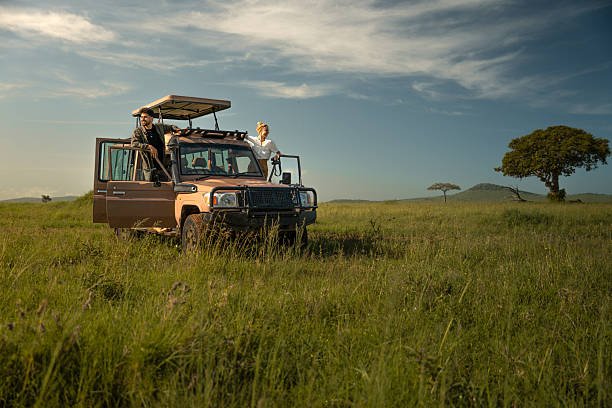
- Game Drives: These are typically conducted in custom-built 4×4 safari vehicles with pop-up roofs for excellent viewing and photography. Game drives are usually conducted in the early morning and late afternoon/early evening, the prime times for animal activity.
- Guides: Your safari guide is your key to spotting wildlife. They are highly trained, knowledgeable about animal behavior, and skilled at finding even the most elusive creatures. Trust their expertise.
- Pace: While this itinerary is designed for efficiency, safaris are not rushed. You’ll have opportunities to stop for extended periods to observe animals.
- Comfort: Accommodation ranges from basic to ultra-luxury. Most lodges and camps provide excellent service, delicious meals, and a comfortable base for your adventures.
- Connectivity: Wi-Fi can be spotty or unavailable in remote areas. Embrace the opportunity to disconnect and experience nature.
- Safety: Always follow your guide’s instructions. Stay inside the vehicle during game drives unless instructed otherwise. Do not approach wildlife too closely.
Comparing Options: Is this Itinerary Truly the Best?
When considering an itinerary focused on seeing the most animals in one week, the Northern Circuit, as outlined, is overwhelmingly the most logical and effective choice for Tanzania. However, it’s worth briefly touching upon why other regions, while beautiful, might not be as suitable for this specific goal within a tight timeframe.
Why Not Southern Tanzania (Selous/Ruaha)?
Southern Tanzania offers a wilder, more remote safari experience with incredible wildlife, particularly elephants and predators in Ruaha, and boat safaris in Selous (Nyerere National Park). However:
- Vast Distances: The parks are very spread out, and travel between them, or to/from the Northern Circuit, is time-consuming, often requiring multiple flights.
- Lower Densities (in general): While individual sightings can be spectacular, the overall density of plains game and the sheer diversity of species in a single location are generally lower than in the Serengeti or Ngorongoro.
- Logistics: For a one-week trip, trying to combine Southern and Northern circuits is impractical and reduces game viewing time.
Therefore, for a one-week sprint to see maximum animals, Southern Tanzania is usually not the best fit.
Why Not Zanzibar or Coastal Areas?
Zanzibar and other coastal areas are fantastic for beach holidays, cultural experiences, and water activities. However, they offer very little in terms of large mammal wildlife viewing, certainly not comparable to the mainland parks.
The Trade-offs of the Northern Circuit Itinerary
While the Northern Circuit itinerary is superior for maximizing animal sightings in a week, it does have trade-offs:
- Cost: It is generally the most expensive safari circuit in Tanzania due to park fees, lodge prices, and logistics.
- Crowds: During peak season, some areas, like the Ngorongoro Crater floor and central Serengeti, can feel busy with safari vehicles.
- Less “Off-the-Beaten-Path”: Compared to the Southern Circuit, it is more developed and therefore may feel less wild to some travelers.
However, for the specific goal of seeing the most animals in just seven days, these trade-offs are usually considered acceptable by travelers prioritizing wildlife encounters above all else.
Planning Your 2026-2027 Safari: Booking and Logistics
Successful planning for a 2026 or 2027 safari is key to realizing your dream of seeing abundant wildlife. Here’s what you need to consider:
When to Book
For 2026: If you plan to travel during peak season (June-October) or a specific migration event (e.g., river crossings in July/August), booking 9-12 months in advance is highly recommended. For more flexibility or travel during the shoulder/low season, 4-6 months might suffice, but booking earlier is always safer.
For 2027: The same advice applies. The earlier you book, the better your chances of securing preferred lodges, camps, and safari vehicles, especially for popular dates and the Northern Serengeti or Ndutu areas during migration seasons.
What’s Typically Included
A comprehensive safari package usually includes:
- Park entrance fees
- Accommodation
- All meals (breakfast, lunch, dinner)
- Game drives in a 4×4 safari vehicle
- Services of a professional English-speaking driver-guide
- Bottled water during game drives
- Airport transfers
- Internal flights (e.g., Seronera to Arusha)
What’s typically NOT included:
- International flights
- Visa fees
- Travel insurance
- Gratuities for guides and lodge staff
- Drinks (alcoholic and some non-alcoholic) at lodges/camps
- Optional activities (e.g., hot air balloon safari)
- Personal expenses
Always clarify inclusions and exclusions with your tour operator before booking. For a smooth experience in 2026 or 2027, ensure all essential components are covered.
Choosing a Tour Operator
Working with a reputable tour operator is crucial for a well-organized and enjoyable safari. Look for companies with:
- Extensive experience in Tanzania
- Good reviews and a strong track record
- Knowledge of the Northern Circuit and wildlife behavior
- Flexibility to tailor itineraries
- Strong local support and operational capacity
Climb 4 Africa specializes in creating tailor-made Tanzanian travel experiences, including expertly crafted wildlife safaris. Our team understands the nuances of the Northern Circuit and can help you design the perfect one-week itinerary to maximize your animal sightings for 2026 or 2027. We provide practical local support, ensuring a smooth and memorable journey.
To discuss your ideal one-week “maximum animals” safari itinerary for 2026-2027, get in touch. We can help you select the best lodges, time your trip for specific wildlife events, and manage all the logistics to ensure you have an unforgettable adventure. Contact us via WhatsApp at +255 747 477 898 or email us at climb4africa@gmail.com to start planning.
Budget Considerations for 2026-2027
A one-week safari focused on the Northern Circuit is a significant investment. Prices can vary widely based on accommodation style, vehicle type (private vs. shared), and time of year. As a general guide for 2026-2027:
- Mid-Range: Expect prices to start from approximately $3,000 – $4,500 per person, offering comfortable mid-range lodges and tented camps.
- Luxury: High-end lodges and exclusive tented camps can range from $5,000 – $8,000+ per person.
These figures typically exclude international flights and personal expenses. It’s always best to request a personalized quote based on your specific dates and preferences. Early booking for 2026 and 2027 can sometimes help secure better rates, though peak season demand often dictates pricing.
Maximizing Wildlife Encounters Beyond the Itinerary
While the itinerary provides the framework, several factors can further enhance your animal sightings:
Early Morning and Late Afternoon Game Drives
These are the most productive times for wildlife viewing. Predators are most active during the cooler hours of dawn and dusk, often hunting. Herbivores are also more active, grazing and moving between water sources. Always opt for early morning starts and make the most of your late afternoon drives.
Your Guide’s Expertise
A good safari guide is invaluable. They have an intimate knowledge of the parks, animal behaviors, and typical locations. Don’t hesitate to communicate your interests to your guide; if you’re particularly keen on seeing a certain animal, they will do their best to find it for you. They can also track recent sightings reported by other guides.
Patience and Observation
Safari is not a race. Sometimes the best sightings come from sitting quietly and observing. Your guide might stop the vehicle, and you’ll need to be patient. Look for subtle signs: a rustle in the grass, a bird call, the distant shape of an animal. Binoculars are your best friend here.
Choosing the Right Vehicle
A pop-up roof 4×4 safari vehicle is standard and ideal for game viewing. Ensure there are no obstructions to your view and that the vehicle is well-maintained. For private safaris, you have more control over your schedule and can spend more time at sightings you find particularly interesting.
Respecting Wildlife and the Environment
Ethical wildlife viewing is paramount. Maintain a safe distance from animals, never feed them, and avoid making loud noises that could disturb them. This ensures the animals’ well-being and contributes to a more authentic experience for everyone.
By carefully planning your one-week itinerary, choosing the right accommodation and timing, and working with experienced operators like Climb 4 Africa, you can maximize your chances of seeing an incredible array of animals in Tanzania during 2026 or 2027. Contact us to craft your personalized safari adventure.
“,
“faq_schema”: [
{
“question”: “What is the best one-week itinerary for seeing the most animals in Tanzania?”,
“answer”: “The best one-week itinerary for seeing the most animals in Tanzania focuses on the Northern Circuit, specifically combining the Serengeti National Park and the Ngorongoro Conservation Area. A typical route includes Tarangire National Park, Ngorongoro Crater, and 3-4 days in the Serengeti, prioritizing game-rich areas and efficient travel to maximize wildlife encounters.”
},
{
“question”: “When is the best time of year to see animals in Tanzania?”,
“answer”: “The dry season (June to October) is generally considered the best time for wildlife viewing across the Northern Circuit due to concentrated animals around water sources and less dense vegetation. However, the wet season (December to March) offers spectacular calving seasons in the southern Serengeti, with high predator activity, and the wet season also brings lush scenery and vibrant birdlife.”
},
{
“question”: “How far in advance should I book a safari for 2026 or 2027?”,
“answer”: “For peak season travel in 2026 or 2027, especially to see the Great Migration, it’s advisable to book 9-12 months in advance. For travel during shoulder or low seasons, 4-6 months may suffice, but earlier booking always secures better lodge and vehicle availability.”
},
{
“question”: “What are the main costs involved in a one-week Tanzania safari?”,
“answer”: “A one-week Northern Circuit safari typically includes park fees, accommodation, meals, game drives, and internal flights. Costs for a mid-range safari can range from $3,000-$4,500 per person, while luxury options can cost $5,000-$8,000+ per person. International flights, visas, gratuities, and personal expenses are usually additional.”
},
{
“question”: “Can I see the Big Five on a one-week itinerary?”,
“answer”: “Yes, a well-planned one-week itinerary focusing on the Northern Circuit, particularly the Ngorongoro Crater and Serengeti National Park, offers excellent chances of seeing all the Big Five (lion, leopard, elephant, rhino, buffalo). The Ngorongoro Crater is especially renowned for its high density of Big Five sightings.”
}
]
}
“`
Check Availability for We Want To See As Many Animals As Possible In One Week, What Itinerary Is
Ready to compare dates, prices, and the best option for your group? Send the package name and travel month so the team can reply with a clear quote, availability, and what is included.

One Week Northern Tanzania Safari Route: The Best Itinerary For 2026-2027
Discover the ultimate 1-week northern Tanzania safari route, designed to maximize wildlife viewing and park experiences. This guide covers the best itinerary for 2026-2027, offering…
No related package matches those filters. Clear one or more filters to see the other topic-matched options.