Absolutely, travelling alone to Kilimanjaro is very common, and joining an existing group climb is the most practical and popular way for solo trekkers to ascend the mountain. Tour operators like Climb 4 Africa regularly form or join groups to fill departure dates, making it easy to find companions for your 2026-2027 expedition without needing to assemble your own team.
Understanding Solo Travel on Kilimanjaro and Group Dynamics
Mount Kilimanjaro is a magnet for adventurers from all walks of life, and many of them, like you, are travelling solo. This isn’t a niche occurrence; it’s the norm. The mountain’s allure transcends geographical boundaries and social circles, drawing individuals seeking a significant personal challenge, a connection with nature, or a unique travel experience. For solo travellers, the primary concern often revolves around companionship, safety, and cost-effectiveness. Joining a group climb directly addresses all these points, offering a ready-made community, shared safety protocols, and a more economical price point than a private climb.
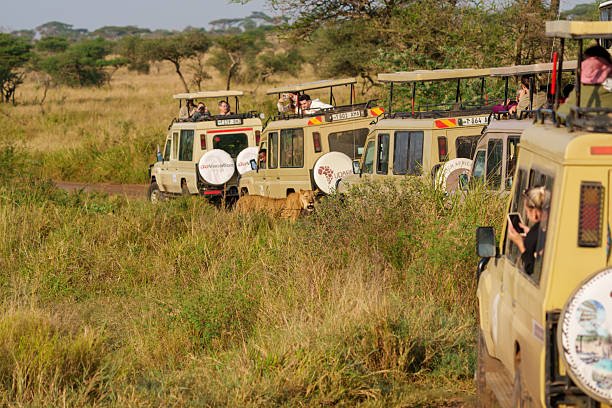
The concept of a ‘group climb’ on Kilimanjaro, especially when you’re travelling alone, means you’ll be part of a larger expedition that might include other solo travellers, couples, or small groups who have booked independently. You’re not expected to know anyone beforehand. The shared experience of the trek – the challenges, the camaraderie, the stunning views – quickly forges bonds among participants. This is the essence of the group climb for a solo traveller: a shared journey with fellow adventurers, facilitated by an experienced tour operator.
Why Join a Group Climb When Travelling Solo?
Opting for a group climb when you’re a solo traveller to Kilimanjaro presents several compelling advantages. It’s not just about saving money, although that’s a significant factor. It’s about enhancing the overall experience and mitigating potential concerns.
1. Cost-Effectiveness
This is often the most immediate benefit. Private climbs, while offering exclusivity, come at a premium. This is largely due to the fixed costs associated with operating a climb: park fees, guide salaries, porter wages, and crew meals are calculated per group, regardless of its size. When you book a private climb for one person, you essentially absorb all these per-person costs. By joining a group, these costs are distributed among multiple trekkers, significantly reducing the per-person price. For solo travellers, this makes Kilimanjaro significantly more accessible financially. When planning for 2026-2027, looking at group departure dates will immediately show a more budget-friendly option.
2. Built-in Companionship and Social Interaction
For many solo travellers, the social aspect is paramount. The shared endeavour of climbing Kilimanjaro fosters a unique sense of camaraderie. You’ll be sharing meals in the mess tent, resting at campsites, and tackling challenging ascents alongside people who are equally motivated and engaged. This provides ample opportunity for conversation, shared stories, and mutual encouragement. The bonds formed on the mountain can be surprisingly strong, turning a solo journey into a shared memory. It alleviates any potential feelings of isolation and transforms the experience into a communal achievement.
3. Enhanced Safety and Support
Climbing Kilimanjaro is a serious undertaking, and safety is non-negotiable. Group climbs are managed by experienced guides and support crews who are trained in high-altitude trekking, first aid, and emergency procedures. With a larger group, there’s a greater likelihood of having more guides and porters, ensuring that each climber receives adequate attention. The presence of multiple individuals means that help is always close by, whether it’s a friendly hand on a steep section or immediate assistance in case of a medical issue. Operators like Climb 4 Africa prioritize safety, equipping their teams with comprehensive medical kits, oxygen cylinders, and communication devices. For a solo traveller, this robust safety net provides immense peace of mind.
4. Established Logistics and Expertise
When you join a group climb, you’re stepping into a well-oiled machine. The tour operator has already handled all the complex logistics: securing permits, arranging transport, coordinating with park authorities, and ensuring the crew is properly equipped and briefed. This means you can focus entirely on your preparation and the climb itself, without worrying about the behind-the-scenes operations. This level of professional management is crucial for a smooth and successful expedition, especially for those new to high-altitude trekking.
Finding and Choosing a Group Climb
The key to a successful solo Kilimanjaro trip via a group climb lies in finding the right operator and the right departure date. This involves a bit of research and understanding what to look for.
Identifying Tour Operators Offering Group Departures
Reputable Kilimanjaro tour operators, such as Climb 4 Africa, regularly schedule group departures throughout the year. These are not fixed, rigid dates for everyone; rather, they are pre-set dates where they guarantee a climb will run, provided a minimum number of participants have booked. This model is designed to attract solo travellers and small groups looking to join. You can typically find these dates listed on the operator’s website, often in a dedicated section for group climbs or departure dates. For 2026 and 2027, you’ll want to look for these schedules to plan your booking window effectively.
When browsing, pay attention to:
- Departure Calendars: Look for a clear schedule of upcoming group departures.
- Route Availability: Different routes have different popularity and availability. Some operators might have more group departures on popular routes like Machame or Lemosho.
- Operator Reputation: Research reviews and testimonials. Look for operators with strong safety records and positive feedback regarding their crew and organization.
Key Factors in Selecting an Operator for Your Solo Climb
Choosing the right operator is crucial, especially when you’re a solo traveller relying on their expertise and support. Here are the critical elements to consider:
- Safety Standards: This is paramount. Inquire about their guide-to-client ratios, guide training (Wilderness First Responder or similar certifications), availability of emergency oxygen, and evacuation procedures. A responsible operator will be transparent about these measures.
- Crew Welfare: The well-being of your guides and porters directly impacts your climb. Ethical operators ensure fair wages, adequate food, proper gear, and reasonable working hours for their entire team. This often translates to a more motivated and efficient crew.
- Inclusions and Exclusions: Carefully review what is included in the price. Standard inclusions typically cover park fees, crew salaries, meals on the mountain, camping equipment, and basic first aid. Exclusions might be sleeping bags, personal gear, tips, and travel insurance. Ensure there are no hidden costs that could surprise you later.
- Route Options: While you might be joining a group, you’ll still need to choose a route. Different routes offer varying levels of scenery, difficulty, acclimatization profiles, and camping locations. Consider what you want from the experience.
- Group Size: While you’re joining a group, understanding the typical group size can be helpful. Some operators aim for smaller groups (e.g., 6-12 people), while others might have larger ones. Smaller groups can sometimes feel more intimate, while larger ones might offer more dynamic interaction.
- Booking Flexibility: For solo travellers, understanding cancellation and rebooking policies is important.
Booking Your Spot on a Group Departure
Once you’ve identified an operator and a suitable departure date for 2026 or 2027, the booking process is usually straightforward. You’ll typically:
- Contact the Operator: Reach out to express your interest in a specific group departure date. They can confirm availability and answer any remaining questions.
- Complete Booking Forms: You’ll likely fill out a booking form with your personal details and passport information.
- Pay a Deposit: A deposit is usually required to secure your spot. The balance is typically due a few weeks or months before the climb.
- Receive Pre-Trek Information: A good operator will provide detailed information on what to pack, training recommendations, visa requirements, and pre-departure briefings.
For instance, if you’re looking at a Machame Route group departure in July 2027, contacting Climb 4 Africa via email at climb4africa@gmail.com or WhatsApp at +255 747 477 898 would be the first step to confirm availability and understand their specific booking process for that date.
Kilimanjaro Routes and Their Suitability for Group Climbs
Kilimanjaro can be climbed via several distinct routes, each with its own character, length, and acclimatization profile. When joining a group, the route is often a key factor in the departure date. Some routes are more popular and thus have more frequent group departures.
Popular Routes with Group Departures
- Machame Route: Often called the “Whiskey Route,” it’s the most popular for its scenic beauty and good acclimatization profile. It’s also very common for operators to schedule group departures on this route. Typically 6-7 days.
- Lemosho Route: Known for its stunning scenery and excellent acclimatization, it’s a longer option (7-8 days) and also frequently features group departures.
- Marangu Route: The “Coca-Cola Route” is the oldest and most direct. It’s unique for its hut accommodation. While it has a lower success rate due to its rapid ascent, it does have group departures, often catering to budget-conscious travellers or those seeking hut stays. Typically 5-6 days.
Route Considerations for Solo Trekkers Joining a Group
As a solo traveller, you’ll want to consider which route best suits your fitness, desire for scenery, and acclimatization needs, even within a group context. Your chosen operator will likely have group dates for multiple routes, allowing you some choice. For example, if you prefer a more gradual ascent and are considering 2026 or 2027 for your climb, routes like Lemosho or Machame are generally favoured for their acclimatization profiles, which can be beneficial for any climber, especially those who might be more prone to altitude sickness.
Climb 4 Africa, for instance, often has Machame Route group departures scheduled, making it a strong contender for solo travellers looking to join a team.
What to Expect on a Group Climb as a Solo Traveller
Joining a group climb as a solo individual is a well-trodden path. Here’s a breakdown of what the experience typically entails:
The Expedition Team
You will be part of a larger team that includes not just fellow trekkers but also your mountain crew. This crew is essential and typically comprises:
- Lead Guide(s): Experienced mountaineers responsible for the overall safety and success of the climb. They make critical decisions regarding pace, acclimatization, and any necessary interventions.
- Assistant Guide(s): Support the lead guide, often focusing on specific sections of the group or assisting climbers individually.
- Porters: Carry all the equipment, food, and supplies up the mountain. They set up camp and ensure you have everything you need.
- Cook: Prepares nutritious meals at each campsite.
As a solo traveller, you will interact with all members of this team. The guides will be your primary point of contact for any questions or concerns related to the climb itself. The camaraderie extends to the crew; tipping them appropriately at the end of the trek is a significant part of the culture and a way to show appreciation for their hard work.
Daily Trekking Routine
A typical day on Kilimanjaro involves:
- Morning: Wake up call, usually with a hot drink and breakfast.
- Trekking: Setting off for the day’s trek, typically at a slow, steady pace (“pole pole” – slowly, slowly). Guides will manage the group’s pace.
- Lunch: A packed lunch or a hot meal prepared by the cook at a designated spot.
- Afternoon: Continue trekking to the next campsite.
- Evening: Arrive at camp, receive hot water for washing, relax, and enjoy dinner. Guides will brief you on the next day’s plan.
During the trek, you’ll naturally fall into conversations with other group members. Shared snacks, rest breaks, and the sheer common goal create easy conversation starters. You might find yourself walking with different people each day, experiencing various perspectives.
Accommodation and Facilities
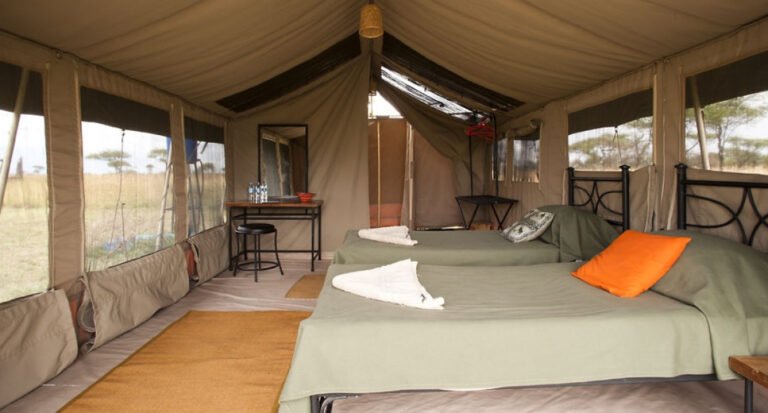
Most routes (except Marangu) utilize tent camping. Each climber typically gets their own tent or shares with one other person if they choose. Operators like Climb 4 Africa provide quality camping gear, including spacious tents and sleeping mats. A separate mess tent is usually set up for dining, offering a comfortable space to eat and socialize away from the elements. Toilet facilities are basic, usually portable chemical toilets set up at each campsite.
Preparation for Your Solo Kilimanjaro Group Climb
While joining a group simplifies many aspects of planning, thorough preparation remains essential for a solo trekker. This ensures you are physically and mentally ready, and that you have all the necessary gear and documentation.
Physical Training
Kilimanjaro is a challenging trek that requires good cardiovascular fitness and leg strength. Focus your training on:
- Cardiovascular Endurance: Regular aerobic exercise like running, cycling, swimming, or brisk walking for at least 3-4 times a week for several months leading up to your climb.
- Hiking with a Pack: Gradually increase the duration and intensity of your hikes, carrying a weighted backpack (5-10kg) to simulate mountain conditions.
- Strength Training: Focus on leg exercises like squats, lunges, and step-ups, as well as core strengthening.
- Stair Climbing: This is an excellent way to mimic the uphill nature of the trek.
The more prepared you are physically, the more you will enjoy the climb and the better your acclimatization will be. For a 2026-2027 climb, starting your training at least 3-6 months in advance is highly recommended.
Gear and Equipment
Having the right gear is critical for comfort and safety. While operators provide tents and sleeping mats, you’ll need to source many personal items. Key items include:
- Layered Clothing: Essential for adapting to changing temperatures. This includes base layers (thermals), mid-layers (fleece), and an outer shell (waterproof and windproof jacket and trousers).
- Footwear: Broken-in hiking boots are a must. Also, pack comfortable camp shoes and warm socks.
- Headwear: A warm hat, sun hat, and balaclava or neck gaiter for warmth and sun protection.
- Gloves: Waterproof outer gloves and liner gloves.
- Sleeping Bag: A 4-season sleeping bag rated to at least -15°C (0°F) is recommended.
- Trekking Poles: Highly recommended for reducing strain on your knees.
- Headlamp: Essential for navigating in the dark, especially for summit night.
- Sun Protection: High SPF sunscreen, sunglasses, and lip balm.
Many operators, including Climb 4 Africa, provide detailed packing lists. It’s also possible to rent some gear in Moshi or Arusha if you prefer not to purchase everything.
Documentation and Health
- Passport: Ensure it’s valid for at least six months beyond your intended stay and has sufficient blank pages.
- Visa: Check the visa requirements for Tanzania for your nationality. Many can obtain a visa on arrival or apply online in advance.
- Yellow Fever Certificate: May be required depending on your travel itinerary and country of origin.
- Travel Insurance: Absolutely essential. It must cover high-altitude trekking and emergency medical evacuation.
- Vaccinations and Medications: Consult your doctor or a travel clinic about recommended vaccinations and malaria prophylaxis. Discuss altitude sickness prevention and treatment options.
Safety and Altitude Sickness on Group Climbs
Safety is the number one priority on Kilimanjaro, and this is amplified for solo travellers joining a group. Altitude sickness (Acute Mountain Sickness – AMS) is the most common and significant risk.
Understanding and Managing Altitude Sickness
AMS symptoms can range from mild (headache, nausea, dizziness) to severe (pulmonary or cerebral edema). The key to prevention and management is:
- Slow Ascent: Choose a route with a good acclimatization profile (e.g., 7 or 8 days).
- Hydration: Drink plenty of water (3-4 litres per day).
- Pacing: “Pole pole” is not just a saying; it’s a critical strategy.
- Avoid Alcohol and Smoking: These can exacerbate AMS symptoms.
- Listen to Your Body: Report any symptoms to your guide immediately.
- Medication: Diamox (acetazolamide) can be prescribed by your doctor to help with acclimatization.
Your guides are trained to monitor climbers for signs of AMS. If symptoms worsen, the only effective treatment is descent. Group climbs often have multiple guides, allowing for closer monitoring of each individual, which is a significant benefit for solo travellers.
Role of Guides and Support Crew in Safety
The mountain guides are your first line of defence. They are trained to recognize AMS, assess its severity, and make crucial decisions about descent. They carry medical kits, including oxygen, and know emergency protocols. The porters also play a role; they are experienced with the mountain and can assist climbers. For solo travellers, the assurance that a professional team is watching over you, even when you don’t know the other trekkers well, is invaluable.
Emergency Procedures
Reputable operators have clear emergency procedures. This typically involves:
- Communication: Guides usually carry satellite phones or radios for emergencies.
- Oxygen: Supplemental oxygen is carried for emergency use.
- Evacuation: Procedures for evacuating a climber via stretcher or, in severe cases, helicopter (though this is rare and costly, hence the importance of insurance).
Knowing that these systems are in place provides a sense of security when you’re far from immediate medical facilities.
Making the Most of Your Solo Experience in a Group
While you’re joining a group, it’s still your personal journey. Here’s how to ensure it’s a rewarding solo experience:
Embrace the Camaraderie
Be open to meeting new people. Share your experiences, listen to others, and offer support. The shared challenge of Kilimanjaro is a fantastic icebreaker and creates a unique bonding environment. Don’t be afraid to strike up conversations during breaks or at the campsite.
Stay Present and Enjoy the Journey
It’s easy to get caught up in the physical exertion or the desire to reach the summit. Take moments to appreciate the incredible scenery, the unique flora and fauna, and the feeling of accomplishment with each step. Kilimanjaro is as much about the journey as it is about the summit.
Communicate with Your Guides
Your guides are there to help you succeed. Don’t hesitate to ask questions about the mountain, the culture, or anything related to your well-being. They are a wealth of knowledge and can significantly enhance your experience.
Planning Your 2026-2027 Kilimanjaro Group Climb
Booking your Kilimanjaro adventure for 2026 or 2027 requires some foresight. Peak seasons for climbing Kilimanjaro are typically the dry months: January-March and June-October. These periods see the most stable weather and clearer skies, making them ideal for climbing. Consequently, group departures are most frequent during these times.
Choosing Your Travel Year and Season
- 2026: If you’re looking to climb in 2026, consider booking by late 2025 or early 2026 to secure your preferred dates, especially for peak season group departures.
- 2027: Similarly, for 2027, early booking is advisable. The earlier you book, the wider your choice of dates and routes.
- Shoulder Seasons: If you prefer fewer crowds and potentially lower prices, consider the shoulder seasons (e.g., late March-May, or November). Weather can be less predictable, but group departures still occur.
Comparing Operators and Routes for 2026-2027
When comparing operators for your 2026-2027 trip, remember to look beyond just the price. A slightly higher cost often reflects better safety standards, higher guide qualifications, better crew welfare, and more comprehensive inclusions. For solo travellers, investing in a reputable operator like Climb 4 Africa, who prioritizes safety and a positive client experience, is a wise decision.
Consider using resources like TripAdvisor reviews and operator websites to compare offerings. For example, if you’re drawn to the Machame Route, check for specific Kilimanjaro Machame Route group departures for your chosen year.
Final Steps: Booking Your Solo Kilimanjaro Expedition
You’ve done your research, understood the benefits of group climbs, and are ready to book your solo adventure to Kilimanjaro for 2026 or 2027. The next step is to reach out to a trusted operator.
Contacting Climb 4 Africa is a recommended approach for solo travellers. They specialize in Kilimanjaro climbs and can guide you through selecting the best group departure for your needs. When you reach out, be prepared to share:
- Your preferred travel dates or season (e.g., “mid-July 2027”).
- Your preferred route, if you have one, or ask for recommendations based on your fitness and interests.
- Any specific concerns or questions you have as a solo traveller.
You can connect with them via WhatsApp at +255 747 477 898 or email them at climb4africa@gmail.com. They can provide you with their current group departure schedules for 2026 and 2027, explain their inclusions, and discuss safety protocols. This direct communication ensures you’re well-informed and confident in your booking decision, setting you up for a memorable solo Kilimanjaro climb.
Check Availability for Travelling Alone To Kilimanjaro: Joining Group Climbs In 2026-2027
Ready to compare dates, prices, and the best option for your group? Send the package name and travel month so the team can reply with a clear quote, availability, and what is included.
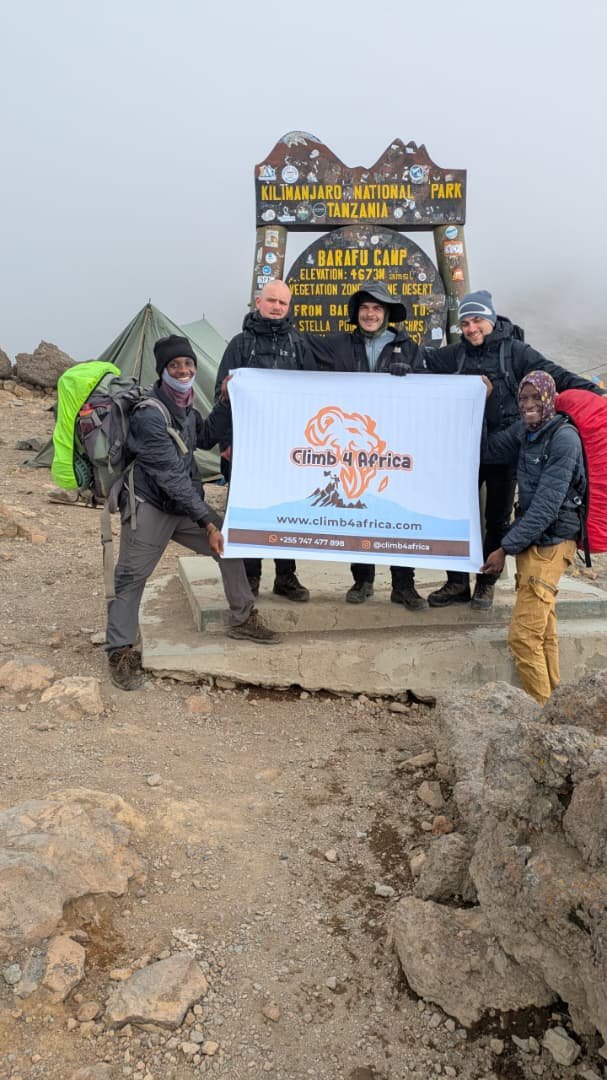
Kilimanjaro Climb : Guided Group Tours & Planning Guide 2026-2027
A deep look at planning your 2027 Kilimanjaro expedition. Learn why guided group tours are the preferred choice for safety, logistics, and shared camaraderie on the roof of Africa.
View package details
Afcon Kilimanjaro Ngorongoro And Zanzibar Holiday
AFCON 2027 Kilimanjaro Ngorongoro and Zanzibar Holiday.
View package details
Afcon Mount Kilimanjaro And Serengeti Package
AFCON 2027 Mount Kilimanjaro and Serengeti Package.
View package details
Kilimanjaro Safari And Afcon Final Package
Kilimanjaro Safari and AFCON Final Package.
View package details
Kilimanjaro To Kampala Afcon Travel Package
Kilimanjaro to Kampala AFCON Travel Package.
View package detailsKilimanjaro to Nairobi AFCON Travel Package
Mpango wa safari wa Kilimanjaro hadi Nairobi kwa AFCON unaowezesha kushuhudia milima na miji miwili mikubwa ya Afrika pamoja na mechi za AFCON kwa njia salama na ya kipekee.
View package detailsKilimanjaro to Dar es Salaam AFCON Travel Package
Mpango wa kipekee wa Kilimanjaro hadi Dar es Salaam kwa AFCON 2027 unachanganya milima, bahari na mandhari za Tanzania, huku ukitoa ufafanuzi wa njia, upangaji na chaguo za utekelezaji.
View package details
Kilimanjaroo Airport to AFCON Host City Transfer
Katika ukurasa huu wa kina, tunakuletea mwongozo wa kina juu ya jinsi ya kuhamisha kutoka Uwanja wa Kilimanjaro kwenda mjini litakalohudhuria AFCON 2027, pamoja na mapendekezo ya usafiri...
View package details
Kilimanjaroo Climb After AFCON 2027
Mwongozo wa kina wa kupanda Kilimanjaro baada ya AFCON 2027: njia zinazofaa, ratiba inayoakisi acclimatization, na vidokezo vya kupanga pamoja na namna ya kuwasiliana na Climb 4 Africa kwa...
View package details

No related package matches those filters. Clear one or more filters to see the other topic-matched options.