
The Tanzania safari offering the best value for money in 2026-2027 typically involves strategically choosing a 5-day Northern Circuit safari, focusing on the Serengeti and Ngorongoro Crater, often utilizing mid-range lodges or tented camps, and potentially joining a small group tour. This combination maximizes wildlife viewing opportunities in iconic locations while managing accommodation and transport costs effectively. For those prioritizing vast wilderness and fewer crowds, a 4-day Southern Circuit safari exploring Ruaha National Park can also present excellent value, especially outside peak seasons, offering a more exclusive experience at a potentially lower overall cost per day than the more popular Northern Circuit.
Planning a Tanzanian safari is an exciting prospect, and the question of “Which Tanzania safari gives the best value for money?” is one we hear frequently. It’s not just about finding the cheapest option; it’s about securing the most impactful wildlife encounters, comfortable accommodations, and reliable transport for your investment. In 2026 and 2027, with evolving travel trends and pricing, understanding these value propositions is more critical than ever.
Value on a safari isn’t a single price point; it’s a complex equation involving duration, destinations visited, accommodation style, group size, and what’s included in your package. A “best value” safari for one traveler might be different for another, depending on their priorities – whether it’s seeing the Big Five, experiencing the Great Migration, or enjoying a more intimate wildlife viewing experience.
Understanding Value in Tanzania Safaris
Before diving into specific itineraries, let’s clarify what “value for money” truly means in the context of a Tanzanian safari. It’s about the ratio of experience to cost. A more expensive safari isn’t necessarily better value if it doesn’t deliver the sights and comforts you expect. Conversely, a cheaper option might be poor value if it leads to disappointment due to limited game drives, subpar lodges, or unreliable logistics.
Key factors influencing safari value include:
- Destinations: Iconic parks like the Serengeti and Ngorongoro Crater offer unparalleled wildlife density but come with higher park fees and are more developed, often increasing costs. Less-visited parks might offer a more exclusive feel at a lower per-day cost but may require longer travel times.
- Duration: Longer safaris generally offer better value per day as the fixed costs of transport and guide hire are spread over more days. However, a shorter, well-planned trip to a high-impact area can also be excellent value.
- Accommodation: Options range from basic tented camps and mid-range lodges to luxury tented suites and lodges. Mid-range options often strike a good balance between comfort and cost, offering a genuine safari feel without the premium price tag of high-end luxury.
- Group Size: Shared safaris are almost always more budget-friendly than private ones. Joining a small group departure can significantly reduce the per-person cost while still offering flexibility and a personal experience.
- Inclusions: What’s covered in your safari package is crucial. High-value packages typically include park fees, accommodation, meals, a knowledgeable guide, and a 4×4 safari vehicle. Exclusions like drinks, tips, and personal insurance can add up.
- Timing: Traveling during the shoulder seasons (e.g., March-May, November) can offer lower prices and fewer crowds, enhancing the overall value. Peak seasons (June-October, December-February) offer the best weather and migration viewing but come at a premium.
For 2026-2027, being mindful of these elements will be paramount in securing the best value. Prices for park fees and services can fluctuate, making early planning and understanding current market conditions essential.
The Northern Circuit: Iconic Parks, Iconic Value
Tanzania’s Northern Circuit is the most famous safari region, encompassing parks like Tarangire, Lake Manyara, Ngorongoro Crater, and the vast Serengeti National Park. It’s renowned for its incredible wildlife density and the annual Great Migration. While often perceived as more expensive, it can offer exceptional value due to the sheer volume and diversity of wildlife you’re almost guaranteed to see.
The 5-Day Northern Circuit: A Sweet Spot for Value
A 5-day Northern Circuit safari is frequently cited as offering the best balance of iconic sights and cost-effectiveness. This duration allows you to experience at least two, and often three, of the major parks.
A typical itinerary might look like this:
- Day 1: Arusha to Tarangire National Park. Known for its large elephant herds and baobab trees. Game drive en route to accommodation.
- Day 2: Tarangire to Serengeti National Park. A full day’s drive into the Serengeti, with game drives upon entering.
- Day 3: Serengeti National Park. Full day exploring the Serengeti, focusing on areas known for predator sightings or migration patterns depending on the season.
- Day 4: Serengeti to Ngorongoro Conservation Area. Morning game drive in the Serengeti, then drive towards the Ngorongoro Crater rim, possibly visiting a Maasai village en route.
- Day 5: Ngorongoro Crater Tour and Departure. Descend into the crater for a half-day game drive, then drive back to Arusha for departure.
Why this offers great value:
- Concentrated Wildlife: You hit the absolute highlights – Tarangire for elephants, Serengeti for vast plains and predators, and Ngorongoro for its unique ecosystem and dense animal population (including the Big Five).
- Efficient Itinerary: The route is geographically logical, minimizing travel time between parks, which translates to more time for game viewing and reduced fuel costs for the operator.
- Accommodation Variety: This itinerary can accommodate various budgets, from comfortable mid-range lodges and tented camps to more basic options. For 2026-2027, booking mid-range tented camps in the Serengeti can provide an authentic experience with excellent proximity to wildlife, offering superior value compared to more distant lodges.
- Park Fees: While high, the park fees for these premier parks are essential for conservation and are factored into the overall cost. The density of wildlife means you’re likely to see a lot for the fees paid.
Trade-offs:
- Crowds: The Northern Circuit, especially Ngorongoro and popular Serengeti areas, can be busy, particularly during peak season.
- Travel Time: While efficient, there are still significant driving distances involved, especially to and from Arusha.
For travelers looking to experience Tanzania’s most famous wildlife spectacles in 2026 or 2027, this 5-day package is a strong contender for best value. Choosing a reputable operator that focuses on well-maintained vehicles and experienced guides is key to maximizing this value.
The Role of Accommodation in Value
When considering the 5-day Northern Circuit, accommodation is a major cost driver. For the best value, consider:
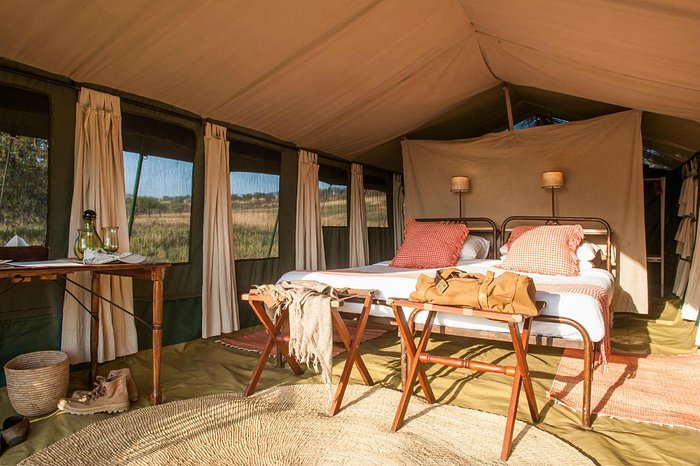
- Mid-Range Lodges/Tented Camps: These offer comfortable rooms, private bathrooms, often dining halls, and sometimes pools. They provide a good balance of comfort and authentic safari atmosphere. Look for camps located strategically within the parks to minimize travel to game drive starting points.
- Public Campsites (for budget travelers): While basic, these offer the most budget-friendly option for accommodation. You’ll sleep in tents, with shared bathroom facilities. This significantly cuts costs but sacrifices comfort. It’s a viable option for younger travelers or those on a strict budget in 2026-2027.
- Avoiding Luxury Lodges: While offering exquisite service and amenities, these will dramatically increase the overall cost, pushing the safari out of the “best value” category for most travelers.
Booking Tip for 2026-2027: Secure your preferred mid-range accommodation well in advance, especially if traveling during the shoulder seasons when availability might be tighter than usual due to increased demand for cost-effective options.
Group Safaris vs. Private Safaris for Value
The single biggest factor in reducing safari cost is opting for a group safari. Operators like Climb 4 Africa offer scheduled group departures for the Northern Circuit. These are typically for 6-7 people sharing a specially adapted 4×4 safari vehicle with a pop-up roof, driven by a professional guide.
- Cost Savings: The cost of the vehicle, guide, fuel, and park fees is divided among the group members, making it significantly cheaper per person than a private safari.
- Social Experience: Group safaris offer a chance to meet like-minded travelers from around the world.
- Still Personalized: While sharing, the vehicle’s pop-up roof allows everyone good viewing, and the guide will still focus on finding the best wildlife for the group. Many operators allow for some flexibility in game drive timing.
When a Private Safari Might Still Offer Value:
- Specific Interests: If you have niche interests (e.g., specific bird species, photography) or a very particular pace, a private safari offers unparalleled flexibility.
- Family/Friends Group: If you’re a group of 4-6 people, a “private” safari might cost similar to or only slightly more than joining separate group tours, but with the benefit of complete control over your itinerary and companions.
For the absolute best value for money in 2026-2027, joining a scheduled group departure on the Northern Circuit is hard to beat.
Note on Great Migration Value
If your primary goal is to witness the Great Migration, the value proposition changes slightly. The best value for seeing the migration depends on the time of year. For example, in the 2026-2027 dry season (July-October), the herds are typically in the northern Serengeti, near the Mara River. Safaris focused on this area will offer high value for migration viewing, but accommodation and park fees in these prime migration zones can be at their peak. Conversely, if you’re visiting during the calving season (January-March) in the southern Serengeti, you’ll find better value with potentially fewer crowds and the chance to see predators with young.
The Southern Circuit: Value Beyond the Crowds
While the Northern Circuit gets most of the attention, Tanzania’s Southern Circuit offers a wilder, often more affordable, and increasingly popular alternative for those seeking exceptional value and a less crowded experience. The main parks here include Selous Game Reserve (now Nyerere National Park) and Ruaha National Park.
Ruaha National Park: The Undiscovered Gem for Value
Ruaha National Park is Tanzania’s largest national park and is renowned for its rugged, remote wilderness and large populations of elephants and predators, including one of the highest concentrations of wild dogs in East Africa. It offers a truly wild and authentic safari experience.
Why Ruaha offers great value:
- Lower Park Fees: Park fees in Ruaha are generally lower than in the Northern Circuit parks.
- Fewer Tourists: This means more exclusive game viewing and a greater sense of being in pristine wilderness. The lower tourist numbers reduce the pressure on wildlife viewing spots and the overall feel of the park.
- Exceptional Wildlife: Ruaha boasts a remarkable density of wildlife, particularly predators. The lack of crowds means you often have sightings all to yourself.
- Potential for Lower Accommodation Costs: While luxury camps exist, there are also more affordable, rustic-chic tented camps that offer excellent value.
A 4-Day Ruaha Safari: Maximizing Value
A 4-day Ruaha National Park safari is often the sweet spot for experiencing this magnificent park. This duration allows for sufficient game drives to appreciate the park’s scale and wildlife.
A typical itinerary might be:
- Day 1: Fly to Ruaha & Afternoon Game Drive. Fly from Dar es Salaam or Arusha to an airstrip in Ruaha. Transfer to your camp and start an afternoon game drive.
- Day 2: Full Day Game Drive in Ruaha. Explore the vast landscapes, focusing on riverbeds, plains, and hills known for wildlife.
- Day 3: Full Day Game Drive in Ruaha. Continue exploring different sectors of the park, perhaps including a walking safari (if offered and suitable).
- Day 4: Morning Game Drive & Departure. Enjoy a final morning game drive before flying back to Dar es Salaam or Arusha.
Why this is excellent value for 2026-2027:
- Flight-Inclusive Value: While flights add to the cost, they significantly reduce travel time and ground transport expenses compared to driving to Ruaha. This makes a 4-day trip highly efficient.
- Exclusive Experience: For the price, you get an experience far removed from the crowds of the North, offering a more intimate connection with nature.
- Accommodation Options: Mid-range tented camps in Ruaha provide an authentic and comfortable safari base, often at a lower price point than comparable camps in the Serengeti.
Trade-offs:
- Accessibility: Ruaha is primarily accessed by light aircraft, which adds to the cost compared to driving into parks like Tarangire or Lake Manyara.
- Less Variety in Landscape: While stunning, Ruaha’s landscape is more uniform than the diverse scenery found across the Northern Circuit.
- No Great Migration: Ruaha does not host the Great Migration, which is a primary draw for many visitors to Tanzania.
For travelers prioritizing an authentic, wild safari experience with abundant wildlife and fewer people, a 4-day Ruaha safari booked for 2026 or 2027 can represent superior value, especially if you’re not fixated on the Great Migration spectacle.
Nyerere National Park (formerly Selous): Value in Variety
Nyerere National Park, formerly the Selous Game Reserve, is one of Africa’s largest game reserves. It offers a different kind of safari experience, including boat safaris on the Rufiji River and walking safaris, alongside traditional 4×4 game drives.
Value Proposition:
- Diverse Activities: The inclusion of boat and walking safaris adds significant value, offering unique perspectives on wildlife and the environment.
- Lower Per-Day Cost: Generally, safaris in Nyerere National Park can be more affordable per day than the Northern Circuit, especially if booked as part of a package from Dar es Salaam.
- Less Crowded Than North: While gaining popularity, it’s still far less crowded than the Serengeti or Ngorongoro.
A typical 3-4 day Nyerere safari might include:
- Day 1: Drive from Dar es Salaam to Nyerere, afternoon boat safari.
- Day 2: Full day 4×4 game drive.
- Day 3: Morning walking safari, afternoon game drive or relaxation.
- Day 4: Drive back to Dar es Salaam.
Considerations for 2026-2027:
- Logistics: While driving from Dar is an option, flying in offers better value for time, especially for shorter trips.
- Wildlife Density: While rich, it might not match the sheer density of predators seen in Ruaha or the Ngorongoro Crater, so expectations should be aligned with the park’s strengths (e.g., elephants, hippos, crocodiles, diverse birdlife).
For those looking for a safari with varied activities and a more relaxed pace, Nyerere can offer excellent value, particularly if booked as a package from Dar es Salaam.
Factors Affecting Safari Costs in 2026-2027
Understanding the cost components of a Tanzanian safari is crucial for identifying value. For 2026-2027, several factors will influence pricing:
- Park Fees: These are set by the Tanzania National Parks Authority (TANAPA) and the Ngorongoro Conservation Area Authority (NCAA) and are subject to change. For 2026-2027, expect these to remain a significant portion of the cost, potentially seeing minor increases. For example, Serengeti fees are around $70 per person per day, and Ngorongoro Crater fees are around $300 per vehicle per day plus $70 per person.
- Vehicle and Guide Hire: This is a major expense. A reliable, well-maintained 4×4 safari vehicle and an experienced, knowledgeable guide are non-negotiable for a good safari. Costs vary based on vehicle type, guide’s experience, and duration.
- Accommodation: As discussed, this is a primary cost driver. Mid-range lodges and tented camps typically range from $150-$350 per person per night (full board), while luxury options can be $500-$1000+ per person per night. Budget campsites might be $30-$50 per person per night.
- Fuel: Tanzania is a large country, and fuel costs can impact safari pricing, especially for longer itineraries or those involving significant driving distances.
- Food and Drinks: Most safari packages include full board (breakfast, lunch, dinner). Drinks, however, are often extra, and this can add up, especially if you prefer soft drinks or alcoholic beverages.
- Internal Flights: For safaris to parks like Ruaha or Mahale, light aircraft flights are often necessary, adding a substantial amount to the total package cost. A return flight to Ruaha might cost $400-$600 per person.
- Operator’s Margin: Reputable operators factor in operational costs, staff salaries, marketing, and a profit margin. A slightly higher price from a well-established, responsible operator often translates to better service, vehicle maintenance, and guide quality – ultimately enhancing value.
Booking Advice for 2026-2027: Always ask for a detailed breakdown of what is included. Compare like-for-like packages. Be wary of quotes that seem significantly lower than others; they might exclude essential items like park fees or use older vehicles.
Maximizing Value: Practical Tips for 2026-2027
Beyond choosing the right itinerary, several practical strategies can help you maximize the value of your Tanzanian safari in 2026-2027:
1. Travel in the Shoulder Season
Consider visiting during the shoulder seasons (e.g., March-May or November). While weather can be less predictable (expect some rain), you’ll often find lower prices on accommodation and fewer crowds, leading to a more relaxed and potentially more rewarding experience.
2. Choose Mid-Range Accommodation
As detailed earlier, mid-range lodges and tented camps offer the best compromise between comfort, experience, and cost. They provide a genuine safari feel without the premium price of luxury establishments.
3. Opt for Group Departures
If your budget is a primary concern, joining a scheduled group safari is the most effective way to reduce costs. This is particularly true for popular routes like the Northern Circuit.
4. Extend Your Safari Wisely
While shorter trips focus on highlights, extending your safari by a day or two can often increase value. For example, adding a day to a 5-day Northern Circuit to spend more time in the Serengeti or exploring Lake Manyara can offer more diverse sightings for a proportionally small increase in cost.
5. Be Clear About Inclusions
Ensure your safari package includes park fees, accommodation, meals, a 4×4 vehicle, and a professional guide. Clarify what’s excluded (e.g., drinks, tips, park-entry for guides/drivers if not specified) to avoid surprises.
6. Book with a Reputable, Local Operator
Local operators often have lower overheads than international agents and a better understanding of the ground realities. They can offer competitive pricing while ensuring quality service. For example, Climb 4 Africa, being based in Tanzania, has deep connections and local knowledge that translate into excellent value for our clients planning for 2026-2027.
7. Pack Smartly
While not directly impacting tour cost, packing the right gear (lightweight clothing, binoculars, camera essentials) ensures you get the most out of your game drives, enhancing the overall value of your experience.
Comparing Safari Options for Value
To truly understand which Tanzania safari gives the best value for money, a direct comparison is helpful. Let’s look at hypothetical 5-day itineraries for the Northern Circuit and a 4-day for the Southern Circuit (Ruaha).
| Feature | 5-Day Northern Circuit (Group) | 4-Day Ruaha National Park (Flight-Inclusive) | Value Considerations for 2026-2027 |
|---|---|---|---|
| Primary Parks | Tarangire, Serengeti, Ngorongoro Crater | Ruaha National Park | Northern Circuit offers iconic Big Five density. Ruaha offers predator density and wildness. |
| Key Wildlife Focus | Big Five, Great Migration (seasonal), large herds, predators | Predators (lions, wild dogs), elephants, large buffalo herds, birds | Both offer superb wildlife viewing, but focus differs. |
| Accommodation Style | Mid-range lodges/tented camps; possible public campsites | Mid-range tented camps; some more basic options | Mid-range offers best value in both regions. |
| Transport | 4×4 safari vehicle (shared) | Light aircraft to/from airstrip, 4×4 within park (shared) | Ground transport in North is standard; flights in South add cost but save time. |
| Typical Duration | 5 Days / 4 Nights | 4 Days / 3 Nights | 5 days in the North allows for three parks; 4 days in Ruaha is often sufficient. |
| Estimated Cost Range (per person, mid-range group) | $1,200 – $1,800 | $1,500 – $2,200 (incl. flights) | Southern Circuit can be pricier due to flights but offers more exclusivity. Northern Circuit offers more bang for your buck for iconic sights. Prices for 2026-2027 may see slight increases. |
| Crowds | Moderate to High (especially Serengeti/Ngorongoro) | Low to Moderate | For solitude, the South offers better value. For guaranteed iconic sightings, the North delivers. |
| Best For | First-time visitors, those wanting to see the Great Migration, high Big Five chances. | Repeat visitors, those seeking wildness, photographers, keen wildlife enthusiasts wanting fewer crowds. | Your priorities dictate the best value. |
This table highlights that the “best value” depends on your priorities. If seeing the Big Five and experiencing the Serengeti’s vastness is paramount, the 5-day Northern Circuit group safari is likely your best bet for value in 2026-2027. If you prioritize a more remote, authentic experience with fewer people and are willing to fly to get there, the 4-day Ruaha safari might offer better value for the experience it delivers.
Special Considerations for 2026-2027
As you plan your safari for 2026 or 2027, keep these specific points in mind:
- Booking Window: For peak seasons (June-October, December-February), booking 9-12 months in advance is recommended to secure the best accommodation and group spots, which is crucial for value. Shoulder seasons might offer more flexibility, but early booking is still wise for 2026-2027 to lock in current pricing.
- Operator Reputation: With the rise of online booking, it’s vital to choose a tour operator with a proven track record. Look for positive reviews, clear communication, and a commitment to responsible tourism. Local operators like Climb 4 Africa often provide excellent value by cutting out middlemen and offering personalized service based on deep local knowledge.
- Sustainability: Increasingly, travelers are looking for safaris that are not only good value but also sustainable. Choosing operators who employ local guides, support local communities, and practice conservation efforts adds another layer of value to your trip.
- Flexibility: While fixed itineraries offer structure, some flexibility can enhance value. For instance, a guide who can adapt the game drive based on wildlife movements or your interests can make a significant difference.
For those looking to plan their 2026 or 2027 adventure, contacting operators early is key. A well-researched itinerary tailored to your interests will always offer the best value, and that’s where local expertise shines.
Making Your Final Decision: Who Should Book What?
To summarize, the Tanzania safari that offers the best value for money in 2026-2027 depends on your travel style and priorities:
- For First-Time Safari Goers Focused on Iconic Wildlife: A 5-day Northern Circuit group safari is likely your best bet. It covers the most famous parks, offers high chances of seeing the Big Five, and provides an incredible introduction to Tanzania’s wildlife. Opting for mid-range tented camps will optimize your value.
- For Wildlife Enthusiasts Seeking Solitude and Wildness: A 4-day Ruaha National Park safari, accessed by light aircraft, offers exceptional value for its exclusivity, predator sightings, and authentic wilderness feel. It’s a more in-depth experience for those who have perhaps been on safari before or seek something beyond the typical tourist trail.
- For Those Wanting Varied Safari Activities: A 3-4 day Nyerere National Park safari provides value through its unique combination of game drives, boat safaris, and walking safaris, all typically at a more accessible price point than the Northern Circuit.
Ultimately, the best value is found in a safari that meets your expectations for wildlife viewing, comfort, and experience, all within a budget that feels right for you. It’s about the quality of the memories you create, not just the price tag.
When considering your options for 2026-2027, it’s beneficial to speak with an operator who understands these nuances. Climb 4 Africa specializes in crafting Tanzanian safari experiences that deliver exceptional value. Whether you’re drawn to the classic Northern Circuit or the wilder Southern Circuit, we can help tailor an itinerary that maximizes your wildlife encounters and budget. To discuss your ideal safari and get a personalized quote for 2026-2027, reach out to us.
Check Availability for Which Tanzania Safari Gives The Best Value For Money In ? 2026-2027
Ready to compare dates, prices, and the best option for your group? Send the package name and travel month so the team can reply with a clear quote, availability, and what is included.
Affordable African Safari Packages: Your Guide To Budget-Friendly Tanzania
Discover how to plan and book affordable African safari packages for 2026-2027. This guide provides practical advice on choosing budget-friendly Tanzania tours, understanding costs, and...
View package details
Kenya And Tanzania Combined Safari Packages: Ultimate Guide 2026-2027
Discover the unparalleled adventure of combining Kenya and Tanzania for a comprehensive East African safari. This guide details everything you need to know for planning your 2026-2027...
View package details
3-Day Serengeti And Ngorongoro Safari: Your Ultimate Tanzania Wildlife
start a concise yet unforgettable 3-day Serengeti and Ngorongoro safari, designed to maximize wildlife encounters in Tanzania's most celebrated parks. This compact adventure offers a taste...
View package details
Serengeti Safari And Zanzibar Beach Holiday: The Ultimate Tanzania
Combine the thrill of a Serengeti safari with the relaxation of a Zanzibar beach holiday. This guide covers everything you need to know for an unforgettable Tanzania adventure in 2026-2027...
View package details
Tanzania Safari And Zanzibar All-Inclusive Packages Guide
Combine the thrill of a Tanzanian wildlife safari with the serene beauty of Zanzibar on an all-inclusive package. This comprehensive guide covers everything you need to know for planning...
View package details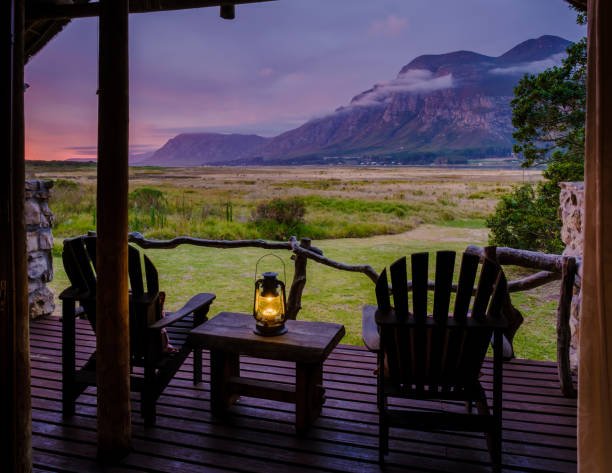
Are African Safari Prices Per Person Or Vehicle? Understanding Tanzania Costs
African safari costs can be confusing. This guide clarifies whether prices are quoted per person or per vehicle, detailing factors that influence your 2026-2027 safari budget in Tanzania.
View package details
How Much Money Do You Need For An African Safari? 2026-2027
How Much Money Do You Need for an African Safari? is explained with current 2026-2027 planning, price, itinerary and booking information.
View package details
Is Tanzania Or Kenya Better For Safari? A Detailed Comparison 2026-2027
Comparing Tanzania and Kenya for your next safari? This in-depth guide breaks down wildlife viewing, landscapes, costs, and optimal travel times to help you choose the perfect East African...
View package details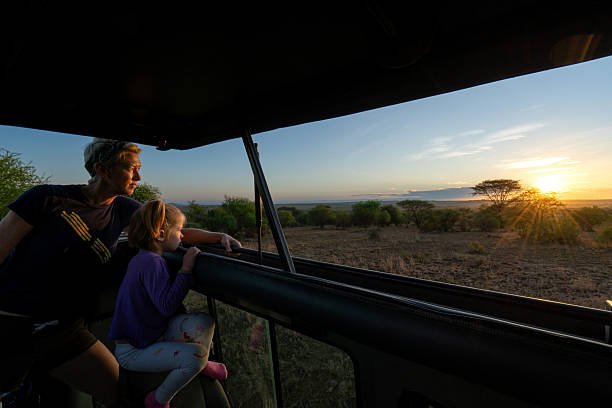
Which African Country Is Best For Safari? 2026-2027
Which African Country Is Best for Safari? is explained with current 2026-2027 planning, price, itinerary and booking information.
View package details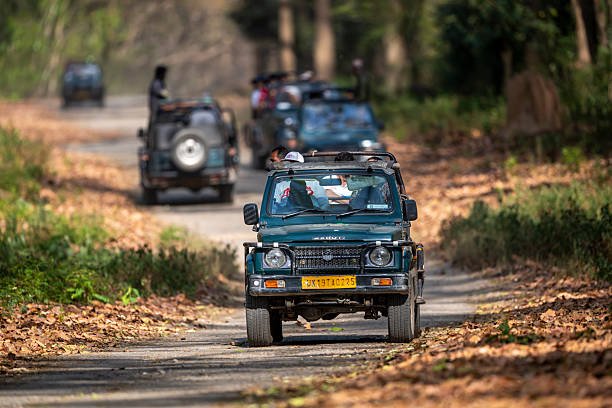
Luxury African Safari Packages: The Ultimate Tanzania Experience In 2026-2027
Explore the pinnacle of African adventure with luxury safari packages in Tanzania. This guide details exclusive lodges, tailor-made itineraries, and the best wildlife experiences for your...
View package details
Tanzania Safari Tours & Packages /: Your Ultimate Wildlife Adventure 2026-2027
Discover the magic of Tanzania with expertly crafted safari tours and packages for 2026 and 2027. From the vast plains of the Serengeti to the depths of the Ngorongoro Crater, find your...
View package detailsBest African Safari Tours & Vacation Packages /: Your Ultimate Tanzania
start an unforgettable African safari adventure in 2026/2027 with expertly curated tours and vacation packages in Tanzania's most iconic wildlife destinations. From the Serengeti to the...
View package detailsNo related package matches those filters. Clear one or more filters to see the other topic-matched options.



