
Combining a Moshi hotel stay with a Kilimanjaro climb and a Tanzania safari for 2026-2027 offers a comprehensive African adventure, typically involving 7-10 days for the climb, 3-5 days for a safari, and a few days for acclimatization and travel in Moshi. Packages vary widely, but most include pre- and post-climb accommodation in Moshi, climbing permits, guides, porters, meals on the mountain, park fees, and safari transport, accommodation, and game drives. Choosing the right package for 2026-2027 depends on your budget, desired comfort level, and trekking experience, with options ranging from budget-friendly to luxury, and standard routes like Machame or Lemosho to more exclusive ones.
Understanding the Moshi Hotel, Kilimanjaro Climb, and Safari Package
A Moshi hotel, Kilimanjaro climb, and safari package is a curated travel experience designed to offer a comprehensive taste of northern Tanzania. It typically starts with your arrival in Moshi, the gateway town to Kilimanjaro. Here, you’ll likely spend a night or two in a hotel to acclimatize, meet your guides, and prepare for the trek. The core of the package is the ascent of Mount Kilimanjaro, Africa’s highest peak. Following your successful climb, the adventure continues with a safari, usually exploring the renowned national parks of the Northern Circuit, such as Serengeti, Ngorongoro Crater, Tarangire, or Lake Manyara. This integrated approach simplifies logistics, allowing you to focus on the incredible experiences rather than coordinating multiple bookings. For travelers planning for 2026-2027, understanding the components and how they fit together is crucial for a smooth and memorable journey.
Why Combine a Moshi Hotel Stay with Kilimanjaro and Safari?
Combining these elements offers several distinct advantages. Firstly, it provides a holistic view of Tanzania’s natural wonders. You experience the challenge and triumph of conquering Kilimanjaro, followed by the awe-inspiring wildlife encounters on a safari. The Moshi hotel component serves as a vital basecamp, offering comfort, essential pre-climb briefings, and a place to rest and recover post-trek. This synergy also streamlines planning. Instead of booking separate flights, accommodations, guides, and permits, a single package handles most of the complex arrangements. This is particularly beneficial for first-time visitors to Tanzania or those with limited planning time. Furthermore, integrating these experiences often leads to cost efficiencies compared to booking each segment independently. For those looking ahead to 2026-2027, opting for a combined package simplifies the complex logistics of planning a multi-faceted African adventure.
Planning Your 2026-2027 Adventure: Key Considerations
When planning your 2026-2027 Moshi hotel, Kilimanjaro climb, and safari package, several critical factors come into play. Your overall fitness level is paramount for Kilimanjaro; while it’s a non-technical climb, the altitude and duration demand good physical condition. The time of year also significantly impacts weather conditions. The dry seasons (January-March and June-October) are generally preferred for both climbing and safari due to clearer skies and better wildlife viewing. However, these are also peak seasons, meaning higher demand and potentially higher prices for 2026-2027 bookings. Conversely, the shoulder seasons can offer a good balance of weather and fewer crowds.
Your budget will dictate the choice of accommodation, climb route, and safari duration. A longer climb route with more acclimatization days, or a private safari, will naturally increase costs. It’s essential to understand what constitutes a good value package. Look for operators who prioritize safety, employ experienced guides, and provide adequate equipment and support. For 2026-2027, early booking is advisable, especially for popular dates or specific routes, as availability can be limited. Consider the overall duration of your trip; a typical combined package might range from 10 to 15 days, depending on the climb route and safari itinerary.
Choosing Your Kilimanjaro Climb Route
Selecting the right Kilimanjaro route is one of the most important decisions for your climb. Each route offers a different experience in terms of scenery, difficulty, acclimatization profile, and success rates. For a Moshi hotel, Kilimanjaro climb, and safari package in 2026-2027, understanding these variations helps you choose what suits you best.
Popular Kilimanjaro Routes:
- Marangu Route (Coca-Cola Route): Known for its gentler slopes and hut accommodation, making it the most comfortable option. However, its rapid ascent profile means lower acclimatization and success rates. Typically 5-6 days.
- Machame Route (Whiskey Route): Highly popular due to its scenic beauty and excellent acclimatization profile, leading to higher success rates. It’s a challenging trek with camping. Usually 6-7 days. Machame Route details are essential for planning.
- Lemosho Route: Considered one of the most scenic routes, offering excellent acclimatization and high success rates. It’s longer, typically 7-8 days, and offers a more remote wilderness experience. Often combined with the Shira Plateau.
- Northern Circuit: The longest route (9-10 days), offering the best acclimatization and highest success rates. It circles the mountain, providing diverse views and a less crowded experience. Ideal for those seeking a more relaxed pace and higher chances of reaching the summit.
- Rongai Route: Approaches from the north, making it a good option during the rainy season. It’s a more gradual ascent with good acclimatization, though slightly less scenic than Lemosho or Machame. Typically 6-7 days.
For your 2026-2027 climb, consider that longer routes (7+ days) generally provide better acclimatization and thus higher success rates. If your primary goal is reaching Uhuru Peak, prioritizing acclimatization is key. The Machame and Lemosho routes are excellent choices for a balance of scenery, challenge, and success. The Northern Circuit is the ultimate for acclimatization and comfort. Your operator will guide you based on your experience and fitness.
Safari Options from Moshi
After your Kilimanjaro adventure, a safari from Moshi offers a dramatic shift in scenery and experience. The Northern Circuit of Tanzania is world-famous for its dense wildlife populations and iconic landscapes. Your Moshi hotel, Kilimanjaro climb, and safari package can be customized to include various safari durations and destinations.
Common Safari Itineraries:
- 3-Day Safari: A shorter option, often focusing on Lake Manyara for tree-climbing lions and Tarangire for its elephant herds and baobab trees.
- 4-Day Safari: Typically includes Lake Manyara, Tarangire, and the Ngorongoro Crater, offering a condensed but rich wildlife experience.
- 5-Day Safari: Adds the Serengeti National Park, allowing for more extensive exploration of its vast plains and diverse wildlife, including the potential to witness the Great Migration depending on the time of year in 2026-2027.
- 6-Day Safari and beyond: Allows for deeper exploration of the Serengeti, potentially including areas like the Western Corridor or Northern Serengeti, and can also incorporate other parks or cultural experiences.
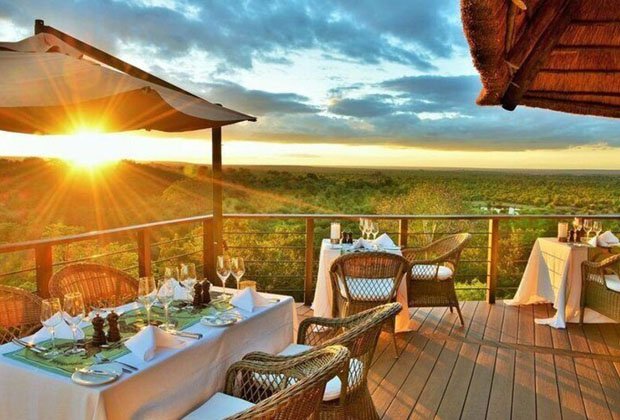
When choosing your safari component for 2026-2027, consider the time of year. The Great Migration is a major draw, and its location shifts throughout the year. For instance, the migration is often in the Serengeti’s Western Corridor from May to July and in the Northern Serengeti from August to October. Your safari package will likely include a 4×4 safari vehicle with a pop-up roof for optimal game viewing, an experienced driver-guide, park entrance fees, meals, and accommodation (ranging from budget-friendly tented camps to mid-range lodges or luxury hotels). Tanzania safari group departures can be a great way to experience this affordably.
Accommodation in Moshi
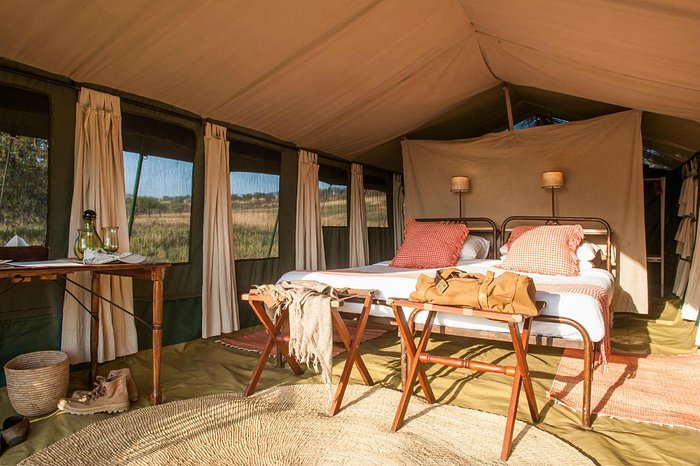
Your Moshi hotel stay is a crucial part of the package, serving as your base before and after the climb. Moshi offers a range of accommodation options, from simple guesthouses to comfortable mid-range hotels and more upscale lodges. Most tour operators include a specific hotel or a choice of hotels within a certain category as part of their package. These hotels are chosen for their proximity to tour operator offices, amenities, and comfortable environment conducive to pre-climb preparation and post-climb relaxation.
Typical Moshi Hotel Experience:
- Pre-Climb Briefing: Most hotels will host your pre-climb briefing where you meet your guides, review the itinerary, and get advice on gear.
- Gear Check: Essential for ensuring you have everything needed for the mountain.
- Comfort and Rest: A good night’s sleep in a comfortable bed is vital before embarking on the challenging trek.
- Meals: Hotels usually offer breakfast, and some may offer other meals. Your climbing package will specify meals included on the mountain and during the safari.
- Post-Climb Recovery: A hot shower, comfortable surroundings, and good food are much appreciated after descending Kilimanjaro.
When looking at packages for 2026-2027, check the specific hotel included or the category of accommodation provided. Some operators might offer a choice, allowing you to upgrade for added comfort. Ensure the hotel is conveniently located and offers the necessary facilities for a comfortable stay.
What is Typically Included in a 2026-2027 Package?
A comprehensive Moshi hotel, Kilimanjaro climb, and safari package aims to cover the majority of your essential expenses, simplifying your budgeting and planning for 2026-2027. While specifics can vary between operators, here’s a general breakdown of what you can expect to be included:
Standard Inclusions:
- Moshi Accommodation: Typically 1-2 nights in a hotel before the climb and 1 night after the climb.
- Kilimanjaro Park Fees: All necessary entry, camping/hut, and rescue fees. These are significant costs.
- Kilimanjaro Crew: Professional, experienced, and licensed guides (often with Wilderness First Responder certification), assistant guides, and porters.
- Kilimanjaro Meals: All meals (breakfast, lunch, dinner) during the climb, prepared by a dedicated cook.
- Kilimanjaro Equipment: Tents (for camping routes), dining tent, table, chairs, cooking equipment. Some operators may also provide sleeping bags or offer them for rent.
- Tanzania Safari Vehicle: A sturdy 4×4 safari vehicle with a pop-up roof for game drives.
- Tanzania Safari Guide: An experienced driver-guide for your safari.
- Tanzania Safari Park Fees: Entry fees for all national parks visited.
- Tanzania Safari Accommodation: Lodges, tented camps, or hotels during the safari, as per the package level.
- Tanzania Safari Meals: Typically all meals during the safari, often including packed lunches for game drives.
- Transfers: Airport transfers and transfers between Moshi, Kilimanjaro National Park gate, and safari starting points.
- Pre- and Post-Climb Briefings: Essential meetings to prepare you for the trek.
When reviewing offers for 2026-2027, pay close attention to the details of what’s included. Operators like Climb 4 Africa are transparent about their inclusions, ensuring you know exactly what you’re paying for. A good package prioritizes safety, quality equipment, and well-trained staff.
What is Typically Excluded?
Understanding what is not included in your Moshi hotel, Kilimanjaro climb, and safari package for 2026-2027 is just as important as knowing what is. These exclusions often relate to personal expenses, travel arrangements to Tanzania, and items that vary greatly based on individual preferences.
Common Exclusions:
- International Flights: Airfare to and from Kilimanjaro International Airport (JRO).
- Tanzania Visa: Cost of obtaining a Tanzanian visa.
- Travel Insurance: Comprehensive travel and medical evacuation insurance is mandatory for most operators.
- Vaccinations and Medications: Costs associated with any required vaccinations or personal medications.
- Personal Climbing Gear: While some gear might be provided or rentable, you’ll need to purchase or rent items like a warm sleeping bag, waterproof clothing, hiking boots, and trekking poles.
- Tips for Crew: Gratuities for guides, porters, and safari drivers are customary and a significant part of their income.
- Soft Drinks and Bottled Water: While water is provided on the mountain, specific brands or extra bottled drinks might be extra.
- Lunches and Dinners in Moshi: Unless specified, meals in Moshi hotels are often not included beyond breakfast.
- Personal Expenses: Souvenirs, laundry, alcoholic beverages, and communication costs (e.g., satellite phone rental).
- Optional Activities: Any activities not part of the standard itinerary, such as hot air balloon safaris.
For your 2026-2027 trip, always request a detailed itinerary and list of inclusions/exclusions. This transparency prevents surprises and helps you budget accurately.
Budgeting for Your 2026-2027 Trip
The cost of a Moshi hotel, Kilimanjaro climb, and safari package for 2026-2027 can vary significantly based on several factors: the chosen Kilimanjaro route and its duration, the standard of accommodation on safari and in Moshi, the number of people in your group (private vs. group tours), and the operator’s reputation and service level. Generally, you can expect packages to range from approximately $2,500 to $6,000+ per person for a combined Kilimanjaro climb and safari, excluding international flights.
Factors Influencing Cost for 2026-2027:
- Kilimanjaro Route Length: Longer routes (e.g., Northern Circuit) cost more due to more days of park fees, guide/porter salaries, and food.
- Safari Duration and Parks: More days and visits to premium parks like the Serengeti will increase costs.
- Accommodation Level: Luxury lodges and tented camps are more expensive than standard hotels or basic tented camps.
- Group Size: Private tours are more expensive per person than joining a group departure.
- Operator’s Inclusions: Packages with more comprehensive inclusions (e.g., sleeping bags, satellite phone) might appear pricier but offer better value.
- Seasonality: Peak season travel in 2026-2027 may command slightly higher prices.
When comparing prices for 2026-2027, it’s crucial to compare what’s included. A cheaper package might seem attractive but could have hidden costs or compromise on safety and quality. Prioritize operators with excellent safety records, experienced guides, and good reviews. For instance, a 7-day Machame Route climb combined with a 4-day Northern Circuit safari might fall in the mid-range, costing around $3,000-$4,500 per person. Always ask for a detailed quote tailored to your specific requirements for 2026-2027.
Booking Your Package
Booking your Moshi hotel, Kilimanjaro climb, and safari package for 2026-2027 requires careful consideration of the tour operator. Look for established companies with a strong track record in safety, responsible tourism, and customer satisfaction. Reading reviews on platforms like TripAdvisor can be helpful, but also consider the operator’s direct communication and transparency.
Key Booking Steps for 2026-2027:
- Research Operators: Identify reputable companies like Climb 4 Africa, known for their expertise in Kilimanjaro climbs and safaris.
- Request Custom Quotes: Provide your desired dates, climb route, safari itinerary, and group size.
- Review Inclusions/Exclusions: Ensure you understand exactly what the package covers and what you need to budget for separately.
- Check Staff Qualifications: Inquire about guide certifications (e.g., WFR), porter welfare policies, and crew-to-client ratios.
- Understand Payment Terms: Most operators require a deposit (e.g., 20-30%) upon booking and the balance payment a few weeks before departure.
- Confirm Insurance Requirements: Ensure your travel insurance covers high-altitude trekking and medical evacuation.
For those planning their 2026-2027 adventure, it’s recommended to book at least 6-12 months in advance, especially if you have specific dates or prefer popular routes. Contacting an operator like Climb 4 Africa directly can provide personalized advice and tailor-made itineraries. You can reach them via WhatsApp +255 747 477 898 or Email climb4africa@gmail.com to discuss your dream trip.
Preparing for Your Expedition
A successful Moshi hotel, Kilimanjaro climb, and safari package hinges on thorough preparation. This goes beyond just booking; it involves physical training, acquiring the right gear, and understanding the logistical aspects of traveling in Tanzania.
Physical Preparation:
- Cardiovascular Fitness: Engage in regular aerobic activities like hiking, running, cycling, or swimming for at least 3-4 months prior to your climb.
- Strength Training: Focus on leg strength (squats, lunges) and core stability.
- Hiking Practice: Undertake long hikes, ideally with a weighted backpack, to simulate mountain conditions.
- Acclimatization Knowledge: Understand the principles of altitude sickness (AMS) and how to manage it.
Gear Checklist Essentials:
- Layered Clothing: Base layers (thermal), mid-layers (fleece), and outer layers (waterproof/windproof jacket and trousers).
- Footwear: Broken-in waterproof hiking boots, camp shoes, and warm socks.
- Headwear: Warm hat, sun hat, and balaclava/neck gaiter.
- Handwear: Warm gloves and liner gloves.
- Sleeping Bag: A 4-season (-15°C to -20°C comfort rating) sleeping bag is essential.
- Backpack: A comfortable daypack (25-35L) and a larger duffel bag (80-100L) for porters.
- Trekking Poles: Highly recommended for knee support and stability.
- Sun Protection: High SPF sunscreen, sunglasses, and lip balm.
- Hydration: Water bottles or hydration reservoir (at least 3L capacity).
- Headlamp: With extra batteries.
- Personal First-Aid Kit: Including any personal medications.
For your 2026-2027 expedition, start your training early. Your tour operator will provide a detailed packing list. Investing in good quality gear, especially waterproofs and warm layers, makes a significant difference to your comfort and safety on the mountain.
Travel Tips for 2026-2027
To ensure a smooth and enjoyable experience for your 2026-2027 Moshi hotel, Kilimanjaro climb, and safari, consider these practical tips:
Practical Advice:
- Vaccinations and Health: Consult your doctor or a travel clinic 4-6 weeks before departure regarding recommended vaccinations (e.g., Yellow Fever, Hepatitis A) and malaria prophylaxis.
- Visa Requirements: Check the latest visa requirements for Tanzania for your nationality. Many can be obtained on arrival or online in advance.
- Currency: The local currency is the Tanzanian Shilling (TZS), but US Dollars are widely accepted for park fees, tips, and in tourist establishments. Ensure your dollars are newer than 2009 and in good condition.
- Connectivity: Wi-Fi is available in Moshi hotels and some safari lodges, but can be slow or intermittent. Consider a local SIM card for better mobile data access.
- Packing Smart: Pack light for the climb, as porters have weight limits. For safari, neutral-colored clothing is best for wildlife viewing.
- Respect Local Culture: Tanzania is a diverse country. Be mindful of local customs, dress modestly when not on safari or climbing, and always ask permission before taking photos of people.
- Hydration is Key: Drink plenty of water throughout your trip, especially on Kilimanjaro, to aid acclimatization and prevent dehydration.
- Patience and Flexibility: Travel in Africa often requires a degree of patience and flexibility. Embrace the journey and enjoy the unexpected moments.
Planning a Moshi hotel, Kilimanjaro climb, and safari package for 2026-2027 is an exciting prospect. By understanding the components, preparing adequately, and choosing a reputable operator, you can create an unforgettable African adventure. For expert guidance and personalized itineraries, don’t hesitate to reach out to Climb 4 Africa. You can connect with them via WhatsApp +255 747 477 898 or Email climb4africa@gmail.com to start planning your trip.
Check Availability for Moshi Hotel, Kilimanjaro Climb, And Safari Package : Your Ultimate Tanzania
Ready to compare dates, prices, and the best option for your group? Send the package name and travel month so the team can reply with a clear quote, availability, and what is included.
Wildlife And Nature Titles: Your Ultimate Guide To Tanzanias Best Experiences
This comprehensive guide explores the most sought-after wildlife and nature titles in Tanzania, from iconic safari destinations and Kilimanjaro treks to the tropical allure of Zanzibar...
View package details
South Africa Safari Tours & Vacation Packages | Climb 4 2026-2027
Discover the ultimate South Africa safari experience with tailored tour and vacation packages for 2026-2027. From iconic Kruger National Park to exclusive private reserves, find detailed...
View package detailsKilimanjaro Routes: 15 Strongest Worldwide Search Potential For Climbs
Planning a Kilimanjaro climb? This guide details the 15 routes with the highest search interest worldwide for 2026-2027, helping you choose the best path for your adventure. We cover...
View package detailsBest Wildlife Photography Destinations For Safaris | Climb 4 Africa 2026-2027
Planning a safari for incredible wildlife photography in 2026 or 2027? Tanzania offers unparalleled opportunities. This guide details the top destinations, essential gear, timing, and how...
View package details
Kruger National Park Safari Packages: Your Ultimate Guide To Adventures
Discover tailored Kruger National Park safari packages for 2026-2027. This comprehensive guide covers everything from choosing the right lodge and activities to understanding costs and...
View package details
Tanzania Safari Tours & Packages /: Your Ultimate Wildlife Adventure 2026-2027
Discover the magic of Tanzania with expertly crafted safari tours and packages for 2026 and 2027. From the vast plains of the Serengeti to the depths of the Ngorongoro Crater, find your...
View package detailsCheap Hotels Near Me Tonight: Finding Affordable Stays In Tanzania 2026-2027
Discover how to find cheap hotels near you tonight in Tanzania, focusing on budget-friendly options for travelers planning safaris, Kilimanjaro treks, or Zanzibar holidays in 2026-2027...
View package detailsHow To Create The Perfect Travel Itinerary For Tanzania Adventures 2026-2027
Crafting the perfect travel itinerary for Tanzania involves understanding your priorities, choosing the right activities, and planning logistics effectively. This guide walks you through...
View package detailsPlaces Where Your Money Goes Further: Smart Tanzania Travel For 2026-2027
Planning a trip to Tanzania in 2026 or 2027 and want to maximize your budget? This guide reveals how to make your money go further on Kilimanjaro climbs, wildlife safaris, and Zanzibar...
View package detailsDestinations Worth Visiting At Least Once Guide
Discover a curated selection of destinations that offer unparalleled experiences, from the majestic peaks of Kilimanjaro to the spice-scented shores of Zanzibar. This guide helps you...
View package details
How Far In Advance Should You Book An African Safari? 2026-2027
How Far in Advance Should You Book an African Safari? is explained with current 2026-2027 planning, price, itinerary and booking information.
View package details
Kenya Safari Tours & Holiday Packages 2026-2027
Kenya Safari Tours & Holiday Packages is explained with current 2026-2027 planning, price, itinerary and booking information.
View package detailsNo related package matches those filters. Clear one or more filters to see the other topic-matched options.



