
For travelers seeking accommodation in Moshi, Tanzania, especially those planning Kilimanjaro climbs or safaris in 2026-2027, hostels are a practical and budget-friendly choice. Many offer a mix of private rooms and dormitory beds, catering to different needs and budgets. These establishments provide essential amenities, social atmospheres, and often serve as hubs for arranging local tours and treks, making them ideal bases for exploring northern Tanzania.
Navigating Moshi’s Hostel Scene for 2026-2027 Adventures
Moshi, located at the foot of Mount Kilimanjaro, is more than just a jumping-off point for the world’s highest freestanding mountain; it’s a vibrant Tanzanian town with a growing tourism infrastructure. For many international visitors, particularly those undertaking a Kilimanjaro climb or embarking on a safari adventure, Moshi serves as their first point of contact with the region. The demand for reliable, comfortable, and affordable accommodation remains high, especially as we look ahead to the 2026-2027 travel seasons. Hostels have become a popular solution, offering a distinct advantage over standard hotels for several reasons, primarily cost-effectiveness and the social environment they foster.
When considering a Moshi hostel with private rooms and dorm beds, it’s crucial to understand what these options entail and how they fit into your broader travel plans. Whether you’re a solo backpacker looking to connect with fellow travelers, a couple seeking a bit more privacy without breaking the bank, or a small group needing flexible sleeping arrangements, Moshi’s hostels can accommodate. This guide aims to provide a comprehensive overview of what to expect, how to choose, and what to prioritize when booking your stay for the upcoming years.
Understanding Your Moshi Hostel Options: Private Rooms vs. Dorm Beds
The distinction between private rooms and dorm beds in a hostel setting is fundamental to understanding your accommodation choices. Each serves a different purpose and appeals to a different traveler profile. For any trip planned for 2026 or 2027, having clarity on these options will streamline your booking process and ensure your comfort.
Dormitory Beds: The Social Hub and Budget Champion
Dormitory beds are the quintessential hostel experience. Typically, these are bunk beds arranged in a shared room, accommodating anywhere from 4 to 12 (or sometimes more) people. The primary appeal of dorm beds is their affordability. They are almost always the cheapest sleeping option available in any given establishment, making them perfect for budget-conscious travelers, solo adventurers looking to maximize their spending on experiences, or groups who don’t mind sharing.
Key characteristics of dorm beds:
- Cost-Effectiveness: Significantly lower price per night compared to private rooms. This is a major draw for backpackers and those on extended trips.
- Social Interaction: Shared rooms naturally encourage interaction with other travelers from diverse backgrounds. This can lead to shared travel plans, new friendships, and a richer overall travel experience.
- Shared Facilities: Bathrooms and common areas are shared among all guests in the dorm. Some hostels have dedicated dorm bathrooms, while others use communal facilities.
- Security: Most hostels provide lockers for securing personal belongings. It’s essential to bring your own padlock or purchase one locally.
- Privacy: Minimal. You’ll have your own bed space, but common areas and sleeping quarters are shared.
For travelers heading to Moshi for a Kilimanjaro climb in 2026-2027, a dorm bed can be an excellent way to save money that can then be allocated to trek permits, gear, or safari extensions. The camaraderie developed in a dorm can also be a great source of pre-trek support and shared enthusiasm.
Private Rooms: Comfort and Seclusion
Private rooms in hostels offer a middle ground between a budget dorm and a traditional hotel. These rooms are typically furnished with a double bed or twin beds and offer more personal space and privacy. They often come with en-suite bathrooms, though some may have shared facilities down the hall, similar to a budget guesthouse.
Key characteristics of private rooms:
- Privacy: Your own dedicated space, free from shared sleeping arrangements.
- Comfort: Generally more comfortable than a dorm, with more personal space.
- En-suite Options: Many private rooms include private bathrooms, enhancing convenience and comfort.
- Cost: More expensive than dorm beds, but usually less costly than comparable hotel rooms in Moshi.
- Suitability: Ideal for couples, friends traveling together who prefer their own space, or anyone seeking a quieter, more private stay.
If you’re looking for a Moshi hostel with a private room for a pre- or post-trek rest, or simply prefer more comfort, this is the way to go. It allows you to enjoy the social atmosphere of the hostel during the day while retreating to your own sanctuary at night. For couples planning a trip in 2026-2027, a private room offers a good balance of affordability and personal space.
Choosing the Right Moshi Hostel: Factors to Consider for 2026-2027
Selecting the ideal hostel in Moshi goes beyond just checking for private rooms or dorm beds. Several other factors contribute to a positive and smooth travel experience, especially when planning for specific travel windows like the 2026-2027 seasons.
Location, Location, Location
Moshi is a relatively compact town, but its location can still impact your convenience. Consider hostels that are:
- Close to Tour Operators: If you’re booking your Kilimanjaro climb or safari upon arrival, proximity to reputable operators is beneficial. Climb 4 Africa, for instance, is based in Moshi and can assist with all your adventure planning.
- Near Transportation Hubs: Easy access to taxi stands, bus stations, or Kilimanjaro International Airport (JRO) transport links is important for arrival and departure.
- Within Walking Distance of Amenities: Being close to local markets, restaurants, ATMs, and pharmacies can greatly enhance your stay.
Amenities and Facilities
Beyond the bed, what does the hostel offer? Look for:
- Wi-Fi: Essential for staying connected, planning, and sharing your experiences. Check if it’s free and reliable.
- Common Areas: A comfortable lounge or common room is great for relaxing, meeting people, or planning your next adventure.
- Kitchen Facilities: If you’re on a tight budget, a communal kitchen allows you to prepare your own meals, saving money on eating out.
- Breakfast: Many hostels include breakfast, which can be a significant saving. Understand what’s typically offered (e.g., toast, eggs, fruit).
- Laundry Services: Especially crucial after trekking or safaris. Check if it’s self-service or offered by the hostel (and at what cost).
- Hot Water: A simple amenity, but one that’s highly valued, especially in cooler mornings or evenings.
- Secure Storage: Lockers are standard, but ensure they are adequately sized for your gear.
Atmosphere and Vibe
Hostels vary greatly in their atmosphere. Some are lively social hubs perfect for backpackers looking to party and meet people, while others are quieter and more relaxed, catering to those seeking a peaceful retreat. Consider what kind of environment suits you best for your 2026-2027 trip:
- Social/Party Hostels: Often have bars, organized events, and a younger demographic.
- Quiet/Relaxed Hostels: More suitable for older travelers, couples, or those needing rest.
- Adventure-Focused Hostels: Many in Moshi cater specifically to Kilimanjaro climbers and safari-goers, offering trekking advice, gear rental, and booking services.
Reviews and Reputation
Always check recent reviews on platforms like TripAdvisor, Hostelworld, or Google. Pay attention to comments regarding cleanliness, staff helpfulness, safety, and the accuracy of descriptions, especially for bookings made for 2026-2027. Look for consistent feedback on aspects important to you.
Booking Direct vs. Third-Party Platforms
While booking sites offer convenience, booking directly with the hostel can sometimes lead to better rates or more flexibility. For specialized services like Kilimanjaro climbs and safaris, partnering with a local expert like Climb 4 Africa means your accommodation can be seamlessly integrated with your adventure bookings, often with package deals available for 2026-2027 departures.
Local Support: Beyond Just a Bed
Many hostels in Moshi are more than just places to sleep; they are integral parts of the local tourism ecosystem. They often have strong relationships with tour operators, guides, and transport providers. For climbers and safari-goers, this means easy access to reliable advice, last-minute bookings, and help with logistics. When you’re planning your Moshi hostel stay for 2026-2027, consider how the hostel can support your primary travel goals, like climbing Kilimanjaro or exploring the Serengeti.
Moshi Hostels: A Practical Guide for Kilimanjaro Climbers and Safari Goers (2026-2027)
For anyone whose primary goal in Moshi is to climb Mount Kilimanjaro or start a Tanzanian safari, the choice of accommodation can significantly impact the overall experience. Hostels in Moshi have adapted to cater specifically to these travelers, offering not just beds but also essential support services.
Pre-Climb Preparation and Post-Climb Recovery
A Moshi hostel with private rooms can be an ideal place for pre-climb rest and acclimatization. You’ll want a comfortable, quiet space to get a good night’s sleep before the big ascent. After the demanding trek, many climbers opt for a private room in a hostel or a comfortable hotel to recover. Hostels often have facilities for gear cleaning and storage, which is invaluable after returning from the mountain. Some even offer basic medical support or can connect you with local clinics if needed.
For those planning their Kilimanjaro climb for 2026-2027, booking accommodation that understands the needs of climbers is paramount. Look for hostels that:
- Offer advice on altitude sickness and acclimatization.
- Provide secure storage for your gear while you’re on the mountain.
- Have facilities for washing clothes or can arrange laundry services.
- Can help arrange airport transfers and onward travel.
- Are well-located for meeting with your tour operator for briefings.
Safari Logistics and Information Hubs
Moshi is also a common starting point for Northern Circuit safaris, including visits to Tarangire, Lake Manyara, the Ngorongoro Crater, and the Serengeti. Hostels often serve as information hubs where travelers can:
- Gather advice on different safari routes and parks.
- Meet potential travel companions for shared safaris (if opting for group tours).
- Book last-minute safari extensions or day trips.
- Get recommendations for reliable safari operators.
Climb 4 Africa, for example, specializes in both Kilimanjaro climbs and Tanzanian safaris, offering comprehensive packages for 2026-2027. If you’re staying in a Moshi hostel, inquire if they have partnerships with operators like Climb 4 Africa, which can simplify your planning immensely. A hostel can help you arrange your safari while you rest in a dorm or private room, ensuring all your adventure components are aligned.
Budget Management: Dorms for Savings, Private Rooms for Comfort
For travelers planning extensive trips in 2026-2027, budget management is key. Hostels excel here:
- Dorm Beds: Keep daily accommodation costs extremely low, freeing up funds for park fees, activities, or souvenirs.
- Private Rooms: Offer a step up in comfort and privacy at a price point generally below hotels. This is ideal for couples or those who’ve saved money elsewhere and want a bit more luxury before or after a demanding adventure.
Consider how long you’ll be in Moshi. If it’s just a night or two before and after a climb, a dorm might be perfectly adequate. If you’re spending a week or more in town, perhaps using it as a base for day trips, a private room might offer better value for extended comfort.
Finding Specific Moshi Hostels with Private Rooms and Dorm Beds in 2026-2027
While naming specific hostels can be tricky as offerings change and new ones emerge, the general types and characteristics are consistent. When searching online for a Moshi hostel with private rooms and dorm beds for your 2026-2027 travel dates, use these search terms and platforms:
- Online Travel Agencies (OTAs): Websites like Booking.com, Hostelworld, and Agoda are popular. Filter by ‘hostel’ and then look for options that list both ‘private rooms’ and ‘dormitory beds’.
- Google Maps: Search for ‘hostels in Moshi’ and explore the results. Clicking on a listing will often provide a link to their website or booking page, along with reviews.
- Travel Forums and Blogs: Search for recent articles or forum discussions about Moshi accommodation. Travelers often share their experiences and recommendations.
What to Look For in Hostel Listings
When reviewing hostel descriptions, pay close attention to:
- Room Types: Ensure they clearly differentiate between dorms (specify bed count) and private rooms (double, twin, single).
- Amenities List: Verify the availability of Wi-Fi, breakfast, laundry, kitchen, and common areas.
- Photos: Look at pictures of the rooms, bathrooms, and common spaces to gauge cleanliness and style.
- Location Details: Check the map to see how close it is to your points of interest.
- Reviews: Read recent reviews, paying attention to comments about the specific room types you’re interested in.
Booking for Peak Seasons (2026-2027)
The busiest times for Kilimanjaro climbs and safaris in Tanzania often fall into predictable patterns. For 2026-2027, anticipate higher demand during:
- Dry Seasons: Generally June to October and December to March.
- Holiday Periods: Christmas, New Year, and Easter.
If you plan to travel during these peak periods, it’s advisable to book your Moshi hostel, especially private rooms, well in advance. Dorm beds might have more availability, but securing a spot in a popular hostel can still be challenging.
Essential Checklist Before Booking Your Moshi Hostel
- Confirm Dates: Ensure your travel dates are firm.
- Budget: Decide whether a dorm or private room better suits your budget.
- Priorities: What’s most important? Social atmosphere, quiet, location, specific amenities?
- Reviews: Check recent reviews for cleanliness, safety, and staff helpfulness.
- Cancellation Policy: Understand the terms in case your plans change.
- Inclusions: Does your rate include breakfast? Wi-Fi?
- Contact Information: Note down the hostel’s contact details for any queries.
Beyond the Hostel: Integrating Accommodation with Adventure in 2026-2027
Your stay in Moshi is likely part of a larger Tanzanian adventure. For the most smooth experience, consider how your accommodation can integrate with your main activities, particularly Kilimanjaro climbs and safaris. This is where specialized tour operators like Climb 4 Africa can offer significant advantages, especially for planning trips in 2026-2027.
smooth Kilimanjaro Climb Packages
Many travelers choose to book their Kilimanjaro climb and accommodation together. Reputable operators often include pre-climb briefings, gear checks, and even a night’s stay in Moshi before and after the trek as part of their package. This can be in a partner hotel or a recommended hostel that understands climber needs.
When you book a Kilimanjaro climb with Climb 4 Africa for 2026-2027, they can arrange your accommodation in Moshi. This often means:
- Convenience: One booking handles both your climb and your stay in town.
- Expert Advice: Accommodation arranged by the operator is usually vetted for suitability for climbers.
- Package Deals: Sometimes, bundling accommodation with your climb can offer cost savings.
Even if you book your climb separately, a good tour operator can still recommend and help you book a Moshi hostel with private rooms or dorm beds that aligns with your climb schedule.
Tailored Safari Arrangements
Similarly, for safaris, accommodation in Moshi serves as a staging point. You might arrive in Moshi after your climb and need a place to relax before heading out on safari, or vice versa. A tour operator can ensure your hostel stay is timed perfectly with your safari departure dates.
Consider a Moshi hostel as your base for arranging a safari in 2026-2027. You can spend your days in town exploring local markets, visiting coffee plantations, or simply resting in the common area, and your evenings planning your adventure. If you’re looking for shared safari experiences, hostels are excellent places to find fellow travelers. Many hostels partner with reputable safari operators, or you can directly contact specialists like Climb 4 Africa to discuss shared departures or private safari options.
Day Trips and Local Experiences
Moshi is a gateway to numerous day trips and local cultural experiences. Whether it’s a hike to Materuni waterfalls, a visit to a local coffee farm, or exploring the town itself, hostels are often the best place to get information and arrange these activities.
- Materuni Waterfalls and Coffee Tour: A popular day trip from Moshi, offering stunning scenery and a taste of local culture.
- Local Markets: Experience the bustling atmosphere of Moshi’s markets for authentic crafts and produce.
- Shira Caves: A historical and spiritual site near Kilimanjaro.
When booking your Moshi hostel for 2026-2027, inquire about their day trip offerings or how they can assist you in booking these excursions. Many hostels have partnerships with local guides and transport providers, ensuring you get a reliable and authentic experience.
Planning Your 2026-2027 Moshi Hostel Stay: Practical Tips
To ensure your stay in a Moshi hostel with private rooms and dorm beds is as smooth as possible, especially for the upcoming 2026-2027 travel seasons, consider these practical tips:
- Pack Appropriately: Bring a universal travel adapter, a good padlock for your locker, a quick-dry towel, and earplugs (especially for dorms).
- Stay Hydrated: Moshi is at a high altitude, and the climate can be warm. Drink plenty of bottled or purified water.
- Learn Basic Swahili Phrases: While English is widely spoken in tourist areas, knowing a few basic Swahili phrases (like ‘Jambo’ for hello, ‘Asante’ for thank you) is always appreciated.
- Currency: The local currency is the Tanzanian Shilling (TZS). ATMs are available in Moshi, but it’s wise to carry some USD for initial expenses or in case of ATM issues.
- Transportation: Taxis are readily available for getting around town or to trailheads. For longer distances, dala-dalas (local minibuses) are very cheap but can be crowded.
- Safety: Moshi is generally safe, but like any town, it’s wise to be aware of your surroundings, avoid walking alone at night in poorly lit areas, and keep valuables secure.
Communicating Your Needs
When contacting hostels or booking online for 2026-2027, be clear about your requirements. If you need a quiet room, mention it. If you’re traveling with family, a private room is usually best. If you’re on a strict budget, confirm the price for dorm beds and what’s included.
For specific needs related to Kilimanjaro climbs or safaris, such as needing to store bulky gear or requiring an early breakfast for a pre-dawn start, communicate these in advance. A good Moshi hostel or a supportive tour operator like Climb 4 Africa will go the extra mile to accommodate you.
Making Your Booking Decision for 2026-2027
Choosing between a private room and a dorm bed in a Moshi hostel for your 2026-2027 adventure depends entirely on your priorities and travel style. Both offer distinct advantages, and many hostels provide both options to cater to a wider range of travelers.
- Choose a Dorm Bed if: You’re a solo traveler on a budget, seeking to meet new people, and don’t mind sharing facilities and sleeping space. It’s the most economical choice.
- Choose a Private Room if: You’re a couple, traveling with a friend who prefers privacy, need more personal space, or are looking for a comfortable retreat after a strenuous activity like a Kilimanjaro climb.
Regardless of your choice, a Moshi hostel with private rooms and dorm beds can be an excellent base for your Tanzanian explorations in 2026-2027. They offer a blend of affordability, social interaction, and local insight that’s hard to match.
Ready to Plan Your 2026-2027 Tanzania Adventure?
Whether you’re dreaming of summiting Kilimanjaro, exploring the vast plains of the Serengeti on safari, or relaxing on the beaches of Zanzibar, Climb 4 Africa is your expert partner. We offer tailored itineraries, reliable local support, and a commitment to providing unforgettable experiences for your 2026-2027 travels. Let us help you find the perfect blend of adventure and comfort, including arranging your ideal accommodation in Moshi. Get in touch today to start planning!
Contact Climb 4 Africa:
WhatsApp: +255 747 477 898
Email: climb4africa@gmail.com
Frequently Asked Questions about Moshi Hostels
Here are some common questions travelers have when looking for a Moshi hostel with private rooms and dorm beds for their 2026-2027 trips.
Q1: Are Moshi hostels safe for solo travelers?
Yes, most reputable hostels in Moshi are safe for solo travelers. They often have 24-hour reception, security measures like key card access, and lockers for valuables. It’s always recommended to use the provided lockers and be aware of your surroundings, but generally, solo travelers find hostels to be a secure and welcoming environment.
Q2: Can I book a Kilimanjaro climb directly from my Moshi hostel?
Many hostels have partnerships with local Kilimanjaro tour operators and can assist you with booking your climb. However, for the most comprehensive and reliable service, it’s advisable to book with a specialist operator like Climb 4 Africa in advance, or at least confirm the hostel’s recommended operators are reputable and well-reviewed for 2026-2027 climbs.
Q3: What is the typical price range for a dorm bed vs. a private room in a Moshi hostel for 2026-2027?
Prices can fluctuate based on the season, hostel quality, and specific inclusions. Generally, for 2026-2027, you might expect dorm beds to range from $10-$25 USD per night, while private rooms could range from $30-$70 USD per night, depending on amenities like en-suite bathrooms. It’s always best to check current rates for your specific dates.
Q4: Do I need to book my Moshi hostel in advance for 2026-2027?
For peak travel seasons (June-October, December-March) and especially if you require a private room, booking in advance is highly recommended. During the low season or if you’re flexible with dorms, you might find availability closer to your arrival date, but advance booking ensures you get the accommodation that best suits your needs.
Q5: Are there hostels in Moshi that specifically cater to Kilimanjaro climbers?
Yes, many hostels in Moshi understand the needs of Kilimanjaro climbers. They often provide services like gear storage, pre-climb briefings, post-climb recovery spaces, and can connect you with reputable guide companies. When searching, look for hostels that mention ‘Kilimanjaro’ or ‘trekkers’ in their descriptions.
Q6: Can I use a communal kitchen in a Moshi hostel?
Many hostels offer communal kitchen facilities for guests to use. This is a great way to save money on food, especially if you’re staying for an extended period or on a tight budget. Check the hostel’s amenities list to confirm availability.
Q7: What is the best way to travel from Kilimanjaro Airport (JRO) to a Moshi hostel?
The most convenient way is usually to arrange a transfer through your hostel or tour operator. Taxis are also readily available at the airport. The journey from JRO to Moshi takes approximately 45-60 minutes. Some hostels may offer shuttle services or can help you book a taxi for your arrival in 2026-2027.
Q8: Are private rooms in Moshi hostels significantly different from hotel rooms?
Private rooms in hostels offer a basic but comfortable level of privacy, often with a double or twin bed and sometimes an en-suite bathroom. They typically lack the extensive amenities of a hotel (like room service, multiple restaurants, or swimming pools) but are usually more affordable and offer access to the hostel’s communal facilities and social atmosphere.
Q9: How can I be sure the hostel I book for 2026-2027 is reliable?
Checking recent reviews on reputable travel sites (TripAdvisor, Hostelworld, Google) is the best way. Look for consistent positive feedback on cleanliness, safety, staff helpfulness, and accurate descriptions. Booking through a trusted tour operator like Climb 4 Africa, who can also assist with accommodation, adds another layer of reliability.
Q10: Do hostels in Moshi offer Wi-Fi?
Most hostels in Moshi offer Wi-Fi, often free of charge, though the speed and reliability can vary. Some may charge a small fee or offer premium Wi-Fi services. It’s advisable to confirm Wi-Fi availability and cost when booking, especially if it’s a critical requirement for your 2026-2027 trip.
Check Availability for Moshi Hostel With Private Rooms And Dorm Beds: Your Tanzania Base 2026-2027
Ready to compare dates, prices, and the best option for your group? Send the package name and travel month so the team can reply with a clear quote, availability, and what is included.
Private Room Accommodation In Moshi Tanzania 2026-2027
Private Room Accommodation in Moshi Tanzania 2026-2027 is explained with current 2026-2027 planning, price, itinerary and booking information.
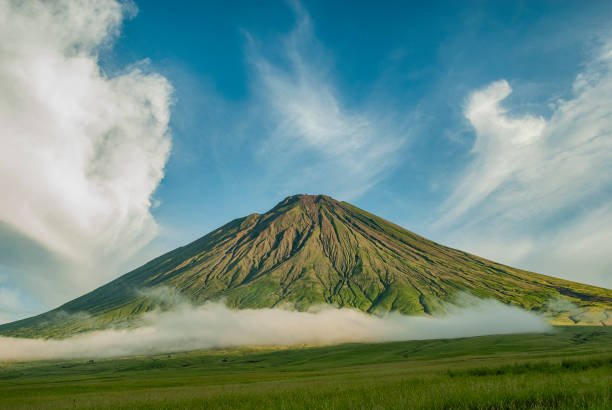
Private 3 Days Lake Natron, Ol Doinyo Lengai From Moshi 2026
A private 3-day journey from Moshi to Lake Natron and Ol Doinyo Lengai offers an unforgettable glimpse into Tanzania's raw, natural beauty and geological wonders. This itinerary focuses on…
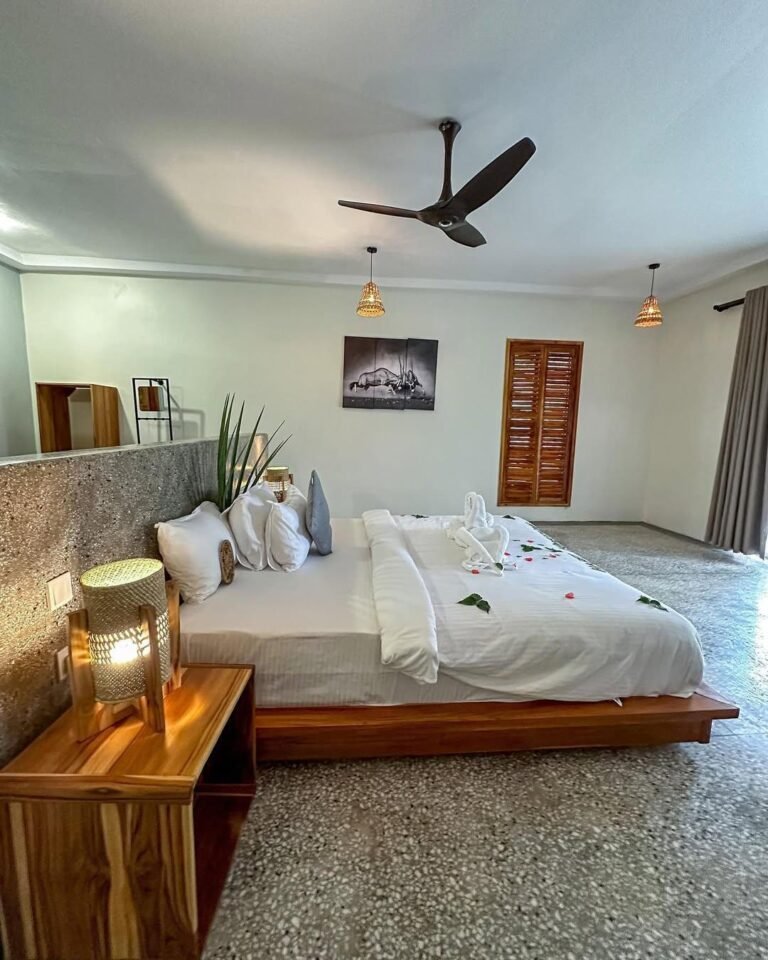
Cheap Hostels In Moshi Near Kilimanjaro 2026-2027
Cheap Hostels in Moshi Near Kilimanjaro 2026-2027 is explained with current 2026-2027 planning, price, itinerary and booking information.
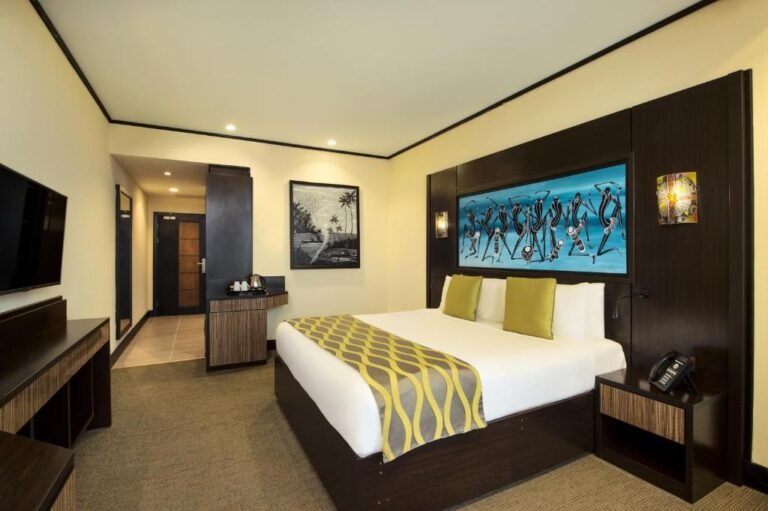
Moshi Hostels & Backpacker Accommodation Guide
Discover the best hostels and backpacker accommodation in Moshi, Tanzania. This comprehensive guide covers budget-friendly stays, essential planning tips, and booking considerations for…
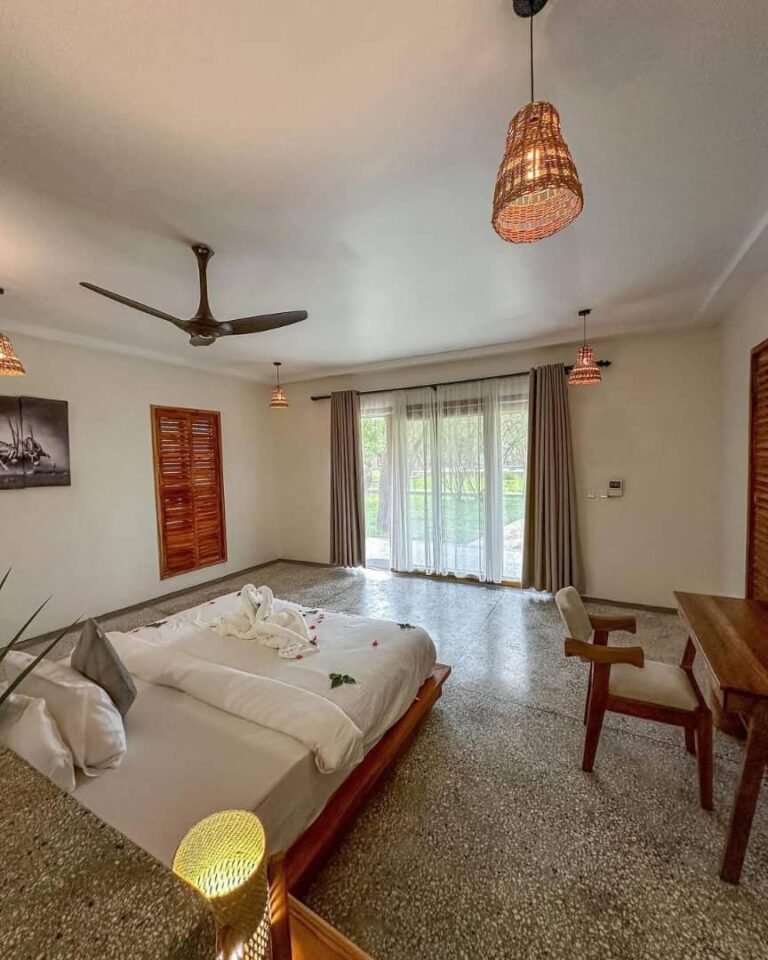
Family Hotels In Moshi Tanzania With Rooms 2026-2027
Family Hotels in Moshi Tanzania with Family Rooms 2026-2027 is explained with current 2026-2027 planning, price, itinerary and booking information.
Backpacker Accommodation In Moshi Tanzania : Your Essential Guide 2026-2027
Planning your adventure in Moshi, Tanzania for 2026-2027? This comprehensive guide covers everything you need to know about backpacker accommodation, from budget hostels to guesthouses…
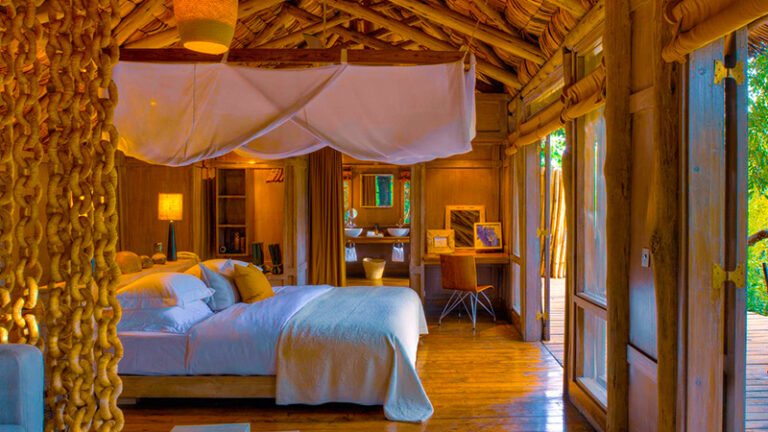
Small Group Hotel Accommodation In Moshi : Your Kilimanjaro Basecamp Guide
Planning a Kilimanjaro adventure or Tanzanian safari in 2026 or 2027? Moshi serves as the gateway, and selecting the right small group hotel accommodation is key. This guide explores your…
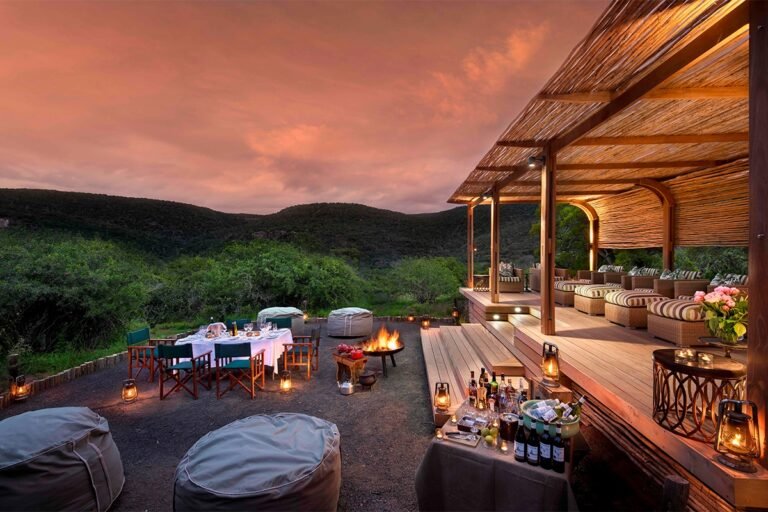
Moshi Accommodation For Groups And Kilimanjaro Teams 2026-2027
Planning a group trip to Tanzania, especially for a Kilimanjaro climb or safari in 2026 or 2027? Moshi offers diverse accommodation options ideal for teams. This guide covers hotels…

Moshi Accommodation For Solo Travelers : Your Expert Guide 2026-2027
Planning a solo trip to Moshi in 2026 or 2027? This comprehensive guide covers accommodation options from budget hostels to comfortable guesthouses, focusing on safety, community, and…
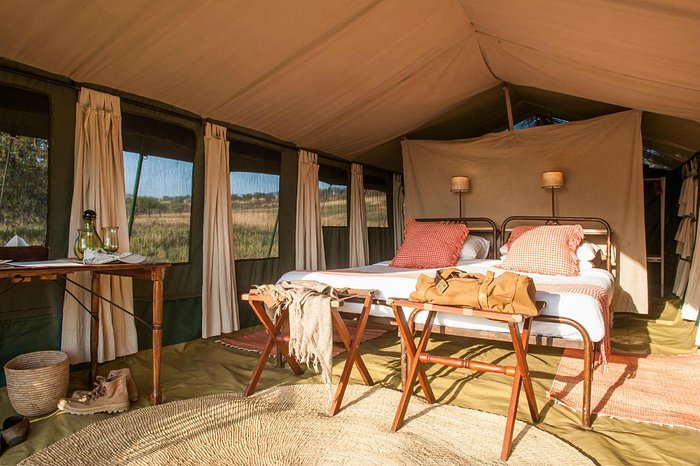
Triple Room Accommodation In Moshi Tanzania : Options & Planning 2026-2027
Planning a trip to Moshi, Tanzania with a group of three? Discover your best triple room accommodation options for 2026-2027, from budget-friendly guesthouses to comfortable hotels, and get…
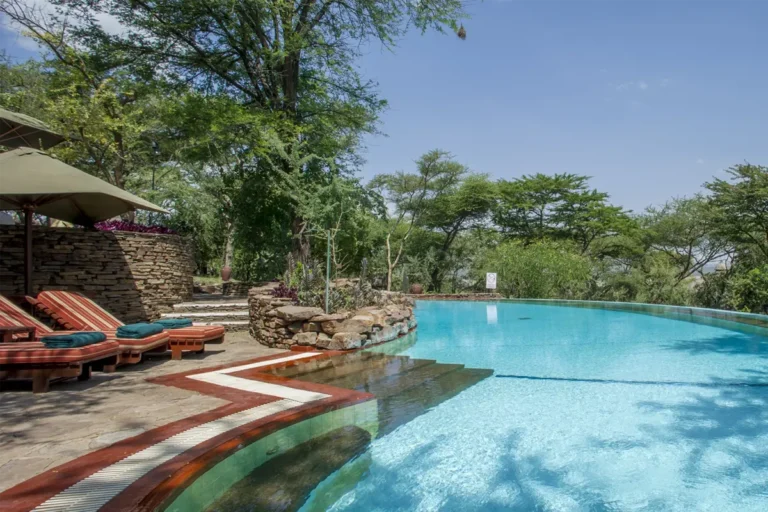
3 Nights Hotel Package In Moshi Tanzania : Planning Your Gateway Stay
Planning a trip to Kilimanjaro or a Tanzanian safari often starts and ends in Moshi. This guide details essential considerations for a 3-night hotel package in Moshi for 2026-2027, covering…
2 Nights Accommodation In Moshi Before And After Kilimanjaro 2026-2027
Planning your Kilimanjaro adventure for 2026 or 2027? Understanding the necessity and options for 2 nights accommodation in Moshi, both before and after your climb, is crucial for a…
No related package matches those filters. Clear one or more filters to see the other topic-matched options.



