Budget accommodation in Moshi, Tanzania for 2026-2027 primarily consists of hostels, guesthouses, and basic hotels, offering travelers cost-effective bases for Kilimanjaro climbs and safari adventures. Expect to pay between $15-$40 per night for a private room in a guesthouse or a dorm bed in a hostel, with prices potentially varying based on the season, specific amenities, and booking proximity. These options provide essential services like clean beds, shared or private bathrooms, and often include simple breakfast, serving as practical hubs rather than luxury resorts.
Understanding Budget Accommodation in Moshi
Moshi, a vibrant town located at the foot of Mount Kilimanjaro, serves as the primary gateway for trekkers and safari-goers heading into northern Tanzania. For many adventurers, especially those planning trips for the 2026-2027 seasons, managing travel expenses is a significant consideration. Budget accommodation in Moshi is designed to meet this need, offering practical, no-frills places to rest and recharge without straining the wallet. These establishments are often run by locals, providing a more authentic glimpse into Tanzanian hospitality. They are crucial for travelers who prioritize experiences over luxury, understanding that their accommodation is mainly a base for daytime activities, whether that’s preparing for a Kilimanjaro ascent, embarking on a Serengeti safari, or exploring local culture.
When we talk about budget accommodation in Moshi, we’re referring to lodging that prioritizes affordability and essential comfort. This typically means simpler furnishings, fewer amenities compared to mid-range or luxury hotels, and often shared facilities. However, what they might lack in opulence, they often make up for in location, local charm, and the opportunity to connect with fellow travelers or hosts. For the 2026-2027 period, the demand for these types of stays is expected to remain high, particularly among backpackers, independent travelers, and those on organized treks where pre- and post-climb accommodation is a necessity. It’s important to set realistic expectations: budget lodging in Moshi is about providing a clean, safe, and convenient place to sleep, not about offering resort-style services.
The economic landscape for travel in Tanzania is continually evolving. While the core concept of budget accommodation remains consistent, specific pricing and availability for 2026 and 2027 will be influenced by factors like inflation, tourism trends, and local development. Generally, the most cost-effective options will be those that focus on providing the basics: a bed, a roof, and access to sanitation. Many budget-friendly places are strategically located within Moshi town, making it easy to access local markets, transport hubs, and tour operator offices. For those planning to climb Kilimanjaro, staying in Moshi for a few days before and after the trek is standard practice, and budget accommodation makes this extended stay feasible for more travelers.
Choosing budget accommodation doesn’t mean compromising entirely on quality or safety. Many establishments that fall into this category have built a reputation for good value and reliable service. The key is to research, understand what each type of budget stay offers, and align your choice with your personal travel style and priorities. Whether you’re looking for a social atmosphere in a hostel or a quieter, more private room in a guesthouse, Moshi provides a range of options that cater to the budget-conscious traveler for the upcoming 2026-2027 travel years. The proximity to the iconic Mount Kilimanjaro is a major draw, and budget lodging allows more people to experience this wonder of the world.
Furthermore, the concept of ‘budget’ can be relative. What one traveler considers budget, another might see as basic. In the context of Moshi, budget accommodation generally means looking at prices that are significantly lower than the more established hotels and lodges. This often translates to simpler decor, fewer staff services, and potentially shared bathrooms, though private bathrooms are increasingly common even in budget-friendly guesthouses. The trade-off is clear: lower cost in exchange for fewer frills. For the 2026-2027 travel planning, understanding these trade-offs will be crucial in selecting the right place to stay. The goal is to find a balance that supports your adventure without becoming a financial burden.
Types of Budget Accommodation Available
Moshi offers a diverse array of budget accommodation types, each catering to slightly different traveler needs and preferences. Understanding these distinctions is key to selecting the perfect base for your Tanzanian adventure in 2026 or 2027. While ‘budget’ is the overarching theme, the experience can vary significantly between a bustling hostel dorm and a quiet family-run guesthouse.
Hostels and Dormitories
Hostels are perhaps the quintessential budget accommodation globally, and Moshi is no exception. These are ideal for solo travelers, backpackers, and those looking to socialize. The defining feature of a hostel is the dormitory-style room, where multiple beds are available for individual booking. This significantly drives down the cost per person, making it one of the most economical choices available for budget accommodation in Moshi, Tanzania. Prices for a dorm bed can range from as low as $15 to $25 per night, depending on the hostel and its amenities.
Beyond dorms, many hostels in Moshi also offer a limited number of private rooms. These are usually more expensive than dorm beds but still fall within the budget category, often costing between $30 and $50 per night. Private rooms in hostels typically include an en-suite bathroom and basic furnishings. The main draw of hostels, however, is their communal atmosphere. They usually feature shared common areas, kitchens, and lounges, encouraging interaction among guests. This makes them excellent places to meet fellow travelers, share tips, and even form groups for excursions. Many hostels also organize social events, walking tours, or pub crawls, further enhancing the social aspect.
For travelers planning for 2026-2027, hostels are a reliable option for consistent affordability. However, privacy is minimal in dorms, and noise levels can sometimes be higher due to the shared nature of the space. It’s advisable to check reviews for specific hostels regarding cleanliness, security (look for lockers), and the general vibe to ensure it matches your expectations. Some hostels are geared towards party-goers, while others are more relaxed and suitable for those focused on their Kilimanjaro climb or safari preparation.
Guesthouses and Homestays
Guesthouses and homestays represent a significant segment of budget accommodation in Moshi, offering a more intimate and often culturally in-depth experience. Unlike hostels, guesthouses typically focus on private rooms, though some may have a few shared options. A homestay takes this a step further, where you might be staying within a local family’s home, offering unparalleled insight into daily life.
Private rooms in guesthouses usually come with en-suite bathrooms and are furnished simply but comfortably. Prices for these rooms typically range from $25 to $45 per night. Some guesthouses might offer rooms with shared bathrooms to keep costs even lower, potentially falling into the $20-$35 range. These establishments are often family-run, providing a warm and welcoming atmosphere. The hosts are usually knowledgeable about the local area and can offer invaluable advice on everything from local transport to reputable tour operators.
Homestays, while less common as a specific category on booking platforms, can sometimes be arranged through local contacts or community tourism initiatives. These offer a truly authentic experience, often including home-cooked meals as part of the stay. The cost can be very competitive, sometimes even including meals for around $30-$50 per day, but this requires more direct arrangement and flexibility.
For travelers in 2026-2027, guesthouses offer a good balance between privacy, affordability, and local interaction. They are often located within residential areas, providing a quieter environment than some city-center hostels. It’s important to verify what is included; breakfast is commonly offered, but other meals may be available for an extra charge or require you to dine out. When booking a guesthouse or homestay, look for reviews that mention the friendliness of the hosts, the cleanliness of the facilities, and the overall atmosphere. This type of budget accommodation in Moshi is excellent for those seeking a genuine connection with Tanzania.
Budget Hotels and Lodges
While Moshi is more known for its hostels and guesthouses, there are also a number of small, locally-owned hotels and lodges that fall into the budget category. These typically offer more structure than a guesthouse but are less basic than a hostel dorm. They provide private rooms, usually with en-suite bathrooms, and often have on-site facilities like a restaurant or a small bar.
Prices for budget hotels and lodges in Moshi can range from $35 to $60 per night for a double room. These establishments often cater to a mix of local and international travelers. They can be a good choice if you prefer a slightly more formal setting than a guesthouse but still want to keep costs down. The amenities might include air conditioning in some rooms (though not always guaranteed in the lowest price tiers), television, and more reliable Wi-Fi than you might find in a homestay.
For travelers planning their trips for 2026-2027, these budget hotels offer a solid middle ground. They provide a good level of comfort and privacy while remaining significantly cheaper than mid-range hotels. When choosing a budget hotel, pay attention to reviews regarding noise levels, the quality of the beds, and the reliability of services like hot water and electricity, which can sometimes be inconsistent in more basic establishments. Many are conveniently located within Moshi town, making them practical bases for organizing Kilimanjaro climbs or safaris.
It’s worth noting that the line between a budget guesthouse and a budget hotel can sometimes be blurred. The key differentiator is often the level of service and the presence of more hotel-like facilities. For the purposes of budget accommodation in Moshi, these hotels provide a comfortable and functional stay for travelers who want a bit more than the absolute basics but are still mindful of their spending. They are a sensible choice for those who might be spending longer periods in Moshi before or after their adventures, seeking a stable and reliable place to stay.
Factors Influencing Cost for 2026-2027
Understanding the variables that affect the price of budget accommodation in Moshi is crucial for effective planning, especially when looking ahead to the 2026-2027 travel seasons. While the core offerings remain consistent, several external factors can cause fluctuations in nightly rates and overall availability.
Seasonality and Peak Times
Like most tourist destinations, Moshi experiences distinct peak and off-peak seasons, which directly impact accommodation prices. The primary climbing seasons for Mount Kilimanjaro, which are also high seasons for general tourism in the region, typically fall between January and March and from June to October. During these periods, demand for accommodation, including budget options, surges. Consequently, prices for budget accommodation in Moshi may see a slight increase, typically by 10-20%, and availability can become tighter.
Conversely, the shoulder seasons (April-May and November-December) often present lower prices and fewer crowds. These times can be ideal for budget travelers seeking the best value for their money. The rainy seasons (typically March-May and November) generally see the lowest demand, leading to the most competitive rates for budget accommodation in Moshi. However, travelers should consider that heavy rains can sometimes affect road conditions and trekking experiences, so it’s a trade-off between cost savings and potential weather disruptions. For 2026-2027, these seasonal patterns are expected to hold, making early planning for peak season trips essential.
Location: Proximity to Attractions
The location of your chosen budget accommodation within Moshi can also influence its price. Stays located directly in the town center, close to the main bus station, local markets, and tour operator offices, often command slightly higher rates due to their convenience. This proximity is invaluable for trekkers and safari-goers who need easy access to arrange last-minute details, meet guides, or catch transport.
Accommodation situated a bit further out from the immediate town center, perhaps in quieter residential neighborhoods, may offer slightly lower prices. While this might require a short taxi ride or a longer walk to reach central amenities, it can be a worthwhile saving for budget-conscious travelers. For those prioritizing tranquility and a more local feel, these slightly remote budget options in Moshi can be very appealing for 2026-2027.
When considering budget accommodation in Moshi, it’s important to weigh the cost savings against the convenience of location. A slightly more expensive place in the center might save you money and time on daily transportation, effectively balancing out the nightly rate difference. Conversely, if you plan to spend most of your time on organized tours with pickups arranged, then a slightly out-of-town budget stay could be perfectly adequate and more economical.
Amenities and Services Offered
The specific amenities and services provided by a budget accommodation establishment will naturally affect its pricing. Basic hostels offering just a bed in a shared dorm with shared bathroom facilities will be at the lower end of the budget spectrum. As you move up, private rooms, en-suite bathrooms, and the availability of hot water will increase the nightly rate.
Other services that can influence cost include:
- Breakfast: Many budget guesthouses and hotels include a simple breakfast (e.g., tea/coffee, bread, eggs) in the room rate. If breakfast is not included, factor in the cost of purchasing it separately.
- Wi-Fi: Reliable internet access is increasingly expected. While free Wi-Fi is common, its speed and consistency can vary significantly. Places offering faster or more dependable Wi-Fi might charge a little more.
- Airport Transfers: Some accommodations offer airport pick-up services from Kilimanjaro International Airport (JRO). This is a convenient service, but it usually comes with a fee, which can be higher than arranging your own transport.
- On-site Facilities: Access to a common area, a small restaurant, or a bar can add value and might be reflected in the price.
For 2026-2027, travelers should carefully review what’s included in the advertised price for budget accommodation in Moshi. Sometimes a slightly higher price point that includes breakfast and Wi-Fi can offer better overall value than a cheaper room without these essentials.
Booking Window and Demand
The timing of your booking relative to your travel dates can also influence cost, particularly for popular periods in 2026 and 2027. During peak seasons, accommodations are likely to fill up quickly. Booking well in advance, sometimes 6-12 months ahead, is often recommended for securing the best budget options at their standard rates. Last-minute bookings during peak times might mean fewer choices and potentially higher prices as remaining spots are snapped up.
Conversely, during the off-peak or rainy seasons, there might be more flexibility, and sometimes even last-minute deals can be found. However, relying on last-minute availability for budget accommodation in Moshi during peak times is a risky strategy. The demand for budget stays, especially those conveniently located for Kilimanjaro treks, remains consistently high throughout the year, though it peaks during the dry, cooler months.
When planning your 2026-2027 trips, consider this booking window. If you’re traveling during a popular period, early booking is your best strategy to secure preferred budget accommodation in Moshi at predictable rates. For travelers with flexible dates who can avoid the absolute peak months, there may be more opportunities to find good deals even closer to their travel date.
Finding the Best Budget Accommodation Options
Securing the right budget accommodation in Moshi for your 2026-2027 travels involves a combination of online research and leveraging local knowledge. While many options are discoverable online, direct contact and local recommendations can often yield the best results for value and authenticity.
Online Booking Platforms
Websites like Booking.com, Agoda, and Hostelworld are invaluable resources for identifying budget accommodation in Moshi. These platforms allow you to filter by price, guest ratings, location, and amenities. You can easily compare different hostels, guesthouses, and budget hotels, read recent reviews from fellow travelers, and view photos of the properties.
When using these platforms for 2026-2027 planning:
- Read Recent Reviews: Pay close attention to reviews from the past 6-12 months for the most up-to-date information on cleanliness, service, and accuracy of descriptions.
- Filter by Price and Rating: Set your budget range and then look for properties with consistently good ratings (e.g., 7.5/10 or higher) within that range.
- Check Location: Use the map feature to ensure the accommodation is conveniently located for your planned activities, especially if you’re climbing Kilimanjaro or going on safari.
- Understand Cancellation Policies: For flexible planning, look for options that offer free cancellation.
While online platforms are convenient, they sometimes add a commission to the rates. This is a trade-off for the ease of booking and the breadth of choice they provide. For budget accommodation in Moshi, these platforms are an excellent starting point.
Local Recommendations and Direct Booking
For the most authentic and potentially cost-effective options, local recommendations and direct booking are highly effective. If you are booking a Kilimanjaro climb or safari with a local operator like Climb 4 Africa, they can often recommend or even arrange accommodation for you in Moshi. This is particularly beneficial for pre- and post-trek stays.
Operators often have established relationships with specific guesthouses or budget hotels that they trust for their clients. They might secure preferential rates or ensure a certain standard of service. When you book your main tour package, inquire about their accommodation recommendations or inclusion options. This can simplify your planning considerably for 2026-2027.
If you find a place you like online, it’s often worth checking if they have their own website or a direct contact number/email. Contacting them directly can sometimes lead to slightly better rates as they avoid platform commissions. For budget accommodation in Moshi, especially smaller guesthouses, direct communication is often welcomed. You can also ask about any packages or deals they might offer for longer stays.
When to Book for 2026-2027
As mentioned earlier, the timing of your booking is critical for securing desirable budget accommodation in Moshi, especially for the popular 2026-2027 seasons.
- Peak Seasons (June-Oct, Jan-Mar): Aim to book at least 6-9 months in advance. For the absolute best options and rates, consider booking up to 12 months ahead.
- Shoulder Seasons (Apr-May, Nov-Dec): Booking 3-6 months in advance is generally sufficient, though popular spots can still fill up.
- Off-Peak/Rainy Seasons (Apr-May, Nov): You might find availability closer to your travel date (1-3 months), but booking early is still recommended if you have specific preferences.
For those planning a Kilimanjaro climb in 2026 or 2027, it’s common to book your climb package first, which often includes pre- and post-climb accommodation arrangements or recommendations. When this is the case, coordinate your personal accommodation bookings with your tour operator’s schedule. If accommodation is not included, ensure your chosen budget stay is conveniently located for your trek briefing and departure.
What to Expect from Budget Stays in Moshi
When opting for budget accommodation in Moshi, particularly for trips in 2026-2027, it’s essential to have realistic expectations. These places prioritize affordability and functionality over luxury. Understanding what is typically offered can help avoid surprises and ensure a comfortable stay.
Room Standards and Cleanliness
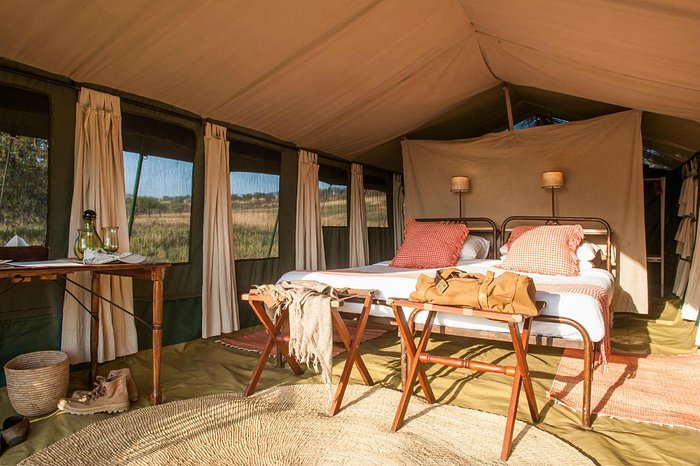
Rooms in budget accommodation in Moshi are generally basic but clean. You can expect a bed (single, double, or bunk beds in dorms), a bedside table, and perhaps a small wardrobe or shelf for your belongings. Linens are provided and should be clean. The decor is usually simple, with functional furniture.
Cleanliness is paramount, even in budget establishments. While you might not find pristine, modern interiors, the rooms and common areas should be tidy and well-maintained. Check reviews specifically mentioning cleanliness, as this is a common indicator of a well-run establishment. For dormitories, ensure there are lockers available for securing your valuables.
En-suite bathrooms are becoming more common, even in budget options, but shared bathrooms are still prevalent, especially in the lowest-priced hostels. If you opt for a shared bathroom, expect it to be cleaned regularly, though it will be in use by multiple guests. Hot water availability can sometimes be inconsistent in very basic budget places, particularly during peak demand, so it’s worth inquiring about this if it’s a priority for you.
Common Amenities and Facilities
Budget accommodation in Moshi typically offers essential amenities rather than extensive facilities. Common features include:
- Bedding: Clean sheets, a pillow, and a blanket are standard.
- Mosquito Nets: Essential for sleeping comfortably, especially during warmer months. Most budget accommodations will provide these.
- Fans: Air conditioning is rare in budget options, but fans are often provided in rooms to help with air circulation.
- Common Areas: Hostels and many guesthouses have shared lounges or common rooms where guests can relax, socialize, or plan their day.
- Wi-Fi: Increasingly available, though speed and reliability can vary greatly. Some places offer it for free, while others might charge a small fee or offer it only in common areas.
- Power Outlets: Sufficient outlets for charging devices are usually available, though sometimes shared in dorms. Power outages can occur occasionally in Tanzania, so a portable power bank is a good idea.
Some budget hotels might offer additional amenities like a television in the room or a small restaurant/bar. For 2026-2027, expect Wi-Fi to be a key feature, even in budget places, but manage your expectations regarding speed and consistency.
Food and Dining Options
Many budget accommodations in Moshi, particularly guesthouses and hostels, include a simple breakfast in the room rate. This often consists of toast, eggs, and tea or coffee. It’s a convenient way to start your day, especially before an early morning departure for a trek or safari.
For other meals, you have several options:
- On-site Restaurants/Cafes: Some budget hotels and larger hostels have their own dining facilities, offering a range of local and some international dishes. Prices are usually reasonable, though often slightly higher than eating at local eateries.
- Nearby Local Eateries: Moshi town is dotted with small restaurants (often called ‘local hotels’ or ‘restaurants’) and street food stalls offering affordable and authentic Tanzanian cuisine. This is where you can try dishes like ugali, pilau, and various meat or vegetable stews.
- Self-Catering: If your hostel has a communal kitchen, you can purchase ingredients from local markets and prepare your own meals, which is a significant cost-saver for longer stays.
When planning for 2026-2027, factor in your dining preferences and budget. Eating at local eateries is the most budget-friendly and culturally enriching option for lunch and dinner. Ensure any food you buy from street vendors is freshly prepared and hot.
Connectivity and Utilities
Connectivity in Moshi, especially for budget travelers, primarily revolves around Wi-Fi and mobile phone service. While Wi-Fi is widely advertised, its quality can be a gamble.
- Wi-Fi: Expect varying speeds and reliability. It’s often strongest in common areas. For crucial tasks like uploading photos or making video calls, consider purchasing a local SIM card with a data bundle.
- Mobile Service: Local SIM cards (e.g., Vodacom, Tigo, Airtel) are readily available at kiosks in town and offer affordable data packages. This is often the most reliable way to stay connected for your 2026-2027 trip.
- Electricity: Power outages can occur, though they are becoming less frequent in main towns. Most accommodations will have backup generators or at least be accustomed to managing power interruptions. It’s wise to have a portable power bank for your devices.
- Water: Tap water is generally not safe to drink for visitors. Most accommodations provide bottled water, or you can purchase it cheaply from local shops.
When booking budget accommodation in Moshi for 2026-2027, inquire about Wi-Fi availability and any associated costs. If reliable internet is critical, a local SIM card is your best bet.
Budget Accommodation vs. Mid-Range Options
Choosing between budget accommodation and mid-range options in Moshi for 2026-2027 involves a clear trade-off between cost and comfort/amenities. Understanding this difference helps in making an informed decision based on your priorities and budget.
Budget Accommodation:
- Price: Typically $15-$60 per night for a private room or dorm bed.
- Focus: Providing essential shelter, a clean bed, and basic services.
- Amenities: Simple furnishings, often shared bathrooms, limited Wi-Fi, basic breakfast (if included), common areas.
- Atmosphere: Can range from social and communal (hostels) to quiet and simple (guesthouses).
- Best For: Solo travelers, backpackers, those on a strict budget, travelers prioritizing experiences over lodging, short stays focused on activities.
Mid-Range Options:
- Price: Typically $60-$150+ per night for a double room.
- Focus: Offering enhanced comfort, more amenities, and a higher level of service.
- Amenities: Private en-suite bathrooms, air conditioning, better Wi-Fi, on-site restaurants with wider menus, swimming pools (in some cases), more attentive service, often more aesthetically pleasing decor.
- Atmosphere: Generally more relaxed, private, and comfortable.
- Best For: Couples, families, travelers seeking more comfort and convenience, those spending longer periods in Moshi and wanting a more relaxing base, or those who have saved money elsewhere.
For travelers planning trips in 2026-2027, the decision hinges on how much you value comfort and convenience versus cost savings. If your primary goal is to climb Kilimanjaro or go on safari, and you plan to spend most of your time outdoors or on organized tours, budget accommodation in Moshi is often perfectly sufficient. It allows more funds to be allocated to the adventure itself. However, if you seek a more relaxing environment to unwind after strenuous activities, or if you simply prefer a higher standard of comfort, stretching your budget for a mid-range option might be worthwhile.
It’s also worth noting that ‘mid-range’ can vary. Some places might offer a good balance, providing comfortable rooms with private bathrooms and reliable Wi-Fi at the lower end of the mid-range spectrum, bridging the gap between budget and higher-end hotels.
Practical Tips for Budget Travelers in Moshi
Maximizing your experience while minimizing costs in Moshi for your 2026-2027 adventure requires smart planning and local insights. Here are practical tips tailored for budget travelers.
Transportation from Your Accommodation
Getting around Moshi and to trailheads or safari pickup points is relatively straightforward, even on a budget.
- Walking: Many budget accommodations are located within Moshi town, making it easy to walk to local markets, restaurants, and tour operator offices.
- Dala-dalas: These are local minibuses and are the cheapest way to travel longer distances within the town or to nearby villages. They are crowded and operate on fixed routes, but offer an authentic local experience.
- Taxis: Taxis are readily available for quicker or more direct journeys. Agree on the fare before starting your trip, as meters are rarely used. For airport transfers from Kilimanjaro International Airport (JRO), pre-booking through your tour operator or accommodation is often the most convenient and can sometimes be more cost-effective than hailing a taxi upon arrival. Expect to pay around $30-$50 for an airport transfer.
- Motorbike Taxis (Boda-bodas): For short distances, these are quicker than walking and cheaper than taxis. Always wear a helmet and agree on the price beforehand.
If your budget accommodation is far from town, factor in daily transport costs when comparing prices. For Kilimanjaro climbs or safaris, transport to the starting point is usually included in the tour package.
Safety Considerations
While Moshi is generally considered safe, especially for tourists focused on mountain treks and safaris, it’s always wise to exercise common sense precautions, particularly when staying in budget accommodation.
- Secure Valuables: Use lockers provided in hostels or keep valuables locked in your room safe if available. Never leave electronics or cash unattended.
- Night Travel: Avoid walking alone in unfamiliar or poorly lit areas after dark. If you need to travel at night, take a taxi or boda-boda and ensure the driver is reputable.
- Be Aware of Your Surroundings: Like in any busy town, be mindful of petty theft, especially in crowded markets or bus stations.
- Trust Your Gut: If a situation feels unsafe or a person seems untrustworthy, disengage and move away.
- Accommodation Security: Ensure your room door locks properly and be aware of who has access to your floor or common areas.
For 2026-2027, these general safety tips remain relevant. Most budget accommodations are in safe neighborhoods, and staff are usually helpful and aware of safety protocols.
Managing Expectations
Perhaps the most crucial tip for budget travelers is to manage expectations. Budget accommodation in Moshi is about providing a functional and affordable base. It is not a luxury resort.
- Amenities: Don’t expect constant hot water, high-speed internet, or air conditioning as standard. Be prepared for occasional power outages or water supply interruptions.
- Service: Staff in budget places are often friendly and helpful but may not be available 24/7. Service might be more informal.
- Noise: Hostels, by nature, can be noisy. Guesthouses in residential areas might have street noise or sounds from neighbors.
- “Budget” Varies: The definition of budget can differ. Always check recent reviews and photos to get a clear picture of what to expect for the price.
By setting realistic expectations for your 2026-2027 trip, you are more likely to be pleasantly surprised by the quality and hospitality you find, rather than disappointed by what’s missing. Embrace the simplicity and focus on the incredible experiences that await you in Tanzania.
Booking Your Stay with Climb 4 Africa
When planning your Kilimanjaro climb, safari, or any adventure in Tanzania for 2026 or 2027, securing reliable and conveniently located accommodation in Moshi is a vital part of the preparation. While Climb 4 Africa specializes in crafting unforgettable mountain and safari experiences, we also understand the importance of comfortable and affordable lodging before and after your expeditions.
We can assist you with booking your budget accommodation in Moshi, ensuring it aligns with your trek or safari itinerary. Our local knowledge allows us to recommend trusted hostels, guesthouses, and budget hotels that offer great value, are well-located for pre-trek briefings and departures, and provide a welcoming environment for our clients. Often, we can arrange these stays as part of your overall package, simplifying your planning process significantly.
To discuss your accommodation needs and how we can integrate them into your 2026-2027 adventure plans, please feel free to reach out. Whether you’re looking for a social hostel to meet fellow trekkers or a quiet guesthouse for rest, we are here to help. You can contact us via:
- WhatsApp: +255 747 477 898
- Email: climb4africa@gmail.com
Let Climb 4 Africa be your comprehensive partner in planning your Tanzanian journey. We ensure that from the moment you arrive in Moshi to the final farewell, your experience is smooth, memorable, and perfectly tailored to your budget and adventure goals for 2026-2027.
“,
“faq_schema”: [
{
“question”: “What is the average cost of budget accommodation in Moshi for 2026-2027?”,
“answer”: “For 2026-2027, expect budget accommodation in Moshi, Tanzania, to range from approximately $15-$25 per night for a dorm bed in a hostel, up to $25-$60 per night for a private room in a guesthouse or budget hotel. Prices can vary based on seasonality, specific amenities, and location.”
},
{
“question”: “Are hostels a good option for budget accommodation in Moshi?”,
“answer”: “Yes, hostels are an excellent choice for budget accommodation in Moshi, particularly for solo travelers or those seeking a social atmosphere. They offer affordable dorm beds and often private rooms, with shared common areas for meeting fellow travelers. They are a staple for budget stays preparing for Kilimanjaro or safaris.”
},
{
“question”: “Should I book my budget accommodation in Moshi in advance for 2026-2027?”,
“answer”: “It is highly recommended to book your budget accommodation in Moshi in advance, especially if you are traveling during the peak seasons (June-October and January-March) for 2026-2027. Booking 6-9 months ahead is advisable for popular hostels and guesthouses to secure availability and potentially better rates.”
},
{
“question”: “What amenities can I expect from budget accommodation in Moshi?”,
“answer”: “Budget accommodation in Moshi typically offers basic amenities such as clean beds, linens, mosquito nets, and often a fan. Wi-Fi is increasingly common, though its reliability varies. Shared bathrooms are frequent in hostels, while private en-suite bathrooms are more common in guesthouses and budget hotels. Breakfast is often included.”
},
{
“question”: “Can tour operators like Climb 4 Africa help with booking budget accommodation in Moshi?”,
“answer”: “Yes, tour operators like Climb 4 Africa can often assist with booking budget accommodation in Moshi. They have local knowledge and established relationships with trusted guesthouses and hostels, ensuring convenient locations and good value for their clients preparing for Kilimanjaro climbs or safaris.”
}
]
}
“`
Check Availability for Budget Accommodation In Moshi Tanzania 2026-2027
Ready to compare dates, prices, and the best option for your group? Send the package name and travel month so the team can reply with a clear quote, availability, and what is included.
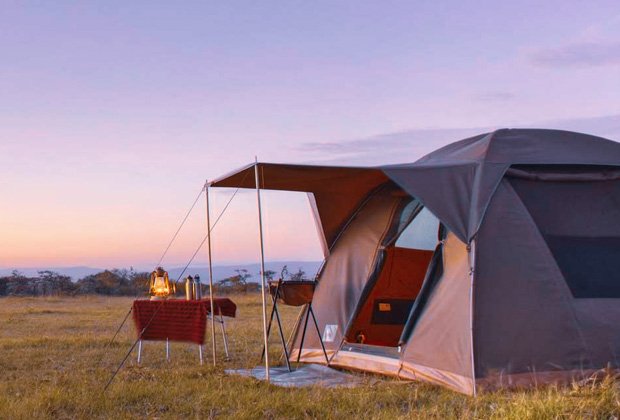
AFCON 2027 Safari from Moshi: Safari ya Afrika Mashariki kwa Mashabiki wa Soka
Safari ya kipekee ya AFCON 2027 inayochukua mji wa Moshi kuwa kituo cha kuanzia kwa mbuga ya wanyamapori na milima ya Kilimanjaro, ikijumuisha uhifadhi wa ndani na mwongozo wa kiusimamizi...
View package details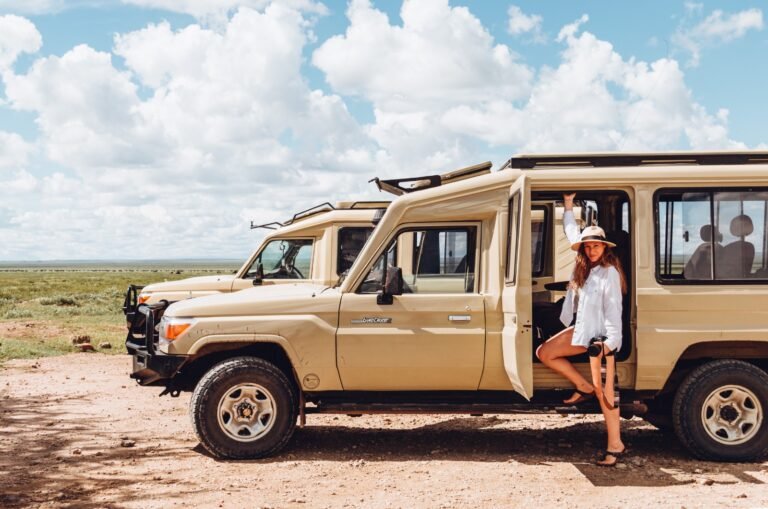
Oct 25, – 1 Day Ngorongoro Crater Group Safari From Moshi 2026
A detailed guide to organizing a one-day group safari to the Ngorongoro Crater starting from Moshi, specifically focusing on the logistics for October 25, 2026.
View package detailsNo related package matches those filters. Clear one or more filters to see the other topic-matched options.