Moshi offers a diverse range of hotels and accommodation, from simple guesthouses perfect for budget-conscious trekkers to comfortable mid-range lodges and more upscale hotels, all serving as ideal staging points for Kilimanjaro climbs and Northern Circuit safaris in 2026-2027. Your choice will depend on your comfort expectations, budget, and whether you prioritize proximity to tour operator offices or a more tranquil setting away from the town center.
Moshi, located at the foothills of Mount Kilimanjaro, is more than just a transit point; it’s a vibrant town that serves as the primary gateway for thousands of adventurers annually. Whether your sights are set on conquering Africa’s highest peak or embarking on an unforgettable wildlife safari, selecting the right Moshi accommodation is a crucial first step in planning your 2026 or 2027 Tanzanian journey. The town caters to a wide spectrum of travelers, offering everything from basic, clean rooms for those prioritizing expedition funds to more amenity-rich hotels for those seeking a bit of comfort before or after strenuous activity.
Understanding the landscape of Moshi hotels and accommodation means looking beyond just a place to sleep. It’s about finding a supportive environment, convenient access to essential services like tour operator briefings and gear rentals, and a base that enhances your overall experience. This guide will break down the different types of lodging available, helping you make an informed decision that aligns with your travel style and needs for your upcoming adventure.
Table of Contents
- Moshi Accommodation Overview: Types and Traveler Suitability
- Budget-Friendly Guesthouses and Hostels in Moshi
- Mid-Range Hotels and Lodges: Comfort and Value
- Upscale and Luxury Options in Moshi
- Key Booking Considerations for 2026-2027
- Location Matters: Proximity to Kilimanjaro & Safari Operators
- Essential Amenities and Services to Expect
- Planning Your Stay Around Your Climb or Safari
- Making the Most of Moshi Town Itself
- Contact Climb 4 Africa for Personalized Recommendations
Moshi Accommodation Overview: Types and Traveler Suitability
Moshi’s accommodation scene is a reflection of its role as a hub for adventure tourism. You’ll find a spectrum of options, each designed to meet different traveler needs and budgets. Generally, these can be categorized into three main tiers: budget-friendly, mid-range, and upscale/luxury. The suitability of each tier depends heavily on your personal travel style, the length of your stay, and your priorities for the trip. For instance, a solo backpacker focused on maximizing their Kilimanjaro expedition budget might opt for a simple guesthouse, while a family or couple seeking comfort and a bit of pampering before a safari might prefer a well-appointed lodge.
When evaluating Moshi hotels and accommodation, it’s important to consider what each category typically offers. Budget options often provide clean, basic rooms, sometimes with shared bathrooms, and are ideal for short stays, particularly for trekkers who will be away for several days. Mid-range hotels strike a balance, offering private en-suite bathrooms, reliable Wi-Fi, perhaps a restaurant, and more comfortable common areas. These are excellent for travelers who want a good night’s sleep and decent amenities without the premium price tag. Upscale and luxury accommodations, while less common directly within Moshi town compared to Arusha, do exist and offer superior comfort, more extensive facilities like swimming pools, fine dining, and enhanced service levels. These are best suited for travelers who prioritize comfort, relaxation, and a touch of indulgence.
The choice is also influenced by the specific purpose of your stay. If Moshi is merely a 24-hour stopover before your Kilimanjaro climb, a budget-friendly guesthouse might suffice. However, if you plan to spend a few days acclimatizing, exploring the town, or relaxing after your trek, investing in a more comfortable mid-range or upscale hotel could significantly enhance your experience. For those planning their adventures for 2026 or 2027, understanding these distinctions early will help in making reservations well in advance, especially during peak seasons.
Budget-Friendly Guesthouses and Hostels in Moshi
For many travelers whose primary focus is the Kilimanjaro climb or an extensive safari, minimizing accommodation costs in Moshi is a common strategy. This is where the town’s numerous guesthouses and hostels shine. These establishments are typically family-run or small-scale operations, offering a more local feel and a chance to interact with residents. They provide essential services: a bed, a roof, and often a simple breakfast. Rooms can range from basic dormitories to private rooms, some with shared bathroom facilities and others with en-suite toilets and showers.
The appeal of these budget Moshi hotels and accommodation options lies in their affordability and their no-frills approach. They are perfect for solo travelers, backpackers, or groups who intend to spend most of their time out and about, preparing for their expeditions, or simply want to allocate more of their budget towards the adventure itself. Many guesthouses are conveniently located within walking distance of Moshi town center, providing easy access to restaurants, markets, and tour operator offices for pre-climb briefings. When considering these for your 2026-2027 trip, look for those that are well-reviewed for cleanliness and safety, as standards can vary.
While amenities are generally minimal, some budget accommodations might offer communal kitchens, Wi-Fi (though often spotty), and laundry services for a fee. The trade-off for lower prices is often less privacy, potentially more noise, and simpler furnishings. However, for many, the warmth of the hospitality and the practical advantage of saving money outweigh these factors. If you’re aiming for an economical adventure in 2026 or 2027, exploring these guesthouses is a smart move. It’s advisable to book these in advance, especially private rooms, as they can fill up quickly with trekkers and budget travelers.
Mid-Range Hotels and Lodges: Comfort and Value
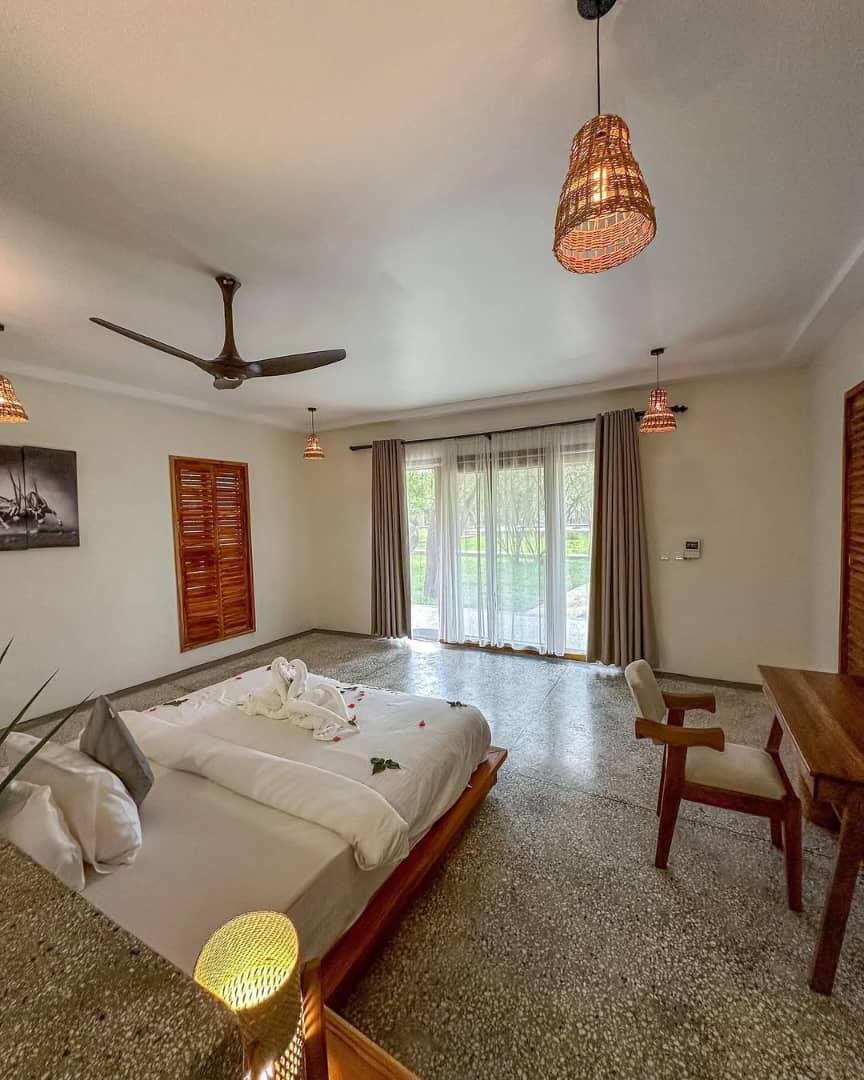
The mid-range segment represents the sweet spot for many visitors seeking a comfortable and reliable stay in Moshi. These hotels and lodges offer a significant step up in amenities and service compared to budget guesthouses, without the premium price of luxury establishments. You can expect private, en-suite bathrooms, comfortable beds, air conditioning or fans, and often on-site restaurants serving a mix of local and international cuisine. Wi-Fi is usually more reliable, and facilities like a lounge area or a small garden can provide pleasant spaces to relax.
For travelers planning their 2026-2027 trips who want a good balance of comfort, convenience, and value, mid-range Moshi hotels and accommodation are often the best fit. They are ideal for couples, families, or individuals who appreciate a bit more privacy and comfort after a day of travel or preparation. Many of these establishments are well-equipped to handle the needs of Kilimanjaro climbers, offering secure luggage storage, pre-climb briefing rooms, and assistance with arranging airport transfers or local transport.
When choosing a mid-range option, consider its location. Some are situated closer to the town center, offering easy access to amenities, while others might be a short drive away, providing a quieter, more serene environment with potentially better views of Kilimanjaro. Look for hotels that have positive reviews regarding cleanliness, staff helpfulness, and food quality. Some mid-range lodges might also feature amenities like swimming pools, which can be a welcome respite during the hotter months or after a long journey. Booking these well in advance for 2026-2027 is recommended, as they are popular among a wide range of travelers.
Upscale and Luxury Options in Moshi
While Moshi is primarily known as a trekking gateway, there are a select few upscale and luxury accommodations that cater to those seeking a higher level of comfort, service, and exclusivity. These options often boast beautifully designed rooms or suites, high-quality furnishings, gourmet dining experiences, and extensive facilities such as swimming pools, spas, and well-maintained gardens. The service is typically more personalized, with staff attentive to individual guest needs.
For travelers who prioritize a refined experience before or after their adventures, or those on a more indulgent Tanzanian holiday in 2026 or 2027, these higher-end Moshi hotels and accommodation are worth considering. They offer a tranquil escape from the bustle of town, often set in scenic locations with stunning views of Mount Kilimanjaro. These properties are ideal for honeymooners, those celebrating special occasions, or travelers who simply want to treat themselves.
Amenities at these establishments can include air-conditioned rooms, premium toiletries, fine linens, and often a concierge service to assist with local arrangements. Some may also offer specialized services like private yoga sessions or guided nature walks on their grounds. While the price point is higher, the enhanced comfort, exclusive atmosphere, and superior service can significantly elevate your overall travel experience. It’s crucial to book these sought-after locations well in advance, especially for peak travel seasons in 2026 and 2027, as availability can be limited.
Key Booking Considerations for 2026-2027
Planning your Moshi accommodation for 2026 or 2027 requires attention to several key details to ensure a smooth and enjoyable stay. The first is timing: peak seasons for Kilimanjaro climbs and safaris, typically the dry months of January-March and June-October, see high demand for all types of Moshi hotels and accommodation. Booking at least 6-12 months in advance for these periods is highly recommended, especially for more popular mid-range and upscale options.
Consider the duration of your stay. Are you arriving a day before your climb briefing and departing immediately after, or do you plan to spend extra days acclimatizing, exploring the town, or recovering post-trek? This will influence whether a simple guesthouse or a more comfortable hotel is appropriate. Also, factor in any pre- or post-expedition needs. Does the hotel offer secure luggage storage for the duration of your climb? Do they have facilities for pre-climb briefings, or can they easily arrange one? These practical aspects are crucial for trekkers.
When comparing Moshi hotels and accommodation, pay close attention to what is included in the room rate. Is breakfast included? Are there additional charges for Wi-Fi, airport transfers, or laundry services? Understanding these details can help you avoid unexpected costs and budget more accurately for your 2026-2027 trip. For those booking packages with tour operators like Climb 4 Africa, clarify whether accommodation in Moshi is included in your package or needs to be booked separately. Sometimes, operators have preferred partner hotels, which can offer convenience and sometimes special rates.
Finally, read recent reviews. While online reviews offer valuable insights, remember that individual experiences can vary. Look for consistent themes regarding cleanliness, staff helpfulness, safety, and the overall atmosphere. For specific needs, such as dietary restrictions or accessibility requirements, it’s always best to contact the hotel directly before booking your 2026-2027 stay.
Location Matters: Proximity to Kilimanjaro & Safari Operators
The location of your Moshi accommodation can significantly impact your pre- and post-expedition experience. Moshi town itself is relatively compact, but different areas offer distinct advantages. Many travelers choose hotels and guesthouses located in the town center for their convenience. Staying here means you’re often within walking distance of tour operator offices for essential pre-climb briefings, gear rental shops, local markets for last-minute supplies, and a variety of restaurants and cafes.
For those prioritizing a quieter atmosphere and potentially more direct views of Mount Kilimanjaro, accommodations located slightly on the outskirts of town might be preferable. These often require a short taxi or boda-boda (motorcycle taxi) ride to reach the town center but can offer a more serene environment, away from the traffic and bustle. Some lodges situated on the slopes of Kilimanjaro provide a more scenic and tranquil setting, ideal for relaxation before or after a challenging trek.
When selecting Moshi hotels and accommodation, consider your primary reason for being there. If your main goal is efficient logistics – easy access to your tour operator, quick access to ATMs, and proximity to essential services – a central location is likely best. If your priority is a peaceful retreat and stunning mountain vistas, look for options a bit further out. For 2026-2027 bookings, consider how easy it will be to get to and from your chosen accommodation, especially if you have early morning departures for your climb or safari.
Climb 4 Africa, for example, often conducts pre-climb briefings at their offices or at designated partner hotels. Knowing the location of your chosen accommodation in relation to your tour operator’s meeting point can save you valuable time and reduce pre-expedition stress. It’s worth inquiring about this when you make your booking for 2026 or 2027.
Essential Amenities and Services to Expect
When searching for Moshi hotels and accommodation, understanding the typical amenities and services offered will help you make an informed choice. Even at the budget end, expect basic cleanliness and security. However, for a more comfortable stay, particularly for longer durations or if you’re seeking a recovery spot after a tough trek, certain amenities become important.
Key Amenities to Look For:
- Private Bathrooms: While shared bathrooms are common in very budget guesthouses, private en-suite facilities offer significantly more comfort and privacy.
- Wi-Fi: Internet access is increasingly standard, but reliability can vary greatly. If Wi-Fi is critical for your stay, check recent reviews or confirm with the accommodation provider. Speeds may not match what you’re used to internationally.
- Hot Water: Essential for a refreshing shower, especially after a dusty day or a cold climb.
- Restaurant/Bar: Convenient for meals, especially if your accommodation is slightly out of town. Quality and variety can differ.
- Luggage Storage: Crucial for Kilimanjaro climbers who need a secure place to leave excess luggage while on the mountain. Most reputable operators and hotels offer this service.
- Airport Transfers: Many hotels can arrange pick-ups from Kilimanjaro International Airport (JRO) or local bus stations. Confirm pricing in advance.
- Power Outlets: Ensure there are sufficient and accessible power outlets for charging devices.
- Air Conditioning/Fans: Moshi can get warm, so these can be a significant comfort factor.
Beyond physical amenities, consider the services offered. Does the hotel staff speak English? Are they helpful with local information, taxi bookings, or onward travel arrangements? For trekkers, the ability of the accommodation to facilitate pre-climb briefings or connect you with your tour operator is invaluable. For those planning their 2026-2027 adventures, clarifying these service aspects can smooth out logistical wrinkles.
Some mid-range and upscale Moshi hotels and accommodation might also offer swimming pools, fitness centers, or spa services, providing added relaxation and leisure opportunities. While not essential for a pre-trek stay, they can be a welcome bonus for post-trek recovery or if you’re extending your stay in the region.
Planning Your Stay Around Your Climb or Safari
The length and timing of your stay in Moshi should be strategically planned around your main adventure. For Kilimanjaro climbers, it’s generally recommended to arrive at least two days before your climb is scheduled to begin. This allows time for a pre-climb briefing with your tour operator, a gear check, and some minor acclimatization. Your chosen Moshi accommodation will serve as your base for these preparations.
A typical itinerary might look like this for 2026-2027:
- Day 1: Arrival in Moshi. Check into your hotel. Relax and settle in. If you arrive early, you might explore the town.
- Day 2: Pre-Climb Briefing & Gear Check. Meet with your tour operator (e.g., Climb 4 Africa) for a detailed briefing on your upcoming climb, discuss route details, safety protocols, and nutrition. You’ll also have a chance to check your gear and rent any missing items.
- Day 3: Kilimanjaro Climb Departure. After breakfast, you’ll be picked up from your hotel and transferred to the starting point of your chosen Kilimanjaro route.
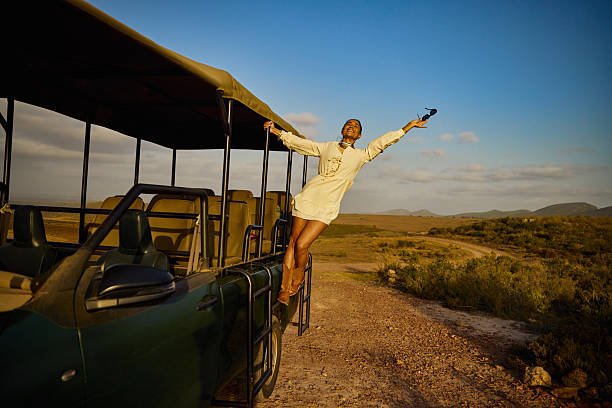
Similarly, for safaris, Moshi accommodation serves as a staging point. You might arrive in Moshi after flying into Kilimanjaro International Airport (JRO) and then depart for your safari the following day. Or, if you are returning from a safari ending in Arusha, you might spend a night in Moshi before heading back to the airport or your next destination.
Consider the logistics of moving between your accommodation and your tour operator’s office, as well as the transfer point for your climb or safari. If you’re staying in Moshi hotels and accommodation that are not centrally located, factor in the time and cost of transportation. For 2026-2027 bookings, confirm these transfer arrangements with your tour operator and accommodation provider to avoid any last-minute confusion. Many operators can help arrange these transfers as part of their service.
If you plan to spend time in Moshi after your trek, ensure your accommodation offers facilities for relaxation and recovery. Some hotels have lovely gardens, pools, or comfortable lounges, which can be very appealing after days on the mountain. Ensure your chosen spot can accommodate your luggage safely while you’re away on your adventure.
Making the Most of Moshi Town Itself
While Moshi is often seen as a functional stopover, the town offers a unique cultural experience and opportunities to explore local life. Choosing your Moshi accommodation strategically can allow you to easily access these points of interest.
Local Markets: The bustling central market is a sensory explosion. Here you can find everything from fresh produce and local spices to colorful textiles and handicrafts. It’s a great place to practice your bargaining skills and pick up unique souvenirs. Many guesthouses and mid-range hotels are within easy walking distance.
Coffee Plantations: The region around Moshi is famous for its coffee. Many tours offer visits to local coffee farms where you can learn about the bean-to-cup process, sample fresh coffee, and even participate in harvesting or roasting. Staying at a lodge slightly outside the town center might put you closer to these rural experiences.
Waterfalls and Hot Springs: Nearby natural attractions like the Materuni Waterfalls and Kikuletwa Hot Springs (also known as Chemka) offer refreshing excursions. These are typically day trips and can be arranged through local tour operators or your hotel. The choice of Moshi hotels and accommodation can influence the ease of booking and accessing these tours.
Local Cuisine: Beyond hotel restaurants, explore local eateries (often called ‘hotels’ in Tanzania, confusingly) or ‘vibandas’ (small food stalls) for authentic Tanzanian dishes like Ugali, Nyama Choma (grilled meat), and various stews. This is a fantastic way to experience local culture and can be very budget-friendly.
Cultural Encounters: Interacting with the local Chagga people, who are predominantly found in this region, offers insight into their traditions and way of life. Some accommodations might even facilitate cultural visits or homestays for a deeper immersion.
For travelers in 2026-2027, taking a day or two to explore Moshi itself can add significant value to your trip, transforming it from a mere logistical stop into a richer cultural experience. Your choice of accommodation can either facilitate or hinder these explorations, so consider it as part of your overall travel plan.
Contact Climb 4 Africa for Personalized Recommendations
Navigating the options for Moshi hotels and accommodation can be overwhelming, especially when you’re also planning a complex adventure like a Kilimanjaro climb or a multi-day safari. As experienced Kilimanjaro experts and Tanzania travel specialists, Climb 4 Africa is ideally positioned to offer tailored advice and recommendations that align perfectly with your expedition plans for 2026-2027.
We understand the specific needs of trekkers and safari-goers, from the importance of a comfortable bed and hot shower after a long journey to the necessity of secure luggage storage and convenient access to pre-climb briefings. We can guide you towards Moshi hotels and accommodation that not only fit your budget but also enhance your overall trip experience. Whether you’re seeking a quiet retreat to focus on your preparations or a lively base close to town amenities, we have insights into the best options available.
When you book your Kilimanjaro climb or safari package with us, we can assist in arranging your pre- and post-climb accommodation in Moshi, ensuring a smooth transition from arrival to expedition and back. We often partner with reliable and comfortable hotels that meet our high standards for service and guest satisfaction. This integrated approach simplifies your planning and provides peace of mind, knowing that your accommodation is handled by experts who understand your adventure.
To get personalized recommendations for Moshi hotels and accommodation tailored to your specific 2026-2027 itinerary, or to discuss booking your Kilimanjaro climb or safari, please don’t hesitate to reach out. You can contact us via WhatsApp at +255 747 477 898 or send an email to climb4africa@gmail.com. Let us help you find the perfect base for your Tanzanian adventure.
Check Availability for Moshi Hotels & Accommodation: Your Gateway To Kilimanjaro & Safaris…
Ready to compare dates, prices, and the best option for your group? Send the package name and travel month so the team can reply with a clear quote, availability, and what is included.
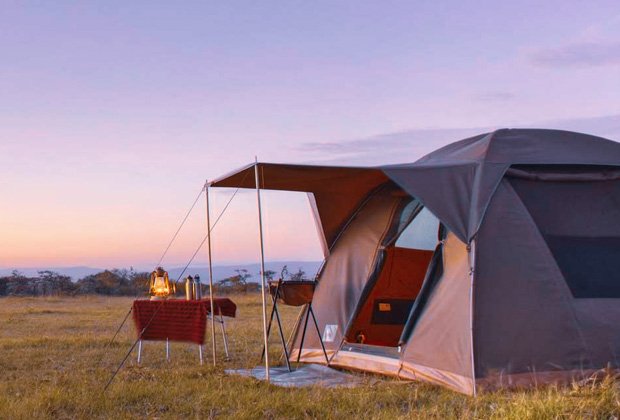
AFCON 2027 Safari from Moshi: Safari ya Afrika Mashariki kwa Mashabiki wa Soka
Safari ya kipekee ya AFCON 2027 inayochukua mji wa Moshi kuwa kituo cha kuanzia kwa mbuga ya wanyamapori na milima ya Kilimanjaro, ikijumuisha uhifadhi wa ndani na mwongozo wa kiusimamizi...
View package details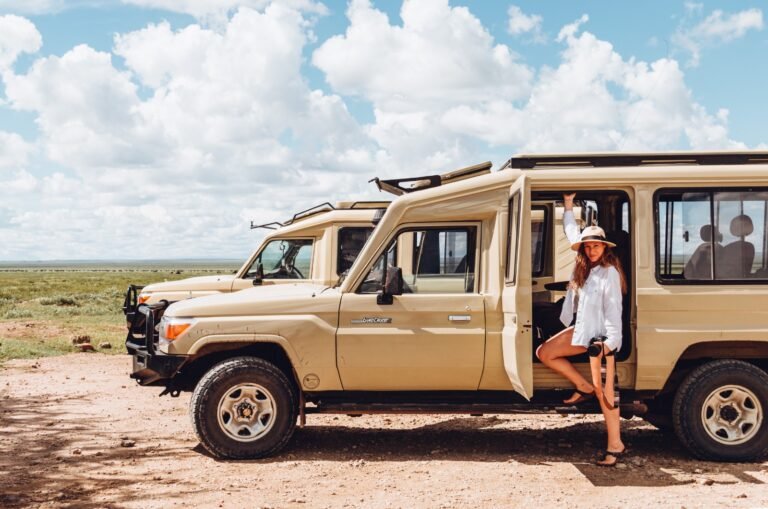
Oct 25, – 1 Day Ngorongoro Crater Group Safari From Moshi 2026
A detailed guide to organizing a one-day group safari to the Ngorongoro Crater starting from Moshi, specifically focusing on the logistics for October 25, 2026.
View package detailsNo related package matches those filters. Clear one or more filters to see the other topic-matched options.