An 8-day private Lemosho Route climb of Kilimanjaro starting on October 25, 2026, offers an excellent balance of acclimatization and success rate, making it ideal for a focused, personal expedition. This route is renowned for its scenic beauty and gradual ascent, allowing for better adaptation to altitude. Choosing a private climb ensures dedicated support, a flexible pace, and personalized attention from your guide and crew, significantly enhancing your experience and chances of reaching Uhuru Peak. Climb 4 Africa specializes in tailoring these private expeditions, providing expert local guidance and comprehensive support from booking through to your summit success in late 2026.
Understanding the 8 Days Kilimanjaro Lemosho Private Climb for 2026
Choosing an 8 Days Kilimanjaro Lemosho Private Climb starting 25 October 2026 means you’re opting for one of the most sought-after and rewarding Kilimanjaro trekking experiences. The Lemosho route is celebrated for its stunning scenery, starting in the lush rainforest on the western side of the mountain and gradually traversing its contours, offering panoramic views as you ascend. Its longer duration, particularly the 8-day variation, is a significant advantage for acclimatization, which is the single most critical factor for a successful summit attempt.
A private climb, as opposed to a group departure, offers unparalleled flexibility and personalized service. This means your pace is dictated by your group’s needs, not by others. Your guides can spend more time explaining the flora, fauna, and geological features, and crucially, monitor your group’s health and acclimatization more intensely. For a specific date like October 25, 2026, booking a private climb ensures that your desired start date is secured, and the entire expedition is structured around your team.
The Lemosho route is known for its higher success rates, often attributed to its longer acclimatization profile. The 8-day itinerary allows for an extra day on the mountain compared to the more common 7-day versions, typically spent at a higher altitude, which aids the body’s adaptation to the thinning air. This is particularly important as you approach the critical stages of the climb.
Why Lemosho Route is a Top Choice for Kilimanjaro Climbs
The Lemosho route’s popularity stems from several key advantages:
- Scenery: It’s widely considered one of the most beautiful routes, offering diverse landscapes from dense rainforests to alpine deserts and the stark, volcanic summit zone. The initial days on the western side provide a unique perspective often missed by other routes.
- Acclimatization: The 8-day itinerary, in particular, follows the ‘climb high, sleep low’ principle effectively, allowing your body more time to adjust to increasing altitudes. This reduces the risk of Acute Mountain Sickness (AMS) and improves your overall comfort and stamina.
- Lower Crowds: While Lemosho has become popular, it generally experiences fewer trekkers in the initial days compared to routes like Marangu or Machame, offering a more serene and connected experience with nature.
- Higher Success Rates: Due to its gradual ascent and excellent acclimatization profile, the Lemosho route consistently boasts some of the highest summit success rates on Kilimanjaro.
The Significance of a Private Climb for 2026 Expeditions
Booking a private Kilimanjaro climb for your 2026 adventure offers distinct benefits:
- Pace Control: You set the pace. This is crucial for varying fitness levels within a group and for maximizing acclimatization. A slower pace means more opportunities to rest, hydrate, and enjoy the journey.
- Dedicated Crew: You have a dedicated team of guides, cooks, and porters solely for your group. This ensures immediate attention to your needs and a more intimate team dynamic.
- Flexibility: While the itinerary is set, minor adjustments can be made if necessary, based on your group’s well-being. Guides have more latitude to manage your trek effectively.
- Personalized Experience: The entire focus is on your group’s success and enjoyment. Guides can share more insights, and the atmosphere is generally more relaxed and conducive to a fulfilling personal challenge.
For an 8 Days Kilimanjaro Lemosho Private Climb starting 25 October 2026, securing your preferred date is paramount. Late 2026, especially October, falls within the dry season, offering excellent trekking conditions. A private booking with Climb 4 Africa in 2026 ensures you get the best possible crew and logistical support for this specific window.
Detailed 8-Day Lemosho Route Itinerary: October 25, 2026 Start
The 8-day Lemosho route itinerary is meticulously designed to maximize acclimatization and enjoyment. Here’s a day-by-day breakdown for a climb commencing on October 25, 2026:
Day 1: October 25, 2026 – Arrival and Preparation
Arrival at Kilimanjaro International Airport (JRO). You will be met by a Climb 4 Africa representative and transferred to your comfortable hotel in Moshi or Arusha. This is a crucial day for rest, hydration, and final preparations. You’ll have a pre-climb briefing with your lead guide, covering everything from gear checks to safety protocols. This is also your last chance to purchase any last-minute items or rent equipment. Meeting your guide allows you to ask any lingering questions and build initial rapport.
Overnight: Hotel in Moshi/Arusha
Meals: Dinner included
Day 2: October 26, 2026 – Mti Mkubwa Gate to Shira 1 Camp
Morning: After breakfast, you’ll be driven to the Lemosho Gate (approx. 2,100m / 6,890ft). After park registration, you’ll begin your trek through the dense rainforest. The trail is well-maintained but can be muddy. Your guides will point out the rich biodiversity, including monkeys and various bird species. The hike is relatively gentle, covering approximately 6-8 km (4-5 miles).
Afternoon: You’ll reach the Shira Plateau, a vast, ancient caldera. The camping area, Shira 1 Camp (approx. 3,500m / 11,480ft), is situated on the plateau, offering stunning views.
Trek Duration: 5-7 hours
Trek Distance: 8-10 km (5-6 miles)
Overnight: Camping at Shira 1 Camp
Meals: Breakfast, Lunch, Dinner
Day 3: October 27, 2026 – Shira 1 Camp to Shira 2 Camp
Morning: Today’s trek is shorter in distance but involves gaining altitude across the Shira Plateau. You’ll traverse across the plateau, enjoying expansive views. The terrain is more exposed and rocky compared to the rainforest.
Afternoon: You’ll arrive at Shira 2 Camp (approx. 3,850m / 12,630ft), which is located at a higher elevation on the plateau. This stage is crucial for acclimatization, allowing your body to adapt to the increased altitude before heading higher.
Trek Duration: 4-6 hours
Trek Distance: 7-9 km (4-5 miles)
Overnight: Camping at Shira 2 Camp
Meals: Breakfast, Lunch, Dinner
Day 4: October 28, 2026 – Shira 2 Camp to Barranco Camp
Morning: This is a significant day as you begin to climb towards the Southern Circuit. The trail ascends gradually towards the Lava Tower (3,950m / 12,960ft), a prominent volcanic plug. This is an excellent spot for lunch and offers spectacular views.
Afternoon: After lunch at Lava Tower, you’ll descend to Barranco Camp (approx. 3,950m / 12,960ft). The descent is important for acclimatization (‘climb high, sleep low’). Barranco Camp is located at the base of the imposing Barranco Wall.
Trek Duration: 6-8 hours
Trek Distance: 10-12 km (6-7 miles)
Overnight: Camping at Barranco Camp
Meals: Breakfast, Lunch, Dinner
Day 5: October 29, 2026 – Barranco Camp to Karanga Camp
Morning: Today involves tackling the famous Barranco Wall (Great Barranco Wall). This is a challenging but rewarding scramble, not technically difficult but requiring strength and agility. Your guides will assist you. Reaching the top provides a sense of accomplishment and stunning views of the surrounding landscape.
Afternoon: After descending from the Wall, you’ll trek across a series of ridges and valleys, eventually reaching Karanga Camp (approx. 4,000m / 13,120ft). This camp offers good views and a chance to rest before the final push.
Trek Duration: 5-7 hours
Trek Distance: 5-7 km (3-4 miles)
Overnight: Camping at Karanga Camp
Meals: Breakfast, Lunch, Dinner
Day 6: October 30, 2026 – Karanga Camp to Barafu Camp
Morning: The trek today is relatively short but steep, taking you to Barafu Camp (approx. 4,600m / 15,090ft), the base camp for your summit attempt. The landscape becomes increasingly barren and rocky.
Afternoon: You’ll arrive at Barafu Camp by early afternoon, allowing ample time for rest, hydration, and preparation for the summit night. You’ll have an early dinner and an early bedtime. Your guides will conduct a final briefing on the summit push strategy.
Trek Duration: 4-6 hours
Trek Distance: 4-5 km (2-3 miles)
Overnight: Camping at Barafu Camp
Meals: Breakfast, Lunch, Dinner
Day 7: October 31, 2026 – Summit Day! Barafu Camp to Uhuru Peak and Descent to Mweka Camp
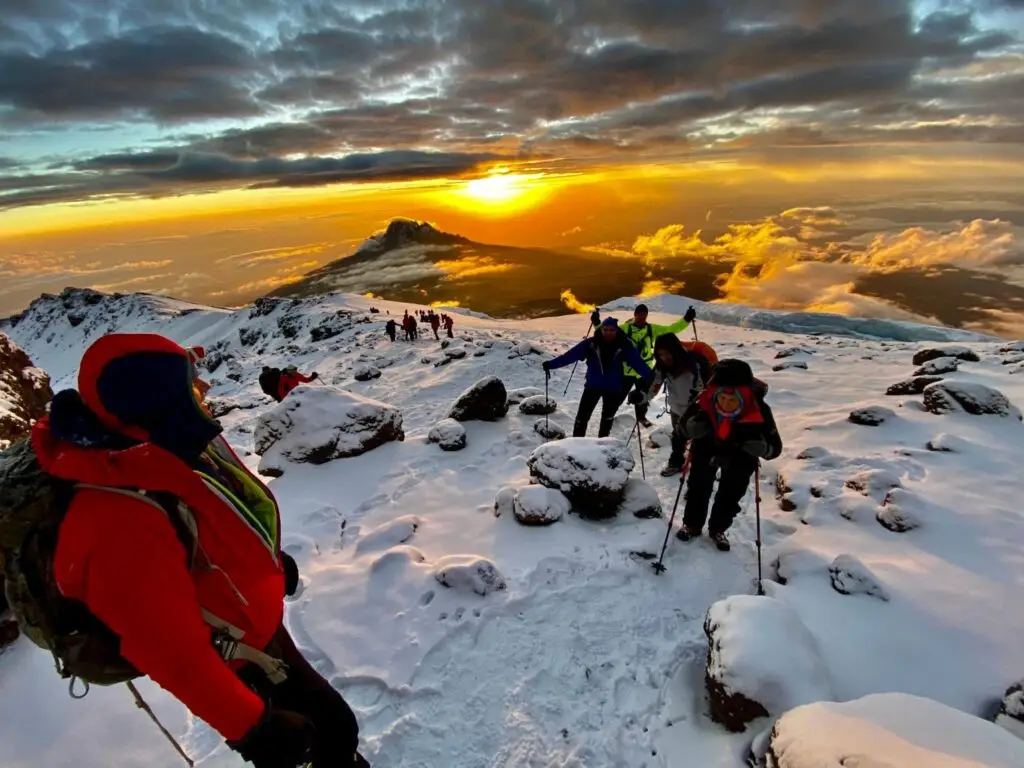
Midnight: The summit attempt begins! You’ll start hiking in the dark, moving slowly and steadily towards Stella Point (5,756m / 18,885ft) on the crater rim. This is the most challenging part of the climb, requiring significant mental and physical fortitude.
Dawn: Reaching Stella Point by sunrise offers spectacular views. From Stella Point, you’ll continue along the crater rim to Uhuru Peak (5,895m / 19,341ft), the highest point in Africa. Celebrate your incredible achievement!
Morning/Afternoon: After spending time at Uhuru Peak, you’ll begin your descent. The descent is faster but requires care. You’ll descend past Barafu Camp to Mweka Camp (approx. 3,100m / 10,170ft), located in the lower alpine and forest zone. This is a long, demanding day.
Trek Duration: 10-14 hours (summit and descent)
Trek Distance: 12-15 km (7-9 miles) ascent and descent
Overnight: Camping at Mweka Camp
Meals: Breakfast, Lunch, Dinner
Day 8: November 1, 2026 – Mweka Camp to Mweka Gate and Departure
Morning: After a final breakfast on the mountain, you’ll descend through the rainforest to Mweka Gate (approx. 1,650m / 5,410ft). The trail is usually muddy. Upon arrival at the gate, you’ll be greeted by your driver and transferred back to your hotel in Moshi or Arusha. You’ll have time to rest and perhaps enjoy a celebratory dinner. Certificates of achievement are typically presented here.
Afternoon: Depending on your flight schedule, you may transfer to Kilimanjaro International Airport (JRO) for your onward journey, or spend an extra night to relax.
Trek Duration: 3-5 hours
Trek Distance: 8-10 km (5-6 miles)
Meals: Breakfast, Lunch
Preparing for Your 8 Days Kilimanjaro Lemosho Private Climb in 2026
A successful Kilimanjaro climb, especially an 8 Days Kilimanjaro Lemosho Private Climb starting 25 October 2026, hinges on thorough preparation. This includes physical training, mental readiness, and proper gear selection.
Physical Training Regimen
The most crucial aspect of preparation is building cardiovascular endurance and leg strength. Your training should focus on activities that simulate trekking:
- Hiking: Aim for at least 3-4 hikes per week, progressively increasing distance and elevation gain. Include hikes with a weighted backpack (10-15 kg / 20-30 lbs) to mimic mountain conditions.
- Cardiovascular Exercise: Engage in daily cardio like running, cycling, swimming, or using an elliptical machine for 30-60 minutes.
- Strength Training: Focus on leg muscles (quadriceps, hamstrings, calves) and core strength. Squats, lunges, step-ups, and planks are highly beneficial.
- Stamina Building: Practice longer, sustained efforts. A few multi-day hikes or longer single-day treks (6-8 hours) before your climb can be invaluable.
Start your training at least 3-4 months before your 2026 climb. The goal isn’t to be an elite athlete, but to have your body accustomed to sustained physical exertion at altitude.
Altitude Acclimatization Strategies
While the 8-day Lemosho route provides excellent acclimatization, understanding the principles is key:
- Ascend Gradually: The Lemosho route’s design inherently supports this.
- ‘Climb High, Sleep Low’: This principle is followed on days like Day 4, where you ascend to Lava Tower but descend to Barranco Camp to sleep.
- Hydration: Drink plenty of fluids (3-4 liters per day) – water, herbal teas, and electrolyte drinks. Avoid alcohol and caffeine, which can dehydrate you.
- Pace Yourself: “Pole pole” (slowly, slowly) is the mantra on Kilimanjaro. A slow, steady pace conserves energy and aids acclimatization.
- Listen to Your Body: Be aware of AMS symptoms (headache, nausea, dizziness, fatigue). Communicate any discomfort to your guide immediately.
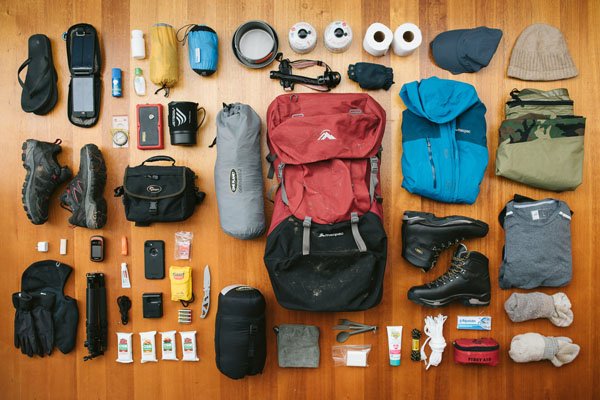
Essential Gear and Packing List
Packing correctly is vital for comfort and safety on your 8 Days Kilimanjaro Lemosho Private Climb. Layering is the key principle.
Clothing Layers:
- Base Layers: Moisture-wicking thermal tops and bottoms (merino wool or synthetic).
- Mid Layers: Fleece jackets or vests for insulation.
- Outer Layer: Waterproof and windproof jacket and trousers (Gore-Tex or similar).
- Insulation Layer: A warm, puffy jacket (down or synthetic) for cold evenings and summit night.
- Trekking Trousers: Comfortable, quick-drying hiking pants (avoid jeans).
- Shirts: Moisture-wicking t-shirts and long-sleeved shirts.
Headwear & Handwear:
- Warm, waterproof gloves and liner gloves.
- A warm hat (beanie) that covers your ears.
- A sun hat or cap with a wide brim.
- Balaclava or neck gaiter for face protection.
Footwear:
- Broken-in, waterproof hiking boots with good ankle support.
- Camp shoes or comfortable trainers for evenings.
- Several pairs of warm wool or synthetic hiking socks.
- Gaiters to keep out debris and snow.
Sleep System & Camping Gear:
- Sleeping bag rated to -15°C to -20°C (0°F to -4°F).
- Sleeping bag liner for extra warmth and hygiene.
- Trekking pillow (optional, but recommended).
Trekking Equipment:
- Duffel bag (80-100 liters) for porters to carry.
- Daypack (30-40 liters) for essentials you carry.
- Trekking poles (highly recommended for knees and balance).
- Water bottles or hydration reservoir (2-3 liters capacity).
- Headlamp with extra batteries.
- Sunglasses (high UV protection).
- Sunscreen (SPF 30+), lip balm with SPF.
- Insect repellent (for lower altitudes).
- Personal first-aid kit with any personal medications.
- Hand sanitizer.
Documents & Valuables:
- Passport, visa (if required), flight details.
- Cash (USD and local currency for tips and personal expenses).
- Travel insurance details.
Climb 4 Africa can provide a more detailed packing list upon booking your 2026 climb. It’s crucial to test your gear before leaving home, especially your boots and backpack.
Travel Insurance and Vaccinations
Travel Insurance: Comprehensive travel insurance is mandatory for all Kilimanjaro climbs. Ensure it covers high-altitude trekking (up to 6,000m), emergency medical evacuation, trip cancellation, and interruption. Verify that your policy explicitly states coverage for Kilimanjaro expeditions.
Vaccinations and Health Advice: Consult your doctor or a travel clinic 4-6 weeks before your trip regarding recommended vaccinations (e.g., Yellow Fever, Hepatitis A, Typhoid) and malaria prophylaxis. While Kilimanjaro is generally malaria-free at higher altitudes, precautions may be advised for pre- or post-climb activities in lower-lying areas like Moshi or Zanzibar. Diamox (acetazolamide) can be prescribed by your doctor to aid acclimatization, but it is not a substitute for proper acclimatization or training.
The Role of Climb 4 Africa in Your 2026 Kilimanjaro Expedition
When planning an 8 Days Kilimanjaro Lemosho Private Climb starting 25 October 2026, partnering with an experienced operator like Climb 4 Africa is essential. As a local Tanzanian company with deep expertise in Kilimanjaro treks and safaris, we offer unparalleled support and local knowledge.
Why Choose Climb 4 Africa for Your 2026 Climb?
- Local Expertise: We are based in Tanzania, giving us firsthand knowledge of the mountain, its conditions, and the best practices for guiding. Our guides are highly trained, certified, and experienced, many having summited Kilimanjaro hundreds of times.
- Safety First: Your safety is our utmost priority. We adhere to strict safety protocols, including carrying comprehensive medical kits, having guides trained in wilderness first aid, and ensuring adequate oxygen supplies. We monitor altitude sickness closely and have established evacuation procedures.
- Ethical Porter Treatment: We are committed to the fair treatment and ethical handling of our porters, ensuring they are well-equipped, fed, and respected. This is a crucial aspect of responsible tourism on Kilimanjaro.
- Private Climb Specialists: We excel at organizing private climbs, ensuring every detail is tailored to your group’s needs, from itinerary adjustments to dietary requirements. Your private Kilimanjaro climb for 2026 will be managed with meticulous attention.
- Comprehensive Inclusions: Our packages typically include park fees, crew salaries, accommodation before and after the climb (often), meals on the mountain, camping equipment, and transfers. We aim to provide a transparent and all-inclusive experience, minimizing hidden costs.
- Logistical Excellence: From securing permits for your October 25, 2026 start date to arranging transport and coordinating with park authorities, our operational efficiency ensures a smooth and stress-free journey.
Booking Your Private Climb for 2026
Securing your 8 Days Kilimanjaro Lemosho Private Climb starting 25 October 2026 involves a straightforward process:
- Inquiry: Reach out to Climb 4 Africa with your preferred dates (October 25, 2026) and group size.
- Quotation & Itinerary: We will provide a detailed quotation and itinerary tailored to your private climb request, outlining inclusions and exclusions.
- Deposit: A deposit is required to confirm your booking and secure your specific dates and crew.
- Pre-Trip Support: You’ll receive detailed pre-trip information, including packing lists, training advice, and visa guidance.
- Final Payment: The balance is typically due a few weeks before your departure.
We understand that planning a major expedition like this takes time. For your 2026 climb, it’s advisable to book at least 6-12 months in advance, especially for a specific date like October 25, 2026, to ensure availability and optimal planning.
What to Expect Upon Arrival in Tanzania
Upon arrival at Kilimanjaro International Airport (JRO), you will be met by a friendly Climb 4 Africa representative holding a sign with your name. They will assist with your luggage and provide a comfortable transfer to your hotel. The following day, your lead guide will meet you for the crucial pre-climb briefing, where you can discuss the expedition, ask questions, and ensure you are fully prepared. This personal touch is part of what makes a private climb with us so special.
For any questions or to start planning your 2026 adventure, don’t hesitate to contact Climb 4 Africa. You can reach us via WhatsApp at +255 747 477 898 or email us at climb4africa@gmail.com. We are dedicated to making your dream of climbing Kilimanjaro a reality.
Cost Considerations for Your 2026 Private Kilimanjaro Climb
Understanding the cost structure for an 8 Days Kilimanjaro Lemosho Private Climb starting 25 October 2026 is important for budgeting. Private climbs are generally more expensive per person than joining a group, but this reflects the dedicated resources and personalized service you receive.
Factors Influencing Private Climb Costs
The price of a private Kilimanjaro climb is determined by several factors:
- Duration: The 8-day itinerary is longer than shorter options, which means more days of park fees, crew wages, and supplies.
- Route: Lemosho is one of the longer routes, contributing to its cost.
- Group Size: While it’s a private climb, the cost is divided among your group members. A larger private group will have a lower per-person cost than a smaller one for the same inclusions.
- Inclusions: Operators vary in what they include. Common inclusions are park fees, rescue fees, crew salaries, meals, camping equipment, purified water, and transfers. Some may include pre- and post-climb accommodation, or even tips for the crew.
- Quality of Service: The experience and quality of guides, the quality of food, and the provision of extras like portable toilets or sleeping pads can influence pricing. Climb 4 Africa prides itself on providing high-quality service and experienced guides.
- Season: While late October 2026 is within the dry season, prices might fluctuate slightly based on demand, though for private climbs, the date is more about availability than significant seasonal price hikes as with group departures.
Typical Inclusions for a Private Lemosho Climb
When budgeting for your 2026 climb, expect a private 8-day Lemosho climb to typically include:
- Park entrance fees, camping fees, and rescue fees.
- Salaries for your guide(s), assistant guides, cook, and porters.
- All meals on the mountain (breakfast, lunch, dinner) and purified drinking water.
- High-quality camping equipment (tents, sleeping mats).
- Portable toilet tent.
- All transfers to and from Kilimanjaro International Airport (JRO) and to the mountain gate.
- Pre- and post-climb briefings.
- A comprehensive first-aid kit and emergency oxygen.
Exclusions often include international flights, visa fees, travel insurance, personal gear (sleeping bag, boots, clothing), tips for the crew, alcoholic beverages, and personal expenses. It is important to clarify these details when obtaining a quote for your October 25, 2026 expedition.
Budgeting for Tips
Tipping is customary and a significant part of the crew’s income. While not always included in the initial quote, budget for tips. A general guideline for an 8-day climb is approximately $250-$350 per climber, distributed among the guide, assistant guides, cook, and porters. Your operator will provide specific recommendations.
For a precise quote tailored to your 8 Days Kilimanjaro Lemosho Private Climb starting 25 October 2026, please contact Climb 4 Africa directly. We are transparent with our pricing and happy to discuss all aspects of your expedition.
Understanding Kilimanjaro’s Climate in Late October 2026
The weather on Kilimanjaro varies significantly with altitude and time of year. For your 8 Days Kilimanjaro Lemosho Private Climb starting 25 October 2026, you will experience a range of microclimates.
Kilimanjaro’s Climate Zones
Kilimanjaro is often described as having five distinct climate zones:
- Cultivation Zone (approx. 800m – 1,800m / 2,600ft – 5,900ft): This is the lower slopes where coffee, bananas, and maize are grown. It’s warm and humid.
- Rainforest Zone (approx. 1,800m – 2,800m / 5,900ft – 9,200ft): Dense, lush vegetation, often misty and wet. This is where the Lemosho route begins. Temperatures are mild but can be damp.
- Heath Zone (approx. 2,800m – 3,500m / 9,200ft – 11,500ft): The vegetation becomes sparser, consisting of heather, bracken, and senecios. Temperatures are cooler, with significant day-night variations.
- Moorland Zone (approx. 3,500m – 4,500m / 11,500ft – 14,750ft): This zone is characterized by alpine desert, with sparse, hardy vegetation like grasses and succulents. It’s drier and colder, with drastic temperature swings.
- Arctic Zone (approx. 4,500m – 5,895m / 14,750ft – 19,341ft): Above 4,500m, there is virtually no vegetation. This is a cold, dry, and often windy environment. Snow and ice are present year-round near the summit.
Weather Patterns in Late October
October falls at the end of the short rainy season (September-October) and the beginning of the main dry season (November-March). This means:
- Variable Conditions: You might still encounter some rain showers, particularly in the lower rainforest zone. However, these are typically brief and often occur in the afternoon.
- Clearer Skies Higher Up: As you ascend, the weather tends to become drier and colder. The higher slopes and summit area will likely be cold and potentially windy.
- Temperatures: Expect temperatures to range from around 15°C (59°F) at the base to below freezing (-10°C to -20°C / 14°F to -4°F) at the summit during the night and early morning of summit day. Day temperatures can be pleasant, especially when hiking in the sun, but quickly drop when you stop moving or the sun sets.
- Snow: There may be snow or ice on the summit and upper slopes, especially if recent rains have occurred.
The 8-day Lemosho route provides a good balance of time to navigate these varying conditions. Layering your clothing is essential to adapt to the rapid temperature changes you’ll encounter throughout your 2026 climb. The private nature of your climb allows your guides to manage your pace and schedule to best take advantage of weather windows.
Frequently Asked Questions about the 8 Days Lemosho Private Climb
Here are some common questions potential climbers have about the 8 Days Kilimanjaro Lemosho Private Climb starting 25 October 2026:
What is the best time of year to climb Kilimanjaro?
The best times are the dry seasons: January-March and June-October. Late October 2026 falls at the transition, offering potentially good conditions with fewer crowds than the peak dry months, though some rain is possible.
How difficult is the Lemosho route?
The Lemosho route is considered a moderately difficult trek. The main challenge is the altitude. The 8-day itinerary is designed for excellent acclimatization, making it one of the more comfortable routes in terms of managing altitude sickness. Physical fitness is required, but it’s accessible to most individuals who train adequately.
What is the summit success rate for the Lemosho route?
The Lemosho route generally has one of the highest summit success rates on Kilimanjaro, often cited as 85-90% or even higher for well-prepared climbers using reputable operators like Climb 4 Africa. This is largely due to its excellent acclimatization profile.
What are the sleeping arrangements on the mountain?
You will sleep in tents. Climb 4 Africa provides high-quality, waterproof tents for sleeping, dining, and a toilet. Your sleeping bag will be placed inside your tent, along with a sleeping mat.
Can I climb Kilimanjaro solo?
While you can book a private climb for one person, Kilimanjaro National Park regulations require all climbers to be accompanied by a registered guide. Solo travelers can book a private climb, ensuring they have a dedicated guide and crew for their expedition.
What if I get altitude sickness?
Your guides are trained to recognize and manage altitude sickness. They will monitor you closely and make decisions based on your well-being. If symptoms are severe, the safest course of action is to descend. Your private climb allows for this decision to be made solely based on your group’s needs.
Do I need to tip the guides and porters?
Yes, tipping is customary and expected. It forms a significant portion of the crew’s income. Climb 4 Africa will provide guidelines on tipping amounts and how to distribute them fairly. For your October 25, 2026 climb, be prepared to budget for this.
Making Your Booking Decision for 2026
An 8 Days Kilimanjaro Lemosho Private Climb starting 25 October 2026 represents a significant personal achievement and a memorable adventure. The Lemosho route, with its beautiful scenery and excellent acclimatization, combined with the personalized service of a private climb, creates an ideal expedition.
Choosing Climb 4 Africa means entrusting your journey to experts who are passionate about Kilimanjaro and committed to your safety, comfort, and success. We understand the nuances of this mountain and the importance of a well-managed, ethical, and unforgettable climb. Our team is ready to assist you in planning every detail for your 2026 adventure.
Don’t miss the opportunity to secure your preferred dates for late 2026. A private climb starting October 25, 2026, offers a unique opportunity for a focused and personalized ascent of Africa’s highest peak. Whether you are a seasoned trekker or embarking on your first major mountain challenge, our team is here to guide you every step of the way.
To discuss your 8 Days Kilimanjaro Lemosho Private Climb or to get a personalized quote for your 2026 expedition, please reach out to us:
WhatsApp: +255 747 477 898
Email: climb4africa@gmail.com
Let Climb 4 Africa help you achieve your Kilimanjaro dream in 2026.
“,
“faq_schema”: [
{
“question”: “What is the best time of year to climb Kilimanjaro?”,
“answer”: “The best times are the dry seasons: January-March and June-October. Late October 2026 falls at the transition, offering potentially good conditions with fewer crowds than the peak dry months, though some rain is possible.”
},
{
“question”: “How difficult is the Lemosho route?”,
“answer”: “The Lemosho route is considered a moderately difficult trek. The main challenge is the altitude. The 8-day itinerary is designed for excellent acclimatization, making it one of the more comfortable routes in terms of managing altitude sickness. Physical fitness is required, but it’s accessible to most individuals who train adequately.”
},
{
“question”: “What is the summit success rate for the Lemosho route?”,
“answer”: “The Lemosho route generally has one of the highest summit success rates on Kilimanjaro, often cited as 85-90% or even higher for well-prepared climbers using reputable operators like Climb 4 Africa. This is largely due to its excellent acclimatization profile.”
},
{
“question”: “What are the sleeping arrangements on the mountain?”,
“answer”: “You will sleep in tents. Climb 4 Africa provides high-quality, waterproof tents for sleeping, dining, and a toilet. Your sleeping bag will be placed inside your tent, along with a sleeping mat.”
},
{
“question”: “Can I climb Kilimanjaro solo?”,
“answer”: “While you can book a private climb for one person, Kilimanjaro National Park regulations require all climbers to be accompanied by a registered guide. Solo travelers can book a private climb, ensuring they have a dedicated guide and crew for their expedition.”
},
{
“question”: “What if I get altitude sickness?”,
“answer”: “Your guides are trained to recognize and manage altitude sickness. They will monitor you closely and make decisions based on your well-being. If symptoms are severe, the safest course of action is to descend. Your private climb allows for this decision to be made solely based on your group’s needs.”
},
{
“question”: “Do I need to tip the guides and porters?”,
“answer”: “Yes, tipping is customary and expected. It forms a significant portion of the crew’s income. Climb 4 Africa will provide guidelines on tipping amounts and how to distribute them fairly. For your October 25, 2026 climb, be prepared to budget for this.”
}
]
}
“`
Check Availability for Starting 25 October , 8 Days Kilimanjaro Lemosho Private Climb 2026-2027
Ready to compare dates, prices, and the best option for your group? Send the package name and travel month so the team can reply with a clear quote, availability, and what is included.

Kilimanjaroo Climb After AFCON 2027
Mwongozo wa kina wa kupanda Kilimanjaro baada ya AFCON 2027: njia zinazofaa, ratiba inayoakisi acclimatization, na vidokezo vya kupanga pamoja na namna ya kuwasiliana na Climb 4 Africa kwa...
View package details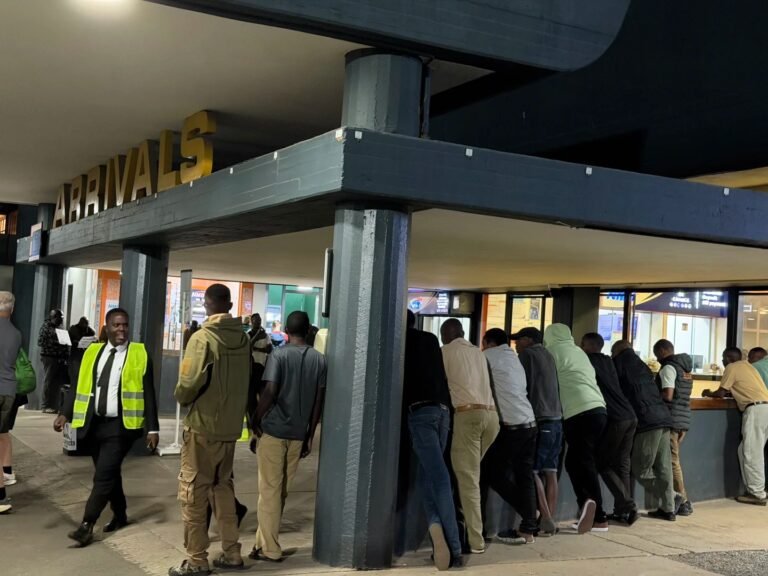

Afcon Kilimanjaro Safari And Zanzibar Package: Expert Planning Guide
A comprehensive guide to coordinating your AFCON 2027 travel, including Kilimanjaro trekking, Northern Circuit safaris, and Zanzibar relaxation, with expert logistical advice.
View package details
Kilimanjaroo Airport to AFCON Host City Transfer
Katika ukurasa huu wa kina, tunakuletea mwongozo wa kina juu ya jinsi ya kuhamisha kutoka Uwanja wa Kilimanjaro kwenda mjini litakalohudhuria AFCON 2027, pamoja na mapendekezo ya usafiri...
View package details
I Land At Kilimanjaro Airport—Can I Join A Safari The Next Day? ( Planning
A practical guide to the logistics of starting your Tanzania safari immediately after landing at Kilimanjaro International Airport, including arrival times, visa tips, and itinerary...
View package detailsCan I Join A Safari Group Directly From Kilimanjaro Airport? Logistical Guide
A practical guide to coordinating your arrival at Kilimanjaro International Airport (JRO) with a scheduled group safari, including logistical requirements and booking tips.
View package details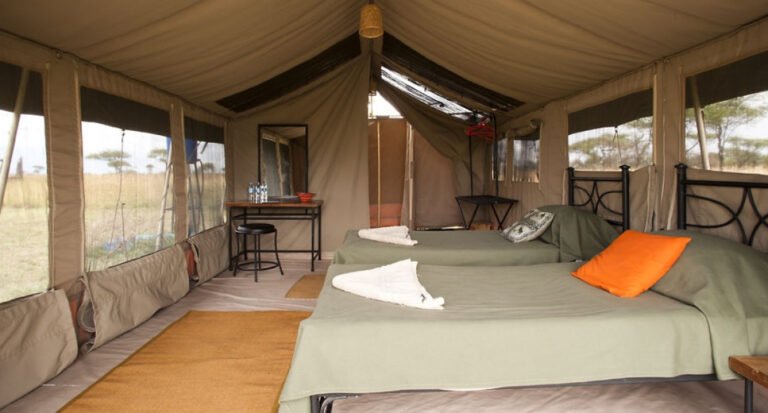
Afcon Kilimanjaro Ngorongoro And Zanzibar Holiday
AFCON 2027 Kilimanjaro Ngorongoro and Zanzibar Holiday.
View package details
Afcon Mount Kilimanjaro And Serengeti Package
AFCON 2027 Mount Kilimanjaro and Serengeti Package.
View package details
Kilimanjaro Safari And Afcon Final Package
Kilimanjaro Safari and AFCON Final Package.
View package details
Kilimanjaro To Kampala Afcon Travel Package
Kilimanjaro to Kampala AFCON Travel Package.
View package detailsNo related package matches those filters. Clear one or more filters to see the other topic-matched options.