
The Great Migration safari from Zanzibar to Serengeti in 2026-2027 offers a spectacular opportunity to witness millions of wildebeest, zebras, and gazelles traversing the plains, with optimal viewing often occurring between June and October in the Serengeti’s western and central regions, and later in the northern areas. This journey typically involves flying from Zanzibar to a Serengeti airstrip, followed by several days of game drives, often incorporating visits to the Ngorongoro Crater and other key parks, with durations ranging from 5 to 10 days for the safari portion.
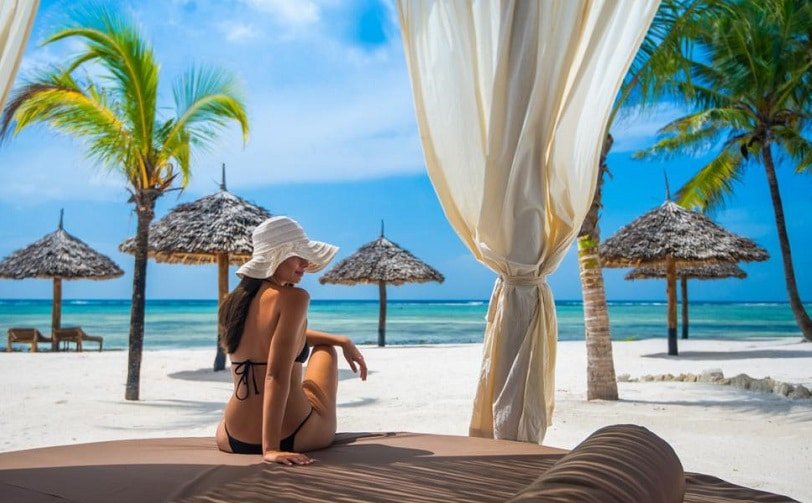

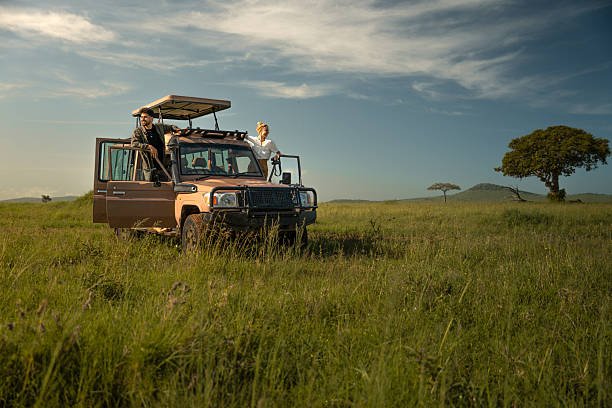
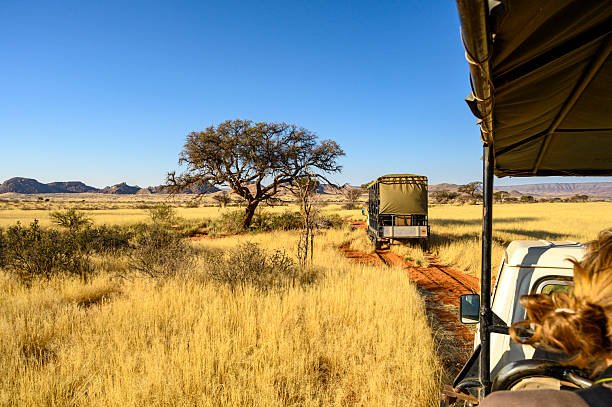
Your Essential Guide to the Great Migration Safari from Zanzibar to Serengeti 2026-2027
The allure of East Africa’s wildlife spectacle, the Great Migration, draws travelers from across the globe. For many, the dream begins on the idyllic beaches of Zanzibar, a perfect prelude to the dramatic drama unfolding on the mainland. Combining a Zanzibar escape with a Great Migration safari to the Serengeti offers a truly complete Tanzanian experience. This guide is crafted to help you navigate the complexities of planning such an adventure for the 2026-2027 season, from understanding the migration’s cyclical movements to choosing the right itinerary and safari operator.
We’ll explore the best times to travel, the typical routes you might take, what to expect on a safari starting from Zanzibar, and the crucial details for booking a memorable trip. Whether you’re picturing yourself on a luxury lodge safari or a more intimate camping adventure, understanding the migration’s rhythm is key to maximizing your chances of witnessing this natural phenomenon.
Understanding the Great Migration’s Cycle: A Year-Round Phenomenon
The Great Migration is not a single event but a continuous, circular journey of over 1.5 million wildebeest, 250,000 zebras, and thousands of other herbivores. They are driven by an insatiable search for fresh grazing land and water, following the rains across the vast Serengeti-Mara ecosystem, which spans northern Tanzania and southwestern Kenya.
Understanding this cycle is fundamental to planning your safari. The herds are constantly on the move, and their location dictates the best safari destinations and timings. While the Serengeti is the heart of the migration for much of the year, the specific areas within the park, and even adjacent conservancies, become prime viewing spots at different times.
Key phases of the migration include:
- Late December to March: Calving season in the southern Serengeti and Ngorongoro Conservation Area. Newborns arrive, and predators are abundant, making for dramatic viewing.
- April to May: The herds begin to move north, often coinciding with the ‘long rains’. This is the least predictable time, and many camps in the southern Serengeti may close.
- June to October: The migration reaches the western and northern Serengeti, with the Grumeti and Mara Rivers becoming crucial crossing points. This is often considered peak migration season for many travelers.
- November to December: The herds move southwards again, following the ‘short rains’, often passing through the central and eastern Serengeti.
For a safari originating from Zanzibar and heading to the Serengeti, targeting the periods when the herds are concentrated in the Serengeti is crucial. This generally means focusing on the June to October window for the western and northern Serengeti, or the November to December period for the central and eastern Serengeti, though the southern plains can offer excellent game viewing with resident wildlife year-round.
Logistics: From Zanzibar to the Serengeti Safari
The journey from Zanzibar to the Serengeti is a tale of two distinct experiences: the tranquil island life giving way to the raw wilderness of the African savanna. Seamlessly connecting these two requires careful logistical planning, primarily involving flights.
Why Fly?
- Time Efficiency: Driving from Zanzibar to the Serengeti is an extremely long and arduous journey, often taking multiple days with ferry crossings and extensive road travel. For most travelers, this is impractical and detracts from safari time.
- Accessibility: Zanzibar’s main airport (ZNZ) offers regular flights to various airstrips within the Serengeti National Park and nearby areas like Kilimanjaro International Airport (JRO), which then connects to the Serengeti.
Typical Flight Itinerary:
- Zanzibar (ZNZ) to Arusha (ARK) or Kilimanjaro (JRO): Most international and domestic flights from Zanzibar will land either in Arusha, the safari capital of Tanzania, or Kilimanjaro International Airport. These flights typically take about 1 to 1.5 hours.
- Overnight in Arusha (Optional but Recommended): It’s often advisable to spend a night in Arusha after arriving from Zanzibar. This allows for a buffer in case of flight delays, provides an opportunity to meet your safari guide, finalize any last-minute arrangements, and rest before the safari begins.
- Arusha (ARK) to Serengeti Airstrip: From Arusha, you’ll take a small bush plane to one of the many airstrips within the Serengeti. Common airstrips include Seronera (central Serengeti), Kogatende (northern Serengeti), or Grumeti (western Serengeti), depending on the season and your itinerary. These flights are usually scenic, taking around 1 to 1.5 hours.
Alternative: Zanzibar to Kilimanjaro (JRO) then Serengeti
Some travelers might fly from Zanzibar directly to Kilimanjaro International Airport (JRO). From JRO, you would then typically drive to Arusha for an overnight stay or directly connect to a charter or scheduled flight to the Serengeti.
Booking Flights:
Your safari operator, such as Climb 4 Africa, can assist with booking these internal flights. This is highly recommended as they work with reliable local airlines and can ensure smooth connections. The cost of these flights is usually a significant component of the overall safari package.
Visa and Health Considerations:
- Visas: Ensure your Tanzanian visa is arranged in advance or upon arrival.
- Vaccinations: Consult your doctor regarding recommended vaccinations and malaria prophylaxis for both Zanzibar and the mainland.
What to Pack for the Transition:
Pack light, breathable clothing for Zanzibar. You’ll want comfortable, neutral-colored safari attire for the Serengeti. Ensure you have any necessary medications easily accessible for the travel days.
When to Go: Predicting the 2026-2027 Migration Peaks
Predicting the exact movements of the Great Migration is a science of observation and experience, not an exact forecast. However, by understanding the general patterns and the influence of rainfall, we can make informed decisions for your 2026-2027 Great Migration safari from Zanzibar to Serengeti.
The Prime Time: June to October 2026 & 2027
This period is often considered the most sought-after for witnessing the migration. By June, the herds typically move from the central Serengeti towards the western and northern corridors. This means:
- Western Serengeti (June – July): The herds cross the Grumeti River. This area offers excellent game viewing, though the river crossings are not as dramatic or numerous as the Mara River. Accommodation options here can be more limited and exclusive.
- Northern Serengeti (July – October): This is the time for the iconic Mara River crossings. Millions of animals brave the crocodile-infested waters to reach the greener pastures of the Maasai Mara in Kenya. The spectacle is immense, with predators often lurking, ready to seize opportunities. The northern Serengeti offers numerous camps and lodges, providing excellent access to these dramatic events.
Considerations for the Dry Season:
- Wildlife Concentration: During the dry season (June-October), water sources become scarce, forcing animals to congregate around remaining water bodies and rivers. This makes game viewing generally easier and more predictable across the Serengeti.
- Vegetation: The landscape becomes drier, with less dense foliage, offering clearer game viewing opportunities.
- Crowds: This is peak safari season, so expect higher visitor numbers and potentially higher prices. Booking well in advance for 2026-2027 is essential.
Shoulder Seasons: November to December 2026 & 2027
As the short rains begin, the migration typically moves southwards from the northern Serengeti, often passing through the central and eastern regions before reaching the southern plains by late December.
- Central & Eastern Serengeti (November – December): You can still witness large herds, often in more dispersed groups, as they move towards the calving grounds. This period can offer a more intimate safari experience with fewer vehicles compared to the peak months. Resident game viewing in these areas is also excellent year-round.
- Southern Serengeti (Late December – March): While not strictly a river crossing period, this time is phenomenal for viewing the migration during its calving season. The plains are teeming with new life, and predators are highly active, making for incredible photographic opportunities. Many camps in the south cater to this period.
The Off-Season: April to May 2026 & 2027
These months typically coincide with the ‘long rains’. While you might find fewer crowds and potentially lower prices, the migration is often spread out across the western and central plains, and the rains can make some roads impassable, potentially limiting access to certain areas. However, the landscape is lush and green, offering a different kind of beauty, and resident wildlife viewing remains superb.
Recommendation for 2026-2027:
For the quintessential Great Migration experience involving river crossings, aim for July to October 2026 or 2027, focusing on the northern Serengeti. If you prefer fewer crowds and a chance to see the herds on the move towards the calving grounds, consider November to December 2026 or 2027.
Crafting Your Great Migration Safari Itinerary
A Great Migration safari from Zanzibar to the Serengeti isn’t a one-size-fits-all trip. The ideal itinerary depends on your interests, budget, and the specific time of year you plan to travel in 2026-2027. Here are common approaches and considerations:
Sample Itinerary Structures:
Option 1: Classic Serengeti Focus (5-7 Days Safari)
- Day 1: Fly from Zanzibar to a Serengeti airstrip (e.g., Seronera). Game drive en route to your lodge/camp.
- Day 2-3: Explore central Serengeti, searching for the migration and resident wildlife.
- Day 4-5: Depending on the season, move to the northern Serengeti (for river crossings) or explore the eastern/southern plains.
- Day 6: Final morning game drive, then fly from Serengeti back to Arusha/JRO for your onward journey.
- Day 7: Depart from JRO or transfer to Zanzibar.
Best for: Travelers with limited time who want to maximize their Serengeti experience, focusing on the migration’s core movements.
Option 2: Serengeti & Ngorongoro Crater Combination (7-9 Days Safari)
- Day 1: Fly from Zanzibar to Arusha. Overnight in Arusha.
- Day 2: Drive from Arusha to the Ngorongoro Conservation Area. Descend into the Crater for an afternoon game drive. Overnight on the crater rim or nearby.
- Day 3: Morning game drive in Ngorongoro or visit a Maasai village. Drive to the Serengeti National Park, entering via the Naabi Hill Gate. Game drive en route to your lodge/camp in central Serengeti.
- Day 4-5: Explore central and/or western Serengeti.
- Day 6-7: Move to the northern Serengeti (if seasonally appropriate) for river crossings, or continue exploring other Serengeti sectors.
- Day 8: Final morning game drive, fly from Serengeti back to Arusha/JRO.
- Day 9: Depart from JRO or transfer to Zanzibar.
Best for: Travelers wanting to experience both the unique ecosystem of the Ngorongoro Crater and the vast plains of the Serengeti, offering diverse wildlife viewing.
Option 3: Extended Migration Immersion (10+ Days Safari)
- Day 1: Fly from Zanzibar to Arusha. Overnight.
- Day 2: Drive to Tarangire National Park (known for elephants and baobabs), game drive. Overnight in Tarangire.
- Day 3: Morning game drive in Tarangire. Drive to the Ngorongoro Conservation Area.
- Day 4: Full day game drive in the Ngorongoro Crater.
- Day 5: Drive to the Serengeti, entering via Naabi Hill. Game drive en route to central Serengeti.
- Day 6-7: Explore central Serengeti.
- Day 8-9: Move to the northern Serengeti for river crossings (July-Oct) or explore the western/eastern Serengeti.
- Day 10: Final game drive, fly from Serengeti back to Arusha/JRO.
- Day 11: Depart or transfer to Zanzibar.
Best for: Wildlife enthusiasts wanting to explore multiple ecosystems, spend more time in prime migration areas, and have a more relaxed pace.
Key Itinerary Considerations for 2026-2027:
- Time of Year: This is the most critical factor. Your safari operator should advise on the best regions within the Serengeti based on the predicted migration location for your specific travel dates in 2026-2027.
- Duration: A minimum of 3-4 full days in the Serengeti is recommended for a good chance of seeing the migration. Longer stays increase your odds and allow for exploring different areas.
- Budget: More remote areas or exclusive camps (like in the Western Serengeti) can be more expensive. Longer itineraries naturally increase costs.
- Pace: Do you prefer to move camps frequently to cover more ground, or stay in one or two locations to soak in the atmosphere?
- Interests: Are you primarily focused on the migration spectacle, or do you also want to see the Big Five, birdlife, or learn about local cultures?
Working with Climb 4 Africa:
When you contact Climb 4 Africa for your Great Migration Safari from Zanzibar to Serengeti 2026-2027, they will ask detailed questions about your preferences, budget, and travel dates. Based on this, they will craft a tailor-made itinerary that optimizes your chances of experiencing the migration at its best.
Choosing Your Safari Style: Lodge vs. Camping
The accommodation style you choose for your Great Migration Safari from Zanzibar to Serengeti 2026-2027 significantly impacts your experience and budget. Tanzania offers a spectrum of options, from rustic mobile camps to luxurious lodges.
Luxury Lodges & Tented Camps
Description: These are permanent structures or high-end canvas tents set up on raised platforms, offering solid amenities. They typically feature comfortable beds, en-suite bathrooms with flush toilets and hot showers, elegant furnishings, and often private verandas with stunning views.
Pros:
- Comfort: High levels of comfort, often including fine dining, swimming pools, and excellent service.
- Amenities: Reliable electricity (often solar), Wi-Fi (sometimes), and luxurious bathrooms.
- Location: Strategically located in prime wildlife areas, sometimes offering exclusive concessions.
- Privacy: Generally more private than public campsites.
Cons:
- Cost: Significantly more expensive than camping options.
- Less ‘Wild’ Feel: Can sometimes feel less connected to the raw wilderness compared to camping.
Ideal for: Travelers seeking comfort, luxury, and excellent service, honeymooners, or those celebrating special occasions.
Mobile Camping Safaris
Description: These camps are set up specifically for safari-goers and move with the migration or between different park areas. They offer a more authentic, closer-to-nature experience. Tents are typically sturdy canvas with comfortable bedding, and while bathrooms might be en-suite (bucket showers, chemical toilets), they are more basic.
Types:
- Mid-Range Mobile Camps: Comfortable tents, shared or private bathrooms, communal dining, and a focus on a great safari experience without excessive luxury.
- Budget/Explorer Camping: Basic dome or canvas tents, shared ablutions (bush showers, pit latrines), communal cooking and dining. Often involves participation from guests.
Pros:
- Authenticity: Closer to nature, often in more remote or seasonal locations.
- Cost-Effective: Generally less expensive than lodges, especially mid-range options.
- Flexibility: Can be set up in locations inaccessible to permanent lodges.
Cons:
- Less Comfort: Basic amenities, shared facilities, and less privacy in budget options.
- Noise: You might hear animals more clearly, which can be exciting but also unsettling for some.
- Reliance on Staff: You rely heavily on the camp crew for meals and setup.
Ideal for: Adventurous travelers, those on a tighter budget, or those seeking a more in-depth and rustic experience.
Public Campsites
Description: These are basic campsites within national parks managed by the park authorities. They offer minimal facilities – usually just a rough area to pitch a tent and basic toilets. Often used by budget overland groups.
Pros:
- Cheapest Option: The most budget-friendly way to experience the parks.
- Location: Situated within the parks, offering direct access to game drives.
Cons:
- Basic Facilities: Very rudimentary, often crowded, and can lack security.
- Requires Own Gear/Staff: Usually requires you to bring your own camping equipment and cooking gear, or hire a private cook.
Ideal for: Highly budget-conscious backpackers or very experienced self-sufficient campers.
Making the Choice for 2026-2027:
When planning your Great Migration Safari from Zanzibar to Serengeti 2026-2027, consider:
- Your Budget: Luxury lodges are the most expensive, followed by mid-range mobile camps, then budget camping.
- Your Comfort Level: If creature comforts are essential, opt for lodges or high-end tented camps. If you’re happy with basics and an authentic experience, mobile camping is excellent.
- The Itinerary: Some areas, especially in the northern Serengeti during peak migration season, have a higher concentration of high-end lodges and tented camps. Mobile camps are often used to follow the migration more closely.
Climb 4 Africa can guide you through these options, recommending camps and lodges that best suit your chosen itinerary and budget, ensuring you get the most value and experience for your Great Migration safari.
What to Pack for Your Great Migration Safari
Packing correctly is crucial for comfort and enjoyment on your Great Migration Safari from Zanzibar to Serengeti 2026-2027. Given the varying climates and activities, a thoughtful approach is key. Remember that most internal flights have strict baggage weight limits (usually 15-20kg per person, soft duffel bags only).
Clothing:
- Neutral-Colored Clothing: Pack lightweight, breathable fabrics in neutral tones like khaki, beige, olive green, or brown. Avoid bright colors (which can scare wildlife) and dark colors like black or navy blue (which attract tsetse flies).
- Long-Sleeved Shirts: Essential for sun protection during the day and for warding off insects in the evenings.
- T-shirts/Polo Shirts: Comfortable for daytime game drives.
- Trousers/Convertible Pants: Lightweight hiking or safari trousers. Convertible pants are versatile.
- Shorts: For warmer days, though long trousers are generally recommended for protection.
- Fleece Jacket or Warm Sweater: Early mornings and evenings in the Serengeti can be surprisingly chilly, especially during the dry season (June-October).
- Lightweight Waterproof Jacket: Useful for unexpected rain showers, particularly during the shoulder seasons.
- Swimsuit: Many lodges have pools.
- Underwear and Socks: Plenty of comfortable pairs. Consider moisture-wicking socks.
Footwear:
- Comfortable Walking Shoes/Hiking Boots: If your safari includes any guided walks, sturdy, broken-in footwear is essential.
- Sandals or Flip-flops: For relaxing at the lodge/camp.
- Closed-toe Shoes: A pair of comfortable sneakers or light boots for evenings and game drives.
Headwear & Eyewear:
- Wide-Brimmed Hat: Crucial for sun protection during game drives and walking safaris.
- Sunglasses: To protect your eyes from the strong African sun.
Health & Hygiene:
- Insect Repellent: Containing DEET or Picaridin for protection against mosquitoes and other insects.
- Sunscreen: High SPF, broad-spectrum sunscreen.
- Personal First-Aid Kit: Include any personal medications, pain relievers, antiseptic wipes, bandages, and anti-diarrheal medication.
- Hand Sanitizer: Essential for hygiene on the go.
- Malaria Prophylaxis: Consult your doctor well in advance.
- Motion Sickness Medication: If you are prone to car sickness, especially for bumpy game drives.
Accessories & Gear:
- Binoculars: Absolutely essential for wildlife viewing. Consider a good pair like 8×42 or 10×42.
- Camera and Extra Batteries/Memory Cards: You’ll want to capture everything! Consider a zoom lens.
- Power Bank/Portable Charger: To keep your devices charged when away from power sources.
- Adapter Plug: Tanzania uses Type G sockets (the UK style), 230V.
- Headlamp or Small Flashlight: Useful for navigating around camp at night.
- Reusable Water Bottle: Stay hydrated and reduce plastic waste.
- Small Backpack or Daypack: For carrying essentials during game drives (water, camera, sunscreen, snacks).
- Travel Towel: A quick-drying towel can be useful, especially on camping safaris.
- Ziploc Bags: For keeping electronics dry or organizing small items.
Documents & Money:
- Passport: With at least six months’ validity and sufficient blank pages.
- Visa: Ensure it’s obtained in advance or upon arrival.
- Flight Tickets & Itinerary: Printed copies and digital versions.
- Travel Insurance Details: Policy number and emergency contact.
- Vaccination Certificates: Yellow Fever certificate may be required.
- Credit/Debit Cards: Inform your bank of your travel plans.
- USD Cash: Small denominations for tips and souvenirs. USD is widely accepted for park fees and some lodges, but local currency (Tanzanian Shilling – TZS) is needed for smaller purchases.
Packing Tip: Soft-sided duffel bags are mandatory for most light aircraft transfers. Avoid hard suitcases.
Booking Your 2026-2027 Great Migration Safari
Securing your Great Migration Safari from Zanzibar to Serengeti 2026-2027 requires careful planning and choosing the right partner. With the migration’s popularity, especially during peak seasons, early booking is paramount.
Why Book with Climb 4 Africa?
As experienced local operators with a deep understanding of Tanzania’s wildlife and logistics, Climb 4 Africa offers:
- Expertise: We know the Serengeti intimately and can advise on the best times and locations to see the migration based on the 2026-2027 forecast.
- Tailor-Made Itineraries: We craft personalized safaris that match your interests, budget, and travel style, from luxury lodges to comfortable camping.
- Logistical Mastery: We handle all the complex arrangements, including internal flights from Zanzibar, park fees, accommodations, and experienced guides.
- Local Support: We provide on-the-ground support throughout your journey, ensuring a smooth and memorable experience.
- Value for Money: We offer competitive pricing without compromising on the quality of your safari.
The Booking Process:
- Initial Inquiry: Contact us with your preferred travel dates for 2026 or 2027, your budget range, the number of travelers, and any specific interests (e.g., photography, birding, specific parks).
- Itinerary Proposal: Based on your inquiry, we will send you a draft itinerary, including accommodation options and a detailed breakdown of costs.
- Customization: We encourage you to review the proposal and provide feedback. We will happily make adjustments until the itinerary is perfect for you.
- Confirmation & Deposit: Once you approve the itinerary, we will require a deposit to secure your bookings for flights, accommodations, and park permits.
- Pre-Trip Information: We’ll provide you with detailed pre-departure information, including packing lists, visa advice, and health recommendations.
- Final Payment: The balance payment is typically due 60-90 days before your safari departure.
- Your Adventure Begins: We’ll meet you in Tanzania to kick off your incredible Great Migration safari!
Key Booking Considerations for 2026-2027:
- Book Early: For the 2026-2027 peak migration season (July-October), book at least 9-12 months in advance. Shoulder seasons might allow for slightly later bookings, but early is always best.
- Understand Inclusions: Ensure your safari package clearly states what is included (e.g., park fees, accommodation, meals, guide, vehicle, internal flights, activities) and what is not (e.g., international flights, visas, tips, drinks, personal insurance).
- Payment Terms: Clarify deposit amounts, payment schedules, and cancellation policies.
- Travel Insurance: Comprehensive travel insurance, including medical evacuation, is essential.
Don’t miss the chance to witness one of the planet’s most awe-inspiring natural events. Let Climb 4 Africa help you plan and book your dream Great Migration Safari from Zanzibar to Serengeti for 2026-2027. Get in touch today to start planning your unforgettable adventure!
Contact us for a personalized quote and itinerary:
WhatsApp: +255 747 477 898
Email: climb4africa@gmail.com
Website: Climb 4 Africa
Check Availability for Great Migration Safari From Zanzibar To Serengeti : Your Ultimate Guide
Ready to compare dates, prices, and the best option for your group? Send the package name and travel month so the team can reply with a clear quote, availability, and what is included.
Kilimanjaro And Grumeti Migration Safari June : The Ultimate Tanzanian
Plan your unforgettable Kilimanjaro and Grumeti Migration safari for June 2027. This comprehensive guide details how to combine the challenge of summiting Africa's highest peak with the...
View package details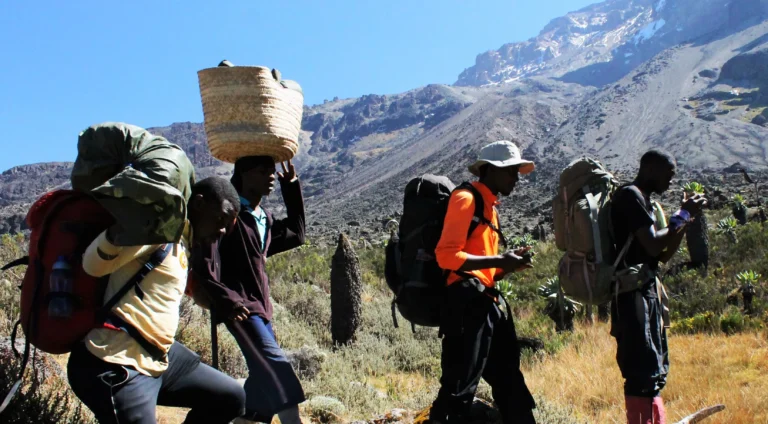
Best Kilimanjaro And Serengeti Calving Season Safari March 2027
Discover the magic of a March 2027 Kilimanjaro and Serengeti calving season safari. This guide explores the unique advantages and considerations for experiencing Tanzania's wildlife...
View package details
Kilimanjaro And Serengeti Calving Safari February : The Ultimate Planning
Combine the majesty of Mount Kilimanjaro with the impressive spectacle of the Serengeti's calving season in February 2027. This guide details how to plan this dual adventure, focusing on...
View package details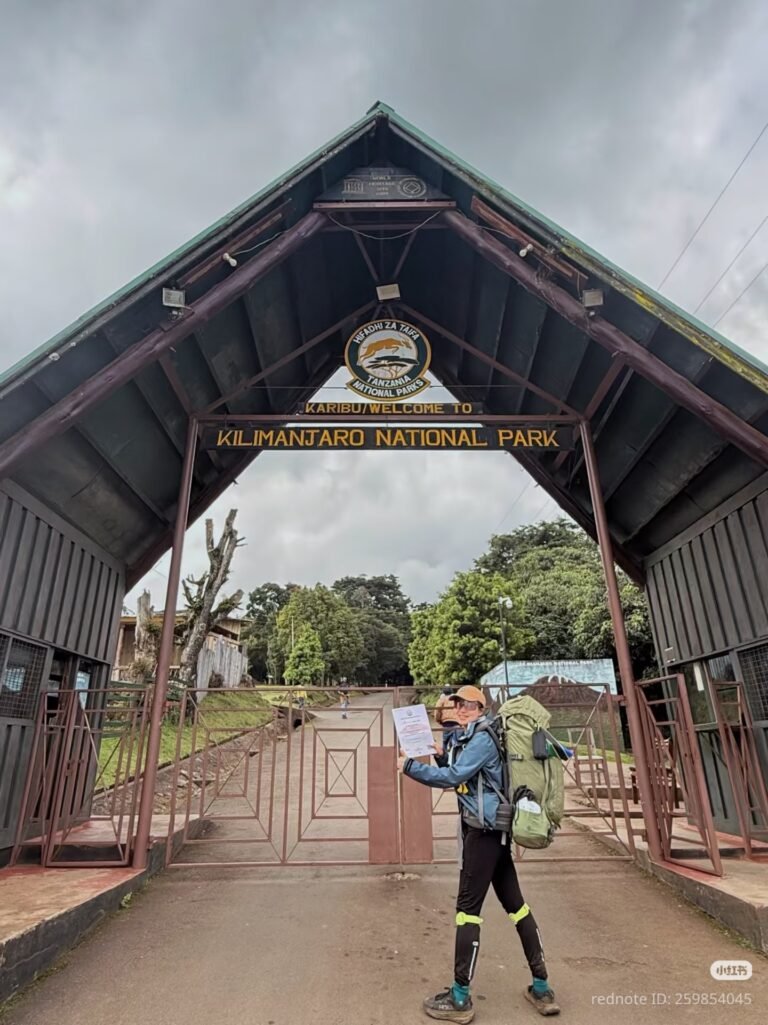
Kilimanjaro And Serengeti Calving Safari January 2026-2027
Kilimanjaro and Serengeti Calving Safari January 2027 is explained with current 2026-2027 planning, price, itinerary and booking information.
View package details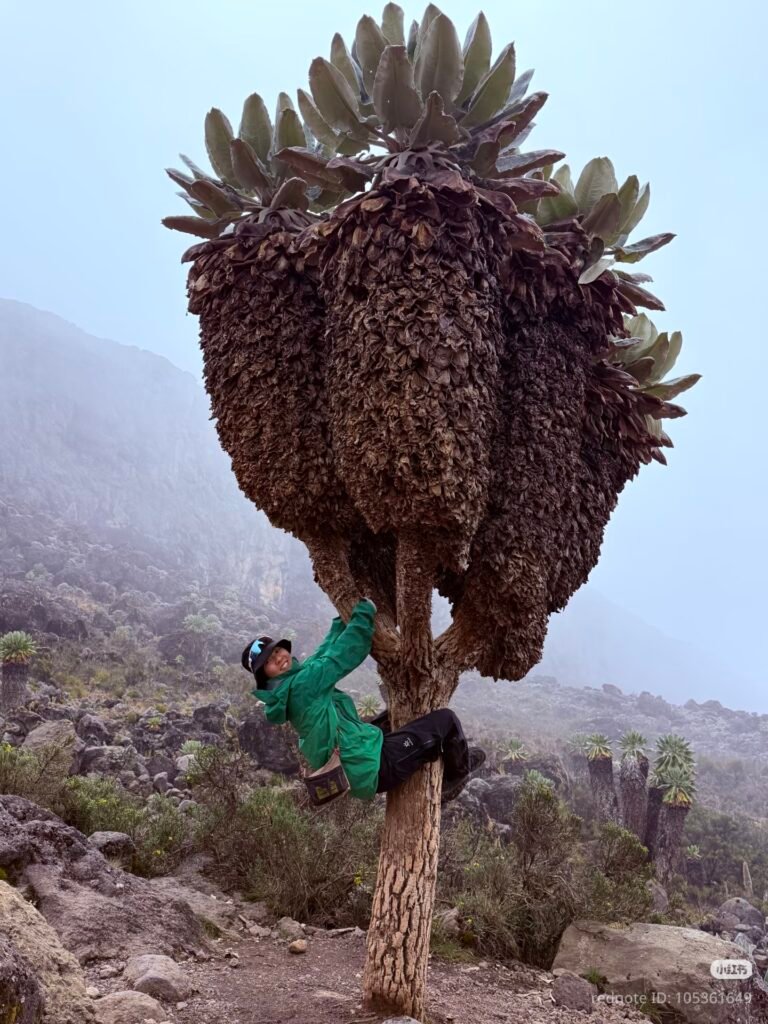
Christmas Kilimanjaro And Zanzibar Holiday : Your Ultimate Adventure 2026-2027
Experience an unforgettable Christmas combining the thrill of climbing Mount Kilimanjaro with the serene beauty of Zanzibar's beaches. This guide covers planning for your 2026-2027 festive...
View package details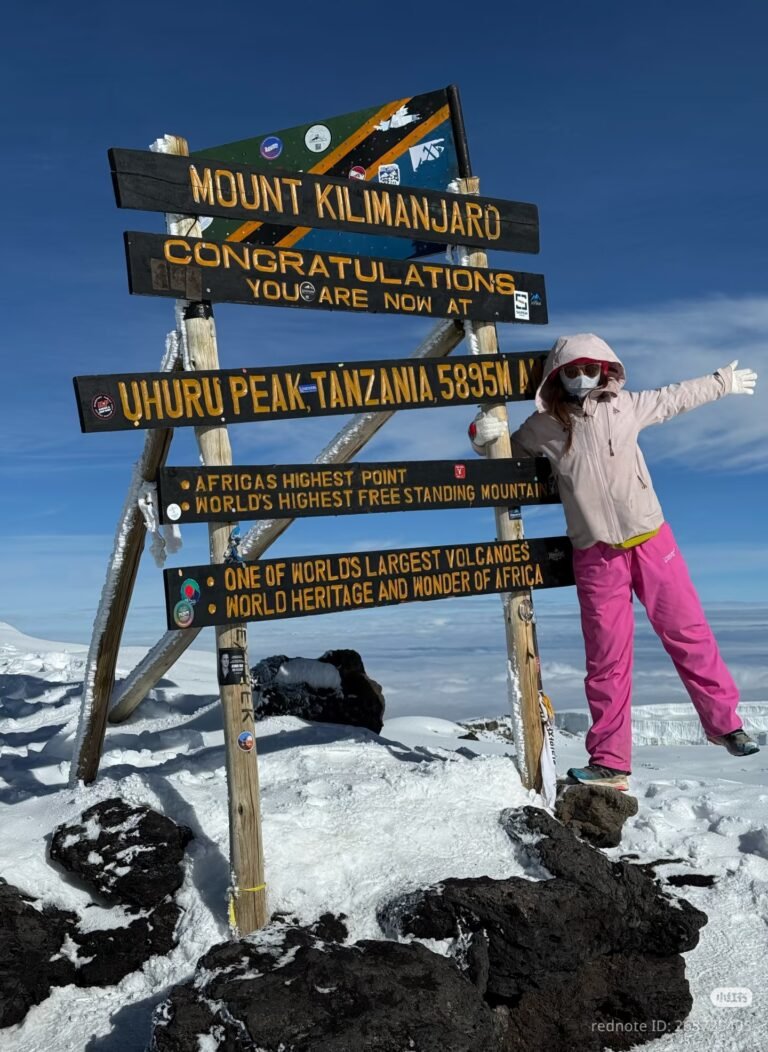
Kilimanjaro And Great Migration Safari August : Your Peak Season Adventure
Plan your ultimate Tanzanian adventure in August 2027, combining a Kilimanjaro climb with the spectacle of the Great Migration. This guide details the best timings, routes, and safari...
View package details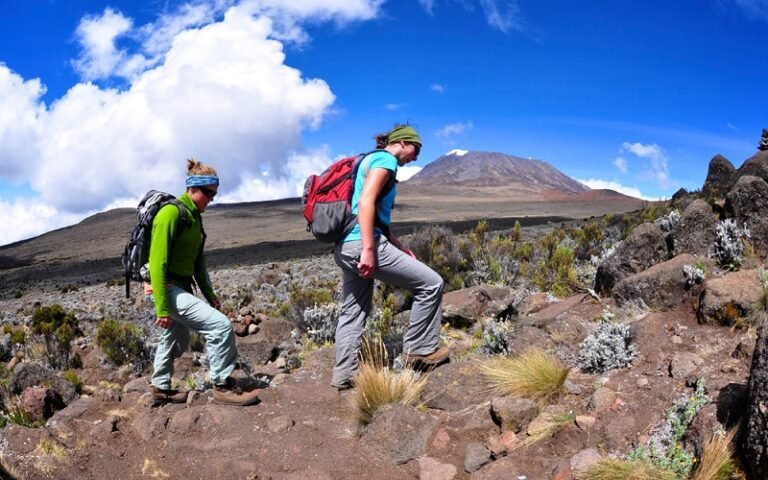
Kilimanjaro And Great Migration Safari July : Your Ultimate Tanzanian
Combining a Kilimanjaro climb with a Great Migration safari in July 2027 offers a spectacular Tanzanian adventure. This guide helps you plan your ideal itinerary, considering the best...
View package detailsKilimanjaro And Mara River Crossing Safari August : Peak Season Adventure 2027
Combining the ultimate challenge of climbing Mount Kilimanjaro with the awe-inspiring spectacle of the Great Migration river crossing in the Maasai Mara offers an unparalleled African...
View package detailsKilimanjaro And Mara River Crossing Safari July 2027
Kilimanjaro and Mara River Crossing Safari July 2027 is explained with current 2027 planning, price, itinerary and booking information.
View package details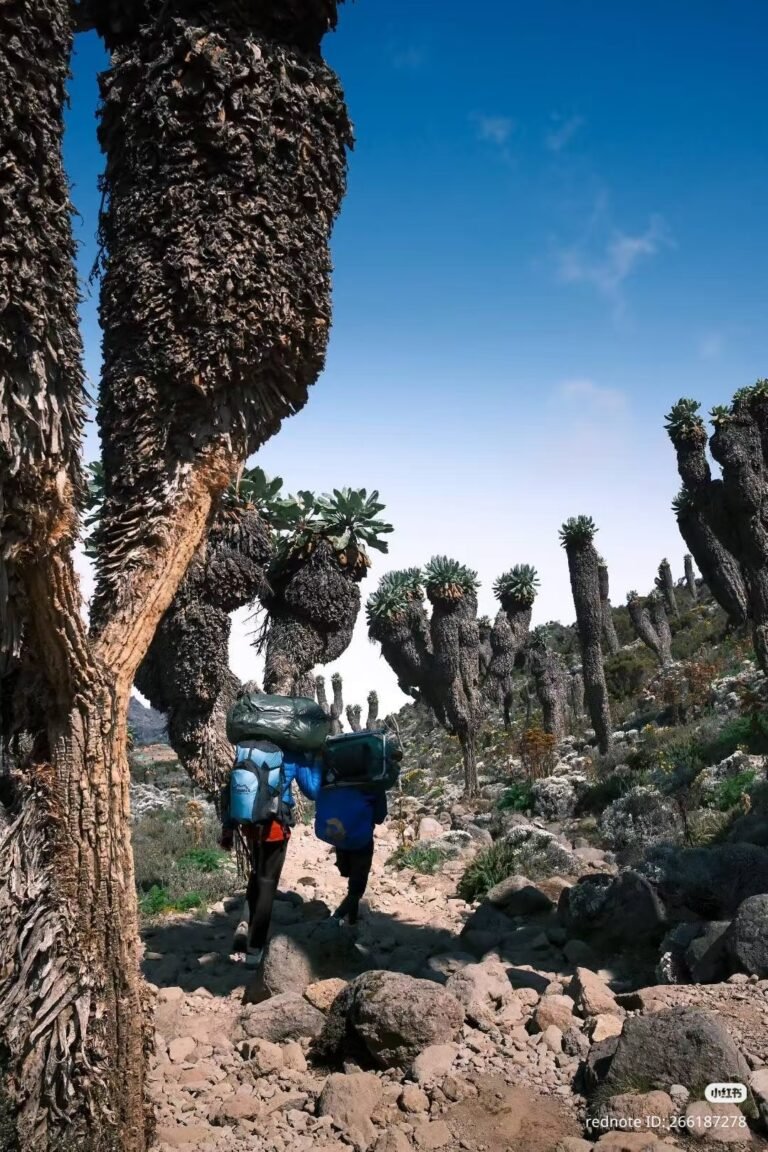
Kilimanjaro Christmas Climb And Tanzania Safari : Your Festive Adventure
Combine the magic of a Christmas ascent of Kilimanjaro with a thrilling Tanzania safari in 2026. Discover how to plan this dual adventure for a truly unique festive season.
View package detailsNo related package matches those filters. Clear one or more filters to see the other topic-matched options.



