
A Southern Tanzania safari from Zanzibar, encompassing Nyerere (Selous) and Mikumi National Parks, typically involves a 5-7 day itinerary in 2026-2027, combining beach relaxation with exceptional wildlife viewing in less crowded, more rugged environments. This route offers unique activities like boat safaris on the Rufiji River and game drives in diverse habitats, contrasting with the Northern Circuit’s popularity.
Southern Tanzania Safari from Zanzibar: An Overview for 2026-2027
For many travelers dreaming of Africa, the image of a safari often conjures up visions of the Serengeti and the Maasai Mara. However, Tanzania holds a treasure trove of wildlife experiences beyond its more famous northern parks. A Southern Tanzania safari, particularly one that begins or ends with a relaxing interlude on the exotic island of Zanzibar, offers a profoundly different, yet equally rewarding, encounter with the wild. This journey takes you to Nyerere National Park (formerly the Selous Game Reserve) and Mikumi National Park, two jewels in Tanzania’s southern circuit, promising incredible wildlife sightings, unique landscapes, and a more intimate safari feel, especially as you plan for the 2026-2027 travel seasons.
The allure of combining Zanzibar’s pristine beaches and rich Swahili culture with the raw, untamed wilderness of southern Tanzania is undeniable. This itinerary is perfect for those seeking an authentic safari experience, away from the peak season crowds often found in the north. You’ll discover a different pace, different wildlife concentrations, and different safari activities that make this region uniquely interesting. Whether you’re looking for a truly wild escape or a perfect complement to your Zanzibar holiday, the southern parks deliver an unforgettable adventure. Planning for 2026 and 2027 allows ample time to secure the best lodges, flights, and tailor-made experiences for this remarkable journey.
Why Choose Southern Tanzania for Your 2026-2027 Safari from Zanzibar?
The southern circuit offers a compelling alternative for several key reasons, especially when starting from the popular tourist hub of Zanzibar:
- Fewer Crowds: While the Northern Circuit attracts the majority of Tanzania’s safari tourists, the southern parks remain significantly less visited. This means you’re more likely to enjoy game drives and other activities with a sense of exclusivity and fewer vehicles at sightings.
- Unique Activities: Nyerere National Park, in particular, is renowned for its boat safaris along the Rufiji River. This offers a unique perspective on wildlife, allowing you to see hippos, crocodiles, elephants, and a vast array of birdlife from the water, an experience not commonly found in the northern parks.
- Diverse Ecosystems: From the vast Miombo woodlands and open plains of Mikumi to the riverine forests and swamps of Nyerere, the southern circuit showcases a variety of habitats that support a rich diversity of wildlife.
- Accessibility from Zanzibar: While seemingly remote, southern Tanzania is surprisingly accessible from Zanzibar. Short internal flights connect the island directly or via Dar es Salaam to airstrips serving Nyerere and Mikumi, making the transition from beach to bush smooth.
- Value for Money: Often, safaris in the southern circuit can offer better value, particularly in terms of the intimate experience per dollar spent, due to lower overheads and less demand compared to the highly developed northern circuit infrastructure.
As you look ahead to 2026-2027, booking this type of safari requires careful planning to maximize your experience. The best time to visit these parks generally aligns with the dry seasons, but the unique riverine environments of Nyerere can be rewarding year-round. Understanding these nuances is key to a successful southern Tanzania safari from Zanzibar.
Navigating the Southern Circuit: Nyerere and Mikumi in 2026-2027
The southern circuit typically focuses on two primary national parks: Nyerere National Park and Mikumi National Park. Understanding their individual characteristics is crucial for crafting your ideal southern Tanzania safari from Zanzibar itinerary for 2026-2027.
Nyerere National Park (Formerly Selous Game Reserve)
Nyerere National Park, carved out of the northern part of the Selous Game Reserve, is one of the largest national parks in Africa. Its sheer size (around 30,893 sq km) means it’s a vast wilderness, and its primary draw is the mighty Rufiji River and its delta.
Wildlife Highlights of Nyerere National Park
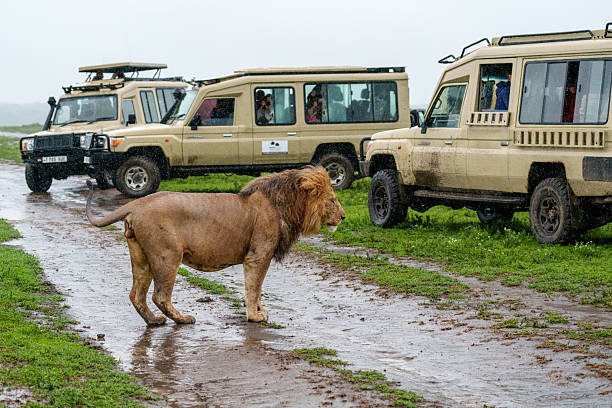
Nyerere is famous for its large elephant and buffalo herds, wild dogs, hippos, and crocodiles. While lion and leopard are present, they can be more elusive here than in the Serengeti. The park’s elephant population is significant, and it’s one of the last refuges for the endangered wild dog. Birdlife is spectacular, especially along the river systems.
Unique Safari Activities in Nyerere
The absolute standout activity here is the boat safari on the Rufiji River. This provides unparalleled opportunities to observe hippos in their hundreds, basking crocodiles, and elephants coming to drink or cross the river. The delta offers a unique ecosystem for birdwatchers and those interested in mangrove environments. Walking safaris are also often available, offering a more ground-level perspective of the bush, accompanied by an armed ranger. Game drives are, of course, a staple, exploring the varied landscapes from open plains to dense woodland.
Lodging Options in Nyerere
Accommodation ranges from rustic tented camps to more luxurious lodges, often situated along the riverbanks or with prime views. Many camps are unfenced, adding to the wild feel. Options typically include:
- Luxury Lodges: Offering high-end amenities, private plunge pools, and gourmet dining.
- Tented Camps: Providing a more authentic bush experience with comfortable canvas tents, often with en-suite bathrooms. Some are permanent, while others are semi-permanent, adapting to wildlife movements.
- Budget Camps: More basic facilities, often popular with backpackers or those on a tighter budget, though still offering a genuine wilderness experience.
When booking for 2026-2027, consider that the choice of camp significantly influences the type of experience you’ll have. Camps located in prime areas along the Rufiji River are particularly sought after for their boat safari access and wildlife viewing potential.
Mikumi National Park
Mikumi is often referred to as the ‘Serengeti of Mikumi’ due to its open grasslands and the concentration of wildlife, especially during the dry season. It’s the fourth-largest park in Tanzania and is easily accessible from Dar es Salaam, making it a convenient stop on a southern circuit itinerary.
Wildlife Highlights of Mikumi National Park
Mikumi is known for its large herds of elephants, zebras, wildebeest, buffalo, impalas, and giraffes. The park’s accessible plains make spotting game relatively easy. Predators like lions and leopards are present, and hippos are abundant in the Mwanze and Msamara rivers. The park’s southern section, bordering Selous, is particularly rich in wildlife. The famous “Baobab Tree” is a landmark and a frequent resting spot for lions.
Safari Activities in Mikumi
Game drives are the primary activity in Mikumi. The park’s compact size and well-maintained road network allow for excellent viewing opportunities within a shorter timeframe. The open plains are ideal for spotting large mammals, while the acacia woodlands and riverine areas attract diverse birdlife and other species.
Lodging Options in Mikumi
Mikumi offers a range of accommodation, typically fewer in number and variety compared to Nyerere. Options include:
- Park-managed Rest Houses: Basic but functional accommodation within the park boundaries.
- Private Lodges and Camps: Ranging from mid-range to more comfortable options, often located just outside the park gates or in strategic locations within the park.
- Budget Camps: Simple camping facilities are also available.
The proximity of Mikumi to Dar es Salaam makes it a popular choice for shorter safaris or as a transition point. For your southern Tanzania safari from Zanzibar in 2026-2027, Mikumi serves as an excellent introduction to the southern circuit’s wildlife diversity.
Crafting Your 2026-2027 Southern Tanzania Safari Itinerary from Zanzibar
The beauty of a southern Tanzania safari from Zanzibar lies in its flexibility. You can tailor the duration and focus based on your interests and time. Here’s a breakdown of common itinerary structures and considerations for 2026-2027.
Typical Itinerary Durations
- 5-Day Safari (Nyerere Focus): This is a popular option for those combining it with Zanzibar. It usually involves flying from Zanzibar to Nyerere, spending 2-3 nights exploring the park with game drives and boat safaris, and then flying back to Dar es Salaam for your onward journey or back to Zanzibar.
- 7-Day Safari (Nyerere & Mikumi): This allows for a more in-depth experience, typically splitting time between Nyerere (3 nights) and Mikumi (2 nights). This itinerary might involve flying into Nyerere, then a short flight or overland transfer to Mikumi, before flying out from Mikumi’s airstrip or returning to Dar es Salaam.
- Longer Safaris (8+ Days): For those wanting to explore deeper or add other southern destinations, longer safaris are possible, though less common for this specific Zanzibar-linked route.
Sample Itinerary Structure (7 Days / 6 Nights)
This is a conceptual outline to illustrate the flow of a southern Tanzania safari from Zanzibar for 2026-2027:
Day 1: Zanzibar to Nyerere National Park
Morning flight from Zanzibar (ZNZ) to the airstrip serving Nyerere National Park (e.g., Selous Game Reserve Airstrip). You’ll be met by your guide and transferred to your lodge/camp. Afternoon boat safari on the Rufiji River, followed by dinner and overnight.
Day 2: Nyerere National Park – Game Drives & Walking Safari
Full day exploring Nyerere. Morning game drive focusing on wildlife spotting in the park’s diverse habitats. Optional afternoon walking safari (if available and desired) for a different perspective, or another game drive. Overnight at your lodge/camp.
Day 3: Nyerere National Park – Rufiji River Exploration
Another day dedicated to Nyerere’s wonders. Perhaps a morning game drive, followed by an extended boat safari in the afternoon, or vice versa. Focus on areas known for specific wildlife concentrations. Overnight at your lodge/camp.
Day 4: Nyerere to Mikumi National Park
After breakfast, transfer to the airstrip for a short flight to Mikumi National Park’s airstrip. You’ll be met by your Mikumi guide and transferred to your accommodation. Afternoon game drive in Mikumi, exploring its open plains and abundant wildlife.
Day 5: Mikumi National Park – Full Day Game Drive
Full day of game drives in Mikumi. Explore different sectors of the park, searching for lions, elephants, giraffes, and diverse birdlife. Visit the famous “Baobab Tree” and other key sighting areas. Overnight at your lodge/camp.
Day 6: Mikumi to Dar es Salaam / Zanzibar
Morning game drive in Mikumi. After breakfast, transfer to the airstrip for your flight back to Dar es Salaam (DAR) or potentially directly back to Zanzibar, depending on flight availability and your onward travel plans.
Day 7: Departure
Transfer to the airport for your international flight or continue your travels.
Logistical Considerations for 2026-2027
Flights: Internal flights are crucial for this itinerary. They significantly reduce travel time between Zanzibar, the southern parks, and Dar es Salaam. These are typically operated by small charter companies. Booking these well in advance is highly recommended, especially for 2026-2027 peak travel periods. Shared charter flights can offer cost savings.
Transfers: Expect road transfers from airstrips to your camps/lodges. These are usually part of the safari package and conducted in 4×4 safari vehicles. The quality of roads within and between parks can vary, contributing to the rugged adventure feel.
Park Fees: National Park fees are a significant component of safari costs and are paid per person, per day. These are subject to change, so confirm the latest rates for 2026-2027 with your tour operator.
Accommodation Booking: Lodges and camps in the southern circuit, especially those in prime locations in Nyerere, can book up quickly. Early booking for 2026-2027 is essential to secure your preferred choice.
Planning Your 2026-2027 Southern Tanzania Safari from Zanzibar: Key Decisions
Choosing the right tour operator and understanding what’s included are paramount for a successful southern Tanzania safari from Zanzibar. For 2026-2027, proactive planning will ensure a smoother and more rewarding journey.
Choosing Your Safari Operator
Selecting a reputable operator is vital. Look for companies with:
- Local Expertise: Companies based in Tanzania, like Climb 4 Africa, have intimate knowledge of the parks, lodges, and logistical challenges.
- Customization Options: The ability to tailor itineraries to your specific interests (e.g., photography, birdwatching, relaxation) is key.
- Good Communication: Responsiveness and clarity in communication are indicators of professionalism.
- Positive Reviews: While not the sole factor, consistent positive feedback on platforms like TripAdvisor is a good sign.
When planning for 2026-2027, reach out to operators early. This allows for discussion of your preferences and for them to propose suitable options.
What’s Typically Included?
A comprehensive safari package usually includes:
- Accommodation: Nights at lodges or tented camps.
- Meals: All meals (breakfast, lunch, dinner) during the safari portion.
- Activities: Scheduled game drives, boat safaris, and walking safaris as per the itinerary.
- Park Fees: Entrance fees for Nyerere and Mikumi National Parks.
- Internal Flights: Flights between Zanzibar, the parks, and Dar es Salaam (confirm this inclusion).
- Transfers: Airport and airstrip transfers, and transfers to/from lodges.
- Professional Guide: A dedicated safari guide for game drives.
Important: Always clarify exactly what is included. Exclusions often include international flights, visa fees, travel insurance, personal expenses (souvenirs, laundry), tips for guides and staff, and alcoholic beverages. For 2026-2027 bookings, ensure the inclusions match your expectations.
What’s Typically Excluded?
Be aware of common exclusions:
- International Flights
- Visa Fees
- Travel Insurance (Mandatory)
- Tips for Guides and Camp Staff
- Personal Expenses (e.g., drinks, laundry, souvenirs)
- Gratuities
Understanding these exclusions helps in budgeting accurately for your southern Tanzania safari from Zanzibar in 2026-2027.
Budgeting for Your 2026-2027 Safari
The cost of a southern Tanzania safari from Zanzibar can vary significantly based on accommodation style, duration, and inclusions. For 2026-2027, expect prices to be competitive but reflective of the unique experiences offered.
Factors Influencing Cost:
- Accommodation Level: Luxury lodges are significantly more expensive than mid-range camps or budget options.
- Time of Year: While southern Tanzania is less affected by seasonality than the north, peak travel times (like Christmas/New Year) might see slightly higher rates.
- Type of Flights: Private charters are more expensive than shared charter flights.
- Group Size: Private safaris are more costly per person than shared departures.
- Itinerary Length: Naturally, longer safaris cost more.
General Price Guidance (Estimate for 2026-2027):
For a mid-range to upper-mid-range safari package (including internal flights, accommodation, meals, park fees, and activities) for a 5-7 day trip from Zanzibar, you might expect costs to range from approximately $2,500 to $5,000+ per person. This is a broad estimate, and a detailed quote is necessary for accurate budgeting.
Booking Window for 2026-2027: To secure the best rates and availability, especially for specific lodges or shared departure dates, booking 6-12 months in advance is highly recommended. For custom itineraries, starting the conversation even earlier is beneficial.
The Wildlife Experience: What to Expect in Nyerere and Mikumi 2026-2027
The wildlife encounters in southern Tanzania are distinct and often more intimate than in the north. Preparing for these specific experiences will enhance your appreciation.
Nyerere National Park: Riverine Wildlife and Big Game
Nyerere’s wildlife viewing is heavily influenced by the Rufiji River. Expect to see:
- Massive Hippo Pods: The river is teeming with hippos, often seen in large groups.
- Crocodiles: Nile crocodiles are abundant, often seen basking on riverbanks or lurking in the water.
- Elephants: Large herds are common, especially during dry periods when they congregate near water sources.
- Buffalo: Significant herds can be found, particularly in the woodlands.
- Giraffes, Zebras, Antelopes: Various species inhabit the park’s diverse areas.
- Wild Dogs: Nyerere is a crucial sanctuary for African wild dogs, though sightings are rare and require luck.
- Lions and Leopards: Present but often more elusive than in other parks.
The boat safaris offer a unique perspective, allowing for close encounters with riverine life and a different vantage point for birdwatching. Game drives explore areas away from the river, offering chances to see plains game and predators.
Mikumi National Park: Plains Game and Predators
Mikumi’s open plains make wildlife spotting more straightforward:
- Herds of Elephants: Mikumi is known for its large elephant populations.
- Zebras and Wildebeest: These common grazers are found in large numbers.
- Buffalo: Herds are frequently sighted.
- Giraffes: Easily spotted grazing on acacia trees.
- Impalas and other Antelopes: Common throughout the park.
- Lions: Often seen resting on the branches of trees, especially near the main road or Baobab Tree.
- Leopards: More elusive but present.
- Hippos: Found in the park’s rivers and waterholes.
The park’s accessibility means that game drives can often yield excellent sightings within a relatively short period. The open landscape provides fantastic photographic opportunities.
Best Time to Visit for 2026-2027
While southern Tanzania is a year-round destination, certain periods offer distinct advantages:
- Dry Season (June to October): This is generally considered the prime time for safari. Wildlife congregates around remaining water sources, making them easier to spot. Vegetation is sparser, improving visibility. Weather is typically sunny and pleasant.
- Green Season (November to May): This period sees rainfall, especially from March to May. The landscape becomes lush and vibrant, ideal for photographers and birdwatchers. Wildlife disperses, but is still present. This season can offer lower prices and fewer crowds. Nyerere’s riverine systems remain accessible and rewarding even during the rains.
For your southern Tanzania safari from Zanzibar in 2026-2027, the dry season (June-October) offers the most predictable wildlife viewing. However, the green season can be magical for those seeking a different aesthetic and potentially better value.
Combining Zanzibar with Your Southern Tanzania Safari in 2026-2027
The synergy between Zanzibar’s tropical allure and southern Tanzania’s wild heart is a major draw. This combination offers a complete African experience.
Logistics of Combining Zanzibar and Safari
The most common way to combine these destinations for a southern Tanzania safari from Zanzibar is by:
- Starting in Zanzibar: Arrive on the island, enjoy a few days of relaxation, spice tours, Stone Town exploration, and beach activities. Then, take a morning flight from Zanzibar to your chosen southern park (Nyerere or Mikumi).
- Ending in Zanzibar: Complete your safari adventure, fly back to Dar es Salaam, and then take a short flight to Zanzibar for your final days of relaxation before your international departure from Zanzibar or Dar.
The internal flights are key to making this smooth. Climb 4 Africa specializes in arranging these complex logistics, ensuring smooth transitions for your 2026-2027 trip.
Suggested Zanzibar Activities
While on Zanzibar, consider these activities:
- Stone Town Tour: Explore the historic heart of the island, a UNESCO World Heritage site.
- Spice Tour: Discover the island’s aromatic history and exotic spices.
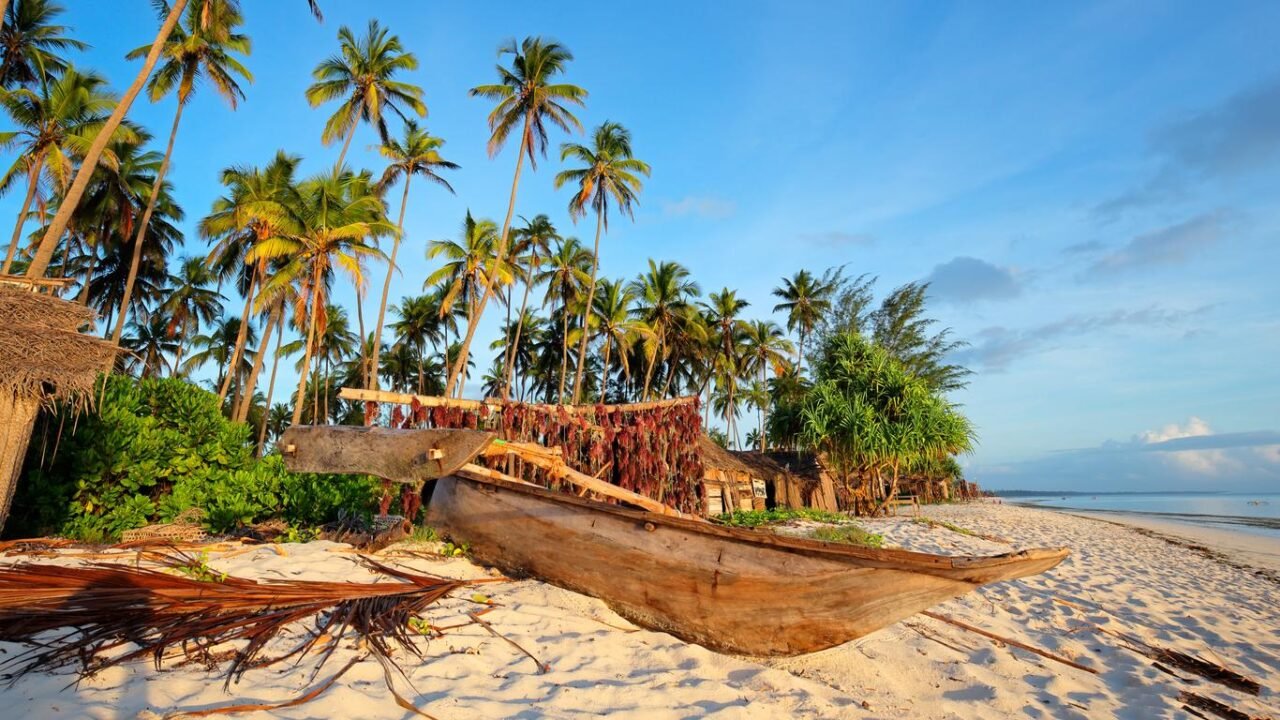
- Beach Relaxation: Enjoy the white sandy beaches and turquoise waters of Nungwi, Kendwa, or Paje.
- Snorkeling/Diving: Explore the vibrant coral reefs around Mnemba Atoll.
- Prison Island Tour: Visit giant tortoises and learn about the island’s history.
Integrating these activities with your safari plans for 2026-2027 requires careful scheduling, especially considering flight times.
Practical Tips for Your Southern Tanzania Safari 2026-2027
To ensure your southern Tanzania safari from Zanzibar is as enjoyable and hassle-free as possible, keep these practical tips in mind for your 2026-2027 adventure.
Packing Essentials
Pack light, neutral-colored clothing. Key items include:
- Lightweight, breathable clothing (long-sleeved shirts and trousers for evenings and sun protection).
- Comfortable walking shoes.
- Sandals or flip-flops for camp.
- A warm fleece or jacket for cool mornings and evenings.
- Sun hat, sunglasses, and high SPF sunscreen.
- Insect repellent (with DEET).
- Camera with extra batteries and memory cards.
- Binoculars for wildlife viewing.
- Personal first-aid kit and any personal medications.
- Adapter for charging electronics.
Remember that luggage on light aircraft is often restricted to a maximum of 15-20 kg (33-44 lbs), usually in soft-sided bags.
Health and Safety
Consult your doctor or a travel clinic well in advance of your 2026-2027 trip regarding vaccinations and malaria precautions. Yellow fever vaccination may be required, especially if traveling from or to certain countries. Always drink bottled or purified water.
Connectivity
Wi-Fi is available in many lodges and camps, but it can be slow and intermittent. Consider purchasing a local SIM card in Dar es Salaam or Zanzibar if constant connectivity is important. However, embracing the digital detox is part of the safari experience for many.
Responsible Tourism
When on safari, always follow your guide’s instructions. Maintain a safe distance from wildlife, do not feed animals, and respect the environment. Support lodges and operators committed to conservation and community engagement.
Why Book Your 2026-2027 Southern Tanzania Safari with Climb 4 Africa?
Planning a complex trip like a southern Tanzania safari from Zanzibar requires expertise. Climb 4 Africa offers:
- Local Knowledge: As a Tanzania-based company, we have firsthand experience and established relationships across the country.
- Tailor-Made Itineraries: We design trips to fit your interests, budget, and travel style, ensuring your 2026-2027 safari is perfect for you.
- smooth Logistics: From internal flights and transfers to lodge bookings and park permits, we handle all the details.
- Experienced Guides: Our guides are passionate, knowledgeable, and dedicated to providing an exceptional safari experience.
- Commitment to Conservation: We partner with lodges and initiatives that prioritize wildlife protection and sustainable tourism.
We understand the nuances of combining the tranquility of Zanzibar with the thrill of a southern circuit safari. Whether you’re envisioning a southern Tanzania safari from Zanzibar in 2026 or looking ahead to 2027, we are here to help you create an unforgettable adventure.
To start planning your personalized southern Tanzania safari from Zanzibar for 2026-2027, or if you have any questions, please do not hesitate to get in touch. We can be reached via WhatsApp at +255 747 477 898 or by email at climb4africa@gmail.com. Let us craft your dream Tanzanian adventure, blending the best of its island paradise and wild heart.
“,
“faq_schema”: [
{
“question”: “What is the best time of year for a Southern Tanzania safari from Zanzibar in 2026-2027?”,
“answer”: “The dry season, from June to October, is generally considered the best time for wildlife viewing in Southern Tanzania, as animals congregate around water sources. However, the green season (November to May) offers lush landscapes and fewer crowds, making it also a viable and beautiful option, especially for birdwatching and photography. For 2026-2027, both seasons offer unique advantages.”
},
{
“question”: “How long should a Southern Tanzania safari from Zanzibar typically be in 2026-2027?”,
“answer”: “A typical safari combining Zanzibar with Nyerere and Mikumi National Parks lasts between 5 to 7 days. A 5-day trip might focus solely on Nyerere, while a 7-day itinerary allows for exploration of both Nyerere and Mikumi, offering a more comprehensive experience for your 2026-2027 adventure.”
},
{
“question”: “What are the main differences between Nyerere and Mikumi National Parks?”,
“answer”: “Nyerere National Park (formerly Selous) is vast and famous for its boat safaris on the Rufiji River, offering unique views of hippos, crocodiles, and diverse birdlife, alongside large game. Mikumi National Park is known for its open plains and abundant wildlife, often compared to the Serengeti for ease of game viewing, with a high concentration of elephants, zebras, and lions often seen resting in trees.”
},
{
“question”: “Are internal flights included in Southern Tanzania safari packages from Zanzibar for 2026-2027?”,
“answer”: “Internal flights between Zanzibar, the southern parks (Nyerere and Mikumi), and Dar es Salaam are a critical part of the logistics for this itinerary. Reputable tour operators like Climb 4 Africa usually include these flights in their safari packages, but it’s essential to confirm this detail when booking for 2026-2027 to manage expectations and budget.”
},
{
“question”: “What kind of wildlife can I expect to see on a Southern Tanzania safari in 2026-2027?”,
“answer”: “You can expect to see a wide array of wildlife including elephants, buffalo, hippos, crocodiles, lions, leopards, giraffes, zebras, wildebeest, and various antelopes. Nyerere is also a key sanctuary for African wild dogs. Mikumi is excellent for spotting large mammals on its open plains. Birdlife is abundant in both parks.”
},
{
“question”: “How does a Southern Tanzania safari differ from a Northern Tanzania safari?”,
“answer”: “Southern Tanzania safaris, like those in Nyerere and Mikumi, tend to be less crowded, offer unique activities like river boat safaris (Nyerere), and can sometimes provide better value for a more intimate experience. The Northern Circuit (Serengeti, Ngorongoro) is more famous, sees more tourists, and is renowned for the Great Migration and the vastness of the Serengeti plains.”
}
]
}
“`
Check Availability for Southern Tanzania Safari From Zanzibar To Nyerere And Mikumi 2026-2027
Ready to compare dates, prices, and the best option for your group? Send the package name and travel month so the team can reply with a clear quote, availability, and what is included.
Christmas Kilimanjaro And Zanzibar Holiday : Your Ultimate Adventure 2026-2027
Experience an unforgettable Christmas combining the thrill of climbing Mount Kilimanjaro with the serene beauty of Zanzibar's beaches. This guide covers planning for your 2026-2027 festive...
View package details
Kilimanjaro And Great Migration Safari July : Your Ultimate Tanzanian
Combining a Kilimanjaro climb with a Great Migration safari in July 2027 offers a spectacular Tanzanian adventure. This guide helps you plan your ideal itinerary, considering the best...
View package details
Kilimanjaro And Grumeti Migration Safari June : The Ultimate Tanzanian
Plan your unforgettable Kilimanjaro and Grumeti Migration safari for June 2027. This comprehensive guide details how to combine the challenge of summiting Africa's highest peak with the...
View package details
Kilimanjaro Christmas Climb And Tanzania Safari : Your Festive Adventure
Combine the magic of a Christmas ascent of Kilimanjaro with a thrilling Tanzania safari in 2026. Discover how to plan this dual adventure for a truly unique festive season.
View package detailsKilimanjaro And Mara River Crossing Safari August : Peak Season Adventure 2027
Combining the ultimate challenge of climbing Mount Kilimanjaro with the awe-inspiring spectacle of the Great Migration river crossing in the Maasai Mara offers an unparalleled African...
View package details
Kilimanjaro And Great Migration Safari August : Your Peak Season Adventure
Plan your ultimate Tanzanian adventure in August 2027, combining a Kilimanjaro climb with the spectacle of the Great Migration. This guide details the best timings, routes, and safari...
View package detailsKilimanjaro And Mara River Crossing Safari July 2027
Kilimanjaro and Mara River Crossing Safari July 2027 is explained with current 2027 planning, price, itinerary and booking information.
View package details
Best Kilimanjaro And Serengeti Calving Season Safari March 2027
Discover the magic of a March 2027 Kilimanjaro and Serengeti calving season safari. This guide explores the unique advantages and considerations for experiencing Tanzania's wildlife...
View package details
Kilimanjaro And Serengeti Calving Safari February : The Ultimate Planning
Combine the majesty of Mount Kilimanjaro with the impressive spectacle of the Serengeti's calving season in February 2027. This guide details how to plan this dual adventure, focusing on...
View package details
Kilimanjaro And Serengeti Calving Safari January 2026-2027
Kilimanjaro and Serengeti Calving Safari January 2027 is explained with current 2026-2027 planning, price, itinerary and booking information.
View package detailsNo related package matches those filters. Clear one or more filters to see the other topic-matched options.



