
A Tarangire and Ngorongoro safari from Zanzibar in 2026-2027 typically involves a short flight or ferry from Zanzibar to Arusha, followed by a 3-5 day overland safari to Tarangire National Park and the Ngorongoro Conservation Area, returning to Zanzibar or Kilimanjaro International Airport. This combination offers a fantastic blend of island paradise and world-class wildlife viewing, with key planning factors including the duration of your safari, accommodation style, and transport method between the mainland and the island.


Understanding Your Tarangire and Ngorongoro Safari from Zanzibar
The allure of Tanzania often begins with the pristine beaches and spice-scented air of Zanzibar. Yet, for many travelers, the dream extends to the iconic savannas teeming with wildlife. A Tarangire and Ngorongoro safari from Zanzibar expertly bridges these two quintessential Tanzanian experiences. It’s a journey that requires careful coordination, blending the relaxed pace of island life with the thrilling adventure of game drives in some of Africa’s most renowned wildlife destinations.
For those planning their trip in 2026 or 2027, understanding the logistics is paramount. The primary challenge is the transition from Zanzibar’s coast to the northern safari circuit’s interior. This isn’t a simple day trip; it’s a multi-day expedition that deserves thoughtful planning. You’ll need to consider how much time you wish to allocate to safari versus beach, your budget, preferred comfort levels, and the best way to travel between these distinct environments. This guide aims to demystify the process, providing practical insights for crafting your perfect Tarangire and Ngorongoro safari from Zanzibar adventure for the 2026-2027 travel seasons.
Logistics: Traveling from Zanzibar to Tarangire and Ngorongoro
The journey from the tropical island of Zanzibar to the wildlife-rich plains of Tarangire and Ngorongoro is a critical component of planning your Tarangire and Ngorongoro safari from Zanzibar 2026-2027. It’s not a matter of hopping on a bus; it requires specific transport arrangements to get you to the mainland safari gateway, typically Arusha.
Option 1: Flying from Zanzibar to Arusha (ARK)
This is the quickest and most convenient method. Several small airlines operate daily flights between Zanzibar International Airport (ZNZ) and Arusha Airport (ARK). Flights are usually short, around 45-60 minutes. This option maximizes your safari time, especially if you have a shorter overall trip duration.
- Pros: Speed, comfort, saves travel time, scenic aerial views of the mainland.
- Cons: Higher cost compared to ferry and road transfers. Flight schedules can sometimes be affected by weather or operational reasons.
Important Considerations for 2026-2027: Book flights well in advance, especially during peak seasons (June-October and December-February). The luggage allowance on these small aircraft is typically restricted (around 15-20 kg in soft bags), so pack light for your safari portion.
Option 2: Ferry from Zanzibar to Dar es Salaam, then Flight to Arusha
Another common route involves taking a ferry from Zanzibar to Dar es Salaam, Tanzania’s bustling commercial capital. Ferries operate frequently and take approximately 1.5 to 2 hours. From Dar es Salaam, you would then take a domestic flight to Arusha Airport (ARK) or Kilimanjaro International Airport (JRO).
- Pros: Can be more budget-friendly than flying directly from Zanzibar to Arusha. Offers a glimpse of Dar es Salaam if you choose to spend a night there.
- Cons: Significantly longer travel time, involves multiple transfers, potential for rough seas on the ferry crossing.
For 2026-2027 bookings: Ensure ample connection time between your ferry arrival in Dar es Salaam and your onward flight to Arusha. Delays are common with both ferries and domestic flights, so building in buffer time is crucial.
Option 3: Ferry to Dar es Salaam, then Overland to Arusha
This is the most time-consuming and often the most economical option. After the ferry to Dar es Salaam, you would arrange a shuttle bus or private transfer to Arusha. This overland journey can take 6-8 hours.
- Pros: Most budget-friendly option. Allows you to see more of Tanzania’s landscape.
- Cons: Very time-consuming, can be tiring, potential for road delays. Not recommended for shorter safari durations.
Traveler Advice for 2026-2027: If you opt for this route, consider breaking the journey with an overnight stay in Dar es Salaam to avoid an excessively long travel day. This adds to the overall trip cost and time.
Arriving in Arusha/Kilimanjaro
Once you arrive in Arusha (ARK) or Kilimanjaro (JRO), your safari operator (like Climb 4 Africa) will typically meet you. They will assist with transferring you to your accommodation in Arusha, where you’ll usually spend one night before commencing your safari. This pre-safari night allows for a briefing, last-minute souvenir shopping, and a good night’s rest before hitting the road for your Tarangire and Ngorongoro safari from Zanzibar.
Choosing your transport method for 2026-2027 depends on your priorities: time, budget, and overall travel experience. For most, a direct flight to Arusha offers the best balance for a Tarangire and Ngorongoro safari from Zanzibar.
Why Tarangire and Ngorongoro? The Star Attractions
The decision to focus your safari on Tarangire and Ngorongoro when coming from Zanzibar is well-founded. These two parks, while geographically close, offer distinctly different, yet equally spectacular, wildlife viewing experiences. They form the core of what many consider the quintessential Northern Tanzania safari circuit.
Tarangire National Park: The Land of Giants and Baobabs
Tarangire is particularly famous for its massive elephant herds, especially during the dry season (June to October) when they congregate around the Tarangire River. But it’s not just elephants; the park boasts an incredible diversity of wildlife, including large prides of lions, leopards, cheetahs, giraffes, zebras, wildebeest, and a staggering variety of birdlife.
- Unique Features: The park’s landscape is dominated by ancient baobab trees, which lend a prehistoric feel to the scenery. The Tarangire River acts as a vital water source, drawing animals from miles around.
- What to Expect: Expect expansive plains dotted with acacia woodlands and the iconic baobabs. Game drives here offer excellent opportunities for close-up elephant encounters and spotting predators. It’s often less crowded than the Serengeti, offering a more intimate safari feel.
- Best Time to Visit: Dry season (June-October) for concentrated wildlife, but green season (November-May) offers lush scenery and fewer visitors.
Ngorongoro Conservation Area: The Eighth Wonder of the World
The Ngorongoro Crater, a UNESCO World Heritage Site, is a geological marvel and a wildlife sanctuary. This vast volcanic caldera, often called the “eighth wonder of the world,” hosts an astonishing density of wildlife. It’s one of the few places where you can reliably see the “Big Five” (lion, leopard, elephant, rhino, and buffalo) in a single day, with the endangered black rhino being a particular highlight.
- Unique Features: The sheer scale of the crater floor, its high concentration of animals, and the dramatic visual of the caldera rim are unforgettable. It’s a self-contained ecosystem that supports a thriving population of predators and prey.
- What to Expect: Game drives take place on the crater floor. You’ll likely encounter vast herds of wildebeest and zebras, numerous lions, hyenas, hippos, and, if you’re lucky, the elusive leopard and the critically endangered black rhino. The scenery from the crater rim is also spectacular.
- Best Time to Visit: Year-round. Wildlife is resident in the crater, making it a reliable destination any time. However, the period just after the rains (March-May) can see some areas of the crater floor become waterlogged, potentially limiting access.
Combining these two parks provides a comprehensive Tanzanian safari experience. Tarangire offers the sprawling savanna and elephant migrations, while Ngorongoro provides the dramatic caldera landscape and dense wildlife populations. This makes them ideal destinations for a Tarangire and Ngorongoro safari from Zanzibar 2026-2027.
Sample Itineraries for Tarangire and Ngorongoro Safaris from Zanzibar (2026-2027)
When planning your Tarangire and Ngorongoro safari from Zanzibar for 2026-2027, itinerary length is a key decision. Here are a few sample structures to illustrate the possibilities, ranging from a shorter, focused trip to a more comprehensive exploration.
Short & Sweet: 3-Day Safari (Focus on Ngorongoro & Tarangire)
This option is ideal for those with limited time, maximizing wildlife encounters without excessive travel.
- Day 1: Zanzibar to Arusha, drive to Tarangire. Morning flight/ferry from Zanzibar to Arusha. Meet your guide, drive to Tarangire National Park for an afternoon game drive. Overnight near Tarangire.
- Day 2: Tarangire to Ngorongoro Crater. Morning game drive in Tarangire. Depart for the Ngorongoro Conservation Area, descending into the crater for an extensive afternoon game drive. Overnight on the crater rim or nearby.
- Day 3: Ngorongoro to Zanzibar. Morning at leisure or optional cultural visit. Drive back to Arusha for your flight to Zanzibar.
Suitability: Best for travelers prioritizing a taste of both parks with minimal transit time. Assumes flights from Zanzibar to Arusha.
Classic Combo: 4-Day Safari (Tarangire, Ngorongoro & Lake Manyara)
This popular itinerary includes Lake Manyara, known for its tree-climbing lions and diverse birdlife, offering a richer safari experience.
- Day 1: Zanzibar to Arusha, drive to Lake Manyara. Morning flight from Zanzibar to Arusha. Meet your guide and drive to Lake Manyara National Park for an afternoon game drive. Overnight near Lake Manyara.
- Day 2: Lake Manyara to Tarangire. Morning game drive in Lake Manyara. Drive to Tarangire National Park for an afternoon game drive. Overnight near Tarangire.
- Day 3: Tarangire to Ngorongoro Crater. Morning game drive in Tarangire. Depart for the Ngorongoro Conservation Area, descend into the crater for an afternoon game drive. Overnight on the crater rim or nearby.
- Day 4: Ngorongoro to Zanzibar. Morning at leisure. Drive back to Arusha for your flight to Zanzibar.
Suitability: A well-rounded introduction to the Northern Circuit, offering varied landscapes and wildlife. Good for first-time safari-goers.
Extended Exploration: 5-Day Safari (Tarangire, Ngorongoro & Beyond)
This allows for a more relaxed pace, deeper exploration of each park, and potentially includes other nearby attractions like Maasai cultural visits or exploring Arusha town.
- Day 1: Zanzibar to Arusha, drive to Tarangire. Morning flight from Zanzibar to Arusha. Meet your guide, drive to Tarangire National Park for an afternoon game drive. Overnight near Tarangire.
- Day 2: Full Day Tarangire. Spend the entire day exploring Tarangire National Park, focusing on different areas and seeking out specific species. Overnight near Tarangire.
- Day 3: Tarangire to Ngorongoro. Morning game drive in Tarangire. Drive to the Ngorongoro Conservation Area. Visit a Maasai village en route (optional). Descend into the Ngorongoro Crater for an afternoon game drive. Overnight on the crater rim or Karatu.
- Day 4: Ngorongoro Highlands / Lake Eyasi (Optional) or more Crater time. Depending on interests, explore the Ngorongoro Highlands, visit Lake Eyasi for a cultural experience with the Hadzabe or Datoga tribes, or enjoy another morning game drive in the crater. Overnight in Karatu.
- Day 5: Ngorongoro to Zanzibar. Morning at leisure. Drive back to Arusha for your flight to Zanzibar.
Suitability: For travelers who want to savor the safari experience, avoid rushing, and potentially incorporate cultural elements or additional wildlife areas. This itinerary offers the most comprehensive Tarangire and Ngorongoro safari from Zanzibar experience.
Note for 2026-2027: These are sample itineraries. Your trip can be fully customized. The number of days can be adjusted, and parks like Lake Manyara or even a brief visit to the Serengeti (though less feasible in a short trip from Zanzibar) can be incorporated. When contacting Climb 4 Africa, specify your preferred duration and interests.
Accommodation Styles on Safari
Your choice of accommodation significantly impacts the feel and cost of your Tarangire and Ngorongoro safari from Zanzibar. For 2026-2027, Tanzania offers a spectrum of options, from budget-friendly to ultra-luxury.
Budget/Mid-Range Lodges & Camps
These options provide comfortable and clean lodging with essential amenities. They often feature en-suite bathrooms, dining areas, and sometimes a swimming pool. They are typically located just outside park gates or in nearby towns like Karatu.
- Pros: More affordable, good value for money, friendly atmosphere.
- Cons: May require driving further to reach prime game viewing areas, less exclusive feel.
Mid-Range to Luxury Tented Camps
These offer a more authentic safari experience. Tents are spacious, often with solid floors, comfortable beds, and private bathrooms. They aim to blend with the environment while providing comfort and often excellent dining. Some are permanent, while others are semi-permanent and can be moved according to wildlife movements.
- Pros: Closer to nature, atmospheric, often in prime locations within or near parks, excellent service.
- Cons: More expensive than lodges, can be cooler at night.
High-End & Luxury Lodges/Camps
These are top-tier establishments offering exquisite comfort, gourmet dining, personalized service, and often stunning locations. Expect spacious suites, private plunge pools, and exclusive experiences. These are the pinnacle of safari comfort.
- Pros: Unparalleled comfort, exceptional service, exclusive locations, often include premium drinks and activities.
- Cons: Highest cost, can feel less “wild” for some seeking a more rustic experience.
Mobile Camps (Seasonal)
These camps move with the wildlife, particularly during the Great Migration season in the Serengeti. While less common for a short Tarangire and Ngorongoro safari from Zanzibar, they represent the ultimate in being close to the action for longer Serengeti-focused trips.
For 2026-2027: Your choice will depend on your budget and desired level of comfort. Climb 4 Africa can tailor packages to suit all preferences, from comfortable mid-range options to luxurious tented camps. It’s important to discuss your expectations with your tour operator.
Planning Your Safari from Zanzibar: Key Considerations for 2026-2027
Successful planning for a Tarangire and Ngorongoro safari from Zanzibar 2026-2027 involves more than just booking flights and accommodation. Several practical aspects need careful consideration to ensure a smooth and memorable trip.
Timing Your Trip
Peak Seasons (June to October & December to February): These periods offer the best weather (dry and sunny) and are ideal for wildlife viewing, especially the Great Migration if extended into the Serengeti. However, they are also the busiest and most expensive times. Expect higher demand for flights, lodges, and safari vehicles.
Green Season (November to May): This period sees more rain, which can be short, intense afternoon showers or longer spells. The landscape is lush and green, birdlife is abundant, and prices are generally lower. Wildlife is still plentiful, though animals may be more dispersed due to water availability. The long rains (March-May) can sometimes make certain roads impassable.
For 2026-2027: If you prefer fewer crowds and lower prices, consider the shoulder months (e.g., May, November) or the main green season. If seeing specific wildlife events like the wildebeest migration is paramount, stick to the dry season.
Safari Vehicle Choice
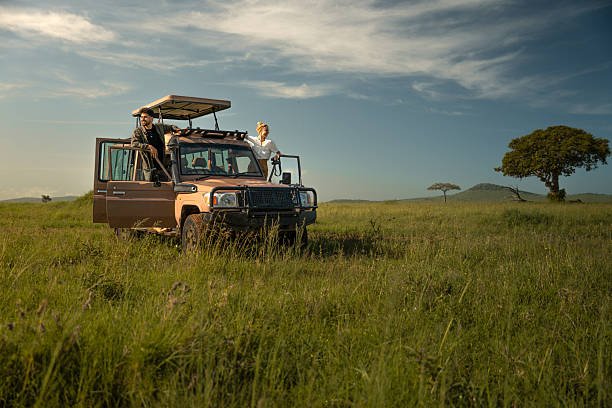
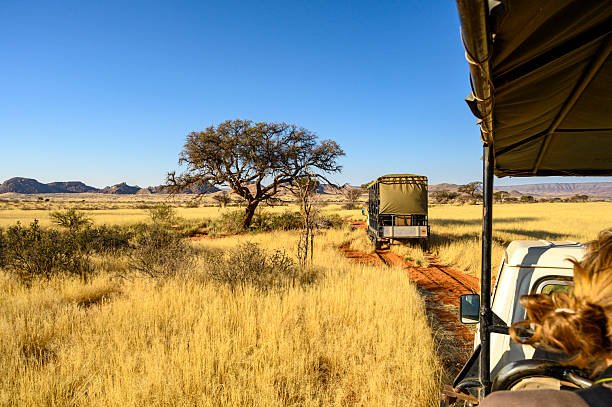
Most safaris in Tanzania use custom-built 4×4 Land Cruisers or Land Rovers. These vehicles are essential for navigating rough terrain and offer excellent visibility.
- Shared vs. Private Safari:
- Shared Safaris: You join a group in a safari vehicle. This is the most budget-friendly option. However, you share game drive times and decisions with others. Check availability for 2026-2027 shared departures.
- Private Safaris: You have exclusive use of the vehicle and guide. This offers maximum flexibility, allowing you to set your own pace and focus on your interests. It’s the most common choice for a Tarangire and Ngorongoro safari from Zanzibar for couples, families, or groups of friends.
For 2026-2027: Private safaris offer the best experience for maximizing your time and flexibility, especially when transitioning from Zanzibar. Climb 4 Africa specializes in custom private safaris.
Packing Essentials for Safari
Packing light and smart is crucial, especially with luggage restrictions on internal flights. Aim for neutral-colored, breathable clothing.
- Clothing: Long-sleeved shirts, t-shirts, comfortable trousers/shorts, a fleece or warm jacket for cool evenings/mornings, a hat, sunglasses. Avoid bright colors and dark/navy blue (said to attract tsetse flies).
- Footwear: Comfortable walking shoes or hiking boots (if planning any walking safaris), sandals.
- Health: Insect repellent, sunscreen, personal first-aid kit, any personal medications. Consult your doctor about malaria precautions and vaccinations well in advance of your 2026-2027 trip.
- Gear: Binoculars, camera with extra batteries and memory cards, power bank, headlamp/torch.
Note on Soft Bags: Most internal flights and safari vehicles prefer or require soft-sided duffel bags for easier storage. Hard suitcases can be difficult to fit.
Park Fees and Permits
Park entrance fees are a significant part of safari costs. These are set by the Tanzania National Parks Authority (TANAPA) and the Ngorongoro Conservation Area Authority (NCAA). For 2026-2027 safaris, expect fees to be in the range of $60-$70 USD per person per day for Tarangire and $70-$80 USD per person for Ngorongoro Crater. These are usually included in your tour package price.
Visa Requirements
Most nationalities require a visa for Tanzania. You can often obtain this online in advance (e-Visa) or upon arrival at the airport. Check the latest requirements for your nationality well before your 2026-2027 travel dates.
Travel Insurance
Comprehensive travel insurance is highly recommended. Ensure it covers medical emergencies, trip cancellations, and lost luggage. For safaris, check if it includes coverage for activities like game drives.
Budgeting for Your Safari
The cost of a Tarangire and Ngorongoro safari from Zanzibar can vary widely based on accommodation, safari duration, and whether it’s a private or shared tour. Generally, expect costs to range from $250-$600+ USD per person per day for mid-range to luxury private safaris, covering accommodation, vehicle, guide, park fees, and meals. Flights between Zanzibar and Arusha are additional.
For 2026-2027: While exact prices for future years are subject to change, using current rates as a guide is sensible. Contacting operators like Climb 4 Africa for a personalized quote is the best way to get accurate pricing for your specific dates and preferences.
Booking Your Safari with Climb 4 Africa
Choosing the right tour operator is crucial for a smooth Tarangire and Ngorongoro safari from Zanzibar 2026-2027. Climb 4 Africa, with its deep local knowledge and focus on personalized experiences, is well-positioned to help you craft this unique journey.
Why Choose Climb 4 Africa?
- Local Expertise: As a Tanzania-based company, Climb 4 Africa has an intimate understanding of the parks, the best times to visit, and the logistical nuances of combining Zanzibar with safari.
- Customization: They specialize in tailor-made itineraries. Whether you have a specific duration, budget, or interest (e.g., photography, birdwatching), they can design a trip around your needs for 2026-2027.
- Quality Guides: Experienced, knowledgeable guides are the heart of any safari. Climb 4 Africa employs passionate guides who enhance the wildlife viewing experience.
- Value for Money: They strive to offer competitive pricing without compromising on quality, ensuring you get the most out of your safari investment.
The Booking Process
To begin planning your Tarangire and Ngorongoro safari from Zanzibar for 2026-2027:
- Initial Inquiry: Reach out to Climb 4 Africa with your desired travel dates, number of travelers, preferred duration, and any specific interests or budget considerations.
- Itinerary Design: Based on your input, they will propose a detailed itinerary, including accommodation options and a clear breakdown of inclusions and exclusions.
- Refinement: Discuss the proposed itinerary. You can make adjustments to the duration, activities, or accommodation until it perfectly matches your expectations.
- Confirmation & Deposit: Once satisfied, you will receive a formal quote. A deposit is typically required to confirm your booking for 2026 or 2027.
- Pre-Trip Preparation: Climb 4 Africa will provide you with essential information regarding packing, health, visas, and what to expect on your safari.
What to Send for a Quote
When contacting Climb 4 Africa for your Tarangire and Ngorongoro safari from Zanzibar quote, please include:
- Your exact travel dates (or preferred month/year for 2026-2027).
- Number of travelers (adults, children).
- Your preferred safari duration (e.g., 3 days, 4 days).
- Your preferred accommodation style (e.g., budget, mid-range, luxury).
- Your starting point in Zanzibar and preferred departure point from the mainland (e.g., flying back to Zanzibar, flying out of Kilimanjaro).
- Any special interests (e.g., photography, specific animals, cultural experiences).
Get in touch today to start planning your unforgettable Tarangire and Ngorongoro safari from Zanzibar 2026-2027. Contact Climb 4 Africa via WhatsApp at +255 747 477 898 or email climb4africa@gmail.com to receive a personalized itinerary and quote. Let us help you combine the magic of Zanzibar with the thrill of an East African safari.
“,
“faq_schema”: [
{
“question”: “How do I travel from Zanzibar to Tarangire and Ngorongoro?”,
“answer”: “The most common method is to take a short flight from Zanzibar (ZNZ) to Arusha Airport (ARK). Alternatively, you can take a ferry to Dar es Salaam and then fly or take a long overland transfer to Arusha. Arusha is the gateway town for these safaris.”
},
{
“question”: “What is the best time of year for a Tarangire and Ngorongoro safari from Zanzibar in 2026-2027?”,
“answer”: “The dry season (June to October) is ideal for wildlife viewing as animals congregate around water sources. December to February is also popular. The green season (November to May) offers lush landscapes and fewer crowds, though some roads can be challenging during the peak rainy months (March-May).”
},
{
“question”: “How long should my safari be?”,
“answer”: “A minimum of 3 days is recommended to experience both Tarangire and Ngorongoro. A 4-day safari often includes Lake Manyara for a more comprehensive experience. Longer itineraries (5+ days) allow for a more relaxed pace and deeper exploration.”
},
{
“question”: “What is the typical cost for a Tarangire and Ngorongoro safari from Zanzibar?”,
“answer”: “Costs vary significantly based on accommodation, duration, and whether it’s a private or shared tour. For a private mid-range to luxury safari, expect prices to range from approximately $250 to $600+ USD per person per day, excluding flights between Zanzibar and Arusha.”
},
{
“question”: “Can I combine a safari with a Zanzibar holiday in 2026-2027?”,
“answer”: “Absolutely. This is a very popular combination. You would typically spend your initial days or final days on Zanzibar enjoying the beaches and then fly to Arusha to commence your safari. The order can be adjusted based on your preferences.”
},
{
“question”: “What should I pack for a safari from Zanzibar?”,
“answer”: “Pack light, neutral-colored clothing, comfortable walking shoes, a warm layer for evenings, sun protection (hat, sunglasses, sunscreen), insect repellent, and a camera. Soft-sided bags are usually preferred due to luggage restrictions on small aircraft.”
}
]
}
“`
Check Availability for Tarangire And Ngorongoro Safari From Zanzibar 2026-2027
Ready to compare dates, prices, and the best option for your group? Send the package name and travel month so the team can reply with a clear quote, availability, and what is included.
Christmas Kilimanjaro And Zanzibar Holiday : Your Ultimate Adventure 2026-2027
Experience an unforgettable Christmas combining the thrill of climbing Mount Kilimanjaro with the serene beauty of Zanzibar's beaches. This guide covers planning for your 2026-2027 festive...
View package details
Kilimanjaro And Mara River Crossing Safari August : Peak Season Adventure 2027
Combining the ultimate challenge of climbing Mount Kilimanjaro with the awe-inspiring spectacle of the Great Migration river crossing in the Maasai Mara offers an unparalleled African...
View package details
Kilimanjaro And Great Migration Safari August : Your Peak Season Adventure
Plan your ultimate Tanzanian adventure in August 2027, combining a Kilimanjaro climb with the spectacle of the Great Migration. This guide details the best timings, routes, and safari...
View package detailsKilimanjaro And Mara River Crossing Safari July 2027
Kilimanjaro and Mara River Crossing Safari July 2027 is explained with current 2027 planning, price, itinerary and booking information.
View package detailsKilimanjaro And Great Migration Safari July : Your Ultimate Tanzanian
Combining a Kilimanjaro climb with a Great Migration safari in July 2027 offers a spectacular Tanzanian adventure. This guide helps you plan your ideal itinerary, considering the best...
View package details
Kilimanjaro And Grumeti Migration Safari June : The Ultimate Tanzanian
Plan your unforgettable Kilimanjaro and Grumeti Migration safari for June 2027. This comprehensive guide details how to combine the challenge of summiting Africa's highest peak with the...
View package details
Best Kilimanjaro And Serengeti Calving Season Safari March 2027
Discover the magic of a March 2027 Kilimanjaro and Serengeti calving season safari. This guide explores the unique advantages and considerations for experiencing Tanzania's wildlife...
View package details
Kilimanjaro And Serengeti Calving Safari February : The Ultimate Planning
Combine the majesty of Mount Kilimanjaro with the impressive spectacle of the Serengeti's calving season in February 2027. This guide details how to plan this dual adventure, focusing on...
View package details
Kilimanjaro And Serengeti Calving Safari January 2026-2027
Kilimanjaro and Serengeti Calving Safari January 2027 is explained with current 2026-2027 planning, price, itinerary and booking information.
View package details
Kilimanjaro Christmas Climb And Tanzania Safari : Your Festive Adventure
Combine the magic of a Christmas ascent of Kilimanjaro with a thrilling Tanzania safari in 2026. Discover how to plan this dual adventure for a truly unique festive season.
View package detailsNo related package matches those filters. Clear one or more filters to see the other topic-matched options.



