
A Kilimanjaro Forest Birdwatching & Nature Walk offers a focused immersion into the lush rainforest ecosystems found on the mountain’s lower slopes, providing an intimate Rainforest Wildlife Experience distinct from typical summit treks. These guided walks are ideal for nature enthusiasts, birdwatchers, and anyone seeking a gentler introduction to Kilimanjaro’s biodiversity, highlighting unique flora, fauna, and bird species often missed during high-altitude ascents. Planning for 2026-2027 involves selecting a suitable trail section, choosing a reputable local guide service like Climb 4 Africa, and understanding the best seasons for optimal wildlife and bird viewing.
Understanding the Kilimanjaro Forest Birdwatching & Nature Walk Experience
When we talk about Kilimanjaro, most minds immediately jump to the snow-capped summit and challenging multi-day treks. However, the mountain’s base and lower slopes are a vibrant world teeming with life, particularly within its dense rainforest belt. A dedicated Kilimanjaro Forest Birdwatching & Nature Walk – Rainforest Wildlife Experience is designed to explore this rich environment in detail. Unlike the gruelling ascents of the Machame or Lemosho routes, these walks are typically half-day or full-day excursions, focusing on observation and appreciation rather than physical endurance. They offer a chance to connect with nature at a slower pace, making them perfect for travellers of all fitness levels, families, and dedicated ornithologists.
The primary goal of such an experience is to witness the incredible biodiversity that thrives in the humid, verdant conditions of Kilimanjaro’s lower altitudes. This includes a staggering array of plant life – from giant ferns and mosses to indigenous trees – and a diverse collection of animals, with a special emphasis on the region’s rich birdlife. Experienced guides are crucial here, as they possess the knowledge to spot camouflaged creatures, identify bird calls, and explain the ecological significance of what you’re seeing. For those planning a trip in 2026 or 2027, this offers a unique perspective on Tanzania’s most famous natural landmark.
Why Choose a Forest Birdwatching Walk Over a Full Climb?
The decision to opt for a forest walk often stems from specific interests or limitations. A full Kilimanjaro climb is a significant undertaking, requiring considerable physical fitness, mental fortitude, and time commitment, typically 5-9 days. For many, however, the allure of Kilimanjaro lies not just in reaching the summit, but in experiencing its diverse ecosystems. A Kilimanjaro Forest Birdwatching & Nature Walk caters perfectly to this desire without the associated challenges of high-altitude trekking.
Consider these key differences:
- Pace and Intensity: Forest walks are leisurely, allowing ample time for photography, observation, and guided interpretation. Summit climbs are progressive and demanding, with acclimatization being the main priority.
- Focus: Birdwatching walks centre on spotting avian species, identifying plants, and observing smaller mammals and insects. Summit climbs focus on ascending through various ecological zones, managing altitude, and reaching Uhuru Peak.
- Duration: These walks are typically 3-8 hours, whereas climbs span multiple days.
- Accessibility: They are suitable for most fitness levels and require minimal prior trekking experience.
- Cost: Generally, a day walk is significantly more affordable than a multi-day climb, making it an accessible option for budget-conscious travellers or those adding it to a larger itinerary.
For travellers who may not have the time, physical capacity, or desire for a summit attempt but still wish to experience Kilimanjaro’s natural wonders, a forest walk provides an incredibly rewarding and accessible Rainforest Wildlife Experience. It’s a chance to see the mountain’s vibrant life up close, especially during planning for 2026-2027 when flexibility in travel plans might be key.
Key Trails and Areas for Kilimanjaro Forest Birdwatching & Nature Walks
While the entire Kilimanjaro massif is a protected area, certain sections are more accessible and renowned for their rainforest biodiversity. The most popular starting points for these walks are typically near the park gates of the more established climbing routes, particularly on the southern and western sides of the mountain. These areas are managed by the Tanzania National Parks Authority (TANAPA), ensuring conservation efforts are in place.
Marangu Gate Area (Coca-Cola Route)
The Marangu route, often called the “Coca-Cola” route, is one of the oldest and most accessible. While primarily a climbing route, the lower sections near Marangu Gate offer excellent opportunities for short nature walks within the montane forest. The paths here are well-maintained, and the altitude is relatively low, making it ideal for a gentle introduction. Guides can lead you along trails that wind through coffee plantations before entering the denser forest, pointing out indigenous trees, medicinal plants, and common bird species.
Machame Gate Area (Machame Route)
The Machame route, known for its scenic beauty, starts at Machame Gate. The initial trek into the rainforest is a classic part of this climb, but it can also be experienced as a dedicated day hike. The forest here is particularly lush and vibrant. A guided walk from Machame Gate will take you through dense vegetation, offering chances to spot Colobus monkeys, various bird species, and perhaps even glimpses of other forest dwellers. This area provides a truly in-depth Rainforest Wildlife Experience.
Shira Plateau Access (Lemosho Route Start)
For those seeking a slightly more remote feel, the trails starting near the Lemosho route’s initial access points can be rewarding. While the Lemosho route itself is a longer climb, the very beginning of the trail, often accessed from a different point than the main gate, offers stunning forest walks. These can sometimes lead towards the Shira Plateau’s edge, providing varied landscapes within a single day’s exploration. The birdlife here can be particularly prolific.
Mweka Village Area
Mweka is the exit point for the Mweka route, but the area around Mweka village and its proximity to the forest also allows for guided nature walks. This is often a less crowded starting point compared to Marangu or Machame, offering a more tranquil experience. Walks here can explore the forest edge, sometimes leading to waterfalls or viewpoints overlooking the plains below. It’s a fantastic option for a quieter Kilimanjaro Forest Birdwatching & Nature Walk.
When booking your Kilimanjaro Forest Birdwatching & Nature Walk – Rainforest Wildlife Experience for 2026-2027, discuss with your tour operator which starting point best suits your desired level of immersion and accessibility. Climb 4 Africa can help tailor these experiences to your preferences.
Choosing Your Walk: Key Considerations
When deciding on the specific area for your walk, consider:
- Accessibility: How easy is it to reach the starting point from Moshi or Arusha?
- Biodiversity Hotspots: Some areas are known for higher concentrations of specific bird species or larger mammals.
- Trail Conditions: Are you comfortable with potentially muddy or uneven terrain, or do you prefer more established paths?
- Crowds: Some gates are busier than others, especially during peak climbing seasons.
What Wildlife Can You Expect to See?
The rainforest belt of Kilimanjaro is a dynamic ecosystem supporting a variety of wildlife. While large predators are rare at these lower altitudes and in these specific forest areas, the smaller creatures and abundant birdlife make for a interesting experience. The emphasis for a Kilimanjaro Forest Birdwatching & Nature Walk is on detailed observation of the forest’s inhabitants.
Avian Wonders: The Birdwatcher’s Paradise
Kilimanjaro’s forests are a haven for numerous bird species. Ornithologists and casual birdwatchers alike will find plenty to marvel at. Common sightings include:
- Turacos: Such as the White-cheeked Turaco and the Schalow’s Turaco, known for their striking plumage and distinctive calls.
- Sunbirds: Various species flit among the flowers, their iridescent feathers catching the light.
- Hornbills: The Trumpeter Hornbill and the Silvery-cheeked Hornbill are often seen and heard.
- Alpine Chat: While more common at higher altitudes, can sometimes be seen on the forest fringes.
- African Emerald Cuckoo: A beautiful, often elusive bird of the forest canopy.
- Forest Buzzard: A raptor that patrols the skies above the trees.
- Various species of weavers, flycatchers, and warblers, contributing to the rich soundscape of the forest.
A good guide can help you identify birds by sight and sound, often spotting them long before you do. This makes the Kilimanjaro Forest Birdwatching & Nature Walk particularly rewarding for enthusiasts.
Mammals and Primates
While not as guaranteed as birds, several mammal species inhabit Kilimanjaro’s rainforests. The most visible and often encountered are:
- Colobus Monkeys: The black-and-white colobus is a striking primate often seen in troops, leaping through the trees. Their distinct calls echo through the forest.
- Blue Monkeys (Sykes’ Monkeys): These are more shy but can also be spotted foraging in the canopy.
- Bushbucks: These small antelopes are masters of camouflage and are usually seen only briefly, if at all.
- Various smaller mammals like mongooses, squirrels, and potentially even the elusive genet or civet cat, though sightings are rare.
Insects and Amphibians
Don’t overlook the smaller inhabitants! The forest floor and undergrowth teem with life. You might see colourful butterflies, fascinating insects, and various frogs and toads, especially after rain. These elements contribute significantly to the overall Rainforest Wildlife Experience.
For trips planned for 2026-2027, understanding these potential sightings helps manage expectations and appreciate the diversity you might encounter. It’s about the richness of the ecosystem, not just the “big ticket” animals.
The Role of the Local Guide in Your Experience
On a Kilimanjaro Forest Birdwatching & Nature Walk, your guide is more than just someone to show you the way; they are your interpreter of the forest. Their expertise is paramount to a successful and enriching Rainforest Wildlife Experience. Reputable local operators, such as Climb 4 Africa, employ guides who possess a deep understanding of the mountain’s flora and fauna.
A skilled guide will:
- Identify Species: They can distinguish between numerous bird calls, point out camouflaged animals, and name the diverse plant species.
- Explain Ecology: They provide insights into the forest’s ecosystem, the medicinal uses of plants, and the behaviour of the animals.
- Ensure Safety: They know the safest paths, understand potential hazards (like slippery slopes or venomous insects), and carry a first-aid kit.
- Enhance Observation: Their trained eyes and ears will spot things you would likely miss – a subtle rustle in the leaves, a perfectly blended insect, or a bird hidden in the canopy.
- Manage Pace: They will adjust the walk to your comfort level, ensuring you have ample time to observe and photograph without feeling rushed.
When booking your Kilimanjaro Forest Birdwatching & Nature Walk for 2026 or 2027, choosing an operator that prioritizes experienced, knowledgeable local guides is essential. This investment significantly elevates the quality of your rainforest experience. Climb 4 Africa prides itself on its team of dedicated local guides who are passionate about sharing the wonders of Kilimanjaro.
Booking Your Guided Walk with Climb 4 Africa
For a truly authentic and insightful Rainforest Wildlife Experience, partnering with a local expert like Climb 4 Africa is recommended. We can arrange tailored Kilimanjaro Forest Birdwatching & Nature Walks, ensuring you have a knowledgeable guide and a well-planned itinerary. Contact us to discuss your 2026-2027 travel plans and how we can customize this unique experience for you.
What to Pack for Your Forest Walk
Even for a day trip into Kilimanjaro’s rainforest, proper preparation is key to comfort and enjoyment. The weather can be unpredictable, with rain being common, and the forest environment has its own unique demands.
Essential Clothing and Footwear:
- Sturdy Hiking Boots: Waterproof and well broken-in boots are crucial for navigating potentially muddy and uneven forest trails.
- Comfortable Trousers: Lightweight, quick-drying trousers are ideal. Avoid jeans. Consider zip-off trousers if you prefer versatility.
- Layered Tops: A moisture-wicking base layer, a fleece or warm mid-layer, and a waterproof/windproof outer jacket are recommended. The forest can be cool and damp, especially under the canopy.
- Rain Gear: A reliable waterproof jacket and trousers are non-negotiable. A poncho can also be useful.
- Socks: Moisture-wicking hiking socks to prevent blisters.
Gear and Accessories:
- Backpack: A comfortable daypack (20-30 litres) to carry your essentials.
- Water: Carry at least 1.5-2 litres of water per person. Hydration is important even in cooler climates.
- Snacks: Energy bars, fruit, or nuts to keep your energy levels up.
- Sun Protection: A wide-brimmed hat, sunglasses, and sunscreen, as there will be sunny patches, especially on the approach and exit.
- Insect Repellent: Especially important for the humid forest environment.
- Camera: Essential for capturing the wildlife and scenery. Ensure you have extra batteries or a power bank.
- Binoculars: Crucial for birdwatching and spotting distant wildlife.
- Field Guide: A good bird identification book or app for the region can enhance your experience.
- Walking Poles: Recommended for stability on slippery or steep sections.
- Small First-Aid Kit: Including any personal medications, plasters, antiseptic wipes, and pain relievers.
Your tour operator should provide a more detailed packing list specific to your chosen walk. For your Kilimanjaro Forest Birdwatching & Nature Walk – Rainforest Wildlife Experience in 2026-2027, being well-prepared ensures you can focus on enjoying the incredible natural beauty.
Best Time of Year for a Forest Birdwatching Walk
While Kilimanjaro’s rainforest is accessible year-round, certain periods offer more favourable conditions for wildlife viewing and comfortable trekking. Understanding the seasons is key when planning your Kilimanjaro Forest Birdwatching & Nature Walk for 2026-2027.
Dry Seasons (June to October, and December to February)
These are generally considered the best times to visit Kilimanjaro. During the dry seasons:
- Clearer Skies: Offer better visibility for spotting birds and other wildlife.
- Less Mud: Trails are less slippery and muddy, making walking more comfortable.
- Wildlife Concentration: Some animals may be more concentrated around reliable water sources.
- Bird Migration: While not as pronounced as in some other regions, the presence of resident and migratory birds is generally good.
June to October is a particularly popular period, benefiting from stable weather. December to February is also a dry period, though it can be warmer. These months are ideal for maximizing your Rainforest Wildlife Experience.
Wet Seasons (March to May, and November)
The long rains typically occur from March to May, and a shorter rainy period is in November. During these months:
- Lush Vegetation: The forest is at its most vibrant and green, which can be visually stunning.
- Abundant Birdlife: The rains stimulate insect activity, attracting insectivorous birds.
- Fewer Crowds: You’ll likely encounter fewer other trekkers and visitors.
- Challenging Trails: Trails can be very muddy, slippery, and sometimes difficult to navigate.
- Reduced Visibility: Frequent rain and mist can obscure views and make bird spotting harder.
If your primary goal is intensive birdwatching and you don’t mind the rain, the wet seasons can still be rewarding, especially if you focus on areas with good canopy cover. However, for a general Kilimanjaro Forest Birdwatching & Nature Walk – Rainforest Wildlife Experience, the dry seasons are usually preferred.
Planning for 2026-2027:
For 2026 and 2027, aiming for the dry months of June-October or December-February will likely provide the most comfortable and visually rewarding experience. However, shoulder months like May and November can offer a good balance of fewer crowds and decent weather, with potentially lower prices for tours.
Booking Window for 2026-2027
To secure preferred dates and guides for your Kilimanjaro Forest Birdwatching & Nature Walk, especially during peak dry seasons in 2026-2027, it’s advisable to book at least 6-9 months in advance. For specific group departures or tailor-made itineraries, earlier booking is always beneficial.
Itinerary Example: A Day on the Kilimanjaro Forest Walk
To give you a clearer picture, here’s a sample itinerary for a full-day Kilimanjaro Forest Birdwatching & Nature Walk – Rainforest Wildlife Experience, typically starting from Machame Gate. This can be adjusted based on your fitness and interests.
Morning (Approx. 8:00 AM – 12:00 PM)
- 8:00 AM: Meet your guide at your hotel in Moshi or Arusha. Briefing on the day’s plan, safety procedures, and what to expect.
- 8:30 AM: Drive to Machame Gate (approx. 1-1.5 hours). Enjoy the scenic journey as you ascend towards Kilimanjaro National Park.
- 9:30 AM: Arrive at Machame Gate (1,800m / 5,905ft). Complete park registration formalities. Your guide will ensure all permits are in order.
- 10:00 AM: Begin the walk. The initial trail winds through dense montane forest. Your guide will immediately start pointing out interesting flora and fauna. Listen for bird calls and look for primates in the canopy.
- 11:00 AM: Stop at a scenic viewpoint or a clearing for a break. Hydrate and enjoy the sounds of the forest. Your guide might identify specific trees or plants known for their ecological or medicinal significance.
- 11:30 AM: Continue deeper into the forest, focusing on birdwatching. The guide will use their knowledge to locate species and help you get the best possible views.
Midday (Approx. 12:00 PM – 1:00 PM)
- 12:30 PM: Find a suitable, safe spot for a picnic lunch. Enjoy a packed meal amidst the natural beauty of the rainforest. This is a great time to relax and absorb the atmosphere.
Afternoon (Approx. 1:00 PM – 4:00 PM)
- 1:00 PM: Resume the walk, perhaps taking a slightly different path back or exploring a new section of the forest. Continue birdwatching and wildlife spotting.
- 2:30 PM: Begin to descend back towards Machame Gate. The guide will ensure a safe and steady pace.
- 3:30 PM: Arrive back at Machame Gate. Final opportunity to ask your guide any remaining questions.
- 4:00 PM: Depart from Machame Gate and drive back to Moshi or Arusha.
This sample itinerary highlights a comprehensive Kilimanjaro Forest Birdwatching & Nature Walk – Rainforest Wildlife Experience. The duration and specific stops can be customized. For planning your 2026-2027 trip, discuss such a detailed plan with Climb 4 Africa.
Pricing and Booking Considerations for 2026-2027
The cost of a Kilimanjaro Forest Birdwatching & Nature Walk is significantly less than a full climb, making it an accessible way to experience Kilimanjaro’s natural beauty. Prices can vary based on the operator, the duration of the walk (half-day vs. full-day), inclusions, and the level of guiding expertise.
Typical Inclusions:
- Park entry fees
- Guide fees
- Transportation to and from the park gate
- Picnic lunch (for full-day walks)
- Drinking water
Factors Affecting Price:
- Private vs. Group Walk: Private walks offer more flexibility and personalized attention but are more expensive. Group walks are more budget-friendly.
- Duration: A full-day walk will naturally cost more than a half-day excursion.
- Operator Reputation: Established operators with highly experienced guides and good safety records may charge slightly more, reflecting the quality of service.
- Inclusions: Some packages might include binoculars or field guides, while others expect you to bring your own.
When planning for 2026-2027, it is wise to get detailed quotes. A typical full-day Kilimanjaro Forest Birdwatching & Nature Walk might range from $100 to $250 per person, depending on the factors above. Half-day walks would be less, perhaps $60 to $150 per person.
Booking Advice for 2026-2027:
- Contact Directly: Reach out to operators like Climb 4 Africa early for the best availability and to discuss customization. Use their WhatsApp: +255 747 477 898 or Email: climb4africa@gmail.com.
- Confirm Inclusions: Always clarify exactly what is included in the price to avoid surprises.
- Ask About Guides: Inquire about the qualifications and experience of the guides, especially for birdwatching specialization.
- Read Reviews: Look for independent reviews from previous travellers regarding their nature walks and overall experience.
Securing your booking for 2026 or 2027 well in advance ensures you get the best options and can fully anticipate your Kilimanjaro Forest Birdwatching & Nature Walk – Rainforest Wildlife Experience.
Pre-Trip Checklist for Your Forest Walk
- Book your walk with a reputable operator (e.g., Climb 4 Africa).
- Confirm dates and itinerary for your 2026-2027 trip.
- Pack appropriate clothing and gear as outlined above.
- Arrange transportation to/from Moshi/Arusha if needed.
- Ensure you have your camera and binoculars ready.
- Learn a few basic Swahili phrases – locals appreciate the effort!
- Mentally prepare for a day of observation and learning.
Beyond the Walk: Extending Your Kilimanjaro Experience
A Kilimanjaro Forest Birdwatching & Nature Walk is a fantastic standalone experience, but it can also be a perfect prelude or complement to other adventures in Tanzania. If you’re planning a trip for 2026-2027, consider integrating it into a broader itinerary.
- Kilimanjaro Climb: For the more adventurous, a forest walk can be a gentle introduction before embarking on a summit climb. It allows you to acclimatize slightly and appreciate the mountain’s lower ecosystems before tackling the higher altitudes.
- Northern Circuit Safaris: Combine your walk with a safari to Tarangire, Lake Manyara, the Ngorongoro Crater, and Serengeti National Parks. This offers a comprehensive view of Tanzania’s wildlife, from forest birds to the “Big Five.” Explore options like group safaris with Climb 4 Africa.
- Zanzibar Holiday: After your Kilimanjaro adventures, relax on the beautiful beaches of Zanzibar. The island offers history, culture, and water activities.
- Cultural Tours: Explore local villages near Moshi or Arusha to learn about Chagga culture, visit coffee plantations, or see local markets.
By combining different experiences, you can create a rich and varied Rainforest Wildlife Experience and beyond. Climb 4 Africa specializes in crafting tailor-made itineraries that combine these elements seamlessly for your 2026-2027 travels.
Conclusion: Your Gateway to Kilimanjaro’s Hidden Life
The Kilimanjaro Forest Birdwatching & Nature Walk – Rainforest Wildlife Experience offers a unique and accessible way to connect with the vibrant ecosystems at the base of Africa’s highest peak. It’s an opportunity to appreciate the intricate details of the montane forest, discover its diverse birdlife, and encounter primates and other fascinating creatures. For travellers seeking a less strenuous yet deeply rewarding encounter with Kilimanjaro’s natural world, this experience is unparalleled.
Whether you are an avid birder, a nature lover, or simply curious about the mountain’s hidden life, a guided forest walk provides invaluable insights. Planning your 2026-2027 adventure with experienced local partners like Climb 4 Africa ensures that your Kilimanjaro Forest Birdwatching & Nature Walk is safe, informative, and truly memorable. Contact us today to begin crafting your perfect rainforest exploration.
“,
“faq_schema”: [
{
“question”: “What is a Kilimanjaro Forest Birdwatching & Nature Walk?”,
“answer”: “It’s a guided day excursion focused on exploring the rainforest belt on the lower slopes of Mount Kilimanjaro. The primary aim is to observe and learn about the diverse birdlife, plants, and smaller animals within this specific ecosystem, offering an intimate Rainforest Wildlife Experience.”
},
{
“question”: “Who is this type of walk suitable for?”,
“answer”: “This walk is ideal for nature enthusiasts, birdwatchers, families, photographers, and travellers of all fitness levels who want to experience Kilimanjaro’s biodiversity without undertaking a full summit climb. It requires minimal prior trekking experience.”
},
{
“question”: “What wildlife can I expect to see on a forest walk?”,
“answer”: “You can expect to see a variety of bird species like turacos, sunbirds, and hornbills, as well as primates such as Colobus and Blue Monkeys. You might also spot bushbucks and various insects and amphibians. The focus is on the rich biodiversity of the rainforest.”
},
{
“question”: “When is the best time to do a Kilimanjaro Forest Birdwatching Walk in 2026-2027?”,
“answer”: “The dry seasons, generally from June to October and December to February, are considered the best times for clearer skies, less muddy trails, and comfortable walking conditions. This maximizes your chances for a great Rainforest Wildlife Experience.”
},
{
“question”: “What should I pack for a Kilimanjaro Forest Birdwatching & Nature Walk?”,
“answer”: “Essential items include sturdy, waterproof hiking boots, comfortable layered clothing, a waterproof jacket and trousers, insect repellent, sunscreen, a hat, plenty of water, snacks, a camera, and binoculars. Your tour operator will provide a more detailed list.”
},
{
“question”: “How much does a Kilimanjaro Forest Birdwatching & Nature Walk cost?”,
“answer”: “A full-day walk typically ranges from $100 to $250 per person, including park fees, guide fees, transport, and lunch. Prices vary based on inclusions and whether it’s a private or group tour. Booking for 2026-2027 should be done in advance.”
},
{
“question”: “How do I book a Kilimanjaro Forest Birdwatching & Nature Walk with Climb 4 Africa?”,
“answer”: “You can contact Climb 4 Africa via WhatsApp at +255 747 477 898 or email at climb4africa@gmail.com. Discuss your desired dates for 2026-2027, interests, and they can help tailor a unique Rainforest Wildlife Experience for you.”
}
]
}
“`
Check Availability for Kilimanjaro Forest Birdwatching & Nature Walk – Rainforest Wildlife…
Ready to compare dates, prices, and the best option for your group? Send the package name and travel month so the team can reply with a clear quote, availability, and what is included.
Kilimanjaro 8 May : Experience A Low-Crowd Group Trek 2027
Discover the unique advantages of joining a low-crowd group trek on Kilimanjaro on May 8, 2027. This departure offers a more intimate climbing experience, focusing on safety...
View package details
Last Minute Kilimanjaro August – Group Spaces And Availability 2027
Last Minute Kilimanjaro August 2027 – Group Spaces and Availability is explained with current 2027 planning, price, itinerary and booking information.
View package details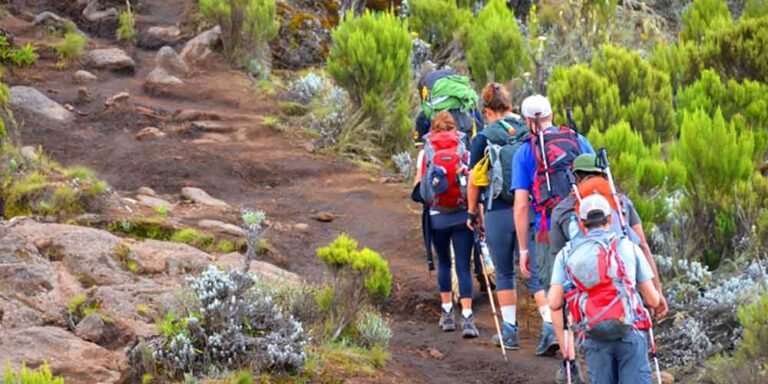
Northern Circuit – 10 July Dry-Season Expedition: Your Ultimate Kilimanjaro
Plan your Northern Circuit expedition for July 10, 2027. This dry-season adventure offers the most scenic and gradual ascent on Kilimanjaro, maximizing acclimatization and success rates.
View package details
Kilimanjaro Climb July – Peak Dry-Season Group Departures 2027
Kilimanjaro Climb July 2027 – Peak Dry-Season Group Departures is explained with current 2027 planning, price, itinerary and booking information.
View package details
Marangu Route – 26 June Kilimanjaro Group Climb 2027
Marangu Route – 26 June 2027 Kilimanjaro Group Climb is explained with current 2027 planning, price, itinerary and booking information.
View package details7 Day Machame Route – 19 June Kilimanjaro Group Departure 2027
Planning to climb Kilimanjaro on the Machame Route in a group setting? This 7-day departure on June 19, 2027, offers a balanced approach to acclimatization and scenery. Learn what to...
View package detailsKilimanjaro 1 May : Your Day Mountain Adventure Awaits 2027
start an unforgettable Kilimanjaro 1 May 2027 adventure. This guide details everything you need to know for a successful May Day climb, from route selection to essential preparation.
View package details8 Day Lemosho Route – 20 February Kilimanjaro Departure With Climb 4 Africa
This article details the 8-day Lemosho Route Kilimanjaro climb scheduled for February 20, 2027, focusing on planning, itinerary, and what makes this departure a unique opportunity with...
View package details
Kilimanjaro Climb February – Dry Season Groups And Availability 2027
Kilimanjaro Climb February 2027 – Dry Season Groups and Availability is explained with current 2027 planning, price, itinerary and booking information.
View package detailsLemosho Route – 7 August Summer Group Climb: Your Kilimanjaro Adventure 2027
start a memorable Lemosho Route – 7 August 2027 Summer Group Climb up Mount Kilimanjaro. This guide covers the itinerary, acclimatization, and preparation for your ascent.
View package detailsSolo Traveller Kilimanjaro August – Join A Peak-Season Group 2027
Solo Traveller Kilimanjaro August 2027 – Join a Peak-Season Group is explained with current 2027 planning, price, itinerary and booking information.
View package details
Family Kilimanjaro Climb August : Your Summer Holiday Adventure 2027
start an unforgettable Family Kilimanjaro Climb during August 2027. This guide covers the best routes, essential planning, and tips for a successful summer holiday ascent.
View package detailsNo related package matches those filters. Clear one or more filters to see the other topic-matched options.



