
A Kilimanjaro trail run combined with a Serengeti safari offers an unparalleled Tanzanian adventure, blending high-altitude running and trekking challenges with world-class wildlife viewing. This unique expedition typically involves a multi-day trail run or fast-pack on the lower slopes or surrounding areas of Kilimanjaro, followed by a classic safari through the Serengeti National Park to witness the Great Migration and the Big Five, often concluding with relaxation on Zanzibar. Planning for 2026-2027 involves selecting specific trail running routes, safari itineraries, durations, and accommodation styles, with the best approach being a custom-designed trip through a local operator like Climb 4 Africa to ensure smooth logistics and local expertise.
The Ultimate Kilimanjaro Trail Run & Serengeti Safari Adventure
This Kilimanjaro trail run plus Serengeti safari package is not your average Tanzanian holiday. It’s a dynamic blend of physical exertion at altitude and the serene, awe-inspiring experience of one of the world’s most famous wildlife destinations. Imagine the crisp mountain air as you tackle challenging trails on the flanks of Africa’s highest peak, followed by the dust of the savanna and the thrill of spotting lions, elephants, and vast herds. This is an adventure designed for those who seek more than just sightseeing; it’s for those who want to actively engage with the landscape and its inhabitants.
For travelers considering this dual adventure in 2026 or 2027, the planning stages are crucial. It requires a different mindset than a standard trek or a typical safari. You’re not just a spectator; you’re an active participant in the environment. This means considering fitness levels for the running component, understanding the logistics of moving between Kilimanjaro and the Serengeti, and choosing the right time of year to maximize both the running conditions and wildlife viewing opportunities.
Climb 4 Africa specializes in crafting these complex, multi-faceted itineraries. Our understanding of Kilimanjaro’s trails, combined with deep knowledge of the Serengeti’s ecosystems and migration patterns, allows us to create a smooth journey. We handle the intricate details, from trail permits and guides for your run to safari vehicles, lodges, and internal flights, ensuring your focus remains on the incredible experiences unfolding around you.
This comprehensive guide aims to break down what a Kilimanjaro trail run and Serengeti safari combination entails, offering insights into route options, running considerations, safari highlights, and essential planning advice for your 2026-2027 adventure.
Why Combine a Kilimanjaro Trail Run with a Serengeti Safari?
The synergy between a Kilimanjaro trail run and a Serengeti safari is potent. Kilimanjaro offers a challenge that tests endurance and spirit, often on routes that provide stunning vistas but are less crowded than the main trekking paths. This can range from dedicated trail running events to guided fast-packing or multi-day trail runs on the lower slopes and surrounding areas. The Serengeti, on the other hand, provides a impressive contrast: the vast, open plains teeming with iconic African wildlife. It’s a chance to witness the raw power and beauty of nature, from the thunderous Great Migration (depending on the time of year) to the quiet stalk of a leopard.
For the adventurous traveler, this combination offers:
- Dual Challenge & Reward: The physical accomplishment of conquering mountain trails meets the wonder of observing nature’s greatest spectacle.
- Diverse Landscapes: Experience the dramatic alpine environment of Kilimanjaro and the sweeping savanna of the Serengeti.
- Active Exploration: Engage with Tanzania not just as a tourist, but as an explorer, actively moving through its landscapes.
- Unforgettable Memories: The unique stories and photos from this trip will be unlike any other.
When planning for 2026 or 2027, consider that this type of trip requires careful coordination. The running component can be structured in various ways, from short, intense trail runs to longer, multi-day fast-packing excursions. The safari portion is typically a classic game drive experience, but can be enhanced with walking safaris or hot air balloon rides.
Kilimanjaro Trail Running: Routes and Considerations
While climbing Kilimanjaro via its established trekking routes (like Machame, Lemosho, or Marangu) is a popular goal, a Kilimanjaro trail run focuses on different aspects. It’s less about summiting the highest point (Uhuru Peak at 5,895m) and more about experiencing the mountain’s diverse ecosystems and challenging terrain at a faster pace, often on less-trafficked paths or service tracks. Trail running on Kilimanjaro isn’t typically a formally organized race up the mountain itself, but rather an adventure activity focused on the lower and middle slopes, or utilizing sections of existing trekking routes in a modified, faster format.
Trail Running Options on Kilimanjaro
The concept of a ‘Kilimanjaro trail run’ can encompass several approaches:
- Guided Trail Runs on Lower Slopes: This is the most common and safest approach. Local guides lead runners on well-maintained trails through the montane forest and moorland zones. These runs can be tailored to your fitness and experience, from a few hours to a full day. Routes might include areas around Marangu, Kilema, or the Marangu gate access roads, offering beautiful scenery without the extreme altitude of the summit.
- Fast-Packing Kilimanjaro Routes: For highly experienced ultra-runners, a fast-pack approach on a standard trekking route (like Marangu or even a modified Machame) is possible. This involves carrying lighter gear and moving faster than traditional trekkers. However, this is extremely demanding, requires acclimatization, and needs expert logistical support. It’s crucial to distinguish this from a summit attempt; the focus is on speed and self-sufficiency on the trail.
- Organized Trail Running Events: While less frequent, specific trail running events might be organized on Kilimanjaro’s lower slopes or surrounding areas. These events offer a structured race environment. Keep an eye on local event calendars for 2026-2027.
Key Running Considerations
Fitness and Acclimatization: Even for trail runs on lower slopes, a good level of cardiovascular fitness is essential. If you’re planning any significant elevation gain, even without aiming for the summit, some acclimatization is beneficial. For faster-paced multi-day runs, acclimatization is paramount, often requiring a few days at moderate altitude before the main effort.
Terrain: Kilimanjaro’s slopes are varied. Expect forest paths, rocky sections, scree, and potentially muddy trails depending on the season. Good trail running shoes with excellent grip are non-negotiable.
Altitude: While you might not be aiming for the summit, even runs at 3,000-4,000 meters can be challenging. Altitude sickness can affect anyone, so listen to your body and ensure your itinerary allows for gradual ascent and descent if running at higher elevations.
Guides and Support: For any serious trail running on Kilimanjaro, especially multi-day efforts, professional guides are indispensable. They understand the terrain, weather, and safety protocols. Climb 4 Africa provides experienced guides who are also adept at managing logistics for running expeditions.
Permits: Depending on the specific route and area you run, park entry and other permits may be required. Your tour operator will handle these.
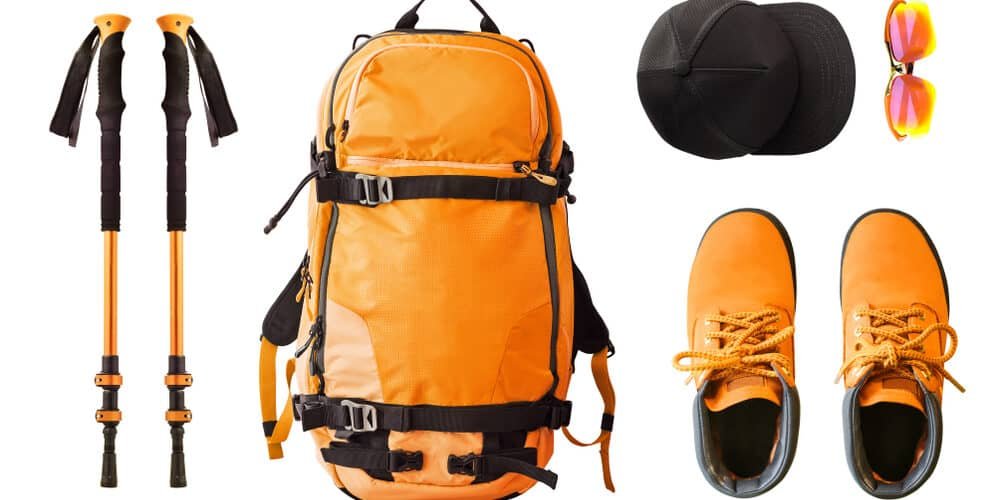
Equipment: Beyond good shoes, pack layers of breathable clothing, a waterproof jacket, a hat, sunglasses, sunscreen, a first-aid kit, plenty of water, and high-energy snacks. A GPS watch or device is also recommended.
Choosing Your Kilimanjaro Trail Run Itinerary for 2026-2027
When planning your Kilimanjaro trail run portion of the adventure for 2026 or 2027, consider these factors:
- Duration: Are you looking for a half-day challenge, a full-day expedition, or a multi-day fast-pack?
- Difficulty: What is your current fitness level and experience with trail running at altitude?
- Scenery: Do you prefer dense forest, open moorlands, or alpine desert views?
- Logistics: How will you access the start/end points, and what support do you need?
A good starting point for discussion is to contact Climb 4 Africa directly. We can assess your requirements and propose suitable routes and durations. For instance, a guided run starting from Marangu on trails leading towards Kibo Base Camp (but not attempting the summit itself) offers varied scenery. Alternatively, exploring trails around the Shira Plateau (accessible via Lemosho route start) could offer a more remote, high-altitude running experience, though this requires significant logistical planning and acclimatization.
“,
“content”: “
The Serengeti Safari: Big Five and Great Migration Encounters
Following the physical exertion of a Kilimanjaro trail run, the Serengeti National Park offers a profound contrast and a different kind of exhilaration. This is where you’ll experience the heart of African wildlife, with endless plains stretching to the horizon, dotted with acacia trees and teeming with life. A Serengeti safari is a quintessential Tanzanian experience, and when combined with your mountain adventure, it creates a journey of epic proportions.
Classic Serengeti Safari Experience
A typical Serengeti safari involves game drives in custom-built 4×4 safari vehicles. These vehicles are designed for optimal wildlife viewing, with pop-up roofs and comfortable seating. Your experienced safari guide, often with years of local knowledge, will be instrumental in tracking animals, explaining their behaviour, and navigating the vast park. The goal is to encounter the ‘Big Five’ – lion, leopard, elephant, rhinoceros, and buffalo – as well as a staggering array of other animals, including cheetahs, giraffes, zebras, wildebeest, hyenas, and countless bird species.
The Great Migration
The Serengeti is most famous for the Great Migration, a colossal movement of over 1.5 million wildebeest and zebras, along with hundreds of thousands of gazelles, as they follow the rains in search of fresh grazing land. This is one of nature’s most spectacular events. The migration’s location varies throughout the year:
- January – March: The southern Serengeti plains, ideal for witnessing calving season.
- April – May: The herds begin moving north, often through the central Serengeti.
- June – July: The migration crosses the Grumeti River in the western corridor, a dramatic river crossing event.
- August – October: The herds are typically in the northern Serengeti, crossing the Mara River into Kenya’s Masai Mara.
- November – December: The herds start their southern loop, often returning to the central and eastern Serengeti.
Your safari itinerary should be timed to coincide with the migration’s expected location if witnessing this phenomenon is a priority for your 2026-2027 trip. Climb 4 Africa can advise on the best timing and park areas to focus on for your specific travel dates.
Enhancing Your Serengeti Safari
Beyond standard game drives, several optional activities can elevate your Serengeti experience:
- Hot Air Balloon Safari: Drift silently over the plains at sunrise, offering a unique perspective of the vast landscape and wildlife. This is a magical way to start your day.
- Walking Safaris: Accompanied by an armed ranger and a guide, explore the bush on foot. This offers an intimate connection with the environment, focusing on smaller details and tracks. Available in specific areas of the Serengeti or adjacent conservation areas.
- Cultural Visits: Depending on your itinerary, you might have opportunities to visit Maasai villages to learn about their traditional way of life.
Choosing Your Serengeti Safari Itinerary for 2026-2027
When planning your safari, consider:
- Duration: How many days do you want to spend in the Serengeti? A minimum of 3-4 days is recommended to explore different regions.
- Accommodation: Options range from luxury lodges and tented camps to more budget-friendly options. Tented camps offer a more in-depth experience, often closer to the wildlife.
- Park Areas: Do you want to focus on specific areas like the Seronera Valley (central), the northern Serengeti for river crossings, or the southern plains for migration herds?
- Vehicle Type: While standard 4x4s are common, some operators offer specialized vehicles for photography.
Climb 4 Africa can tailor your Serengeti safari to perfectly complement your Kilimanjaro trail run. We ensure you spend sufficient time in prime wildlife areas and can arrange activities that align with your interests. For your 2026-2027 adventure, we recommend booking well in advance, especially if you aim to witness the migration.
“,
“content”: “
Integrating the Kilimanjaro Trail Run and Serengeti Safari: Logistics and Timing
The true art of planning a Kilimanjaro trail run + Serengeti safari combo lies in the smooth integration of these two distinct experiences. It’s not just about doing one after the other; it’s about creating a flow that makes sense logistically and maximizes your enjoyment and safety. For trips planned in 2026 or 2027, early planning is key to securing the best options.
Typical Itinerary Flow
A common and logical flow for this adventure is:
- Arrival in Tanzania: Typically land at Kilimanjaro International Airport (JRO).
- Kilimanjaro Trail Run: Spend 1-3 days on guided trail runs on the lower slopes or nearby areas. This allows for acclimatization and the physical challenge.
- Transfer to Safari Starting Point: This could be directly from the Kilimanjaro region to Arusha, or a short internal flight.
- Serengeti Safari: start a 3-5 day (or longer) safari, often including other Northern Circuit parks like Tarangire or the Ngorongoro Crater.
- Optional: Zanzibar Extension: Many travelers add a few days of relaxation on the spice island of Zanzibar.
- Departure: Fly out from Kilimanjaro International Airport (JRO) or Zanzibar (ZNZ).
Logistical Considerations
Internal Travel: Moving between Kilimanjaro and the Serengeti is typically done via a short bush flight from Arusha Airport (ARK) to a Serengeti airstrip, or by a scenic drive (which takes longer and is less comfortable after a run). For a combined Kilimanjaro trail run and Serengeti safari, flights are highly recommended to save time and energy.
Accommodation: You’ll need accommodation near Kilimanjaro for your running days and then a range of lodges or tented camps within the Serengeti and other safari parks. We select accommodations that offer comfort and convenience, often with stunning views.
Guides and Vehicles: You’ll need specialized guides for your trail run and a dedicated safari guide with a suitable 4×4 vehicle for your game drives. Climb 4 Africa ensures that all your guides are experienced, knowledgeable, and certified.
Timing and Seasonality:
- Best Time for Trail Running: Generally, the dry seasons (June to October and December to February) are best for trail running on Kilimanjaro, offering clearer skies and less muddy trails.
- Best Time for Serengeti Safari: The dry season (June to October) is excellent for game viewing, especially for river crossings. The green season (November to March) is ideal for birdwatchers and offers lush landscapes, with the calving season in the southern Serengeti.
- Combining Seasons: For a Kilimanjaro trail run + Serengeti safari in 2026 or 2027, aim for the shoulder months or periods that offer a good balance. For example, June or September could offer excellent running conditions and good game viewing, though the migration might be in the north. January or February could offer pleasant running weather and the calving season in the south.
Customization for 2026-2027 Adventures
The beauty of a custom-designed trip is its flexibility. Climb 4 Africa works with you to craft an itinerary that fits your desired dates, pace, and budget. If you have a specific timeframe in mind for 2026 or 2027, we can advise on the optimal sequence and activities. For instance:
- For the Ultra-Fit: A shorter running stint followed by an extensive safari, perhaps including a few days in other parks.
- For the Balanced Adventurer: A moderate trail run followed by a comprehensive Serengeti experience, with ample time for relaxation.
- For the Wildlife Enthusiast: Prioritize safari timing to catch specific events like the Great Migration river crossings, while incorporating a suitable trail run.
The key is open communication. Tell us your priorities, and we’ll build the perfect Kilimanjaro trail run + Serengeti safari adventure for you.
“,
“content”: “
Planning Your Kilimanjaro Trail Run & Serengeti Safari: What to Expect & Book
Embarking on a Kilimanjaro trail run + Serengeti safari is a significant undertaking, and thorough preparation is essential. This section details what you can expect in terms of planning, booking, and practicalities for your 2026-2027 adventure.
Booking Your Adventure
Why Book with a Local Expert?
While you could attempt to book various components separately, using a specialist like Climb 4 Africa offers immense advantages:
- smooth Integration: We understand how to connect the trail run and safari components smoothly, handling all transfers, accommodation bookings, and permits.
- Local Knowledge: Our guides and staff have intimate knowledge of Kilimanjaro’s trails and the Serengeti’s wildlife patterns. This local expertise is invaluable for safety, enjoyment, and maximizing your experience.
- Safety First: We prioritize your safety, especially for the trail running aspect at altitude. Our guides are trained in wilderness first aid and emergency procedures.
- Value and Transparency: We offer competitive pricing and clear inclusions/exclusions. By booking with us, you often get better value than piecing it together yourself, and you avoid hidden costs.
- Customization: We excel at creating tailor-made itineraries. Whether you have specific dates in 2026 or 2027, fitness goals for the run, or wildlife interests for the safari, we can design the perfect trip.
What’s Typically Included
While packages vary, a comprehensive Kilimanjaro trail run + Serengeti safari usually includes:
- Kilimanjaro Trail Run:
- Professional, experienced trail running guide(s)
- Park entrance fees and any necessary permits for running areas
- Support vehicle for transfers to/from trailheads
- Packed lunches and water for running days
- Accommodation before and after your runs (if required)
- Serengeti Safari:
- 4×4 safari vehicle with a pop-up roof
- Professional, English-speaking safari guide
- Park entrance fees for Serengeti and any other included parks (e.g., Ngorongoro, Tarangire)
- Accommodation during the safari (lodges or tented camps)
- All meals during the safari (breakfast, lunch, dinner)
- Internal flight from Arusha to Serengeti (if applicable)
- Airport transfers
What’s Typically Not Included
Common exclusions include:
- International flights to/from Tanzania
- Visa fees
- Travel insurance (mandatory)
- Tips for guides and staff
- Personal expenses (souvenirs, drinks, laundry)
- Optional activities (hot air balloon safaris, walking safaris)
- Vaccinations and medications
Preparing for Your 2026-2027 Trip
Fitness: Ensure you have a solid base level of cardiovascular fitness and experience with trail running. For any altitude running, practice running on hills. Gradually increase your mileage and incorporate strength training.
Health: Consult your doctor about necessary vaccinations (e.g., Yellow Fever, Hepatitis A) and malaria prophylaxis well in advance of your 2026-2027 travel dates. Pack a personal first-aid kit.
Gear: Essential items include good quality trail running shoes, moisture-wicking clothing, layers for varying temperatures (especially for Kilimanjaro), a waterproof jacket, sun protection (hat, sunglasses, high SPF sunscreen), insect repellent, and a headlamp.
Visas: Check the latest visa requirements for Tanzania for your nationality. Many nationalities can obtain a visa on arrival or apply online.
Insurance: Comprehensive travel insurance covering medical emergencies, evacuation, trip cancellation, and lost luggage is essential and often mandatory.
Making Your Booking Decision
When you are ready to plan your Kilimanjaro trail run + Serengeti safari for 2026 or 2027, the best first step is to reach out to Climb 4 Africa. We can discuss your specific interests, fitness level, desired travel dates, and budget. We will then propose a detailed itinerary and a clear quote.
Contact Climb 4 Africa:
- WhatsApp: +255 747 477 898
- Email: climb4africa@gmail.com
We recommend booking at least 6-12 months in advance, especially for travel during peak seasons in 2026-2027, to secure preferred accommodation and flights. Let us help you craft an unforgettable adventure that combines the best of Kilimanjaro’s trails and the Serengeti’s wildlife.
“,
“content”: “
Comparing Kilimanjaro Trail Run Options with Standard Treks
It’s important to clarify the distinction between a Kilimanjaro trail run and a standard Kilimanjaro trek, as the objectives, preparation, and experience are quite different. Understanding these differences helps travelers make informed decisions for their 2026-2027 trips.
Kilimanjaro Trail Run vs. Standard Trek
Objective:
- Trail Run: The primary goal is the physical challenge of running or fast-packing on mountain trails, enjoying the scenery at a faster pace, and experiencing the mountain’s environment actively. Summiting may or may not be a secondary objective, and if it is, it’s approached with speed and endurance, not a slow acclimatization climb.
- Standard Trek: The main objective is to reach Uhuru Peak (5,895m) through a process of slow ascent, acclimatization, and endurance. The focus is on the journey to the summit and back, with a steady, measured pace.
Pace and Duration:
- Trail Run: Significantly faster pace. A trail run might cover distances in hours that a trek would take days to traverse. Multi-day trail runs are more about covering ground quickly than gradual ascent.
- Standard Trek: Slow and steady pace is crucial for acclimatization. Treks typically last 5 to 9 days to allow the body to adjust to the altitude.
Fitness Requirements:
- Trail Run: Requires excellent cardiovascular fitness, leg strength, and experience in running long distances, ideally on varied terrain and at altitude.
- Standard Trek: Requires good cardiovascular fitness and endurance, but not necessarily the explosive power or sustained speed of a trail runner. Ability to walk for many hours a day is key.
Equipment:
- Trail Run: Lightweight running gear, specialized trail running shoes, hydration packs, poles (optional but recommended), and minimal essentials for fast-packing if applicable.
- Standard Trek: Sturdy hiking boots, layers of warm clothing, a good sleeping bag, duffel bag for porters, and more substantial personal items.
Guides and Support:
- Trail Run: Guides are essential for navigation, safety, and logistics, especially on less-defined paths. Support vehicles may follow lower sections. For fast-packing, a highly specialized support crew is often necessary.
- Standard Trek: A full crew of guides, porters, and cooks is standard. Porters carry the bulk of the gear, allowing trekkers to focus on walking.
Acclimatization:
- Trail Run: Acclimatization is still important, but the approach is different. Runners might do shorter, high-altitude runs to stimulate acclimatization, or incorporate a few days at moderate altitude before a higher-intensity run. Rapid ascent on foot for running is still risky.
- Standard Trek: The entire trek is structured around gradual acclimatization, following the principle of “pole pole” (slowly, slowly).
Which is Right for You?
The choice between a Kilimanjaro trail run and a standard trek depends entirely on your personal goals and fitness. If your dream is to stand on the Roof of Africa via the traditional, arduous climb, then a standard trek is your path. If you are an experienced runner seeking a unique challenge that combines high-altitude running with stunning mountain scenery, and you want to pair this with a wildlife safari, then a trail run on Kilimanjaro’s slopes is the ideal choice.
For those considering a Kilimanjaro trail run + Serengeti safari in 2026-2027, it’s crucial to be honest about your running capabilities. A trail run on Kilimanjaro, even on lower slopes, is not a casual jog. It demands respect for the mountain’s environment and altitude. Climb 4 Africa can help you assess your suitability and recommend the most appropriate running options that can be integrated into your safari plans.
“,
“content”: “
Adding Zanzibar: The Perfect Relaxation After Your Adventure
After the physical exertion of a Kilimanjaro trail run and the thrilling wildlife encounters of a Serengeti safari, many travelers opt to extend their Tanzanian adventure with a few days of relaxation on the idyllic island of Zanzibar. This UNESCO World Heritage site offers a perfect blend of history, culture, beautiful beaches, and turquoise waters, providing a serene conclusion to an action-packed trip.
Zanzibar’s Appeal
Known as the ‘Spice Island,’ Zanzibar is famous for its aromatic spice plantations, rich Swahili culture, and the labyrinthine streets of Stone Town. Beyond the historical and cultural immersion, its coastline boasts some of the most stunning beaches in East Africa, fringed with palm trees and lapped by the warm Indian Ocean.
Activities on Zanzibar
While relaxation is often the main draw, Zanzibar offers a range of activities:
- Beach Relaxation: Spend days lounging on white-sand beaches in areas like Nungwi, Kendwa, Paje, or Jambiani. Enjoy swimming, sunbathing, and water sports.
- Spice Tours: Explore the island’s lush plantations and learn about the cultivation and uses of spices like cloves, nutmeg, cinnamon, and vanilla.
- Stone Town Exploration: Wander through the narrow alleys of Stone Town, visit historical sites like the House of Wonders, the Old Fort, and the former slave market, and soak in the unique blend of Arab, Indian, Persian, and European influences.
- Water Sports: From snorkeling and diving in crystal-clear waters to kitesurfing and paddleboarding, Zanzibar is a haven for water enthusiasts. The Mnemba Atoll is particularly renowned for its marine life.
- Dolphin Watching: Take a boat trip to Kizimkazi, a southern village famous for its resident pods of bottlenose dolphins.
Logistics for Zanzibar Extension
Getting There: Flights from Kilimanjaro International Airport (JRO) or Arusha Airport (ARK) to Zanzibar (ZNZ) are the most efficient way to reach the island. Alternatively, you can take a ferry from Dar es Salaam, but this is less convenient after a safari.
Accommodation: Zanzibar offers a wide spectrum of accommodation, from luxury beachfront resorts and boutique hotels in Stone Town to more modest guesthouses and bungalows.
Best Time to Visit: Zanzibar has a tropical climate. The driest and most pleasant months are generally from June to October and again from December to February. The short rains occur in November, and the long rains typically fall between March and May.
Integrating Zanzibar into Your 2026-2027 Trip
A typical itinerary for a Kilimanjaro trail run + Serengeti safari + Zanzibar combination would look like this:
- Arrive JRO, transfer to Arusha/Kilimanjaro region.
- Kilimanjaro trail run days (1-3 days).
- Transfer to Arusha Airport, fly to Serengeti.
- Serengeti safari (3-5 days, possibly with Ngorongoro/Tarangire).
- Fly from Serengeti to Zanzibar.
- Zanzibar relaxation and exploration (3-5 days).
- Depart from Zanzibar (ZNZ) or fly back to JRO for international departure.
Adding Zanzibar transforms your adventure into a comprehensive Tanzanian experience, offering both high-octane activity and blissful repose. Climb 4 Africa can seamlessly arrange this extension, ensuring your journey from mountain trails to savanna plains to tropical beaches is perfectly managed.
“,
“content”: “
Frequently Asked Questions: Kilimanjaro Trail Run & Serengeti Safari
Here are answers to common questions prospective travelers have about combining a Kilimanjaro trail run with a Serengeti safari for their 2026-2027 adventures.
What is the best time of year for a Kilimanjaro Trail Run + Serengeti Safari combo?
The ideal timing depends on your priorities. For good trail running conditions on Kilimanjaro and excellent wildlife viewing in the Serengeti (especially for potential river crossings), June to October is often recommended. This period offers dry weather on both the mountain and the plains. If witnessing the Great Migration calving season is a priority, then January to March would be better for the Serengeti, though Kilimanjaro’s trails can be wetter during this time. For a balance, shoulder months like late March/early April or November can also work, but always check specific weather patterns for 2026-2027 closer to the time.
How physically demanding is the Kilimanjaro trail run portion?
The physical demand varies significantly based on the chosen route and duration. A guided half-day trail run on lower slopes is moderately demanding, akin to a challenging trail race. A full-day run or multi-day fast-pack on higher altitudes is significantly more strenuous and requires a high level of fitness and acclimatization. It is crucial to be honest about your running capabilities when planning this aspect of your Kilimanjaro trail run + Serengeti safari with Climb 4 Africa.
Do I need specific visas or vaccinations for Tanzania?
Yes, most nationalities require a visa for Tanzania, which can often be obtained on arrival or applied for online in advance. It is essential to consult your doctor or a travel clinic 6-8 weeks before your trip for recommended vaccinations (such as Yellow Fever, Hepatitis A, Typhoid) and malaria prevention medication. Check the latest requirements for your country and for travel in 2026-2027.
What is the typical cost for a Kilimanjaro Trail Run & Serengeti Safari package?
The cost for a combined Kilimanjaro trail run + Serengeti safari package can vary widely depending on the duration of each component, the level of accommodation chosen (budget, mid-range, luxury), the number of people in your group, and the specific activities included. As a rough estimate, such a comprehensive trip can range from $4,000 to $10,000+ per person. This typically includes park fees, guides, accommodation, meals during the safari, and internal transfers/flights. For a precise quote tailored to your 2026-2027 travel plans, it is best to contact Climb 4 Africa directly.
What gear is essential for this adventure?
For the Kilimanjaro trail run, essential gear includes well-worn trail running shoes with good grip, moisture-wicking clothing, layers for temperature changes, a waterproof and windproof jacket, a hat, sunglasses, sunscreen, and a hydration pack or bottles. For the Serengeti safari, comfortable clothing in neutral colours, a light jacket for cooler evenings, a hat, sunglasses, and binoculars are recommended. A more detailed packing list will be provided by Climb 4 Africa upon booking.
Can I customize my Kilimanjaro Trail Run and Serengeti Safari itinerary?
Absolutely. Customization is a key strength of operators like Climb 4 Africa. You can adjust the duration of the trail running portion, the number of days spent on safari, the specific parks visited, the type of accommodation, and whether to include Zanzibar. This ensures your Kilimanjaro trail run + Serengeti safari perfectly matches your interests, fitness level, and budget for your 2026-2027 trip.
“,
“content”: “
Why Choose Climb 4 Africa for Your Kilimanjaro Trail Run & Serengeti Safari
Selecting the right tour operator is paramount for an adventure of this magnitude. Climb 4 Africa is uniquely positioned to offer an exceptional Kilimanjaro trail run + Serengeti safari experience for your 2026-2027 travels. Our deep-rooted local expertise, commitment to safety, and passion for showcasing Tanzania’s natural wonders set us apart.
Our Local Advantage
As a Tanzanian-based company, we possess an intimate understanding of the landscapes, cultures, and logistics involved in operating tours across Kilimanjaro and the Serengeti. This means:
- Authentic Experiences: We connect you with the true spirit of Tanzania, from the mountain trails to the savanna plains.
- Efficient Logistics: Our local network ensures smooth transfers, timely arrangements, and access to the best guides and resources.
- Support for Local Communities: We are committed to responsible tourism, ensuring that your adventure benefits the communities we work with.
Expertise in Trail Running & Safaris
We don’t just organize trips; we understand the specific demands of each activity:
- Kilimanjaro Trail Running Specialists: We work with experienced guides who are not only knowledgeable about the mountain but also understand the nuances of trail running, safety at altitude, and route planning for runners.
- Premier Safari Guides: Our safari guides are passionate naturalists, adept at tracking wildlife and providing insightful commentary on the ecosystems of the Serengeti and beyond.
- Tailor-Made Itineraries: We excel at crafting personalized itineraries. Whether you’re planning for 2026 or 2027, we listen to your desires and build a trip that is uniquely yours.
Commitment to Safety and Quality
Your safety and satisfaction are our top priorities. We ensure:
- Qualified Personnel: All our guides and staff are highly trained, experienced, and certified.
- Quality Equipment: We use well-maintained safari vehicles and ensure our running guides are equipped with necessary safety gear.
- Transparent Pricing: We provide clear, detailed quotes with no hidden fees.
Start Planning Your 2026-2027 Adventure
Ready to start an extraordinary Kilimanjaro trail run + Serengeti safari? Let Climb 4 Africa be your trusted partner in crafting an unforgettable journey. We handle the complexities so you can focus on the adventure.
Get in touch with us today to discuss your dream Tanzanian adventure:
- WhatsApp: +255 747 477 898
- Email: climb4africa@gmail.com
We look forward to helping you plan your Kilimanjaro trail run + Serengeti safari, creating memories that will last a lifetime.
“,
“faq_schema”: [
{
“question”: “What is the best time of year for a Kilimanjaro Trail Run + Serengeti Safari combo?”,
“answer”: “The best time often balances good trail running conditions with excellent wildlife viewing. June to October offers dry weather for both. January to March is ideal for the Serengeti’s calving season, though Kilimanjaro’s trails can be wetter. Shoulder months like late March/early April or November can also be suitable.”
},
{
“question”: “How physically demanding is the Kilimanjaro trail run portion?”,
“answer”: “The demand varies greatly. A guided half-day run on lower slopes is moderately challenging. A full-day or multi-day fast-pack on higher altitudes is significantly more strenuous, requiring excellent fitness and acclimatization. Honesty about your running capabilities is key when planning with Climb 4 Africa.”
},
{
“question”: “Do I need specific visas or vaccinations for Tanzania?”,
“answer”: “Yes, most nationalities need a visa for Tanzania, obtainable on arrival or online. Consult your doctor 6-8 weeks prior for recommended vaccinations (e.g., Yellow Fever) and malaria prevention. Check current requirements for your nationality and for travel in 2026-2027.”
},
{
“question”: “What is the typical cost for a Kilimanjaro Trail Run & Serengeti Safari package?”,
“answer”: “Costs vary widely based on duration, accommodation level, and inclusions. A comprehensive package for a Kilimanjaro trail run and Serengeti safari can range from approximately $4,000 to $10,000+ per person. Contact Climb 4 Africa for a precise quote for your 2026-2027 trip.”
},
{
“question”: “What essential gear is needed for this adventure?”,
“answer”: “For the trail run: trail running shoes, moisture-wicking layers, waterproof/windproof jacket, hat, sunglasses, sunscreen, hydration pack. For the safari: comfortable neutral-coloured clothing, light jacket, hat, sunglasses, binoculars. Climb 4 Africa provides detailed packing lists upon booking.”
},
{
“question”: “Can I customize my Kilimanjaro Trail Run and Serengeti Safari itinerary?”,
“answer”: “Absolutely. Customization is a core service. You can adjust durations, accommodation types, safari parks, and add extensions like Zanzibar to perfectly match your interests and budget for your 2026-2027 adventure.”
}
]
}
“`
Check Availability for Kilimanjaro Trail Run + Serengeti Safari – Running Adventure & Big Five…
Ready to compare dates, prices, and the best option for your group? Send the package name and travel month so the team can reply with a clear quote, availability, and what is included.
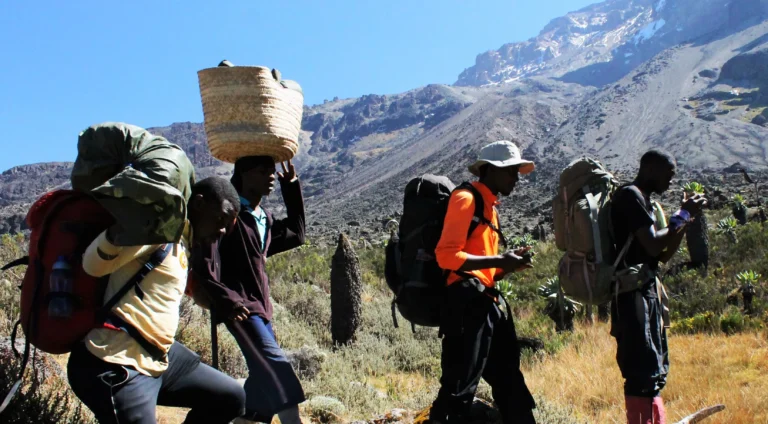
Best Kilimanjaro And Serengeti Calving Season Safari March 2027
Discover the magic of a March 2027 Kilimanjaro and Serengeti calving season safari. This guide explores the unique advantages and considerations for experiencing Tanzania's wildlife...
View package details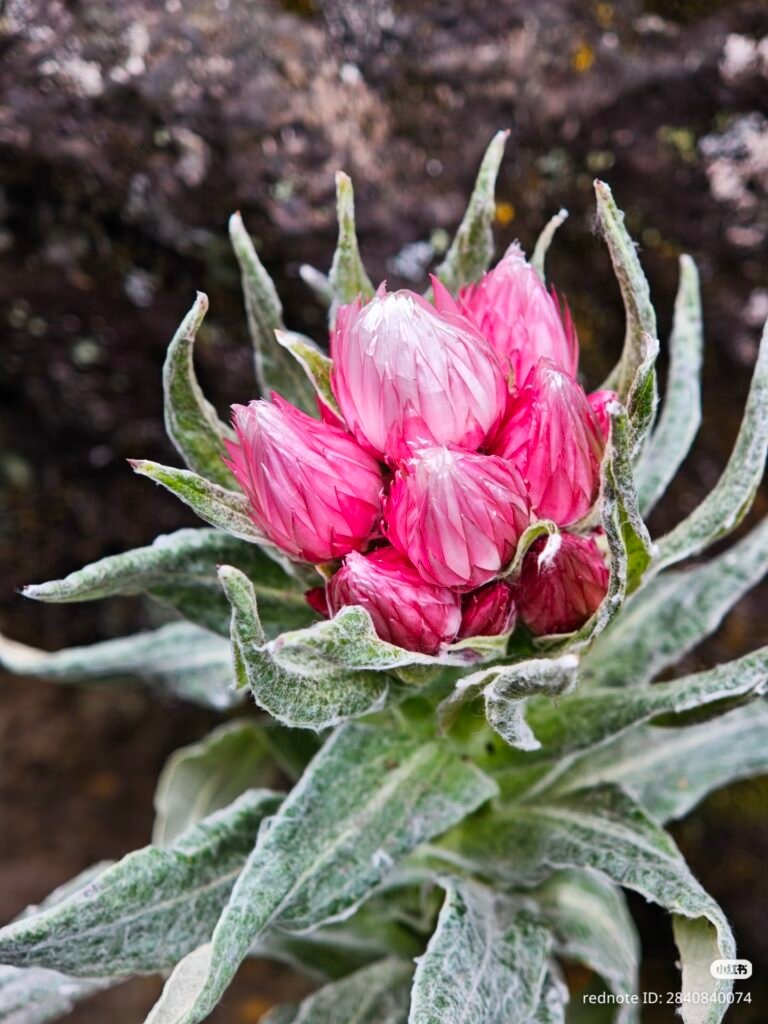
Kilimanjaro And Serengeti Calving Safari February : The Ultimate Planning
Combine the majesty of Mount Kilimanjaro with the impressive spectacle of the Serengeti's calving season in February 2027. This guide details how to plan this dual adventure, focusing on...
View package details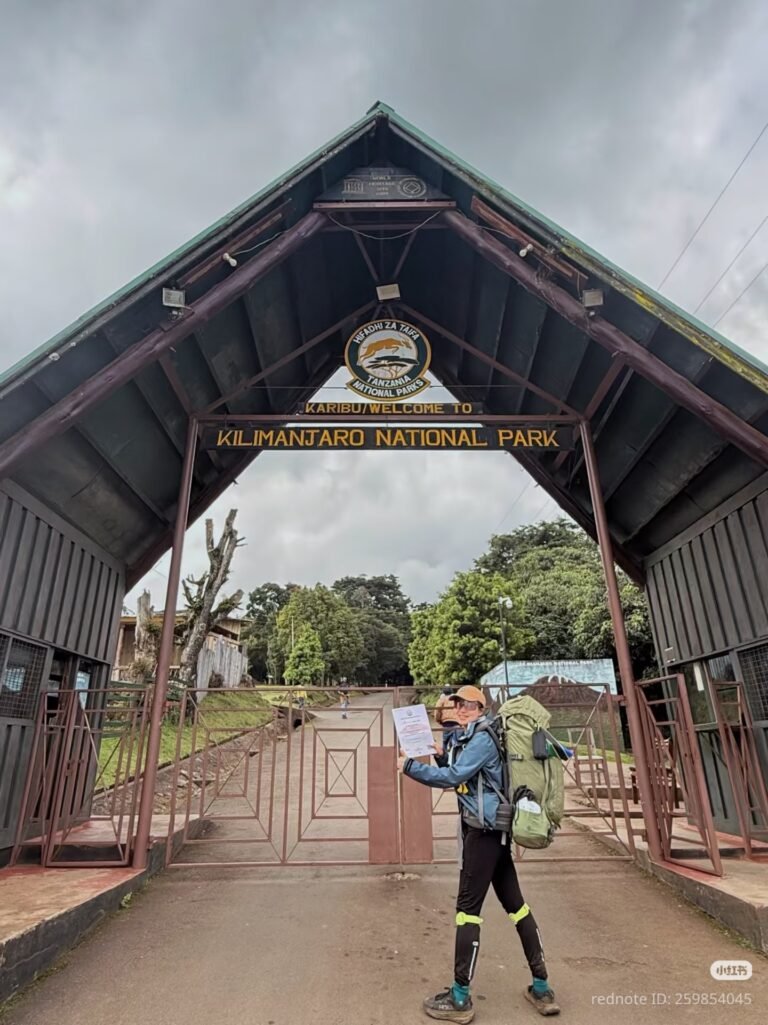
Kilimanjaro And Serengeti Calving Safari January 2026-2027
Kilimanjaro and Serengeti Calving Safari January 2027 is explained with current 2026-2027 planning, price, itinerary and booking information.
View package details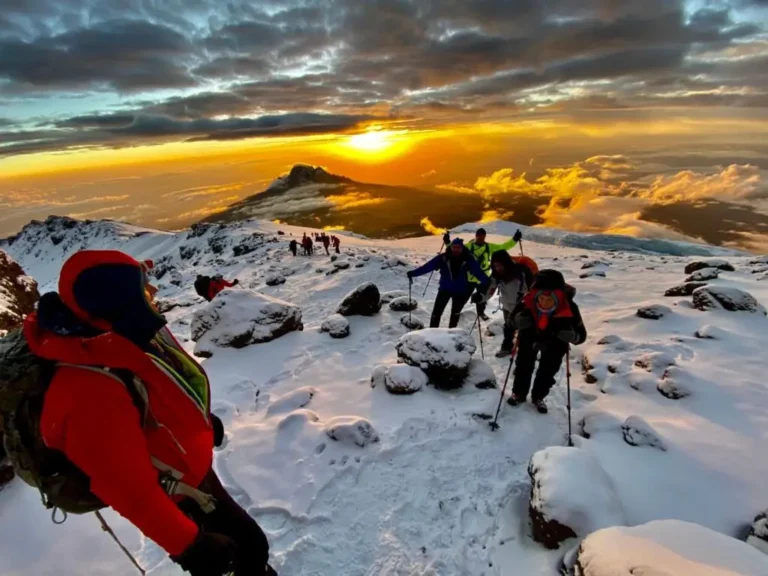
Kilimanjaro And Grumeti Migration Safari June : The Ultimate Tanzanian
Plan your unforgettable Kilimanjaro and Grumeti Migration safari for June 2027. This comprehensive guide details how to combine the challenge of summiting Africa's highest peak with the...
View package details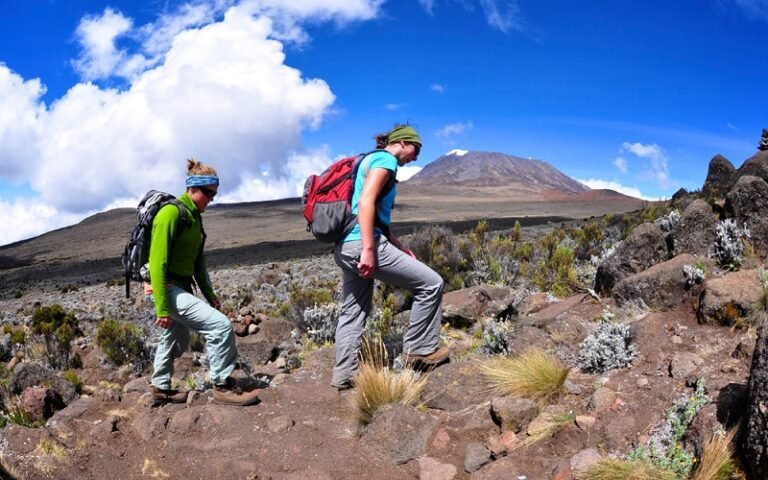
Kilimanjaro And Mara River Crossing Safari August : Peak Season Adventure 2027
Combining the ultimate challenge of climbing Mount Kilimanjaro with the awe-inspiring spectacle of the Great Migration river crossing in the Maasai Mara offers an unparalleled African...
View package details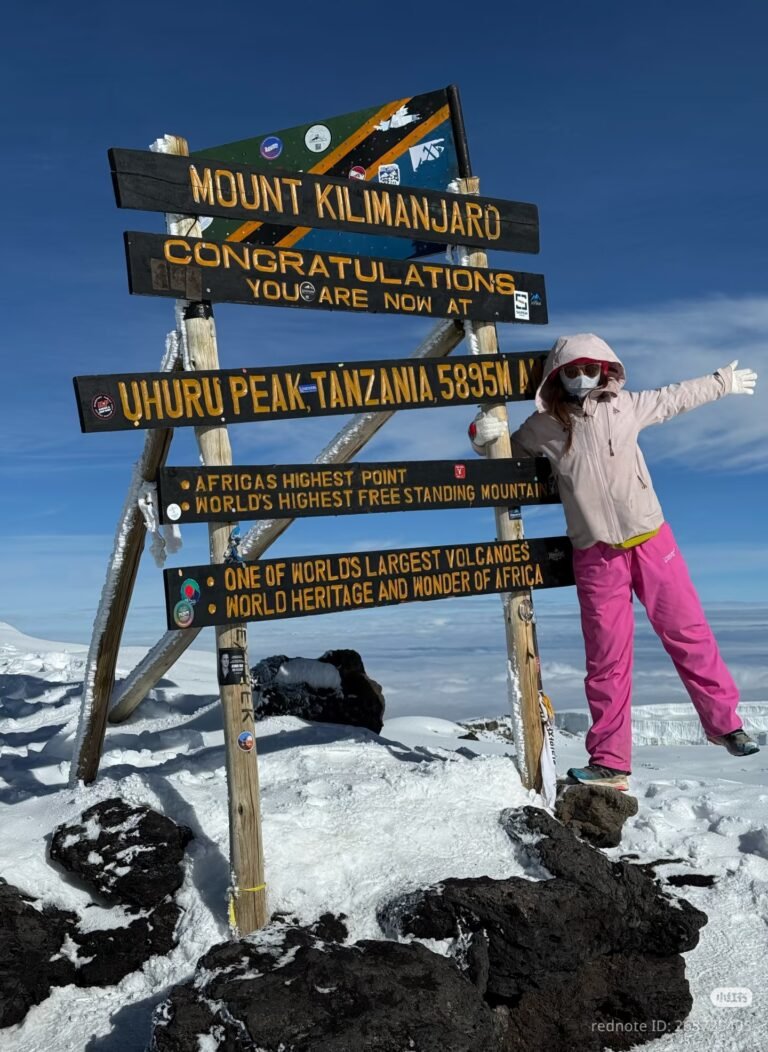
Kilimanjaro And Great Migration Safari August : Your Peak Season Adventure
Plan your ultimate Tanzanian adventure in August 2027, combining a Kilimanjaro climb with the spectacle of the Great Migration. This guide details the best timings, routes, and safari...
View package details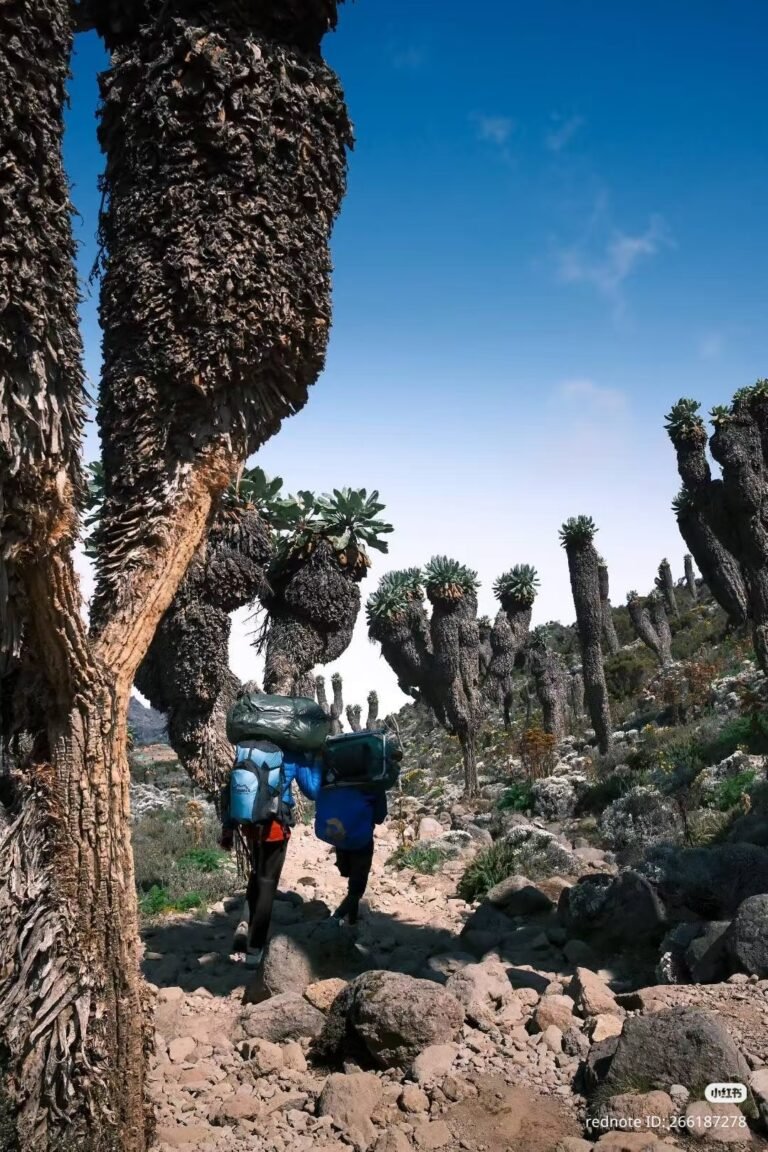
Kilimanjaro Christmas Climb And Tanzania Safari : Your Festive Adventure
Combine the magic of a Christmas ascent of Kilimanjaro with a thrilling Tanzania safari in 2026. Discover how to plan this dual adventure for a truly unique festive season.
View package detailsKilimanjaro And Mara River Crossing Safari July 2027
Kilimanjaro and Mara River Crossing Safari July 2027 is explained with current 2027 planning, price, itinerary and booking information.
View package detailsKilimanjaro And Great Migration Safari July : Your Ultimate Tanzanian
Combining a Kilimanjaro climb with a Great Migration safari in July 2027 offers a spectacular Tanzanian adventure. This guide helps you plan your ideal itinerary, considering the best...
View package details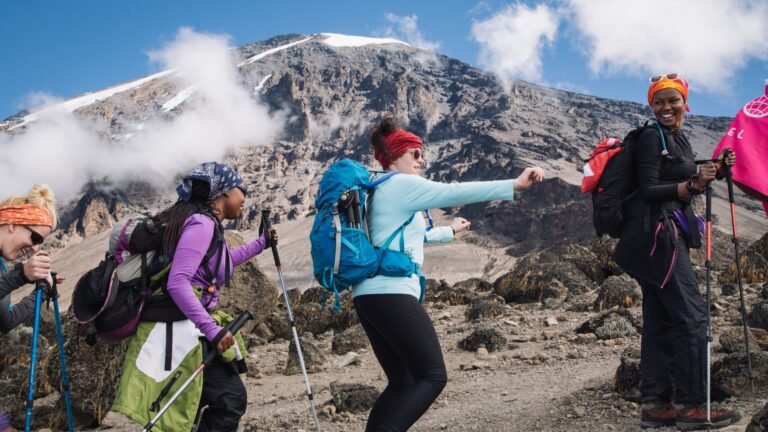
Kilimanjaro 1 May : Your Day Mountain Adventure Awaits 2027
start an unforgettable Kilimanjaro 1 May 2027 adventure. This guide details everything you need to know for a successful May Day climb, from route selection to essential preparation.
View package details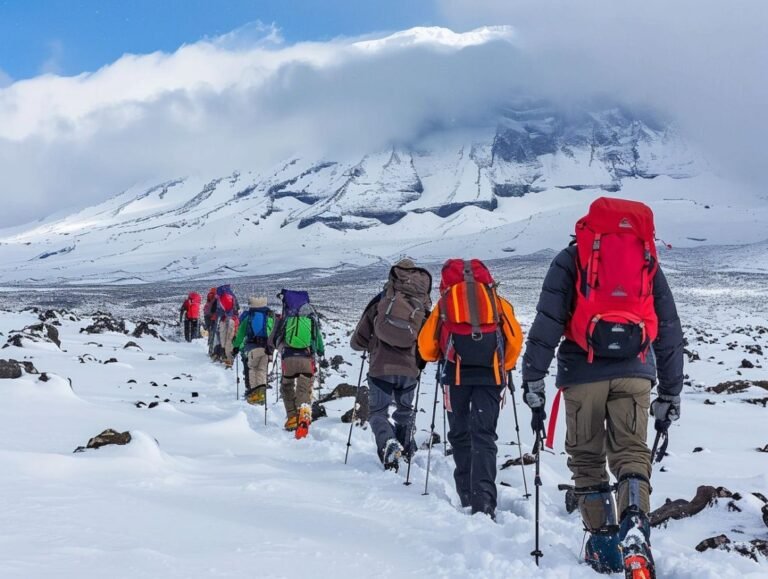
Lemosho Route – 7 August Summer Group Climb: Your Kilimanjaro Adventure 2027
start a memorable Lemosho Route – 7 August 2027 Summer Group Climb up Mount Kilimanjaro. This guide covers the itinerary, acclimatization, and preparation for your ascent.
View package details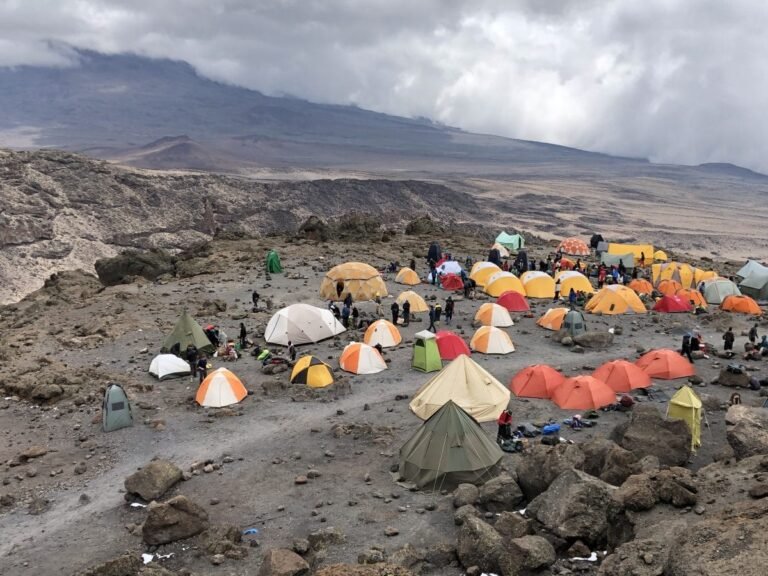
Family Kilimanjaro Climb August : Your Summer Holiday Adventure 2027
start an unforgettable Family Kilimanjaro Climb during August 2027. This guide covers the best routes, essential planning, and tips for a successful summer holiday ascent.
View package detailsNo related package matches those filters. Clear one or more filters to see the other topic-matched options.



