
A Kilimanjaro Responsible Trekking & Local Community Experience – Mountain + Village Impact Tour offers a profound way to ascend Africa’s highest peak while actively supporting and engaging with the communities that call its slopes home, ensuring your adventure contributes positively to local economies and cultures, particularly relevant for planning in 2026-2027.
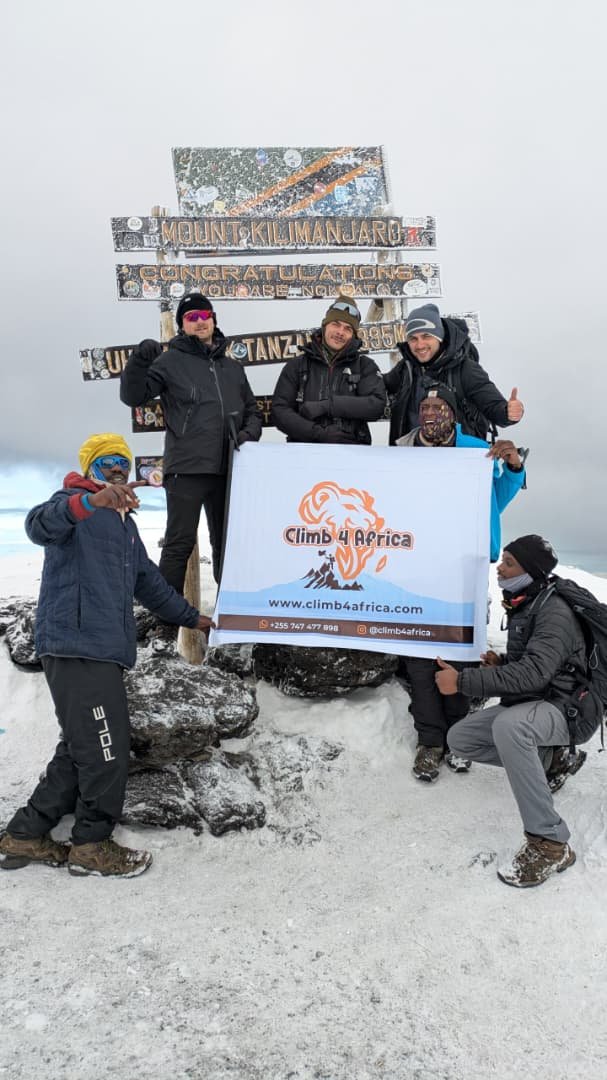
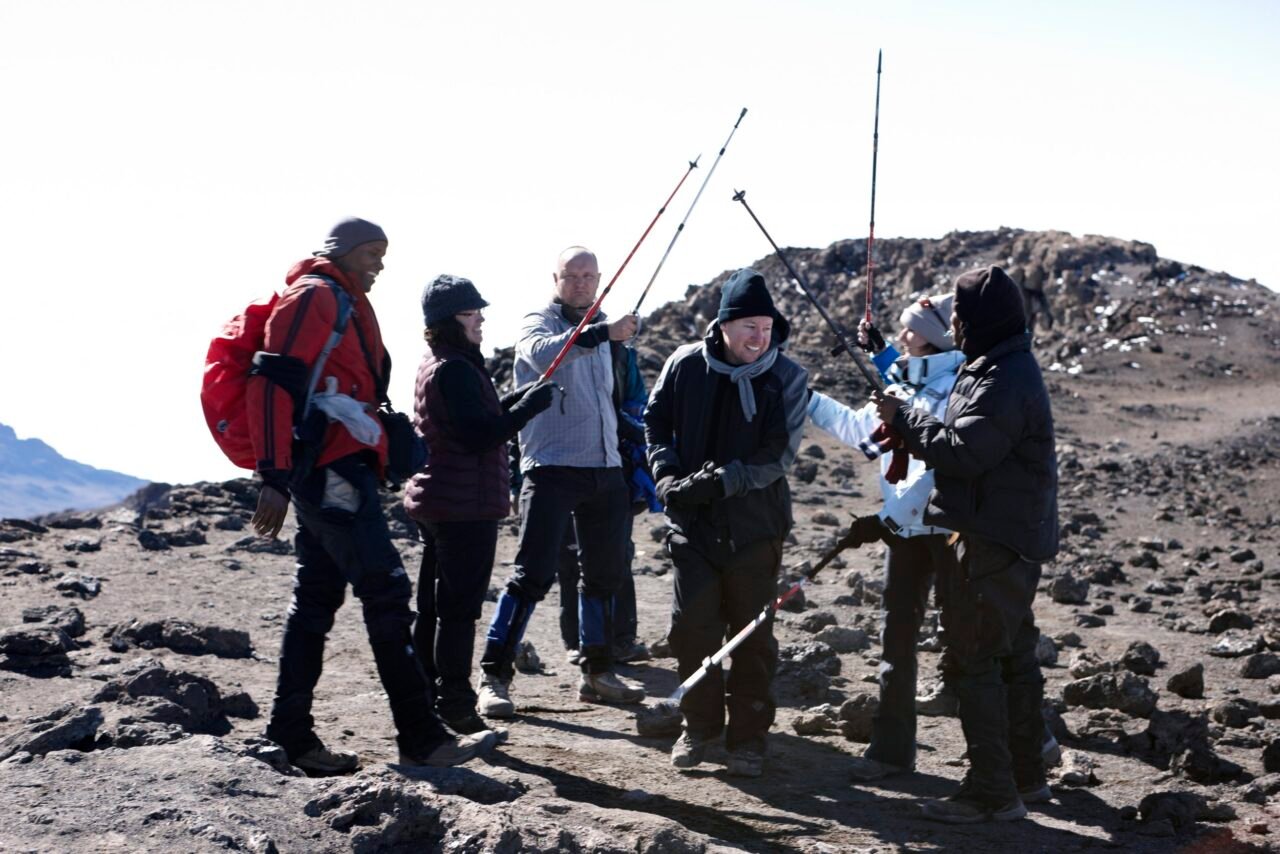
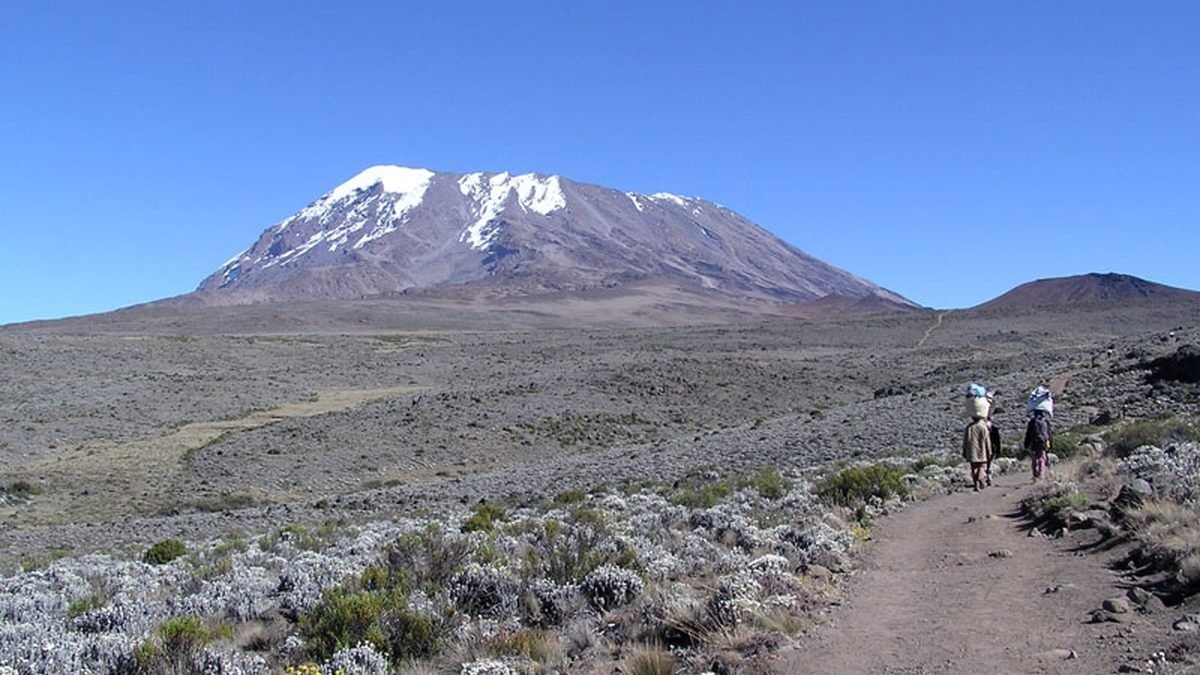
Understanding the Kilimanjaro Responsible Trekking & Local Community Experience
Embarking on a journey to climb Kilimanjaro is a dream for many, but the nature of that journey can be profoundly shaped by how it’s undertaken. A Kilimanjaro Responsible Trekking & Local Community Experience – Mountain + Village Impact Tour is designed to go beyond the standard trek. It’s about forging a connection, not just to the summit, but to the people and the land. This isn’t just about ticking a box; it’s about creating a travel experience that is mutually beneficial – enriching for you and genuinely supportive of the Tanzanian communities you encounter.
For travelers planning their expedition for 2026 or 2027, understanding this integrated approach is crucial. It means choosing operators who prioritize fair wages for guides and porters, minimize environmental impact on the mountain, and actively involve local villages in meaningful ways. This could range from supporting local schools and healthcare initiatives through your tour booking to participating in cultural exchanges or purchasing locally made crafts. The core principle is that your presence as a tourist should leave a positive, lasting legacy.
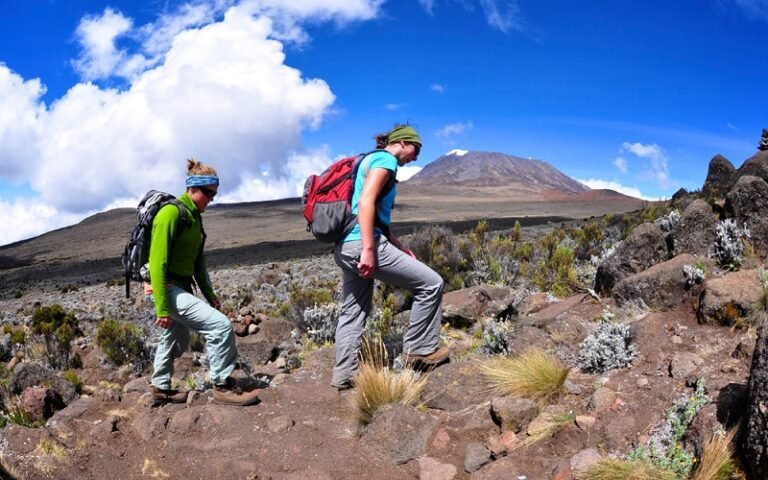
The ‘Mountain + Village Impact Tour’ aspect highlights the dual focus. You’ll experience the challenging, exhilarating climb up Kilimanjaro, appreciating its diverse ecosystems and the physical accomplishment. Simultaneously, you’ll engage with village life, perhaps spending time in communities near the mountain’s base, learning about their traditions, daily life, and how tourism can be a force for good when managed responsibly. This holistic approach transforms a personal challenge into a shared journey of cultural understanding and economic empowerment.
When considering your options for Kilimanjaro trekking in 2026-2027, look for operators who clearly articulate their commitment to responsible tourism. This includes transparency about their porter welfare policies, their waste management practices on the mountain, and concrete examples of their community engagement projects. A true impact tour will integrate these elements seamlessly into the itinerary, making them a natural and enriching part of the overall experience, rather than an afterthought.
Why Choose a Responsible Trekking & Village Impact Tour for Kilimanjaro?
The decision to opt for a Kilimanjaro Responsible Trekking & Local Community Experience – Mountain + Village Impact Tour is driven by a desire for more than just a scenic adventure. It reflects a growing awareness among travelers about the ethical implications of their choices and a wish to contribute positively to the destinations they visit. Here’s why this approach stands out, especially for those planning ahead for 2026 and 2027:
Ethical Trekking Practices
Responsible trekking on Kilimanjaro means prioritizing the well-being of the mountain crew – the guides, porters, and cooks who make your climb possible. This includes ensuring they receive fair wages, adequate food and equipment, and are treated with respect. Reputable operators adhere to guidelines set by organizations like the Kilimanjaro Porters Assistance Project (KPAP), which advocates for ethical treatment. When you choose a responsible operator, you’re contributing to a more equitable tourism industry.
Environmental Stewardship
Kilimanjaro is a UNESCO World Heritage site, and its fragile ecosystems are under pressure. Responsible trekking involves strict adherence to ‘Leave No Trace’ principles: packing out all waste, staying on designated trails, and respecting wildlife. Operators committed to this philosophy will have clear waste management protocols, educate trekkers on environmental best practices, and work to minimize their footprint on the mountain. This ensures that Kilimanjaro remains a pristine natural wonder for future generations, including those who will visit in 2026-2027.
Authentic Cultural Immersion
A village impact tour component offers a unique opportunity to connect with the local Chagga culture and other communities living around Kilimanjaro. This goes beyond fleeting interactions; it involves genuine engagement, learning about their way of life, traditions, and challenges. By visiting villages, perhaps participating in a coffee tour, or visiting a local school, you gain a deeper understanding of Tanzania and its people. This direct interaction fosters mutual respect and can lead to memorable, authentic experiences.
Direct Community Benefit
The ‘impact’ in the tour name signifies a commitment to tangible benefits for the local community. This can manifest in several ways: a portion of your tour cost might directly fund community projects (education, healthcare, clean water), you might be encouraged to purchase locally made handicrafts, or the tour might involve visiting and supporting local enterprises like coffee farms or community-run lodges. This ensures that tourism revenue flows directly into the community, creating sustainable livelihoods.
Enhanced Personal Journey
For many travelers, the added dimension of responsible trekking and community engagement transforms the climb from a physical feat into a deeply meaningful personal journey. Knowing that your adventure is contributing positively, both ethically and economically, adds a profound layer of satisfaction. It aligns your travel with your values, creating a richer, more memorable experience that resonates long after you’ve descended the mountain. This is especially true when planning for significant travel years like 2026 or 2027, allowing ample time for thoughtful preparation and selection.
Designing Your Kilimanjaro Responsible Trekking & Village Impact Itinerary
Creating an itinerary that balances the demanding Kilimanjaro climb with meaningful local community engagement requires careful planning. The goal is to ensure both aspects are enriching and well-integrated, rather than feeling rushed or superficial. For travelers looking at 2026-2027 expeditions, understanding the components of such a tour is key to making informed decisions.
Choosing the Right Route
While all Kilimanjaro routes offer stunning scenery, some might lend themselves better to incorporating village visits. Routes like the Marangu or Machame, which pass through lower elevations and more populated areas, can offer easier integration points for pre- or post-trek village stays. However, responsible operators can facilitate village visits regardless of the chosen route, often arranging them in Moshi or Arusha before or after your climb.
Route considerations for impact tours:
- Marangu Route: Known as the ‘Coca-Cola’ route, it’s the oldest and arguably the easiest to access. Its lower starting point can make pre-trek village excursions more straightforward.
- Machame Route: Very popular for its scenic beauty and high success rate. While primarily focused on the mountain, responsible operators can arrange village experiences in Moshi before or after. Machame Route departures are frequent and can be combined with impact elements.
- Lemosho & Shira Routes: These are longer, more remote routes, offering a wilder experience. Village integration is typically done in Moshi or Arusha before or after the trek itself.
- Rongai Route: Approaches from the north, offering a different perspective. Village visits are best arranged in the towns near the base.
Integrating Village Stays and Activities
A key element of the ‘Village Impact Tour’ is the time spent in local communities. This could involve:
- Homestays or Community Lodges: Spending a night or two in a village homestay or a lodge run by the community offers unparalleled immersion. You’ll share meals, learn about daily routines, and connect with local families.
- Cultural Tours: Engaging in activities like traditional Chagga coffee processing tours, visiting local markets, or learning about traditional farming practices provides insight into the local economy and culture.
- School or Project Visits: Responsible operators often partner with local schools or community development projects. Visiting these sites, perhaps bringing educational supplies (arranged in advance), can be a rewarding experience. Ensure these visits are arranged respectfully and do not disrupt daily activities.
- Artisan Workshops: Supporting local craftspeople by visiting workshops or markets where you can purchase authentic souvenirs directly from the makers.
Duration and Timing for 2026-2027
To truly appreciate both the mountain and the community aspects, consider extending your trip beyond the standard 5-8 days for the climb. Adding 2-4 days for village immersion before or after your trek is highly recommended. For 2026-2027 planning, this means looking at trips that are 10-14 days in total. The dry seasons (January-March and June-October) are generally best for climbing, but community visits can often be integrated year-round, though local festivities might influence timing.
Logistical Considerations
Ensure your chosen operator has robust logistics for both the mountain trek and the village component. This includes comfortable transportation, knowledgeable local guides for both segments, and well-vetted accommodation. The transition between mountain life and village life should be smooth and well-managed.
The ‘Impact’ in Kilimanjaro Responsible Trekking: Making a Real Difference
The term ‘impact’ in a Kilimanjaro Responsible Trekking & Local Community Experience – Mountain + Village Impact Tour is not just a marketing buzzword; it signifies a deliberate strategy to ensure that tourism benefits the local population and environment. For those planning their adventure for 2026 or 2027, understanding these impact mechanisms is crucial for selecting a tour that aligns with their values.
Economic Empowerment
A primary goal is to channel tourism revenue directly into the local economy. This happens through:
- Fair Wages and Employment: Responsible operators pay their guides, porters, and cooks fair wages, often above the minimum required, and ensure they are employed year-round where possible. This provides stable income for families in the Kilimanjaro region.
- Support for Local Businesses: Sourcing food, supplies, and services from local providers rather than importing them. This boosts local agriculture and small businesses.
- Community-Based Tourism Projects: Investing in or partnering with projects like community-run lodges, coffee farms, or handicraft cooperatives. Your tour might include visits or overnight stays that directly benefit these initiatives.
- Purchasing Local Crafts: Encouraging travelers to buy souvenirs directly from local artisans ensures a larger portion of the spending goes to the creators.
Social and Cultural Contributions
Beyond economics, impact tours aim to foster positive social and cultural exchange:
- Educational Support: Some tours contribute a portion of their fees to local schools, providing funds for infrastructure, materials, or teacher training. Visitors may have opportunities to interact with students and understand the educational landscape.
- Healthcare Initiatives: Supporting local health clinics or mobile health outreach programs. This could involve donations (often facilitated by the tour operator) or awareness-raising activities.
- Cultural Preservation: By engaging respectfully with local traditions, music, and stories, travelers contribute to the appreciation and preservation of unique cultural heritage. The tour can act as a bridge, fostering understanding between cultures.
- Empowerment of Women: Many responsible tourism initiatives actively seek to empower women by providing employment opportunities and supporting women-led businesses and cooperatives.
Environmental Conservation Efforts
Responsible trekking intrinsically contributes to environmental conservation:
- Waste Management: Strict ‘pack it in, pack it out’ policies, proper disposal of waste, and use of reusable materials minimize pollution on the mountain.
- Trail Maintenance: Supporting initiatives or park fees that contribute to the upkeep and protection of the mountain trails.
- Conservation Education: Educating trekkers about the unique flora and fauna, and the importance of protecting Kilimanjaro’s diverse ecosystems.
When selecting a tour operator for your Kilimanjaro Responsible Trekking & Local Community Experience – Mountain + Village Impact Tour in 2026-2027, ask for specific details about their impact programs. Transparency is key – understand how your money is being used and what tangible benefits are being generated. Reputable companies will be happy to share this information, often highlighting specific projects they support.
Choosing Your Operator: What to Look for in 2026-2027
Selecting the right tour operator is paramount for a successful and meaningful Kilimanjaro Responsible Trekking & Local Community Experience – Mountain + Village Impact Tour. With many options available, particularly for peak seasons in 2026 and 2027, discerning a truly responsible and community-focused operator requires diligence. Here’s what to prioritize:
Transparency and Certifications
Look for operators who are transparent about their operations. This includes:
- Porter Welfare Policies: Do they partner with organizations like KPAP? Do they publish their porter wage structure?
- Environmental Policies: Clear guidelines on waste management, use of resources, and conservation efforts.
- Community Engagement Details: Specific information about the projects they support, how funds are allocated, and the nature of community interactions.
- Certifications: While not always mandatory, look for affiliations with responsible tourism bodies or recognized industry standards.
Local Ownership and Operations
Prioritize operators that are locally owned or have a strong, established local presence and management. This often means:
- Local Employment: A higher proportion of local staff employed in management and decision-making roles.
- Deep Local Knowledge: A genuine understanding of Tanzanian culture, communities, and the mountain environment.
- Direct Community Ties: Established relationships with local communities, not just transactional ones.
Itinerary Design and Flexibility
A good operator will offer itineraries that:
- Balance Trekking and Community: Ensure sufficient time is allocated for both the mountain climb and the village experience without feeling rushed.
- Offer Customization: Be willing to tailor the ‘village impact’ aspect to your interests, whether it’s education, conservation, or cultural immersion.
- Include Pre-Trek Briefings: Thorough briefings on responsible trekking, cultural etiquette, and safety are essential.
Guide and Crew Qualifications
Ensure the company:
- Employs Experienced Guides: Guides should be certified, knowledgeable about high-altitude trekking, first aid, and Kilimanjaro’s ecosystems.
- Invests in Crew Training: Porters and cooks should also receive training in safety, hygiene, and customer service.
- Maintains a Low Porter-to-Client Ratio: This often indicates a commitment to better care for the crew.
Reviews and Reputation
Research reviews, but look beyond just summit success rates. Pay attention to comments regarding crew treatment, environmental practices, and the quality of community interactions. Platforms like TripAdvisor or direct testimonials can be valuable. For example, reviews mentioning ethical practices and community involvement are strong indicators. Checking specific reviews can offer insights into an operator’s real-world performance.
Direct Communication
Engage directly with potential operators. Ask detailed questions about their responsible trekking and community impact programs. A company that is passionate and knowledgeable about these aspects is likely to deliver a superior experience. For those planning for 2026-2027, starting this communication early is advisable to secure preferred dates and ensure all your questions are answered.
Preparing for Your Kilimanjaro Responsible Trekking & Village Impact Tour
A successful Kilimanjaro Responsible Trekking & Local Community Experience – Mountain + Village Impact Tour requires more than just booking; it involves thoughtful preparation. This is especially true for those planning their expeditions for 2026 or 2027, allowing ample time for physical conditioning and cultural familiarization.
Physical Preparation
Climbing Kilimanjaro is a significant physical challenge. Proper preparation is non-negotiable:
- Cardiovascular Fitness: Engage in regular aerobic activities like hiking, running, cycling, or swimming for at least 3-4 months prior to your trek.
- Hiking Practice: Undertake progressively longer hikes, ideally with some elevation gain and carrying a daypack, to simulate trek conditions.
- Acclimatization Training: While on the mountain, acclimatization is key. Your itinerary and pace are designed for this, but good physical condition helps your body cope better.
- Mental Preparedness: Understand the challenges of high altitude, including potential discomforts like headaches and fatigue. A positive mindset is crucial.
Gear and Equipment
Investing in quality gear is essential for comfort and safety. For responsible trekking, consider:
- Layering System: Pack base layers, mid-layers (fleece), and an outer waterproof/windproof shell.
- Footwear: Well-broken-in, waterproof hiking boots are critical.
- Sleeping Bag: A 4-season sleeping bag is recommended for the cold nights.
- Water Purification: While operators provide boiled water, carrying your own purification tablets or filter is a good backup.
- Reusable Items: Bring reusable water bottles and a reusable coffee cup to minimize waste. Avoid single-use plastics.
Cultural Etiquette and Preparation
For the village impact component, understanding and respecting local customs is vital:
- Dress Modestly: Especially when visiting villages. Shoulders and knees should generally be covered.
- Learn Basic Phrases: Knowing a few Swahili greetings (like ‘Jambo’ – Hello, ‘Asante’ – Thank you) is greatly appreciated.
- Ask Before Photographing: Always seek permission before taking photos of people, especially children.
- Be Respectful of Traditions: Listen more than you speak, observe customs, and be open to learning.
- Gifts: If you wish to bring gifts, consult your operator. School supplies or practical items for the community are often more appropriate than money, which can sometimes cause issues if not distributed fairly.
Health and Vaccinations
Consult your doctor or a travel clinic well in advance of your 2026-2027 travel dates regarding recommended vaccinations and malaria prophylaxis. While Kilimanjaro itself is largely malaria-free due to altitude, areas around the base might pose a risk. Ensure your routine immunizations are up to date.
Travel Insurance
Comprehensive travel insurance is mandatory. Ensure it covers high-altitude trekking, emergency evacuation, medical expenses, and trip cancellation/interruption.
By thoroughly preparing physically, packing appropriately, and understanding the cultural nuances of the village impact component, you’ll be well-equipped to fully embrace and benefit from your Kilimanjaro Responsible Trekking & Local Community Experience – Mountain + Village Impact Tour.
The Kilimanjaro Experience: Mountain Routes and Their Community Links
While the core of a Kilimanjaro Responsible Trekking & Local Community Experience – Mountain + Village Impact Tour involves engagement beyond the mountain, the choice of route significantly shapes the trekking part of your adventure. Understanding these routes helps in appreciating how different paths connect to the landscapes and peoples around the mountain, influencing the overall impact narrative for 2026-2027 planning.
Marangu Route: The Pioneer Path
Often called the ‘Coca-Cola’ route due to its accessibility and popularity, Marangu is the oldest route. It’s unique for its hut accommodations, offering a different trekking style than camping routes. Its lower starting point and steady ascent can be beneficial for acclimatization. For community impact, its proximity to villages makes pre- or post-trek village visits straightforward. Operators often arrange stays in villages like Marangu itself, known for its coffee plantations.
Machame Route: The Scenic Challenger
The Machame route is highly favored for its stunning scenery and high success rate, largely due to its effective acclimatization profile (‘climb high, sleep low’). While primarily a camping route focused on the mountain’s grandeur, responsible tour operators use Moshi town as a base. This allows for easy integration of village experiences before or after the trek, including visits to Chagga villages, local markets, and cultural centers that showcase the heritage of the people living in Kilimanjaro’s shadow. Machame group departures are common, offering opportunities to join like-minded travelers.
Lemosho & Shira Routes: Wilderness Immersion
These routes offer a more remote and wild trekking experience, starting on the western side of the mountain. They are longer and more challenging, providing exceptional acclimatization and dramatic landscapes. Given their remoteness during the trek, community engagement is typically planned for the beginning or end of the trip in Arusha or Moshi. Operators focused on impact tours will partner with specific villages or community projects in these regions, ensuring your interaction is meaningful and beneficial.
Rongai Route: The Northern Approach
Approaching Kilimanjaro from the arid northern side, Rongai offers a different perspective and is a good option during wetter periods. It’s a camping route known for its relative quietness. The community aspect for Rongai trekkers is usually arranged in Moshi or villages closer to the northern slopes, potentially offering a glimpse into different community dynamics compared to the southern side.
Northern Circuit: The Ultimate Traverse
The longest route, the Northern Circuit, offers the highest success rate due to its excellent acclimatization schedule and gradual ascent. It circumnavigates the mountain, providing a comprehensive experience of its diverse ecosystems. Due to its length (typically 9-10 days), trekkers often spend more time on the mountain, making pre- or post-trek village immersion even more valuable for a balanced experience. Operators will arrange stays in towns and villages near the starting points, focusing on authentic cultural exchanges.
Regardless of the route chosen for your Kilimanjaro Responsible Trekking & Local Community Experience – Mountain + Village Impact Tour, the key is partnering with an operator who prioritizes ethical treatment of staff, environmental conservation, and genuine, beneficial community engagement. They will expertly weave these elements into your chosen route, ensuring your 2026-2027 adventure is both thrilling and impactful.
Navigating Costs and Value for Your 2026-2027 Kilimanjaro Impact Tour
Understanding the cost structure for a Kilimanjaro Responsible Trekking & Local Community Experience – Mountain + Village Impact Tour is essential for budget planning, especially when looking ahead to 2026 and 2027. Responsible and community-focused tours often differ in price from standard treks, reflecting the added value and ethical considerations involved.
What Influences the Cost?
- Fair Wages for Crew: Paying guides and porters significantly above the minimum, providing them with proper gear and meals, is a major component of responsible tour costs. This is a crucial differentiator.
- Park Fees and Permits: These are set by the Tanzanian government and are standard across most reputable operators.
- Quality of Equipment and Logistics: Using high-quality tents, sleeping bags, food, and reliable transportation adds to the operational cost.
- Community Project Contributions: A portion of the tour cost often directly funds community initiatives (schools, clean water, etc.) or supports community-run lodges/enterprises.
- Smaller Group Sizes: Responsible operators may limit group sizes for a better experience and reduced environmental impact, which can increase per-person costs.
- Duration: Longer trips, incorporating village stays, naturally incur higher costs due to additional days of guiding, accommodation, and transport.
Typical Cost Ranges (Indicative for 2026-2027)
While exact prices vary based on operator, route, duration, and inclusions, expect costs for a responsible and impact-focused Kilimanjaro trek to generally fall into these brackets:
- Mid-Range Responsible Tours: These typically range from $2,200 to $3,500 USD per person for a standard 7-8 day climb. The ‘village impact’ addition could extend this to 10-14 days and add $300 – $800+ USD per person, depending on the depth of immersion.
- Premium/Luxury Responsible Tours: These might start from $3,500 USD and go upwards, offering higher comfort levels, more personalized service, and potentially more extensive community contributions or exclusive access.
Important Considerations:
- Inclusions: Carefully check what is included. A responsible operator will clearly list porter wages, meals for the crew, and any direct community contributions. Exclusions often include tips, personal gear, and flights.
- Value vs. Price: The cheapest options often cut corners on crew welfare, safety, or environmental standards. Investing a bit more for a responsible operator provides significantly greater value – both for your experience and for the positive impact you create.
- Tipping: While often not included in the upfront price, responsible operators provide clear guidelines on tipping for the mountain crew, ensuring fair compensation.
Booking for 2026-2027
Booking well in advance, especially for peak seasons (like January-March and June-October), is highly recommended for 2026 and 2027. This secures your spot with your preferred responsible operator and allows ample time for preparation. Contacting operators directly for a personalized quote is the best approach. For instance, reaching out to Climb 4 Africa via climb4africa@gmail.com or WhatsApp +255 747 477 898 can provide tailored information regarding itineraries and costs for your specific Kilimanjaro Responsible Trekking & Local Community Experience.
Making Your Booking Decision for Kilimanjaro 2026-2027
Choosing to undertake a Kilimanjaro Responsible Trekking & Local Community Experience – Mountain + Village Impact Tour is a decision that promises a richer, more meaningful adventure. As you finalize your plans for 2026 or 2027, remember that the right operator is your key partner in achieving this balance.
Key Decision Factors Recap:
- Ethical Commitment: Prioritize operators with proven policies on porter welfare and environmental sustainability.
- Community Integration: Look for genuine, well-planned village experiences that offer authentic cultural exchange and tangible benefits.
- Transparency: Ensure you understand what your tour cost covers, particularly regarding crew compensation and community contributions.
- Experience and Reputation: Choose operators with a strong track record in both mountain trekking and responsible tourism practices.
By investing in a responsible and community-focused tour, you’re not just climbing a mountain; you’re contributing to a more sustainable and equitable future for the people and environment of Kilimanjaro. This approach ensures your journey is as rewarding for the communities you visit as it is for you.
For personalized advice and to craft your ideal Kilimanjaro Responsible Trekking & Local Community Experience – Mountain + Village Impact Tour for 2026-2027, we encourage you to connect with experts who are dedicated to this philosophy. Companies like Climb 4 Africa specialize in creating these integrated experiences, ensuring your trek is safe, unforgettable, and genuinely impactful. Reach out to them to discuss your plans:
Contact Climb 4 Africa:
Email: climb4africa@gmail.com
WhatsApp: +255 747 477 898
Discussing your specific interests, desired level of community engagement, and preferred trekking dates will help them design a tailor-made itinerary that aligns perfectly with your vision for an impactful Kilimanjaro adventure.
Check Availability for Kilimanjaro Responsible Trekking & Local Community Experience – Mountain +
Ready to compare dates, prices, and the best option for your group? Send the package name and travel month so the team can reply with a clear quote, availability, and what is included.
Kilimanjaro And Mara River Crossing Safari August : Peak Season Adventure 2027
Combining the ultimate challenge of climbing Mount Kilimanjaro with the awe-inspiring spectacle of the Great Migration river crossing in the Maasai Mara offers an unparalleled African...
View package details
Kilimanjaro 1 May : Your Day Mountain Adventure Awaits 2027
start an unforgettable Kilimanjaro 1 May 2027 adventure. This guide details everything you need to know for a successful May Day climb, from route selection to essential preparation.
View package details
Kilimanjaro 8 May : Experience A Low-Crowd Group Trek 2027
Discover the unique advantages of joining a low-crowd group trek on Kilimanjaro on May 8, 2027. This departure offers a more intimate climbing experience, focusing on safety...
View package detailsClimbing Kilimanjaro In May : Your Green Season Trekking Guide 2027
Discover the unique advantages and challenges of climbing Kilimanjaro in May 2027. This guide details everything you need to know for a successful trek during the shoulder season.
View package details
Private Kilimanjaro Climb April : Your Flexible Trekking Adventure 2027
start a personalized Kilimanjaro ascent in April 2027 with a private climb tailored for flexible travellers. Explore route options, understand the April weather, and learn how to book your...
View package detailsEaster Sunday Kilimanjaro Summit – 28 March Trekking Adventure 2027
start an extraordinary journey to the Roof of Africa by aiming for the summit of Kilimanjaro on Easter Sunday, March 28, 2027. This unique timing offers a blend of spiritual significance...
View package detailsKilimanjaro Climb July – Peak Dry-Season Group Departures 2027
Kilimanjaro Climb July 2027 – Peak Dry-Season Group Departures is explained with current 2027 planning, price, itinerary and booking information.
View package details
Marangu Route – 26 June Kilimanjaro Group Climb 2027
Marangu Route – 26 June 2027 Kilimanjaro Group Climb is explained with current 2027 planning, price, itinerary and booking information.
View package details7 Day Machame Route – 19 June Kilimanjaro Group Departure 2027
Planning to climb Kilimanjaro on the Machame Route in a group setting? This 7-day departure on June 19, 2027, offers a balanced approach to acclimatization and scenery. Learn what to...
View package details8 Day Lemosho Route – 20 February Kilimanjaro Departure With Climb 4 Africa
This article details the 8-day Lemosho Route Kilimanjaro climb scheduled for February 20, 2027, focusing on planning, itinerary, and what makes this departure a unique opportunity with...
View package details
Kilimanjaro Climb February – Dry Season Groups And Availability 2027
Kilimanjaro Climb February 2027 – Dry Season Groups and Availability is explained with current 2027 planning, price, itinerary and booking information.
View package detailsLemosho Route – 7 August Summer Group Climb: Your Kilimanjaro Adventure 2027
start a memorable Lemosho Route – 7 August 2027 Summer Group Climb up Mount Kilimanjaro. This guide covers the itinerary, acclimatization, and preparation for your ascent.
View package detailsNo related package matches those filters. Clear one or more filters to see the other topic-matched options.



