
A West Kilimanjaro Bike Safari offers a distinctive way to experience Tanzania’s iconic landscapes, wildlife, and cultures by cycling through the remote plains west of Mount Kilimanjaro, encountering diverse animals, engaging with Maasai communities, and enjoying unparalleled mountain vistas, providing an active and in-depth adventure distinct from traditional vehicle-based safaris.
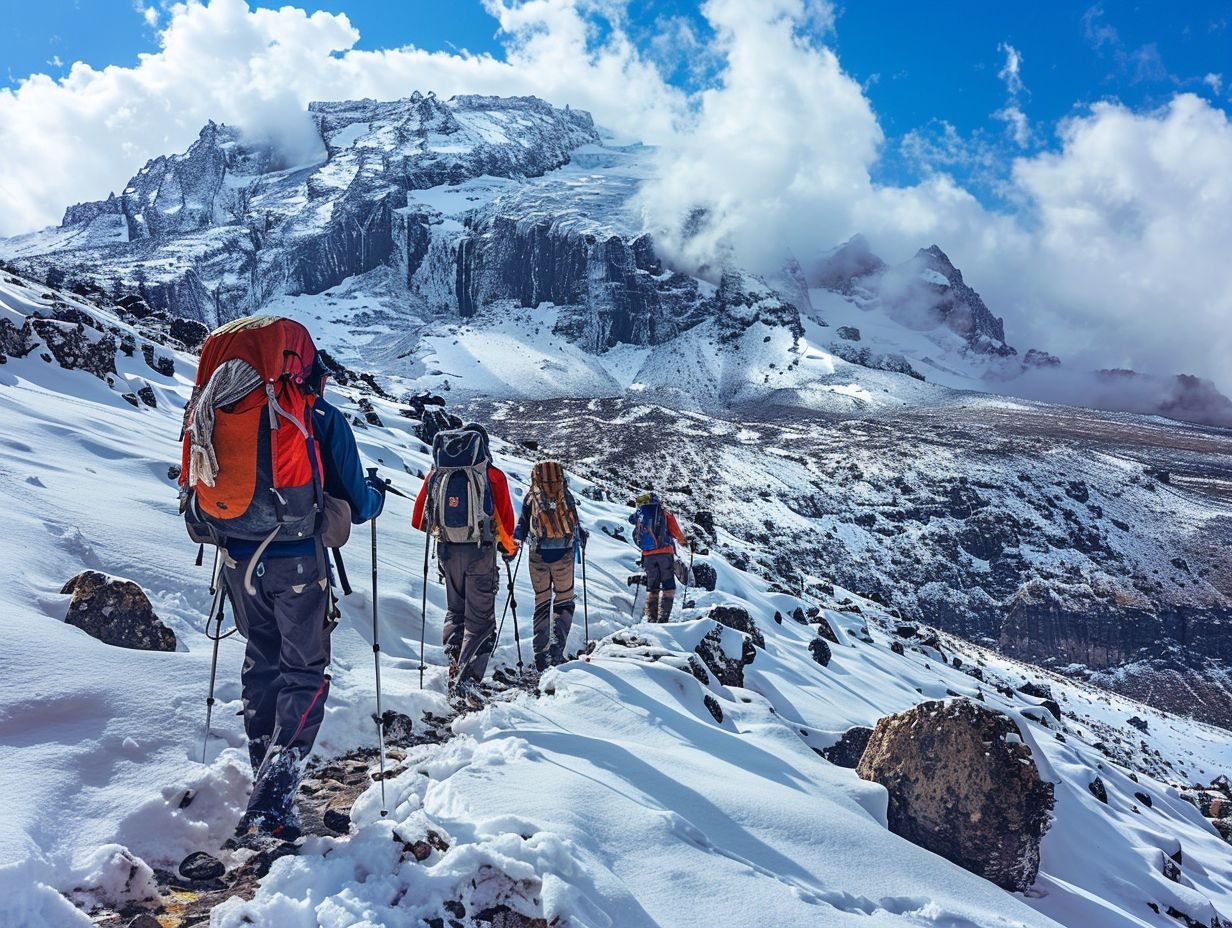
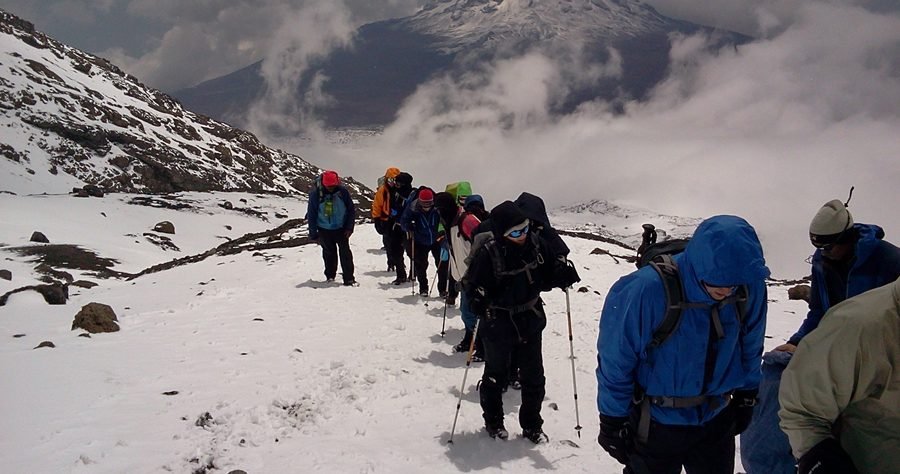
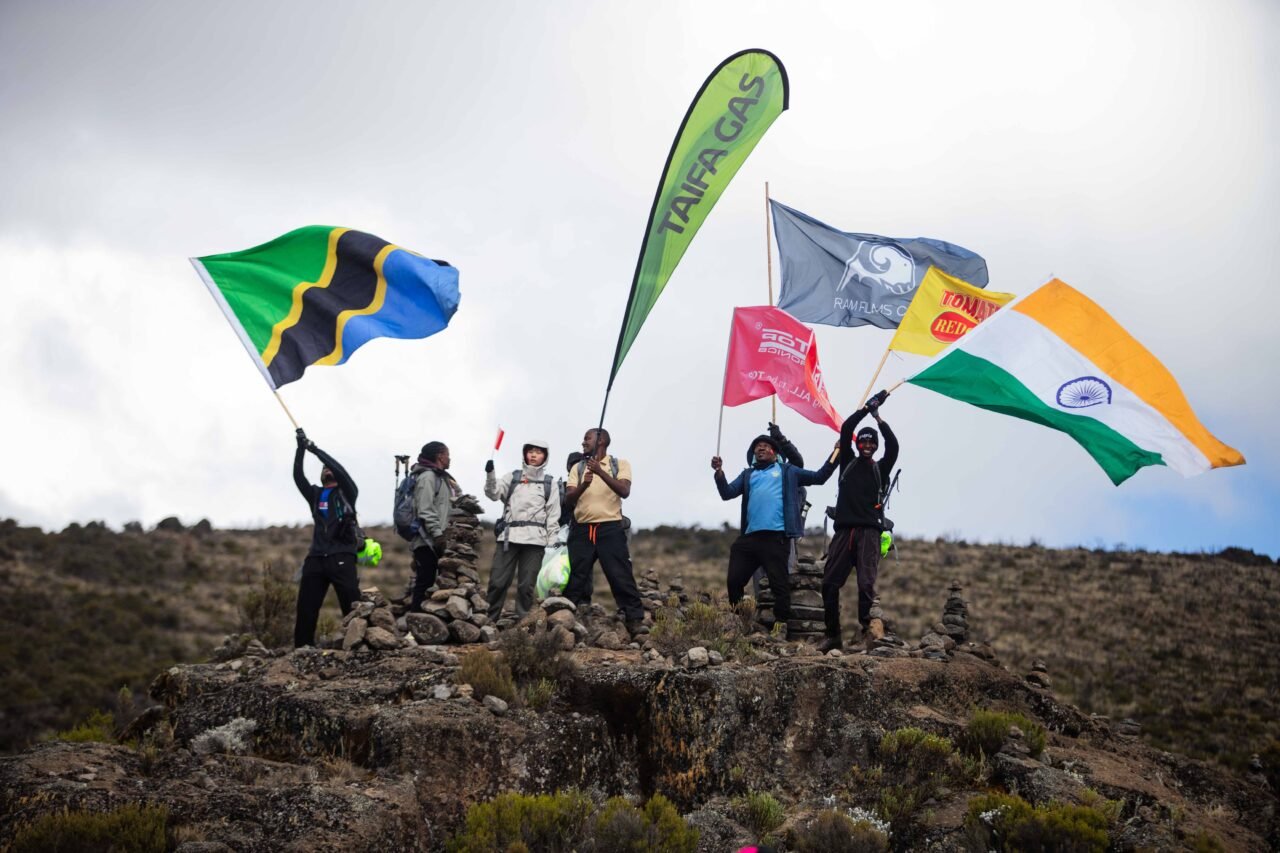
The allure of Africa often conjures images of vast savannas dotted with acacia trees, herds of wildebeest, and the imposing silhouette of Mount Kilimanjaro. While many visitors experience these sights from the comfort of a safari vehicle, a West Kilimanjaro Bike Safari transforms this classic vision into an active, deeply personal, and remarkably intimate encounter. This is not just a cycling trip; it’s an expedition that blends the thrill of pedaling through dramatic scenery with the wonder of close wildlife proximity, the richness of Maasai heritage, and the constant, awe-inspiring presence of Africa’s highest peak. For travelers seeking an adventure that goes beyond the ordinary, the West Kilimanjaro Bike Safari presents an unparalleled opportunity to connect with the heart of Tanzania.
Your Journey Begins: Understanding the West Kilimanjaro Bike Safari
Imagine this: the crisp morning air, the rhythmic whir of your bicycle tires on dusty tracks, and the vast, open plains of West Kilimanjaro stretching before you. In the distance, the snow-capped summit of Mount Kilimanjaro pierces the impossibly blue sky. As you pedal, you might spot a herd of zebras grazing peacefully, giraffes elegantly reaching for leaves, or perhaps even the elusive leopard slinking through the bush. This is the essence of a West Kilimanjaro Bike Safari – an expedition that places you directly within the ecosystem, allowing for a more profound connection with the environment and its inhabitants. Unlike conventional safaris where wildlife is viewed from a distance through vehicle windows, cycling brings you to eye level, making every sighting more immediate and memorable. The sounds, smells, and subtle movements of the wilderness become palpable.
The West Kilimanjaro region, often overshadowed by its more famous northern safari circuit counterparts like the Serengeti and Maasai Mara, offers a unique proposition. It’s a frontier, a vast expanse of rolling grasslands, rocky outcrops, and scattered acacia woodlands, much of which is either communally owned or part of wildlife management areas. This relative remoteness means fewer tourist vehicles, more space for wildlife, and a greater sense of discovery. For cyclists, it translates into unobstructed paths, challenging terrain at times, and the profound quietude of the African bush, punctuated only by the calls of birds and the distant rumble of wildlife.
Why Choose Cycling for Your Kilimanjaro Frontier Adventure?
The decision to explore West Kilimanjaro on two wheels is a deliberate one, driven by a desire for a different kind of safari experience. Cycling offers several distinct advantages:
- in-depth Wildlife Viewing: Moving at a human pace allows for spontaneous encounters. You can stop at any moment to observe animals, listen to their sounds, and truly appreciate their presence without the engine noise of a vehicle. The element of surprise is amplified when you approach wildlife on a bicycle.
- Connection with the Landscape: Feel the terrain under your tires, the sun on your skin, and the wind in your hair. Cycling provides a visceral connection to the environment that is impossible to replicate from inside a car. You notice the smaller details – the tracks in the dust, the different types of grasses, the scent of wild herbs.
- Authentic Cultural Encounters: The routes often pass through or near Maasai villages. Cycling allows for unhurried stops, enabling genuine interactions with Maasai people, learning about their traditions, and understanding their harmonious relationship with the land and wildlife. These encounters are far more meaningful when you arrive by bicycle, signaling a slower, more respectful approach.
- Physical Challenge and Reward: For active travelers, the physical aspect of cycling adds another layer of accomplishment. The effort invested makes the vistas and experiences all the more rewarding. It’s a chance to test your endurance while soaking in some of the most stunning scenery in Africa.
- Reduced Environmental Impact: Compared to motorized vehicles, bicycles have a minimal footprint, aligning with eco-conscious travel principles.
This type of adventure is particularly well-suited for those who are reasonably fit, enjoy outdoor activities, and have a genuine interest in wildlife and cultural immersion. It’s about engaging with Tanzania on its own terms, at a pace that allows for genuine appreciation.
The West Kilimanjaro Landscape: A Cyclist’s Playground
The terrain west of Kilimanjaro is not a uniform flat plain. It’s a dynamic environment shaped by volcanic activity, ancient riverbeds, and the influence of the mountain itself. Understanding this landscape is key to preparing for your West Kilimanjaro Bike Safari.
Geographical Features and Their Impact on Cycling
The region is characterized by:
- Rolling Grasslands: Vast expanses of open savanna dominate, offering long stretches of riding. While seemingly flat, these areas often feature gentle undulations that can provide a good workout.
- Rocky Outcrops and Kopjes: These elevated formations break up the plains, offering unique viewpoints and habitats for wildlife. Cycling paths might weave around them or lead to their summits for panoramic views.
- Arid Shrublands and Acacia Woodlands: Interspersed within the grasslands, these areas provide shade and different wildlife viewing opportunities. The ground surface can vary from sandy tracks to firmer earth.
- Seasonal Riverbeds (Wadis): These dry riverbeds can serve as natural routes. Depending on the season, they might be sandy, requiring more effort, or potentially hold water after rains, creating muddy sections.
- Proximity to Kilimanjaro: The sheer scale of the mountain influences local weather patterns and provides a constant, dramatic backdrop. The altitude here is significant, typically ranging from 1,500 to 2,000 meters (approx. 5,000-6,500 feet), which can affect exertion levels.
Best Times for a West Kilimanjaro Bike Safari (2026-2027 Considerations)
The timing of your trip is crucial for comfort and optimal wildlife viewing. Tanzania has distinct wet and dry seasons, and these directly impact cycling conditions:
- Dry Seasons (June to October, and January to February): These are generally the most popular times for a West Kilimanjaro Bike Safari. The weather is dry, sunny, and temperatures are pleasant during the day, though nights can be cool. Roads are in better condition, with less dust and mud. Wildlife tends to congregate around water sources, making sightings more predictable. For 2026 and 2027, these dry periods remain the prime choices for comfortable cycling.
- Shoulder Seasons (March to May, and November to December): These months can experience rainfall, which can range from short, intense showers to longer, more persistent downpours. While the landscape is lush and green, cycling can be more challenging due to muddy tracks and potentially impassable areas. However, fewer tourists mean a more exclusive experience, and the dramatic skies can be stunning. It’s worth noting that late March to May often sees the heaviest rains.
When planning for 2026-2027, consider booking well in advance for the peak dry seasons, especially if you have specific dates in mind. The shoulder seasons can offer a more flexible and potentially budget-friendly option, provided you are prepared for variable weather.
Wildlife Encounters on Two Wheels
The West Kilimanjaro region is teeming with life, and cycling offers a unique vantage point for observing it. While it’s not a Big Five-dominated park like the Serengeti, the diversity and proximity of animals can be extraordinary.
Animals You Might See
Your cycling routes could bring you face-to-face with:
- Large Mammals: Expect to see large herds of wildebeest and zebras, especially during migration seasons. Giraffes are common, as are various species of antelope, including Grant’s gazelles, Thomson’s gazelles, impalas, and oryx. Elephants can sometimes be found in this region, particularly in the more remote areas.
- Predators: While sightings are less guaranteed than in famous parks, lions, cheetahs, and leopards inhabit West Kilimanjaro. Cycling requires vigilance and awareness, and your guide will ensure safety. You might spot them resting in the shade of an acacia tree or hunting in the open plains.
- Smaller Mammals: Keep an eye out for jackals, hyenas, warthogs, baboons, vervet monkeys, and various smaller antelopes.
- Birdlife: The region is a paradise for birdwatchers, with numerous species of eagles, vultures, bustards, storks, and smaller passerine birds.
Safety and Best Practices for Wildlife Viewing While Cycling
Safety is paramount on a West Kilimanjaro Bike Safari. Your experienced guides are trained to manage wildlife encounters:
- Maintain Distance: Always respect the animals’ space. Do not approach them too closely, especially predators or mothers with young. Your guide will advise on safe viewing distances.
- Stay on Your Bike: Unless explicitly instructed by your guide, dismounting your bike near wildlife is generally not recommended. Being on the bike keeps you higher and more visible, and allows for a quicker retreat if necessary.
- Quiet Observation: Move quietly and avoid sudden noises or movements that could startle animals.
- Follow Your Guide’s Lead: Your guide knows the terrain, animal behavior, and safety protocols. Trust their judgment implicitly. They will carry communication devices and know the best routes to avoid dangerous situations.
- Know the Animals: Familiarize yourself with the common animals in the area and their typical behaviors.
The thrill of seeing animals up close on a bicycle is immense, but it’s crucial to remember that these are wild creatures in their natural habitat. Responsible viewing ensures the safety of both you and the animals.
Cultural Immersion: Connecting with the Maasai People
A West Kilimanjaro Bike Safari is as much about cultural exchange as it is about wildlife. The Maasai, semi-nomadic pastoralists, have inhabited this land for centuries, maintaining a deep connection to their traditions and environment. Cycling allows for a more personal and respectful engagement with their communities.
Visiting Maasai Villages
As you cycle through the region, you will likely pass by or be invited to visit Maasai villages (known as ‘enkang’ or ‘boma’). These visits are carefully arranged to be respectful and beneficial:
- Arranged Visits: Reputable tour operators like Climb 4 Africa will pre-arrange visits to ensure they are welcomed by the community and that the visit is conducted appropriately. This avoids intrusive tourism.
- Understanding Daily Life: Witness firsthand the traditional way of life, from the construction of their unique homesteads (‘manyattas’) made from mud, sticks, and dung, to the daily routines of herding cattle, goats, and sheep.
- Learning About Traditions: Engage with Maasai elders and women to learn about their social structures, customs, beliefs, and their intricate knowledge of the local flora and fauna. You might witness traditional dances, hear stories, and understand their philosophy.
- Respectful Interaction: Always ask permission before taking photographs. Dress modestly. Be open to learning and asking respectful questions. Your guide will facilitate communication and cultural understanding.
The Maasai and Their Relationship with the Land
The Maasai are intrinsically linked to the land and its wildlife. Their traditional lifestyle revolves around cattle, which are central to their economy and culture. This deep connection means they often act as stewards of the environment, understanding its rhythms and needs.
- Pastoralism: Learn how their nomadic or semi-nomadic lifestyle is dictated by the availability of pasture and water for their livestock.
- Conservation Ethos: While facing modern challenges, many Maasai communities retain a respect for wildlife, understanding its role in the ecosystem and often coexisting peacefully with it.
- Cultural Exchange: These interactions offer a profound opportunity to understand a culture that has thrived in harmony with the natural world for generations. It’s a chance to see a different perspective on life, community, and the environment.
By cycling through their lands and visiting their villages, you gain a richer appreciation for the human element of this incredible landscape, moving beyond just the animals and the mountain.
The Majestic Backdrop: Mount Kilimanjaro Views
No discussion of West Kilimanjaro is complete without acknowledging the omnipresent, majestic Mount Kilimanjaro. Its presence profoundly shapes the landscape, the climate, and the experience of any visitor.
Panoramas That Inspire
The western slopes and plains of Kilimanjaro offer some of the most spectacular and unobstructed views of the mountain:
- Unrivaled Vistas: From the cycling routes, you’ll have continuous, sweeping views of Kilimanjaro’s three volcanic cones – Kibo, Mawenzi, and Shira. The sheer scale of the mountain is overwhelming, and seeing it rise from the plains without other major geographical features competing for attention is impressive.
- Changing Light: Witness Kilimanjaro bathed in the golden hues of sunrise, the stark clarity of midday, and the dramatic shadows of sunset. The mountain’s appearance changes constantly with the light and atmospheric conditions.
- From the Saddle: Imagine cresting a small rise on your bike and being greeted by a panoramic view of Kilimanjaro. These moments are often highlights of the trip, offering perfect photo opportunities and a sense of awe.
Altitude Considerations and Their Effect
While you won’t be climbing Kilimanjaro on this bike safari, the altitude in West Kilimanjaro is still significant. The region typically sits between 1,500 and 2,000 meters (5,000-6,500 feet), which is higher than many cities worldwide.
- Acclimatization: Even at these altitudes, some individuals may experience mild altitude effects. It’s advisable to stay hydrated and pace yourself, especially on the first day of cycling.
- Air Quality: The air is generally clean and crisp, offering a refreshing environment for cycling.
- Temperature Fluctuations: While daytime temperatures can be warm, evenings and early mornings can be quite cool due to the altitude. Layering clothing is essential.
The constant presence of Kilimanjaro serves as a powerful reminder of the natural forces that shaped this land and provides an unforgettable visual anchor for your entire adventure.
Planning Your West Kilimanjaro Bike Safari: Key Decisions for 2026-2027
Embarking on a West Kilimanjaro Bike Safari requires careful planning to ensure a safe, enjoyable, and fulfilling experience. Here’s what you need to consider when booking your 2026-2027 adventure.
Choosing the Right Duration and Itinerary
The length of your safari will dictate the scope of your exploration:
- Short Trips (3-4 days): These typically focus on a specific area within West Kilimanjaro, offering a good introduction to cycling, wildlife, and Maasai culture. They are ideal for those with limited time.
- Medium Trips (5-7 days): Allow for deeper exploration of the region, covering more ground, visiting more remote areas, and spending more time with local communities. You might incorporate different types of terrain and encounter a wider range of wildlife.
- Extended Trips (8+ days): For the truly adventurous, longer safaris can combine West Kilimanjaro with other nearby attractions or offer a more leisurely pace, allowing for significant cultural immersion and extensive wildlife viewing. Some itineraries might even link cycling with short walking safaris or cultural visits to other tribes.
The specific routes are often tailored to your fitness level and interests. Some days might involve easier cycling on flatter terrain, while others could include more challenging climbs or longer distances. It’s important to discuss your expectations with your tour operator.
Bike and Equipment Considerations
The type of bicycle and essential equipment can make a significant difference to your comfort and safety:
- Type of Bike: A sturdy mountain bike or a robust hybrid bike with good suspension and comfortable gearing is essential. The terrain can be rough, sandy, or rocky at times. Ensure the bike is well-maintained. Most reputable operators will provide high-quality, well-serviced bikes.
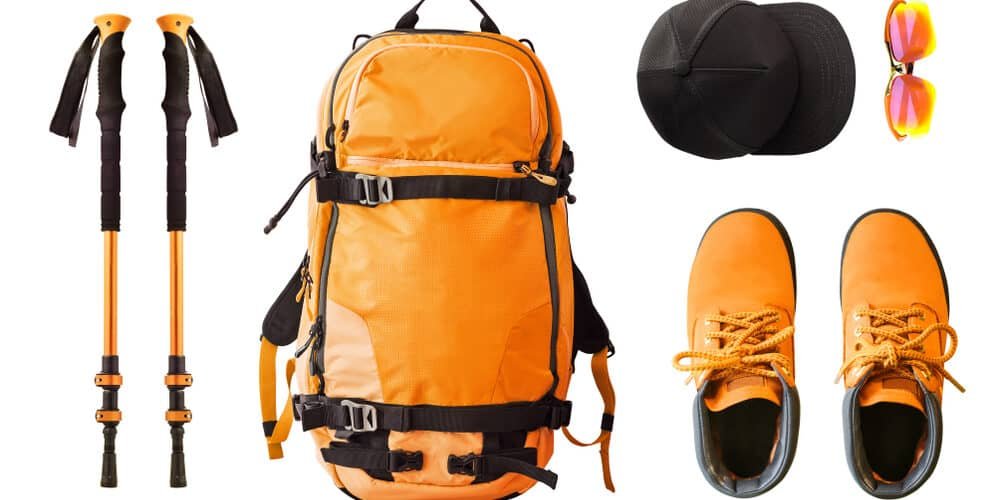
- Essential Gear:
- Helmet: Non-negotiable for safety.
- Cycling Shorts/Padded Trousers: For comfort on long rides.
- Moisture-Wicking Clothing: Lightweight, breathable fabrics are best.
- Sun Protection: High SPF sunscreen, sunglasses, and a wide-brimmed hat or cycling cap.
- Gloves: Padded cycling gloves improve grip and protect your hands.
- Water Bottles/Hydration Pack: Staying hydrated is critical. Ensure you have ample capacity.
- Small Backpack: For carrying water, snacks, camera, and personal items.
- Basic Repair Kit: While your guide will have tools, it’s good to be familiar with basic repairs like fixing a puncture.
- Bringing Your Own Bike vs. Rental: Most travelers opt to rent bikes from the tour operator to avoid the hassle of transport and potential damage. Ensure the rental bike is properly fitted to your size. If you bring your own, confirm it meets the requirements for the terrain.
What’s Typically Included (and What to Confirm)
Understanding inclusions is vital for budgeting and planning. For a West Kilimanjaro Bike Safari, expect:
- Professional Guides: Experienced guides who are knowledgeable about wildlife, local culture, and cycling routes. They are your safety net and cultural interpreters.
- Support Vehicle: A crucial element. A 4×4 vehicle accompanies the cyclists, carrying water, food, spare parts, first-aid supplies, and providing transport for those who need a break or are unable to cycle.
- Meals: Typically, all meals are provided, often prepared by a dedicated camp cook. Expect hearty, nutritious meals suitable for active travelers.
- Accommodation: This can vary from camping in comfortable safari tents to staying in lodges or permanent tented camps, depending on the itinerary.
- Bicycle Rental: As mentioned, this is usually included.
- Park Fees/Conservation Fees: These are often bundled into the tour price.
Crucially, confirm with your operator:
- What is NOT included? Typically, this includes international flights, visas, travel insurance, tips for guides and staff, personal expenses, and alcoholic beverages.
- Specific inclusions/exclusions related to accommodation type, meal details, and equipment.
- Emergency evacuation coverage – is it included, or is it something you must arrange via your travel insurance?
Fitness and Health Preparations
A West Kilimanjaro Bike Safari is an active holiday. Moderate fitness is recommended:
- Cardiovascular Fitness: Regular aerobic exercise (running, swimming, cycling) will prepare you for sustained effort.
- Strength Training: Strengthening your legs and core will help with endurance and stability.
- Altitude Acclimatization: If possible, spend a day or two at a moderate altitude before your safari begins. Stay well-hydrated.
- Medical Consultation: Consult your doctor about necessary vaccinations and malaria prophylaxis.
- Travel Insurance: Ensure your policy covers medical emergencies, including evacuation, and adventure activities like cycling.
Booking Your 2026-2027 West Kilimanjaro Bike Safari: What to Expect
When you’re ready to book your West Kilimanjaro Bike Safari, choosing the right tour operator is paramount. Climb 4 Africa specializes in crafting unique, locally supported adventures in Tanzania.
Working with Climb 4 Africa
Climb 4 Africa has deep roots and practical knowledge of Tanzania, making them an ideal partner for an adventure like this:
- Local Expertise: As a Tanzania-based company, they have firsthand knowledge of the routes, local conditions, wildlife patterns, and Maasai communities. This translates into well-planned, authentic experiences.
- Tailor-Made Options: While standard itineraries exist, Climb 4 Africa excels at customizing trips. They can adjust routes, duration, accommodation, and activities to match your fitness, interests, and budget for 2026-2027.
- Safety First: They prioritize safety with experienced guides, well-maintained equipment, and a support vehicle always present.
- Community Focus: Their tours are designed to provide genuine cultural interactions and support local communities, ensuring your visit is beneficial and respectful.
- Practical Support: From initial inquiry to your departure, Climb 4 Africa provides clear, practical advice and support, answering all your questions about planning and logistics.
The Booking Process
The typical booking process with an operator like Climb 4 Africa involves:
- Initial Inquiry: Contact them with your interest in a West Kilimanjaro Bike Safari, including your preferred travel dates for 2026 or 2027, the number of travelers, and any specific interests or requirements.
- Itinerary Customization: Based on your input, they will propose a draft itinerary, detailing daily activities, routes, accommodation, and inclusions. This is where you can discuss any concerns about fitness, desired wildlife sightings, or cultural experiences.
- Quotation: Once the itinerary is finalized, you’ll receive a detailed quotation. This will clearly outline what is included and excluded, and the payment schedule.
- Deposit and Confirmation: A deposit is typically required to confirm your booking and secure your dates. This is often followed by a confirmation pack with further details.
- Pre-Trip Information: Closer to your departure date, you’ll receive comprehensive information regarding packing lists, visa requirements, health advice, and final arrangements.
Costs and Budget Considerations for 2026-2027
The cost of a West Kilimanjaro Bike Safari can vary significantly based on factors like duration, accommodation style (camping vs. lodges), group size, and level of service. While exact pricing requires a custom quote, here are the general factors influencing cost:
- Duration: Longer trips naturally cost more.
- Accommodation: Camping is generally more budget-friendly than staying in lodges or permanent tented camps.
- Group Size: Private tours are more expensive per person than joining a group departure. Shared departures for 2026-2027 can offer cost savings.
- Inclusions: A more comprehensive package with more included activities or higher-end services will increase the price.
- Time of Year: While less pronounced than on Kilimanjaro climbs, peak safari seasons might see slightly higher rates.
To get an accurate idea for your 2026-2027 trip, it’s best to request a personalized quote. Be prepared for costs that reflect the unique nature of this adventure, including expert guides, support vehicles, quality bikes, and the logistical complexities of operating in remote areas.
Making Your Booking Decision
When you’re comparing options and making your final decision for a West Kilimanjaro Bike Safari in 2026 or 2027, consider the following:
- Operator Reputation: Look for reviews and testimonials that speak to the quality of guiding, safety standards, and authenticity of experiences.
- Itinerary Detail: Does the proposed itinerary clearly outline daily activities, distances, and expected challenges?
- Inclusions and Exclusions: Is everything you expect covered, and are the exclusions clearly stated?
- Communication: How responsive and helpful is the operator during the planning phase? This is often a good indicator of their service level during the trip.
- Local Knowledge: Does the operator demonstrate deep, practical knowledge of Tanzania and the specific region?
A West Kilimanjaro Bike Safari is a significant adventure. Partnering with an experienced and reputable operator like Climb 4 Africa ensures that your journey is not only thrilling but also safe, comfortable, and culturally enriching. They can help you navigate all the details, from choosing the best time to travel in 2026-2027 to ensuring you have the right gear.
Ready to plan your extraordinary West Kilimanjaro Bike Safari? For personalized itineraries, expert advice, and a smooth booking experience for your 2026-2027 adventure, reach out to Climb 4 Africa. You can contact them via WhatsApp at +255 747 477 898 or send an email to climb4africa@gmail.com. Discuss your dream trip and let their local expertise guide you to an unforgettable cycling expedition with wildlife, Maasai culture, and stunning mountain views.
Check Availability for West Kilimanjaro Bike Safari: Cycle With Wildlife, Maasai Culture & Mountain
Ready to compare dates, prices, and the best option for your group? Send the package name and travel month so the team can reply with a clear quote, availability, and what is included.
Kilimanjaro And Mara River Crossing Safari August : Peak Season Adventure 2027
Combining the ultimate challenge of climbing Mount Kilimanjaro with the awe-inspiring spectacle of the Great Migration river crossing in the Maasai Mara offers an unparalleled African...
View package details
Kilimanjaro And Great Migration Safari August : Your Peak Season Adventure
Plan your ultimate Tanzanian adventure in August 2027, combining a Kilimanjaro climb with the spectacle of the Great Migration. This guide details the best timings, routes, and safari...
View package detailsKilimanjaro And Mara River Crossing Safari July 2027
Kilimanjaro and Mara River Crossing Safari July 2027 is explained with current 2027 planning, price, itinerary and booking information.
View package detailsKilimanjaro And Great Migration Safari July : Your Ultimate Tanzanian
Combining a Kilimanjaro climb with a Great Migration safari in July 2027 offers a spectacular Tanzanian adventure. This guide helps you plan your ideal itinerary, considering the best...
View package details
Kilimanjaro And Grumeti Migration Safari June : The Ultimate Tanzanian
Plan your unforgettable Kilimanjaro and Grumeti Migration safari for June 2027. This comprehensive guide details how to combine the challenge of summiting Africa's highest peak with the...
View package details
Best Kilimanjaro And Serengeti Calving Season Safari March 2027
Discover the magic of a March 2027 Kilimanjaro and Serengeti calving season safari. This guide explores the unique advantages and considerations for experiencing Tanzania's wildlife...
View package details
Kilimanjaro And Serengeti Calving Safari February : The Ultimate Planning
Combine the majesty of Mount Kilimanjaro with the impressive spectacle of the Serengeti's calving season in February 2027. This guide details how to plan this dual adventure, focusing on...
View package details
Kilimanjaro And Serengeti Calving Safari January 2026-2027
Kilimanjaro and Serengeti Calving Safari January 2027 is explained with current 2026-2027 planning, price, itinerary and booking information.
View package details
Kilimanjaro Christmas Climb And Tanzania Safari : Your Festive Adventure
Combine the magic of a Christmas ascent of Kilimanjaro with a thrilling Tanzania safari in 2026. Discover how to plan this dual adventure for a truly unique festive season.
View package details
Kilimanjaro 1 May : Your Day Mountain Adventure Awaits 2027
start an unforgettable Kilimanjaro 1 May 2027 adventure. This guide details everything you need to know for a successful May Day climb, from route selection to essential preparation.
View package detailsLast Minute Kilimanjaro August – Group Spaces And Availability 2027
Last Minute Kilimanjaro August 2027 – Group Spaces and Availability is explained with current 2027 planning, price, itinerary and booking information.
View package details
Northern Circuit – 10 July Dry-Season Expedition: Your Ultimate Kilimanjaro
Plan your Northern Circuit expedition for July 10, 2027. This dry-season adventure offers the most scenic and gradual ascent on Kilimanjaro, maximizing acclimatization and success rates.
View package detailsNo related package matches those filters. Clear one or more filters to see the other topic-matched options.



