
A Kilimanjaro Wildlife & Forest Photography Safari offers an exceptional opportunity to capture the diverse ecosystems surrounding Africa’s highest peak, from its lush montane forests teeming with endemic birds and mammals to the dramatic alpine zones and summit views. This specialized safari combines the challenge and grandeur of climbing Kilimanjaro with dedicated wildlife viewing and photography, focusing on the unique species and landscapes found within and around the mountain’s lower slopes and adjacent parks, making it ideal for photographers seeking both challenging treks and rich wildlife encounters in 2026-2027.
Understanding Your Kilimanjaro Wildlife & Forest Photography Safari
The concept of a Kilimanjaro Wildlife & Forest Photography Safari is multifaceted. It’s not just about climbing the mountain; it’s about experiencing and documenting the incredible biodiversity that thrives on its slopes and in the surrounding regions. This type of safari appeals to photographers and nature enthusiasts who want more than just a summit attempt. They seek to experience themselves in the natural world, capturing images of the unique flora and fauna of the Kilimanjaro ecosystem, and often, extending their experience into nearby national parks for a more comprehensive wildlife photography adventure. For 2026-2027, planning this dual-purpose trip requires careful consideration of timing, routes, and specific interests.
Key elements to consider for a Kilimanjaro Wildlife & Forest Photography Safari:
- Focus on Ecosystems: Unlike a typical wildlife safari concentrated in open savannahs, this safari highlights the distinct ecological zones of Kilimanjaro, from the dense rainforest at the base to the alpine desert and arctic summit. Each zone presents unique photographic subjects.
- Wildlife and Birdlife: While not a Big Five destination in the same vein as the Serengeti, Kilimanjaro’s forests are home to various monkey species (like the Colobus and Blue Monkey), diverse birdlife (including many endemic species), and smaller mammals. Photography opportunities here are about subtlety and observation.
- Landscape Photography: The dramatic topography of Kilimanjaro itself, including its glaciers, craters, and expansive views over the Tanzanian plains, offers unparalleled opportunities for landscape photography.
- Integration with Climbing: The safari component can be integrated directly into your Kilimanjaro climb, with guided walks and dedicated time for photography within the forest zone, or it can be a separate excursion before or after your trek, perhaps focusing on nearby parks like Arusha National Park.
- Expert Guidance: For photographers, having guides knowledgeable in both wildlife behavior and optimal shooting conditions is crucial. Local operators like Climb 4 Africa understand these nuances deeply.
When planning for 2026 or 2027, understanding these components will help you tailor the perfect photographic expedition. It’s about balancing the physical demands of the climb with the patience and opportunity required for wildlife photography.
Choosing the Right Kilimanjaro Route for Photography
The route you choose for your Kilimanjaro ascent significantly impacts your photographic opportunities, especially concerning wildlife and forest photography. Some routes traverse more biodiverse areas for longer periods, offering more chances to observe and photograph the mountain’s unique ecosystems.
Marangu Route: The “Coca-Cola” Route
The Marangu Route is the oldest and most established route. It’s known for its accessibility and the fact that climbers can opt for dorm-style accommodation in huts, earning it the nickname “Coca-Cola” route. While popular for its relative ease and shorter duration options, it’s generally considered less ideal for extensive wildlife and forest photography during the climb itself.
- Pros for Photography: Offers sheltered huts, which can be a relief in inclement weather. The initial forest section is accessible for photography.
- Cons for Photography: Ascends and descends on the same path, limiting varied scenery. Wildlife sightings are less common on the upper slopes compared to other routes. The forest section is traversed relatively quickly.
Machame Route: The “Whiskey” Route
The Machame Route is arguably the most scenic and popular route, known for its “climb high, sleep low” strategy, which aids acclimatization. It offers diverse landscapes and a longer immersion in the montane forest and moorland zones, making it excellent for photography.
- Pros for Photography: Longer exposure to the montane forest and moorland zones, increasing chances of spotting Colobus monkeys, Blue Monkeys, and various bird species. Offers spectacular views as you traverse different sides of the mountain. The descent on a different path from the ascent provides new photographic perspectives.
- Cons for Photography: Steeper ascents in sections, which might require more focus on climbing than photography at times.
Given its longer duration and diverse terrain, the Machame Route is often a superior choice for a Kilimanjaro Wildlife & Forest Photography Safari, particularly if you aim to capture the varied forest and moorland environments. Many photographers choose this route for its increased chances of encountering wildlife and capturing unique flora.
Lemosho Route
The Lemosho Route is renowned for its beauty and high success rate. It starts in the west, offering a more remote and wild experience, passing through pristine forest areas before joining the Machame route. This extended time in the forest is a significant advantage for photographers.
- Pros for Photography: Excellent wildlife viewing opportunities in the early days due to its remote start through untouched forest. Offers incredibly scenic vistas and diverse landscapes. Longer duration means more time to observe and photograph.
- Cons for Photography: Generally longer and more expensive than other routes.
For serious photographers focusing on wildlife and forest environments, the Lemosho Route presents a compelling option, especially for 2026-2027 expeditions where maximizing photographic opportunities is key.
Shira Route
Similar to Lemosho, the Shira Route starts in the west and offers stunning views and a good chance of wildlife sightings in its early stages. It also offers a longer period in the montane forest.
- Pros for Photography: Similar advantages to Lemosho regarding early forest immersion and wildlife potential.
- Cons for Photography: Higher starting altitude can be challenging for acclimatization.
Rongai Route
The Rongai Route approaches Kilimanjaro from the north, offering a different perspective and often drier conditions. It’s known for its good acclimatization profile and success rates.
- Pros for Photography: The northern side can offer unique light for photography. It’s less crowded, allowing for more peaceful observation.
- Cons for Photography: Spends less time in the dense montane forest compared to western routes like Machame or Lemosho. Wildlife sightings may be more focused on smaller animals and birds.
Northern Circuit & Umbwe Route
The Northern Circuit is the longest route, offering the highest success rates and extensive acclimatization, which means more time to appreciate and photograph the diverse scenery and wildlife zones. The Umbwe Route is the shortest, steepest, and most challenging, generally not recommended for photography-focused climbs due to its rapid ascent and difficulty.
Recommendation for Photography: For a Kilimanjaro Wildlife & Forest Photography Safari, the Lemosho Route and the Machame Route are often the top choices. They provide the most extended exposure to the rich montane forest ecosystem, where most of the unique wildlife and birdlife reside, and offer varied photographic landscapes. Planning for 2026-2027, booking these popular routes well in advance is advisable.
Wildlife and Birdlife Photography Opportunities on Kilimanjaro
Kilimanjaro’s biodiversity is a treasure trove for patient photographers. While it may not boast the vast herds of the Serengeti, its unique ecosystems harbor specialized species that are incredibly rewarding to capture.
Mammals of Kilimanjaro’s Forests
The montane forest zone, typically encountered on days 1-2 of most routes, is the prime area for mammal photography. This dense, humid environment requires patience and a keen eye.
- Colobus Monkeys: These striking black-and-white monkeys are a highlight. Their acrobatic leaps through the canopy and distinctive markings make for fantastic shots. They are often seen in small troops.
- Blue Monkeys (Sykes’ Monkeys): These grey and black monkeys with white faces are more shy but can be spotted foraging. Their intelligent expressions are interesting subjects.
- Bushbuck: Elusive and generally solitary, spotting a bushbuck is a treat. Their dappled coats provide excellent camouflage.
- Bush Pig: Though rarely seen during the day, their tracks are common. A sighting is rare but thrilling.
- Small Mammals: Various smaller creatures like mongooses, shrews, and perhaps even glimpses of serval cats (very rare) inhabit these forests.
Birdlife: A Photographer’s Paradise
Kilimanjaro is a birdwatcher’s and bird photographer’s dream, with over 170 species recorded. The montane forest and moorland zones are particularly rich.
- Endemic Species: Keep an eye out for species like the Abyssinian Ground Thrush, Kindberg’s Pipit, and the striking White-necked Raven.
- Forest Birds: Look for Turacos (like the Great Blue Turaco, though more common at lower altitudes), hornbills, barbets, and various sunbirds and flycatchers flitting through the undergrowth and canopy.
- Alpine and Moorland Birds: Higher up, you might spot the Alpine Chat, Hill Chat, Scarlet-tufted Sunbird, and various raptors soaring above.
- Raptors: Eagles and buzzards are often seen, especially around the higher slopes and Kibo crater rim.
Photography Tips for Wildlife and Birds:
- Patience is Key: Wildlife and birds require patience. Spend time in one area, observe, and wait for subjects to appear.
- Long Lenses: A telephoto lens (300mm or more) is essential for capturing sharp images of birds and shy mammals without disturbing them.
- Low Light: The forest canopy creates low-light conditions. A lens with a wide aperture (f/2.8 or f/4) and good image stabilization will be invaluable. Fast ISO capabilities on your camera are also beneficial.
- Focus on Behavior: Try to capture subjects interacting with their environment – a monkey grooming, a bird feeding, or a unique plant it’s perched on.
- Listen: Bird calls can often alert you to their presence before you see them.
- Tripod/Monopod: Essential for stability in low light and for sharp shots, especially with longer lenses. A lightweight travel tripod or a monopod is recommended.
For your 2026-2027 Kilimanjaro Wildlife & Forest Photography Safari, dedicating time to these lower slopes is crucial for maximizing these photographic opportunities. Consider adding a day or two specifically for exploring these zones with your guide.
Landscape Photography: Capturing Kilimanjaro’s Majesty
Beyond the wildlife, Kilimanjaro itself is a monumental subject for photographers. Its sheer scale, dramatic geological features, and changing light conditions offer a lifetime of landscape photography subjects.
The Diverse Zones
Each of Kilimanjaro’s five distinct vegetation zones presents unique photographic challenges and rewards:
- Cultivation Zone: The lower slopes, often farmed, offer glimpses of rural life and lush greenery. Early morning light can be beautiful here, illuminating the farmlands with Mount Kilimanjaro as a backdrop.
- Rainforest Zone: Lush, dense, and often misty. Capturing the scale of the forest can be challenging, but focusing on details – moss-covered trees, giant ferns, shafts of light breaking through the canopy – yields stunning results.
- Heath and Moorland Zone: As you ascend, the trees give way to heather, giant groundsels, and lobelias. These unique, almost alien-looking plants are fantastic subjects, especially when framed against the mountain’s silhouette or dramatic skies.
- Alpine Desert Zone: A stark, rocky landscape with sparse vegetation. This zone offers grand, sweeping vistas and emphasizes the mountain’s immense scale. The colors here are often muted earth tones, demanding attention to light and shadow.
- Arctic Zone: The summit region, characterized by scree, rock, ice, and snow. The glaciers, the crater, and the sunrise/sunset views from Stella Point or Uhuru Peak are iconic photographic moments.
Iconic Photographic Moments
- Sunrise/Sunset: Witnessing the sun rise or set from the upper slopes, casting long shadows and bathing the landscape in golden or fiery hues, is unforgettable. The view from the crater rim at dawn is particularly famous.
- Glaciers and Ice Fields: The remaining glaciers are a poignant and visually striking element of the summit zone. Capturing their texture, form, and the way they interact with light is essential.
- The Crater Rim: The vast expanse of the crater, with its fumaroles and the distant ice cliffs, presents a dramatic and otherworldly scene.
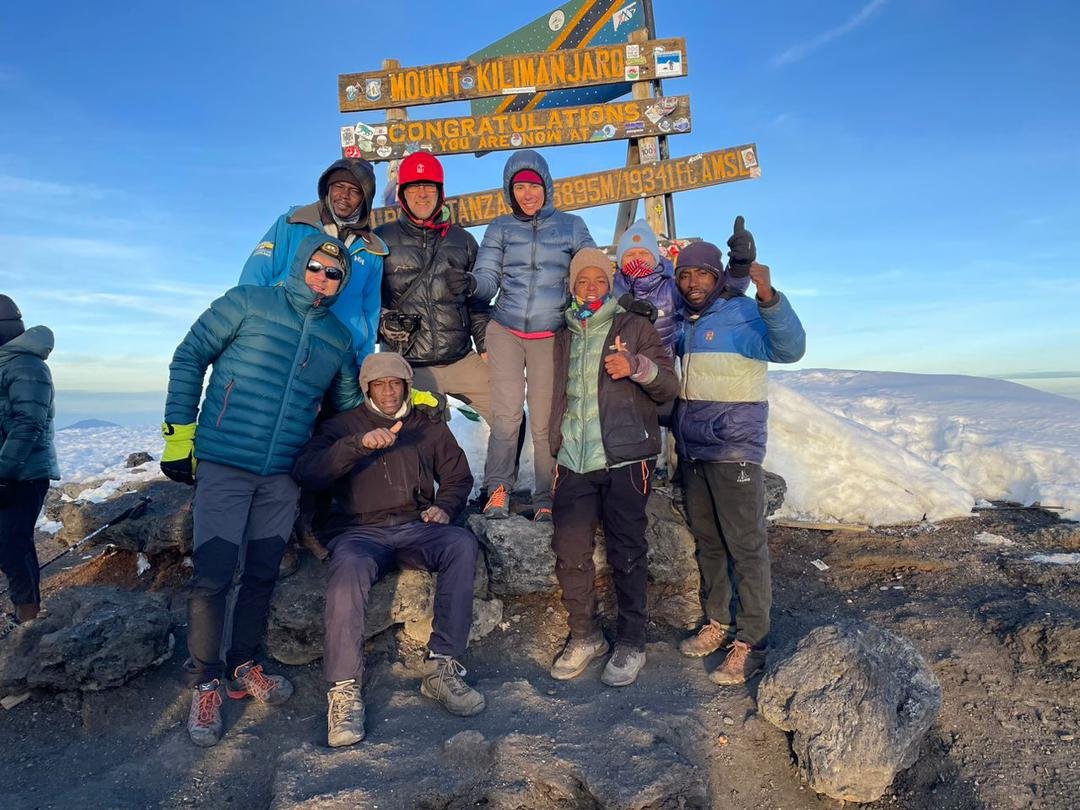
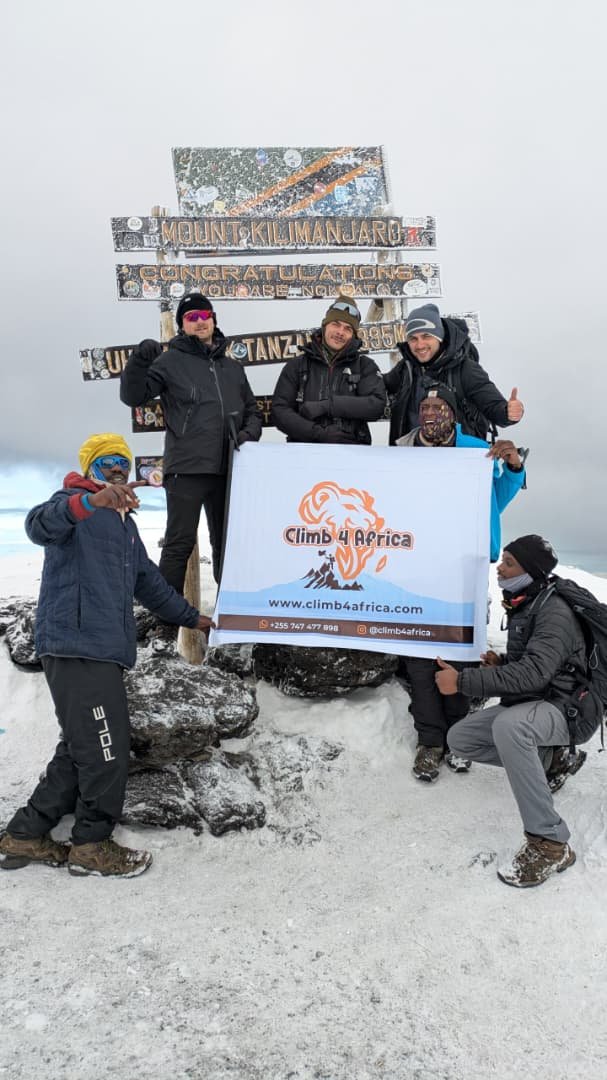
- Uhuru Peak: The highest point in Africa, often marked by a sign. Capturing the sense of achievement here, with the vastness of the landscape stretching out below, is a powerful image.
- Cloud Inversions: On clear days, looking down from the higher slopes, you might see a sea of clouds below, with the peaks of Kilimanjaro piercing through. This creates stunning visual contrasts.
Landscape Photography Gear & Techniques:
- Wide-Angle Lens: Essential for capturing the grandeur of the mountain and sweeping vistas. A 16-35mm or similar is ideal.
- Tripod: Crucial for sharp landscape shots, especially in low light (dawn/dusk) or for long exposures.
- Filters: A polarizing filter can enhance skies and reduce glare, while a graduated neutral density filter can help balance exposures between bright skies and darker foregrounds.
- Composition: Use leading lines (like trails or rock formations), foreground elements, and the rule of thirds to create compelling compositions. Look for patterns and textures.
- Timing: The “golden hours” (shortly after sunrise and before sunset) offer the most dramatic and flattering light.
For your 2026-2027 Kilimanjaro Wildlife & Forest Photography Safari, integrating dedicated time for landscape photography during the trek, especially during sunrise and sunset, will significantly enhance your portfolio.
Beyond the Climb: Extending Your Photography Safari
While Kilimanjaro itself offers incredible photographic subjects, many photographers choose to combine their trek with a traditional wildlife safari in nearby national parks. This offers a broader perspective on Tanzania’s natural beauty and its iconic wildlife.
Arusha National Park
Located very close to Kilimanjaro, Arusha National Park is an excellent choice for a short, impactful photography safari. It features diverse landscapes, including the Momella Lakes (known for flamingos and other waterbirds), the Ngurdoto Crater, and Mount Meru’s foothills.
- Wildlife: Known for its large herds of buffalo, zebras, giraffes, various monkey species (including Colobus monkeys), and abundant birdlife.
- Photography Focus: Excellent for waterbird photography, landscape shots of Mount Meru, and capturing wildlife against scenic backdrops. The Ngurdoto Crater offers unique viewing opportunities.
- Logistics: Easily accessible from Moshi or Arusha town, making it ideal for a day trip or a 1-2 day excursion before or after your Kilimanjaro climb.
Tarangire National Park
Famous for its massive baobab trees and large elephant herds, Tarangire is a fantastic destination for wildlife photography, particularly during the dry season when animals congregate around the Tarangire River.
- Wildlife: Huge elephant populations, lions, leopards, cheetahs, giraffes, zebras, wildebeest, and over 550 bird species.
- Photography Focus: Iconic baobab trees, dramatic elephant encounters, and diverse birdlife. The park offers a different photographic feel from the Serengeti.
- Logistics: Usually combined with the Northern Circuit safari destinations.
Lake Manyara National Park
This park is known for its tree-climbing lions (though sightings are not guaranteed), its large elephant population, and its stunning lake that attracts a variety of waterbirds.
- Wildlife: Famous for its tree-climbing lions, large troops of baboons, elephants, hippos, and over 300 bird species, including flamingos.
- Photography Focus: Birdlife, elephants, and the unique lake ecosystem. Capturing the elusive tree-climbing lions requires patience.
- Logistics: Often visited as part of a Northern Circuit safari.
Serengeti National Park
The Serengeti is world-renowned for the Great Migration and its vast plains teeming with wildlife. It’s the quintessential African safari destination.
- Wildlife: Home to lions, leopards, cheetahs, elephants, giraffes, hippos, crocodiles, and millions of wildebeest and zebras during the migration. Over 500 bird species.
- Photography Focus: The Great Migration (seasonal), predator action, vast landscapes, and an immense variety of iconic African animals.
- Logistics: Requires more time, typically 3-4 days, and is usually part of a longer safari itinerary.
Ngorongoro Conservation Area
The Ngorongoro Crater offers a unique wildlife photography experience within a collapsed volcano caldera, boasting a high density of animals.
- Wildlife: Exceptional concentrations of lions, elephants, rhinos (including the rare black rhino), hippos, wildebeest, zebras, and over 400 bird species.
- Photography Focus: High concentration of wildlife in a stunning natural amphitheater. Excellent opportunities for predator photography and rhinos.
- Logistics: Typically visited for a full day of game driving within the crater.
Combining Kilimanjaro and Safari for 2026-2027:
For your 2026-2027 Kilimanjaro Wildlife & Forest Photography Safari, consider adding 3-5 days of safari. A popular combination is climbing Kilimanjaro via the Machame or Lemosho route, followed by a safari to Lake Manyara, Tarangire, and the Ngorongoro Crater. This provides a fantastic blend of mountain landscapes, forest biodiversity, and iconic savannah wildlife.
When planning, discuss your photographic interests with your tour operator. They can help tailor itineraries to maximize wildlife viewing and provide guides who understand the needs of photographers. For example, requesting early morning or late afternoon game drives can yield the best light.
You can find more details on our Tanzania safari offerings here: Tanzania Safaris & Group Departures.
Planning Your 2026-2027 Kilimanjaro Photography Safari: Key Considerations
Successful planning for a Kilimanjaro Wildlife & Forest Photography Safari involves more than just booking a trip. It requires attention to detail, understanding seasonal variations, and preparing your gear.
Best Time to Travel for Photography
The best times for photography on Kilimanjaro and surrounding parks are during the dry seasons, which offer clearer skies and better visibility, though wildlife viewing can also be good during transitional periods.
- January to March: Generally dry and warm. Good for climbing and wildlife viewing. The landscape is often green after the short rains.
- June to October: The main dry season. Clear skies, excellent visibility, and cooler temperatures. This is peak season for both climbing and safari, so book well in advance for 2026-2027. Wildlife congregates around water sources.
- Shoulder Seasons (April-May and November-December): These are the rainy seasons. While not ideal for climbing due to mud and poor visibility, they can offer lush landscapes and fewer crowds, which can be beneficial for photography if you are prepared for the weather. Birdlife is often more active.
For Photography: The dry seasons (Jan-Mar and Jun-Oct) are generally preferred for their reliable weather and clear light. However, the green landscapes post-rains can be very photogenic. Consider the migration patterns if adding a Serengeti component to your 2026-2027 trip.
Physical Preparation and Acclimatization
Climbing Kilimanjaro, even with a photography focus, is physically demanding. Good fitness is crucial. Proper acclimatization, facilitated by choosing longer routes like Lemosho or Machame, is paramount for reaching the summit safely and enjoying the journey.
- Fitness: Engage in regular cardiovascular exercise, hiking with a backpack, and strength training in the months leading up to your trip.
- Acclimatization: Longer routes (7-8 days) significantly improve acclimatization rates and success. Listen to your body and your guide.
- Altitude Sickness: Understand the symptoms and be prepared to descend if necessary. Hydration and slow ascent are key preventative measures.
Photography Gear Checklist
Investing in the right gear will make a significant difference to your Kilimanjaro Wildlife & Forest Photography Safari.
- Camera Bodies: At least one reliable DSLR or mirrorless camera. A backup body is recommended for remote expeditions.
- Lenses: A versatile zoom (e.g., 24-70mm or 24-105mm), a telephoto zoom (e.g., 70-200mm, 100-400mm), and potentially a wide-angle lens (e.g., 16-35mm) for landscapes. A macro lens can be great for forest details.
- Tripod/Monopod: Essential for stability, especially in low light or for long exposures. A lightweight travel model is best.
- Batteries: Bring multiple spare batteries. Cold temperatures drain batteries faster.
- Memory Cards: Plenty of high-capacity cards.
- Cleaning Kit: Lens cloths, blower, and brush for dust and moisture.
- Protection: Waterproof camera bag or cover. Dry bags are useful for protecting gear from rain and dew.
- Power Bank/Solar Charger: For recharging devices, especially if camping.
- Headlamp: Essential for navigating in the dark, especially for summit night and early morning photography.
What to Pack (Beyond Photography Gear)
Standard Kilimanjaro packing lists apply, but consider items that enhance comfort and photography experience:
- Layered clothing for varying temperatures
- Waterproof and windproof outer layers
- Sturdy hiking boots
- Warm hat and gloves
- Sunscreen, sunglasses, and lip balm
- Insect repellent
- Personal first-aid kit
- Headlamp with spare batteries
- Water bottles or hydration reservoir
- Snacks (energy bars, nuts)
Booking Your 2026-2027 Safari
Booking your Kilimanjaro Wildlife & Forest Photography Safari for 2026 or 2027 requires careful selection of a reputable operator. Look for companies with extensive experience in both Kilimanjaro climbs and wildlife safaris, and critically, guides knowledgeable about photography.
When booking, confirm:
- Inclusions: What is covered (accommodation, meals, park fees, guide fees, porterage, transfers)?
- Exclusions: What is not covered (tips, personal gear, visa, travel insurance)?
- Guide Qualifications: Are guides trained in mountain rescue and knowledgeable about local flora and fauna? Do they understand photographic needs?
- Group Size: Smaller groups often provide a more intimate and flexible experience, which is ideal for photography.
- Safety Protocols: What emergency procedures are in place?
For a highly personalized and expertly guided Kilimanjaro Wildlife & Forest Photography Safari in 2026 or 2027, reaching out to Climb 4 Africa is a wise step. They specialize in tailoring adventures to meet specific traveler interests, including photography.
Choosing a Tour Operator for Your Photography Safari
The success of your Kilimanjaro Wildlife & Forest Photography Safari hinges significantly on the expertise and support of your tour operator. For 2026-2027, choosing a provider with a strong local presence and a proven track record is essential.
Why Local Expertise Matters
Local operators like Climb 4 Africa possess invaluable on-the-ground knowledge that larger, international companies might lack. This includes:
- Best Guides: Access to experienced, certified guides who know the mountain intimately and can identify wildlife and optimal photo spots.
- Logistical Efficiency: smooth handling of park entries, permits, food, and equipment, ensuring smooth operations.
- Flexibility: Ability to adapt itineraries slightly to accommodate photographic opportunities or weather changes.
- Support Network: Established relationships with park authorities and emergency services.
- Understanding Local Conditions: Knowledge of seasonal wildlife movements, weather patterns, and best times for photography in specific locations.
What Climb 4 Africa Offers
Climb 4 Africa specializes in Kilimanjaro climbs and Tanzanian safaris, with a focus on providing practical, locally-supported experiences. They understand the unique demands of a photography-focused trip.
- Tailored Itineraries: They can craft custom itineraries that prioritize photographic opportunities, whether it’s spending extra time in the forest zone or extending safari days for better light.
- Experienced Guides: Their guides are not only skilled mountaineers but also have a deep appreciation for the natural environment, often pointing out wildlife and unique flora that others might miss.
- Comprehensive Packages: They offer clear inclusions and exclusions, ensuring you know what to expect regarding costs and services for your 2026-2027 adventure.
- Safety First: Safety is paramount, with well-trained guides and established emergency protocols.
Making Your Booking Decision
When you’re ready to plan your 2026-2027 Kilimanjaro Wildlife & Forest Photography Safari, consider the following:
- Discuss Your Goals: Clearly communicate your primary interest in photography. Mention specific wildlife or landscape shots you hope to capture.
- Ask About Guide Specialization: Inquire if guides have experience assisting photographers or can identify good photographic moments.
- Itinerary Customization: Be open to suggestions for routes or durations that best suit your photographic interests. For example, a 7-day Machame or 8-day Lemosho route is often recommended for more forest immersion.
- Inclusions for Photographers: While not standard, some operators might be able to accommodate requests like ensuring packed lunches are suitable for eating in scenic spots for photography.
Ready to plan your ultimate Kilimanjaro Wildlife & Forest Photography Safari for 2026 or 2027?
Contact Climb 4 Africa to discuss your specific photographic interests and to receive a personalized itinerary and quote. Their expertise ensures you get the most out of your adventure, both in terms of reaching the summit and capturing stunning images.
WhatsApp: +255 747 477 898
Email: climb4africa@gmail.com
Let Climb 4 Africa help you craft an unforgettable photographic journey on and around Kilimanjaro.
You can also check out general safari departure dates here: Tanzania Safaris Group Departures and specific Kilimanjaro route details like the Machame Route here: Machame Route Kilimanjaro Group Departures.
For inspiration and insights into Tanzanian adventures, explore our blog: Tanzania Safari Tours Blog.
See what other travelers say about their experiences: TripAdvisor Reviews.
And follow our adventures on Instagram: Instagram @climb4africa.
For more information on tailor-made trips, visit: Climb 4 Africa.
“,
“faq_schema”: [
{
“question”: “What wildlife can I expect to see on a Kilimanjaro Wildlife & Forest Photography Safari?”,
“answer”: “While Kilimanjaro is not a Big Five destination, the montane forest zone is rich in unique species. You can expect to photograph Colobus monkeys, Blue Monkeys, various birds (including endemic species), bushbuck, and potentially smaller mammals. The surrounding national parks offer more iconic wildlife like elephants, lions, and buffalos.”
},
{
“question”: “Which Kilimanjaro route is best for photography?”,
“answer”: “The Lemosho and Machame routes are generally considered best for photography due to their longer duration and extended traverses through the diverse montane forest and moorland zones, offering more opportunities for wildlife and landscape shots. The Northern Circuit also offers extended views and acclimatization.”
},
{
“question”: “When is the best time for a Kilimanjaro Wildlife & Forest Photography Safari in 2026-2027?”,
“answer”: “The dry seasons, January to March and June to October, are ideal for clear skies and stable weather, benefiting both climbing and photography. However, shoulder seasons can offer lush landscapes and fewer crowds, which can also be advantageous for photographers prepared for rain.”
},
{
“question”: “What photography gear is essential for this type of safari?”,
“answer”: “Essential gear includes a reliable camera body, a versatile range of lenses (wide-angle, telephoto, and possibly macro), a sturdy tripod or monopod, plenty of spare batteries, memory cards, and a good camera cleaning kit. Waterproof protection for your gear is also crucial.”
},
{
“question”: “Can I combine a Kilimanjaro climb with a traditional wildlife safari?”,
“answer”: “Absolutely. Many photographers combine their Kilimanjaro climb with safaris in nearby parks like Arusha National Park, Lake Manyara, Tarangire, the Serengeti, or the Ngorongoro Crater to capture a wider range of wildlife and landscapes. This is a popular option for 2026-2027 trips.”
},
{
“question”: “How should I prepare physically for this safari?”,
“answer”: “Good cardiovascular fitness is essential. Engage in regular hiking with a backpack, and strength training in the months leading up to your trip. Proper acclimatization, achieved through choosing longer routes and ascending slowly, is also critical for both safety and enjoyment.”
}
]
}
“`
Check Availability for Kilimanjaro Wildlife & Forest Photography Safari – Mountain, Birds & Mammals
Ready to compare dates, prices, and the best option for your group? Send the package name and travel month so the team can reply with a clear quote, availability, and what is included.
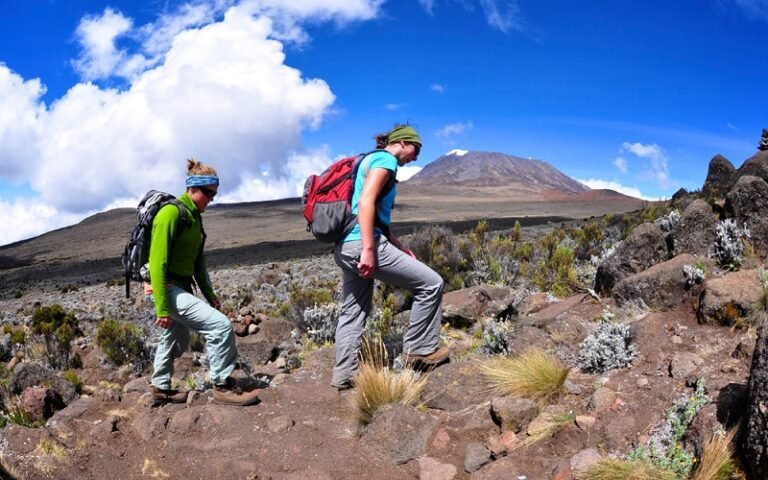
Kilimanjaro And Mara River Crossing Safari August : Peak Season Adventure 2027
Combining the ultimate challenge of climbing Mount Kilimanjaro with the awe-inspiring spectacle of the Great Migration river crossing in the Maasai Mara offers an unparalleled African...
View package details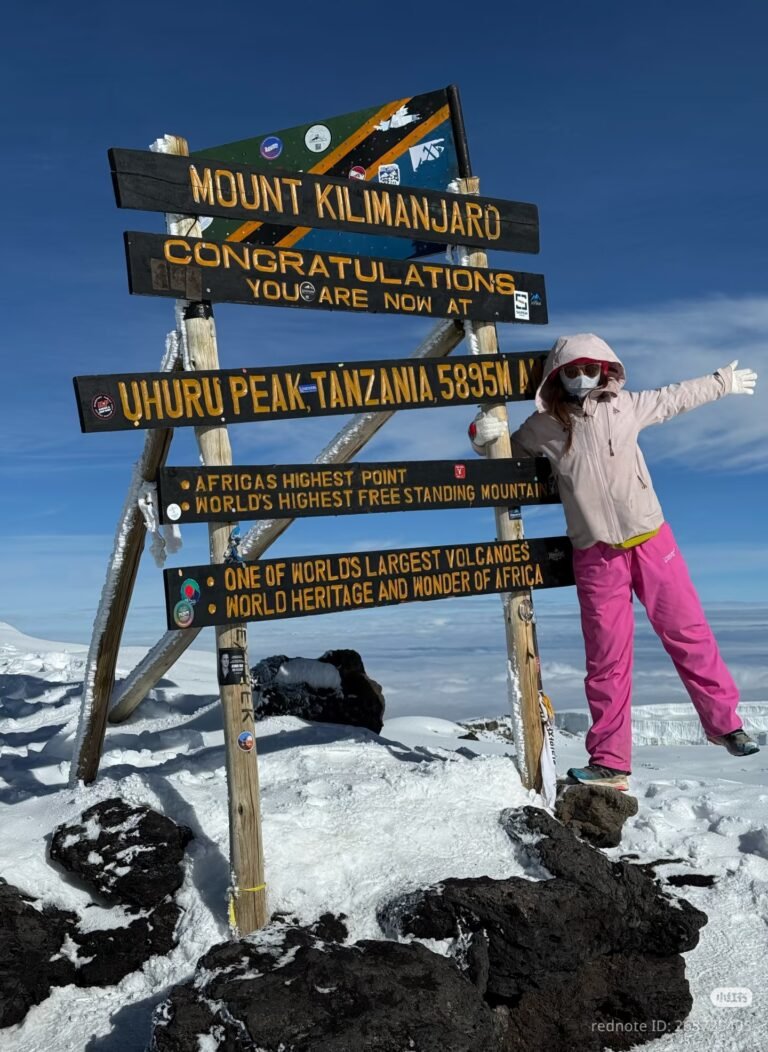
Kilimanjaro And Great Migration Safari August : Your Peak Season Adventure
Plan your ultimate Tanzanian adventure in August 2027, combining a Kilimanjaro climb with the spectacle of the Great Migration. This guide details the best timings, routes, and safari...
View package detailsKilimanjaro And Mara River Crossing Safari July 2027
Kilimanjaro and Mara River Crossing Safari July 2027 is explained with current 2027 planning, price, itinerary and booking information.
View package detailsKilimanjaro And Great Migration Safari July : Your Ultimate Tanzanian
Combining a Kilimanjaro climb with a Great Migration safari in July 2027 offers a spectacular Tanzanian adventure. This guide helps you plan your ideal itinerary, considering the best...
View package details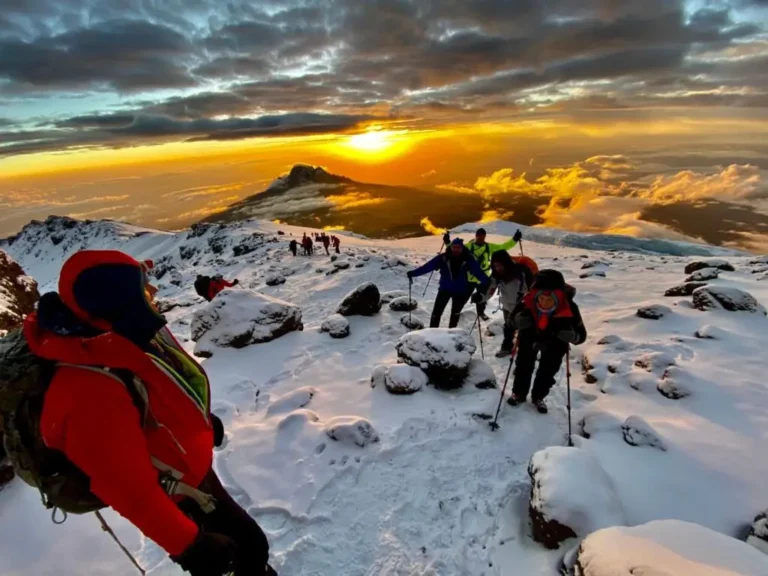
Kilimanjaro And Grumeti Migration Safari June : The Ultimate Tanzanian
Plan your unforgettable Kilimanjaro and Grumeti Migration safari for June 2027. This comprehensive guide details how to combine the challenge of summiting Africa's highest peak with the...
View package details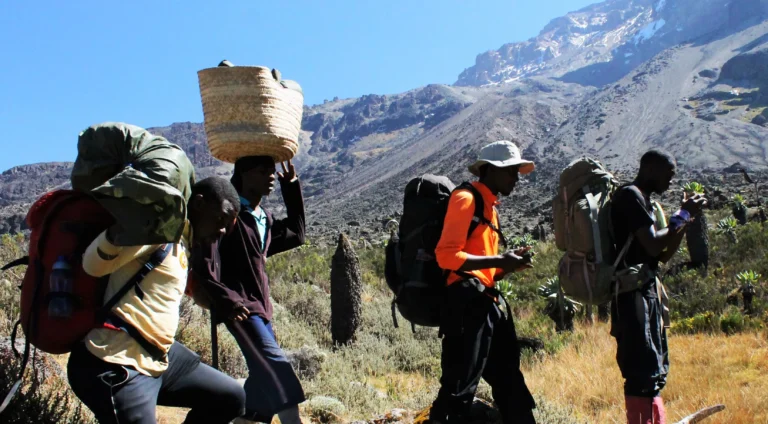
Best Kilimanjaro And Serengeti Calving Season Safari March 2027
Discover the magic of a March 2027 Kilimanjaro and Serengeti calving season safari. This guide explores the unique advantages and considerations for experiencing Tanzania's wildlife...
View package details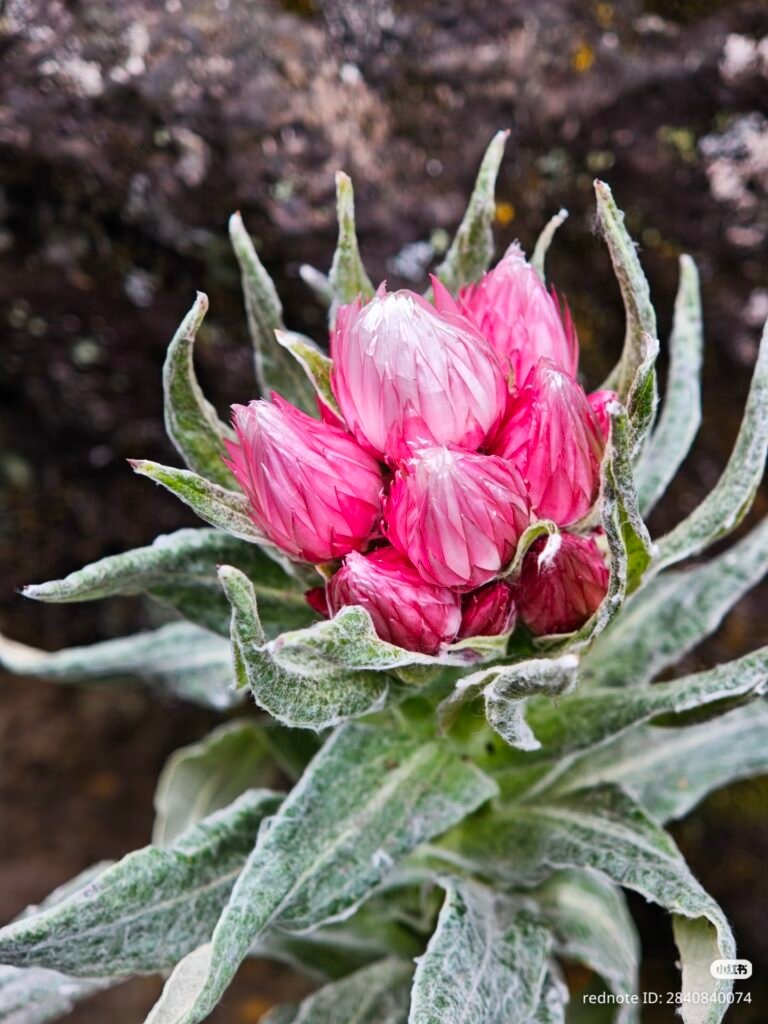
Kilimanjaro And Serengeti Calving Safari February : The Ultimate Planning
Combine the majesty of Mount Kilimanjaro with the impressive spectacle of the Serengeti's calving season in February 2027. This guide details how to plan this dual adventure, focusing on...
View package details
Kilimanjaro And Serengeti Calving Safari January 2026-2027
Kilimanjaro and Serengeti Calving Safari January 2027 is explained with current 2026-2027 planning, price, itinerary and booking information.
View package details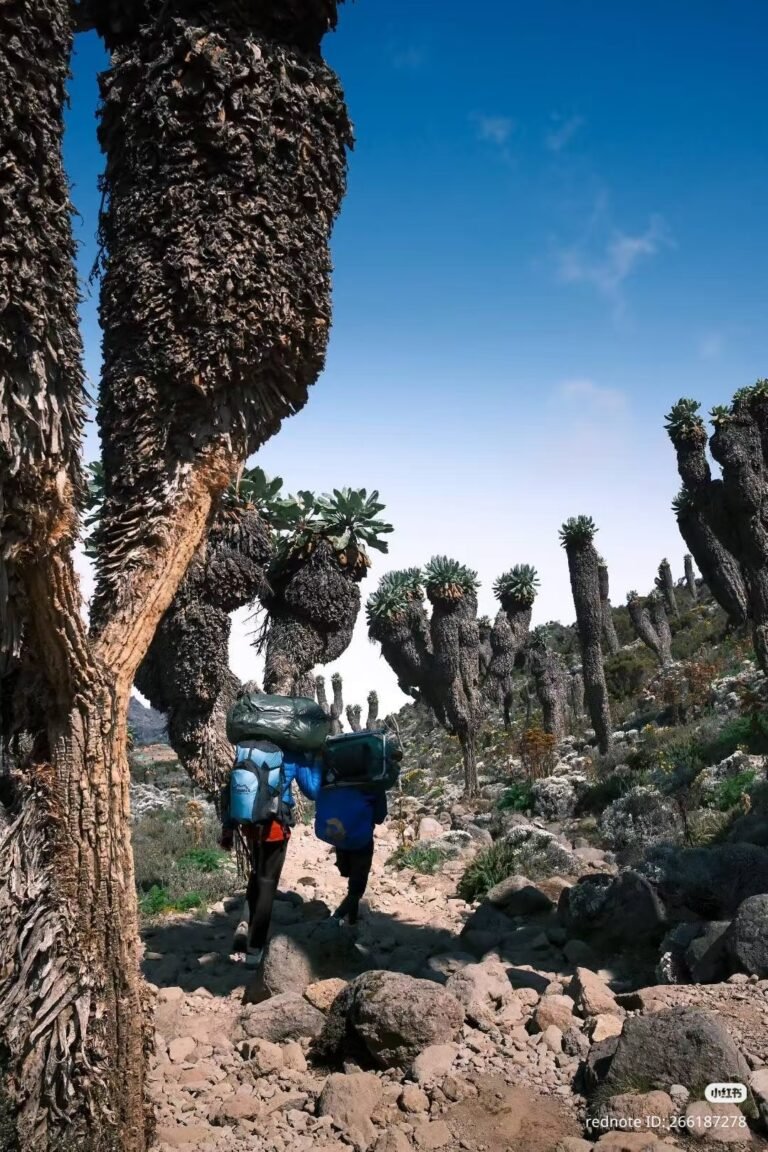
Kilimanjaro Christmas Climb And Tanzania Safari : Your Festive Adventure
Combine the magic of a Christmas ascent of Kilimanjaro with a thrilling Tanzania safari in 2026. Discover how to plan this dual adventure for a truly unique festive season.
View package details
Kilimanjaro 1 May : Your Day Mountain Adventure Awaits 2027
start an unforgettable Kilimanjaro 1 May 2027 adventure. This guide details everything you need to know for a successful May Day climb, from route selection to essential preparation.
View package detailsLast Minute Kilimanjaro August – Group Spaces And Availability 2027
Last Minute Kilimanjaro August 2027 – Group Spaces and Availability is explained with current 2027 planning, price, itinerary and booking information.
View package details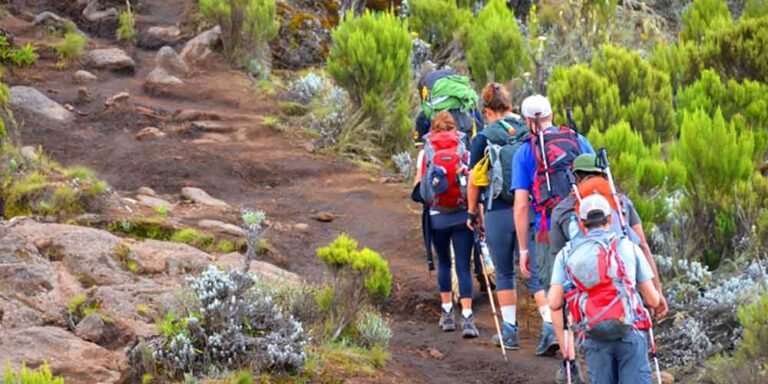
Northern Circuit – 10 July Dry-Season Expedition: Your Ultimate Kilimanjaro
Plan your Northern Circuit expedition for July 10, 2027. This dry-season adventure offers the most scenic and gradual ascent on Kilimanjaro, maximizing acclimatization and success rates.
View package detailsNo related package matches those filters. Clear one or more filters to see the other topic-matched options.



