
A Kilimanjaro corporate team-building climb is an expedition designed to enhance leadership skills, foster collaboration, and build resilience within a team by undertaking the significant physical and mental challenge of ascending Africa’s highest peak. These climbs focus on developing practical leadership traits such as decision-making under pressure, effective communication, and mutual reliance, all within the unique environment of high altitude. Planning for a Kilimanjaro corporate team-building climb in 2026-2027 involves selecting appropriate routes, ensuring comprehensive team training, and arranging expert logistical support to maximize the development outcomes and ensure safety.
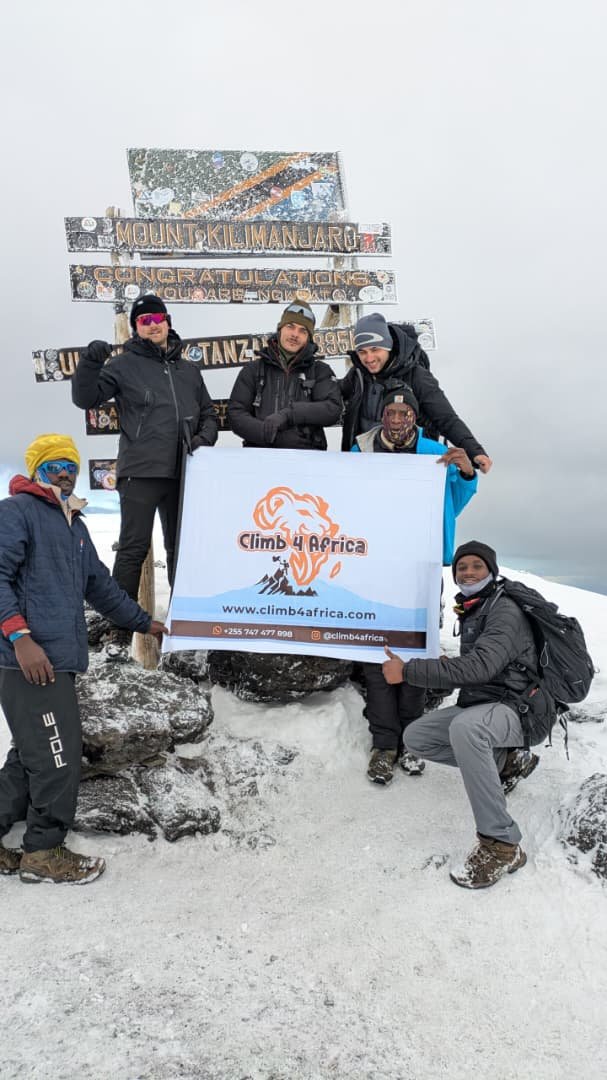
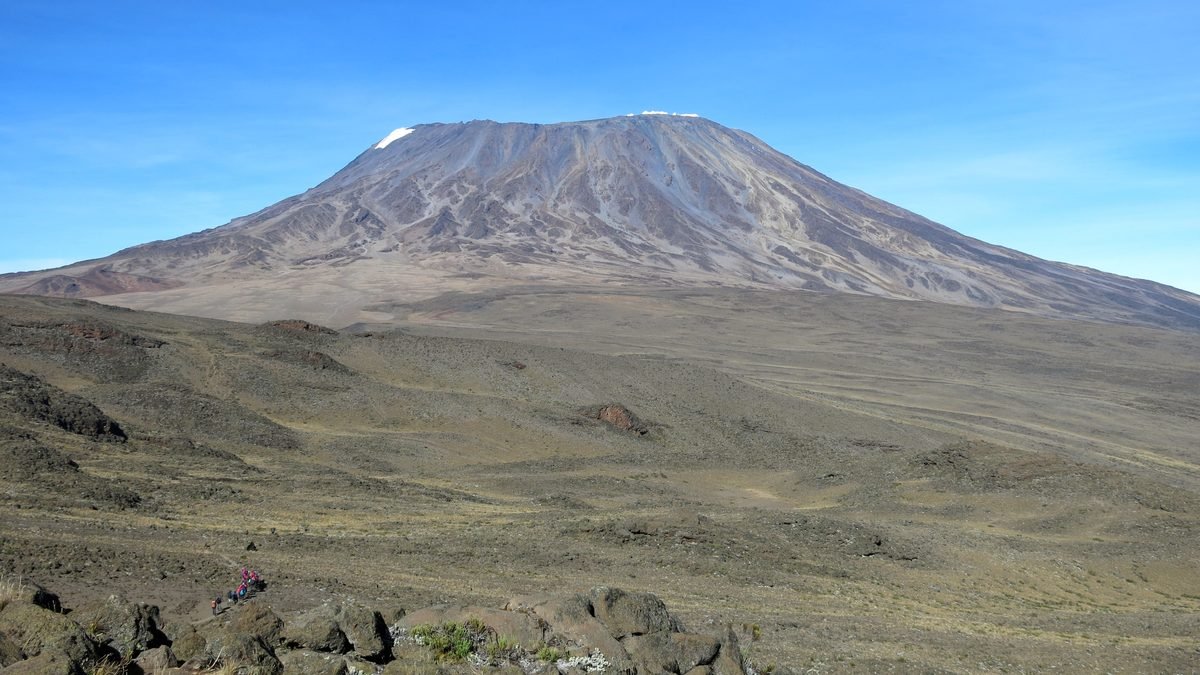

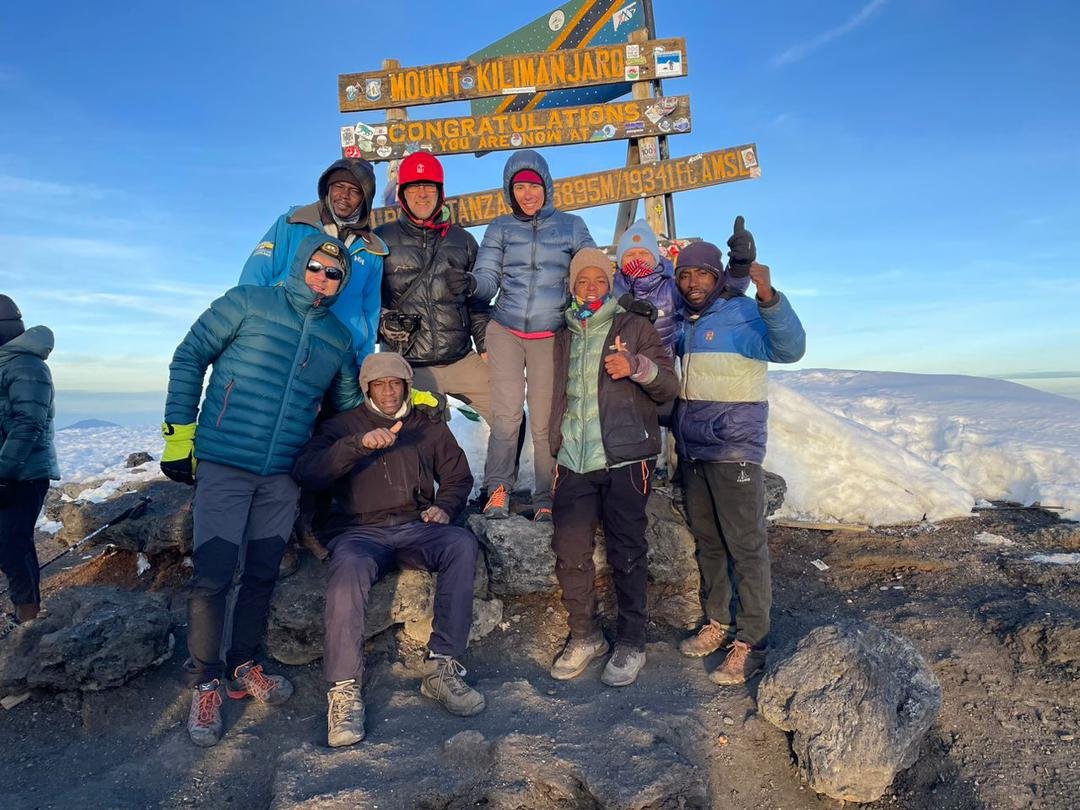
The allure of standing atop Kilimanjaro, a dormant volcano and the highest free-standing mountain in the world, offers a potent backdrop for corporate development. More than just a physical feat, conquering Kilimanjaro as a team provides a profound metaphor for overcoming business challenges. It’s an investment in your people, designed to return dividends in enhanced teamwork, stronger leadership, and a renewed sense of collective purpose.
Kilimanjaro Corporate Team Building: The Ultimate Leadership Crucible
In today’s dynamic business landscape, fostering cohesive teams and nurturing effective leaders is paramount. A Kilimanjaro corporate team-building climb offers a unique and impactful solution, moving beyond conventional workshops to create an experience that is both deeply challenging and incredibly rewarding. This is not merely a trek; it is a meticulously designed program where the mountain itself becomes the ultimate instructor in leadership, resilience, and collaboration.
The sheer scale of Kilimanjaro—nearly 6,000 meters (19,341 feet) above sea level—demands a level of commitment, preparation, and mutual support that directly translates to corporate success. Teams embarking on this journey must learn to communicate effectively, trust each other implicitly, and support individuals through moments of doubt or physical strain. The shared goal of reaching the summit, Uhuru Peak, creates an unbreakable bond and a powerful shared memory that can redefine team dynamics long after the descent.
Choosing Kilimanjaro for your corporate team building in 2026 or 2027 signifies a commitment to pushing boundaries and investing in your most valuable asset: your people. It’s an opportunity to identify emerging leaders, test existing leadership strategies, and cultivate an environment where every team member feels empowered and valued. The high-altitude environment strips away corporate hierarchies, placing everyone on a level playing field where character, perseverance, and teamwork truly shine.
Why Kilimanjaro for Corporate Team Building?
The decision to choose Kilimanjaro for a corporate team-building expedition stems from its unique combination of factors that make it an unparalleled venue for leadership development and team bonding. It’s a destination that offers not just a physical challenge, but a psychological and emotional one, designed to find potential and forge stronger connections.
Unmatched Metaphor for Business Challenges
The ascent of Kilimanjaro mirrors the journey of tackling complex business objectives. The initial stages represent strategic planning and preparation; the mid-trek, navigating obstacles and maintaining momentum; and the summit push, the critical moment of execution under intense pressure. Success on Kilimanjaro requires clear communication, problem-solving, adaptability, and unwavering focus—all core competencies for any high-performing business team.
Developing Essential Leadership Traits
This high-altitude environment is a natural laboratory for leadership development. Team members are presented with opportunities to:
- Practice Decision-Making Under Pressure: Faced with fatigue and altitude, leaders must make sound judgments regarding pace, rest, and team well-being.
- Enhance Communication Skills: Clear, concise communication is vital for safety and progress. Teams learn to articulate needs, offer support, and listen actively.
- Foster Resilience and Grit: The physical and mental demands of the climb build perseverance, teaching individuals and the team how to push through adversity.
- Cultivate Empathy and Support: Witnessing and supporting colleagues through challenging moments builds deep empathy and strengthens interpersonal bonds.
- Promote Adaptability: Weather changes, altitude effects, and unforeseen circumstances require teams to be flexible and adapt their plans swiftly.
Building Unbreakable Team Cohesion
The shared experience of a Kilimanjaro climb is profoundly unifying. The common goal, the shared struggles, and the ultimate triumph create a powerful sense of camaraderie. Team members learn to rely on each other not just for encouragement, but for practical assistance, fostering a culture of mutual respect and interdependence that extends back to the workplace. This shared achievement becomes a powerful reference point for future team endeavors.
Unique Setting for Recognition and Reward
For companies looking to reward top performers or celebrate significant milestones, a Kilimanjaro expedition offers an extraordinary and memorable experience. It’s a departure from typical corporate retreats, providing an adventure that is both aspirational and deeply fulfilling, demonstrating a company’s commitment to investing in its employees’ growth and well-being.
Tangible Health and Wellness Benefits
Beyond the team dynamics, the physical challenge promotes improved fitness and a greater awareness of personal health. The mental benefits of overcoming such a significant challenge, reducing stress, and achieving a monumental goal are also substantial, contributing to overall employee well-being.
Choosing the Right Kilimanjaro Route for Your Corporate Team
Selecting the optimal route is one of the most critical decisions when planning a Kilimanjaro corporate team-building climb. Each route offers a different experience in terms of scenery, difficulty, acclimatization profile, and crowd levels. For corporate groups, the primary considerations are typically success rate, acclimatization, and the overall team experience. Longer routes generally offer better acclimatization, which significantly increases the chances of reaching the summit safely and comfortably.
Machame Route: The Popular Choice for Success
Often referred to as the “Whiskey Route,” the Machame Route is the most popular choice for many trekkers, including corporate teams, due to its excellent acclimatization profile and high success rates. It is typically offered as a 6-day or 7-day trek.
- Duration: 6 or 7 days (7 days recommended for corporate teams).
- Scenery: Diverse and stunning, traversing varied ecological zones from rainforest to alpine desert and arctic summit.
- Acclimatization: Excellent, especially on the 7-day itinerary, which utilizes the “climb high, sleep low” principle effectively.
- Difficulty: Moderate to challenging, with some steep sections, particularly the “Barranco Wall.”
- Crowds: Can be busy, especially on the 6-day option, but less so than Marangu.
- Why it suits corporate teams: The 7-day Machame route provides a balanced challenge with good acclimatization, leading to higher success rates. The varied terrain keeps the journey engaging. Many teams opt for the 7-day version for the best balance of challenge and safety. See Machame Route details.
Lemosho Route: Scenery and Success
The Lemosho Route is a longer, more remote, and arguably more scenic option. It also boasts an excellent acclimatization profile, making it a strong contender for corporate groups prioritizing success and a pristine wilderness experience.
- Duration: 7 or 8 days (8 days highly recommended for corporate groups).
- Scenery: Exceptionally beautiful, offering panoramic views and crossing the Shira Plateau.
- Acclimatization: Excellent, with a gradual ascent allowing for superior acclimatization.
- Difficulty: Moderate to challenging.
- Crowds: Less crowded than Machame, especially in the early days.
- Why it suits corporate teams: The 8-day Lemosho route offers the best acclimatization, significantly boosting summit success. Its remoteness provides a more profound wilderness experience, ideal for disconnecting and focusing on team building. The extended duration allows for deeper reflection and bonding.
Marangu Route: The “Coca-Cola” Trail
The Marangu Route is the oldest and most established route. It’s known for its “huts” rather than camping, offering a different style of accommodation. However, its rapid ascent profile generally leads to lower success rates and is less recommended for team-building purposes where acclimatization is key.
- Duration: 5 or 6 days (5 days not recommended for any climber, especially corporate teams).
- Scenery: Pleasant, but less varied than other routes.
- Acclimatization: Poor, especially on the 5-day option, leading to a much lower summit success rate.
- Difficulty: Moderate, but the lack of acclimatization makes it feel harder.
- Crowds: The busiest route.
- Why it’s generally not ideal for corporate teams: The poor acclimatization profile is a major drawback, leading to higher risks of altitude sickness and lower summit success. The huts can also mean less privacy for team discussions.
Northern Circuit: The Longest and Best Acclimatization
The Northern Circuit is the longest route on Kilimanjaro, circumnavigating the mountain. This extended duration offers the best acclimatization profile, leading to the highest success rates.
- Duration: 9 or 10 days (10 days ideal for corporate teams).
- Scenery: Offers the most diverse and spectacular views, including the less-visited northern slopes.
- Acclimatization: Superior, due to its length and gradual ascent.
- Difficulty: Moderate, but the length requires significant endurance.
- Crowds: The least crowded route, offering a true wilderness experience.
- Why it suits corporate teams: For organizations prioritizing the highest possible success rate and an in-depth, uncrowded experience, the 10-day Northern Circuit is unparalleled. It allows ample time for acclimatization, team bonding, and reflection, minimizing the risk of altitude-related issues.
Recommendation for Corporate Teams
For a Kilimanjaro corporate team-building climb, Climb 4 Africa strongly recommends the 7-day Machame Route, the 8-day Lemosho Route, or the 10-day Northern Circuit. These longer itineraries prioritize acclimatization, significantly increasing the likelihood of all team members reaching the summit safely and enjoying the experience. The extended time also allows for more profound team bonding and leadership development opportunities. Shorter routes like the 5-day Marangu or 6-day Machame are generally not recommended for corporate groups due to the increased risk of altitude sickness and lower success rates.
Planning Your Kilimanjaro Corporate Team-Building Expedition (2026-2027)
A successful Kilimanjaro corporate team-building climb requires meticulous planning and preparation. From selecting the right timing to ensuring adequate training and understanding logistical needs, every detail matters. Given the lead times often required for corporate bookings and team preparation, starting planning for 2026-2027 expeditions now is highly advisable.
Timing Your Expedition: Best Seasons for 2026-2027
Kilimanjaro has distinct dry and wet seasons. The best times for trekking are during the dry seasons when visibility is good, and the trails are less slippery.
- Peak Dry Seasons: January-February and June-October. These months offer the clearest skies and calmest weather, ideal for summit attempts.
- Shoulder Seasons: November and March-May. These are transitional periods with a higher chance of rain or clouds, but often fewer crowds and potentially lower costs. May and November are generally the wettest months.
For corporate teams, aiming for the peak dry seasons (especially June-October 2026 or January-February 2027) is often preferred to maximize the chances of good weather and a successful summit bid. However, shoulder seasons can also be viable if budget or availability is a consideration, provided the team is prepared for variable weather.
Team Training and Preparation
Physical and mental preparation is non-negotiable for a Kilimanjaro climb. Your team will need guidance on:
- Physical Fitness: Focus on cardiovascular endurance (hiking, running, cycling) and strength training (legs, core). Regular hiking with a weighted backpack is crucial.
- Altitude Acclimatization Training: While impossible to fully simulate, being well-conditioned helps the body cope better. Understanding the symptoms of Acute Mountain Sickness (AMS) is vital.
- Gear and Equipment: Ensuring everyone has appropriate, high-quality gear (layers, waterproofs, sturdy boots, sleeping bags) is essential for comfort and safety. We provide detailed packing lists.
- Mental Preparedness: Discussing the challenges, setting realistic expectations, and fostering a supportive mindset are key. The shared goal should be participation and effort, not just summiting.
Logistical Considerations for Corporate Groups
Climb 4 Africa handles the complex logistics, but understanding them helps in planning:
- Flights: Teams typically fly into Kilimanjaro International Airport (JRO).
- Accommodation: Pre- and post-climb accommodation in Moshi or Arusha is arranged.
- Park Fees and Permits: These are substantial and are included in our packages.
- Guides and Porters: A highly experienced, certified guiding team and a dedicated support crew are essential. We employ local guides who understand the mountain intimately.
- Food and Water: All meals on the mountain are prepared by our cooks, focusing on nutritious and energizing food. Safe drinking water is provided.
- Safety and Medical: Oxygen cylinders, comprehensive medical kits, and trained guides are standard. Emergency evacuation plans are in place.
- Communication: Satellite phones are carried by guides for emergencies.
Customizing the Experience
We understand that each corporate team has unique objectives. Climb 4 Africa specializes in tailoring expeditions:
- Debriefing Sessions: Incorporate facilitated sessions on the mountain or post-climb to discuss leadership lessons learned and how to apply them back in the workplace.
- Team-Building Activities: While the climb itself is the primary activity, we can suggest optional pre- or post-climb activities like cultural visits or wildlife safaris.
- Specific Dates: We can accommodate custom start dates for corporate groups in 2026 and 2027, subject to availability.
Key Decision Point: Route and Duration for 2026-2027
For a Kilimanjaro corporate team-building climb aiming for maximum success and a rich team experience, prioritize routes offering at least 7 days, ideally 8 or 9 days. The 7-day Machame, 8-day Lemosho, or 9-10 day Northern Circuit are strongly recommended. These longer itineraries allow for proper acclimatization, reducing the risk of altitude sickness and increasing the likelihood of all team members achieving the summit. Discuss your team’s fitness levels and specific goals with us to select the perfect route and duration for your 2026 or 2027 expedition.
The Leadership Journey on Kilimanjaro
The climb itself is a profound journey of leadership development. Every step, every day, presents opportunities for individuals to step up, support others, and demonstrate their capabilities. The unique pressures of high altitude strip away superficialities, revealing true character and fostering authentic leadership.
From Individual Challenge to Collective Triumph
Initially, each team member faces their own personal challenge: the physical exertion, the altitude, the cold, and the mental fatigue. As the trek progresses, the focus shifts from individual struggle to collective support. Team members naturally begin to look out for one another, offering encouragement, sharing resources, and celebrating small victories together. This organic development of mutual care is a powerful testament to the effectiveness of the Kilimanjaro corporate team-building climb.
Identifying and Nurturing Leaders
The mountain environment is a natural testing ground for leadership potential. You’ll observe:
- Proactive Support: Individuals who instinctively help struggling teammates, share snacks, or offer words of encouragement.
- Calm Under Pressure: Those who remain composed and make clear decisions when faced with challenges, such as difficult terrain or adverse weather.
- Motivational Skills: Team members who can lift spirits and keep the group focused, especially during the demanding summit night.
- Problem-Solving: Individuals who offer practical solutions to minor issues that arise within the team.
These observations provide invaluable insights into your team’s dynamics and leadership capabilities, offering a basis for targeted development back in the workplace.
The Role of the Expedition Leader
Your Climb 4 Africa expedition leader is more than just a guide; they are a crucial facilitator of the team-building experience. They are trained not only in mountain safety and rescue but also in managing group dynamics and encouraging leadership. They will:
- Set the pace for the group, ensuring safe acclimatization.
- Communicate the day’s objectives and challenges clearly.
- Monitor the health and well-being of every team member.
- Facilitate group discussions during rests or evenings, prompting reflection on the day’s experiences and leadership lessons.
- Encourage individuals to take on small leadership roles within the group.
Summit Night: The Ultimate Test
The final ascent to Uhuru Peak begins around midnight and is the most demanding part of the climb. It’s a test of endurance, willpower, and teamwork. Under the stars, often in freezing temperatures, team members rely heavily on each other and their guides. This shared ordeal, pushing through exhaustion towards a common goal, forges an indelible bond. The feeling of accomplishment upon reaching the summit together is immense and serves as a powerful metaphor for achieving ambitious business goals.
Post-Climb Debrief and Application
The lessons learned on Kilimanjaro are most impactful when they are intentionally integrated back into the workplace. Climb 4 Africa can facilitate post-climb debriefing sessions, either immediately after the trek or at a later date. These sessions can focus on:
- Reflecting on individual and team performance during the climb.
- Identifying key leadership moments and challenges.
- Discussing how lessons in communication, resilience, and collaboration can be applied to daily work.
- Setting team goals and action plans based on the expedition experience.
This structured reflection ensures that the Kilimanjaro corporate team-building climb provides lasting benefits beyond the immediate achievement.
Essential Gear and Packing for Your Corporate Climb
Proper gear is fundamental for comfort, safety, and success on Kilimanjaro. Your team must be equipped with high-quality, layered clothing and essential equipment. Climb 4 Africa provides detailed packing lists tailored to the specific route and season, but here are the core categories:
Clothing: The Layering System
The key is layering to adapt to Kilimanjaro’s extreme temperature variations, from the humid rainforest at the base to the freezing summit.
- Base Layers: Moisture-wicking thermal tops and bottoms (merino wool or synthetic).
- Mid Layers: Fleece jackets or insulated vests for warmth.
- Outer Layer (Shell): Waterproof and windproof jacket and trousers (Gore-Tex or similar).
- Insulation Layer: A warm, puffy down or synthetic jacket for evenings and summit night.
- Trekking Trousers: Comfortable, quick-drying hiking pants (not jeans).
- Headwear: Warm woolen hat, sun hat with a brim, balaclava or neck gaiter for cold.
Footwear: The Foundation of Comfort
- Hiking Boots: Sturdy, waterproof, broken-in hiking boots with good ankle support. Essential for preventing blisters and providing stability.
- Socks: Several pairs of thick hiking socks (wool or synthetic).
- Camp Shoes: Comfortable trainers or sandals for wearing around camp.
Sleeping Gear
- Sleeping Bag: A 4-season sleeping bag rated to at least -15°C (0°F).
- Sleeping Bag Liner: Adds warmth and keeps the sleeping bag clean.
Trekking and Personal Gear
- Backpack: A comfortable daypack (30-40 liters) for carrying essentials during the day. Porters will carry larger duffel bags.
- Trekking Poles: Highly recommended for reducing strain on knees, especially during descents.
- Water Bottles/Hydration Reservoir: Capacity for at least 3 liters. Insulated covers are useful in cold weather.
- Headlamp: With extra batteries. Essential for summit night and navigating in the dark.
- Sunglasses: High UV protection.
- Sunscreen: High SPF.
- Lip Balm: With SPF.
- Personal First-Aid Kit: Including any personal medications, blister treatment, pain relievers.
- Toiletries: Biodegradable soap, toothbrush, toothpaste, wet wipes.
- Camera and Power Bank: For capturing memories.
Important Considerations for Corporate Teams
- Quality Over Quantity: Advise team members to invest in good quality gear, especially boots, waterproofs, and sleeping bags.
- Rental Options: Some gear, like sleeping bags and jackets, can often be rented in Moshi, which can be a cost-effective solution for individuals. We can assist with arranging rentals.
- Testing Gear: Encourage team members to test their boots and pack on local hikes before the expedition to identify any issues.
Pre-Climb Gear Checklist for Corporate Teams
- Core Clothing: Base, mid, and outer layers.
- Headwear: Warm hat, sun hat, balaclava.
- Footwear: Broken-in hiking boots, liner socks, hiking socks, camp shoes.
- Sleeping: 4-season sleeping bag, liner.
- Trekking Essentials: Daypack, poles, water bottles/reservoir, headlamp.
- Protection: Sunglasses, sunscreen, lip balm.
- Personal Items: First-aid kit, toiletries, camera.
- Documentation: Passport, visas, insurance details.
Health, Safety, and Altitude Sickness Management
The safety and well-being of your team are paramount. Kilimanjaro presents risks, primarily related to altitude sickness. Climb 4 Africa adheres to strict safety protocols to mitigate these risks.
Understanding Altitude Sickness (AMS)
Acute Mountain Sickness (AMS) is caused by ascending too quickly, preventing the body from adjusting to lower oxygen levels. Symptoms can range from mild headaches and nausea to severe conditions like High Altitude Cerebral Edema (HACE) and High Altitude Pulmonary Edema (HAPE).
Key Symptoms to Watch For:
- Headache
- Nausea and vomiting
- Dizziness
- Fatigue
- Loss of appetite
- Difficulty sleeping
Prevention and Management Strategies
- Gradual Ascent: Choosing longer routes (7+ days) is the most effective preventive measure.
- “Pole Pole” (Slowly Slowly): Guides will enforce a slow, steady pace.
- Hydration: Drinking plenty of water (3-4 liters per day) is crucial.
- Avoid Alcohol and Smoking: These hinder acclimatization.
- Diamox (Acetazolamide): A prescription medication that can aid acclimatization. Team members should consult their doctor well in advance of the expedition.
- Monitor Symptoms: Guides are trained to recognize AMS symptoms and will conduct daily health checks.
Climb 4 Africa’s Safety Protocols
- Experienced Guides: Our guides are certified and extensively trained in wilderness first aid and altitude sickness management.
- Daily Health Checks: Guides monitor each climber’s condition throughout the trek.
- Oxygen Cylinders: Carried by guides for emergency use.
- Portable Altitude Chambers (PAC): Available on some climbs for treating severe AMS.
- Emergency Evacuation: We have established procedures and partnerships for rapid evacuation if needed.
- Communication: Satellite phones ensure communication in remote areas.
Pre-Expedition Medical Advice
It is essential for all participants to consult their doctor or a travel clinic at least 6-8 weeks before the expedition. They should discuss:
- General fitness for high-altitude trekking.
- Recommended vaccinations for Tanzania.
- Preventive medications like Diamox.
- Travel insurance that covers high-altitude trekking and emergency evacuation.
Crucial Safety Reminder for Corporate Teams
Prioritize team members’ health. Encourage open communication about any symptoms experienced. Never push through severe altitude sickness symptoms. The decision to descend rests with the guides, prioritizing safety above all else. For Kilimanjaro corporate team-building climbs in 2026-2027, adequate preparation and adherence to safety protocols are non-negotiable for a successful and rewarding experience.
Post-Climb Safaris and Zanzibar Extensions
After the physical and mental exertion of conquering Kilimanjaro, many corporate teams opt to extend their African adventure with a wildlife safari or a relaxing stay in Zanzibar. These extensions offer a chance to celebrate achievements, further bond as a team, and experience more of Tanzania’s incredible offerings.
Northern Tanzania Safari: The Classic Experience
A safari in the renowned Northern Circuit is a perfect complement to a Kilimanjaro climb. Witnessing the vast plains, incredible wildlife, and stunning landscapes provides a different, yet equally awe-inspiring, perspective.
- Popular Parks: Serengeti National Park (famous for the Great Migration), Ngorongoro Conservation Area (a unique caldera teeming with wildlife), Tarangire National Park (known for its elephant herds and baobab trees), and Lake Manyara National Park (famous for tree-climbing lions).
- Wildlife Viewing: Opportunities to see the “Big Five” (lion, leopard, elephant, rhino, buffalo) and a vast array of other animals, birds, and plant life.
- Accommodation: Options range from comfortable lodges to luxury tented camps, offering in-depth wildlife experiences.
- Duration: Typically 3-5 days, but can be customized.
A safari provides a relaxed environment for team reflection and informal bonding, allowing colleagues to share their awe at the natural world after their shared achievement on the mountain.
Zanzibar: Relaxation and Cultural Immersion
For a complete contrast, the exotic island of Zanzibar offers pristine beaches, turquoise waters, and a rich cultural heritage. It’s an ideal destination for teams to unwind and recharge after their Kilimanjaro expedition.
- Activities: Relaxing on white-sand beaches, swimming, snorkeling, diving, exploring Stone Town (a UNESCO World Heritage site), spice tours, and visiting Jozani Forest (home to the endemic Red Colobus monkey).
- Accommodation: From boutique hotels in Stone Town to luxury resorts and beachfront bungalows.
- Duration: Typically 3-5 days, but easily extended.
Combining a Kilimanjaro climb with a safari and/or Zanzibar offers a comprehensive Tanzanian experience, catering to both adventure and relaxation, and providing a well-rounded reward for your team’s dedication.
Sample Extension Itinerary (Post-Climb)
Day 1-3: Serengeti National Park – Game drives, witness the vast plains and abundant wildlife.
Day 4-5: Ngorongoro Crater – Descend into the “Eighth Wonder of the World” for incredible game viewing.
Day 6: Transfer to Zanzibar – Fly from Arusha to Zanzibar, check into beach resort.
Day 7-9: Zanzibar – Beach relaxation, explore Stone Town, spice tours, water activities.
Day 10: Departure from Zanzibar.
Booking Your Kilimanjaro Corporate Team-Building Climb with Climb 4 Africa
Choosing the right partner is crucial for a successful and impactful Kilimanjaro corporate team-building climb. Climb 4 Africa brings extensive local expertise, a commitment to safety, and a passion for creating memorable experiences. We understand the unique needs of corporate groups and are dedicated to tailoring an expedition that meets your objectives.
Why Partner with Climb 4 Africa?
- Local Expertise: As a Tanzanian company, we have deep knowledge of Kilimanjaro, its routes, its people, and the best practices for mountain expeditions.
- Safety First: Your team’s safety is our absolute priority. We employ highly trained guides, adhere to strict safety protocols, and use quality equipment.
- Customization: We specialize in crafting bespoke itineraries to align with your company’s specific team-building goals, desired outcomes, and budget.
- Ethical Operations: We are committed to fair treatment of our guides and porters, ensuring they are well-equipped, fed, and paid appropriately.
- High Success Rates: Our focus on longer routes, proper acclimatization, and experienced guides contributes to excellent summit success rates for our clients.
- Comprehensive Support: From initial planning and training advice to on-mountain logistics and post-climb debriefing, we provide end-to-end support.
The Booking Process for 2026-2027 Expeditions
We make the booking process straightforward and collaborative:
- Initial Consultation: Contact us to discuss your company’s objectives, desired dates for 2026 or 2027, team size, and any specific requirements.
- Proposal and Itinerary: Based on your needs, we will propose suitable routes, durations, and a detailed itinerary, along with pricing.
- Team Briefing: We can provide materials or conduct virtual briefings for your team regarding training, gear, and what to expect.
- Deposit and Confirmation: A deposit secures your booking, and we begin detailed logistical arrangements.
- Final Preparations: We provide ongoing support and final details leading up to your departure.
Investing in a Kilimanjaro corporate team-building climb is an investment in your company’s future. It’s an opportunity to build a stronger, more resilient, and more cohesive team, equipped with enhanced leadership skills and a shared sense of extraordinary accomplishment. Let us help you craft an unforgettable expedition for your team in 2026 or 2027.
Ready to discuss how a Kilimanjaro expedition can transform your team? Reach out to Climb 4 Africa today. You can connect with us via WhatsApp at +255 747 477 898 or send an email to climb4africa@gmail.com. Let’s plan your ultimate team-building challenge.
Check Availability for Kilimanjaro Corporate Team-Building Climb – Leadership & High-Altitude
Ready to compare dates, prices, and the best option for your group? Send the package name and travel month so the team can reply with a clear quote, availability, and what is included.
Kilimanjaro Climb July – Peak Dry-Season Group Departures 2027
Kilimanjaro Climb July 2027 – Peak Dry-Season Group Departures is explained with current 2027 planning, price, itinerary and booking information.
View package details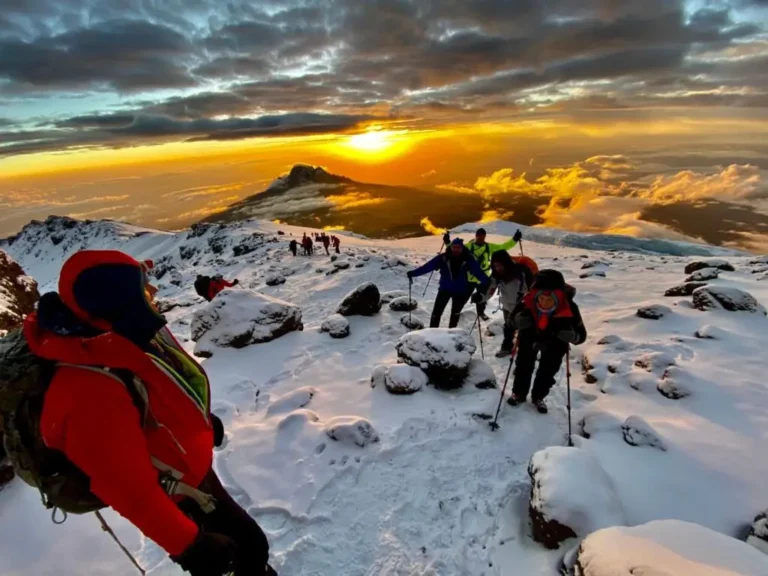
Marangu Route – 26 June Kilimanjaro Group Climb 2027
Marangu Route – 26 June 2027 Kilimanjaro Group Climb is explained with current 2027 planning, price, itinerary and booking information.
View package details8 Day Lemosho Route – 20 February Kilimanjaro Departure With Climb 4 Africa
This article details the 8-day Lemosho Route Kilimanjaro climb scheduled for February 20, 2027, focusing on planning, itinerary, and what makes this departure a unique opportunity with...
View package details
Kilimanjaro Climb February – Dry Season Groups And Availability 2027
Kilimanjaro Climb February 2027 – Dry Season Groups and Availability is explained with current 2027 planning, price, itinerary and booking information.
View package detailsLemosho Route – 7 August Summer Group Climb: Your Kilimanjaro Adventure 2027
start a memorable Lemosho Route – 7 August 2027 Summer Group Climb up Mount Kilimanjaro. This guide covers the itinerary, acclimatization, and preparation for your ascent.
View package details
Family Kilimanjaro Climb August : Your Summer Holiday Adventure 2027
start an unforgettable Family Kilimanjaro Climb during August 2027. This guide covers the best routes, essential planning, and tips for a successful summer holiday ascent.
View package details
Uk August Bank Holiday Kilimanjaro Climb : Your Peak Season Adventure 2027
Planning a UK August Bank Holiday Kilimanjaro Climb in 2027 offers a prime opportunity to ascend Africa's highest peak during a favourable season. This guide details how to make the most of...
View package detailsLemosho Route – 28 August Kilimanjaro Group Climb 2027
Lemosho Route – 28 August 2027 Kilimanjaro Group Climb is explained with current 2027 planning, price, itinerary and booking information.
View package detailsKilimanjaro Full Moon Climb August – Summit Around 17 2027
start an unforgettable Kilimanjaro Full Moon Climb in August 2027, targeting a impressive summit on or around August 17th. This guide covers optimal routes, August conditions, and essential...
View package detailsLemosho Route – 12 August Kilimanjaro Group Climb With 4 Africa 2027
A detailed guide to the Lemosho Route Kilimanjaro climb for the 12 August 2027 group departure, covering itinerary, acclimatization, challenges, and what to expect with Climb 4 Africa.
View package details
Marangu Route – 4 August Kilimanjaro Hut Climb 2027
Marangu Route – 4 August 2027 Kilimanjaro Hut Climb is explained with current 2027 planning, price, itinerary and booking information.
View package detailsKilimanjaro Climb August : Peak Season Dates And Availability Guide 2027
August marks the heart of Kilimanjaro's dry season, offering excellent climbing conditions. This guide details peak season dates, availability, and what to expect for a successful...
View package detailsNo related package matches those filters. Clear one or more filters to see the other topic-matched options.



