
The Kilimanjaro 360 Cycling Tour is an adventurous package combining mountain biking and trekking around the base and lower slopes of Mount Kilimanjaro, offering a unique perspective of the mountain and its surrounding landscapes. Designed for 2026-2027 travel, this tour is ideal for cyclists and trekkers seeking an active challenge that goes beyond a standard ascent, typically involving multi-day itineraries with camping or lodge stays.
Understanding the Kilimanjaro 360 Cycling Tour Concept
When we talk about a Kilimanjaro 360 Cycling Tour, we’re not referring to a standard summit climb. Instead, this is an innovative approach to experiencing Kilimanjaro’s grandeur. It’s about circumnavigating the mountain’s lower reaches and exploring its diverse ecosystems on two wheels, interspersed with trekking sections where the terrain becomes too challenging for bikes or when you simply want to experience yourself more deeply on foot. This package is tailored for those who want to ‘ride the mountain’ rather than just ‘climb’ it, offering a different kind of challenge and a broader view of the Kilimanjaro massif and its surroundings. For the 2026-2027 seasons, planning for such an adventure involves understanding its unique components, which differ significantly from typical Kilimanjaro trekking routes.
Why Choose a Cycling Tour Around Kilimanjaro?
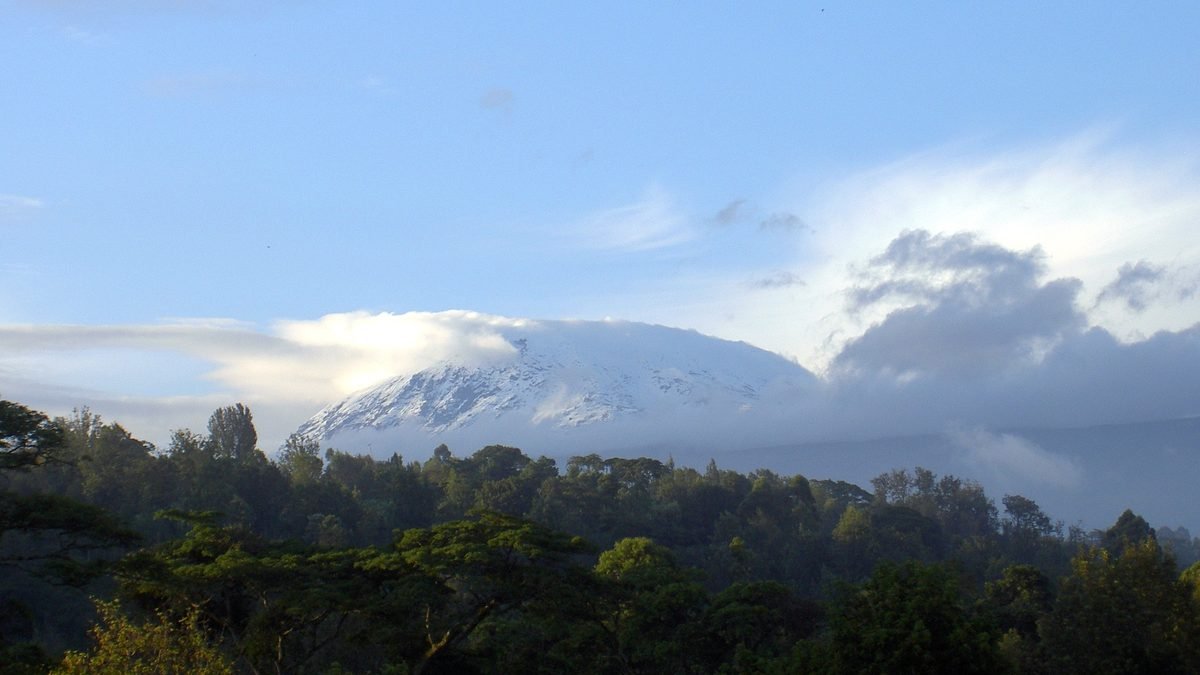
The appeal of a Kilimanjaro 360 Cycling Tour lies in its distinctiveness. Traditional Kilimanjaro treks focus on reaching Uhuru Peak, a formidable but singular goal. A cycling tour, however, broadens the experience. You’ll pedal through vibrant local villages, coffee plantations, and across varied terrain, from dusty tracks to more rugged paths, all while Mount Kilimanjaro looms majestically in the background. This offers unparalleled photographic opportunities and a chance to connect with the local culture in a way that’s less common on standard trekking routes. For the 2026-2027 planning window, consider this if you’re seeking:
- A different kind of challenge: Combines cardiovascular fitness with endurance cycling and hiking.
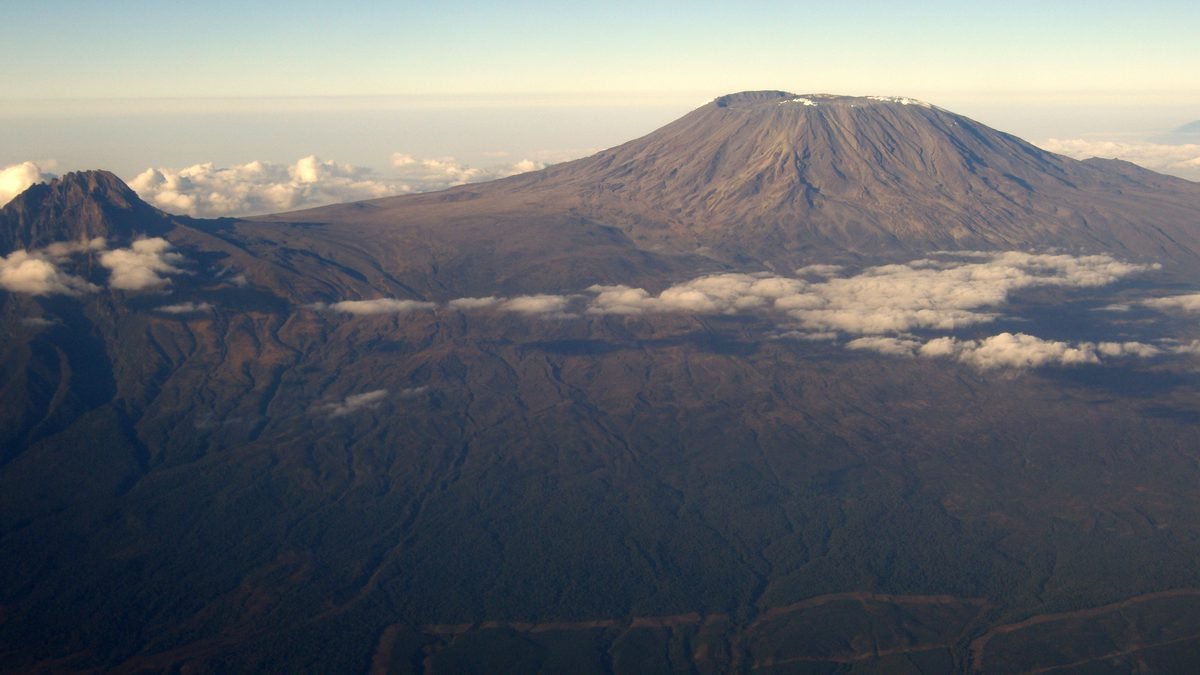
- Unique perspectives: See Kilimanjaro from its base, offering panoramic views and a sense of scale often missed from higher up.
- Cultural immersion: Pass through communities and interact with people living in the shadow of Africa’s highest peak.
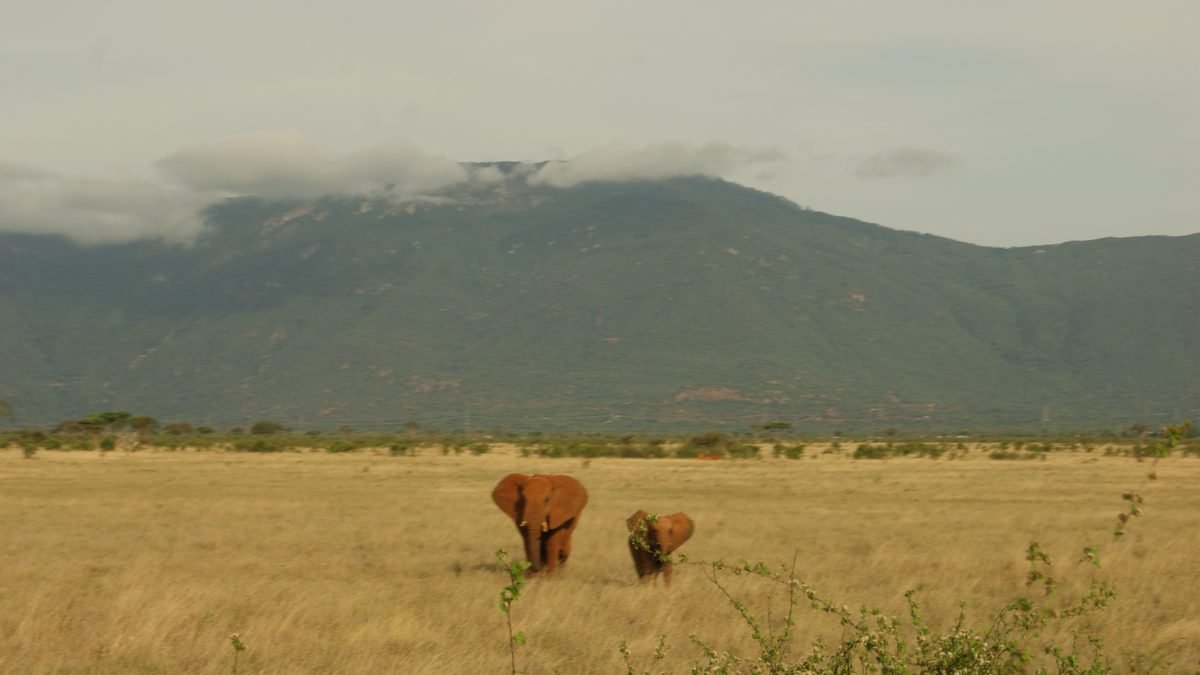
- Environmental diversity: Experience the transition from lush foothills to the drier plains surrounding the mountain.
This type of tour is often less about summiting and more about the journey, the engagement with the landscape, and the physical accomplishment of covering significant ground by bike and on foot. It’s a true adventure package for those who want more than just a trek.
Kilimanjaro 360 Cycling Tour Routes and Itinerary Considerations for 2026-2027
The concept of a ‘360’ cycling tour around Kilimanjaro implies a route that encircles the mountain, or at least covers a significant portion of its base. Unlike established trekking routes like Machame or Lemosho, there isn’t one single, universally defined ‘Kilimanjaro 360 Cycling Tour’ route. Instead, operators like Climb 4 Africa often customize these expeditions based on local conditions, rider ability, and desired duration. For 2026-2027 planning, expect itineraries to vary but generally include:
Typical Route Components
A common approach involves starting from a point near Moshi or Arusha and heading towards the northern circuit of the mountain. This might involve:
- Marangu Region: Often a starting point, known for its fertile slopes and villages. Cycling here can be challenging due to inclines, but the scenery is rewarding.
- Northern Slopes (e.g., towards Himo, Taveta border): This less-travelled side offers a more remote feel. The terrain can be drier and more rugged.
- Western Side (e.g., towards West Kilimanjaro, Rombo District): This area provides expansive views of the mountain’s western face and can involve riding through Maasai lands.
- Southern Slopes (back towards Moshi/Arusha): This leg might pass through more agricultural areas and offer a different cultural experience.
Itinerary Structure for 2026-2027
A typical Kilimanjaro 360 Cycling Tour package for 2026-2027 would likely span 7 to 14 days, depending on the extent of the cycling and trekking. An example structure might look like this:
- Days 1-2: Arrival and Preparation. Arrive in Kilimanjaro International Airport (JRO), transfer to Moshi or Arusha, bike fitting, safety briefing, and acclimatization.
- Days 3-7 (Cycling Focus): Begin cycling from the foothills, covering significant distances each day. Routes will vary, incorporating paved roads, dirt tracks, and potentially more technical single-track sections. Support vehicles will carry gear and provide assistance.
- Days 8-10 (Trekking/Mixed Terrain): As the terrain becomes too steep or rough for cycling, the tour transitions into trekking. This allows for deeper exploration of specific areas or ascent to viewpoints not accessible by bike. This might involve hiking up to certain viewpoints or traversing difficult passes on foot.
- Days 11-12: Continued Cycling/Trekking and Return. Complete the circuit or reach a designated endpoint, with a final cycling or trekking leg.
- Day 13: Rest and Departure. Relax in Moshi/Arusha, perhaps with an optional day trip, before transferring to the airport for departure.
The ‘360’ aspect means the route aims to circumnavigate, offering a comprehensive view and experience. For 2026-2027 bookings, it’s crucial to discuss the exact daily mileage, elevation gains, and the proportion of cycling versus trekking with your tour operator.
Key Decision Point: Cycling vs. Trekking Balance
The primary trade-off in a Kilimanjaro 360 Cycling Tour is the balance between cycling and trekking. Some packages might emphasize more cycling, with shorter trekking segments, while others might be more of a ‘bike-and-hike’ expedition. For 2026-2027, clarify with Climb 4 Africa your preference: do you want to maximize cycling mileage, or are you looking for significant trekking components to explore specific areas more intimately? This will influence the chosen route and daily activities.
Bike Ride Trekking Package Inclusions and Exclusions for 2026-2027
Understanding what’s included in your Kilimanjaro 360 Cycling Tour package is vital for accurate budgeting and planning for 2026-2027. Tour operators aim to cover the essentials, but specifics can vary.
Common Inclusions:
- Accommodation: Typically includes pre- and post-trek lodge stays in Moshi or Arusha, and camping during the cycling/trekking portion.
- Meals: Usually all meals are provided during the expedition days (cycling and trekking). This includes breakfast, lunch, and dinner, often prepared by a dedicated cook.
- Bicycle and Equipment: A quality mountain bike suitable for the terrain, helmet, and sometimes cycling gear.
- Support Vehicle: Essential for carrying luggage, food, water, spare parts, and providing transport for tired riders or in emergencies.
- Guides and Crew: Experienced cycling guides, trekking guides, and camp crew.
- Park Fees and Permits: Access to national parks and conservation areas where applicable.
- Water and Snacks: Provided during cycling and trekking days.
- Transfer: Airport transfers and transfers to/from the starting and ending points of the cycling/trekking route.
Potential Exclusions:
- International Flights: Your travel to and from Tanzania.
- Visa Fees: For Tanzania.
- Travel Insurance: Comprehensive insurance covering high-risk activities is mandatory.
- Personal Cycling Gear: While the bike is provided, you’ll need your own cycling apparel, shoes, gloves, and potentially personal GPS devices.
- Tips: For guides, drivers, cooks, and porters. This is customary and a significant part of their income.
- Personal Expenses: Souvenirs, alcoholic beverages, laundry, etc.
- Optional Activities: Day tours or excursions not part of the core itinerary.
- Vaccinations and Medications: Personal health-related costs.
For any 2026-2027 booking, always request a detailed list of inclusions and exclusions from Climb 4 Africa. This transparency is key to a smooth trip.
Preparing for Your Kilimanjaro 360 Cycling Tour in 2026-2027
This is not your average cycling holiday. A Kilimanjaro 360 Cycling Tour demands robust preparation, both physically and logistically. Given the combination of cycling and trekking at altitude, a well-rounded training plan is essential for 2026-2027 adventures.
Physical Training:
- Endurance Cycling: Aim for at least three to four long rides per week, gradually increasing distance and time. Include rides with significant elevation changes to mimic Kilimanjaro’s terrain.
- Strength Training: Focus on core strength, leg muscles (quadriceps, hamstrings, calves), and upper body for bike handling.
- Hiking/Trekking: Incorporate regular hikes, ideally with a backpack, to build stamina for the trekking portions.
- Altitude Acclimatization (if possible): If you live at altitude, your body will have an advantage. If not, focus on arriving in Tanzania a few days early to acclimatize in Arusha or Moshi before the tour begins.
- Flexibility: Train your body to handle consecutive days of intense activity.
Gear and Equipment:
While the tour operator provides the bike, your personal gear is crucial:
- Cycling Apparel: Padded cycling shorts, moisture-wicking jerseys, windproof jacket, arm/leg warmers.
- Footwear: Sturdy cycling shoes (SPD compatible is common) and comfortable walking shoes for non-cycling times.
- Helmet: Essential for safety.
- Gloves: Padded cycling gloves for comfort and grip.
- Eye Protection: Sunglasses or clear cycling glasses.
- Hydration System: Water bottles or a hydration pack (camelbak).
- Backpack: A daypack for essentials during cycling/trekking days.
- First-Aid Kit: Personal medical supplies.
- Sun Protection: High SPF sunscreen, lip balm, wide-brimmed hat.
- Camera and Power Bank: To capture the stunning scenery.
Logistical Planning for 2026-2027:
- Visa: Obtain your Tanzanian visa in advance or upon arrival.
- Vaccinations: Consult your doctor about recommended vaccinations (e.g., Yellow Fever, Hepatitis A/B, Typhoid) and malaria prophylaxis.
- Travel Insurance: Ensure it covers adventure sports, cycling at altitude, and emergency medical evacuation.
- Flights: Book flights to Kilimanjaro International Airport (JRO).
- Booking: Secure your 2026-2027 Kilimanjaro 360 Cycling Tour package well in advance, especially for peak seasons.
Pre-Tour Checklist for 2026-2027
- Confirm bike type and size with Climb 4 Africa.
- Pack appropriate cycling and trekking clothing for varied weather.
- Arrange comprehensive travel insurance.
- Consult your doctor regarding health and vaccinations.
- Book flights to JRO.
- Understand visa requirements for Tanzania.
- Train consistently for endurance and strength.
Comparing Kilimanjaro 360 Cycling Tour Options for 2026-2027
When looking at Kilimanjaro 360 Cycling Tour packages for 2026-2027, not all tours are created equal. Operators will differ in route, duration, support levels, and accommodation style. Here’s how to compare:
Operator Specialization:
Some operators specialize in Kilimanjaro climbs, while others focus on broader adventure tourism. Climb 4 Africa has deep local expertise in Kilimanjaro expeditions and Tanzania travel, offering a blend of climbing, safari, and unique adventure packages like the cycling tour. Their local presence means they understand the terrain, logistics, and cultural nuances intimately.
Route Variations:
As mentioned, a ‘360’ tour isn’t fixed. Some routes might be more focused on paved roads and easier tracks, suitable for less experienced cyclists, while others venture into more remote, challenging terrain requiring advanced mountain biking skills. For 2026-2027, discuss the specific route proposed by Climb 4 Africa: ask about the terrain, daily distances, and altitude profiles.
Support Level:
The level of support is crucial. A robust support vehicle is non-negotiable for carrying gear, spare parts, food, water, and providing a safety net. Some tours might offer more frequent rest stops, mechanical support, or even e-bike options (though less common for this type of challenging tour). Ensure the support crew is experienced with both cycling and the Kilimanjaro environment.
Accommodation Style:
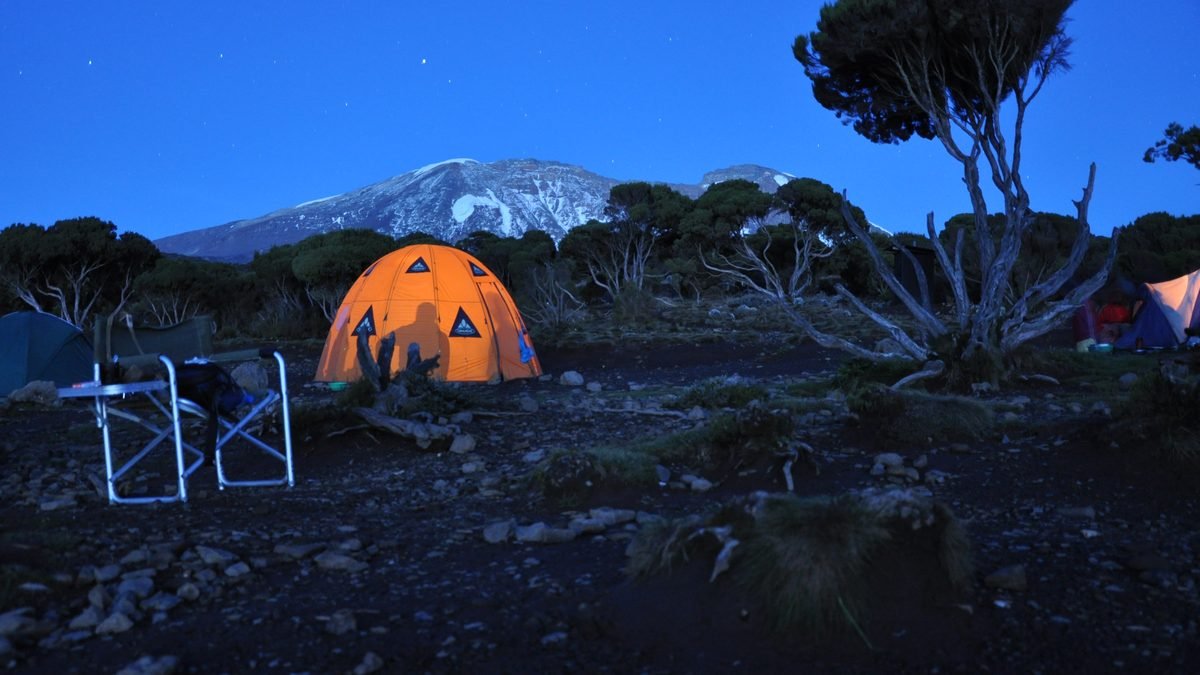
Most cycling tours around Kilimanjaro will involve camping. The quality of tents, sleeping mats, and the presence of a mess tent for dining can significantly impact comfort. Lodge stays are typically reserved for the start and end of the trip. For 2026-2027, inquire about the camping setup and the comfort level of the pre/post-trip accommodation.
Group Size and Pace:
Smaller groups often allow for a more personalized experience and flexibility. The pace of the tour should be discussed. Are you looking for a fast-paced, challenging ride, or a more leisurely exploration with ample time for photos and cultural interactions? Climb 4 Africa can often tailor group sizes and paces to your preferences.
Cost Factors for 2026-2027 Kilimanjaro 360 Cycling Tours
The cost of a Kilimanjaro 360 Cycling Tour package for 2026-2027 will depend on several factors:
- Duration: Longer tours naturally cost more.
- Inclusions: The more services included (e.g., higher-end accommodation, more comprehensive gear), the higher the price.
- Support Level: A larger support crew and more comprehensive vehicle support will increase costs.
- Season: Peak seasons (typically drier months like January-March and June-October) might have slightly higher rates.
- Private vs. Group: Private tours are always more expensive per person than joining a scheduled group departure.
It is best to request a personalized quote from Climb 4 Africa for your specific 2026-2027 dates and preferences. They will provide a detailed breakdown based on your chosen itinerary and inclusions.
The Role of Local Support: Why Climb 4 Africa is Key for Your 2026-2027 Adventure
Choosing a local, reputable operator like Climb 4 Africa for your Kilimanjaro 360 Cycling Tour is paramount. Their on-the-ground presence offers distinct advantages:
- Expertise: Deep knowledge of Kilimanjaro’s terrain, weather patterns, and cultural landscape. They know the best routes, potential hazards, and how to navigate them safely.
- Logistics: smooth handling of permits, park fees, transportation, and supplies. Local operators have established relationships with suppliers and authorities.
- Emergency Response: In the event of an issue, a local team can react swiftly and effectively, leveraging their contacts and knowledge of the area.
- Cultural Connection: They employ local guides and crew, ensuring that your tour directly benefits the communities surrounding Kilimanjaro and offers authentic interactions.
- Flexibility and Customization: Local operators are often more adaptable to last-minute changes or specific client requests, allowing for a more tailored experience for your 2026-2027 trip.
When you book a Kilimanjaro 360 Cycling Tour with Climb 4 Africa, you’re not just booking a trip; you’re engaging with a team that lives and breathes Kilimanjaro. This local insight is invaluable for an expedition that combines challenging cycling with trekking in such an iconic location.
Booking Your Kilimanjaro 360 Cycling Tour for 2026-2027
Ready to start this unique adventure? Booking your Kilimanjaro 360 Cycling Tour for the 2026-2027 seasons is straightforward. Here’s how to proceed:
- Inquire Early: Popular dates, especially in the peak seasons of 2026 and 2027, fill up quickly. Reach out to Climb 4 Africa as soon as possible.
- Discuss Your Preferences: Be ready to share your cycling experience level, fitness, desired duration, and any specific interests (e.g., photography, cultural visits).
- Request a Custom Itinerary and Quote: Climb 4 Africa can then tailor a package specifically for you or your group, outlining the exact route, inclusions, exclusions, and pricing for 2026-2027.
- Confirm Details: Review the proposed itinerary, inclusions, and booking terms carefully.
- Secure Your Booking: A deposit will typically be required to confirm your reservation.
For direct inquiries and to start planning your unforgettable Kilimanjaro 360 Cycling Tour, you can contact Climb 4 Africa:
- WhatsApp: +255 747 477 898
- Email: climb4africa@gmail.com
- Website: Climb 4 Africa
Let them know your preferred travel dates for 2026 or 2027, the number of participants, and that you are interested in the Kilimanjaro 360 Cycling Tour. They will guide you through every step, ensuring your adventure is well-prepared and extraordinary.
Frequently Asked Questions About the Kilimanjaro 360 Cycling Tour
Here are some common questions potential adventurers have about this unique tour:
Is the Kilimanjaro 360 Cycling Tour suitable for beginners?
It depends on the specific route and the operator’s definition of ‘beginner’. Generally, this tour requires a good level of fitness and some experience with mountain biking, as the terrain can be challenging and include significant climbs and descents. Some operators may offer more moderate routes. It’s crucial to be honest about your cycling ability when discussing options for 2026-2027 with Climb 4 Africa.
What is the best time of year for this tour in 2026-2027?
The best times generally align with Kilimanjaro’s dry seasons: January to March and June to October. These periods offer clearer skies, less rain, and more stable weather conditions, making both cycling and trekking more enjoyable and safer. However, shoulder seasons can also be viable with fewer crowds.
Do I need to be an expert cyclist?
While expert skills aren’t always required, a strong intermediate level of mountain biking proficiency is highly recommended. You should be comfortable riding on varied terrain, including gravel, dirt tracks, and potentially rocky paths, and be able to handle descents safely. The trekking components also require good stamina.
What altitude will I reach on a cycling tour?
Unlike summit climbs that reach over 5,800 meters, a 360 cycling tour typically operates at lower altitudes, mostly between 1,000 and 2,500 meters (approx. 3,300 to 8,200 feet). While you won’t experience the extreme altitude sickness risks of summiting, you can still feel the effects of altitude, especially on climbs. Proper acclimatization before starting is still advised.
What happens if I can’t continue cycling or trekking?
This is where a good support vehicle and crew are essential. If you become too tired, injured, or unwell to continue, the support vehicle can pick you up and transport you to the next camp or designated point. For serious medical emergencies, evacuation protocols are in place.
Can I bring my own bicycle?
Some operators may allow this, but it’s often more practical and sometimes included in the package to use the provided bike. Ensure you communicate this preference well in advance. If you bring your own, ensure it’s a robust mountain bike suitable for challenging terrain and that you have spare parts and tools.
Conclusion: Your Kilimanjaro 360 Cycling Adventure Awaits
The Kilimanjaro 360 Cycling Tour is an exceptional way to experience the majesty of Mount Kilimanjaro, offering a dynamic blend of physical challenge, cultural immersion, and impressive scenery. It’s an adventure that appeals to those seeking a different perspective and a more active engagement with this iconic African landscape. For your 2026-2027 travels, planning this unique bike ride trekking package with an expert local operator like Climb 4 Africa ensures you receive unparalleled support, local insight, and a truly memorable expedition. They are well-equipped to help you navigate the planning, preparation, and execution of this ambitious journey, making your Kilimanjaro 360 Cycling Tour a resounding success.
Check Availability for Kilimanjaro 360 Cycling Tour: Your Ultimate Bike Ride Trekking Package
Ready to compare dates, prices, and the best option for your group? Send the package name and travel month so the team can reply with a clear quote, availability, and what is included.
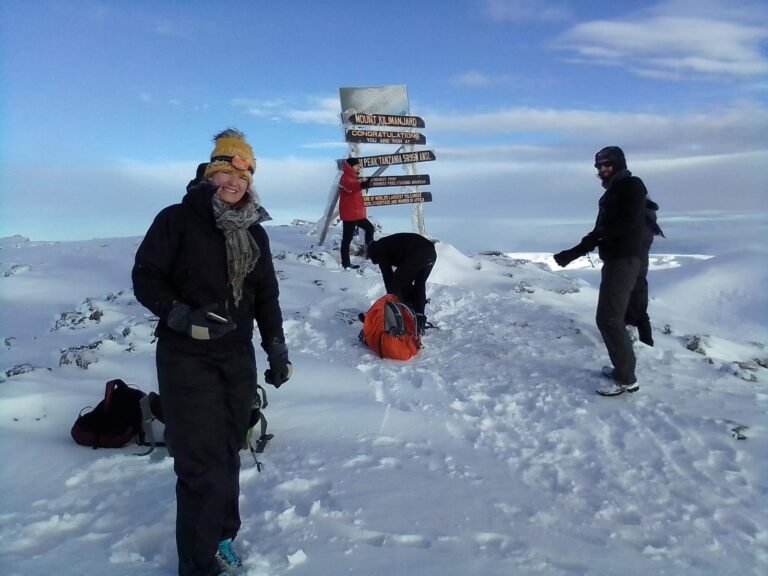
Climbing Kilimanjaro In May : Your Green Season Trekking Guide 2027
Discover the unique advantages and challenges of climbing Kilimanjaro in May 2027. This guide details everything you need to know for a successful trek during the shoulder season.
View package details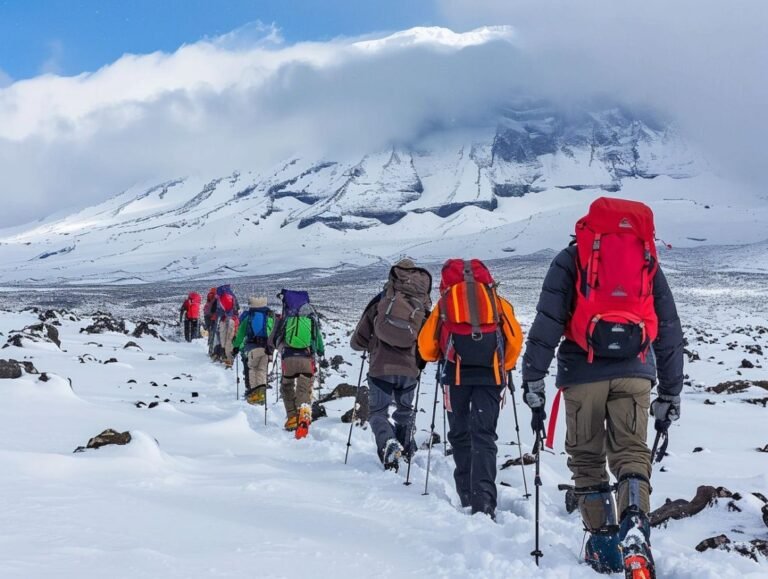
Private Kilimanjaro Climb April : Your Flexible Trekking Adventure 2027
start a personalized Kilimanjaro ascent in April 2027 with a private climb tailored for flexible travellers. Explore route options, understand the April weather, and learn how to book your...
View package detailsEaster Sunday Kilimanjaro Summit – 28 March Trekking Adventure 2027
start an extraordinary journey to the Roof of Africa by aiming for the summit of Kilimanjaro on Easter Sunday, March 28, 2027. This unique timing offers a blend of spiritual significance...
View package detailsKilimanjaro Climb July – Peak Dry-Season Group Departures 2027
Kilimanjaro Climb July 2027 – Peak Dry-Season Group Departures is explained with current 2027 planning, price, itinerary and booking information.
View package details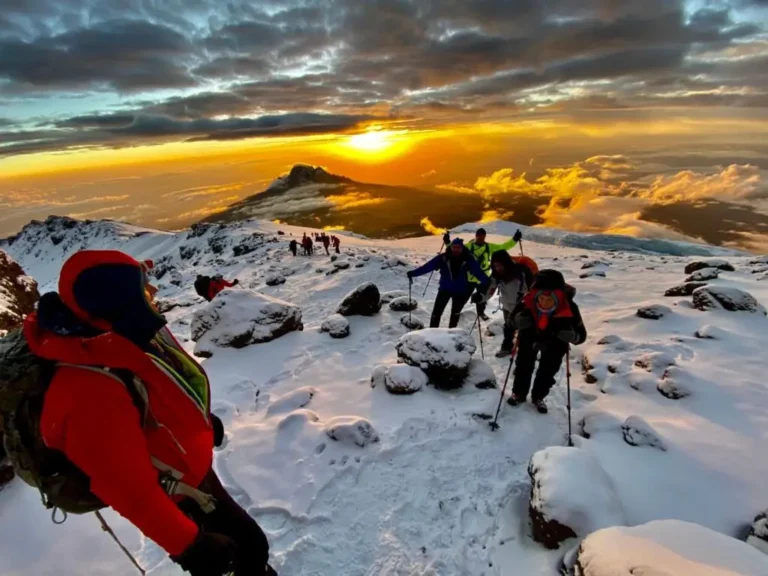
Marangu Route – 26 June Kilimanjaro Group Climb 2027
Marangu Route – 26 June 2027 Kilimanjaro Group Climb is explained with current 2027 planning, price, itinerary and booking information.
View package details7 Day Machame Route – 19 June Kilimanjaro Group Departure 2027
Planning to climb Kilimanjaro on the Machame Route in a group setting? This 7-day departure on June 19, 2027, offers a balanced approach to acclimatization and scenery. Learn what to...
View package details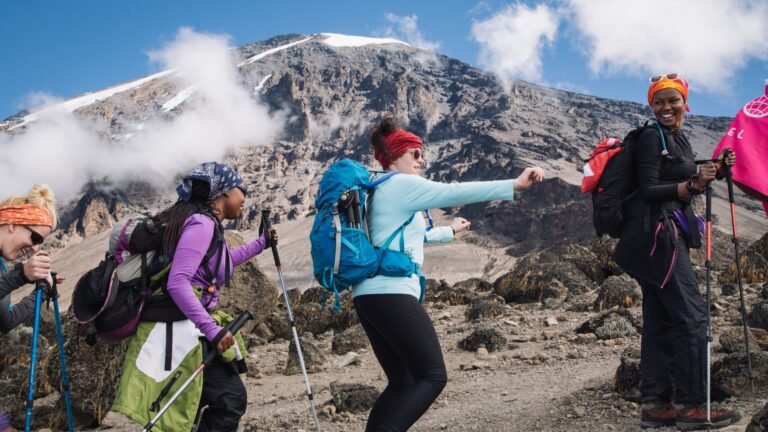
Kilimanjaro 1 May : Your Day Mountain Adventure Awaits 2027
start an unforgettable Kilimanjaro 1 May 2027 adventure. This guide details everything you need to know for a successful May Day climb, from route selection to essential preparation.
View package details8 Day Lemosho Route – 20 February Kilimanjaro Departure With Climb 4 Africa
This article details the 8-day Lemosho Route Kilimanjaro climb scheduled for February 20, 2027, focusing on planning, itinerary, and what makes this departure a unique opportunity with...
View package details
Kilimanjaro Climb February – Dry Season Groups And Availability 2027
Kilimanjaro Climb February 2027 – Dry Season Groups and Availability is explained with current 2027 planning, price, itinerary and booking information.
View package detailsLemosho Route – 7 August Summer Group Climb: Your Kilimanjaro Adventure 2027
start a memorable Lemosho Route – 7 August 2027 Summer Group Climb up Mount Kilimanjaro. This guide covers the itinerary, acclimatization, and preparation for your ascent.
View package details
Family Kilimanjaro Climb August : Your Summer Holiday Adventure 2027
start an unforgettable Family Kilimanjaro Climb during August 2027. This guide covers the best routes, essential planning, and tips for a successful summer holiday ascent.
View package details
Kilimanjaro And Great Migration Safari August : Your Peak Season Adventure
Plan your ultimate Tanzanian adventure in August 2027, combining a Kilimanjaro climb with the spectacle of the Great Migration. This guide details the best timings, routes, and safari...
View package detailsNo related package matches those filters. Clear one or more filters to see the other topic-matched options.



