
Embarking on a Kilimanjaro Mountain Bike Summit via the Kilema Route offers a unique and challenging way to reach Uhuru Peak. This expedition combines strenuous mountain biking with trekking elements, typically requiring 7-9 days to complete, depending on acclimatization and pace. Unlike traditional treks, the Kilema Route is one of the few that allows cycling for a significant portion, especially on the eastern and northern slopes, before transitioning to foot for the final ascent to the summit. Planning for 2026-2027 expeditions involves careful consideration of the route’s demands, equipment, and the expertise of operators like Climb 4 Africa, who specialize in Kilimanjaro expeditions and can tailor this extraordinary adventure.
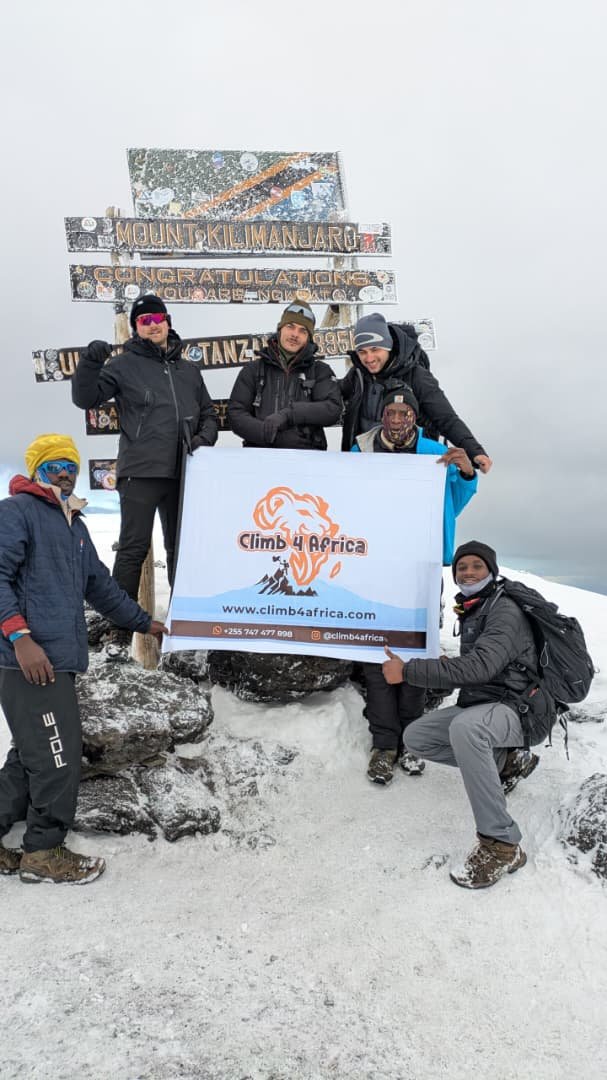
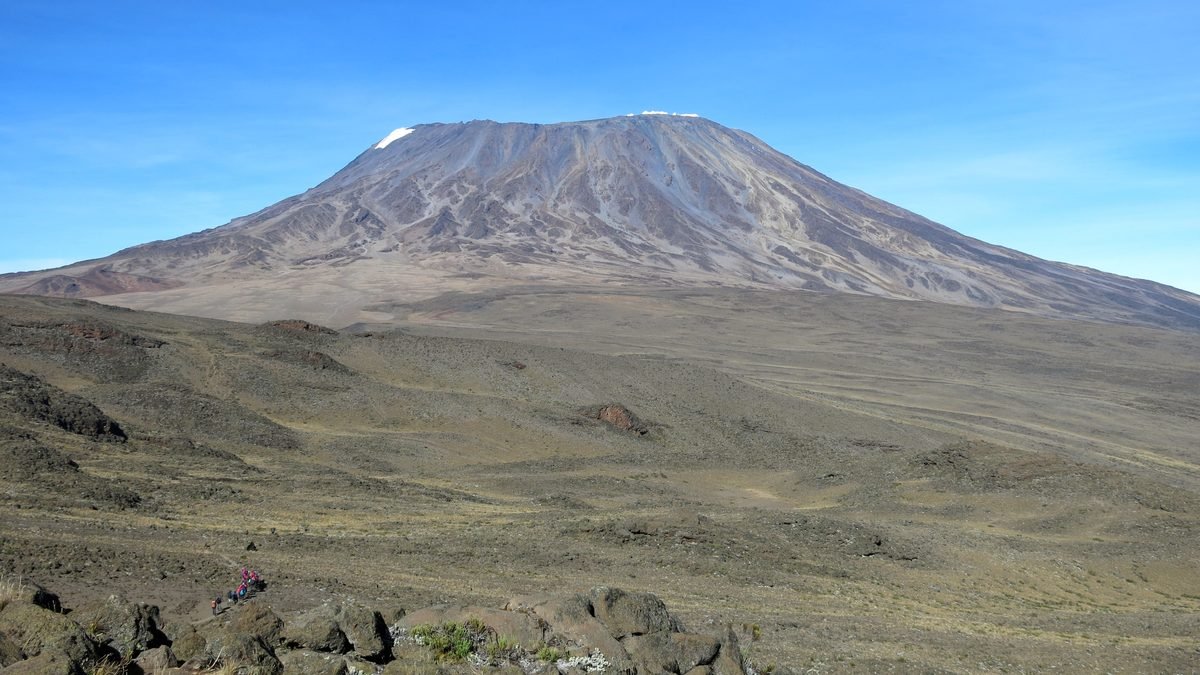

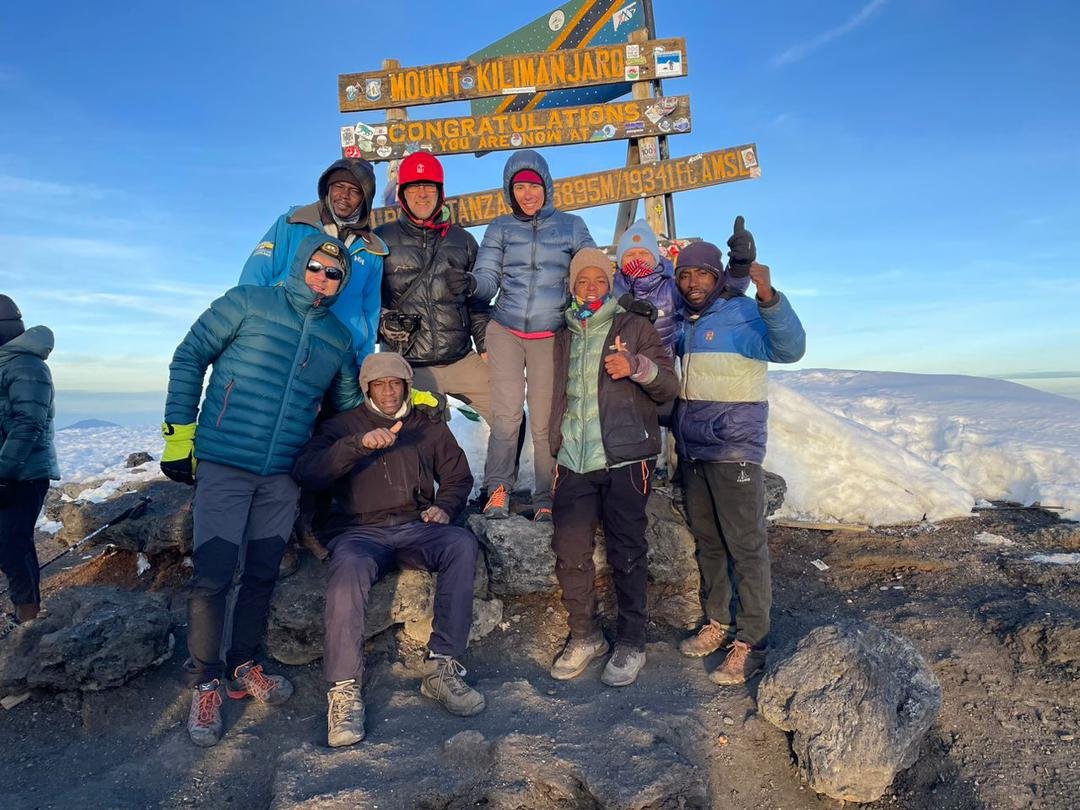
The dream of standing at the roof of Africa, Uhuru Peak, is shared by many. While most envision a multi-day trek, a select few seek an even more exhilarating challenge: cycling to the summit of Kilimanjaro. This is not your average downhill thrill; it’s a demanding, high-altitude mountain bike expedition that pushes physical and mental limits. The Kilema Route is particularly suited for this endeavor, offering a unique pathway for cyclists aiming for the 5,895-meter (19,341-foot) summit.
Understanding the Kilimanjaro Mountain Bike Summit on the Kilema Route
The concept of cycling to the summit of Kilimanjaro is ambitious and requires a specific approach. While it’s technically impossible to bike the entire way to Uhuru Peak due to the extreme gradient, scree, and ice on the final ascent, the Kilema Route provides the longest possible stretch for mountain biking. This route, often overlooked by traditional trekkers, is ideal for cyclists because it allows for significant biking sections on its lower and middle reaches, offering a distinct advantage for those looking to combine their passion for cycling with a high-altitude challenge.
The Kilimanjaro Mountain Bike Summit via Kilema Route is an expedition that demands meticulous planning and a robust fitness regimen. It’s an undertaking for experienced mountain bikers who are also prepared for the physiological effects of extreme altitude. Unlike a standard trek where you might walk for 6-8 hours a day, a biking day on Kilimanjaro can involve longer periods in the saddle, interspersed with sections where the bike must be pushed or carried. This duality is what makes the Kilema Route so compelling for this specific type of adventure.
When considering expeditions for 2026-2027, it’s crucial to partner with operators who understand the nuances of this specialized ascent. They must have the right equipment, experienced guides who can navigate both cycling and trekking phases, and a deep understanding of altitude acclimatization protocols. Climb 4 Africa, with its extensive experience in Kilimanjaro expeditions, is well-equipped to guide you through this extraordinary journey.
The Kilema Route: A Cyclist’s Perspective
The Kilema Route is traditionally known as a shorter, less scenic, and steeper ascent on the eastern side of Kilimanjaro. However, for mountain bikers, its characteristics present unique opportunities. It’s one of the few routes that allows for biking for a considerable distance, particularly on the initial ascent through the montane forest and moorland zones. The trail can be rough, rocky, and at times, very steep, demanding excellent bike handling skills and a powerful engine.
The advantage of the Kilema Route for biking lies in its relative directness. It heads towards the Kibo crater from the east, offering a different perspective than the more popular western or southern routes. While it doesn’t have the same scenic variety as Machame or Lemosho, its suitability for cycling makes it the premier choice for this specific goal. The route typically involves camping, as there are no huts available, which adds to the expeditionary feel.
Key characteristics of the Kilema Route for biking:
- Steep Ascents: Sections of the route are extremely steep, requiring significant power and endurance.
- Rocky Terrain: Expect challenging, uneven surfaces that test bike control.
- Biking vs. Trekking: Significant portions can be cycled, but expect sections where you’ll need to dismount and push your bike, or even carry it.
- Camping: The route relies on camping, offering a more rugged, in-depth experience.
- Directness: It offers a relatively direct path towards the summit cone.
For those planning their Kilimanjaro Mountain Bike Summit for 2026-2027, understanding these route specifics is fundamental to preparation. It’s about more than just physical fitness; it’s about technical biking skills at altitude and the mental fortitude to persevere through challenging conditions.
The Expedition Itinerary: A Day-by-Day Breakdown
A typical Kilimanjaro Mountain Bike Summit via Kilema Route expedition will span 7 to 9 days. The extended duration is crucial for acclimatization, which is paramount for success and safety at high altitudes. While the biking sections can cover ground faster than walking, the body still needs time to adapt to the thinning air.
Sample 8-Day Kilema Route Mountain Bike Itinerary
This is a sample itinerary; actual timings and camping locations may vary based on conditions and guide recommendations.
- Day 1: Arrival in Moshi
- Arrive at Kilimanjaro International Airport (JRO).
- Transfer to your hotel in Moshi.
- Meet your expedition team for a briefing, bike check, and gear review.
- Accommodation: Hotel in Moshi.
- Day 2: Moshi to Marangu Gate to First Campsite (Biking & Trekking)
- After breakfast, drive to Marangu Gate (approx. 1,800m / 5,905ft).
- Complete park registration formalities.
- Begin biking through the montane forest. The trail can be muddy and challenging.
- Continue biking and/or pushing the bike to the first campsite, typically around 2,700m / 8,858ft.
- Distance: Approx. 15-20 km (biking/pushing).
- Accommodation: Camping.
- Day 3: First Campsite to Second Campsite (Biking & Trekking)
- Continue ascending, transitioning from forest to moorland.
- The terrain remains challenging, with steep, rocky sections requiring skillful riding and possibly pushing.
- Reach the second campsite, typically around 3,500m / 11,483ft.
- Distance: Approx. 10-15 km (biking/pushing).
- Accommodation: Camping.
- Day 4: Second Campsite to Third Campsite (Biking & Trekking)
- The landscape opens up to alpine desert. Biking becomes more challenging due to loose scree and thinner air.
- This day involves significant pushing and potentially carrying the bike over difficult sections.
- Aim for the third campsite, usually around 4,200m / 13,780ft.
- Distance: Approx. 8-12 km (biking/pushing).
- Accommodation: Camping.
- Day 5: Third Campsite to Kibo South Circuit Camp (Trekking)
- Today, the focus shifts more towards acclimatization and preparing for the summit push.
- While some sections might still be bikeable or pushable, many will require you to hike. The altitude is significant.
- The goal is to reach a camp closer to the crater rim, often referred to as Kibo South Circuit Camp or similar, around 4,700m / 15,420ft.
- Distance: Approx. 5-8 km (hiking/pushing).
- Accommodation: Camping.
- Day 6: Summit Night! (Trekking)
- Summit Push: Begin the ascent to Uhuru Peak (5,895m / 19,341ft) around midnight. This is a challenging trek on steep scree and potentially ice. Biking is not possible or advisable here.
- Reach Stella Point (5,752m / 18,871ft) and then proceed to Uhuru Peak.
- Descend back to the third campsite or a lower campsite for rest.
- Distance: Approx. 6 km ascent, 12 km descent.
- Accommodation: Camping.
- Day 7: Descent to Marangu Gate (Trekking)
- Descend through the moorland and forest zones back towards Marangu Gate.
- This is a long but rewarding day of trekking.
- Celebrate your achievement upon reaching the gate.
- Transfer back to your hotel in Moshi.
- Distance: Approx. 20-25 km (trekking).
- Accommodation: Hotel in Moshi.
- Day 8: Departure
- Enjoy a final breakfast in Moshi.
- Transfer to Kilimanjaro International Airport (JRO) for your departure.
This itinerary highlights the blend of biking and trekking. It’s essential to understand that the higher you go, the more challenging biking becomes, and trekking or pushing the bike is often the only option. Planning for 2026-2027 means booking well in advance, especially for specialized trips like this.
Challenges and Considerations for a Kilimanjaro Bike Summit
Undertaking a Kilimanjaro Mountain Bike Summit is significantly more demanding than a standard trek. The combination of extreme altitude, variable terrain, and the physical exertion of cycling presents a unique set of challenges.
Altitude Sickness
This remains the primary concern for any Kilimanjaro ascent. Altitude sickness (Acute Mountain Sickness – AMS) can affect anyone, regardless of fitness level. Symptoms include headaches, nausea, dizziness, and fatigue. The Kilema Route, especially when combined with the physical stress of biking, can exacerbate AMS. Gradual ascent, proper acclimatization days, hydration, and avoiding overexertion are critical. Your guides will monitor you closely, and descent is the only cure if symptoms become severe.
Terrain and Bike Handling
The trails on Kilimanjaro are not purpose-built bike paths. You will encounter loose scree, rocky sections, mud, and steep gradients. This requires excellent bike handling skills, a robust mountain bike, and a good degree of courage. There will be many sections where pushing your bike uphill (the ‘hike-a-bike’ or ‘push-a-bike’ sections) is necessary, and sometimes even carrying it over obstacles. This is part of the adventure and requires patience and determination.
Physical Demands
Cycling at high altitudes is exponentially harder than cycling at sea level. Your cardiovascular system is already working overtime to cope with the reduced oxygen. Adding the physical effort of cycling, especially uphill, places immense strain on your body. A high level of cardiovascular fitness, combined with significant leg strength and endurance, is essential. Cross-training that includes cycling, hiking with a weighted pack, and strength training is highly recommended.
Bike and Equipment
You will need a sturdy, well-maintained mountain bike, preferably a full-suspension or a robust hardtail with good quality tires suitable for varied terrain. Ensure your bike is equipped with low gearing for steep climbs. Essential biking gear includes a helmet, padded cycling shorts, gloves, eye protection, and a hydration pack. Beyond biking gear, you’ll need standard Kilimanjaro trekking equipment, including warm clothing, waterproofs, and sturdy hiking boots for the trekking sections and summit night.
Logistics and Support
A successful Kilimanjaro Mountain Bike Summit requires a highly competent support team. This includes experienced guides trained in both trekking and mountain biking at altitude, porters to carry camping equipment and supplies, and a cook. Having a vehicle at the start and end points, and potentially at lower points accessible by road, is also crucial for logistics and emergency support. Operators like Climb 4 Africa provide this essential support structure.
Weather
Kilimanjaro’s weather is unpredictable and changes rapidly with altitude. You can experience sunshine, rain, fog, wind, and even snow, sometimes all in the same day. Temperatures can drop significantly, especially at night and during the summit push. Proper layering of clothing is vital to manage temperature fluctuations.
Planning for your 2026-2027 expedition means anticipating these challenges and preparing thoroughly. It’s not just about reaching the summit; it’s about managing the journey safely and enjoyably.
Choosing Your Mountain Bike for Kilimanjaro
Selecting the right bicycle is critical for a Kilimanjaro Mountain Bike Summit. This isn’t a race on a groomed trail; it’s an expedition over varied and often demanding terrain at extreme altitude. The bike needs to be robust, reliable, and suited to the specific challenges of the Kilema Route.
Type of Bike
- Full-Suspension Mountain Bike: Generally the preferred choice. The suspension smooths out the ride over rocky and uneven terrain, reducing rider fatigue and improving control. A bike with 120-150mm of travel is usually a good balance between comfort and efficiency.
- Hardtail Mountain Bike: A capable option if it’s a robust model with quality components. It will be less comfortable than a full-suspension bike on rough descents, leading to more rider fatigue. However, it might be slightly lighter and simpler to maintain.
- Fat Bike: While often associated with snow or sand, fat bikes with their wide tires can offer excellent traction and a cushioned ride on loose surfaces like scree. However, they can be heavier and harder to pedal uphill.
Key Features to Look For:
- Gearing: A wide range of low gears is essential for tackling the steep, sustained climbs. A 1x drivetrain with a large cassette (e.g., 10-50t or 11-52t) is ideal.
- Brakes: Powerful hydraulic disc brakes are non-negotiable. They provide reliable stopping power in all conditions, crucial for steep descents and emergency stops.
- Tires: Choose durable, aggressive tread tires that offer good grip on loose surfaces, mud, and rock. Tubeless setup is highly recommended to minimize punctures. Consider a tire sealant.
- Frame Material: Aluminum or carbon fiber frames are common. Aluminum is generally more durable and cost-effective for expedition use.
- Wheel Size: 27.5-inch or 29-inch wheels are standard. Larger wheels roll over obstacles more easily, while 27.5-inch wheels can be more agile.
Maintenance and Spares
Your bike will be subjected to significant stress. Ensure it is professionally serviced before your trip. Carry essential spare parts, including a spare tube, tire levers, a patch kit, a multi-tool, and possibly a spare derailleur hanger. Your guide team will also carry some basic repair tools and knowledge.
Renting vs. Bringing Your Own Bike
Many operators offer bike rentals. This can be a convenient option, especially if you don’t own a suitable bike or don’t want to deal with the logistics of transporting it. However, if you have a bike you know and trust, bringing it might be preferable. Discuss options with your tour operator, Climb 4 Africa, when planning your 2026-2027 trip.
The bike is your primary tool for this expedition. Treat its selection and preparation with the utmost seriousness.
Preparing for Your 2026-2027 Kilimanjaro Mountain Bike Summit
Success on the Kilimanjaro Mountain Bike Summit hinges on preparation. This isn’t a trip you can wing; it requires a dedicated training regimen and careful logistical planning.
Physical Training
- Cardiovascular Fitness: Engage in regular aerobic activities like running, cycling, swimming, or hiking for at least 4-5 times a week. Aim for sessions of 60-90 minutes.
- Strength Training: Focus on lower body strength (squats, lunges, deadlifts) and core strength. This will help with pedaling power and stability on rough terrain.
- Endurance Cycling: Spend significant time on your mountain bike, ideally on varied terrain that mimics Kilimanjaro’s challenges (steep climbs, rocky descents, loose surfaces). Gradually increase the duration and intensity of your rides. Include back-to-back long rides to simulate multi-day exertion.
- Altitude Simulation (Optional): If possible, train at higher altitudes to get your body accustomed to the conditions.
- Specific Skills: Practice technical biking skills, including riding over obstacles, descending steep sections, and maneuvering on loose ground.
- Hiking with a Pack: Get used to hiking with a weighted backpack, as you will need to do this during the trek sections and summit night.
Start your training at least 6 months before your planned expedition in 2026 or 2027. Consistency is key.
Mental Preparation
The mental aspect is as crucial as the physical. You will face moments of doubt, fatigue, and discomfort. Cultivate resilience, focus on problem-solving, and develop strategies for staying motivated. Break down the challenge into smaller, manageable goals.
Gear Checklist
A comprehensive gear list is essential. This includes:
- Biking Gear: Helmet, padded cycling shorts, cycling jerseys, gloves, cycling shoes (or versatile trail shoes), eye protection, hydration pack (3-4 liters).
- Trekking Gear: Waterproof and windproof jacket and trousers, thermal base layers, mid-layers (fleece), insulated jacket (down or synthetic), hiking boots (broken in), camp shoes, warm socks, hat, gloves, sunglasses, headlamp with spare batteries.
- Camping Gear: Sleeping bag (rated to -10°C or lower), sleeping pad (if not provided), personal toiletries.
- Health and Safety: Personal first-aid kit, any personal medications, sunscreen, lip balm with SPF, insect repellent.
- Documents: Passport, visa, travel insurance, vaccination certificates.
Your tour operator, Climb 4 Africa, will provide a detailed gear list tailored to the Kilema Route biking expedition.
Acclimatization Strategy
This cannot be stressed enough. The itinerary must be designed to allow for gradual ascent and acclimatization. The sample 8-day itinerary includes this, but longer trips (9-10 days) offer even better acclimatization profiles. Listen to your body and your guides; “pole pole” (slowly, slowly) is the mantra.
Travel Insurance
Ensure your travel insurance covers high-altitude trekking and mountain biking up to 6,000 meters. It should also include emergency evacuation and medical cover.
Booking Your Expedition
For a specialized trip like the Kilimanjaro Mountain Bike Summit, booking with an experienced operator is vital. Climb 4 Africa specializes in Kilimanjaro expeditions and can tailor this unique adventure for your 2026-2027 travel plans. Contact them early to discuss your requirements.
Why Choose the Kilema Route for a Mountain Bike Summit?
While Kilimanjaro offers several trekking routes, the Kilema Route stands out as the most practical and rewarding option for a Kilimanjaro Mountain Bike Summit. Its unique characteristics make it the preferred choice for this specific type of adventure.
Longest Possible Biking Sections
Compared to other routes, Kilema offers the most extensive and continuous sections suitable for mountain biking, especially in the lower and middle altitudes. This allows adventurers to spend more time in the saddle, which is the core of this expedition’s appeal.
Direct Ascent Profile
The route ascends from the east, offering a relatively direct path towards the Kibo massif. This directness means covering distance efficiently, though the terrain is often steep and challenging.
Camping Experience
Unlike routes like Marangu which offer huts, Kilema is primarily a camping route. This provides a more authentic wilderness experience, allowing you to fully experience the mountain environment. For bikers, setting up camp after a day of challenging riding adds to the expeditionary feel.
Unique Challenge
Combining mountain biking with high-altitude mountaineering presents a unique and formidable challenge. It requires a different skill set and a higher level of physical and mental preparation than a standard trek. For those seeking an extraordinary adventure beyond the conventional, the Kilema Route bike summit is unparalleled.
Operator Specialization
Because this is a niche expedition, it requires operators who understand the specific needs of mountain bikers at altitude. Climb 4 Africa has the expertise to manage the logistics, safety, and technical requirements of such a trip, ensuring a well-supported Kilimanjaro Mountain Bike Summit experience for 2026-2027.
While other routes might be modified for biking in lower sections, the Kilema Route is the one that most closely aligns with the ambition of cycling a significant portion of Kilimanjaro towards Uhuru Peak.
Safety and Emergency Procedures
Safety is paramount on any Kilimanjaro expedition, and it takes on even greater importance for a mountain bike summit. The combination of altitude, remote terrain, and the physical demands of cycling necessitates robust safety protocols.
Guide Expertise
Your lead guides should be certified Wilderness First Responders and possess extensive experience with high-altitude trekking and, ideally, mountain biking logistics. They are trained to recognize the signs of altitude sickness and other medical emergencies and to manage them effectively. They will make critical decisions regarding pace, rest, and whether to proceed or descend.
Communication
Reliable communication is vital. Your expedition team will typically carry satellite phones or two-way radios for emergency communication with base operations. Ensure your chosen operator has a clear communication plan and emergency contact procedures.
Emergency Evacuation
In the event of a serious medical emergency, prompt evacuation is crucial. Climb 4 Africa works with reliable evacuation services. Your travel insurance must cover high-altitude helicopter or ground evacuation. Being prepared to descend quickly is the most effective way to manage altitude-related illnesses.
Bike Malfunctions
Mechanical issues with your bike can also pose a safety risk, especially on challenging terrain. The support crew should include individuals capable of performing essential repairs. Carrying spare parts and knowing how to fix common issues can prevent minor problems from becoming major setbacks.
Pacing and Acclimatization
The guides will manage the pace, ensuring it’s slow enough for proper acclimatization. This applies to both trekking and biking sections. Pushing too hard, too fast, is a common mistake that leads to altitude sickness. For a Kilimanjaro Mountain Bike Summit in 2026-2027, adhering strictly to acclimatization principles is non-negotiable.
Key Safety Measures:
- Constant monitoring of symptoms by guides.
- Adequate hydration and nutrition.
- Appropriate gear for all weather conditions.
- Pre-expedition medical check-up.
- Understanding your own limits and communicating them to your guide.
- Having a comprehensive travel insurance policy.
Climb 4 Africa prioritizes safety in all its expeditions, ensuring that every step of your Kilimanjaro Mountain Bike Summit is managed with the highest standards.
Booking Your 2026-2027 Kilimanjaro Mountain Bike Summit
Planning a trip as unique and demanding as a Kilimanjaro Mountain Bike Summit requires careful consideration and early booking. For your 2026-2027 expedition, partnering with an experienced and reputable tour operator is essential.
Why Book with Climb 4 Africa?
Climb 4 Africa is a leading Kilimanjaro expert and Tanzania travel company with extensive experience in organizing challenging mountain expeditions. We understand the specific requirements for a bike summit, including:
- Specialized Itineraries: We design itineraries that balance biking with necessary acclimatization days, focusing on routes like Kilema that are best suited for this challenge.
- Experienced Guides: Our guides are not only skilled mountaineers but also understand the logistics and safety considerations for biking expeditions.
- Equipment Support: We can advise on bike suitability, provide rental options, and ensure you have the necessary technical support.
- Logistical Excellence: From airport transfers to campsite arrangements and emergency protocols, our team manages all logistical details.
- Tailored Experiences: We can customize your trip to meet your specific needs and fitness levels.
Next Steps for Booking:
To begin planning your Kilimanjaro Mountain Bike Summit for 2026 or 2027, we recommend the following:
- Contact Us: Reach out to our team via WhatsApp at +255 747 477 898 or email us at climb4africa@gmail.com.
- Discuss Your Plans: Share your desired dates, group size, and any specific requirements. We can discuss the feasibility of a bike summit and provide detailed information about the Kilema Route.
- Receive a Custom Itinerary: Based on our discussion, we will prepare a personalized itinerary and a comprehensive quote.
- Confirm and Book: Once you are satisfied, we will guide you through the booking process, including deposit payment and necessary paperwork.
Booking in advance for 2026-2027 is highly advisable, as specialized expeditions require more detailed planning and equipment preparation. Don’t miss the opportunity to undertake one of Africa’s most unique adventures. Let Climb 4 Africa help you achieve your Kilimanjaro Mountain Bike Summit goal.
For those interested in standard Kilimanjaro treks or combining your adventure with a safari, explore our other offerings like the Machame Route treks or our diverse Tanzania safaris.
Frequently Asked Questions about Kilimanjaro Mountain Bike Summit
Q1: Is it possible to cycle all the way to Uhuru Peak?
No, it is not possible to cycle the entire way to Uhuru Peak. The final ascent from Stella Point to Uhuru Peak involves steep, icy, and rocky terrain where biking is not feasible or safe. The mountain bike expedition focuses on cycling the longest possible sections on routes like Kilema, before transitioning to trekking for the summit push.
Q2: Which route is best for a Kilimanjaro mountain bike summit?
The Kilema Route is generally considered the most suitable for a Kilimanjaro Mountain Bike Summit due to its longer, continuous sections that allow for significant biking, especially in the lower and middle altitudes. It offers a more direct ascent on the eastern side.
Q3: How long does a Kilimanjaro Mountain Bike Summit take?
A typical expedition takes between 7 to 9 days. The longer duration is crucial for proper acclimatization, which is vital for safety and success at high altitudes, especially when combined with the physical exertion of cycling.
Q4: What level of fitness is required?
A very high level of cardiovascular fitness and strength is required. You should be an experienced mountain biker comfortable with technical terrain and steep climbs, and also have excellent endurance for long days of cycling and trekking. Significant training at least 6 months in advance is recommended.
Q5: What kind of bicycle is recommended?
A robust, well-maintained mountain bike is essential. A full-suspension bike with good quality components and a wide range of low gears is ideal. Powerful hydraulic disc brakes are a must. Ensure your bike is suitable for steep, rocky, and loose terrain.
Q6: What are the main risks involved?
The primary risks are altitude sickness, the physical strain of cycling at high altitudes, challenging terrain leading to bike handling issues or falls, and unpredictable weather conditions. Proper acclimatization, experienced guides, and thorough preparation are key to mitigating these risks.
Q7: Can I rent a mountain bike for the climb?
Yes, many specialized tour operators, including Climb 4 Africa, can arrange for mountain bike rentals. This is a convenient option if you don’t own a suitable bike or prefer not to transport your own. Discuss this option when booking your 2026-2027 expedition.
Q8: When is the best time to attempt a Kilimanjaro Mountain Bike Summit?
The best times are during the dry seasons: January to March and June to October. These periods offer clearer skies and more stable weather conditions, making both biking and trekking safer and more enjoyable.
“,
“faq_schema”: [
{
“question”: “Is it possible to cycle all the way to Uhuru Peak?”,
“answer”: “No, it is not possible to cycle the entire way to Uhuru Peak. The final ascent from Stella Point to Uhuru Peak involves steep, icy, and rocky terrain where biking is not feasible or safe. The mountain bike expedition focuses on cycling the longest possible sections on routes like Kilema, before transitioning to trekking for the summit push.”
},
{
“question”: “Which route is best for a Kilimanjaro mountain bike summit?”,
“answer”: “The Kilema Route is generally considered the most suitable for a Kilimanjaro Mountain Bike Summit due to its longer, continuous sections that allow for significant biking, especially in the lower and middle altitudes. It offers a more direct ascent on the eastern side.”
},
{
“question”: “How long does a Kilimanjaro Mountain Bike Summit take?”,
“answer”: “A typical expedition takes between 7 to 9 days. The longer duration is crucial for proper acclimatization, which is vital for safety and success at high altitudes, especially when combined with the physical exertion of cycling.”
},
{
“question”: “What level of fitness is required for a Kilimanjaro Mountain Bike Summit?”,
“answer”: “A very high level of cardiovascular fitness and strength is required. You should be an experienced mountain biker comfortable with technical terrain and steep climbs, and also have excellent endurance for long days of cycling and trekking. Significant training at least 6 months in advance is recommended.”
},
{
“question”: “What kind of bicycle is recommended for climbing Kilimanjaro?”,
“answer”: “A robust, well-maintained mountain bike is essential. A full-suspension bike with good quality components and a wide range of low gears is ideal. Powerful hydraulic disc brakes are a must. Ensure your bike is suitable for steep, rocky, and loose terrain.”
},
{
“question”: “What are the main risks involved in a Kilimanjaro Mountain Bike Summit?”,
“answer”: “The primary risks are altitude sickness, the physical strain of cycling at high altitudes, challenging terrain leading to bike handling issues or falls, and unpredictable weather conditions. Proper acclimatization, experienced guides, and thorough preparation are key to mitigating these risks.”
},
{
“question”: “Can I rent a mountain bike for the Kilimanjaro climb?”,
“answer”: “Yes, many specialized tour operators, including Climb 4 Africa, can arrange for mountain bike rentals. This is a convenient option if you don’t own a suitable bike or prefer not to transport your own. Discuss this option when booking your 2026-2027 expedition.”
},
{
“question”: “When is the best time to attempt a Kilimanjaro Mountain Bike Summit?”,
“answer”: “The best times are during the dry seasons: January to March and June to October. These periods offer clearer skies and more stable weather conditions, making both biking and trekking safer and more enjoyable.”
}
]
}
“`
Check Availability for Kilimanjaro Mountain Bike Summit, Cycle To Uhuru Peak Via Kilema Route
Ready to compare dates, prices, and the best option for your group? Send the package name and travel month so the team can reply with a clear quote, availability, and what is included.
Kilimanjaro Climb July – Peak Dry-Season Group Departures 2027
Kilimanjaro Climb July 2027 – Peak Dry-Season Group Departures is explained with current 2027 planning, price, itinerary and booking information.
View package details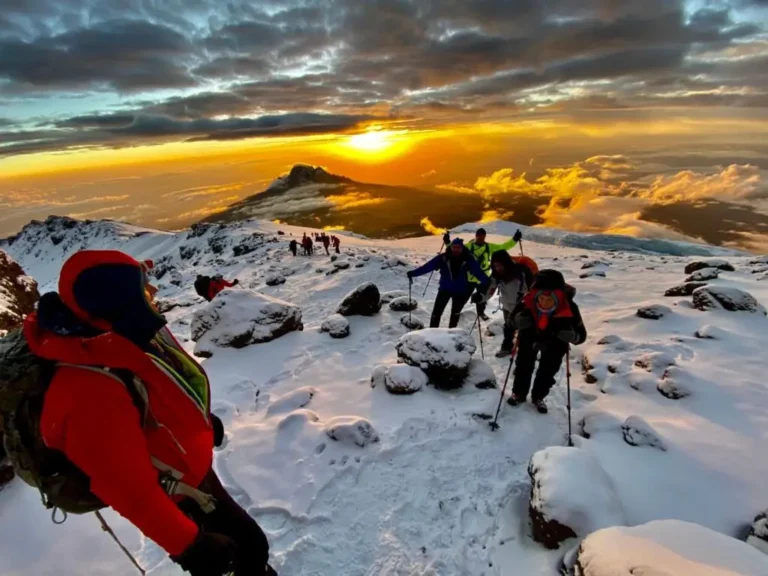
Marangu Route – 26 June Kilimanjaro Group Climb 2027
Marangu Route – 26 June 2027 Kilimanjaro Group Climb is explained with current 2027 planning, price, itinerary and booking information.
View package details7 Day Machame Route – 19 June Kilimanjaro Group Departure 2027
Planning to climb Kilimanjaro on the Machame Route in a group setting? This 7-day departure on June 19, 2027, offers a balanced approach to acclimatization and scenery. Learn what to...
View package details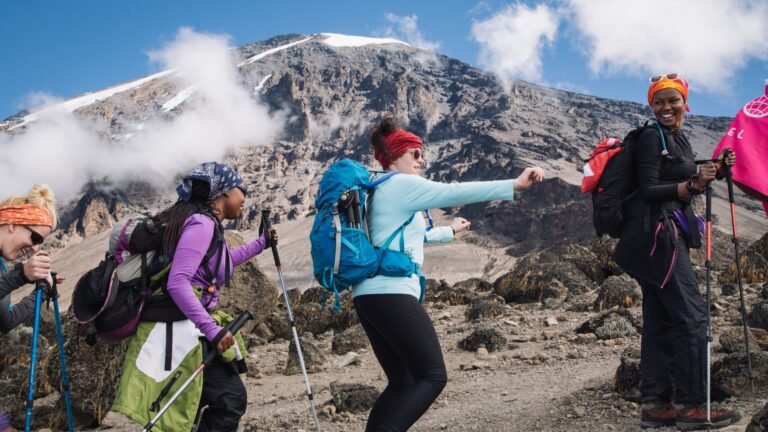
Kilimanjaro 1 May : Your Day Mountain Adventure Awaits 2027
start an unforgettable Kilimanjaro 1 May 2027 adventure. This guide details everything you need to know for a successful May Day climb, from route selection to essential preparation.
View package details8 Day Lemosho Route – 20 February Kilimanjaro Departure With Climb 4 Africa
This article details the 8-day Lemosho Route Kilimanjaro climb scheduled for February 20, 2027, focusing on planning, itinerary, and what makes this departure a unique opportunity with...
View package detailsLemosho Route – 7 August Summer Group Climb: Your Kilimanjaro Adventure 2027
start a memorable Lemosho Route – 7 August 2027 Summer Group Climb up Mount Kilimanjaro. This guide covers the itinerary, acclimatization, and preparation for your ascent.
View package detailsSolo Traveller Kilimanjaro August – Join A Peak-Season Group 2027
Solo Traveller Kilimanjaro August 2027 – Join a Peak-Season Group is explained with current 2027 planning, price, itinerary and booking information.
View package details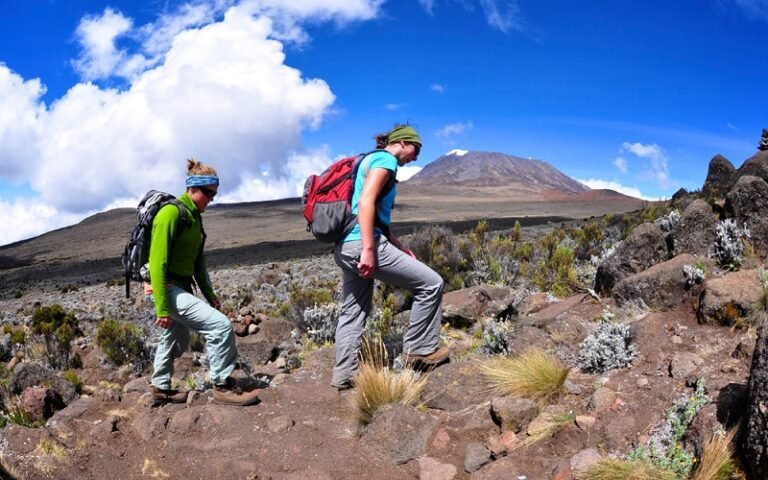
Kilimanjaro And Mara River Crossing Safari August : Peak Season Adventure 2027
Combining the ultimate challenge of climbing Mount Kilimanjaro with the awe-inspiring spectacle of the Great Migration river crossing in the Maasai Mara offers an unparalleled African...
View package details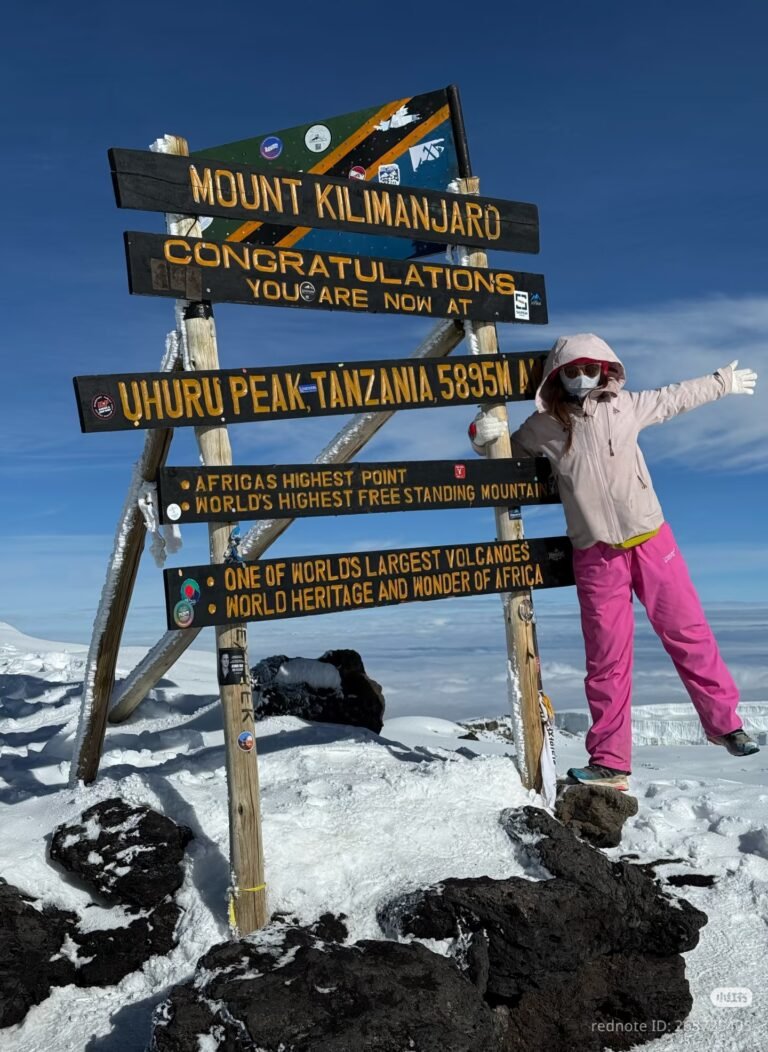
Kilimanjaro And Great Migration Safari August : Your Peak Season Adventure
Plan your ultimate Tanzanian adventure in August 2027, combining a Kilimanjaro climb with the spectacle of the Great Migration. This guide details the best timings, routes, and safari...
View package detailsUk August Bank Holiday Kilimanjaro Climb : Your Peak Season Adventure 2027
Planning a UK August Bank Holiday Kilimanjaro Climb in 2027 offers a prime opportunity to ascend Africa's highest peak during a favourable season. This guide details how to make the most of...
View package detailsLemosho Route – 28 August Kilimanjaro Group Climb 2027
Lemosho Route – 28 August 2027 Kilimanjaro Group Climb is explained with current 2027 planning, price, itinerary and booking information.
View package detailsKilimanjaro Full Moon Climb August – Summit Around 17 2027
start an unforgettable Kilimanjaro Full Moon Climb in August 2027, targeting a impressive summit on or around August 17th. This guide covers optimal routes, August conditions, and essential...
View package detailsNo related package matches those filters. Clear one or more filters to see the other topic-matched options.



