
Joining a group 6-day Marangu Route trek starting in December 2026 or 2027 means preparing for a challenging yet rewarding ascent of Kilimanjaro, staying in huts along the way. This specific itinerary offers a balance of acclimatization and forward progress, with group departures providing a social and potentially cost-effective way to experience the mountain. December is a popular month due to favorable weather conditions, making it an excellent time to plan your climb for either 2026 or 2027.
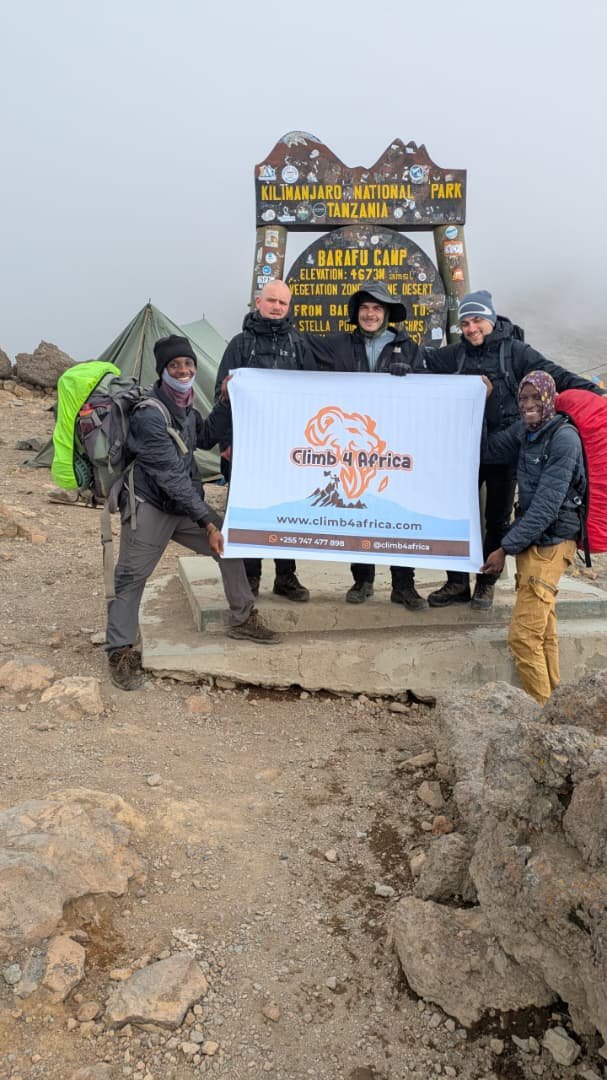
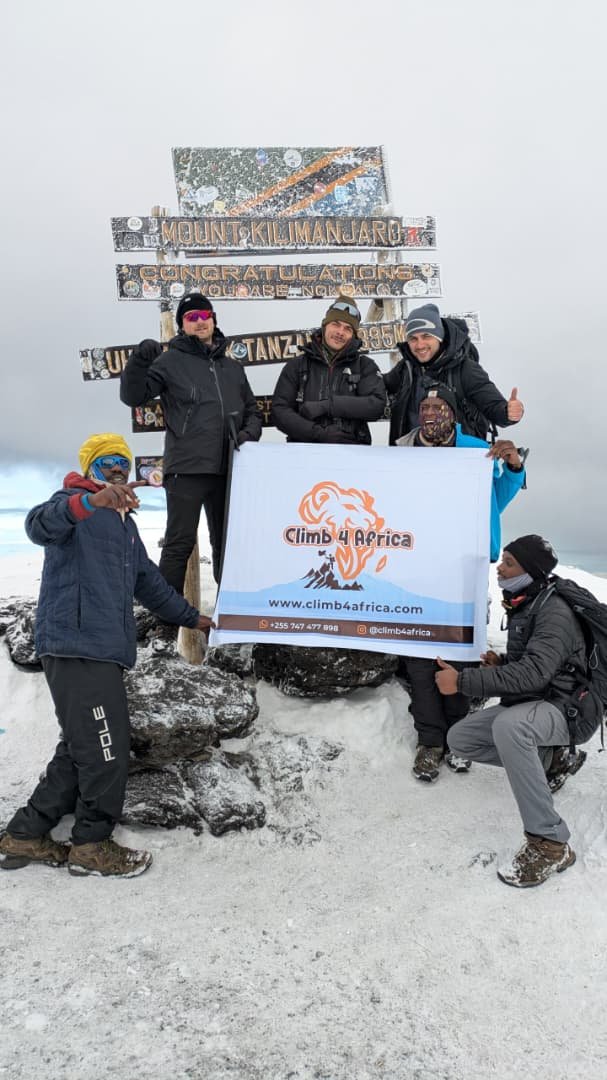
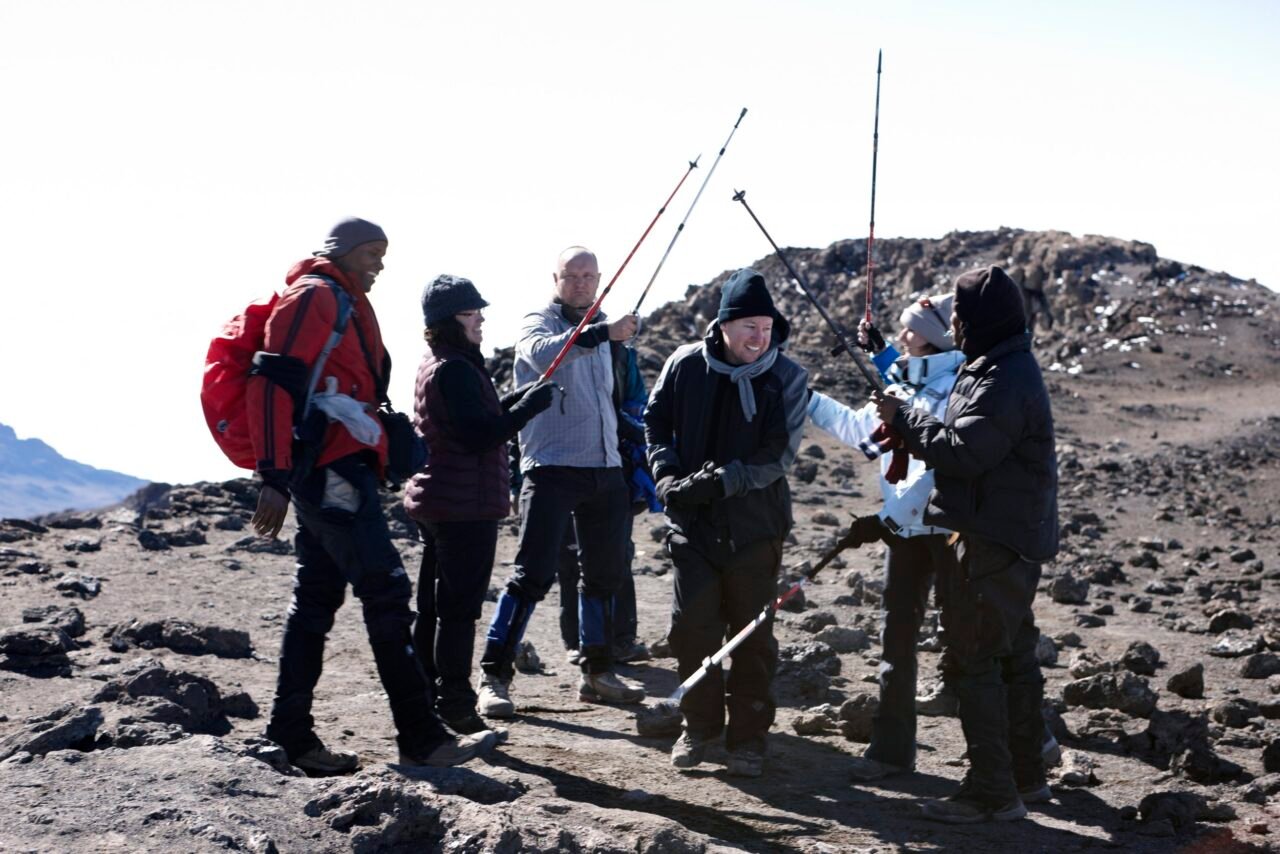
Planning a Kilimanjaro climb is a significant undertaking, and choosing the right route, timing, and operator is crucial for a successful and enjoyable experience. The Marangu Route, often called the ‘Coca-Cola’ route, is one of the oldest and most popular paths up Africa’s highest peak. Its unique feature of overnight stays in mountain huts rather than camping makes it appealing to a wide range of trekkers. For those looking to join a group, specific departure dates, such as those planned for December 2026 and December 2027, offer structured opportunities to climb.
Understanding the 6-Day Marangu Route Itinerary
The 6-day Marangu Route is a widely chosen option, offering a slightly more relaxed pace for acclimatization compared to the 5-day version. This extra day is vital for acclimatization, significantly increasing your chances of reaching Uhuru Peak. Let’s break down what each day typically involves:
Day 1: Marangu Gate (1,860m / 6,100ft) to Mandara Huts (2,700m / 8,860ft)
Your Kilimanjaro adventure begins at the Marangu Park Gate. After completing registration and paying park fees, you’ll start your trek through the lush rainforest zone. The trail is well-maintained and relatively gentle, winding through dense vegetation. Keep an eye out for colobus monkeys and various bird species. The walk takes approximately 3-4 hours, covering a distance of about 8 kilometers. Upon arrival at Mandara Huts, you’ll settle into your rooms and have dinner. It’s important to stay hydrated and start getting used to the mountain air.
Day 2: Mandara Huts (2,700m / 8,860ft) to Horombo Huts (3,700m / 12,140ft)
Today, you ascend from the rainforest into the moorland zone. The landscape becomes more open, with giant heathers, groundsels, and lobelias dotting the scenery. The hike is longer, taking about 5-6 hours and covering around 12 kilometers. You’ll likely start experiencing the cooler temperatures as you gain altitude. Horombo Huts are situated in a beautiful valley with stunning views of Mawenzi, one of Kilimanjaro’s three volcanic cones. Acclimatization is key here; short walks around the huts can help. The views on a clear day are spectacular.
Day 3: Acclimatization Day at Horombo Huts (3,700m / 12,140ft)
This crucial acclimatization day involves a trek up towards Mawenzi Tarn Hut (around 4,300m / 14,100ft) and then back down to Horombo Huts. This ‘climb high, sleep low’ strategy is fundamental for effective acclimatization. The trek takes about 4-5 hours round trip and covers roughly 5-6 kilometers. The higher you go, the more the vegetation changes, and the views become even more expansive. Returning to Horombo Huts allows your body to adapt better to the altitude. Ensure you drink plenty of water and eat well.
Day 4: Horombo Huts (3,700m / 12,140ft) to Kibo Huts (4,700m / 15,400ft)
This is a significant day as you move into the alpine desert zone, the stark, rocky landscape just below the summit. The trek from Horombo to Kibo Huts is about 10 kilometers and takes approximately 5-6 hours. The terrain becomes more challenging, with scree and loose rock. The air is thin, and the temperature drops considerably. Kibo Huts are located at the base of the crater rim, a staging point for the summit push. You’ll have an early dinner and try to get some rest before the midnight start for the summit.
Day 5: Kibo Huts (4,700m / 15,400ft) to Uhuru Peak (5,895m / 19,341ft) and down to Horombo Huts (3,700m / 12,140ft)
This is summit day, the most demanding part of the trek. You’ll start your ascent around midnight, trekking in single file under the stars. The trail is steep and involves navigating scree and loose volcanic scree. Gilmans Point (5,685m / 18,652ft) is your first major milestone on the crater rim. From there, you continue along the rim to Uhuru Peak, the highest point in Africa. The sunrise from the rim is an unforgettable experience. After celebrating at Uhuru Peak, you begin the long descent back to Kibo Huts for a short rest, then continue down to Horombo Huts. This day involves significant altitude loss and gain and can take 10-12 hours or more.
Day 6: Horombo Huts (3,700m / 12,140ft) to Marangu Gate (1,860m / 6,100ft)
After breakfast, you descend from Horombo Huts back through the moorland and rainforest to Marangu Gate. This descent takes approximately 5-6 hours and covers about 20 kilometers. Upon reaching the gate, you’ll celebrate your achievement with your team and receive your climbing certificates. From Marangu Gate, you’ll be transferred back to your hotel in Moshi or Arusha.
Why Choose December for Your Group Marangu Route Climb (2026-2027)?
December falls within Kilimanjaro’s dry season, which generally runs from late December to February and then again from June to October. While January and February are often considered the prime dry months, December offers a good balance. The weather is typically stable, with clear skies and lower chances of rain, though occasional showers can still occur, especially early in the month. These conditions are ideal for trekking and offer excellent visibility for stunning panoramic views from the higher reaches of the mountain.
Advantages of a December departure for your 2026-2027 group climb:
- Favorable Weather: Reduced rainfall increases comfort and safety on the trails.
- Clear Skies: Better chances for unobstructed views of Kilimanjaro’s summit and surrounding landscapes.
- Group Dynamics: December is a popular time, meaning you’re likely to join a group with a good mix of fellow trekkers, enhancing the social aspect of the climb.
- Post-Holiday Opportunities: For many, a December climb can be a way to celebrate the holiday season with an extraordinary adventure, or to use end-of-year leave.
However, it’s important to note that December is also a popular travel month globally, which can mean slightly busier trails and lodges. Booking well in advance for your group 6-day Marangu Route starting December 2026 or 2027 is highly recommended to secure your spot and ensure the best logistical arrangements.
Group Departures: Benefits and Considerations
Joining a group departure for the 6-day Marangu Route offers several distinct advantages, especially when planning for December 2026 or 2027.
Advantages of Group Travel:
- Cost-Effectiveness: Group tours often have a lower per-person cost compared to private climbs, as expenses like guide and porter fees are shared.
- Social Interaction: Trekking with like-minded individuals can be a motivating and enjoyable experience. You’ll meet people from different backgrounds, share challenges, and celebrate successes together.
- Logistical Simplicity: The tour operator handles all the complex logistics, including park permits, accommodation, meals, and transportation. You can focus entirely on the climb.
- Shared Experience: The camaraderie built within a group during a challenging trek can be incredibly rewarding.
Considerations for Group Travel:
- Pace: Group treks must maintain a pace that accommodates all members. While guides do their best to manage this, you might find yourself waiting for others or needing to push yourself more than you would on a private trek. The 6-day Marangu Route is generally suitable for most fitness levels, but group pace is a factor.
- Flexibility: Group itineraries are fixed. There’s less flexibility for individual adjustments or detours compared to a private climb.
- Group Size: While Climb 4 Africa aims for manageable group sizes, the exact number can vary. It’s worth inquiring about the typical group size for your chosen departure date in 2026 or 2027.
For those specifically looking for a group 6-day Marangu Route climb in December 2026-2027, Climb 4 Africa specializes in creating well-managed group departures. They focus on experienced local guides, quality equipment, and a strong emphasis on safety and acclimatization, ensuring your group has the best possible chance of summit success.
Physical Preparation for the 6-Day Marangu Route
A successful Kilimanjaro climb, especially on the 6-day Marangu Route, requires a good level of physical fitness. While it’s not technically demanding, the altitude and duration are significant challenges. Starting your preparation well in advance is key for any December 2026 or 2027 trek.
Key Training Components:
- Cardiovascular Endurance: Engage in regular aerobic activities like hiking, running, cycling, or swimming for at least 3-4 times a week for several months leading up to your climb. Focus on sustained effort.
- Hiking with a Pack: Simulate trek conditions by hiking on varied terrain (hills, stairs) while wearing a backpack loaded with 5-10 kg (10-20 lbs). This trains your legs and back for carrying weight.
- Strength Training: Focus on leg strength (squats, lunges, calf raises) and core strength. Stronger muscles will help you manage the ascents and descents more comfortably.
- Stamina Building: Practice longer hikes, ideally 4-6 hours, on weekends to build endurance. Gradually increase the duration and difficulty of these hikes.
Altitude Acclimatization Training:
While no specific training can perfectly replicate high-altitude conditions, a good cardiovascular base will help your body cope better. The 6-day Marangu Route includes an acclimatization day, which is vital. However, your pre-trip fitness is the foundation upon which your body’s acclimatization ability rests.
When to Start Training: Aim to begin a structured training program at least 2-3 months before your December 2026 or 2027 group Marangu Route departure. If you have a history of altitude sickness or are concerned about your fitness, consult with your doctor.
What to Pack for Your December Kilimanjaro Climb
Packing correctly is essential for comfort and safety on Kilimanjaro, particularly for a December climb when temperatures can vary dramatically. The Marangu Route’s hut accommodation means you don’t need to carry as much camping gear, but personal equipment is still critical.
Essential Clothing Layers:
- Base Layers: Moisture-wicking thermal tops and bottoms (synthetic or merino wool).
- Mid Layers: Fleece jacket or pullover, insulated vest for warmth.
- Outer Layer: Waterproof and windproof jacket (Gore-Tex or similar) and trousers.
- Insulation Layer: A warm down or synthetic insulated jacket for summit night.
Headwear and Handwear:
- Warm, waterproof gloves or mittens.
- Liner gloves for dexterity.
- Warm hat (fleece or wool) that covers your ears.
- Sun hat or cap with a brim for daytime.
- Balaclava or neck gaiter for protection against wind and cold.
Footwear:
- Broken-in hiking boots, waterproof and with good ankle support.
- Camp shoes or trainers for evenings at the huts.
- Several pairs of warm hiking socks (wool or synthetic).
Other Essentials:
- Backpack: A comfortable daypack (30-40 liters) for daily essentials.
- Duffel Bag: A large, waterproof duffel bag (80-100 liters) for your main gear, carried by porters.
- Sleeping Bag: A 4-season, -15°C to -25°C (0°F to -15°F) rated sleeping bag.
- Trekking Poles: Highly recommended for stability and reducing knee strain.
- Headlamp: With extra batteries, essential for summit night.
- Water Bottles/Hydration Reservoir: At least 3 liters capacity. Insulated covers are useful to prevent freezing.
- Sun Protection: High SPF sunscreen, lip balm with SPF, sunglasses.
- Personal First-Aid Kit: Including blister treatment, pain relievers, and any personal medications.
- Toiletries: Biodegradable soap, toothbrush, toothpaste, wet wipes.
- Snacks: High-energy snacks like nuts, dried fruit, energy bars.
- Camera and Power Bank: To capture memories and keep devices charged.
- Passport, Visa, Travel Insurance Documents.
Climb 4 Africa provides a detailed packing list upon booking. For a December 2026-2027 group Marangu Route climb, ensure your gear is suitable for cold, potentially wet conditions, especially for summit night.
Altitude Sickness: Prevention and Management
Altitude sickness, or Acute Mountain Sickness (AMS), is the most significant risk when climbing Kilimanjaro. Understanding its symptoms and how to manage it is crucial for a safe and successful group 6-day Marangu Route ascent in December 2026 or 2027.
Understanding AMS:
AMS occurs when your body doesn’t have enough time to adjust to the lower oxygen levels at higher altitudes. Symptoms can include headache, nausea, dizziness, fatigue, and loss of appetite. The severity can range from mild to life-threatening (High Altitude Cerebral Edema – HACE, and High Altitude Pulmonary Edema – HAPE).
Prevention Strategies:
- Ascend Slowly: The 6-day Marangu Route, with its acclimatization day, is designed for this. Avoid rapid ascents.
- Hydration: Drink plenty of water (3-4 liters per day). Avoid alcohol and caffeine, which can dehydrate you.
- Eat Well: Maintain a good diet, even if your appetite is reduced. High-carbohydrate meals are recommended.
- Avoid Strenuous Activity on Arrival: Take it easy on your first day at altitude.
- Medication: Consult your doctor about Diamox (acetazolamide). It can help speed up acclimatization but is not a substitute for slow ascent and proper hydration. It’s often prescribed for use starting the day before ascent.
Recognizing and Responding to Symptoms:
Your guides are trained to recognize AMS symptoms. It’s vital to communicate openly with them about how you are feeling. The golden rule is: ‘If you feel unwell at altitude, do not ascend further. Descend if symptoms worsen.’
Climb 4 Africa prioritizes safety. Their guides are experienced in managing altitude sickness. On a group trek, it’s especially important for everyone to be honest about their condition to ensure the safety of the entire group and themselves.
The Role of Guides and Porters on Your Group Climb
The success and safety of your group 6-day Marangu Route climb in December 2026-2027 heavily rely on your support crew: the guides and porters. Climb 4 Africa employs local guides and porters who possess extensive knowledge of the mountain, its routes, and the effects of altitude.
Your Guides:
- Expertise: They are trained in first aid, mountain rescue, and altitude sickness management.
- Navigation: They know the Marangu Route intimately, ensuring you stay on the correct path.
- Pace Management: They monitor the group’s pace and individual well-being.
- Motivation: They provide encouragement and support, especially during challenging sections like the summit push.
Your Porters:
- Logistics: They carry the bulk of your gear, including tents (though not on Marangu), sleeping bags, food, and cooking equipment. On Marangu, they carry your duffel bags to the huts.
- Efficiency: They set up camp (if applicable), prepare meals, and ensure the logistical flow of the trek.
- Support: They are an integral part of the team, providing essential services that allow you to focus on climbing.
Climb 4 Africa is committed to ethical treatment of its staff, ensuring fair wages and good working conditions for their guides and porters. This not only benefits the crew but also contributes to a more positive and efficient trekking experience for you. Understanding their roles and showing respect is part of the trekking culture.
Booking Your December 2026-2027 Group Marangu Route Climb
Securing your spot on a group 6-day Marangu Route climb starting in December 2026 or 2027 requires careful planning and timely booking. As December is a popular month, it’s advisable to book at least 6-12 months in advance to guarantee your preferred departure date and ensure all logistical arrangements can be made efficiently.
When you choose Climb 4 Africa, you’re partnering with a local operator that has deep roots in Tanzania and a commitment to providing authentic, high-quality Kilimanjaro climbing experiences. They understand the nuances of the Marangu Route and the importance of group dynamics.
What to Expect When Booking:
- Inquiry: Reach out to Climb 4 Africa to express your interest in the December 2026 or 2027 group 6-day Marangu Route departures.
- Confirmation: They will confirm availability for your desired dates and provide detailed information about the itinerary, inclusions, exclusions, and pricing.
- Deposit: A deposit is typically required to secure your booking and confirm your spot on the group departure.
- Pre-Trip Information: After booking, you’ll receive comprehensive pre-trip information, including a detailed packing list, training advice, visa and vaccination guidance, and travel insurance recommendations.
- Final Payment: The remaining balance is usually due a few weeks before your departure date.
Contact Climb 4 Africa today to inquire about specific group departure dates for December 2026 and 2027 for the 6-day Marangu Route.
You can reach them via WhatsApp at +255 747 477 898 or by emailing climb4africa@gmail.com. Their team is ready to answer all your questions and help you plan an unforgettable Kilimanjaro adventure.
Comparing Marangu Route Options: 5-Day vs. 6-Day
While your focus is on the group 6-day Marangu Route, understanding the 5-day option provides valuable context. The primary difference lies in the pace and acclimatization strategy, directly impacting your chances of success and overall experience.
| Feature | 5-Day Marangu Route | 6-Day Marangu Route |
|---|---|---|
| Duration | 5 days / 4 nights on mountain | 6 days / 5 nights on mountain |
| Itinerary Progression | Faster ascent, less acclimatization time | Slower ascent, includes an acclimatization day |
| Acclimatization | Minimal; higher risk of AMS | Better; includes dedicated acclimatization day |
| Summit Success Rate | Lower (typically 50-60%) | Higher (typically 70-80%) |
| Physical Demand | More intense due to rapid ascent | More manageable due to slower pace |
| Cost | Slightly lower (fewer park fees and crew days) | Slightly higher (more park fees and crew days) |
| Suitability | For those with excellent fitness and previous high-altitude experience | Recommended for most trekkers, including beginners, seeking a better success rate |
For a group 6-day Marangu Route climb in December 2026-2027, the additional day is invaluable. It provides essential time for your body to adjust to the thinning air, significantly reducing the risk of altitude sickness and increasing your comfort and chances of reaching Uhuru Peak. While the 5-day route might seem more appealing for its brevity, the 6-day option is generally the more sensible choice for most trekkers, offering a more sustainable and rewarding journey.
Beyond the Climb: Other Tanzania Experiences
While Kilimanjaro is a primary draw, Tanzania offers a wealth of other incredible experiences. If you’re planning a trip for December 2026 or 2027, consider combining your group 6-day Marangu Route trek with other adventures.
- Wildlife Safaris: Tanzania is home to world-renowned national parks like the Serengeti, Ngorongoro Crater, and Tarangire. A safari before or after your climb is a must-do. Climb 4 Africa offers various safari packages, including group departures, which can be easily integrated into your itinerary. Explore options for group safari departures.
- Zanzibar Holidays: For relaxation after your trek, the spice island of Zanzibar offers pristine beaches, rich history, and vibrant culture. Stone Town’s UNESCO World Heritage site and the turquoise waters of Nungwi or Paje are perfect for unwinding.
- Day Trips: If time is limited, consider day trips to local attractions, waterfalls, or cultural villages near Moshi or Arusha.
Climb 4 Africa excels at creating tailor-made itineraries that combine Kilimanjaro climbs with safaris and Zanzibar stays. This holistic approach ensures you experience the best of Tanzania during your 2026-2027 journey.
Final Considerations for Your December 2026-2027 Kilimanjaro Adventure
As you finalize your plans for a group 6-day Marangu Route climb starting in December 2026 or 2027, remember these key points:
- Book Early: December is a peak season. Secure your spot with Climb 4 Africa well in advance.
- Physical Fitness: Prioritize your training. A good base fitness is essential for enjoying the trek and acclimatizing effectively.
- Altitude Awareness: Understand AMS, communicate openly with your guides, and follow their advice regarding ascent and rest.
- Gear: Invest in or rent quality gear suitable for cold, potentially wet mountain conditions.
- Flexibility: While group travel offers benefits, be prepared for a set itinerary and pace.
- Enjoy the Journey: Kilimanjaro is more than just a summit; it’s an incredible experience through diverse ecosystems, with the support of a dedicated team.
Choosing the 6-day Marangu Route for your December 2026 or 2027 adventure provides a structured, well-supported, and highly achievable path to the Roof of Africa. The camaraderie of a group departure, combined with the operational excellence of a local expert like Climb 4 Africa, sets the stage for a truly memorable expedition. Don’t hesitate to reach out with your questions or to begin the booking process.
Check Availability for Join Group 6 Day Marangu Route Starting December 2026-2027
Ready to compare dates, prices, and the best option for your group? Send the package name and travel month so the team can reply with a clear quote, availability, and what is included.
Join Group 5 Day Marangu Route Kilimanjaro Climb: December Departures
This comprehensive guide details joining a group 5-day Marangu Route trek on Kilimanjaro, focusing on December 2026 and 2027 departures. Understand the route, what to expect, preparation...
View package detailsJoin Group 6 Days Machame Route Starting December 2026-2027
Plan your 6-day Machame Route Kilimanjaro climb with group departures scheduled for December 2026 and 2027. This guide covers route details, what to expect, and booking considerations for...
View package detailsJoin Group 1 Day Marangu Route Climb Starting December With 4 Africa 2026-2027
Discover the thrill of a 1-day Marangu Route ascent on Kilimanjaro with Climb 4 Africa's group departures in December 2026 and 2027. This article details the route, what to expect...
View package detailsJoin Group 1 Day Lemosho Route Starting December, Kilimanjaro 2026-2027
Plan your 1-day Lemosho Route trek on Kilimanjaro for December 2026 or 2027. This guide details the experience, what to expect, and how to join a group departure with Climb 4 Africa.
View package detailsJoin Group 1 Day Machame Route Starting December | Climb 4 Africa 2026-2027
start a unique 1-day adventure up Kilimanjaro's Machame Route with Climb 4 Africa's organized group departures in December 2026 and 2027. This focused trek offers a taste of the mountain's...
View package detailsJoin Group 7 Days Machame Route Starting December 2026-2027
Secure your spot on a 7-day Machame Route group trek for December 2026 or 2027. This popular route offers stunning scenery and a high success rate, making it ideal for those seeking a...
View package detailsJoin Group 7 Days Lemosho Route Starting On December 2026-2027
Join Group 7 Days Lemosho Route starting on December 2026-2027 is explained with current 2026-2027 planning, price, itinerary and booking information.
View package details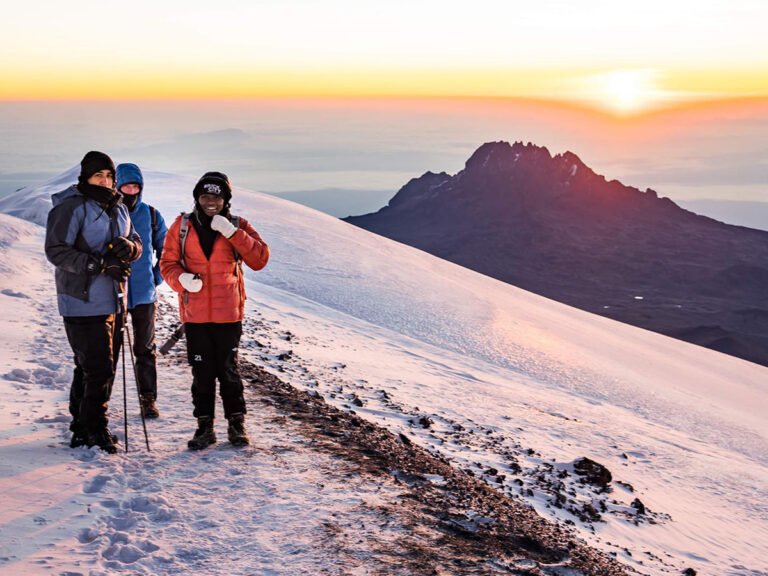
8-Day Group Joining Lemosho Route Climb on December 2026-2027
Planning an 8-day group-joining Lemosho Route trek on Kilimanjaro for December 2026 or 2027? This comprehensive guide covers everything you need to know about this popular route, including...
View package details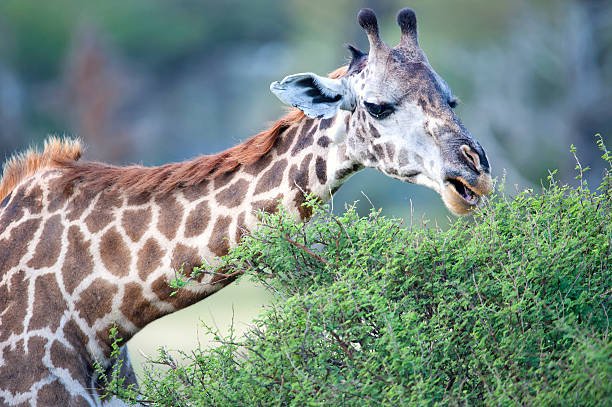
5 Days Mahale Mountains Chimpanzee Safari – Complete Package For 2026-2027
Discover the ultimate 5 Days Mahale Mountains Chimpanzee Safari. This complete package from Climb 4 Africa offers an unparalleled opportunity to witness wild chimpanzees in Tanzania's...
View package details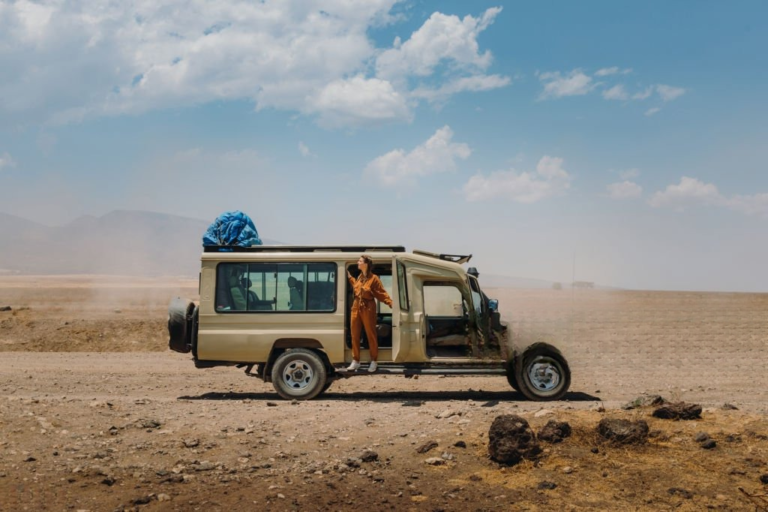
4 Days Mahale Chimpanzee Safari: Itinerary & Price Guide 2026-2027
Explore a concise 4-day itinerary for Mahale Mountains National Park, focusing on chimpanzee trekking. This guide covers typical costs, what's included, and essential planning tips for your...
View package detailsTop 20 Richest Musician in Africa who visit Kilimanjaro 2026
This article investigates the intersection of immense wealth, musical artistry, and the iconic Mount Kilimanjaro among Africa's most affluent musicians. It examines their financial...
View package detailsTop 20 Richest President In Africa/World Wide Who Visit Kilimanjaro 2026-2027
Top 20 Richest President in Africa/World Wide Who Visit Kilimanjaro 2026 is explained with current 2026-2027 planning, price, itinerary and booking.
View package detailsNo related package matches those filters. Clear one or more filters to see the other topic-matched options.



