
The 7 Days Kilimanjaro Machame Group Climb from October 2-8, 2027, offers a well-paced itinerary for reaching Uhuru Peak via the scenic Machame Route, known for its excellent acclimatization profile and high success rates. This specific group departure is ideal for solo travelers or small groups seeking camaraderie and shared experience on Africa’s highest mountain, with a focus on safety, support, and maximizing your chances of summit success.
Your Kilimanjaro Adventure: The Machame Route, October 2-8, 2027
Embarking on a journey to conquer Kilimanjaro is a significant undertaking, and choosing the right route, duration, and departure date is crucial. For those looking to join a shared experience, the 7 Days Kilimanjaro Machame Group Climb scheduled for October 2-8, 2027, presents a compelling option. This itinerary balances challenging trekking with essential acclimatization, making it one of the most popular choices for reaching the Roof of Africa.
The Machame Route, often called the ‘Whiskey Route’ due to its slightly steeper profile and more demanding days compared to the ‘Coca-Cola Route’ (Marangu), is renowned for its stunning scenery and effective acclimatization. By trekking for seven days, you significantly increase your chances of success compared to shorter itineraries, allowing your body more time to adapt to the increasing altitude. The specific dates of October 2-8, 2027, fall within a favorable trekking season in Tanzania, offering generally clear skies and moderate temperatures, though mountain weather is always unpredictable.
Joining a group departure means you’ll be part of a team, sharing the adventure with like-minded individuals. This can be particularly beneficial for solo travelers seeking companionship and a sense of community on the mountain. Climb 4 Africa specializes in organizing these group treks, ensuring you receive expert local support, experienced guides, and all necessary logistics handled meticulously. This guide will explore every aspect of the 7-day Machame climb for October 2027, from preparation to the summit push.
Understanding the Machame Route: The ‘Whiskey Route’
The Machame Route is celebrated for its beauty and its effective acclimatization profile. It’s a popular choice for good reason, offering varied landscapes, from lush rainforests to alpine deserts and the arctic zone near the summit. Unlike the Marangu Route, which offers hut accommodation, Machame is a camping route, meaning you’ll sleep in tents throughout your trek. This adds to the adventure and immersion in the mountain environment.
Key Characteristics of the Machame Route:
- Scenery: Consistently rated as one of the most beautiful routes, with dramatic views and diverse vegetation zones.
- Acclimatization: The route’s ‘climb high, sleep low’ principle is naturally incorporated into its daily progression, significantly aiding acclimatization. This is a major advantage for summit success.
- Duration: Typically offered in 6, 7, or 8 days. The 7-day option, like the one scheduled for October 2-8, 2027, provides a more relaxed pace and better acclimatization than the 6-day version.
- Difficulty: Considered moderately difficult due to its steep ascents and descents, especially on days involving ‘climb high, sleep low’ exercises.
- Camping: All nights are spent in tents, providing a true wilderness experience.
- Success Rate: Generally has a high success rate, particularly for the 7-day and 8-day variations, due to its superior acclimatization design.
For the 7 Days Kilimanjaro Machame Group Climb 2-8 October 2027, Climb 4 Africa has selected this route for its proven effectiveness. The route’s design allows trekkers to ascend gradually, giving the body ample time to adjust to the thinning air. This is paramount for preventing altitude sickness and ensuring a strong performance on summit night.
Route Progression: A Day-by-Day Look
The Machame Route’s typical progression involves starting in the rainforest and ascending through moorland and alpine desert zones before reaching the arctic summit area. The 7-day itinerary is structured to maximize acclimatization and enjoyment:
- Day 1: Machame Gate to Machame Camp
- Day 2: Machame Camp to Shira 2 Camp
- Day 3: Shira 2 Camp to Lava Tower, then to Barranco Camp (This is a critical ‘climb high, sleep low’ day)
- Day 4: Barranco Camp to Karanga Camp (The Barranco Wall climb)
- Day 5: Karanga Camp to Barafu Camp (Approaching the alpine desert)
- Day 6: Summit Day! Barafu Camp to Uhuru Peak, then descend to Mweka Camp
- Day 7: Mweka Camp to Mweka Gate, then transfer to Moshi
This structure is fundamental to the Machame Route’s success. The October 2027 departure adheres to this proven format, ensuring a well-managed trek.
Detailed 7-Day Machame Itinerary: October 2-8, 2027
The specific dates October 2-8, 2027, are chosen to align with a favorable trekking window. While October is considered part of the shorter rainy season, it often experiences periods of clear weather interspersed with brief showers, and the mountain can be less crowded than during the peak dry seasons of January-March and June-October. This departure is designed for optimal experience.
Day 1: October 2, 2027 – Machame Gate (1,800m / 5,905ft) to Machame Camp (3,050m / 10,007ft)
Trek Duration: 5-7 hours
Distance: Approx. 11 km / 7 miles
Habitat: Rainforest
Your Kilimanjaro journey begins at the Machame Gate. After completing park formalities and meeting your guides and porters, you’ll start trekking through the dense montane rainforest. The trail is often muddy and can be slippery, so sturdy, waterproof boots are essential. The ascent is steady, and the air is rich with the sounds and smells of the forest. You’ll reach Machame Camp, located at the edge of the forest zone, by mid-afternoon, ready for your first night under canvas.
Day 2: October 3, 2027 – Machame Camp (3,050m) to Shira 2 Camp (3,850m / 12,631ft)
Trek Duration: 4-6 hours
Distance: Approx. 5 km / 3 miles
Habitat: Moorland
Today, you’ll leave the rainforest behind and enter the moorland zone, characterized by heath and heather. The trail becomes steeper, with some rocky sections. The views start to open up, offering glimpses of the plains below. Shira 2 Camp is situated on the Shira Plateau, a vast, windswept landscape. The altitude gain is significant, so staying hydrated and moving slowly is key.
Day 3: October 4, 2027 – Shira 2 Camp (3,850m) to Lava Tower (4,600m / 15,091ft) to Barranco Camp (3,950m / 12,959ft)
Trek Duration: 6-8 hours
Distance: Approx. 10 km / 6 miles
Habitat: Alpine Desert
This is a crucial acclimatization day, embodying the ‘climb high, sleep low’ principle. You’ll ascend steadily towards Lava Tower, a prominent volcanic plug. After a break and lunch at Lava Tower, you’ll descend significantly to Barranco Camp. This descent is vital for your body to acclimatize to the higher altitude you’ve reached. The landscape is now stark and rocky, with sparse vegetation.
Day 4: October 5, 2027 – Barranco Camp (3,950m) to Karanga Camp (4,200m / 13,779ft)
Trek Duration: 4-5 hours
Distance: Approx. 5 km / 3 miles
Habitat: Alpine Desert
The highlight of today is crossing the Great Barranco Wall, a challenging but rewarding scramble that takes a few hours. While it looks daunting, the path is well-trodden, and your guides will assist you. After conquering the wall, the terrain becomes more undulating as you make your way to Karanga Camp, situated in a valley. This camp offers impressive views and another night at a significant altitude.
Day 5: October 6, 2027 – Karanga Camp (4,200m) to Barafu Camp (4,650m / 15,255ft)
Trek Duration: 3-5 hours
Distance: Approx. 4 km / 2.5 miles
Habitat: Alpine Desert
Today’s trek is shorter but leads you to Barafu Camp, the base camp for your summit attempt. The landscape is increasingly barren and rocky, with the summit cone of Kilimanjaro looming larger. Barafu Camp is exposed and windy, so you’ll aim to rest and prepare for the challenging summit night ahead. An early dinner and an even earlier bedtime are recommended.
Day 6: October 7, 2027 – Summit Day! Barafu Camp (4,650m) to Uhuru Peak (5,895m / 19,341ft) and descend to Mweka Camp (3,100m / 10,170ft)
Trek Duration: 7-8 hours to summit, 4-6 hours descent
Distance: Approx. 5 km / 3 miles ascent, 12 km / 7.5 miles descent
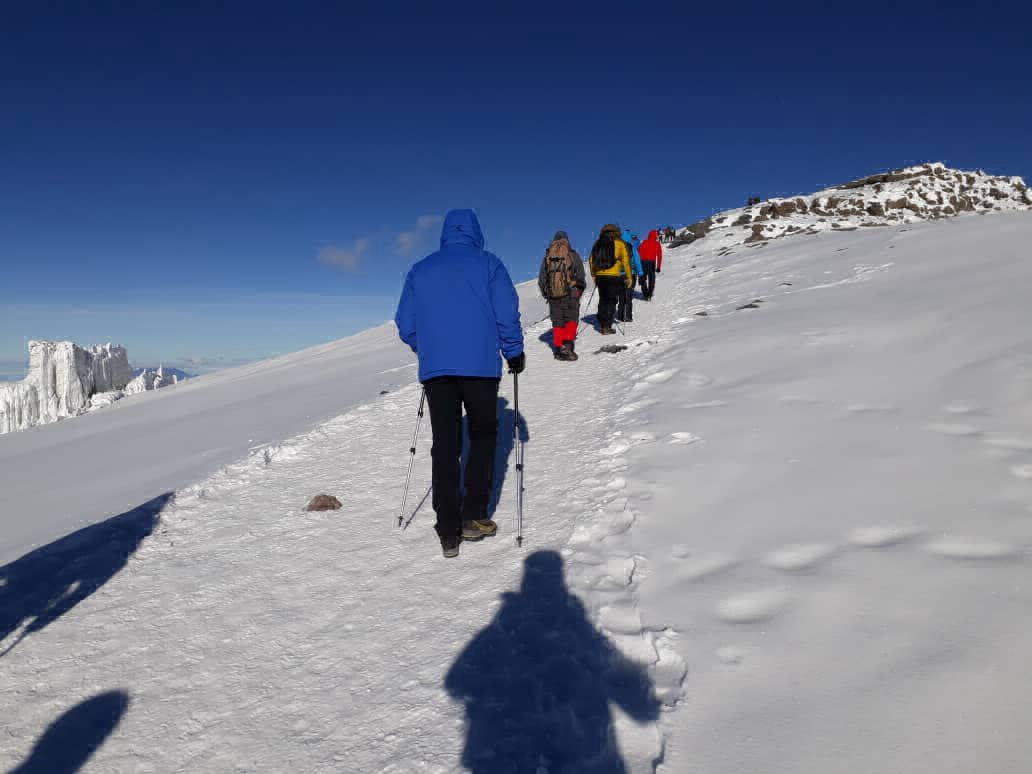
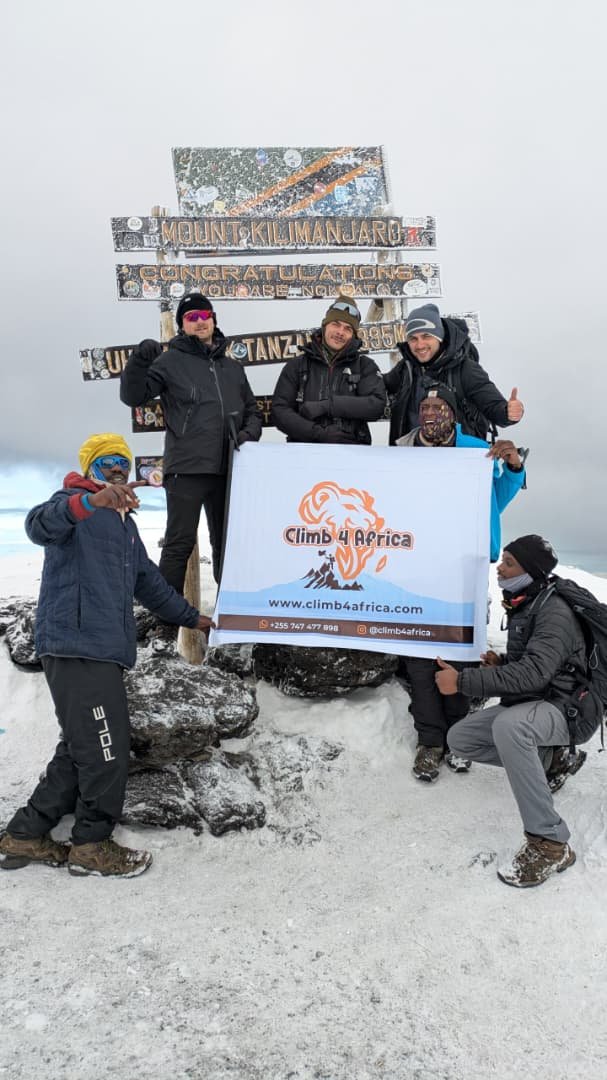
This is the ultimate day. You’ll start your ascent around midnight, trekking in darkness by headlamp. The path is steep and rocky, often covered in scree. Stella Point (5,756m / 18,885ft) is your first major milestone. From Stella Point, you’ll follow the crater rim for about an hour to reach Uhuru Peak, the highest point in Africa. Celebrate your achievement, take photos, and then begin the long descent. You’ll pass Barafu Camp and continue down to Mweka Camp, a welcome relief after the strenuous summit push and descent.
Day 7: October 8, 2027 – Mweka Camp (3,100m) to Mweka Gate (1,640m / 5,380ft)
Trek Duration: 3-4 hours
Distance: Approx. 10 km / 6 miles
Habitat: Rainforest
After breakfast, you’ll descend through the rainforest to Mweka Gate. The trail is usually less steep than the ascent but can still be muddy. Upon arrival at the gate, you’ll receive your summit certificates, a testament to your incredible achievement. Your vehicle will be waiting to transfer you back to your hotel in Moshi, where you can rest and celebrate your successful 7 Days Kilimanjaro Machame Group Climb 2-8 October 2027.
Why Choose a Group Climb for Kilimanjaro?
Opting for a group departure for your Kilimanjaro trek, such as the October 2-8, 2027, Machame climb, offers several distinct advantages, particularly for solo travelers or those looking for a shared adventure.
Companionship and Shared Experience
Trekking Kilimanjaro is an intense physical and emotional journey. Sharing this experience with a group can provide invaluable moral support, encouragement, and camaraderie. You’ll meet people from diverse backgrounds, all with the common goal of reaching the summit. The shared challenges and triumphs forge strong bonds, making the journey more enjoyable and memorable.
Cost-Effectiveness
Group departures are often more economical than private climbs. The costs of guides, porters, park fees, and logistics are shared among participants, leading to a lower per-person price. This makes climbing Kilimanjaro more accessible without compromising on safety or quality of service. For the 7 Days Kilimanjaro Machame Group Climb 2-8 October 2027, this cost-sharing is a significant benefit.
Logistical Simplicity
When you book a group climb with an operator like Climb 4 Africa, all the complex logistics are handled for you. This includes park permits, food, camping equipment, experienced guides, and porter teams. You can focus entirely on your preparation and the trek itself, knowing that every detail is managed by professionals. This is especially true for fixed group dates like the October 2027 departure.
Safety and Support
Group climbs ensure you are part of a well-supported team. You’ll have experienced guides who are trained in high-altitude medicine and emergency procedures, along with a dedicated crew of porters. The presence of multiple trekkers means that help is always nearby if needed. The structured nature of a group departure also means that safety protocols are rigorously followed.
Fixed Dates for Planning
For those who need to plan their travel well in advance, fixed group dates like the 7 Days Kilimanjaro Machame Group Climb 2-8 October 2027 offer certainty. This allows you to book flights, arrange time off work, and plan pre- and post-trek activities with confidence. You know that the climb is confirmed and ready to go.
Climb 4 Africa organizes these group departures to provide an optimal balance of social interaction, logistical ease, and the best chance of summit success. The October 2027 dates are a prime example of this thoughtful planning.
Preparation and Training for Your 2027 Kilimanjaro Trek
Successful ascent of Kilimanjaro requires more than just willpower; it demands physical preparation. For your 7 Days Kilimanjaro Machame Group Climb 2-8 October 2027, starting your training early is essential. The key is to build cardiovascular endurance and leg strength.
Cardiovascular Fitness
Activities like running, cycling, swimming, and hiking are excellent for building aerobic capacity. Aim for at least 3-4 sessions per week, gradually increasing the duration and intensity. Focus on activities that mimic uphill walking, as this is what you’ll be doing most of the time on Kilimanjaro.
Strength Training
Strengthen your legs and core. Squats, lunges, step-ups, and calf raises will prepare your muscles for the demanding ascents and descents. A strong core also helps with balance and endurance.
Hiking with a Pack
The most effective training is hiking, ideally with a weighted backpack. This simulates the actual trekking experience. Aim for long hikes (4-6 hours) on weekends, incorporating significant elevation gain. Practice hiking on varied terrain if possible.
Altitude Simulation (Optional but Recommended)
If you live at sea level, consider using altitude training masks or visiting altitude training centers if available. While not a substitute for actual mountain acclimatization, it can help your body adapt to lower oxygen levels.
Mental Preparation
Kilimanjaro is as much a mental challenge as a physical one. Understand the demands of the trek, the potential for discomfort, and the importance of perseverance. Positive self-talk and visualization can be powerful tools.
Pre-Trek Routine
In the weeks leading up to your climb, taper your training to avoid overexertion. Focus on rest, hydration, and good nutrition. Ensure you have all your gear ready and tested.
For the October 2027 departure, begin a structured training program at least 3-6 months in advance. This dedicated preparation will significantly enhance your enjoyment and chances of reaching Uhuru Peak on your 7 Days Kilimanjaro Machame Group Climb.
Essential Gear and Packing List for Kilimanjaro
Proper gear is non-negotiable for a comfortable and safe Kilimanjaro climb. The weather on Kilimanjaro can change rapidly, from tropical heat at the base to freezing temperatures at the summit. Layering is key. For the 7 Days Kilimanjaro Machame Group Climb 2-8 October 2027, pack smart to ensure you are prepared for all conditions.
Clothing Layers
- Base Layers: Moisture-wicking synthetic or merino wool tops and bottoms (2-3 sets).
- Mid Layers: Fleece jacket or vest, down vest or jacket for insulation.
- Outer Layer (Shell): Waterproof and windproof jacket and trousers (Gore-Tex or similar).
- Insulated Jacket: A warm, down or synthetic insulated jacket for cold evenings and summit night.
Headwear and Handwear
- Warm Hat: Wool or fleece, covering your ears.
- Sun Hat: Wide-brimmed for sun protection.
- Balaclava or Buff: For face protection against wind and cold.
- Gloves: Lightweight liner gloves, waterproof and insulated outer gloves.
Footwear
- Hiking Boots: Waterproof, broken-in, sturdy hiking boots with good ankle support.
- Camp Shoes: Comfortable shoes or sandals for evenings at camp.
- Socks: Several pairs of wool or synthetic hiking socks.
- Liner Socks: To prevent blisters.
Sleeping Gear
- Sleeping Bag: Rated to at least -10°C (0°F) or -20°C (-4°F) for comfort, especially at higher altitudes.
- Sleeping Bag Liner: For added warmth and hygiene.
- Sleeping Pad: Provided by the operator, but check if you prefer your own.
Trekking Equipment
- Backpack: A comfortable daypack (30-40 liters) for essentials you carry daily.
- Duffel Bag: A large, waterproof duffel bag (80-100 liters) for your main gear, carried by porters.
- Trekking Poles: Highly recommended for stability and reducing knee strain.
- Headlamp: With extra batteries. Essential for summit night.
- Water Bottles/Hydration Reservoir: At least 2-3 liters capacity.
- Water Purification: Tablets or a filter.
Personal Items
- Sunscreen: High SPF.
- Lip Balm: With SPF.
- Insect Repellent: Especially for the lower rainforest sections.
- Toiletries: Biodegradable soap, toothbrush, toothpaste, wet wipes, hand sanitizer.
- Personal First-Aid Kit: Including blister treatment, pain relievers, and any personal medications.
- Sunglasses: With UV protection.
- Camera and Power Bank.
- Snacks: Energy bars, nuts, dried fruit.
Climb 4 Africa will provide a detailed packing list upon booking your 7 Days Kilimanjaro Machame Group Climb 2-8 October 2027. Ensure all gear is tested before you leave home. Proper preparation minimizes discomfort and maximizes your chances of enjoying the trek.
Mastering Altitude: Acclimatization Strategies on Machame
Altitude sickness is the primary challenge on Kilimanjaro. The Machame Route, especially the 7-day itinerary, is designed to facilitate acclimatization. Understanding and actively managing your body’s response to altitude is critical for summit success during your 7 Days Kilimanjaro Machame Group Climb 2-8 October 2027.
The ‘Climb High, Sleep Low’ Principle
This is the most effective strategy. As seen on Day 3 of the itinerary, you ascend to a higher altitude (Lava Tower at 4,600m) during the day and then descend to sleep at a lower altitude (Barranco Camp at 3,950m). This process helps your body adapt to lower oxygen levels more efficiently.
Hydration
Drink plenty of fluids – at least 3-4 liters per day. Water, herbal teas, and electrolyte drinks are excellent. Avoid alcohol and excessive caffeine, which can dehydrate you. Staying well-hydrated helps your body acclimatize.
Pacing (‘Pole Pole’)
The Swahili phrase ‘pole pole’ means ‘slowly, slowly.’ This is the mantra for Kilimanjaro. Walk at a slow, steady pace that allows you to hold a conversation without gasping for breath. Rushing will lead to fatigue and increase the risk of altitude sickness.
Listen to Your Body
Be aware of the symptoms of Acute Mountain Sickness (AMS), which include headache, nausea, dizziness, fatigue, and loss of appetite. Communicate any symptoms to your guide immediately. Early recognition and management are key.
Medication (Consult Your Doctor)
Many trekkers use Diamox (acetazolamide) to aid acclimatization. It’s a prescription medication that helps your body adjust to altitude faster. Discuss this with your doctor well in advance of your October 2027 trek.
Nutrition
Eat well, even if your appetite decreases. High-carbohydrate meals are recommended as they are easier to digest at altitude. Your guides will provide nutritious meals, but carrying your own preferred snacks is also a good idea.
Rest
Ensure you get as much rest as possible, especially on summit night. Sleep can be difficult at altitude, so even resting in your tent is beneficial.
The 7-day Machame itinerary, combined with these strategies, provides a robust framework for acclimatization. Your guides on the 7 Days Kilimanjaro Machame Group Climb 2-8 October 2027 will continuously monitor your condition and provide expert advice.
Health, Safety, and Medical Considerations
Your health and safety are paramount on any Kilimanjaro climb. Climb 4 Africa prioritizes these aspects, especially for the 7 Days Kilimanjaro Machame Group Climb 2-8 October 2027. Understanding potential risks and how they are managed is essential.
Experienced Guides
Your guides are certified in Wilderness First Aid and have extensive experience with Kilimanjaro’s terrain and altitude. They are trained to recognize and treat altitude sickness, hypothermia, and other common ailments. They carry comprehensive medical kits.
Emergency Procedures
In case of a serious medical emergency, evacuation procedures are in place. This may involve carrying the trekker down the mountain or, in critical situations, using the park’s emergency rescue services. Communication devices are carried by lead guides.
AMS Symptoms and Management
As mentioned, recognizing AMS symptoms is vital. If symptoms are mild, rest and hydration may suffice. If they worsen or don’t improve, descent is the only cure. Your guide will make this critical decision based on your condition.
Hygiene
Maintaining good hygiene is crucial to prevent gastrointestinal issues. Use hand sanitizer before eating and after visiting the ‘toilet tent.’ Drink only treated or bottled water.
Pre-Trip Medical Check-up
It is highly recommended to consult your doctor before booking your climb. Discuss your travel plans, any pre-existing medical conditions, and get advice on vaccinations and altitude sickness medication (like Diamox).
Travel Insurance
Ensure you have comprehensive travel insurance that covers high-altitude trekking and emergency medical evacuation. This is a mandatory requirement for most reputable operators.
The commitment to safety by Climb 4 Africa ensures that your 7 Days Kilimanjaro Machame Group Climb 2-8 October 2027 is managed with the highest standards. Your guides’ expertise and the structured itinerary are your best allies against altitude-related issues.
On the Mountain: Food and Accommodation
While Kilimanjaro is a camping trek, the quality of food and the organization of camp life are central to a positive experience. Climb 4 Africa focuses on providing nutritious and enjoyable meals, ensuring you have the energy needed for your 7 Days Kilimanjaro Machame Group Climb 2-8 October 2027.
Camping Accommodation
You will sleep in sturdy, two-person tents. The tents are designed to withstand mountain conditions. Your sleeping bag will be placed inside, and a sleeping pad provides insulation from the ground. Campsites are designated by the national park and offer basic facilities, including a dining tent and a toilet tent.
Meals
Your crew will prepare three hot meals a day: breakfast, lunch, and dinner. Expect a varied menu designed to provide ample calories and nutrients. Meals typically include:
- Breakfast: Porridge, eggs, toast, fruit, tea, coffee.
- Lunch: Often packed lunches for days with significant trekking, including sandwiches, fruits, biscuits, and juice. Sometimes hot soup is provided at a designated stop.
- Dinner: A hearty meal such as soup, rice with chicken or beef stew, pasta dishes, vegetables, and sometimes dessert.
Special dietary requirements (vegetarian, vegan, gluten-free, allergies) can usually be accommodated with advance notice. Please inform Climb 4 Africa when booking your October 2027 climb.
Water
Boiled and cooled water is provided daily for drinking and cooking. You can also refill your water bottles with purified water. It’s always advisable to carry your own water purification tablets or filter as a backup.
Camp Crew
You’ll be supported by a team of experienced porters who carry the bulk of the equipment and supplies, and skilled cooks who prepare your meals. Your lead guides will oversee the entire operation, ensuring everything runs smoothly.
The comfort and sustenance provided on the mountain are key to maintaining morale and energy levels throughout the 7 Days Kilimanjaro Machame Group Climb.
Responsible Trekking: Environmental Ethics
Kilimanjaro is a UNESCO World Heritage site, and preserving its natural beauty is a shared responsibility. Climb 4 Africa is committed to responsible tourism, and participants on the 7 Days Kilimanjaro Machame Group Climb 2-8 October 2027 are expected to adhere to these principles.
Leave No Trace
This fundamental principle means packing out everything you pack in. All litter, including food scraps, wrappers, and toilet paper, must be carried down to be disposed of properly in Moshi. Do not bury or burn trash.
Respect Wildlife
Observe wildlife from a distance and never feed the animals. Stick to the designated paths to minimize your impact on the fragile ecosystem.
Campfire Regulations
Campfires are generally prohibited on Kilimanjaro. Cooking is done on portable stoves. Adhere to all park regulations.
Waste Management
Human waste is managed through designated toilet tents. Ensure you use these facilities and follow instructions for their use. Avoid digging latrines.
Support Local Communities
Choose operators like Climb 4 Africa that employ local guides and porters, pay fair wages, and contribute to the local economy. Be respectful of local culture and customs.
Water Conservation
Use water wisely. While plentiful, it’s a precious resource on the mountain.
By adhering to these guidelines, you help ensure that Kilimanjaro remains a pristine destination for future generations. Your participation in the 7 Days Kilimanjaro Machame Group Climb contributes to responsible tourism when you choose an operator with strong environmental ethics.
Booking Your 7 Days Kilimanjaro Machame Group Climb in 2027
Securing your spot on the 7 Days Kilimanjaro Machame Group Climb 2-8 October 2027 is a straightforward process with Climb 4 Africa. This fixed departure date is ideal for those who have planned their adventure well in advance.
Why Book with Climb 4 Africa?
As a leading Kilimanjaro expert and Tanzanian travel company, Climb 4 Africa offers unparalleled local knowledge, experienced guides, and a commitment to safety and client satisfaction. We understand the nuances of Kilimanjaro trekking and ensure all logistics, from permits to meals, are handled with meticulous care. Our support extends beyond the trek, offering smooth integration with safaris and Zanzibar holidays.
What to Include in Your Inquiry
When you contact us to book your October 2027 climb, please provide the following details:
- The specific trek: 7 Days Kilimanjaro Machame Group Climb
- Your desired dates: October 2-8, 2027
- Number of participants
- Your nationality (for park fee considerations)
- Any specific dietary requirements or pre-existing medical conditions
- Your current fitness level and trekking experience
Next Steps
Once you express interest, we will send you a detailed itinerary, a comprehensive packing list, and information on what is included and excluded in the climb package. We’ll discuss payment terms and answer any remaining questions you may have. Our goal is to ensure you feel fully prepared and confident for your expedition.
Contact Us
Ready to start this incredible journey? Reach out to Climb 4 Africa today:
- WhatsApp: +255 747 477 898
- Email: climb4africa@gmail.com
Booking your 7 Days Kilimanjaro Machame Group Climb 2-8 October 2027 with Climb 4 Africa means partnering with experts dedicated to making your dream of summiting Kilimanjaro a reality. We look forward to helping you plan an unforgettable adventure.
Check Availability for 7 Days Kilimanjaro Machame Group Climb 2-8 October : Your Ultimate Trekking
Ready to compare dates, prices, and the best option for your group? Send the package name and travel month so the team can reply with a clear quote, availability, and what is included.
Kilimanjaro Routes: 15 Strongest Worldwide Search Potential For Climbs
Planning a Kilimanjaro climb? This guide details the 15 routes with the highest search interest worldwide for 2026-2027, helping you choose the best path for your adventure. We cover...
View package detailsHow To Create The Perfect Travel Itinerary For Tanzania Adventures 2026-2027
Crafting the perfect travel itinerary for Tanzania involves understanding your priorities, choosing the right activities, and planning logistics effectively. This guide walks you through...
View package detailsCheap Hotels Near Me Tonight: Finding Affordable Stays In Tanzania 2026-2027
Discover how to find cheap hotels near you tonight in Tanzania, focusing on budget-friendly options for travelers planning safaris, Kilimanjaro treks, or Zanzibar holidays in 2026-2027...
View package detailsPlaces Where Your Money Goes Further: Smart Tanzania Travel For 2026-2027
Planning a trip to Tanzania in 2026 or 2027 and want to maximize your budget? This guide reveals how to make your money go further on Kilimanjaro climbs, wildlife safaris, and Zanzibar...
View package detailsDestinations Worth Visiting At Least Once Guide
Discover a curated selection of destinations that offer unparalleled experiences, from the majestic peaks of Kilimanjaro to the spice-scented shores of Zanzibar. This guide helps you...
View package detailsWildlife And Nature Titles: Your Ultimate Guide To Tanzanias Best Experiences
This comprehensive guide explores the most sought-after wildlife and nature titles in Tanzania, from iconic safari destinations and Kilimanjaro treks to the tropical allure of Zanzibar...
View package details
South Africa Safari Tours & Vacation Packages | Climb 4 2026-2027
Discover the ultimate South Africa safari experience with tailored tour and vacation packages for 2026-2027. From iconic Kruger National Park to exclusive private reserves, find detailed...
View package detailsBest Wildlife Photography Destinations For Safaris | Climb 4 Africa 2026-2027
Planning a safari for incredible wildlife photography in 2026 or 2027? Tanzania offers unparalleled opportunities. This guide details the top destinations, essential gear, timing, and how...
View package details
Kruger National Park Safari Packages: Your Ultimate Guide To Adventures
Discover tailored Kruger National Park safari packages for 2026-2027. This comprehensive guide covers everything from choosing the right lodge and activities to understanding costs and...
View package details
Tanzania Safari Tours & Packages /: Your Ultimate Wildlife Adventure 2026-2027
Discover the magic of Tanzania with expertly crafted safari tours and packages for 2026 and 2027. From the vast plains of the Serengeti to the depths of the Ngorongoro Crater, find your...
View package detailsAffordable Car Rentals Near Me: Your Tanzania Travel Guide 2026-2027
Planning a trip to Tanzania and need affordable car rentals? This comprehensive guide from Climb 4 Africa covers everything from finding the right vehicle to understanding local conditions...
View package detailsBest Gorilla And Chimpanzee Trekking Tours: Your Definitive Guide 2026-2027
Discover the ultimate guide to gorilla and chimpanzee trekking tours. Plan your 2026-2027 adventure to see these incredible primates in their natural habitats, covering key destinations...
View package detailsNo related package matches those filters. Clear one or more filters to see the other topic-matched options.



