
The 7 Days Kilimanjaro Machame Group Climb from July 1st to 7th, 2027, offers a well-paced and scenic approach to summiting Africa’s highest peak. This specific departure date falls within Kilimanjaro’s dry season, making it an ideal time for trekking. The Machame route, known for its ‘climb high, sleep low’ strategy, provides excellent acclimatization over seven days, enhancing your chances of a successful summit. This guided group climb includes essential services like park fees, experienced guides, porters, cooks, meals on the mountain, and accommodation in basic huts or tents.
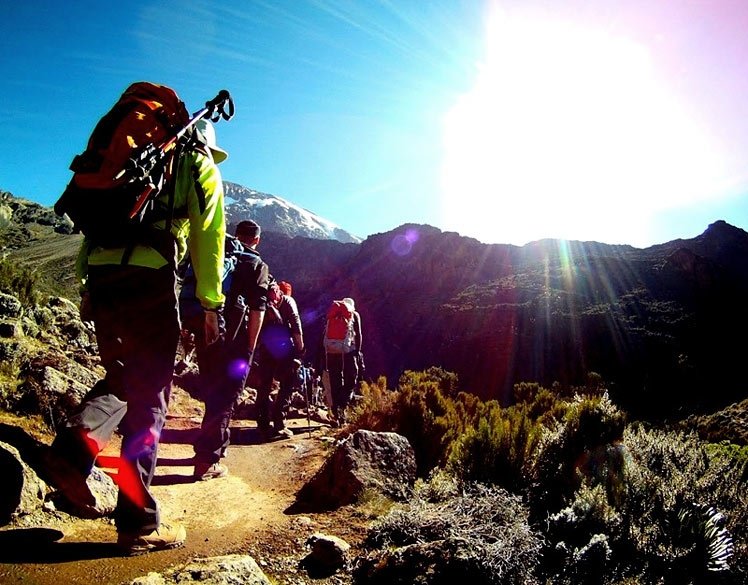
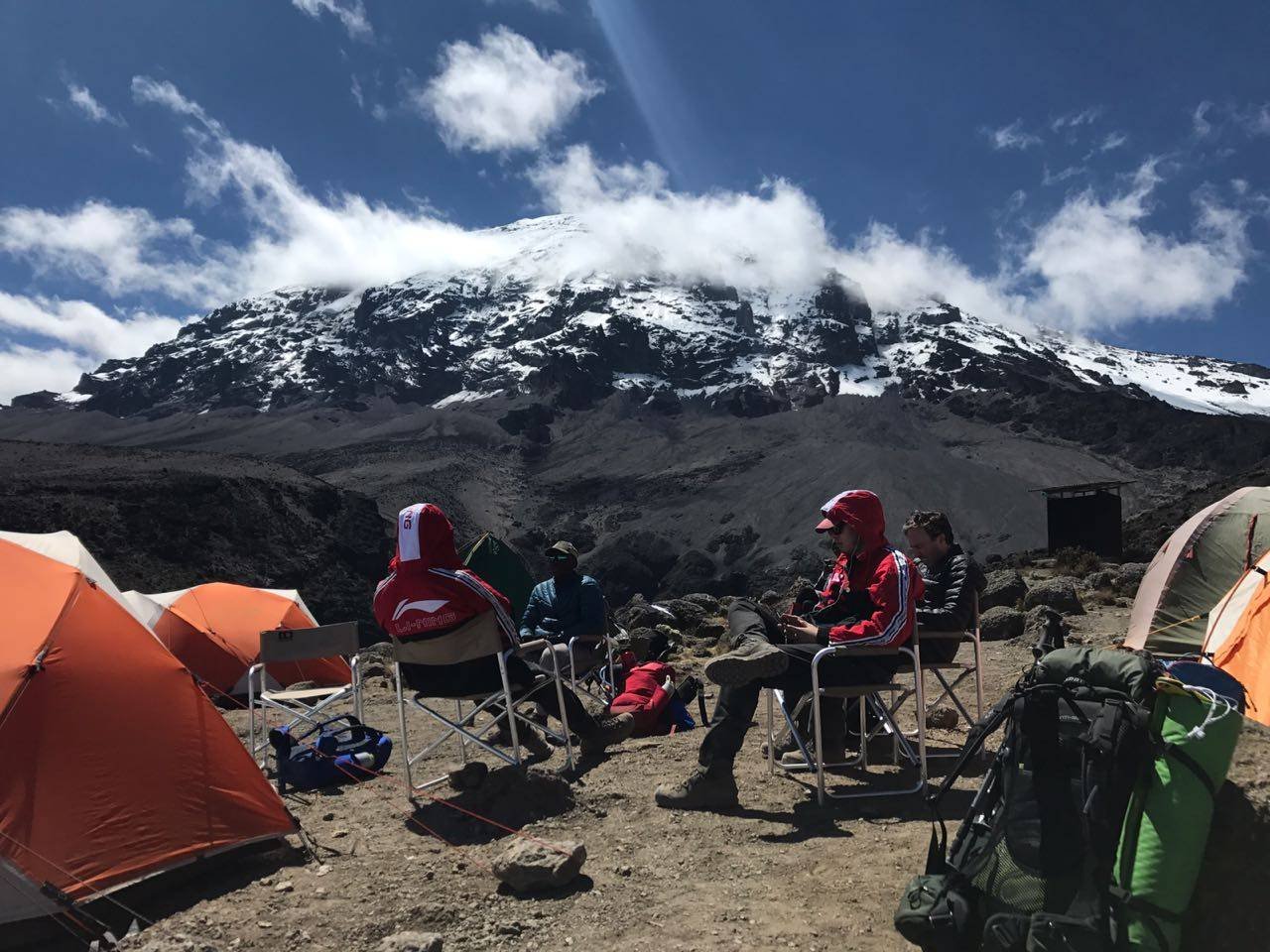
Understanding the 7 Days Kilimanjaro Machame Group Climb for July 1-7, 2027
Choosing a specific group climb date like July 1-7, 2027, for your 7 Days Kilimanjaro Machame Group Climb is a strategic decision. July is part of Kilimanjaro’s longer dry season, typically running from June through October. This period offers clearer skies, less rainfall, and more stable weather conditions, which are crucial for a safe and enjoyable ascent. The Machame route itself is one of the most popular and scenic routes on Kilimanjaro, often called the ‘Whiskey Route’ due to its popularity and the slightly more challenging terrain compared to Marangu. Its seven-day itinerary is widely considered one of the best for acclimatization, balancing ascent with rest periods, which significantly increases the probability of reaching Uhuru Peak at 5,895 meters (19,341 feet). This group departure is designed for individuals or small groups looking for a shared experience, fostering camaraderie while benefiting from a structured, professionally managed climb.
For those targeting a climb in 2027, booking this 7 Days Kilimanjaro Machame Group Climb well in advance is advisable, especially for specific dates like July. Early booking ensures availability on your preferred departure and allows ample time for physical preparation and logistical arrangements. Climb 4 Africa specializes in facilitating these expeditions, ensuring all aspects of the climb are handled professionally, from local support on the ground to experienced guides who understand the nuances of the Machame route and Kilimanjaro’s unique environment.
Why Choose the Machame Route for Your 7-Day Kilimanjaro Climb?
The Machame route is often recommended for its excellent acclimatization profile, particularly over a 7-day duration. Unlike shorter routes, the 7 Days Kilimanjaro Machame Group Climb allows for a slower, more deliberate ascent, which is critical for the body to adapt to the decreasing oxygen levels at higher altitudes. This route traverses diverse landscapes, starting in lush rainforests and progressing through moorlands, alpine deserts, and finally the arctic zone near the summit. Its popularity means it’s well-established with campsites and a strong support infrastructure, making it a reliable choice for group departures.
The ‘climb high, sleep low’ principle is effectively implemented on the 7-day Machame itinerary. For example, on Day 4, climbers ascend to Lava Tower (4,630m) for lunch and acclimatization before descending to Barranco Camp (3,950m) to sleep. This pattern helps the body adjust to altitude more efficiently than routes that maintain a high sleeping elevation. The scenery is also a major draw; the route offers stunning views of the Southern Circuit, including the Great Barranco Wall, Shira Plateau, and the Western Breach. For a group climb, the Machame route provides a shared adventure with plenty of opportunities for interaction and mutual encouragement amongst trekkers.
When considering the 1-7 July 2027 dates, the Machame route is an excellent choice. The weather in early July is typically stable, with good visibility. The route’s campsites are well-maintained, and the crew support is usually robust, ensuring a comfortable experience even while trekking at high altitudes. Choosing a 7-day Machame trek for 2027 means you’re opting for a route that balances success rates with an incredible journey through Kilimanjaro’s varied ecosystems.
The 7-Day Machame Itinerary: July 1-7, 2027 – Detailed Breakdown
This detailed itinerary outlines the day-by-day progression for the 7 Days Kilimanjaro Machame Group Climb scheduled for July 1-7, 2027. Each day is designed to maximize acclimatization, minimize fatigue, and showcase the mountain’s spectacular scenery.
Day 1: July 1, 2027 – Machame Gate (1,800m / 5,905ft) to Machame Camp (3,050m / 10,007ft)
Distance: 11 km (6.8 miles)
Trekking Time: 5-7 hours
Habitat: Montane Forest
Your adventure begins with a scenic drive from Moshi to the Machame Gate. After completing park registration formalities, you’ll commence your trek through the vibrant montane rainforest. The trail is relatively gentle but can be muddy, especially after rain. Your porters will carry the bulk of your gear, allowing you to focus on the walk and enjoy the dense vegetation, rich with unique flora and fauna. The first camp, Machame Camp, is situated on the edge of the forest zone, offering a comfortable introduction to mountain camping.
Day 2: July 2, 2027 – Machame Camp (3,050m / 10,007ft) to Shira 2 Camp (3,850m / 12,631ft)
Distance: 5 km (3.1 miles)
Trekking Time: 4-6 hours
Habitat: Moorland
Today’s trek takes you out of the forest and into the moorland zone. The path becomes steeper, with some scrambling sections. You’ll gain significant altitude, so it’s important to maintain a steady pace and stay hydrated. The Shira 2 Camp is strategically located on the Shira Plateau, offering spectacular views of Mount Kilimanjaro and its neighboring peak, Shira. The higher sleeping altitude requires careful attention to your body’s response.
Day 3: July 3, 2027 – Shira 2 Camp (3,850m / 12,631ft) to Barranco Camp (3,950m / 12,960ft) via Lava Tower (4,630m / 15,190ft)
Distance: 10 km (6.2 miles)
Trekking Time: 6-8 hours
Habitat: Alpine Desert
This is a crucial day for acclimatization. You’ll ascend steadily towards Lava Tower, a prominent volcanic plug. After a break for lunch and acclimatization at Lava Tower, you’ll descend to Barranco Camp. This ‘climb high, sleep low’ strategy is key to helping your body adapt to the altitude. The descent to Barranco Camp, though seemingly counterintuitive, significantly aids in preventing altitude sickness. The views from Lava Tower are expansive, offering a dramatic perspective of the surrounding landscape.
Day 4: July 4, 2027 – Barranco Camp (3,950m / 12,960ft) to Karanga Camp (4,000m / 13,123ft)
Distance: 5 km (3.1 miles)
Trekking Time: 3-5 hours
Habitat: Alpine Desert
Today involves the famous scramble up the Great Barranco Wall, a challenging but rewarding section that offers incredible views. Once over the wall, the terrain becomes more undulating. You’ll traverse across the Karanga Valley, eventually reaching Karanga Camp. This day is shorter in trekking time, allowing for rest and further acclimatization. The camp is situated in a picturesque valley, providing a good base before the final push.
Day 5: July 5, 2027 – Karanga Camp (4,000m / 13,123ft) to Barafu Camp (4,640m / 15,223ft)
Distance: 4 km (2.5 miles)
Trekking Time: 3-5 hours
Habitat: Alpine Desert
The trek to Barafu Camp is relatively short but steep, bringing you closer to the summit zone. Barafu Camp is a stark, rocky area situated on a ridge. It serves as the base camp for the summit attempt. You’ll arrive in the early afternoon, giving you ample time to rest, hydrate, and prepare for the challenging summit night. The air is noticeably thinner here, and the temperature drops significantly. A good night’s sleep is crucial, though often difficult due to altitude and excitement.
Day 6: July 6, 2027 – Barafu Camp (4,640m / 15,223ft) to Uhuru Peak (5,895m / 19,341ft) and down to Mweka Camp (3,100m / 10,170ft)
Distance: 7 km (4.3 miles) ascent, 14 km (8.7 miles) descent
Trekking Time: 7-9 hours ascent, 4-6 hours descent
This is summit night and day. You’ll begin your ascent around midnight, trekking slowly and steadily in the dark, guided by headlamps. The trail is steep and challenging, with scree slopes. Reaching Stella Point (5,756m / 18,885ft) at sunrise is a magnificent experience. From Stella Point, you’ll continue for about an hour to Uhuru Peak, the Roof of Africa. After celebrating your achievement, you’ll begin the long descent back to Barafu Camp for a short rest, then continue down to Mweka Camp. This descent is strenuous but offers spectacular views of the plains below.
Day 7: July 7, 2027 – Mweka Camp (3,100m / 10,170ft) to Mweka Gate (1,640m / 5,380ft)
Distance: 10 km (6.2 miles)
Trekking Time: 3-5 hours
Habitat: Montane Forest
Your final day on the mountain involves a pleasant walk through the remaining forest zone. You’ll reach Mweka Gate, where you’ll be greeted by your drivers and receive your summit certificates. This marks the end of your incredible 7 Days Kilimanjaro Machame Group Climb. A celebratory meal is often provided before your transfer back to your hotel in Moshi.
Preparing for Your 7 Days Kilimanjaro Machame Group Climb in 2027
Successful preparation for your 7 Days Kilimanjaro Machame Group Climb in 2027 is paramount. The physical and mental demands of climbing Kilimanjaro require dedicated training and careful planning. Given the July 1-7, 2027 dates, you have ample time to get ready, but it’s essential to start early.
Physical Training: Building Stamina and Strength
Kilimanjaro is a non-technical climb, but it is a strenuous trek that can last for many hours each day, especially on summit night. Your training should focus on cardiovascular endurance and leg strength. Start at least 3-6 months before your climb.
- Cardiovascular Endurance: Engage in activities like hiking (with a weighted backpack), running, cycling, or swimming for at least 3-4 times a week. Aim for sessions of 45-60 minutes.
- Hiking with Inclines: This is the most relevant training. Find local trails with significant elevation changes. Practice hiking for several hours, ideally on consecutive days, to simulate the trekking experience.
- Strength Training: Focus on exercises that strengthen your legs, core, and back. Squats, lunges, step-ups, and planks are highly beneficial.
- Altitude Simulation (Optional): If you live at sea level, consider training at higher altitudes if possible, or using altitude simulation masks for a portion of your workouts. However, consistent hiking with elevation gain is more critical.
Mental Preparation: Resilience and Positive Mindset
The psychological aspect of climbing Kilimanjaro is as important as the physical. The altitude, cold, and fatigue can test your mental fortitude. Cultivating a positive mindset, practicing mindfulness, and developing coping strategies for discomfort are vital. Remind yourself of your motivation for the climb and focus on taking one step at a time.
Health and Medical Considerations
Before committing to your 7 Days Kilimanjaro Machame Group Climb, consult your doctor. Discuss your travel plans and any pre-existing medical conditions. They can advise on necessary vaccinations, travel medications (like Diamox for altitude sickness, if appropriate), and general health advice. Ensure you are up-to-date with routine immunizations.
Gear and Equipment
Proper gear is crucial for comfort and safety. Invest in good quality, broken-in hiking boots, layered clothing suitable for extreme temperature variations, and a warm sleeping bag. A detailed packing list is provided later, but starting to acquire essential items early will give you time to test them. For a group climb, coordinating with your operator ensures you understand what is provided and what you need to bring.
Logistics and Travel Arrangements
Ensure your flights to Kilimanjaro International Airport (JRO) are booked to arrive at least one day before the trek begins. Arrange airport transfers and pre-climb accommodation in Moshi. Confirm all details with your tour operator, Climb 4 Africa, regarding inclusions, exclusions, and meeting points. For a July 2027 climb, booking flights and accommodation a year in advance is recommended.
Group Climb Dynamics: What to Expect on July 1-7, 2027
A group climb offers a unique social dynamic that can significantly enhance the Kilimanjaro experience. The 7 Days Kilimanjaro Machame Group Climb on July 1-7, 2027, brings together individuals with a shared goal, fostering a sense of camaraderie and mutual support.
Shared Experience and Teamwork
On a group climb, you’ll be trekking alongside people from various backgrounds, all united by the challenge of reaching Uhuru Peak. This shared journey often leads to strong bonds forming between trekkers. Supporting each other, sharing stories around the campfire, and celebrating milestones together are integral parts of the group experience. The common goal of summiting provides a powerful unifying force.
Pace and Group Management
Guides and support crew are experienced in managing groups of varying fitness levels. While there’s a general group pace, guides are adept at ensuring no one is left behind. They will encourage slower members, manage breaks effectively, and ensure the group stays together as much as possible. On the Machame route, the pace is generally slow and steady, focusing on ‘pole pole’ (slowly, slowly), which is essential for acclimatization and making the trek manageable for everyone.
Social Interaction and Camaraderie
Evenings at camp are a time for relaxation and social interaction. Sharing meals prepared by your cook, discussing the day’s trek, and getting to know your fellow climbers and guides are highlights. This communal aspect can make the challenging days more enjoyable and provides a strong support network, especially during the demanding summit night. The July 1-7, 2027 departure offers a fantastic opportunity to meet like-minded adventurers.
Safety in Numbers
Trekking as part of a group inherently enhances safety. You have the collective attention of your guides and fellow climbers, making it easier to spot any issues or distress. The support crew is trained to handle medical emergencies, and having multiple people around provides an additional layer of security.
Flexibility within the Group
While you’re part of a group, individual needs are still considered. Guides are trained to monitor each climber’s condition and will offer personalized advice and support. If someone is struggling, the guide will assess the situation and make appropriate decisions to ensure their safety and well-being, which might include slowing the pace or offering extra encouragement.
Essential Gear and Packing for the Machame Route (July 2027)
Packing correctly is vital for comfort and success on your 7 Days Kilimanjaro Machame Group Climb. The weather on Kilimanjaro can change dramatically, from warm and humid in the rainforest to freezing cold at the summit. Layering is key. Here’s a comprehensive packing list, focusing on what you’ll need for a July 2027 trek:
Clothing
- Base Layers: 2-3 sets of moisture-wicking thermal tops and bottoms (merino wool or synthetic).
- Mid Layers: 1-2 fleece jackets or similar insulating layers.
- Outer Layer (Insulation): 1 warm down or synthetic insulated jacket (essential for summit night).
- Outer Layer (Waterproof/Windproof): 1 waterproof and breathable jacket (e.g., Gore-Tex) and 1 pair of waterproof trousers.
- Trekking Trousers: 2-3 pairs of comfortable, quick-drying trekking trousers (avoid jeans).
- Trekking Shirts: 3-4 moisture-wicking short and long-sleeved shirts.
- Headwear: 1 warm fleece hat or beanie, 1 sun hat with a wide brim, 1 balaclava or neck gaiter for cold protection.
- Gloves: 1 pair of warm waterproof gloves/mittens, 1 pair of thinner liner gloves.
- Socks: 5-7 pairs of thick wool or synthetic hiking socks, plus liner socks if preferred.
- Camp Clothes: Comfortable clothes for evenings at camp (e.g., fleece pants, T-shirts).
Footwear
- Hiking Boots: Sturdy, waterproof, well-broken-in hiking boots with good ankle support.
- Camp Shoes: Lightweight trainers, sandals, or crocs for use at camp.
Trekking Gear
- Backpack: A comfortable daypack (30-40 liters) for carrying essentials during the day (water, snacks, rain gear, camera, sunscreen).
- Duffel Bag: A large, waterproof duffel bag (80-100 liters) for porters to carry your main gear.
- Sleeping Bag: A 4-season sleeping bag rated to at least -15°C (0°F).
- Sleeping Bag Liner: For added warmth and hygiene.
- Trekking Poles: Highly recommended for reducing strain on knees, especially on descents.
- Headlamp: With extra batteries (essential for summit night).
- Water Bottles/Hydration Reservoir: At least 2-3 liters capacity. Insulated bottles are good for preventing freezing.
- Water Purification: Purification tablets or a filter (though boiled water is usually provided).
Other Essentials
- Sun Protection: High SPF sunscreen, lip balm with SPF, sunglasses.
- Personal Hygiene: Biodegradable soap, hand sanitizer, wet wipes, toothbrush, toothpaste, quick-dry towel.
- First-Aid Kit: Personal medications, blister treatment, pain relievers, antiseptic wipes, bandages.
- Snacks: High-energy snacks like energy bars, nuts, dried fruit (your cook provides meals, but personal snacks are good).
- Camera: With extra batteries and memory cards.
- Power Bank: For charging electronics.
- Passport & Visa: Keep copies separate.
- Cash: For tips and personal expenses.
- Dry Bags: To keep sensitive items dry within your duffel bag.
Note: Climb 4 Africa can often provide some gear like tents and cooking equipment. Confirm what is included in your package for the 7 Days Kilimanjaro Machame Group Climb.
Safety and Acclimatization on the Machame Route
Safety is the absolute priority on any Kilimanjaro climb, and the 7 Days Kilimanjaro Machame Group Climb itinerary is designed with acclimatization as a primary focus. Understanding how to manage altitude sickness and recognizing its symptoms is crucial for all trekkers aiming for the July 1-7, 2027 departure.
Understanding Altitude Sickness (AMS)
Acute Mountain Sickness (AMS) is caused by ascending too quickly, preventing your body from adapting to the lower oxygen levels at higher altitudes. Symptoms can range from mild (headache, nausea, dizziness) to severe (pulmonary edema, cerebral edema), which can be life-threatening. The key to prevention is a slow, steady ascent and proper hydration.
Acclimatization Strategies on the Machame Route
- Slow Pace (‘Pole Pole’): Your guides will enforce a slow, consistent pace. Resist the urge to rush ahead, even if you feel energetic.
- ‘Climb High, Sleep Low’: The Machame route excels at this. Ascending to higher altitudes during the day and descending to sleep at lower elevations helps your body acclimatize more effectively.
- Hydration: Drink plenty of fluids – at least 3-4 liters per day. Water, herbal teas, and electrolyte drinks are recommended. Avoid alcohol and caffeine, which can dehydrate you.
- Proper Nutrition: Eat well-balanced meals. Even if your appetite is reduced at altitude, try to consume enough calories.
- Rest: Ensure you get adequate sleep, though it can be challenging at high altitudes.
Recognizing Symptoms and Taking Action
Your guides are trained to recognize the signs of AMS. Common symptoms include:
- Headache
- Nausea and vomiting
- Dizziness or lightheadedness
- Fatigue
- Loss of appetite
- Difficulty sleeping
Important: If you experience any of these symptoms, inform your guide immediately. Do not ascend further if symptoms worsen. The most effective treatment for moderate to severe AMS is descent. Your guides will make decisions based on your condition to ensure your safety. This is why choosing an experienced operator like Climb 4 Africa for your 7 Days Kilimanjaro Machame Group Climb is so critical.
Summit Night Safety
Summit night is the most demanding part of the climb, both physically and mentally. It’s performed in the dark, in cold temperatures, and at extreme altitude. Your guides will monitor you closely. They will carry a portable altitude chamber and oxygen if necessary for emergencies. Following their instructions precisely, staying hydrated, and eating small amounts of energy-rich food are vital for completing the summit push safely.
Logistics and Support from Climb 4 Africa
When you book your 7 Days Kilimanjaro Machame Group Climb for July 1-7, 2027, with Climb 4 Africa, you are securing a comprehensive support system designed for a successful and memorable expedition. As a local Tanzanian operator, Climb 4 Africa brings invaluable expertise and on-the-ground knowledge.
What’s Typically Included
A standard package for a group climb like this usually includes:
- Park Fees: All necessary Kilimanjaro National Park entrance fees, camping fees, and crater fees.
- Guides and Crew: Professional, licensed guides (often with Wilderness First Responder certification), assistant guides, cooks, and porters.
- Meals: All meals on the mountain, prepared by your dedicated cook. This includes breakfast, lunch, dinner, and snacks.
- Accommodation: Tents at campsites (Machame route uses designated campsites).
- Equipment: Tents, cooking equipment, eating utensils.
- Water: Drinking water, typically boiled and purified, provided daily.
- Transportation: Transfers between Moshi and the mountain gates.
- Safety Equipment: First-aid kits, oxygen tanks, and a portable altitude chamber for emergencies.
Why Choose a Local Operator Like Climb 4 Africa?
Choosing a local operator offers distinct advantages:
- Local Expertise: Deep understanding of the mountain, weather patterns, and local conditions.
- Fair Wages and Porter Welfare: Climb 4 Africa is committed to ethical treatment of its crew, ensuring fair wages and responsible porter practices.
- Direct Support: Having a local team means immediate access to support and problem-solving should any issues arise.
- Community Contribution: Your booking directly supports the local economy and communities.
- Cost-Effectiveness: Often, local operators can offer competitive pricing without compromising quality or safety.
Pre-Climb Briefing and Support
Before your climb commences, Climb 4 Africa will provide a thorough pre-climb briefing. This session covers an overview of the itinerary, gear checks, safety procedures, and an introduction to your guides. They will also assist with any last-minute arrangements or gear rentals you might need for your 7 Days Kilimanjaro Machame Group Climb.
Post-Climb Services
After you descend, Climb 4 Africa typically arranges your transfer back to your hotel in Moshi and can assist with onward travel arrangements, such as safaris or transfers to Zanzibar, offering a complete Tanzanian travel experience.
Booking Your 7 Days Kilimanjaro Machame Group Climb (July 2027)
Securing your spot on the 7 Days Kilimanjaro Machame Group Climb for July 1-7, 2027, is a straightforward process with Climb 4 Africa. Given that this is a popular departure date during Kilimanjaro’s dry season, early booking is highly recommended to guarantee your place.
What to Expect When Booking
When you express interest, Climb 4 Africa will provide you with detailed information regarding the current pricing for the July 2027 departure. This will typically include a breakdown of what the price covers, such as park fees, crew salaries, meals, accommodation on the mountain, and transfers. They will also clarify any exclusions, such as personal gear, tips for the crew, travel insurance, and flights.
To confirm your booking for the 7 Days Kilimanjaro Machame Group Climb, a deposit is usually required. The remaining balance is typically due closer to the departure date, often a few weeks before you arrive in Tanzania. Climb 4 Africa can guide you through the payment process, accepting common payment methods.
Why Book with Climb 4 Africa?
Choosing Climb 4 Africa means partnering with experienced professionals who are passionate about Kilimanjaro and committed to providing safe, ethical, and unforgettable climbing experiences. Their local roots mean they understand the mountain intimately and prioritize the well-being of both their clients and their crew. For your 7 Days Kilimanjaro Machame Group Climb, they offer:
- Expertly crafted itineraries designed for acclimatization and success.
- Experienced and certified guides with extensive knowledge of the Machame route.
- Commitment to fair wages and porter welfare.
- Comprehensive pre-climb support and on-mountain logistics.
- Reliable safety protocols, including oxygen and altitude chamber availability.
Next Steps for Your 2027 Climb
To get started and reserve your spot for the July 1-7, 2027 departure, or to discuss any aspect of the 7 Days Kilimanjaro Machame Group Climb, reach out to Climb 4 Africa directly. They are ready to answer all your questions and help you prepare for this incredible adventure.
Contact Climb 4 Africa:
- WhatsApp: +255 747 477 898
- Email: climb4africa@gmail.com
Discussing your plans with them will ensure you have all the necessary information to make an informed decision and confidently book your Kilimanjaro journey for 2027. Their team is dedicated to making your dream of reaching Uhuru Peak a reality.
Check Availability for 7 Days Kilimanjaro Machame Group Climb 1-7 July : Your Essential Guide
Ready to compare dates, prices, and the best option for your group? Send the package name and travel month so the team can reply with a clear quote, availability, and what is included.
Kilimanjaro Routes: 15 Strongest Worldwide Search Potential For Climbs
Planning a Kilimanjaro climb? This guide details the 15 routes with the highest search interest worldwide for 2026-2027, helping you choose the best path for your adventure. We cover...
View package detailsHow To Create The Perfect Travel Itinerary For Tanzania Adventures 2026-2027
Crafting the perfect travel itinerary for Tanzania involves understanding your priorities, choosing the right activities, and planning logistics effectively. This guide walks you through...
View package detailsCheap Hotels Near Me Tonight: Finding Affordable Stays In Tanzania 2026-2027
Discover how to find cheap hotels near you tonight in Tanzania, focusing on budget-friendly options for travelers planning safaris, Kilimanjaro treks, or Zanzibar holidays in 2026-2027...
View package detailsPlaces Where Your Money Goes Further: Smart Tanzania Travel For 2026-2027
Planning a trip to Tanzania in 2026 or 2027 and want to maximize your budget? This guide reveals how to make your money go further on Kilimanjaro climbs, wildlife safaris, and Zanzibar...
View package detailsDestinations Worth Visiting At Least Once Guide
Discover a curated selection of destinations that offer unparalleled experiences, from the majestic peaks of Kilimanjaro to the spice-scented shores of Zanzibar. This guide helps you...
View package detailsWildlife And Nature Titles: Your Ultimate Guide To Tanzanias Best Experiences
This comprehensive guide explores the most sought-after wildlife and nature titles in Tanzania, from iconic safari destinations and Kilimanjaro treks to the tropical allure of Zanzibar...
View package details
South Africa Safari Tours & Vacation Packages | Climb 4 2026-2027
Discover the ultimate South Africa safari experience with tailored tour and vacation packages for 2026-2027. From iconic Kruger National Park to exclusive private reserves, find detailed...
View package detailsBest Wildlife Photography Destinations For Safaris | Climb 4 Africa 2026-2027
Planning a safari for incredible wildlife photography in 2026 or 2027? Tanzania offers unparalleled opportunities. This guide details the top destinations, essential gear, timing, and how...
View package details
Kruger National Park Safari Packages: Your Ultimate Guide To Adventures
Discover tailored Kruger National Park safari packages for 2026-2027. This comprehensive guide covers everything from choosing the right lodge and activities to understanding costs and...
View package details
Tanzania Safari Tours & Packages /: Your Ultimate Wildlife Adventure 2026-2027
Discover the magic of Tanzania with expertly crafted safari tours and packages for 2026 and 2027. From the vast plains of the Serengeti to the depths of the Ngorongoro Crater, find your...
View package detailsAffordable Car Rentals Near Me: Your Tanzania Travel Guide 2026-2027
Planning a trip to Tanzania and need affordable car rentals? This comprehensive guide from Climb 4 Africa covers everything from finding the right vehicle to understanding local conditions...
View package detailsBest Gorilla And Chimpanzee Trekking Tours: Your Definitive Guide 2026-2027
Discover the ultimate guide to gorilla and chimpanzee trekking tours. Plan your 2026-2027 adventure to see these incredible primates in their natural habitats, covering key destinations...
View package detailsNo related package matches those filters. Clear one or more filters to see the other topic-matched options.



