
A 4-day Mount Meru climb with a private guide and ranger is a demanding yet rewarding trek focused on reaching Meru’s summit (4,566m) via the robust but shorter routes, typically the Momella or Usa River routes. This itinerary is best suited for experienced hikers seeking a challenging ascent with exceptional wildlife viewing opportunities in Arusha National Park, especially during the 2026-2027 trekking seasons, and requires careful preparation for high altitude and rugged terrain, with the ranger essential for protection against wildlife.
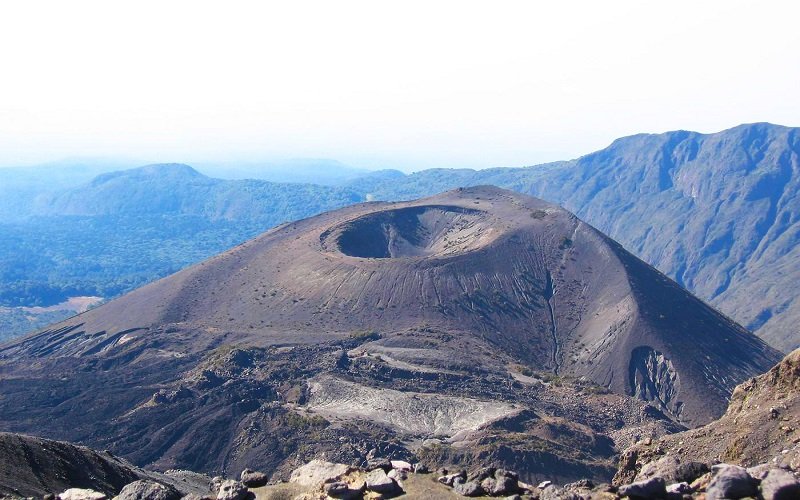
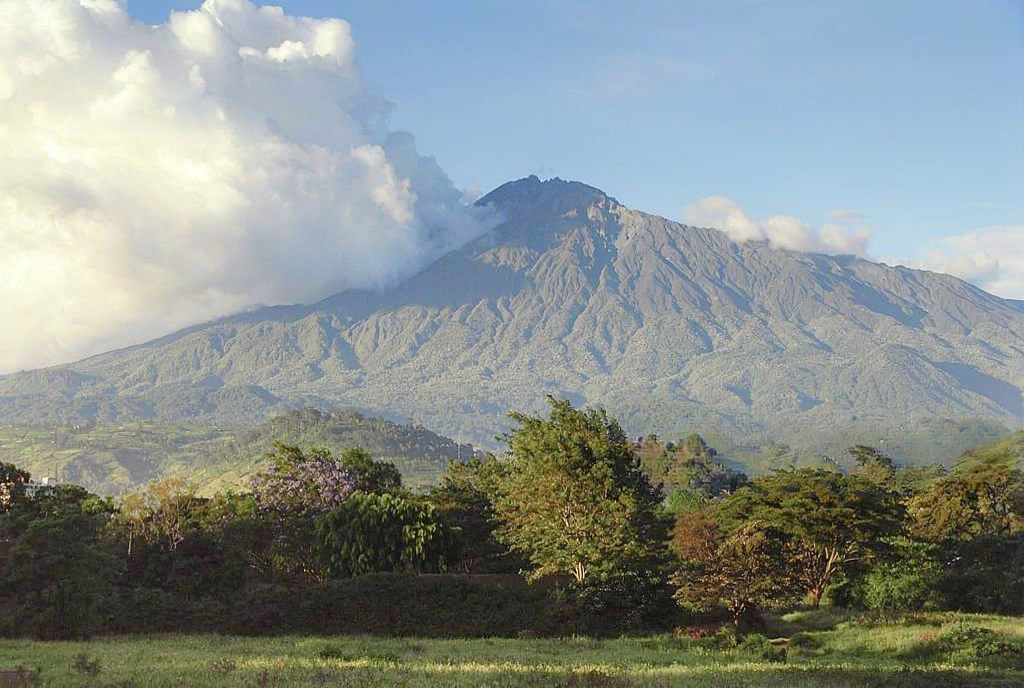
Understanding the 4-Day Mount Meru Climb in 2026-2027
The 4-day Mount Meru climb, while shorter than its more famous neighbor Kilimanjaro, offers a distinct and equally formidable trekking experience. It’s a journey into the heart of Arusha National Park, a protected area teeming with diverse flora and fauna. The primary draw for many is the chance to ascend a significant peak while simultaneously experiencing a true African wilderness, often with wildlife sightings right on the trail. For the 2026-2027 trekking seasons, this itinerary remains a popular choice for those with limited time or those looking for a challenging acclimatization trek before a Kilimanjaro ascent.
Choosing a private guide and ranger is paramount for this trek. The private guide ensures personalized attention, flexibility, and a deep understanding of the mountain and your needs. The armed ranger is not optional; they are a legal requirement for much of the trek due to the presence of buffalo, elephants, and other potentially dangerous animals within the park. Their presence ensures your safety and allows you to fully appreciate the environment without undue concern. This setup offers a level of security and tailored support that is invaluable on a mountain like Meru.
### Why Choose a 4-Day Itinerary?
The 4-day Mount Meru climb is designed for those who need to accomplish the summit within a compressed timeframe. It’s an aggressive schedule that prioritizes reaching the peak over a more leisurely acclimatization process. This means that while achievable, it demands a higher level of fitness and a strong mental fortitude from the trekker. The trade-off for speed is a reduced margin for error regarding acclimatization. For trekkers considering this option for 2026-2027, it’s crucial to be honest about your physical condition and altitude experience.
This shorter duration is often chosen for several reasons:
* Time Constraints: Many travelers have limited vacation days and want to experience a significant mountain climb without taking extensive time off.
* Acclimatization Trek: Some trekkers use Mount Meru as a high-altitude training ground before attempting Kilimanjaro. A successful Meru climb can build confidence and test acclimatization strategies.
* Specific Goal: For those whose sole objective is to summit Mount Meru and experience its unique environment, the 4-day trek is the most direct route.
It’s important to understand that this compressed schedule means less time for the body to adapt to the increasing altitude, making acclimatization a critical factor. Trekkers undertaking the 4-day itinerary must be particularly vigilant about hydration, pacing, and recognizing the signs of altitude sickness. The private guide plays a vital role here, constantly monitoring your condition and adjusting the pace as needed.
### The Role of a Private Guide and Ranger
On a Mount Meru climb, especially one as demanding as the 4-day itinerary, the support team is your lifeline. Opting for a private guide means you have one-on-one attention. This guide is not just a navigator; they are your expert on mountain physiology, weather patterns, local culture, and the flora and fauna of Arusha National Park. They will tailor the pace to your specific needs, ensure you are eating and drinking adequately, and provide encouragement. Their experience is invaluable in making critical decisions, particularly if altitude sickness becomes a concern.
Complementing the guide is the armed ranger. This is a non-negotiable requirement for trekking in Arusha National Park, especially on routes that traverse areas known for wildlife. The ranger’s primary role is your safety. They are trained to handle encounters with animals such as buffalo, elephants, and baboons. Their presence is a deterrent and a safeguard, allowing you to focus on the climb and the stunning scenery. For the 2026-2027 expeditions, this partnership between guide and ranger provides a robust safety net.
### Key Differences from Kilimanjaro
While both are iconic Tanzanian peaks, Mount Meru and Mount Kilimanjaro offer vastly different experiences. Meru, at 4,566 meters (14,980 feet), is significantly shorter than Kilimanjaro (5,895 meters / 19,341 feet). However, Meru’s summit day is often considered steeper and more technically challenging than Kilimanjaro’s.
Key distinctions include:
* Altitude: Meru is lower, which can be an advantage for acclimatization, but its summit is still high enough to pose significant altitude challenges.
* Environment: Arusha National Park is a diverse ecosystem, offering abundant wildlife viewing opportunities on the lower slopes, which is not a feature of Kilimanjaro’s routes.
* Crowds: Meru is considerably less crowded than Kilimanjaro, offering a more solitary and intimate trekking experience.
* Duration: The standard Meru trek is 4-5 days, whereas Kilimanjaro treks range from 5 to 9 days.
* Technicality: Meru’s final ascent to the summit is often described as more exposed and requiring scrambling in places, especially compared to Kilimanjaro’s scree slopes.
For a 4-day Mount Meru climb, the focus is on efficiency and maximizing the ascent within a short period, making the role of experienced guides and rangers even more critical. When planning for 2026-2027, understanding these differences will help you choose the right mountain for your goals and experience level.
Planning Your 4-Day Mount Meru Climb for 2026-2027
Successful planning is the cornerstone of any challenging mountain expedition. For a 4-day Mount Meru climb, meticulous preparation is even more vital due to the compressed schedule. This involves selecting the right time to go, understanding the typical routes, and preparing your body and mind for the rigors ahead. When booking for 2026 or 2027, early planning is advisable to secure your preferred dates and ensure the best support team.
### Best Time to Climb Mount Meru (2026-2027 Seasons)
Mount Meru can be climbed year-round, but certain periods offer more favorable weather conditions. The best times to plan your 4-day Mount Meru climb for 2026-2027 are during the dry seasons:
* January to March: Generally dry and warm, with good visibility. This period can sometimes experience short rains, especially in February.
* June to October: This is the prime dry season. Days are typically sunny and clear, though nights can be cold. This is often considered the best window for trekking.
Avoid the main rainy seasons (April-May and November) when trails can be muddy, slippery, and visibility poor. While the 4-day itinerary is possible in any month, choosing a dry season will significantly enhance your experience and safety. For 2026-2027, booking well in advance for these popular dry months is recommended.
### Route Options for a 4-Day Summit Attempt
The 4-day Mount Meru climb typically utilizes one of two main routes, both starting from Momella Gate or Usa River Gate, depending on the specific operator and park regulations:
1. Momella Route: This is the most common and generally preferred route for a 4-day trek. It offers a more scenic start, passing through diverse habitats including rainforests and savannah, with good chances of wildlife sightings. The route is divided into stages, often with overnight stops at Miriakamba Hut and Saddle Hut.
* Day 1: Momella Gate to Miriakamba Hut.
* Day 2: Miriakamba Hut to Saddle Hut.
* Day 3: Saddle Hut to Summit (Socialism Peak) via Rhino Point, then descent back to Miriakamba Hut.
* Day 4: Miriakamba Hut to Momella Gate.
2. Usa River Route: Less common for the 4-day itinerary and sometimes combined or used as an alternative start. It can be more direct but may offer fewer wildlife viewing opportunities on the lower slopes compared to Momella.
For a 4-day climb, the Momella route is the standard choice because it allows for a structured ascent and descent within the limited timeframe, ensuring that the summit push is well-timed.
### Physical and Mental Preparation
Mount Meru is a serious mountain, and a 4-day ascent is particularly demanding. Proper preparation is non-negotiable for a successful and safe climb in 2026-2027.
Physical Fitness:
* Cardiovascular Endurance: Focus on activities like running, cycling, swimming, and hiking with a weighted pack. Aim for at least 3-4 sessions per week for several months leading up to your climb.
* Strength Training: Strengthen your legs (squats, lunges), core, and back. This will help you manage the steep ascents and descents with a pack.
* Hiking Practice: Undertake long hikes, ideally with elevation gain, carrying the weight you expect to carry on the mountain. This is crucial for testing your gear and building endurance.
Mental Preparedness:
* Altitude Acclimatization: Understand that a 4-day trek offers minimal acclimatization time. Be prepared for potential altitude sickness symptoms. A positive mindset, patience, and good communication with your guide are key.
* Resilience: The trek involves long days, challenging terrain, cold temperatures, and potential discomfort. Cultivate mental toughness and a problem-solving attitude.
* Pacing: Learn to pace yourself. The mantra ‘pole pole’ (slowly, slowly) is relevant even on Meru, especially on summit day.
### Essential Gear and Packing List
Packing correctly is critical for comfort and safety on Mount Meru. Given the temperature fluctuations from rainforest to alpine desert and the possibility of rain or cold winds, layering is essential. For a 2026-2027 trek, ensure your gear is up-to-date and suitable for cold, wet, and windy conditions.
Clothing:
* Base Layers: Moisture-wicking synthetic or merino wool tops and bottoms.
* Mid Layers: Fleece jackets or synthetic insulated jackets for warmth.
* Outer Layer: Waterproof and windproof jacket and trousers (Gore-Tex or similar).
* Insulation: A warm down or synthetic insulated jacket for summit night and cold evenings.
* Trekking Trousers: Comfortable, quick-drying hiking trousers.
* Headwear: Warm fleece hat, sun hat, and a balaclava or neck gaiter.
* Gloves: Warm, waterproof gloves and thinner liner gloves.
Footwear:
* Hiking Boots: Waterproof, broken-in, sturdy hiking boots with good ankle support.
* Camp Shoes: Comfortable shoes or sandals for use at huts.
* Socks: Several pairs of wool or synthetic hiking socks.
Equipment:
* Backpack: A comfortable 30-40 liter daypack for essentials during the trek.
* Duffel Bag: A large, waterproof duffel bag (80-100 liters) for your main gear, carried by porters.
* Sleeping Bag: A warm, four-season sleeping bag (rated to -10°C or lower).
* Headlamp: With extra batteries.
* Trekking Poles: Highly recommended for stability and reducing strain on knees.
* Water Bottles/Hydration Reservoir: At least 3 liters capacity. Water purification tablets or filter are advisable.
* Sun Protection: High SPF sunscreen, lip balm, and sunglasses.
* Personal First-Aid Kit: Including any personal medications, blister treatment, pain relievers, and altitude sickness medication (consult your doctor).
* Toiletries: Biodegradable soap, toothbrush, toothpaste, wet wipes, hand sanitizer.
* Camera and Power Bank: For capturing memories and keeping devices charged.
### Booking Your 2026-2027 Expedition
When booking your 4-day Mount Meru climb with a private guide and ranger for 2026-2027, choose a reputable operator like Climb 4 Africa. They have extensive experience with Mount Meru and Kilimanjaro, ensuring you receive professional support and well-vetted guides and porters. Key considerations for booking include:
* Inclusions: Clarify what is included in the price – park fees, guide and porter salaries, meals, accommodation on the mountain, transfers, and ranger fees. Ensure your private guide and ranger are explicitly included.
* Operator Reputation: Look for operators with a strong safety record and positive reviews regarding their crew welfare and expertise.
* Customization: A private climb offers flexibility. Discuss your specific needs and preferences with the operator.
* Lead Time: For popular dates in the 2026-2027 dry seasons, book at least 6-12 months in advance.
Contacting Climb 4 Africa via Email or WhatsApp +255 747 477 898 allows for personalized discussions about your trek, ensuring all your requirements for a 2026-2027 expedition are met with expert local knowledge.
Important Note for 2026-2027 Bookings:
When planning your 4-day Mount Meru climb for 2026-2027, remember that park fees and government regulations can change. Reputable operators will update their pricing and itineraries accordingly. Always confirm the latest details directly with your chosen tour provider.
The 4-Day Mount Meru Itinerary: A Detailed Breakdown
This section provides a day-by-day look at a typical 4-day Mount Meru climb using the Momella route, highlighting the challenges and rewards of each stage. This itinerary is designed to be efficient, pushing towards the summit within the limited timeframe, making the guidance of your private guide and ranger absolutely critical.
### Day 1: Momella Gate (1,500m) to Miriakamba Hut (2,050m)
* Duration: 4-6 hours trekking
* Distance: Approximately 10 km
* Elevation Gain: 550m
Your expedition begins at Momella Gate, where you’ll complete park registration formalities. This is also where you’ll meet your full support team, including your private guide and the essential armed ranger. The initial part of the trek winds through lush montane forest, a habitat rich with wildlife. Keep an eye out for giraffes, zebras, various antelope species, and numerous birdlife. The path is generally gentle, though it can be muddy depending on recent rainfall. The ranger will be alert for any signs of larger animals. The trek culminates at Miriakamba Hut, a basic but functional campsite situated at the edge of the forest zone. Here, you’ll have dinner and rest for the night, with the sounds of the African bush as your lullaby. The acclimatization begins immediately with this modest altitude gain.
### Day 2: Miriakamba Hut (2,050m) to Saddle Hut (3,500m)
* Duration: 3-5 hours trekking
* Distance: Approximately 8 km
* Elevation Gain: 1,450m
This is a significantly steeper and more challenging day. You’ll ascend through moorland and then into alpine vegetation. The trail becomes more rugged, with numerous steep sections and switchbacks. The views begin to open up, offering increasingly spectacular panoramas of the plains below and Mount Kilimanjaro in the distance, weather permitting. The air thins considerably as you gain altitude, so maintaining a steady, slow pace (‘pole pole’) is paramount. You’ll reach Saddle Hut, a basic shelter perched between the two peaks of Meru – Little Meru and the main summit. This is your base for the night and where you will rest and prepare for the summit push. Your guide will likely encourage a short acclimatization hike to a nearby viewpoint, possibly Little Meru, before dinner to help with altitude adjustment.
### Day 3: Saddle Hut (3,500m) to Socialist Peak (4,566m) and Descent to Miriakamba Hut (2,050m)
* Duration: 10-12 hours trekking (total)
* Distance: Approximately 14 km (round trip to summit and back to Miriakamba)
* Elevation Gain: 1,066m to summit; 2,516m descent
This is the longest and most demanding day, involving a pre-dawn start for the summit attempt. You’ll leave Saddle Hut around 1-2 AM, guided by headlamp, ascending a steep, rocky scree path. The final approach to Socialist Peak (the summit) is exposed and requires careful footing, often involving scrambling over rocks. The ranger’s presence is vital here for safety. As you climb, the temperature drops significantly, and the wind can be fierce. Reaching the summit at sunrise is an unforgettable experience, with impressive views across the crater and the vast Tanzanian landscape. After celebrating your achievement, the descent begins. It’s crucial to descend carefully, as going down can be just as taxing as climbing up, especially on tired legs. You will descend all the way back to Miriakamba Hut for a much-needed rest. This is a very long and tiring day, requiring significant endurance and mental strength.
### Day 4: Miriakamba Hut (2,050m) to Momella Gate (1,500m)
* Duration: 2-3 hours trekking
* Distance: Approximately 10 km
* Elevation Loss: 550m
The final day is a relatively short and pleasant descent back to Momella Gate. You’ll retrace your steps through the forest, enjoying the morning air and reflecting on your accomplishment. The terrain is easier on your legs than the ascent. Upon reaching the gate, you’ll have a farewell with your mountain crew. This marks the end of your 4-day Mount Meru climb. For 2026-2027 trekkers, this successful descent signifies the culmination of months of planning and preparation.
Typical 4-Day Mount Meru Climb Itinerary Overview:
- Day 1: Momella Gate (1,500m) to Miriakamba Hut (2,050m) – Forest walk, wildlife spotting.
- Day 2: Miriakamba Hut (2,050m) to Saddle Hut (3,500m) – Steep ascent through moorland and alpine zones.
- Day 3: Saddle Hut (3,500m) to Socialist Peak (4,566m) via Rhino Point, then descend to Miriakamba Hut (2,050m) – Long, challenging summit day with pre-dawn start.
- Day 4: Miriakamba Hut (2,050m) to Momella Gate (1,500m) – Descent through forest.
Altitude Sickness and Safety on Mount Meru
Altitude sickness (Acute Mountain Sickness – AMS) is a significant concern on any high-altitude trek, and the 4-day Mount Meru climb is no exception. Given the rapid ascent and limited acclimatization time, understanding and managing AMS is critical for trekkers planning their 2026-2027 expeditions.
### Understanding Altitude Sickness (AMS)
AMS is a common illness that can affect anyone ascending to high altitudes. It occurs when the body doesn’t have enough time to adjust to the lower oxygen levels. Symptoms can range from mild to severe and include:
* Headache
* Nausea and vomiting
* Dizziness and lightheadedness
* Fatigue and weakness
* Loss of appetite
* Difficulty sleeping
More severe forms include High Altitude Pulmonary Edema (HAPE) and High Altitude Cerebral Edema (HACE), which are life-threatening and require immediate descent and medical attention.
### Prevention and Management Strategies
Your private guide will be trained to recognize the signs of AMS and will monitor you closely. However, being aware yourself is crucial:
* Ascend Slowly: While the 4-day itinerary is fast, your guide will manage the pace each day to be as slow and steady as possible.
* Hydration: Drink plenty of water – at least 3-4 liters per day. Avoid alcohol and caffeine, which can dehydrate you.
* Nutrition: Eat regular, high-carbohydrate meals, even if you have a reduced appetite.
* Medication: Diamox (acetazolamide) is often prescribed to help with acclimatization. Consult your doctor well in advance of your 2026-2027 trek to discuss whether this is suitable for you and to get a prescription.
* Listen to Your Body: Do not ignore symptoms. Communicate any discomfort to your guide immediately.
* Descent is the Cure: If symptoms are moderate to severe, the only effective treatment is to descend. Your guide will make this decision based on your condition.
### The Crucial Role of the Ranger
While the guide focuses on your acclimatization and trekking needs, the armed ranger’s role is primarily about wildlife safety. However, in emergencies, they are part of the wider safety net. Their training and presence are non-negotiable requirements by the park authorities for trekkers on Mount Meru. For any 2026-2027 expedition, ensure your operator includes a certified armed ranger. Their ability to manage potential wildlife encounters means you can focus on the climb, and they are trained to assist in evacuation scenarios if necessary, working in tandem with your guide and the park services.
### Emergency Procedures and Communication
In case of a serious emergency on Mount Meru, communication can be challenging due to the terrain and lack of mobile signal. Your expedition operator should have protocols in place.
* Guide’s Role: Your private guide is the first point of contact for any medical issue. They are trained in wilderness first aid and will assess the situation.
* Ranger’s Support: The ranger provides an additional layer of security and can assist in difficult situations.
* Park Rangers: There are park rangers stationed at huts and on patrol who can be alerted.
* Satellite Phones: Reputable operators may carry satellite phones for emergencies, though this is not always standard for shorter treks like Meru. Confirm this with your operator when booking for 2026-2027.
* Evacuation: In severe medical emergencies, evacuation by park rangers or a specialized rescue team might be necessary, often involving significant logistical effort and cost.
It is wise to have travel insurance that covers high-altitude trekking and emergency evacuation. When booking your 2026-2027 trek, discuss emergency plans and communication capabilities with Climb 4 Africa.
What Makes a Private Guide and Ranger Essential for Your 4-Day Mount Meru Climb?
While many treks can be enjoyed with group support, the specific demands of a 4-day Mount Meru climb, coupled with the unique environment of Arusha National Park, make a private guide and ranger not just a luxury, but a necessity for a safe and optimal experience. This personalized approach is particularly relevant for trekkers planning their 2026-2027 adventures.
### Personalized Pace and Attention
A private guide means the itinerary and pace are dictated by your abilities and condition, not by a group’s average. For a short, intense trek like the 4-day Meru climb, this is invaluable. Your guide can:
* Adjust the pace: Speed up or slow down based on your energy levels and acclimatization needs.
* Focus on your well-being: Constantly monitor your hydration, nutrition, and signs of altitude sickness.
* Provide tailored advice: Offer specific guidance on technique, rest stops, and coping strategies.
* Maximize opportunities: Stop for photos, wildlife viewing, or simply to enjoy the scenery without holding back a group.
This individualized attention is crucial for maximizing your chances of reaching the summit safely and enjoying the journey, especially when time is limited in a 2026-2027 booking.
### Enhanced Safety and Wildlife Management
The presence of dangerous wildlife in Arusha National Park cannot be overstated. Buffalo, elephants, and even baboons can be encountered on the lower slopes. The armed ranger’s role is to:
* Deter and manage wildlife: Their presence and knowledge are key to preventing dangerous encounters.
* Navigate wildlife areas: Lead you safely through areas with high animal activity.
* Provide an extra layer of security: Especially important during pre-dawn starts or late descents.
Combined with your guide’s expertise in mountain safety and altitude management, this dual support system offers unparalleled peace of mind. For any trek in 2026-2027, this level of dedicated safety support is a significant advantage.
### Flexibility and Customization
A private trek allows for greater flexibility. If you are feeling particularly strong on Day 2, your guide might subtly adjust the plan (within park regulations) to optimize your summit push. Conversely, if you are struggling with acclimatization, they can implement strategies to manage it, potentially adjusting the schedule if feasible. This adaptability is far more difficult to achieve on a fixed group itinerary. When booking for 2026-2027, discussing these possibilities with your operator is worthwhile.
### Expert Local Knowledge
Your private guide and ranger are not just employees; they are often local experts with years of experience on Meru and Kilimanjaro. They understand the mountain’s moods, the subtle signs of changing weather, and the best places to spot wildlife. This local insight enriches your experience beyond just reaching the summit.
### Cost Considerations for Private Treks
While a private climb is generally more expensive than a group trek, the benefits for a demanding itinerary like the 4-day Mount Meru climb are significant. The cost reflects the dedicated resources: a private guide, a private ranger, potentially higher porter ratios (though less critical for Meru than Kilimanjaro), and exclusive use of support staff. When comparing prices for 2026-2027, ensure you are comparing like-for-like inclusions. The investment in a private guide and ranger ensures a safer, more personalized, and ultimately more successful expedition.
## Preparing for Your 2026-2027 Mount Meru Adventure: Beyond the Basics
Successfully completing a 4-day Mount Meru climb requires more than just booking and packing. It involves a holistic preparation that considers nutrition, health, and the psychological aspects of high-altitude trekking. For those planning their 2026-2027 climbs, incorporating these elements will significantly enhance their experience and chances of success.
### Nutrition and Hydration Strategy
Beyond simply drinking water, your hydration strategy needs to be proactive. Start hydrating well before your trek. During the climb:
* Sip Consistently: Drink water throughout the day, even if you don’t feel thirsty. Aim for a minimum of 3-4 liters daily.
* Electrolytes: Consider using electrolyte powders or tablets to help your body absorb water more effectively and replenish lost salts, especially in hot conditions on lower slopes.
* Monitor Urine Color: Pale yellow urine is a good indicator of adequate hydration.
Nutrition on the mountain is provided by your operator. However, being open to trying the meals is important. High-carbohydrate diets are recommended. If you have specific dietary needs, ensure these are communicated well in advance to your operator, such as Climb 4 Africa, when booking for 2026-2027.
### Health and Medical Considerations
* Pre-Trek Medical Check-up: Consult your doctor 4-6 weeks before your trip. Discuss your plans for the 4-day Mount Meru climb and any pre-existing medical conditions. Obtain prescriptions for any necessary medications, including Diamox if recommended for altitude sickness.
* Vaccinations: Ensure your routine vaccinations are up to date. Consult a travel clinic for advice on recommended vaccinations for Tanzania (e.g., Hepatitis A, Typhoid, Yellow Fever if arriving from an endemic country).
* Dental Check: A minor dental issue can become a major problem at altitude due to pressure changes. Ensure your teeth are in good health.
* Travel Insurance: Absolutely essential. Ensure your policy covers high-altitude trekking, emergency medical evacuation, and trip cancellation.
### Psychological Preparation
The mental aspect of a challenging trek is often underestimated. For a 4-day Mount Meru climb:
* Manage Expectations: Understand that the 4-day itinerary is fast and demanding. Be prepared for potential discomfort and altitude symptoms.
* Develop Coping Mechanisms: Learn simple relaxation techniques or positive self-talk to manage fatigue and discomfort.
* Trust Your Guide: Your private guide is your expert. Trust their judgment regarding pace, rest, and safety decisions. Open communication is key.
* Embrace the Experience: Focus on the journey, the unique environment, and the accomplishment, rather than solely on the summit.
### Environmental Responsibility
As trekkers, we have a responsibility to protect the pristine environment of Arusha National Park. For your 2026-2027 climb:
* Leave No Trace: Pack out everything you pack in, including all trash.
* Stay on Trails: Avoid damaging vegetation by sticking to designated paths.
* Respect Wildlife: Maintain a safe distance from animals and never feed them.
* Conserve Water: Use water judiciously, especially at higher camps.
* Proper Waste Disposal: Use designated toilets or dig catholes at least 200 feet from water sources, trails, and campsites.
### Post-Trek Considerations
After completing your 4-day Mount Meru climb, you might be planning further adventures in Tanzania. Whether it’s a safari or a Zanzibar holiday, ensure you have adequate rest and recovery time. Your operator, like Climb 4 Africa, can assist in arranging subsequent travel plans for 2026-2027, ensuring a smooth continuation of your African journey.
Why Choose Climb 4 Africa for Your 2026-2027 Mount Meru Expedition?
Selecting the right tour operator is a critical decision that significantly impacts your trekking experience, safety, and overall satisfaction. For a challenging and unique adventure like the 4-day Mount Meru climb with a private guide and ranger, Climb 4 Africa offers extensive expertise and a commitment to quality that makes them an excellent choice for your 2026-2027 expedition.
### Local Expertise and Operational Excellence
Climb 4 Africa is a Tanzanian-based company with deep roots in the region. This means they possess unparalleled local knowledge regarding Mount Meru, Arusha National Park, and the logistical intricacies of mountain trekking. They understand the terrain, the weather patterns, and the importance of a well-supported team. Their operational excellence ensures that all aspects of your trek – from park permits and crew management to meals and accommodation on the mountain – are handled with professionalism and efficiency. This local grounding is invaluable for planning and executing a successful 2026-2027 climb.
### Commitment to Safety and Crew Welfare
Safety is paramount on any mountain expedition, and Climb 4 Africa prioritizes it by employing experienced, certified guides and ensuring that all necessary safety equipment is available. Crucially, they also demonstrate a strong commitment to the welfare of their guides, porters, and cooks. This means fair wages, proper equipment, adequate food, and respectful treatment for their mountain crew. A well-treated and well-supported team is a motivated and effective team, which directly translates to a safer and more enjoyable climb for you. This ethical approach is particularly important when considering long-term expeditions planned for 2026-2027.
### Personalized Service for Private Treks
As specialists in Kilimanjaro climbs and tailor-made African travel, Climb 4 Africa excels at providing personalized service, making them ideal for a private 4-day Mount Meru climb. They understand that each trekker has unique needs and goals. When you book a private climb with them for 2026-2027, you benefit from:
* Dedicated Support: Assistance in planning every detail, from itinerary adjustments to gear advice.
* Customized Itineraries: The ability to tailor the trek to your pace and preferences, within the constraints of the 4-day schedule.
* Responsive Communication: Prompt and clear answers to all your queries via Email or WhatsApp +255 747 477 898.
### Comprehensive Inclusions
Climb 4 Africa typically offers comprehensive packages for their treks, which can simplify your planning. For a 4-day Mount Meru climb, this usually includes:
* Private guide and armed ranger
* All park entry fees and camping/hut fees
* All meals on the mountain
* Accommodation at huts
* Ground transportation to and from the mountain gate
* Portable toilet for use at camps
* A support crew (porters for your main gear)
Always confirm the exact inclusions for your 2026-2027 booking, as details can vary slightly.
### Beyond Meru: Integrated African Travel
Climb 4 Africa’s expertise extends beyond mountain climbing to include wildlife safaris, Zanzibar holidays, and tailor-made travel experiences. If your 4-day Mount Meru climb is part of a larger Tanzanian adventure in 2026-2027, they can seamlessly integrate your trekking experience with other activities, creating a complete and unforgettable African journey. This holistic approach to travel planning sets them apart.
When you’re ready to discuss your 2026-2027 4-day Mount Meru climb with a private guide and ranger, reaching out to Climb 4 Africa is a direct path to expert advice and reliable planning. Their local presence and dedication to client satisfaction make them a trusted partner for this challenging and rewarding trek.
Ready to Conquer Mount Meru in 2026-2027?
The 4-day Mount Meru climb with a private guide and ranger is an incredible challenge. To ensure your expedition is safe, successful, and memorable, partner with experienced local experts. Climb 4 Africa offers the professional support, local knowledge, and dedication to safety you need for your 2026-2027 adventure. Don’t leave your summit dreams to chance. Contact Climb 4 Africa today to discuss your personalized itinerary, get a quote, and book your private Mount Meru expedition. Reach them via Email or WhatsApp +255 747 477 898 to start planning.
Check Availability for 4 Days Mount Meru Climb With Private Guide And Ranger : A Comprehensive
Ready to compare dates, prices, and the best option for your group? Send the package name and travel month so the team can reply with a clear quote, availability, and what is included.

South Africa Safari Tours & Vacation Packages | Climb 4 2026-2027
Discover the ultimate South Africa safari experience with tailored tour and vacation packages for 2026-2027. From iconic Kruger National Park to exclusive private reserves, find detailed...
View package detailsKilimanjaro Routes: 15 Strongest Worldwide Search Potential For Climbs
Planning a Kilimanjaro climb? This guide details the 15 routes with the highest search interest worldwide for 2026-2027, helping you choose the best path for your adventure. We cover...
View package detailsBest Wildlife Photography Destinations For Safaris | Climb 4 Africa 2026-2027
Planning a safari for incredible wildlife photography in 2026 or 2027? Tanzania offers unparalleled opportunities. This guide details the top destinations, essential gear, timing, and how...
View package details
Kruger National Park Safari Packages: Your Ultimate Guide To Adventures
Discover tailored Kruger National Park safari packages for 2026-2027. This comprehensive guide covers everything from choosing the right lodge and activities to understanding costs and...
View package details
Tanzania Safari Tours & Packages /: Your Ultimate Wildlife Adventure 2026-2027
Discover the magic of Tanzania with expertly crafted safari tours and packages for 2026 and 2027. From the vast plains of the Serengeti to the depths of the Ngorongoro Crater, find your...
View package detailsAffordable Car Rentals Near Me: Your Tanzania Travel Guide 2026-2027
Planning a trip to Tanzania and need affordable car rentals? This comprehensive guide from Climb 4 Africa covers everything from finding the right vehicle to understanding local conditions...
View package detailsBest Gorilla And Chimpanzee Trekking Tours: Your Definitive Guide 2026-2027
Discover the ultimate guide to gorilla and chimpanzee trekking tours. Plan your 2026-2027 adventure to see these incredible primates in their natural habitats, covering key destinations...
View package detailsHow To Create The Perfect Travel Itinerary For Tanzania Adventures 2026-2027
Crafting the perfect travel itinerary for Tanzania involves understanding your priorities, choosing the right activities, and planning logistics effectively. This guide walks you through...
View package detailsCheap Hotels Near Me Tonight: Finding Affordable Stays In Tanzania 2026-2027
Discover how to find cheap hotels near you tonight in Tanzania, focusing on budget-friendly options for travelers planning safaris, Kilimanjaro treks, or Zanzibar holidays in 2026-2027...
View package detailsPlaces Where Your Money Goes Further: Smart Tanzania Travel For 2026-2027
Planning a trip to Tanzania in 2026 or 2027 and want to maximize your budget? This guide reveals how to make your money go further on Kilimanjaro climbs, wildlife safaris, and Zanzibar...
View package detailsDestinations Worth Visiting At Least Once Guide
Discover a curated selection of destinations that offer unparalleled experiences, from the majestic peaks of Kilimanjaro to the spice-scented shores of Zanzibar. This guide helps you...
View package detailsWildlife And Nature Titles: Your Ultimate Guide To Tanzanias Best Experiences
This comprehensive guide explores the most sought-after wildlife and nature titles in Tanzania, from iconic safari destinations and Kilimanjaro treks to the tropical allure of Zanzibar...
View package detailsNo related package matches those filters. Clear one or more filters to see the other topic-matched options.



