
The 10 best safari destinations in the world for unparalleled wildlife viewing in 2026-2027 typically include Tanzania’s Serengeti and Ngorongoro Crater for the Great Migration and abundant predators, Kenya’s Maasai Mara for its classic savanna experience, Botswana’s Okavango Delta for exclusive water-based safaris, South Africa’s Kruger National Park for accessibility and diverse wildlife, Rwanda and Uganda for mountain gorilla trekking, Zambia’s South Luangwa for walking safaris, Namibia for unique desert-adapted wildlife and stunning landscapes, India’s Ranthambore for tiger spotting, and Costa Rica for its incredible biodiversity in rainforests and coastlines.
Navigating the World’s Top Safari Experiences: A 2026-2027 Guide
Deciding where to go on safari is a thrilling prospect, but with so many incredible options, narrowing it down can feel overwhelming. As specialists in African travel, particularly with our roots in Tanzania, we understand the nuances that make a safari truly exceptional. This guide explores the 10 best safari destinations globally, with a focus on what makes each unique, who they best suit, and practical considerations for planning your adventure, especially looking ahead to 2026 and 2027. We aim to provide the depth needed to make informed choices, whether you’re dreaming of the iconic African savanna, the dense jungles of Asia, or unique ecosystems elsewhere.
The term ‘safari’ itself conjures images of vast plains, incredible animal encounters, and a profound connection with nature. While Africa remains the undisputed heartland of safari, exceptional wildlife viewing opportunities exist across continents. For 2026-2027, planning is key, as popular destinations and lodges book up well in advance, particularly for peak seasons. We’ll break down why these destinations consistently rank among the best, offering insights into the wildlife, landscape, experience, and the best times to plan your visit.
1. Tanzania: Serengeti National Park & Ngorongoro Crater
When discussing the best safari destinations in the world, Tanzania invariably tops the list, and for good reason. Its crown jewels, the Serengeti National Park and the Ngorongoro Conservation Area, offer an experience that is both epic and deeply intimate.
Serengeti: The “Endless Plains” and the Great Migration
The Serengeti, meaning “endless plains” in the Maasai language, is a vast ecosystem stretching across over 14,750 square kilometers. It is most famous for hosting the Great Migration, a impressive natural spectacle involving over 1.5 million wildebeest, hundreds of thousands of zebras, and gazelles. These herds traverse the plains in a constant search for fresh grazing land, a journey dictated by the rains.
What makes it exceptional:
- The Great Migration: Witnessing millions of animals on the move is a profound experience. The timing of the migration is crucial for planning your visit. Calving season (typically January-February) is in the southern Serengeti, while river crossings (often June-August) are famously dramatic in the western and northern Grumeti and Mara River regions.
- Predator density: The Serengeti boasts one of the highest concentrations of predators in Africa, including lions, cheetahs, leopards, hyenas, and wild dogs. The sheer abundance of prey supports these populations, making sightings incredibly frequent.
- Vast landscapes: The rolling grasslands, acacia-dotted savannas, and kopjes (rocky outcrops) create iconic African vistas, perfect for photography and general awe.
Best time to visit for the Great Migration:
- January-March: Southern Serengeti for calving season, good for predator sightings.
- April-May: “Green season,” fewer tourists, beautiful landscapes, but migration is moving north.
- June-October: Western and Northern Serengeti, prime time for dramatic river crossings.
- November-December: Central and Eastern Serengeti, herds begin returning south.
For 2026-2027, booking your Serengeti safari lodge or tented camp at least 9-12 months in advance is highly recommended, especially if targeting the migration river crossings or peak dry season.
Ngorongoro Crater: A Unique Caldera Experience
Adjacent to the Serengeti, the Ngorongoro Conservation Area (NCA) is a UNESCO World Heritage Site dominated by the Ngorongoro Crater, a massive volcanic caldera. This “Garden of Eden” is home to an astonishing density and diversity of wildlife within its 260 square kilometer floor.
What makes it exceptional:
- High concentration of wildlife: The crater floor is a self-contained ecosystem supporting an incredible array of animals year-round, including the Big Five (lion, leopard, elephant, rhino, buffalo).
- Black Rhino sanctuary: The Ngorongoro Crater is one of the best places in Africa to see the endangered black rhinoceros in its natural habitat.
- Unique landscape: The sheer walls of the crater, often shrouded in mist, create a dramatic and unforgettable backdrop. You’ll find various habitats within the crater, from grasslands and swamps to acacia forests.
- Maasai coexistence: Unlike most national parks, the NCA allows Maasai pastoralists to coexist with wildlife, adding a cultural dimension to the experience.
Best time to visit Ngorongoro: The crater is a year-round destination, with wildlife concentrated due to the permanent water sources. However, the dry season (June-October) offers the most reliable game viewing as animals congregate around waterholes.
Practicalities: Day trips into the crater floor are common, often combined with Serengeti safaris. However, staying overnight within the NCA or on its rim offers a more in-depth experience. Due to conservation efforts, visitor numbers are managed, and booking crater descent permits in advance is essential, especially for 2026-2027 travel.
2. Kenya: Maasai Mara National Reserve
Kenya’s Maasai Mara National Reserve is arguably the most famous safari destination in Africa, renowned for its quintessential savanna landscapes and exceptional wildlife viewing, particularly its large lion and cheetah populations.
What makes it exceptional:
- Maasai Mara Ecosystem: The Mara is part of a larger ecosystem that includes the Serengeti, meaning it also hosts a significant portion of the Great Migration during the dry season (typically July-October). Thousands of wildebeest and zebras pour into the Mara from the Serengeti, drawn by the promise of greener pastures and the life-giving Mara River.
- Abundant Big Cats: The reserve is legendary for its high density of lions, cheetahs, and leopards. The open grasslands and scattered acacia trees provide excellent hunting grounds and viewing opportunities.
- Maasai Culture: The reserve shares its name with the Maasai people, who have traditionally lived in this region. Many lodges and camps offer opportunities to visit Maasai villages, providing a fascinating glimpse into their vibrant culture and traditions.
- Hot Air Balloon Safaris: A sunrise hot air balloon ride over the Mara plains at dawn, followed by a champagne breakfast in the bush, is an iconic and unforgettable experience.
Best time to visit: For the Great Migration, July to October is prime. For general game viewing and predator activity, January to March is also excellent. The shoulder months (June, November) can offer fewer crowds and good sightings.
Planning for 2026-2027: The Maasai Mara is a popular choice, and prime camps, especially those bordering the Mara River for migration viewing, get booked very quickly. Aim to book 10-12 months in advance for peak season travel.
3. Botswana: Okavango Delta & Chobe National Park
Botswana offers a safari experience that is often characterized by exclusivity, pristine wilderness, and innovative conservation. Its two most celebrated destinations, the Okavango Delta and Chobe National Park, provide distinct yet equally spectacular wildlife encounters.
Okavango Delta: Africa’s Inland Delta
The Okavango Delta is a unique inland river delta that fans out into the Kalahari Desert. Instead of reaching the sea, its waters evaporate, creating a lush oasis teeming with life. This UNESCO World Heritage site is renowned for its water-based safaris.
What makes it exceptional:
- Mokoro Safaris: Glide silently through the delta’s waterways in a traditional dugout canoe (mokoro), offering a unique perspective for birdwatching and spotting animals that come to drink.
- Low-impact tourism: Botswana’s tourism model emphasizes high-cost, low-volume, which means fewer vehicles and a more private experience. The Okavango Delta is primarily accessed by light aircraft, adding to its exclusivity.
- Diverse habitats: The delta supports a vast array of wildlife, including elephants, hippos, crocodiles, lions, leopards, wild dogs, and a remarkable diversity of birdlife.
- Seasonal variations: The Delta floods from June to August, creating prime water-based safari conditions. The dry season (May-October) concentrates land animals around permanent water sources.
Best time to visit: The peak wildlife viewing season is during the dry months of May to October. The flood season (June-August) is ideal for mokoro excursions.
Chobe National Park: The Elephant Capital
Bordering the Okavango Delta, Chobe National Park is famous for its enormous elephant herds, particularly in the Linyanti and Savuti marsh areas, and along the Chobe River.
What makes it exceptional:
- Elephant herds: Chobe is home to one of the largest elephant populations in Africa, with herds often numbering in the hundreds, especially during the dry season as they gather along the Chobe River.
- River Safaris: The Chobe River offers fantastic boat-based safaris, providing excellent opportunities to see elephants, hippos, crocodiles, and a wealth of birdlife at eye level.
- Predator sightings: The Savuti marsh area is known for its resident lion prides, often showcasing unique hunting behaviors, as well as cheetahs and leopards.
Best time to visit: The dry season (May-October) is best for concentrated wildlife viewing, especially elephants along the river. The wet season (November-April) offers lush scenery and excellent birding, with more dispersed wildlife.
Planning for 2026-2027: Botswana’s exclusive safari model means that lodges and camps, particularly in the Okavango Delta, are very sought after. Booking 12-18 months in advance for popular camps and peak season is strongly advised. For 2026-2027, early booking is crucial.
4. South Africa: Kruger National Park
South Africa’s Kruger National Park is one of the most accessible and well-managed wildlife reserves in Africa, offering a diverse safari experience suitable for various budgets and travel styles.
What makes it exceptional:
- The Big Five: Kruger is renowned for its excellent chances of seeing the Big Five (lion, leopard, elephant, rhino, buffalo).
- Vastness and Variety: Spanning nearly 2 million hectares, Kruger offers diverse landscapes, from mopane woodlands to open savannas, supporting a rich mix of flora and fauna.
- Self-Drive Option: Kruger is one of the few major African parks where self-driving is a popular and feasible option, making it more affordable. The park has a well-maintained road network and numerous rest camps.
- Private Game Reserves: Adjacent to Kruger are private game reserves like the Sabi Sands, which offer exclusive off-road driving, night drives, and walking safaris, leading to exceptional predator sightings (especially leopards) and a more intimate experience.
- Accessibility: Kruger is easily accessible via flights to nearby airports like Kruger Mpumalanga International Airport (MQP) or directly from Johannesburg.
Best time to visit: The dry season (May-October) is generally considered the best time for game viewing, as vegetation thins out and animals congregate around water sources. The wet season (November-April) offers lush landscapes, excellent birding, and is ideal for seeing newborn animals.
Planning for 2026-2027: Kruger’s popularity means that accommodation within the national park and in the more exclusive private reserves books up rapidly. For 2026-2027, securing bookings 6-9 months in advance is advisable, and longer for prime lodges in the Sabi Sands or other premium private concessions.
5. Rwanda & Uganda: Mountain Gorilla Trekking
For an utterly unique and deeply moving wildlife encounter, trekking to see mountain gorillas in their natural habitat in Rwanda or Uganda is unparalleled. These destinations offer a chance to witness these gentle giants up close.
Volcanoes National Park, Rwanda
Rwanda’s Volcanoes National Park, part of the Virunga Massif, is one of the most accessible places to track mountain gorillas. The park is home to several habituated gorilla families that visitors can visit.
What makes it exceptional:
- Habituated Gorilla Families: Rwanda has successfully habituated multiple gorilla families, making treks reliable and offering incredible viewing opportunities.
- Stunning Scenery: The park is set against the dramatic backdrop of the Virunga Volcanoes, creating a impressive environment for your trek.
- Conservation Success: Rwanda is a leader in conservation, with a significant portion of tourism revenue reinvested into protecting gorillas and their habitat.
- Shorter Treks: Gorilla treks in Rwanda are generally shorter and less strenuous than in Uganda, making them accessible to a wider range of fitness levels.
Permit Costs: Rwanda’s gorilla permits are expensive ($1,500 per person), reflecting the country’s high-end tourism strategy and conservation efforts. For 2026-2027, these prices are expected to remain stable or increase.
Bwindi Impenetrable National Park, Uganda
Uganda’s Bwindi Impenetrable National Park, another UNESCO World Heritage site, is home to the largest population of mountain gorillas. Treks here can be more challenging but equally rewarding.
What makes it exceptional:
- Largest Gorilla Population: Bwindi hosts over half of the world’s remaining mountain gorillas, spread across its different sectors.
- Biodiversity Hotspot: Beyond gorillas, Bwindi is incredibly biodiverse, with numerous primate species, birds, and butterflies.
- Varied Trekking: Treks in Bwindi can vary in length and difficulty depending on the gorilla family’s location and the terrain, which is often steep and rugged.
- Golden Monkey Trekking: In addition to gorillas, visitors can also track the endangered golden monkeys in the park’s northern sectors.
Permit Costs: Uganda’s gorilla permits are more affordable ($700 per person), making it a popular choice for those on a tighter budget. For 2026-2027, this price point is attractive.
Best time to visit: Both Rwanda and Uganda are best visited during the dry seasons (June-August and December-February) for easier trekking conditions. However, gorilla trekking is possible year-round.
Planning for 2026-2027: Gorilla permits are limited and sell out months in advance, especially for peak seasons. For 2026-2027, securing permits 6-12 months ahead is essential, particularly for Rwanda due to its higher permit cost and demand.
6. Zambia: South Luangwa National Park
Zambia is often cited as the birthplace of the walking safari, and South Luangwa National Park is its undisputed jewel. This park offers a raw, authentic safari experience focused on immersion and discovery.
What makes it exceptional:
- Walking Safaris: South Luangwa is the premier destination for walking safaris. Guided by expert rangers, you can track animals on foot, getting incredibly close and learning about the smaller details of the bush – from tracks and plants to insects.
- Predator density: The park has a very high concentration of leopards, making it one of the best places in Africa to spot these elusive cats. Lion, wild dog, and hyena sightings are also common.
- Luangwa River: The permanent Luangwa River supports a huge population of hippos and crocodiles, and attracts a variety of game to its banks.
- Remote wilderness: While popular, South Luangwa retains a feeling of untouched wilderness, with fewer vehicles and a more intimate safari experience compared to some East African parks.
Best time to visit: The dry season (May-October) is ideal for game viewing, as animals concentrate around the river and waterholes. The park is largely inaccessible during the rainy season (November-April).
Planning for 2026-2027: Lodges in South Luangwa, especially those offering prime walking safari access, can fill up quickly. Booking 6-9 months in advance for the 2026-2027 season is recommended.
7. Namibia: Etosha National Park & Namib Desert
Namibia offers a safari experience that is dramatically different from the classic savanna. Its vast desert landscapes, unique adaptations of wildlife, and stark beauty make it a truly distinct destination.
Etosha National Park: Waterhole Safaris
Etosha is Namibia’s premier wildlife sanctuary, centered around the massive Etosha Pan, a salt pan that is dry for most of the year. Wildlife viewing is dominated by the park’s numerous waterholes, where animals gather to drink.
What makes it exceptional:
- Waterhole concentration: The dry climate means animals are drawn to permanent water sources, making game viewing at Etosha’s waterholes incredibly efficient and predictable. You can often see lions, elephants, rhinos, giraffes, zebras, and various antelope species in close proximity.
- White Rhino population: Etosha is a vital sanctuary for black and white rhinos, with good sighting opportunities.
- Unique desert-adapted wildlife: Species like the desert-adapted elephants and the hardy Oryx are common sights.
- Accessibility: The park has a good network of roads and several well-equipped rest camps, making it relatively easy to explore, including self-drive options.
Best time to visit: The dry season (May-October) is the best time for game viewing as animals rely heavily on waterholes. The park can be very hot during the summer months (November-April).
Namib Desert: Unique Ecosystems
While not a traditional safari destination, the Namib Desert offers incredible opportunities to spot unique desert-adapted wildlife, including desert-adapted elephants, lions, cheetahs, and Hartmann’s mountain zebras, particularly in areas like Damaraland and the Skeleton Coast.
What makes it exceptional:
- Desert-adapted species: Witnessing animals that have evolved to survive in extreme arid conditions is fascinating.
- Stunning landscapes: The towering red dunes of Sossusvlei, the desolate beauty of the Skeleton Coast, and the rugged mountains of Damaraland create an otherworldly backdrop.
- Unique activities: Activities include dune boarding, scenic flights over the desert, and guided drives to find desert-adapted wildlife.
Planning for 2026-2027: Etosha’s rest camps can be booked directly, but private lodges within or bordering the park are popular and require advance booking, especially for 2026-2027. Damaraland and Skeleton Coast lodges are often exclusive and book up 6-12 months ahead.
8. India: Ranthambore National Park
For those seeking the thrill of spotting a tiger, India’s Ranthambore National Park is one of the best places on Earth. This former hunting ground of the Maharajas of Jaipur is now a haven for Bengal tigers.
What makes it exceptional:
- Tiger sightings: Ranthambore is renowned for its relatively high probability of tiger sightings. The tigers here are often seen in daylight, and the park’s open terrain and historic fort provide stunning photographic opportunities.
- Ranthambore Fort: The 10th-century Ranthambore Fort, a UNESCO World Heritage site, sits within the park, adding a unique historical and cultural dimension to the safari.
- Other wildlife: While tigers are the main draw, the park is also home to leopards, sloth bears, sambar deer, wild boar, and numerous bird species.
- Jeep Safaris: Safaris are conducted in open-top jeeps, typically in designated zones within the park.
Best time to visit: The cooler months from October to June are ideal. The park is closed during the monsoon season (July-September). March to May offers the best chance to see tigers near waterholes as the weather gets hotter.
Planning for 2026-2027: Tiger reserve permits are limited and allocated by the government. Booking safaris well in advance (3-6 months) is crucial, especially for popular zones and during peak tourist seasons for 2026-2027.
9. Costa Rica: Rainforests & Coastlines
Costa Rica offers a different kind of safari – one focused on incredible biodiversity within lush rainforests, cloud forests, and vibrant coastlines. It’s a paradise for nature lovers and eco-tourists.
What makes it exceptional:
- Biodiversity: Despite its small size, Costa Rica is one of the most biodiverse countries on Earth, home to an estimated 5% of the world’s species.
- Abundant Wildlife: Expect to see a dazzling array of wildlife, including sloths, monkeys (howler, capuchin, squirrel), toucans, macaws, coatis, iguanas, and countless insects and amphibians. Marine life is also abundant.
- Eco-tourism focus: Costa Rica is a pioneer in eco-tourism, with a strong commitment to conservation. Numerous national parks and private reserves protect its natural wonders.
- Variety of ecosystems: From the misty cloud forests of Monteverde to the tropical rainforests of Corcovado and the Caribbean and Pacific coastlines, each area offers unique wildlife viewing opportunities.
- Activities: Beyond wildlife spotting, activities include zip-lining, canopy tours, surfing, white-water rafting, and exploring volcanic landscapes.
Best time to visit: The dry season (December to April) is popular for its sunny weather. The green season (May to November) offers lush landscapes, fewer crowds, and potential for afternoon rain showers.
Planning for 2026-2027: Popular eco-lodges and tours, especially in areas like Corcovado and Monteverde, can book up. For 2026-2027, booking accommodation and key tours 3-6 months in advance is recommended.
10. Australia: Daintree Rainforest & Queensland Coast
Australia, often known for its unique marsupials, offers incredible wildlife experiences in its ancient rainforests and coastal regions, particularly in Queensland.
What makes it exceptional:
- Ancient Ecosystems: The Daintree Rainforest, one of the oldest continuously living rainforests on Earth, is teeming with unique flora and fauna, including cassowaries, tree kangaroos, and an incredible variety of insects and birds.
- Marine Life: The Great Barrier Reef, the world’s largest coral reef system, offers unparalleled snorkeling and diving opportunities to see vibrant coral, fish, turtles, and even whales and dolphins.
- Unique Fauna: Spotting iconic Australian animals like kangaroos, wallabies, koalas, and platypuses in their natural habitats is a highlight.
- Coastal & Island Habitats: Islands like Fraser Island (K’gari) offer unique wildlife, including dingoes and diverse birdlife.
Best time to visit: For the Daintree and Queensland coast, the dry season (May to October) generally offers pleasant temperatures and less humidity. The wet season (November to April) is hotter and more humid, but offers lush landscapes and opportunities to see different bird species.
Planning for 2026-2027: Accommodation in popular areas like the Daintree and on islands within the Great Barrier Reef can be limited. Booking 4-6 months in advance is advisable for 2026-2027.
Planning Your Safari for 2026-2027: Key Considerations
Choosing the right safari destination is just the first step. Successful planning for 2026-2027 involves understanding several critical factors that will shape your experience and budget.
Timing is Everything
Best time to visit: As highlighted for each destination, the optimal time for wildlife viewing often corresponds with the dry season. This is when animals are more concentrated around water sources, and vegetation is less dense, making them easier to spot. However, the “best” time can also depend on your preferences: do you want to witness the Great Migration, see newborn animals, avoid crowds, or experience lush green landscapes?
Peak vs. Shoulder vs. Low Season:
- Peak Season: Typically the dry season. Expect higher prices, more crowds, but excellent game viewing. For 2026-2027, book 12+ months in advance for peak times in popular African destinations.
- Shoulder Season: The periods just before or after peak season. Often offers a good balance of wildlife viewing, fewer crowds, and slightly lower prices.
- Low Season: Often the wet season. Landscapes are lush, prices are lowest, and there are fewer tourists. Game viewing can be more challenging, but it’s excellent for birding and photography of newborns.
Budgeting for Your Safari
Safari costs can vary dramatically. Key factors include:
- Accommodation: From basic tented camps to ultra-luxury lodges, this is a significant cost driver.
- Location: Remote destinations or exclusive concessions often command higher prices due to logistics and lower visitor numbers.
- Inclusions: Ensure you understand what’s included – game drives, meals, drinks, park fees, activities (walking safaris, mokoro trips), and transfers.
- Park Fees: These are mandatory daily charges for entering national parks and reserves.
- Transportation: Internal flights (bush planes) are common in places like Botswana and can add considerably to the cost.
- Time of Year: Peak season travel will always be more expensive.
For 2026-2027, expect prices to remain similar to current rates or see a slight increase due to inflation and demand. Getting a personalized quote is the best way to understand your specific costs.
Visa and Health Requirements
Always check the latest visa requirements for your nationality for each country you plan to visit. Similarly, consult your doctor or a travel clinic about recommended vaccinations and malaria prophylaxis well in advance of your 2026-2027 trip. Yellow Fever vaccination is often mandatory for entry into certain African countries if arriving from a country with risk.
Travel Insurance
Comprehensive travel insurance is non-negotiable. Ensure it covers:
- Medical emergencies and evacuation
- Trip cancellation and interruption
- Lost or stolen baggage
- Activities like game drives and walking safaris
Choosing the Right Safari Type
The definition of “safari” can be broad. Understanding the different styles will help you select the best fit:
Classic Game Drive Safaris
The most common type, involving open-top 4×4 vehicles driven by guides. Ideal for covering large areas and spotting a wide range of wildlife. Available in most destinations listed.
Walking Safaris
Focus on exploring the bush on foot, guided by an armed ranger. This offers a more intimate and educational experience, focusing on tracks, plants, and smaller details. Zambia (South Luangwa) and parts of Tanzania and Botswana are renowned for these.
Water-Based Safaris
Involve boat trips, mokoro (dugout canoe) excursions, and sometimes even houseboats. Perfect for delta environments like Botswana’s Okavango Delta or riverine areas like Zambia’s Luangwa River and Tanzania’s Rufiji River.
Gorilla and Primate Trekking
Requires hiking through dense forests to find specific primate groups. This is a physically demanding but incredibly rewarding experience, best done in Rwanda and Uganda for mountain gorillas.
Self-Drive Safaris
Offer the most flexibility and can be the most budget-friendly option. Parks like South Africa’s Kruger and Namibia’s Etosha are well-suited for self-driving, with good road infrastructure and self-catering accommodation options.
Luxury vs. Budget Safaris
Luxury Safaris: Feature high-end lodges, gourmet dining, private guides, and exclusive concessions. Expect higher prices but unparalleled comfort and service. Destinations like Botswana, parts of South Africa, and exclusive camps in East Africa cater to this market.
Budget Safaris: Can involve camping, staying in park-run rest camps, or using more basic lodges. These often involve shared vehicles or self-driving. While more affordable, they still offer incredible wildlife experiences. Tanzania and Kenya offer a range of options, from budget camping to mid-range lodges.
Booking Your Safari with Climb 4 Africa
Choosing the right safari destination is a significant decision, and planning it effectively is crucial for an unforgettable adventure. At Climb 4 Africa, our expertise lies not just in climbing Kilimanjaro but in crafting comprehensive and exceptional African safari experiences. We understand the intricate details that transform a good trip into a great one.
For your 2026-2027 safari planning, consider these advantages of working with us:
- Local Expertise: Based in Tanzania, we have firsthand knowledge of the parks, lodges, and the best times to visit. We know the ground realities that online research might miss.
- Tailor-Made Itineraries: Whether you dream of the Great Migration in the Serengeti, exploring the Ngorongoro Crater, or combining a safari with a Zanzibar beach holiday, we can design a bespoke itinerary that matches your interests, budget, and travel style.
- Practical Support: We handle all the complex logistics, from park permits and accommodation bookings to internal transfers and guiding services, ensuring a smooth experience.
- Value for Money: We work with trusted local partners to offer competitive pricing without compromising on quality or experience. We can advise on the best value options for 2026-2027.
- Commitment to Conservation: We partner with lodges and operators who prioritize responsible tourism and contribute to conservation efforts.
To begin planning your best safari destination in the world adventure for 2026 or 2027, or to get a personalized quote for a Tanzania safari that includes the Serengeti and Ngorongoro Crater, please reach out. We are here to help you navigate the options and create the safari of your dreams.
Contact us today:
- WhatsApp: +255 747 477 898
- Email: climb4africa@gmail.com
Let us help you craft your perfect safari experience, whether it’s the iconic wildlife of East Africa or other incredible destinations. Your adventure awaits!
“,
“faq_schema”: [
{
“question”: “What are the top 3 safari destinations for wildlife viewing?”,
“answer”: “The top safari destinations for wildlife viewing consistently include Tanzania (Serengeti & Ngorongoro) for the Great Migration and predator action, Kenya (Maasai Mara) for its classic savanna ecosystem and big cats, and Botswana (Okavango Delta) for its unique water-based safaris and exclusivity.”
},
{
“question”: “When is the best time to visit the Serengeti for the Great Migration?”,
“answer”: “The best time to visit the Serengeti for the Great Migration depends on what you want to see. For calving season, January-February in the south. For dramatic river crossings, June-August in the west and north. For general vast herds, the dry season from June to October offers excellent viewing across different parts of the park.”
},
{
“question”: “How much does a safari cost?”,
“answer”: “Safari costs vary significantly based on destination, accommodation type, duration, and inclusions. A mid-range safari in East Africa might range from $300-$600 per person per day, while luxury options can exceed $1000-$2000+ per person per day. Budget safaris are possible but require careful planning. Expect prices for 2026-2027 to be similar or slightly higher.”
},
{
“question”: “What is the difference between a safari in Tanzania and Kenya?”,
“answer”: “Both Tanzania’s Serengeti and Kenya’s Maasai Mara offer incredible wildlife viewing and are part of the same migration system. Tanzania often offers a more vast, less crowded experience with the unique Ngorongoro Crater. Kenya’s Maasai Mara is renowned for its high predator density and iconic Maasai culture. Both are excellent, but the overall park experience and logistics can differ.”
},
{
“question”: “Can I go on a safari in Africa on a budget?”,
“answer”: “Yes, it’s possible to go on safari on a budget. Options include camping safaris, staying in park-run rest camps (where available), traveling in the low season, or opting for destinations with more accessible infrastructure like parts of South Africa or Kenya. Group or shared safaris can also reduce costs. Planning for 2026-2027 with budget in mind requires careful research and booking.”
},
{
“question”: “What should I pack for a safari?”,
“answer”: “Essential packing items include neutral-colored clothing (khaki, olive green, brown), comfortable walking shoes, a hat, sunglasses, sunscreen, insect repellent, a camera with extra batteries and memory cards, binoculars, and a small backpack for day trips. Layers are recommended as temperatures can vary.”
}
]
}
“`
Check Availability for 10 Best Safari Destinations In The World 2026-2027
Ready to compare dates, prices, and the best option for your group? Send the package name and travel month so the team can reply with a clear quote, availability, and what is included.
10 Best Wildlife Destinations In The World For Unforgettable Safaris 2026-2027
Explore the planet's most incredible wildlife destinations, from the Serengeti to the Amazon. This comprehensive guide helps you choose and plan your next safari adventure, with practical...
View package detailsWhat Makes Tanzania One Of Africa’s Most Famous Safari Destinations? 2026-2027
What Makes Tanzania One of Africa’s Most Famous Safari Destinations? is explained with current 2026-2027 planning, price, itinerary and booking information.
View package details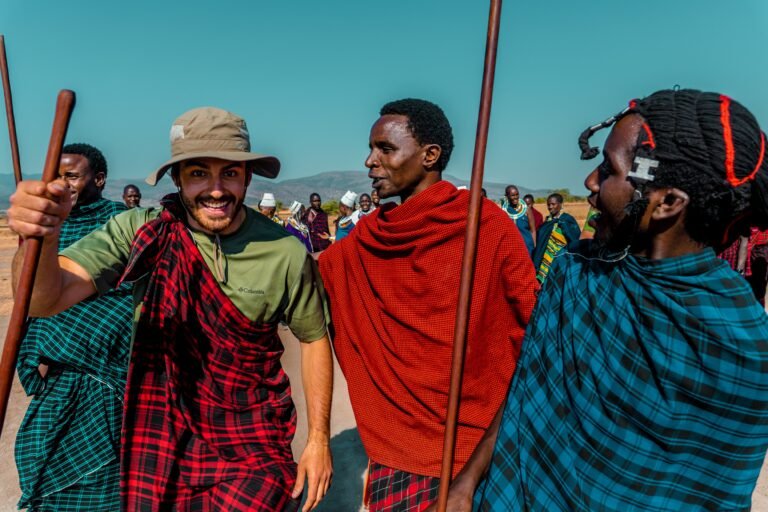
2 Days 1 Night Safari To Mikumi, Udzungwa & Maasai Village: 2026
Discover the highlights of Tanzania's southern circuit on a rapid 2-day, 1-night safari, combining wildlife viewing in Mikumi, unique landscapes in Udzungwa, and cultural immersion with the...
View package details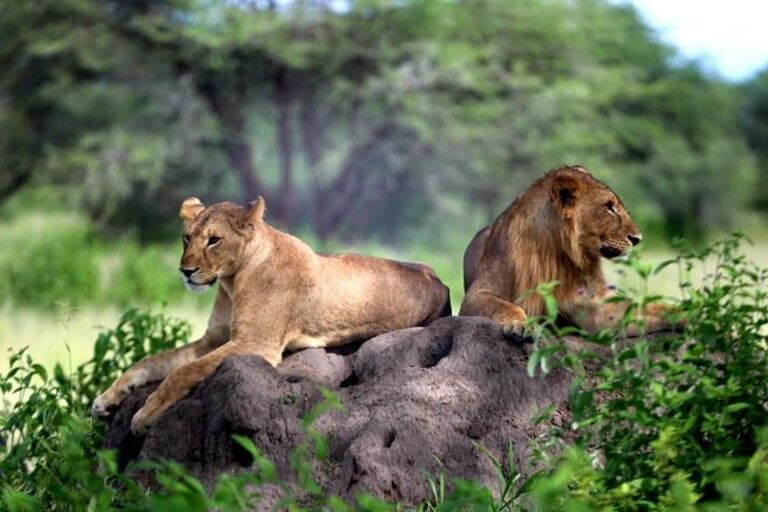
3 Day Joining Safari Group Departures From Moshi: 2026
Discover convenient 3-day group safari departures from Moshi, perfect for maximizing your Tanzania adventure. Explore wildlife-rich parks like Tarangire, Manyara, or the Serengeti on shared...
View package details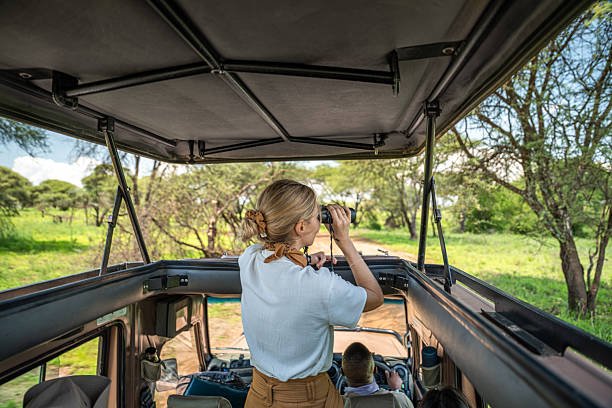
2 Day Group Joining Safari Departures From Moshi: Your Essential Guide
Explore 2-day group joining safaris departing from Moshi, Tanzania. This guide covers essential planning, itinerary options, what's included, and how to book your shared wildlife adventure...
View package detailsWhat Do You Actually Pay For On An African Safari? 2026-2027
What Do You Actually Pay for on an African Safari? is explained with current 2026-2027 planning, price, itinerary and booking information.
View package detailsWhat Does A $1,000 African Safari Look Like? 2026-2027
What Does a $1,000 African Safari Look Like? is explained with current 2026-2027 planning, price, itinerary and booking information.
View package details20 Things You Never Knew About African Safari Animals Guide
Uncover fascinating and often overlooked aspects of African safari animals. This comprehensive guide reveals 20 incredible facts that will deepen your appreciation for wildlife on your...
View package detailsWhy Are Leopards So Difficult To See On Safari? 2026-2027
Why Are Leopards So Difficult to See on Safari? is explained with current 2026-2027 planning, price, itinerary and booking information.
View package detailsWhere Do Elephants Go During The Dry Season? Planning Your Tanzania Safari
During Tanzania's dry season, elephants migrate to areas with reliable water sources, often congregating in national parks and game reserves known for their permanent waterholes and rivers...
View package detailsWhat I Wish I Knew Before My First African Safari: A Practical Guide 2026-2027
Your first African safari is a monumental trip. This comprehensive guide shares essential, often overlooked, insights to help you plan and enjoy every moment, covering everything from...
View package details10 Mistakes First-Time Safari Travelers Make 2026-2027
10 Mistakes First-Time Safari Travelers Make is explained with current 2026-2027 planning, price, itinerary and booking information.
View package detailsNo related package matches those filters. Clear one or more filters to see the other topic-matched options.



